Turning a plush design into a finished product is not a single transaction—it is a structured collaboration between brand and manufacturer. Many plush projects succeed or fail not because of creativity, but because of preparation, communication, and execution discipline. From my experience working with global buyers, the most successful plush products are those developed through clear design input, realistic feasibility review, controlled sampling, and well-aligned production planning. Below is a step-by-step view of how to work effectively with a plush manufacturer to bring your ideas to life.
What Design Materials and References Should You Prepare Before Contacting a Manufacturer?
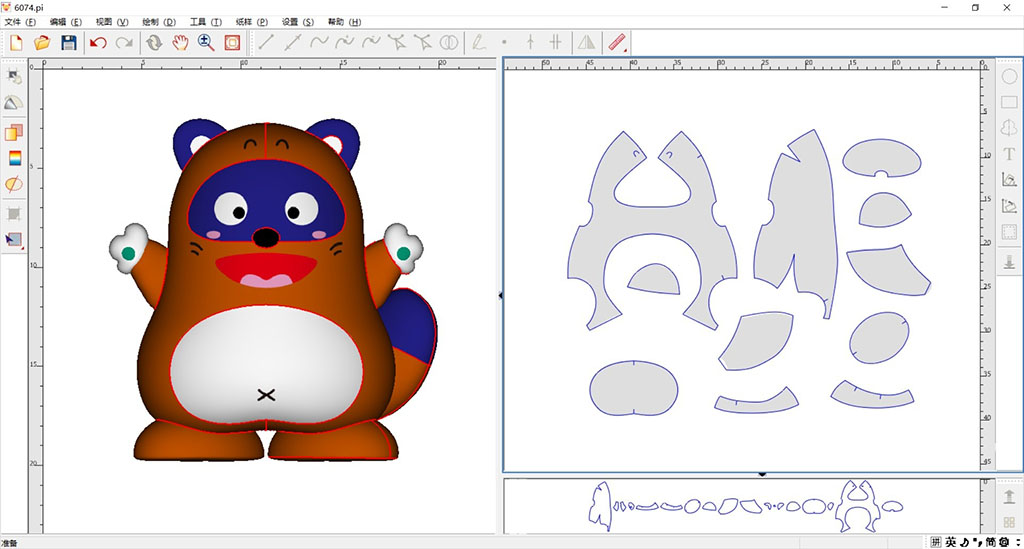
The quality of early communication depends heavily on what you prepare before reaching out to a plush manufacturer. Clear design materials help the factory understand your expectations and reduce guesswork during sampling. At minimum, manufacturers need to see the overall concept, proportions, and style direction.
Effective references include sketches, digital illustrations, reference photos, color palettes, and size expectations. Even if your design is not final, visual clarity allows the manufacturer to assess feasibility and suggest improvements. Vague descriptions often lead to misaligned samples and longer development cycles.
Well-prepared design input also signals professionalism. Factories are more likely to allocate experienced pattern makers and sampling resources when they see structured, thoughtful materials.
| Design Input | Purpose | Impact on Development |
|---|---|---|
| Sketches / artwork | Define shape & style | Reduces interpretation errors |
| Reference photos | Clarify texture & mood | Faster alignment |
| Size & usage notes | Define proportions | Better structure planning |
| Color guidance | Avoid mismatched tones | Fewer revisions |
How Do Design Reviews and Feasibility Assessments Shape Early Collaboration?
Once initial materials are shared, professional plush manufacturers conduct a feasibility review. This step evaluates whether the design can be produced safely, consistently, and within budget. It is not a rejection process, but a collaboration phase where potential risks are identified early.
A good manufacturer will review structure, safety considerations, material availability, and cost implications. They may suggest adjustments—simplifying details, modifying proportions, or changing construction methods—to protect quality and scalability.
This early assessment builds trust. Buyers benefit because potential problems are addressed before sampling begins, saving time and avoiding repeated revisions later.
| Review Area | Manufacturer Focus | Buyer Benefit |
|---|---|---|
| Structure | Stability & balance | Reliable final shape |
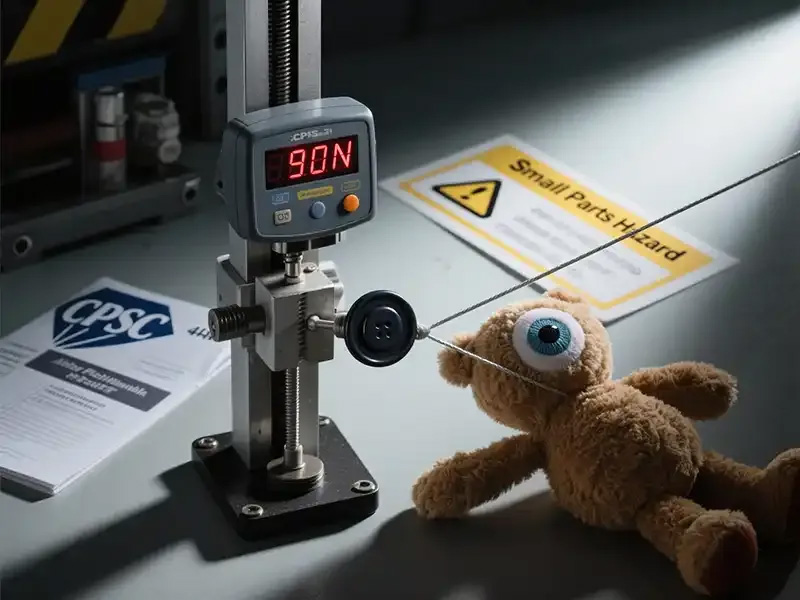
| Safety | Seams & small parts | Market compliance |
| Cost | Material & labor impact | Budget control |
| Scalability | Repeatability | Mass production readiness |
How Does Pattern Making and Sampling Transform Concepts into Physical Plush Forms?
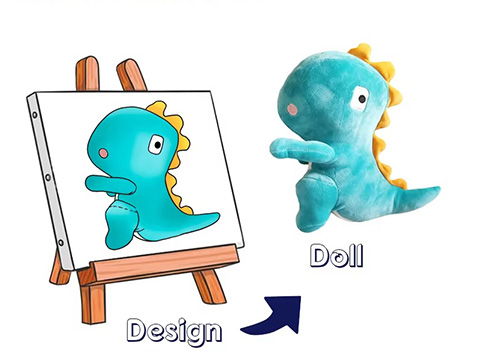
Pattern making is where a plush design truly comes to life. Skilled pattern makers translate 2D concepts into 3D forms, considering fabric stretch, pile direction, and stuffing behavior. This stage determines how accurate and expressive the final plush will be.
Sampling is not just about making a prototype—it is about testing assumptions. Early samples reveal whether proportions feel right, whether the plush sits or hugs correctly, and whether details are practical. Professional manufacturers use sampling to refine structure, not merely to “copy” a drawing.
Buyers should expect one or more sample rounds. A controlled, predictable sampling process is a strong indicator of a capable manufacturing partner.
| Sampling Element | Key Focus | Outcome |
|---|---|---|
| Pattern accuracy | Shape & proportions | Visual fidelity |
| Fabric behavior | Stretch & texture | Natural look |
| Stuffing balance | Weight & feel | Comfort & durability |
| Assembly logic | Ease of production | Consistency |
What Feedback and Revision Processes Ensure the Sample Matches Your Vision?
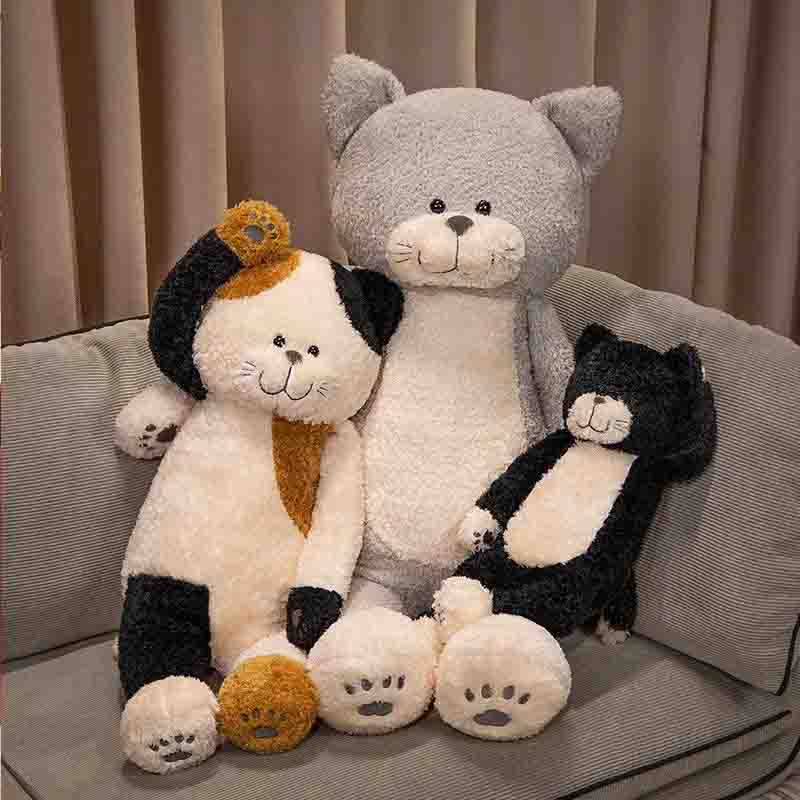
Clear feedback is essential after each sample review. Successful projects rely on structured comments rather than general impressions. Specific feedback—such as “eyes need to be 5 mm higher” or “arms feel too stiff”—helps manufacturers respond accurately.
Professional manufacturers document revisions and confirm changes before proceeding. This avoids repeated mistakes and keeps development efficient. Buyers should also prioritize changes, focusing first on structure and expression before cosmetic details.
A disciplined feedback loop ensures that each revision moves closer to the target rather than creating new issues.
| Feedback Practice | Best Approach | Result |
|---|---|---|
| Visual notes | Marked photos | Clear understanding |
| Priority setting | Structural first | Efficient revisions |
| Written confirmation | Agreed changes | Fewer misunderstandings |
| Revision tracking | Version control | Predictable progress |
How Do Material Selection and Craftsmanship Decisions Impact the Final Result?
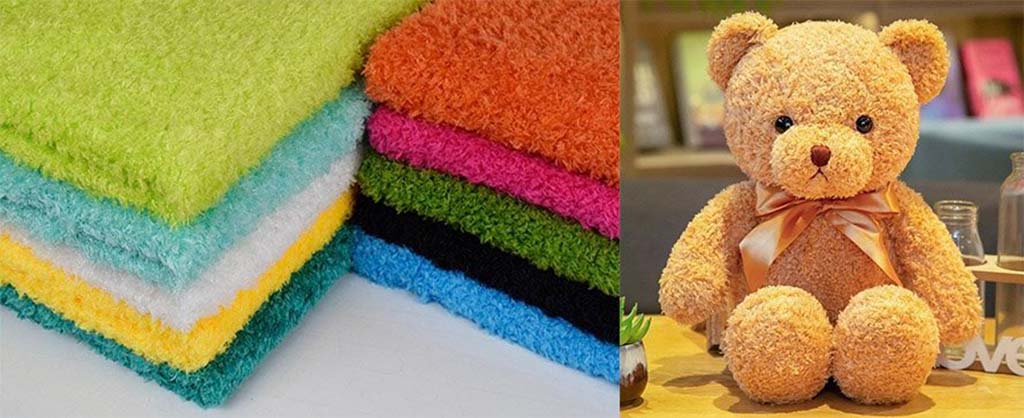
Material choice directly affects how a plush feels, looks, and performs over time. Fabric type, pile length, filling density, and stitching methods all influence perceived quality. A professional manufacturer guides buyers through these decisions based on intended use, price point, and market requirements.
Craftsmanship matters just as much. Clean seams, balanced stuffing, and consistent embroidery elevate even simple designs. Conversely, poor craftsmanship can undermine strong concepts.
Buyers benefit most when material and craftsmanship decisions are made early and aligned with brand positioning rather than adjusted at the last minute.
| Decision Area | Consideration | Impact |
|---|---|---|
| Fabric | Softness & durability | User experience |
| Filling | Density & rebound | Shape retention |
| Stitching | Strength & neatness | Longevity |
| Embroidery | Detail clarity | Premium perception |
How Can Clear Communication and Production Planning Lead to a Successful Launch?

Once the sample is approved, attention shifts to production planning. Clear communication at this stage ensures timelines, quantities, and specifications are fully aligned. Professional manufacturers provide detailed production schedules and flag potential risks early.
Production planning includes material procurement, capacity allocation, and quality checkpoints. Buyers who share launch deadlines, promotional plans, and shipping expectations allow manufacturers to plan more effectively.
When communication remains consistent from design to delivery, the result is a smoother launch and fewer surprises.
| Planning Factor | Manufacturer Role | Buyer Advantage |
|---|---|---|
| Timeline | Realistic scheduling | On-time launch |
| MOQ & scaling | Capacity planning | Cost efficiency |
| Quality checkpoints | Defined inspections | Consistent output |
| Logistics prep | Packing & labeling | Smooth delivery |
Conclusion
Bringing a plush design to life requires more than creativity—it demands preparation, collaboration, and disciplined execution. By working closely with a professional plush manufacturer through design review, sampling, material selection, and production planning, brands can turn concepts into high-quality products ready for market success.
📧 Contact: [email protected]
🌐 Visit: https://kinwintoys.com