In today’s global plush toy market, sustainability is no longer a “nice-to-have” feature. For buyers, it has become a risk management tool and a trust filter. From my experience working with international brands, retailers, and sourcing teams, sustainability certifications often determine whether a factory enters the supplier shortlist at all.
Buyers are under pressure from regulators, platforms, and end consumers. They need clear, verifiable proof that materials, processes, and labor practices meet recognized standards. Sustainability certifications provide that proof. They reduce uncertainty, protect reputations, and create a shared language between buyers and manufacturers. This article explains why sustainability certifications directly increase buyer trust, and how they influence purchasing decisions across the plush toy supply chain.
What Sustainability Certifications Matter Most to Global Plush Toy Buyers?

Not all sustainability certifications carry the same weight. Global plush toy buyers tend to prioritize certifications that address material authenticity, chemical safety, and environmental management, because these areas directly affect compliance and brand risk.
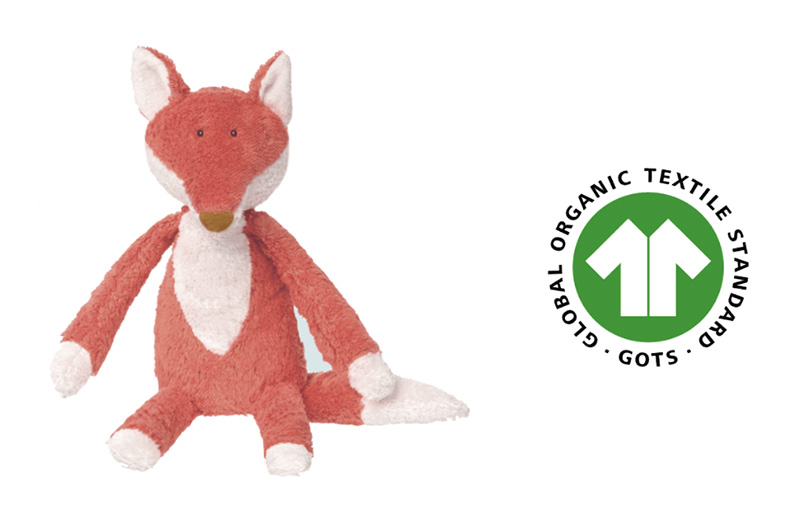
Material-focused certifications such as GRS and GOTS verify what goes inside the plush toy—recycled polyester, organic cotton, or certified yarns. Process-focused certifications like ISO 14001 show whether the factory operates under a structured environmental management system. Buyers rarely rely on a single certificate; instead, they look for a combination that covers both inputs and operations.
During supplier evaluation, buyers also check whether certificates apply to actual production lines or only limited product categories. Certifications that cannot be linked clearly to the purchased product lose credibility quickly.
| Certification | Buyer Concern Addressed | Why It Matters |
|---|---|---|
| GRS | Recycled content | Confirms real recycled materials |
| GOTS | Organic textiles | Ensures chemical & fiber integrity |
| OEKO-TEX | Chemical safety | Reduces health & recall risk |
| ISO 14001 | Environmental management | Shows system-level control |
| BSCI / SMETA | Social responsibility | Complements eco compliance |
How Third-Party Certifications Reduce Risk and Increase Purchasing Confidence
For buyers, the biggest challenge in sustainable sourcing is information asymmetry. They cannot see daily factory operations, yet they are fully responsible for compliance outcomes. Third-party certifications reduce this gap by introducing independent verification.
When a certification body audits a factory, it reviews documents, inspects processes, and validates claims using standardized criteria. This reduces reliance on supplier self-declarations. Buyers gain confidence because risks are shared with an accredited third party rather than resting solely on trust.
Certifications also reduce internal friction within buyer organizations. Procurement teams can justify supplier choices to compliance, legal, and brand teams using recognized standards rather than subjective judgments.
| Risk Area | Buyer Concern | Certification Value |
|---|---|---|
| Regulatory risk | Fines & recalls | Verified compliance |
| Brand risk | Public criticism | Independent validation |
| Supply risk | Inconsistent practices | Standardized audits |
| Internal approval | Stakeholder trust | Clear documentation |
Why Certified Materials and Processes Improve Brand Credibility
Brand credibility is built on consistency between what a brand claims and what it delivers. Certified materials and processes help ensure that sustainability messaging is supported by evidence.
When brands use certified recycled fillings or organic fabrics, they can confidently communicate sustainability benefits without vague language. This clarity matters not only to consumers but also to retail partners and licensing stakeholders who demand proof.
From my experience, brands that rely on certified inputs face fewer challenges during product launches, retail onboarding, and compliance reviews. Certification-backed claims are easier to defend and less likely to trigger disputes.
| Brand Element | Without Certification | With Certification |
|---|---|---|
| Sustainability claims | Hard to prove | Evidence-based |
| Retail approval | Slower | Faster onboarding |
| Consumer trust | Skepticism | Higher confidence |
| Marketing consistency | Risky | Safer messaging |
How Certifications Help Buyers Verify Supplier Claims and Avoid Greenwashing
Greenwashing is a growing concern in the plush toy industry. Many suppliers use sustainability language without clear definitions or proof. Certifications act as a filter that separates real practices from marketing narratives.
Buyers use certifications to verify whether eco claims apply to materials, processes, or entire factories. A supplier claiming “eco-friendly production” must demonstrate certification scope, audit validity, and traceability. This prevents misunderstandings and protects buyers from reputational damage.
Certifications also create accountability. If claims are later challenged, buyers can reference third-party audit reports rather than relying on verbal assurances.
| Verification Point | Buyer Question | Certification Role |
|---|---|---|
| Material origin | Is it really recycled? | Transaction certificates |
| Process control | Is eco applied consistently? | Audit scope clarity |
| Claim accuracy | Marketing vs reality | Third-party validation |
| Accountability | Who is responsible? | Audit trail |
Why Retailers and Platforms Prioritize Certified Sustainable Products
Retailers and online platforms operate under increasing regulatory and consumer scrutiny. As a result, they often set minimum certification requirements for suppliers and products.
Certified sustainable plush toys reduce platform risk. They simplify compliance checks, improve ESG reporting, and align with platform sustainability commitments. Many large retailers now request certification documentation during onboarding, not after problems arise.
For buyers, working with certified suppliers improves access to premium retail channels and reduces the risk of delisting or rejected listings.
| Channel Requirement | Platform Expectation | Buyer Benefit |
|---|---|---|
| Retail onboarding | Proof of sustainability | Faster approval |
| ESG reporting | Verified data | Easier compliance |
| Product listing | Reduced risk | Stable sales |
| Consumer trust | Transparency | Higher conversion |
How Sustainability Certifications Support Long-Term Buyer–Supplier Relationships
Beyond compliance, sustainability certifications strengthen long-term partnerships. Certified suppliers tend to invest more in systems, training, and continuous improvement, which aligns well with buyers seeking stable supply chains.
Certifications create a shared framework for discussion. Instead of debating subjective standards, buyers and suppliers can focus on improvement targets, corrective actions, and future upgrades. This reduces conflict and increases collaboration.
Long-term relationships benefit most when certifications are treated as living systems, not static labels. Factories that renew audits, expand scope, and invest in sustainability signal reliability and commitment.
| Relationship Factor | Without Certification | With Certification |
|---|---|---|
| Trust level | Based on history | Supported by systems |
| Dispute handling | Subjective | Evidence-based |
| Improvement planning | Unclear | Structured roadmap |
| Partnership stability | Fragile | Long-term aligned |
Conclusion
Sustainability certifications increase buyer trust by reducing risk, verifying claims, and creating transparency across the supply chain. For plush toy buyers, certified suppliers offer not only compliance assurance, but also long-term reliability and brand protection.
📧 Contact: [email protected]
🌐 Visit: https://kinwintoys.com