Skip to content
Many buyers feel confused when they receive their first plush toy sample.
The design artwork looks perfect on screen, but the physical sample may look slightly different.
The head may appear wider.
The eyes may look smaller.
The proportions may feel slightly changed.
This situation is actually very common in plush toy development.
The reason is simple: a plush toy is a 3D sewn structure, while most designs start as flat 2D artwork.
Understanding why these differences occur helps buyers set realistic expectations and work more effectively with their manufacturer during the sampling stage.
Why Do Plush Toy Samples Differ from the Original Design Artwork?
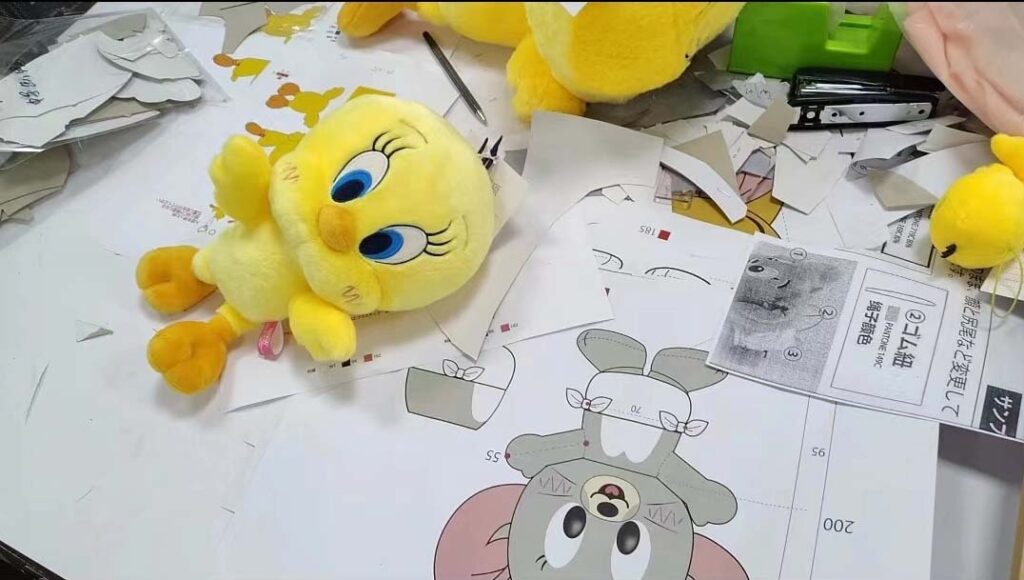
Design artwork and plush toys follow very different rules.
A digital drawing can show perfect shapes and lines.
But plush toys must be created through fabric cutting, sewing, stuffing, and shaping.
Each of these steps introduces physical constraints.
2D Designs Do Not Reflect Real Sewing Structures
Most character designs are created as flat illustrations.
These designs often ignore structural elements such as:
- seam allowances
- fabric thickness
- stuffing space
- curvature created by sewing
When a factory converts the design into a plush structure, pattern makers must divide the design into multiple panels.
For example:
- a round head may require 4–6 fabric panels
- curved faces need additional seams
- limbs must be shaped through pattern segmentation
Factories experienced in plush engineering—such as Kinwin—typically redesign the internal structure carefully to keep the character recognizable.
Some Design Elements Must Be Simplified
Illustrations may include extremely fine details:
- tiny facial lines
- extremely thin shapes
- overlapping colors
- unrealistic body proportions
Not all of these details translate well into plush construction.
During sampling, manufacturers may adjust:
- line thickness
- embroidery size
- seam placement
- part proportions
These adjustments help ensure the toy can be produced consistently at scale.
Design vs Plush Reality Comparison
| Design Element | Illustration Version | Plush Reality |
|---|---|---|
| Lines | Unlimited thin lines | Limited by embroidery |
| Shapes | Perfect curves | Created by seams |
| Proportions | Flat artwork | Affected by stuffing |
| Details | Extremely fine | Must be simplified |
| Structure | Unlimited | Controlled by fabric panels |
How Does Converting 2D Artwork into a 3D Plush Structure Change Proportions?
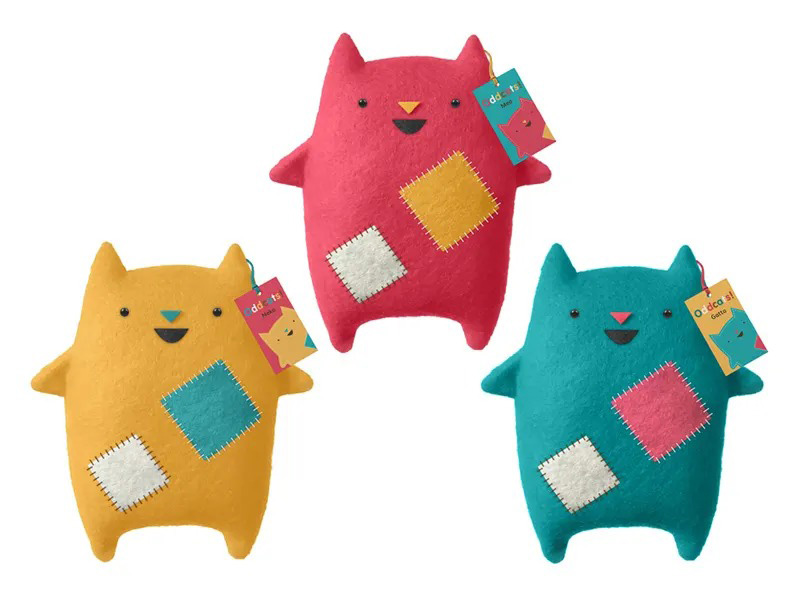
One of the biggest surprises for many buyers is that a plush toy rarely matches the exact proportions of the original illustration.
This happens because illustrations are flat, while plush toys are built as three-dimensional sewn objects filled with stuffing.
When pattern makers convert a design into real fabric panels, certain shapes must expand or compress to maintain structure and balance.
Curved Surfaces Change How Shapes Appear
In a 2D drawing, shapes such as eyes, mouths, and cheeks appear perfectly positioned on a flat surface.
But once the head becomes a stuffed 3D object:
- the front surface becomes curved
- the face area expands outward
- design elements spread slightly apart
This can make:
- eyes look further apart
- mouths appear lower
- cheeks seem larger
Experienced manufacturers—such as Kinwin—often adjust artwork placement during pattern development to compensate for this curvature.
Structural Balance Requires Proportion Adjustments
Another factor is structural balance.
For example:
- very thin necks may not support a large head
- extremely small bodies may not balance large limbs
- narrow legs may collapse after stuffing
To ensure the plush toy stands, sits, or holds its shape properly, pattern makers sometimes adjust proportions slightly.
These adjustments are not mistakes—they are engineering solutions.
2D vs 3D Proportion Adjustment Table
| Design Element | 2D Artwork Appearance | Plush Toy Reality |
|---|---|---|
| Face layout | Flat alignment | Spread on curved surface |
| Head width | Perfect circle | Slightly wider after stuffing |
| Eyes & mouth | Fixed spacing | May shift visually |
| Body balance | Unlimited shapes | Must support structure |
| Limbs | Thin shapes possible | Must hold stuffing |
Do Fabric Type and Pile Length Affect the Final Appearance?
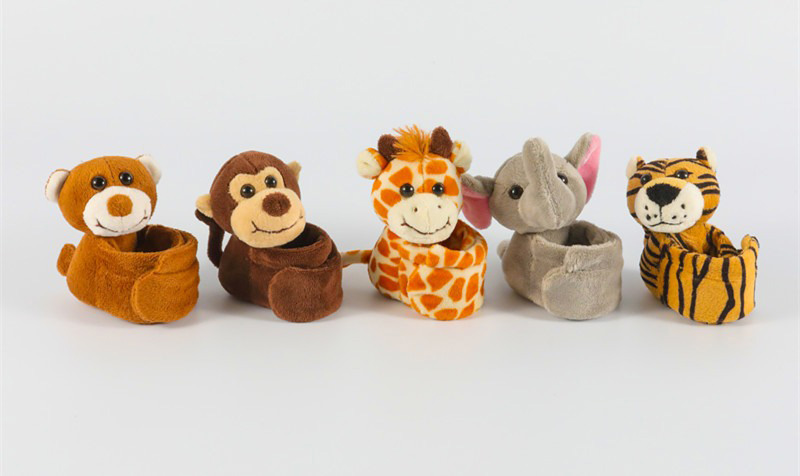
Yes—fabric choice can significantly influence how a plush toy looks in reality.
Many designs are created digitally without considering the physical behavior of plush fabrics.
But in production, fabric type, thickness, and pile length can change how details appear on the final toy.
Does Pile Length Hide or Soften Design Details?
Plush fabrics often have a soft surface made of fibers known as pile.
The longer the pile, the softer and fluffier the toy feels—but this can also soften or partially hide certain design details.
For example:
- embroidered facial features may look slightly smaller
- printed lines may appear less sharp
- small shapes may become less defined
If the pile is long, the surrounding fibers may partially cover edges or stitches.
Experienced plush manufacturers—such as Kinwin—often adjust embroidery density or line thickness to keep features visible on plush fabrics.
Do Different Fabrics Create Different Shape Effects?
Different plush materials behave differently during sewing and stuffing.
Examples include:
- Short plush: smoother surface, clearer details
- Long plush: softer appearance but less defined edges
- Velboa: thin fabric, suitable for printed designs
- Minky fabric: soft but slightly stretchy
Some fabrics stretch slightly when stuffed, which can subtly change proportions or seam alignment.
This is why material selection is usually finalized during the sampling stage rather than purely based on the artwork.
Fabric Impact Evaluation Table
| Fabric Feature | Visual Effect on Plush Toy |
|---|---|
| Short pile plush | Clearer facial details |
| Long pile plush | Softer but less defined lines |
| Stretch fabrics | Slight shape expansion |
| Thick fabrics | Fuller appearance |
| Smooth fabrics | Better printing clarity |
How Does Stuffing Density Influence Shape and Facial Expression?
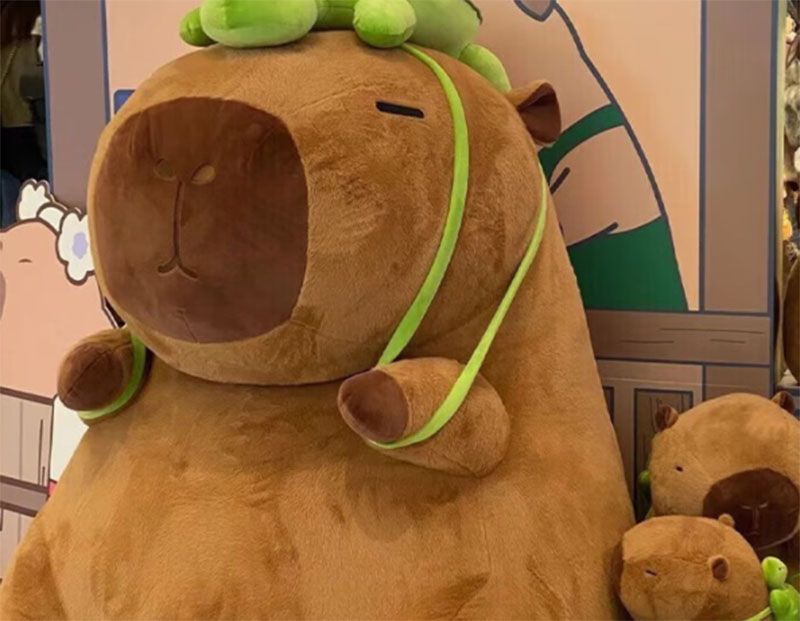
Stuffing is one of the most underestimated factors in plush toy development.
Even if the pattern and fabric are correct, the way a toy is stuffed can significantly change how it looks and feels.
Small differences in stuffing density can affect:
- head shape
- body proportions
- facial expression
- softness and stability
Can Overstuffing or Understuffing Change the Toy’s Shape?
Yes, stuffing density directly influences how the plush expands.
For example:
- Overstuffed toys may look rounder or wider than expected
- Understuffed toys may appear flat or lose their intended shape
- uneven stuffing can distort symmetry
The head area is especially sensitive. If stuffing pressure changes, the facial layout may shift slightly.
Professional factories—such as Kinwin—usually define stuffing standards during sampling so that production units remain consistent.
Does Stuffing Affect Facial Expression?
Stuffing does not only affect shape—it can also influence expression.
For example:
- a fuller cheek area may make the toy look happier
- tight stuffing around the mouth may exaggerate curves
- softer stuffing may create a more relaxed expression
Because of this, manufacturers often adjust stuffing ratios during the sample stage to refine the final look.
Stuffing Density Impact Table
| Stuffing Condition | Resulting Visual Effect |
|---|---|
| Overstuffed | Rounder shapes, tighter seams |
| Understuffed | Softer but less defined structure |
| Balanced stuffing | Stable proportions |
| Uneven stuffing | Asymmetrical appearance |
| Controlled density | Consistent production results |
Are Embroidery and Printing Techniques Limiting Certain Design Details?
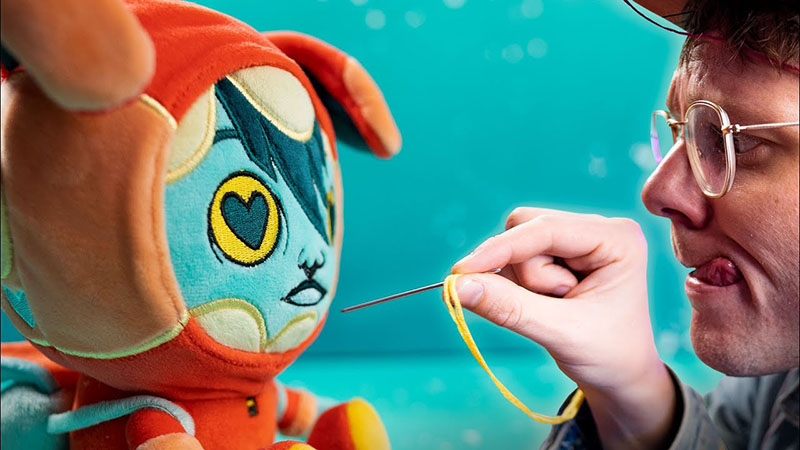
In many plush toy designs, facial features and decorative elements are created using embroidery or printing.
While these techniques are highly versatile, they still have technical limits.
When artwork contains extremely fine lines, tiny shapes, or complex color transitions, those details may need to be adjusted during the sampling stage.
Do Embroidery Machines Have Minimum Line Thickness?
Embroidery is one of the most common techniques used for plush toy faces.
However, embroidery machines require a minimum stitch width to ensure durability and clarity.
For example:
- extremely thin lines may not stitch cleanly
- very small text may become unreadable
- tiny shapes may merge together
To solve this, pattern technicians often slightly enlarge or simplify embroidery elements.
Manufacturers experienced in plush development—such as Kinwin—usually optimize embroidery files so that details remain recognizable while staying production-safe.
Can Printing Always Match Digital Artwork?
Printing works well for multi-color designs or complex patterns, but it also has limitations.
For instance:
- printed colors may look different on textured plush fabrics
- color gradients may appear softer than on screen
- alignment between panels may require adjustment
Because plush toys are sewn from multiple fabric pieces, printed artwork sometimes needs to be repositioned slightly during pattern making.
Embroidery vs Printing Design Limitations
| Technique | Strength | Limitation |
|---|---|---|
| Embroidery | Durable and textured | Minimum line thickness |
| Printing | Good for complex colors | Softer edges on plush fabric |
| Small details | Possible with adjustment | Cannot be extremely tiny |
| Color transitions | Smooth in artwork | May soften on fabric |
| Alignment | Precise on flat panels | Affected by seams |
How Do Pattern-Making and Sewing Constraints Affect Symmetry and Proportions?
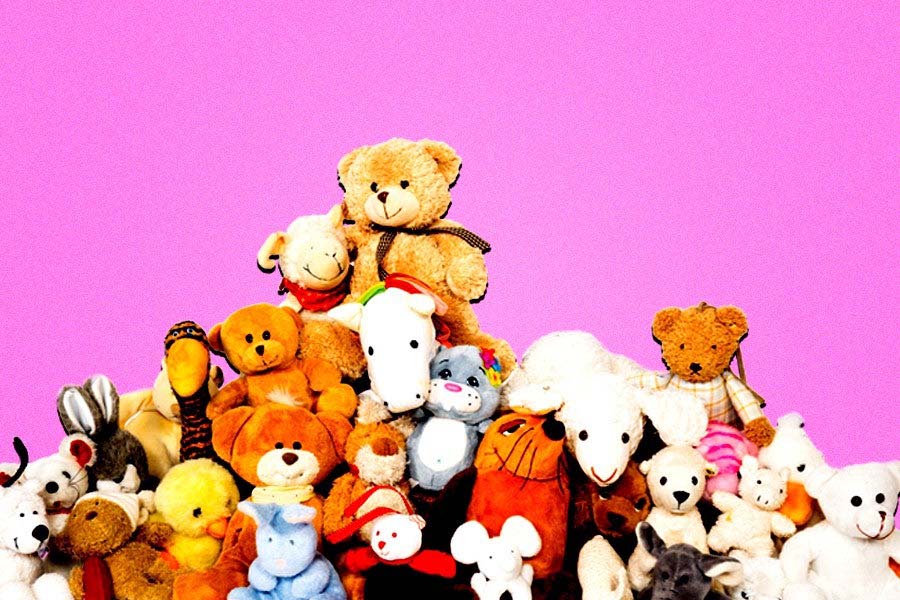
Pattern-making is the engineering stage of plush toy manufacturing.
Before any fabric is cut, technicians must convert the design into a set of fabric panels that can be sewn together to form a three-dimensional structure.
This process requires careful adjustments, because fabric pieces must align correctly after sewing and stuffing.
Small changes in pattern design can influence the final shape, proportions, and symmetry of the plush toy.
Do Fabric Panels Create Natural Shape Variations?
Most plush toys are not made from a single piece of fabric.
Instead, they are built from multiple panels such as:
- head panels
- side panels
- body panels
- limb pieces
When these panels are sewn together, the seams create curvature and volume.
However, the placement of seams can also influence how the toy appears:
- a seam near the face may slightly change cheek shape
- body panels may expand differently when stuffed
- curved seams may affect how limbs sit
Experienced pattern technicians—such as those working at Kinwin—carefully balance these elements so that the final toy maintains symmetry while staying structurally stable.
Can Sewing Tolerances Affect Symmetry?
Plush toys are handmade products, and sewing always involves a small tolerance range.
Even with precise patterns:
- stitching lines may vary slightly
- fabric tension can differ
- stuffing distribution can change shape
These small variations are normal in textile manufacturing.
Professional factories control these tolerances through standardized sewing techniques, pattern refinement, and quality inspections.
Pattern & Sewing Influence Table
| Manufacturing Factor | Impact on Plush Appearance |
|---|---|
| Pattern panel design | Determines overall structure |
| Seam placement | Creates shape and curvature |
| Sewing tolerance | Small variations possible |
| Fabric tension | May affect proportions slightly |
| Pattern refinement | Improves symmetry in production |
Conclusion
It is completely normal for a plush toy sample to look slightly different from the original design artwork.
This happens because plush toys are physical products built through:
- 3D pattern engineering
- fabric behavior
- stuffing pressure
- embroidery or printing techniques
- sewing structure
Rather than expecting a perfectly identical translation from illustration to plush, the goal of the sampling stage is to refine the design so it works beautifully in real materials.
Professional plush manufacturers—such as Kinwin—treat sampling as a collaborative process, working with clients to adjust patterns, materials, and details until the final toy matches the character and production requirements.
Understanding this process helps buyers make better decisions and achieve stronger final results.