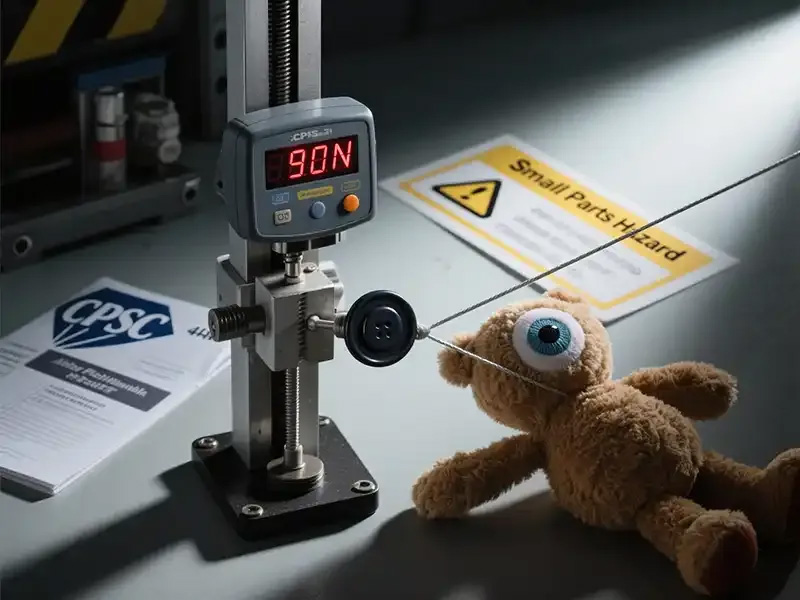
When working with a plush toy manufacturer, one of the most common frustrations buyers face is unexpected delays during the sampling stage. You may have already confirmed the design, paid the sample fee, and expected the prototype within a certain timeframe—only to find that progress is slower than expected.
In reality, sampling delays are usually not caused by a single issue. They are often the result of multiple factors, including unclear design input, material preparation challenges, factory scheduling, and internal workflows.
Understanding why some plush factories delay sampling can help buyers avoid these situations, choose more reliable partners, and manage their project timelines more effectively.
In this article, we’ll break down the most common reasons behind sampling delays—and how to prevent them.
Why do some factories delay starting the sampling process?

In many cases, the delay does not happen during sampling itself—but before it even begins. Some factories take longer to start the sampling process due to internal preparation, incomplete project information, or scheduling priorities.
From a buyer’s perspective, it may feel like nothing is happening. But in reality, the factory may still be waiting for key confirmations or organizing internal resources before assigning the project to the sample team.
Understanding this early-stage delay can help you identify whether the issue comes from communication, planning, or factory management.
Factories May Wait for Complete Information Before Starting
Professional factories usually avoid starting sampling until they have all the necessary information. This includes design files, material confirmation, size specifications, and technical details.
If any of these elements are unclear or missing, the factory may delay the start of sampling to avoid making incorrect assumptions.
While this may seem like a delay, it is often a risk-control measure to prevent costly revisions later.
Internal Scheduling and Queue Management
Most factories handle multiple projects at the same time. Before starting a new sample, they need to schedule the project within their sampling queue.
If there are already several ongoing projects, new samples may need to wait for available capacity. This is especially common during busy seasons or when working with factories that have limited sampling teams.
Factories with well-organized scheduling systems usually communicate this clearly, while less organized factories may not provide transparent timelines.
Common Reasons for Delayed Sampling Start
| Delay Factor | Explanation | Impact |
|---|---|---|
| Incomplete Design Information | Missing specifications or unclear artwork | Delayed project kickoff |
| Material Not Confirmed | Fabric or accessories undecided | Sampling cannot begin |
| Internal Scheduling Queue | Projects waiting in line | Later start time |
| Resource Allocation | Limited sample team availability | Slower response |
| Lack of Communication | Unclear expectations | Misaligned timelines |
How does unclear design information cause sampling delays?
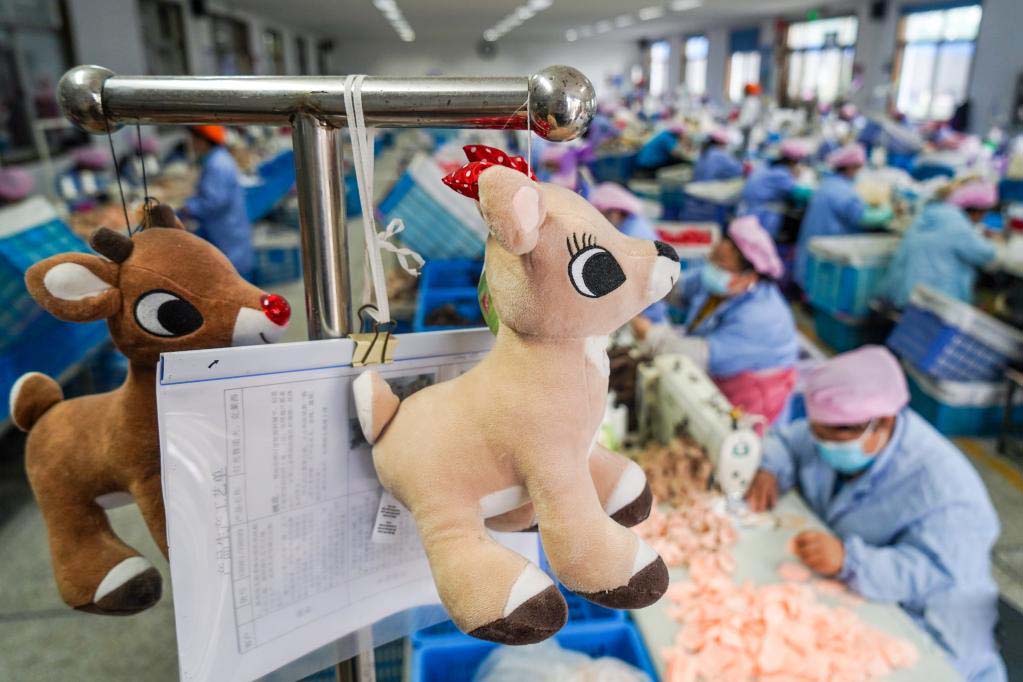
Unclear or incomplete design information is one of the most common reasons for sampling delays. When factories receive vague instructions or insufficient design details, they often need to pause and request clarification before moving forward.
This back-and-forth communication can add several days—or even weeks—to the sampling timeline.
Clear and detailed design input is essential for starting sampling quickly and avoiding unnecessary delays.
Missing Details Lead to Repeated Clarifications
If important details are not provided at the beginning, the factory may need to ask multiple follow-up questions. These questions may involve:
- Size and proportions
- Fabric choices
- Embroidery placement
- Accessory design
Each round of clarification adds time to the project and slows down the start of sampling.
Ambiguous Artwork Causes Interpretation Differences
When design artwork is not detailed enough, engineers may interpret the design differently than the buyer intended. For example, a flat 2D drawing may not clearly show how the toy should look from the side or back.
To avoid mistakes, factories often pause development until they receive clearer references. This ensures accuracy but also extends the timeline.
Providing multi-angle artwork and clear specifications can significantly reduce these delays.
How Design Clarity Affects Sampling Speed
| Design Issue | Resulting Problem | Impact on Timeline |
|---|---|---|
| Missing Specifications | Factory requests clarification | Delayed start |
| Single-Angle Artwork | Incomplete design understanding | Slower development |
| Undefined Materials | Fabric selection unclear | Sampling paused |
| Vague Instructions | Misinterpretation risk | Extra communication |
| Frequent Changes | Design instability | Extended timeline |
Do material sourcing and fabric availability slow down sampling?
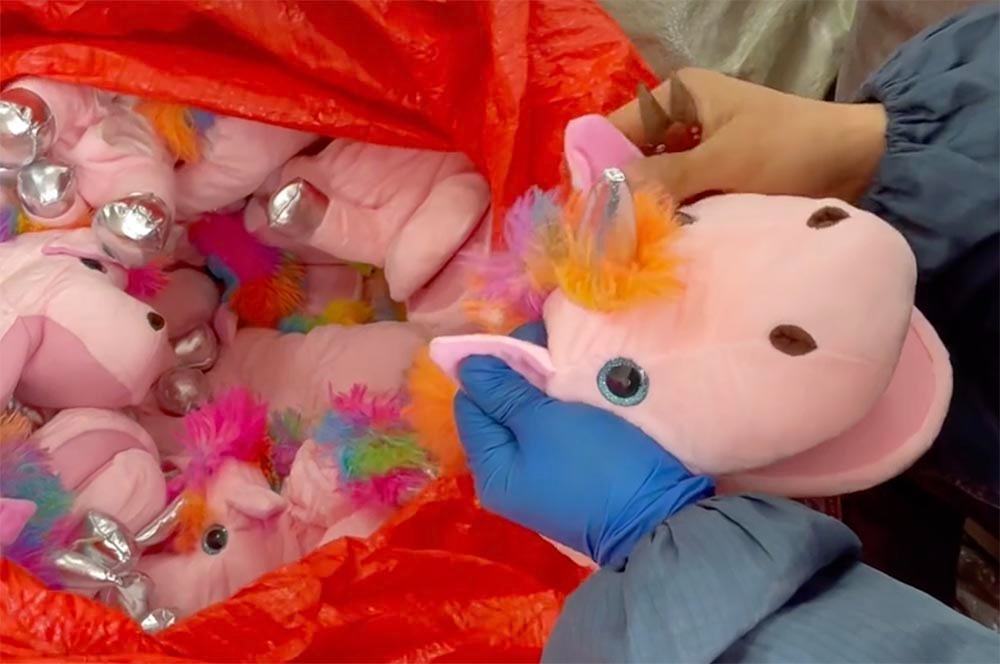
Yes, material sourcing is another key factor that can delay plush toy sampling. Even if the design is clear and the factory is ready to begin, sampling cannot proceed until the required materials are available.
Plush toys often involve multiple fabrics, colors, and accessories. If these materials are not in stock, the factory may need additional time to source them from suppliers.
Understanding how material preparation affects sampling timelines can help buyers plan more realistically.
Non-Standard Materials Require Additional Sourcing Time
If your design requires special fabrics, custom colors, or unique textures, the factory may not have these materials readily available.
In such cases, they need to:
- Contact suppliers
- Order sample materials
- Wait for delivery
This process can take several days depending on the complexity of the materials.
Color Matching and Material Testing Take Time
Even when materials are available, factories may need to verify that the color and texture match the design requirements.
This may involve:
- Comparing fabric swatches
- Testing embroidery on selected materials
- Confirming compatibility between different fabrics
These steps help ensure quality but can also extend the preparation phase.
Material-Related Causes of Sampling Delays
| Material Factor | Cause of Delay | Result |
|---|---|---|
| Custom Fabric Colors | Requires dyeing or sourcing | Longer preparation |
| Special Textures | Limited availability | Extra sourcing time |
| Multiple Materials | Coordination between suppliers | Slower preparation |
| Color Matching | Verification process needed | Additional time |
| Accessories | Separate sourcing required | Delayed assembly |
How does factory workload or peak season affect sample timelines?
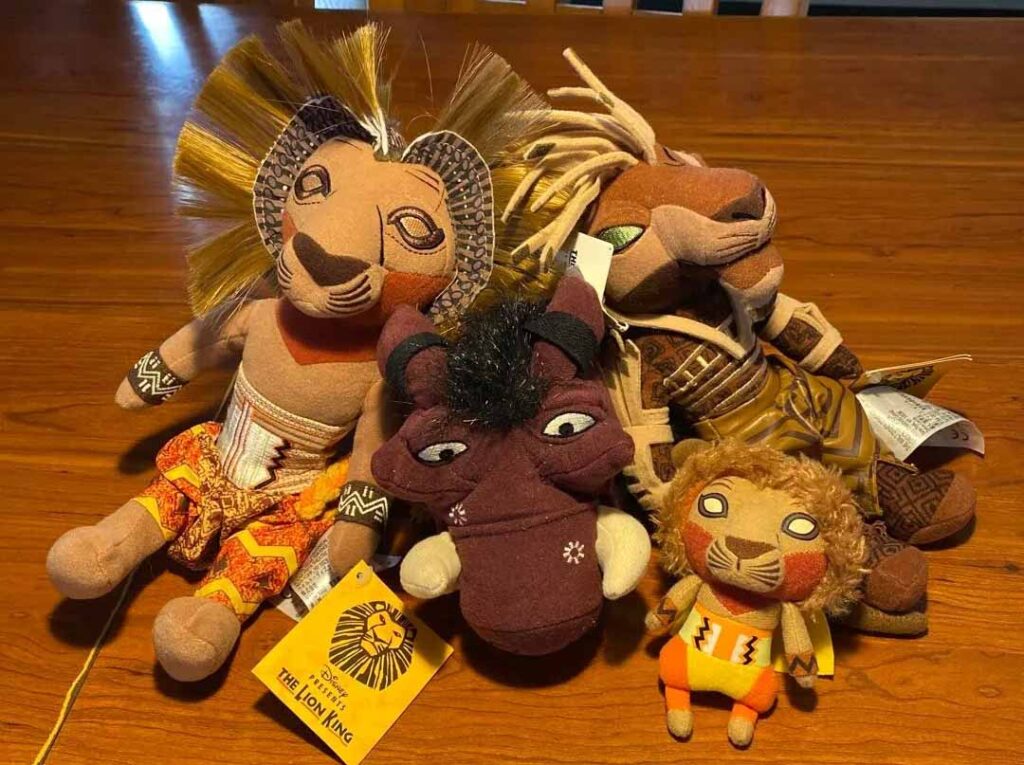
Factory workload is one of the most practical—and often underestimated—reasons behind sampling delays. Even if your project is clear and ready to move forward, the factory’s current production load can directly impact how quickly your sample is developed.
Plush toy factories usually handle multiple projects at the same time. When the workload increases—especially during peak seasons—sampling timelines can become longer due to limited resources and scheduling constraints.
Understanding how factory workload affects timelines helps buyers choose the right timing and set realistic expectations.
Peak Seasons Can Significantly Slow Down Sampling
Certain periods of the year are especially busy for plush toy manufacturers. These typically include:
- Pre-holiday production seasons (e.g., Christmas, promotions)
- Large campaign or licensing project periods
- Pre-Chinese New Year production rush
During these times, factories prioritize mass production orders, which can limit the availability of sampling teams.
As a result, even simple sample projects may take longer than usual to complete.
Limited Sample Team Capacity Creates Bottlenecks
Unlike production lines, sampling is handled by smaller, specialized teams. These teams are responsible for pattern making, prototype sewing, and technical adjustments.
If too many projects are assigned at the same time, the sample team may not be able to process them quickly. This creates a bottleneck where new projects must wait in queue.
Factories with strong internal management usually communicate this clearly, while less organized suppliers may not provide transparent timelines.
How Workload Affects Sampling Speed
| Workload Factor | Cause | Impact |
|---|---|---|
| Peak Season Orders | Increased production demand | Sampling delays |
| Limited Sample Teams | Small specialized workforce | Longer queue |
| Production Priority | Bulk orders prioritized | Sampling deprioritized |
| Project Backlog | Too many ongoing samples | Slower turnaround |
| Poor Planning | Lack of scheduling system | Unpredictable timelines |
Are internal approvals and scheduling causing delays?
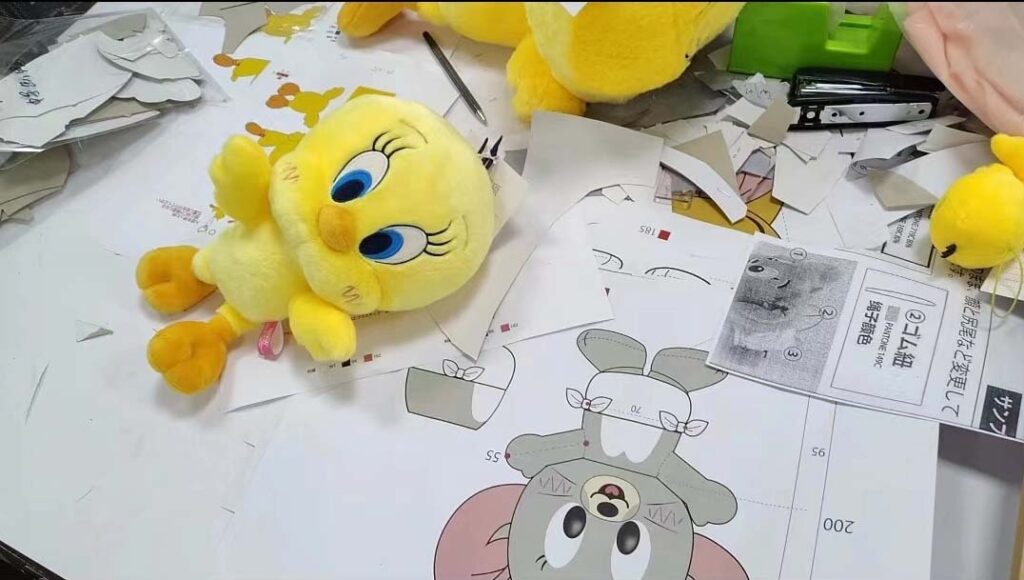
In addition to external factors, internal factory processes can also contribute to sampling delays. Before a sample is developed, many factories require internal approvals and coordination between different departments.
If these processes are not well organized, they can slow down the start and progress of sampling.
Understanding how internal workflows affect timelines can help buyers evaluate the reliability of a manufacturer.
Internal Review Processes May Delay Project Start
Some factories require technical teams to review the design before sampling begins. This may include evaluating feasibility, confirming materials, and checking production methods.
While this step is important for quality control, inefficient internal communication can delay the approval process.
In well-managed factories, these reviews are completed quickly. In less organized factories, this step can take longer than expected.
Poor Scheduling Systems Can Create Confusion
Factories without clear scheduling systems may struggle to prioritize projects effectively. This can result in:
- Delayed project assignment
- Unclear production timelines
- Miscommunication between departments
When scheduling is not well managed, even simple sample projects can experience unnecessary delays.
Choosing a factory with a structured workflow helps avoid these issues.
Internal Factors That Cause Sampling Delays
| Internal Factor | Issue | Result |
|---|---|---|
| Technical Approval Process | Slow internal review | Delayed start |
| Department Coordination | Poor communication | Misalignment |
| Scheduling System | Lack of clear planning | Unpredictable timelines |
| Project Prioritization | No clear order system | Delayed execution |
| Workflow Efficiency | Unstructured processes | Slower progress |
Do inexperienced sample teams take longer to develop prototypes?
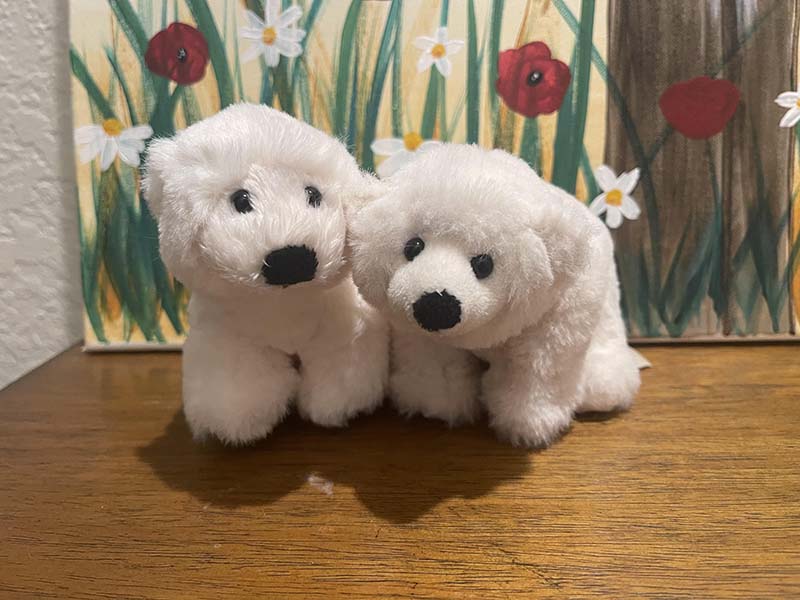
Yes, the experience level of the sampling team has a direct impact on how quickly and accurately prototypes are developed. Plush toy sampling is a highly technical process that requires skill in pattern making, sewing, and material handling.
Inexperienced teams often need more time to interpret designs, test patterns, and correct mistakes. This can result in longer sampling timelines and additional revision rounds.
Working with an experienced sample team can significantly improve both speed and accuracy.
Skilled Pattern Makers Reduce Trial-and-Error
Pattern making is one of the most complex stages of plush toy development. Experienced pattern makers understand how to translate 2D artwork into 3D structures efficiently.
They can anticipate how fabric thickness, stitching, and stuffing will affect the final shape. This reduces the need for repeated adjustments and shortens the development process.
Less experienced teams may rely more on trial-and-error, which increases sampling time.
Experienced Teams Improve First Sample Accuracy
A strong sample team can often produce a first prototype that is already close to the final design. This reduces the number of revision rounds required.
In contrast, inexperienced teams may produce samples that require significant adjustments, leading to longer development cycles.
Higher first-sample accuracy is one of the key indicators of a reliable plush toy manufacturer.
Impact of Team Experience on Sampling
| Team Experience Level | Development Efficiency | Result |
|---|---|---|
| Highly Experienced Team | Fast and accurate pattern making | Fewer revisions |
| Moderate Experience | Some trial-and-error | Moderate timeline |
| Inexperienced Team | Frequent adjustments needed | Longer delays |
| Skilled Technicians | Efficient sewing and assembly | Better quality |
| Strong Engineering Support | Clear technical solutions | Faster development |
Conclusion
Sampling delays in plush toy development are often caused by a combination of factors, including incomplete design information, material sourcing challenges, factory workload, internal workflows, and team experience.
By understanding these factors, buyers can better manage their expectations and choose manufacturing partners more effectively. Clear communication, early preparation, and working with well-organized factories can significantly reduce delays and improve the overall development process.
At KINWIN, we focus on minimizing sampling delays through structured workflows, experienced development teams, and transparent communication. From design evaluation and material preparation to pattern making and prototype development, we help clients move efficiently from concept to sample approval.
If you are looking for a reliable plush toy manufacturer that can deliver accurate samples within a clear timeline, our team is always ready to support your project.