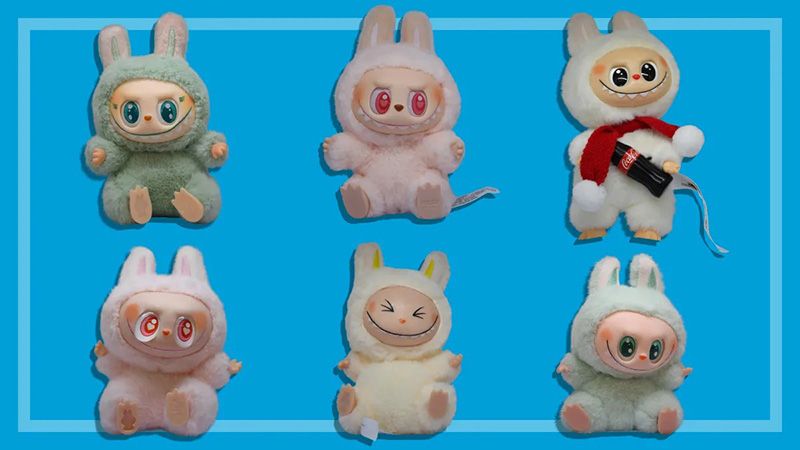
Many adults feel a quiet comfort from stuffed animals—and then wonder if that comfort is “strange.” I’m Amanda from Kinwin, and I work with plush buyers worldwide. From what I see, adult plush attachment is common, practical, and often connected to stress relief, memory, and modern life rhythms.
Adults often like stuffed animals because plush offers safe comfort without social pressure. A plush toy is soft, familiar, and predictable. It can help with sleep routines, anxiety moments, loneliness, and even daily decompression after work. For many people, collecting plush is also a hobby with identity, design taste, and community value—similar to art toys or vinyl figures.
If you are a brand owner or retailer, this topic matters because adult plush is no longer a “small niche.” It is a growing, repeat-purchase market with clear design and positioning rules.
Why do stuffed animals provide comfort and emotional regulation for adults?
As an adult, you carry responsibilities, deadlines, and constant input. A stuffed animal is the opposite: it is soft, quiet, and non-demanding. That contrast makes it a simple tool for emotional regulation—meaning it helps your nervous system settle.
Many adults use plush for “micro-calming” moments: holding something soft while scrolling, hugging a plush while watching TV, or keeping one nearby during sleep. This is not childish behavior. It’s a low-risk coping habit that doesn’t harm anyone and can reduce emotional overload.
A comfort plush works best when it feels safe in the hand: soft surface, gentle shape, steady stuffing, and no sharp parts. When these details are right, adults report that they feel calmer faster—and they are more likely to keep the plush long-term.
Many adults like plush because it gives comfort without explanation. You don’t have to “talk it out” every time. You can just breathe, hold, and reset.
| Adult comfort need | How plush helps | What design supports it | What breaks the comfort | What brands can highlight |
|---|---|---|---|---|
| Quick calm after stress | Soft touch + gentle pressure | Smooth fabric, balanced fill | Lumpy fill, scratchy seams | “Soft, soothing hand-feel” |
| Sleep support | Familiar bedtime cue | Medium size, quiet materials | Crinkle inserts, hard parts | “Sleep-friendly comfort” |
| Emotional grounding | Predictable object | Consistent shape and weight | Flattens fast, loses shape | “Holds shape over time” |
| Socially private comfort | No judgment, no conflict | Simple cute expression | Overly childish messaging | “Cozy lifestyle companion” |
| Routine building | A stable daily habit | Wash-friendly build | Hard-to-clean surfaces | “Easy care, everyday use” |
How do nostalgia and memory influence adult attachment to plush toys?
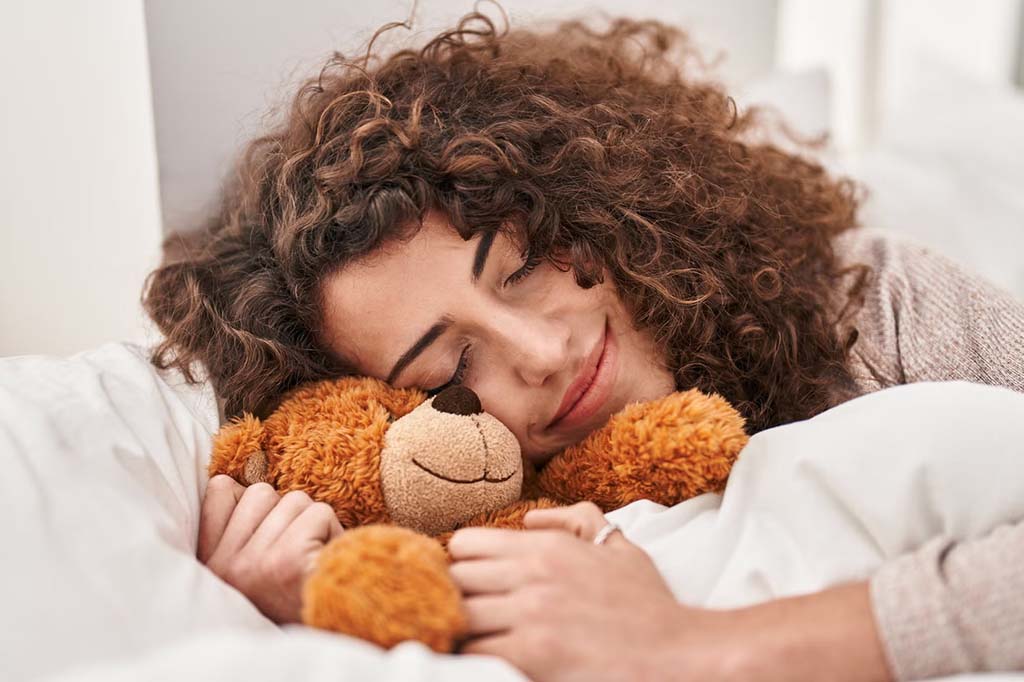
Nostalgia is not only “missing childhood.” It is often a memory shortcut to safety. When an adult holds a plush, the brain can connect that texture and shape with earlier calm moments—bedtime, family warmth, or a stable place.
Some adults keep a plush from childhood. Others buy a similar style later because they want that same feeling again. Even if the plush is new, it can still trigger old comfort patterns through softness, scent, and familiarity.
Memory also works through gifting. A plush that came from a partner, friend, or parent can carry emotional meaning. In that case, the plush becomes a “symbol object.” The comfort comes not only from softness, but from what the plush represents.
From a product view, nostalgia is strongest when a plush design feels timeless: gentle face, classic proportions, calm colors, and high-quality materials that age well.
| Memory trigger | How it shapes attachment | Plush design that fits | Common buyer behavior | Smart product positioning |
|---|---|---|---|---|
| Childhood familiarity | “This feels safe” | Classic teddy/bunny style | Keeps for years | “Timeless comfort design” |
| Gift meaning | “This means someone cares” | Heart patch, message tag | Buys for milestones | “Gift-ready emotional value” |
| Routine reminders | “This is my bedtime cue” | Soft, quiet, washable | Repurchase as backup | “Sleep companion series” |
| Place-based memory | “This reminds me of home” | Warm colors, simple shape | Travel plush purchases | “Travel comfort buddy” |
| Hobby identity | “This is my style” | Designer look, collectible line | Collects sets | “Limited drops and series” |
Is it normal for adults to sleep with or collect stuffed animals?
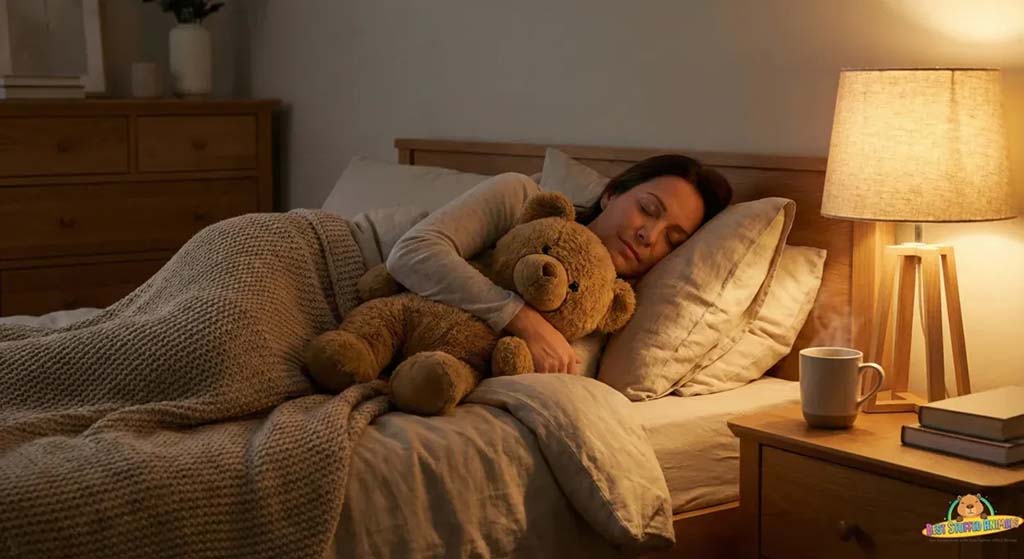
Yes, it is normal. Many adults sleep with a plush because it helps them relax. Others collect plush because it’s enjoyable, visual, and social. The key is whether the habit supports your life or disrupts it. In most cases, it is a healthy comfort behavior, like using a weighted blanket or listening to calm music.
Sleeping with a plush can support better sleep routines because it adds a consistent cue: “it’s time to rest.” Collecting plush can also be normal because adults collect many things—books, sneakers, figures, art prints. Plush is simply one more category with emotional value.
From a brand standpoint, adult users care about different details than kids:
- More mature aesthetics (not too “baby”)
- Premium hand-feel and shape retention
- Display-friendly finishing and packaging
- Clear care instructions for long-term use
| Adult plush behavior | Why it’s common | What adults care about | Product risk | How brands can respond |
|---|---|---|---|---|
| Sleeping with plush | Sleep cue + comfort pressure | Softness, quiet materials | Poor wash durability | “Easy care, sleep-safe build” |
| Desk/sofa plush | Stress reset during day | Size that fits space | Looks cheap in photos | “Lifestyle décor plush” |
| Collecting series | Fun + community | Consistency, rarity | Inconsistent batches | “Spec-locked collectible line” |
| Gifting plush | Emotional message | Presentation | Weak packaging | “Gift box + message card” |
| Travel plush | Familiar comfort away from home | Compact, durable | Gets dirty easily | “Travel-size washable buddy” |
What role do stress, anxiety, and modern lifestyles play in plush attachment?
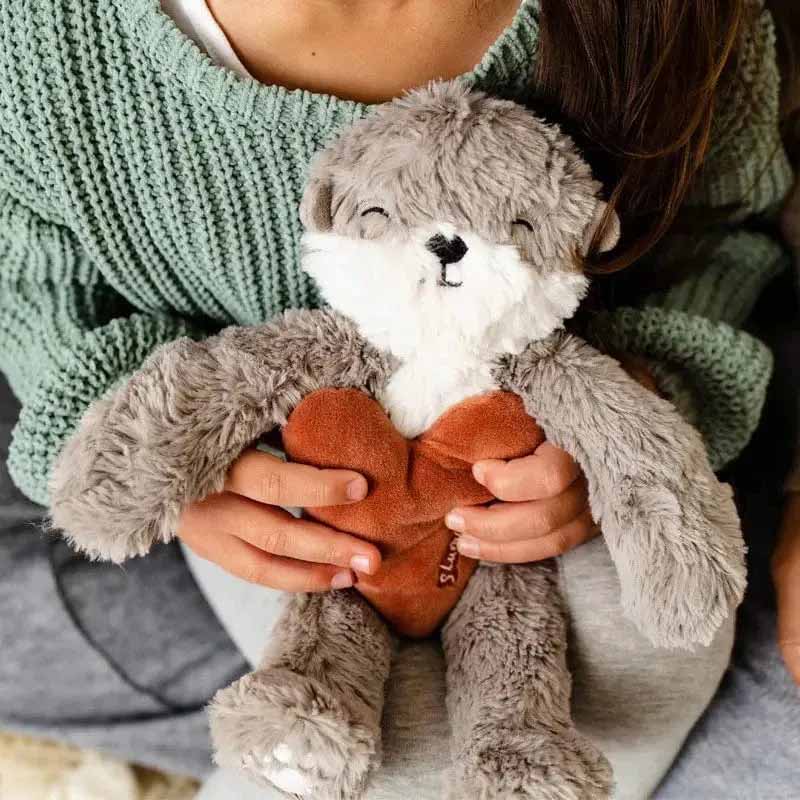
Modern life is fast and noisy. Many adults face constant messages, screens, and uncertainty. Plush attachment often grows in that environment because plush provides a simple, physical calming signal.
Stress and anxiety can increase the need for grounding. Plush helps through touch and pressure. Even a small plush can become a “safe object” during difficult moments: after a hard meeting, during loneliness, or before sleep.
Also, many adults live alone or spend more time working remotely. A plush can reduce the feeling of emptiness in a room. It adds warmth without demanding energy the way social interaction can.
This is why adult plush is not only “cute.” It is also a comfort product category. For brands, the winning strategy is to connect plush to real adult routines: rest, travel, work breaks, gifting, and self-care.
| Modern life factor | What adults feel | How plush supports it | Best product direction | Messaging that feels natural |
|---|---|---|---|---|
| High work stress | Overloaded | Quick calming touch | Desk-size plush | “A small calm for busy days” |
| Sleep disruption | Restless | Bedtime comfort cue | Medium sleep buddy | “Soft support for bedtime” |
| Anxiety moments | Unsteady | Grounding object | Easy-to-hold shape | “Comfort you can hold” |
| Remote lifestyle | Isolated | Warm “presence” | Home décor plush | “Cozy corner companion” |
| Screen fatigue | Mentally tired | Non-digital comfort | Simple tactile textures | “Offline comfort” |
Are there gender, cultural, or generational differences in adult plush preferences?
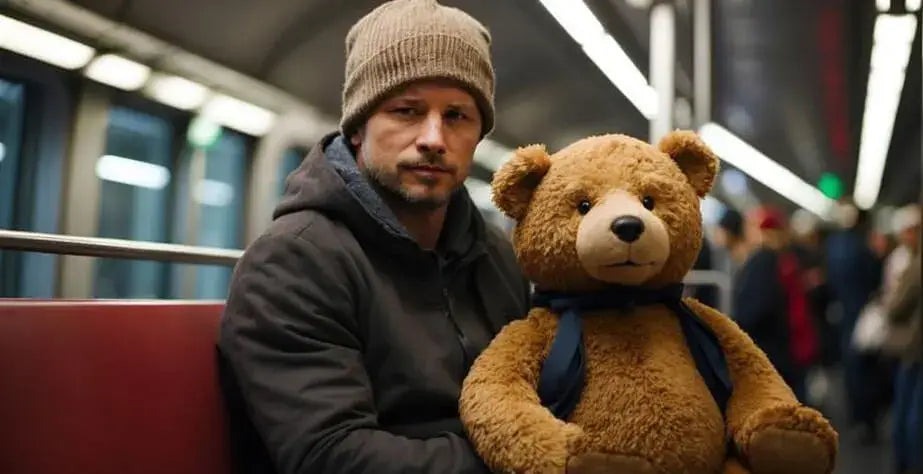
Yes, differences exist—but they are not fixed rules. Many men like plush but may choose styles that match their interests: mascots, gaming characters, animals with “cool” design, or minimal colors. Many women like plush for comfort and gifting, and may prefer softer colors or cute expressions. But these are patterns, not limits.
Culture influences how openly adults show plush affection. In some places, adult collecting is very normal through anime, character merchandise, and art toys. In other places, adults may keep plush more private—at home, in bed, or as a small keychain.
Generational differences also matter. Younger adults who grew up with internet communities may feel more comfortable expressing plush interests publicly. Older adults may still enjoy plush but frame it as “a keepsake” or “a gift memory.”
For brands and B2B buyers, the best approach is inclusive design:
- Offer multiple styles in one collection: cute, minimal, premium, character-driven
- Avoid gendered language that excludes buyers
- Use product photos that match real adult settings (bedroom, sofa, office)
| Difference type | What often changes | Example preference | What stays the same | What brands should do |
|---|---|---|---|---|
| Gender expression | How “cute” is acceptable | Minimal vs very kawaii | Desire for comfort | Offer style tiers, not stereotypes |
| Culture | Public vs private use | Collectible display vs home comfort | Softness and quality matter | Localize language and imagery |
| Generation | Community and sharing | Social drops vs timeless plush | Emotional meaning | Mix “series” with “classic” SKUs |
| Lifestyle | Space and routine | Keychain plush vs big pillow plush | Stress relief need | Offer multiple sizes |
| Budget | Premium tolerance | Designer plush vs basic | Value perception | Make quality visible in specs |
How are brands and manufacturers responding to the adult plush toy market?
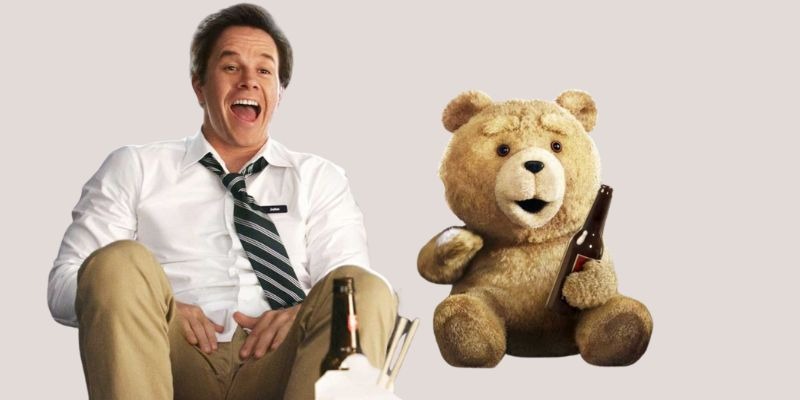
Adult plush demand pushes brands to improve design maturity, quality feel, and presentation. Instead of only “kids toys,” many brands now sell plush as:
- Lifestyle comfort items
- Collectibles and drops
- Gift products with premium packaging
- Branded mascots for communities and events
As a manufacturer, I see adult plush programs succeed when the brand treats them like premium consumer goods:
- Spec-locked fabrics and colorways (adult buyers notice inconsistency)
- Better filling rebound and shape control
- Cleaner stitching and finishing (display quality)
- Packaging that supports gifting and unboxing
- Clear storytelling (why this plush matters)
At Kinwin, when a buyer targets adults, I recommend building a “comfort + collectible” system: a core plush body with stable specs, plus seasonal skins (colors, tags, packaging, message cards) that keep the line fresh without breaking QC.
| Market response | What brands are doing | Why it works for adults | Manufacturing control needed | B2B benefit |
|---|---|---|---|---|
| Lifestyle positioning | Plush as self-care | Fits adult routines | Fabric consistency + care testing | Higher conversion |
| Collectible series | Drops and sets | Drives repeat purchase | Golden sample + shade tolerance | Higher LTV |
| Premium packaging | Gift-ready boxes | Raises perceived value | Packing SOP + protection | Better gifting sales |
| Mature design language | Minimal/calm styles | Feels “adult acceptable” | Face placement + clean finish | Wider audience |
| Personalization | Names/initials | Strong emotional value | Embroidery QC + lead time plan | Higher margin SKUs |
Conclusion
Liking stuffed animals as an adult is often a healthy way to feel calm, safe, and emotionally steady in a demanding world. At Kinwin, we help global buyers develop adult-friendly plush lines with premium hand-feel, stable quality, and gift-ready branding. Contact me at [email protected] or visit kinwintoys.com to discuss your next project and explore how our factory can support your success.