If you live with a dog, you’ve probably seen it: they pick one stuffed toy, carry it everywhere, sleep with it, or shake it like a “prey.” Sometimes they even treat a plush toy more gently than any other item in the house.
From a manufacturing point of view, I usually talk about fabrics, stitching, and safety. But behind every plush toy, there is also a dog brain reacting to instinct, texture, smell, and emotion. In this guide, I’ll share a simple, practical view of why so many dogs love stuffed animals—and how that connects to the way we design and choose plush toys for them.
What instincts drive dogs to seek out stuffed animals?
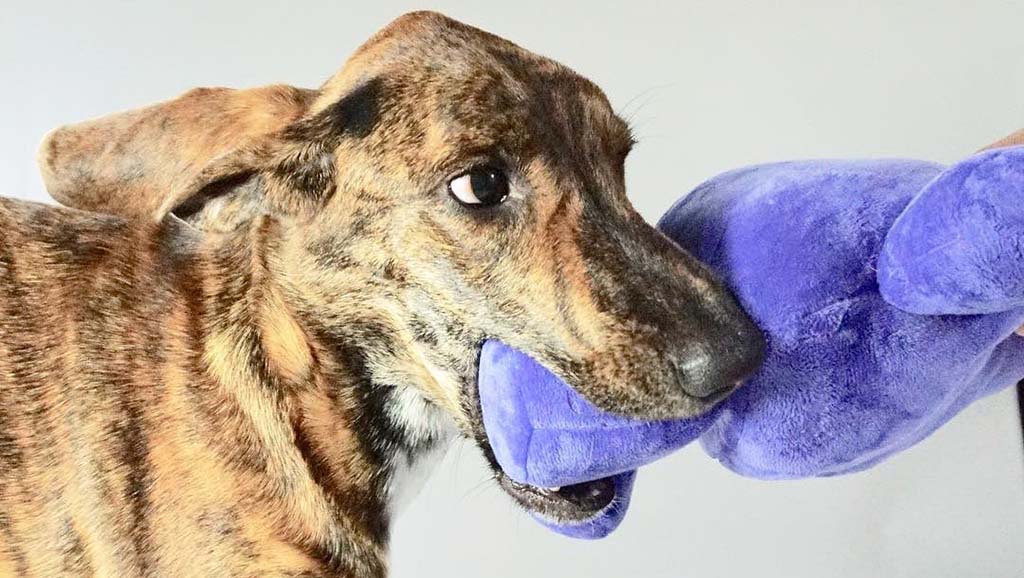
Dogs are domesticated, but many of their deeper instincts still come from their wolf and hunting ancestry. Of course, every dog is an individual, but some basic drives help explain why stuffed toys seem so attractive.
Common instinctive reasons include:
- Predatory play – chasing, pouncing, grabbing, and “killing” soft prey.
- Carrying behavior – similar to carrying pups, food, or prey back to a safe place.
- Nesting and guarding – creating a safe area with favorite items around.
- Social bonding – treating a toy like a “baby,” friend, or pack member.
How instincts show up with stuffed toys
You can often see these drives in typical dog–plush interactions:
Table 1 – Instinctive drives and how they appear around plush toys
| Instinct / Drive | What It Looks Like with a Stuffed Toy |
|---|---|
| Hunt / prey drive | Stalking, pouncing, shaking, “killing” and disemboweling toys |
| Carrying behavior | Gently carrying plush from room to room, especially to bed |
| Nesting / denning | Bringing plush into crates, beds, or favorite resting spots |
| Guarding / hoarding | Piling toys in one spot, guarding them from other pets |
| Social bonding | Licking, grooming, sleeping with a particular stuffed toy |
For many dogs, a plush toy is a safe outlet for these natural instincts. Instead of chasing real animals or chewing furniture, they can express hunting, carrying, and bonding behaviors on something soft and replaceable.
How do texture, softness, and scent contribute to canine attraction?
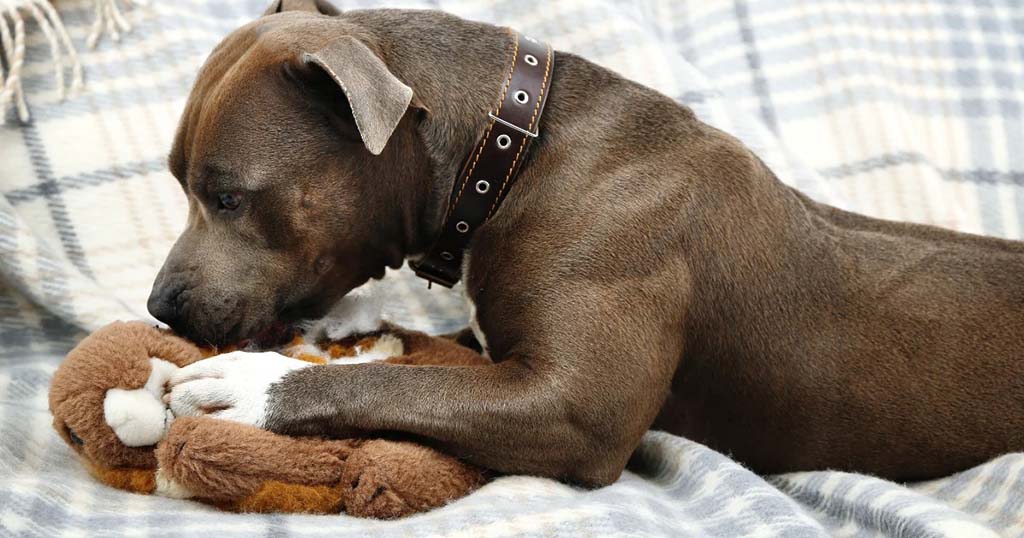
From a dog’s point of view, a stuffed animal is a multi-sensory object:
- The texture under teeth and paws.
- The softness when they lie on it or cuddle it.
- The squeaker sound when they bite.
- The scent of you, your home, or other animals on the toy.
This mix can be very satisfying.
Texture and softness
- Soft plush or fleece is pleasant to chew and carry.
- Slight resistance from stuffing or inner fabric gives the jaws something to “work on.”
- Some dogs like floppy, light plush; others prefer heavier, thicker toys that feel more substantial.
Scent
Dogs experience the world through smell much more than sight. A stuffed toy that has been in your home for a while:
- Smells like your body, your bed, and your environment.
- Can feel like a portable piece of “home” when the dog is alone, stressed, or travelling.
If your dog always steals the same plush from your bed or laundry pile, scent is probably a big reason.
Table 2 – Sensory factors that make plush toys attractive to dogs
| Factor | Dog’s Experience | What It Means for Toy Choice |
|---|---|---|
| Surface texture | Soft, fuzzy, grippy, or slightly stretchy | Encourage chewing, carrying, and mouthing |
| Inner feel | Stuffing pushes back but can be squeezed | Makes biting and “working” on the toy satisfying |
| Sound | Squeak, crinkle, or quiet | Triggers play interest or keeps toy “interesting” |
| Scent | Smells like owner, home, or other dogs | Provides comfort and familiarity |
| Size & weight | Easy to pick up and move for that dog | Too big or too small may reduce interest |
As a manufacturer, I see pet brands carefully choosing fiber, pile length, and stuffing to match these sensory preferences while still keeping the toy as safe as possible.
Why do some dogs use stuffed toys for comfort and emotional regulation?
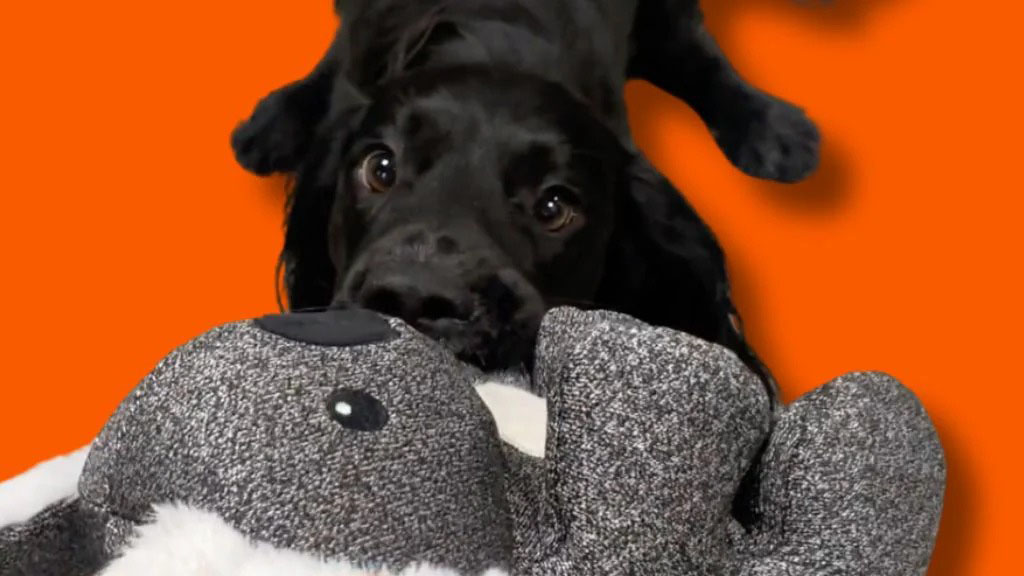
Not every dog treats a plush toy like prey. Some treat it more like a comfort object—similar to how a child uses a favorite teddy bear. These dogs might:
- Sleep with one specific stuffed toy every night.
- Carry it after a stressful event (like a vet visit).
- Seek it out when they are left alone.
From a psychological point of view, this can be part of self-soothing behavior. The toy becomes a safe, predictable, soft object in a world that sometimes feels confusing or loud.
When stuffed toys become “comfort items”
Dogs might use plush toys for comfort when they:
- Are puppies adjusting to a new home.
- Live in a busy, noisy environment.
- Experience separation from owners or other animals.
- Feel anxious during storms, fireworks, or travel.
The toy cannot solve deep anxiety by itself, but it can support emotional regulation in daily life, especially when combined with stable routines and kind training.
Table 3 – Play vs comfort: two ways dogs use stuffed toys
| Use Type | Typical Behavior | What It Says About the Dog |
|---|---|---|
| Mostly play | Short bursts of shaking, tossing, chasing, then walking away | Using toy as a fun, physical outlet |
| Mostly comfort | Carrying toy gently, licking it, sleeping with it, whining if missing | Using toy as a familiar, soothing object |
Some dogs use plush toys in both ways: wild play in the day and gentle cuddling at night. That is completely normal and simply shows how flexible and emotional dogs can be.
How does play behavior—like shaking, carrying, or “hunting”—relate to stuffed toys?
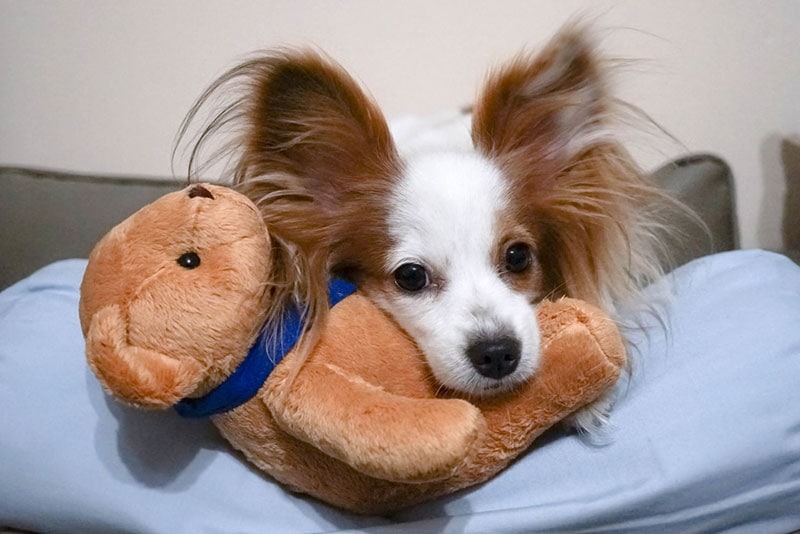
Many classic dog games show up clearly when they are playing with stuffed animals:
- Shaking – mimics the “kill shake” from hunting; releases energy.
- Tugging – feels like pulling prey from another pack member.
- Fetching – simulates chasing and retrieving.
- Disemboweling (pulling out stuffing) – represents breaking into the “inside” of prey.
From a practical angle, this tells us a lot about how to design and choose plush toys for dogs: the shape, seams, fabrics, and stuffing need to match this level of intense, repeated stress.
Common dog play behaviors with plushies
Table 4 – Typical dog play patterns and what they reflect
| Behavior | What It Often Reflects | Impact on Toy Design / Choice |
|---|---|---|
| Hard shaking | Strong prey-play drive | Needs reinforced seams and strong fabrics |
| Repetitive chewing | Oral satisfaction, stress relief, or boredom | Choose thicker fabrics and safe stuffing |
| Fetching & carrying | Social play and retrieving instincts | Choose sizes that are easy to pick up |
| “Surgery” (ripping and unstuffing) | High prey drive, curiosity | Acceptable if supervised; choose toys designed to be destroyed safely |
| Nesting with toy | Comfort-seeking and denning behavior | Soft, cuddly plushies; avoid small hard parts |
From a safety side, it is important to match the toy to the dog’s play style. Heavy chewers may need reinforced or “sacrifice” toys that you expect to replace regularly, while gentle carriers can use softer, more detailed plush without destroying them.
What factors explain breed differences in stuffed-animal preferences?
Not all dogs relate to plush toys in the same way. Some breeds shred every toy in minutes, while others carry them carefully for years. While each dog is an individual, breed tendencies and selection history can play a role.
For example:
- Retrievers and spaniels were bred to carry game in soft mouths. They may gently carry plush back and forth, sleep with them, or show them off to visitors.
- Terriers and some working or hunting breeds were bred for intense prey drive and persistence. They may shake and tear plush toys quickly.
- Companion and toy breeds may lean more towards comfort and gentle play with small plush.
Breed-type tendencies and plush behavior
This is a broad, simplified view—but it can help explain some patterns:
Table 5 – Breed tendencies and typical plush preferences
| Breed Group / Type | Common Plush Behavior Tendencies |
|---|---|
| Retrievers, spaniels | Enjoy carrying, fetching, and showing off plush toys |
| Terriers, some hunting breeds | Intense shaking, ripping, and “killing” toys |
| Herding breeds | May chase, herd, or nudge plush; interest in movement |
| Toy and companion breeds | Often gentle cuddling and light play with small plush |
| Guardian / mastiff types | Mixed behaviors; some guard or sleep beside toys |
| Mixed breeds | Very individual; can show any combination of tendencies |
Again, this is only a starting point. A small mixed-breed dog can be the biggest destroyer in the house, and a large retriever can be surprisingly gentle. The most important “breed” to study is your individual dog.
Conclusion
Dogs like stuffed animals because plush toys activate their natural instincts, satisfy their senses, and, for many, offer real emotional comfort. Texture, softness, scent, and sound all work together with deeper drives like hunting, carrying, nesting, and bonding. Breed tendencies and personal history add another layer, explaining why one dog rips every toy apart while another treats a plush like a fragile baby.
For pet owners, this means plush toys are not just cute—they are useful tools for play, comfort, and stress relief. For brands and buyers, understanding these behaviors helps you choose or design dog plushies that are safer, more durable, and more satisfying for the animals who use them. If you’re exploring pet-related plush lines or want to develop dog-friendly soft toys with better construction and materials, you’re welcome to contact me at [email protected] or visit kinwintoys.com to see how our OEM & ODM team at Kinwin can support your ideas.