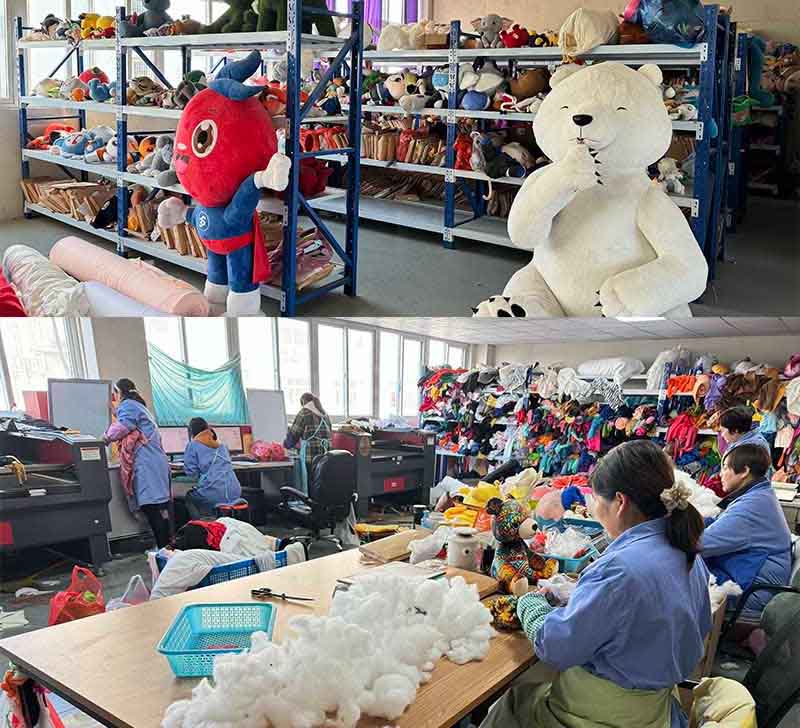
Stuffed animals look simple, but they often create a real sense of calm for kids, teens, and even adults. I’m Amanda from Kinwin, and I see this comfort effect show up in product reviews, gifting behavior, and repeat orders across many markets. In this guide, I’ll explain why plush toys feel reassuring, how softness and design influence stress relief, and how brands can design comfort-focused plush lines with clear value—not just “cute.”
Many comforting responses come from a mix of emotional association, tactile softness, and predictable familiarity. A plush toy feels safe because it is soft, non-judgmental, and always available. The best comfort plush toys also use thoughtful design: friendly faces, stable shapes, soothing textures, and durable construction that holds up to daily hugging and sleep routines.
Why do stuffed animals create emotional security across different age groups?
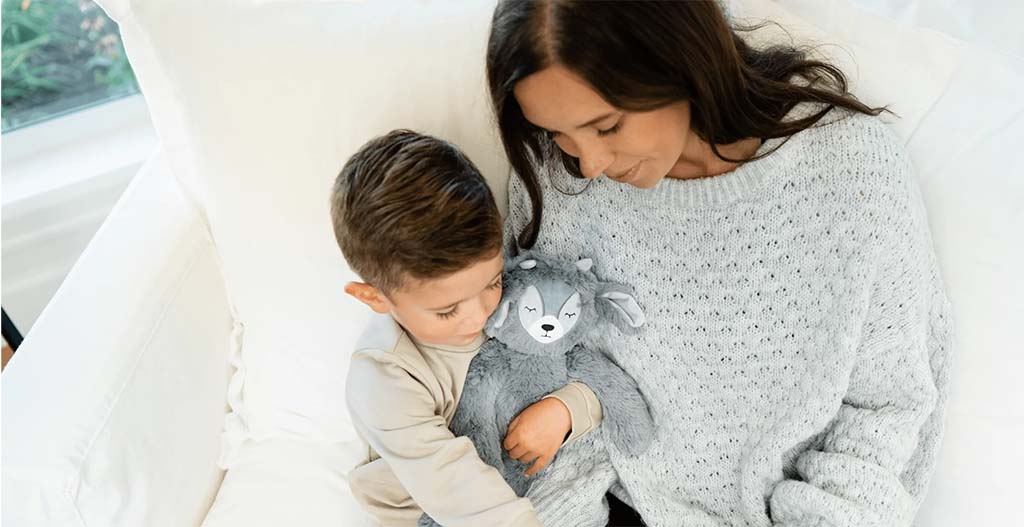
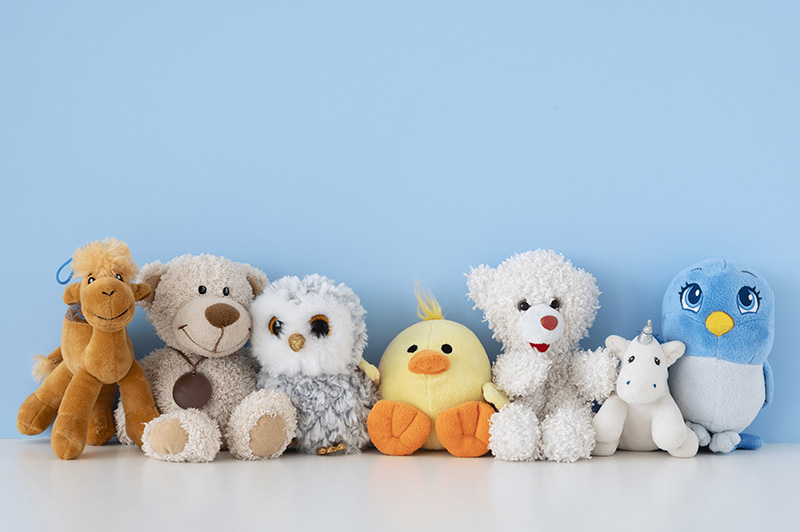
Stuffed animals create emotional security because they offer something consistent: a soft object that feels familiar, stays close, and never “pushes back.” For children, that can support bedtime routines and separation moments. For teens and adults, a plush can serve as a calming object during stress, travel, grief, or life change. In product terms, comfort plush is a “low-effort support tool”—it helps people feel better without needing words.
Age changes how the comfort works, but the pattern stays similar:
- Young kids often use plush toys to feel safe when they are tired, anxious, or away from caregivers.
- School-age kids may use plush toys for routine comfort and emotional regulation, especially at night.
- Teens may keep plush for privacy-safe comfort, nostalgia, and identity.
- Adults may use plush toys as stress relief, a sleep aid, a gift symbol, or a personal emotional anchor.
From a B2B view, this is important: the same plush design can serve different audiences depending on size, style, and messaging. Comfort is not only a children’s category anymore.
| Age group | Common comfort moment | What the plush “does” emotionally | What buyers should emphasize | Product risk to avoid |
|---|---|---|---|---|
| Toddlers | Separation, bedtime | Familiar “safe object” | Simple face, easy wash | Small loose parts |
| Kids | Night fears, new environments | Routine support | Softness + durability | Seams that pop under hugging |
| Teens | Stress, exams, social pressure | Private comfort and identity | Cute design + collectability | Over-childish styling |
| Adults | Anxiety, sleep, travel, grief | Calm anchor and gifting symbol | Premium feel + presentation | Cheap fill that goes flat fast |
| All ages | Daily calming | Predictable sensory support | Texture and consistency | Inconsistent hand-feel across batches |
How does tactile softness influence stress reduction and relaxation?
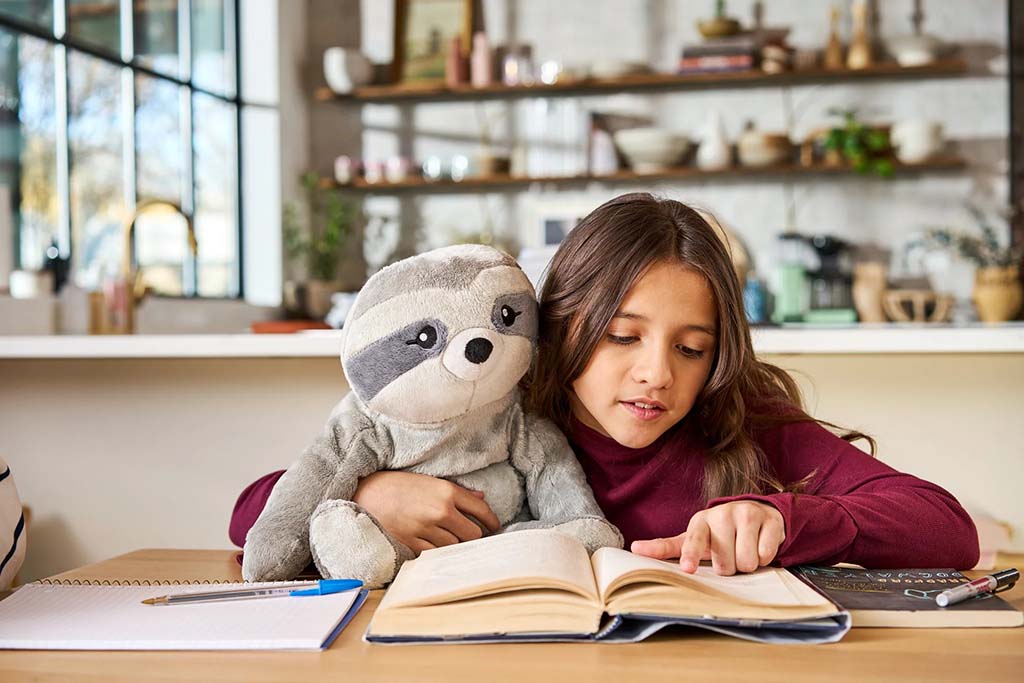
Softness is not only a “nice feel.” It can directly influence relaxation because touch is one of the fastest sensory channels. When someone hugs a plush toy, the brain receives signals of warmth, gentle pressure, and texture. That sensory input can help people shift from “alert” to “calm,” especially during bedtime or stressful moments.
In plush product development, I define softness in three layers:
- Surface softness (fabric feel on skin)
- Compression softness (how it feels when squeezed)
- Recovery softness (how well it bounces back and stays plush)
Many brands focus only on the first layer. But comfort products need all three. A toy that feels soft on the surface but becomes lumpy after one wash will lose comfort value quickly.
Practical comfort-driven material decisions:
- Choose fabric that stays smooth after friction (not scratchy after use).
- Choose filling that is resilient and does not clump easily.
- Balance stuffing so it hugs well and does not feel “empty” in corners.
| Softness factor | What customers feel | What affects it most | Best spec direction | What happens if it’s wrong |
|---|---|---|---|---|
| Surface softness | “Soothing touch” | Fabric type and pile | Smooth plush, stable pile | Irritation, “not cozy” |
| Squeeze softness | “Good hug pressure” | Fill type and density | High-rebound fill, balanced density | Too hard or too flat |
| Recovery softness | “Stays fluffy” | Fill grade + construction | Better fiberfill + zoning | Toy becomes lumpy or thin |
| Warmth perception | “Cozy” | Fabric thickness and air pockets | Medium pile + stable loft | Feels cold and lifeless |
| Long-use comfort | “Still nice after weeks” | Durability + wash performance | Wash-friendly system | Reviews drop fast |
What psychological mechanisms link plush toys to attachment and reassurance?
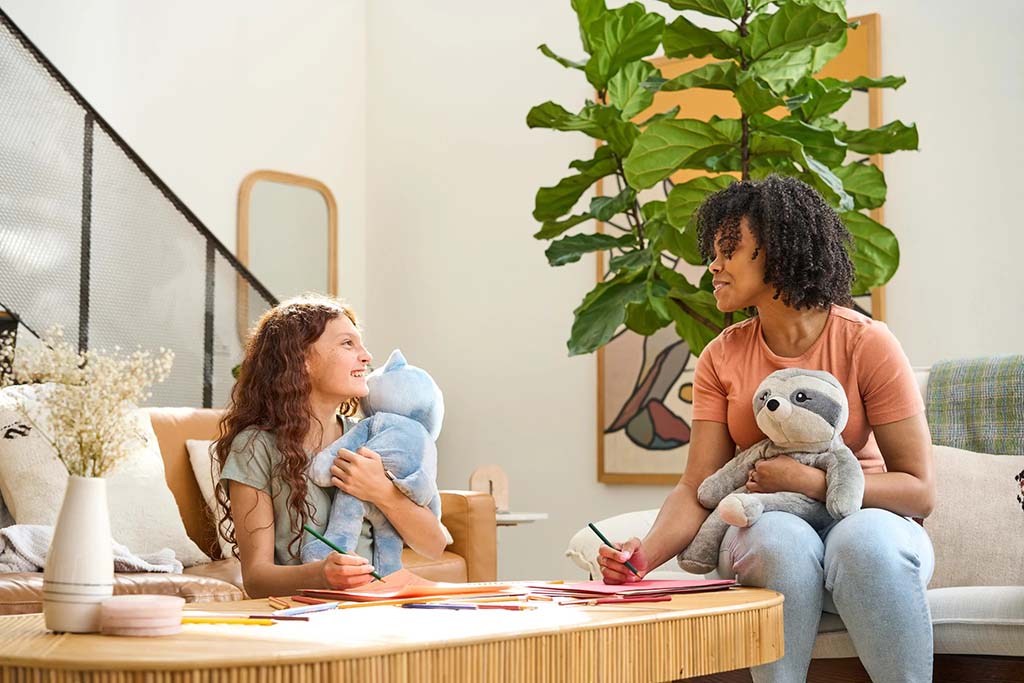
People often ask me, “Is comfort plush only for kids?” My answer is no, because the mechanisms are human, not childish. A plush toy can become reassuring through simple psychological patterns:
- Association: If a plush is present during calm moments (sleep, home, care), it becomes linked to safety.
- Predictability: A plush is consistent. It looks the same, feels similar, and does not create conflict.
- Symbolic support: A gift plush can represent love, friendship, or protection.
- Control and autonomy: Holding a plush is a self-directed coping action—no one else needs to approve.
This is why comfort plush often performs well in gifting markets. People do not only buy the item. They buy what the item communicates and how it makes the receiver feel.
For B2B buyers, this means the product story matters. Your tags, packaging insert, and naming can strengthen reassurance without changing the core toy.
| Mechanism | What it means in simple words | How it shows in buyers | Design implication | Marketing implication |
|---|---|---|---|---|
| Association | “This equals safety” | Bedtime attachment | Consistent texture and smell control | Position as routine companion |
| Predictability | “It never changes” | Repeat hugging | Stable fill and seams | Emphasize durability |
| Symbolic support | “It means you care” | Gift purchase behavior | Heart patch, paired sets | Message card and storytelling |
| Self-soothing | “I can calm myself” | Stress relief use | Easy-to-hold shape | Calm language and visuals |
| Identity and belonging | “This is my thing” | Collecting and fandom | Signature character style | Series strategy and brand voice |
How do design elements enhance the comforting effect of stuffed animals?
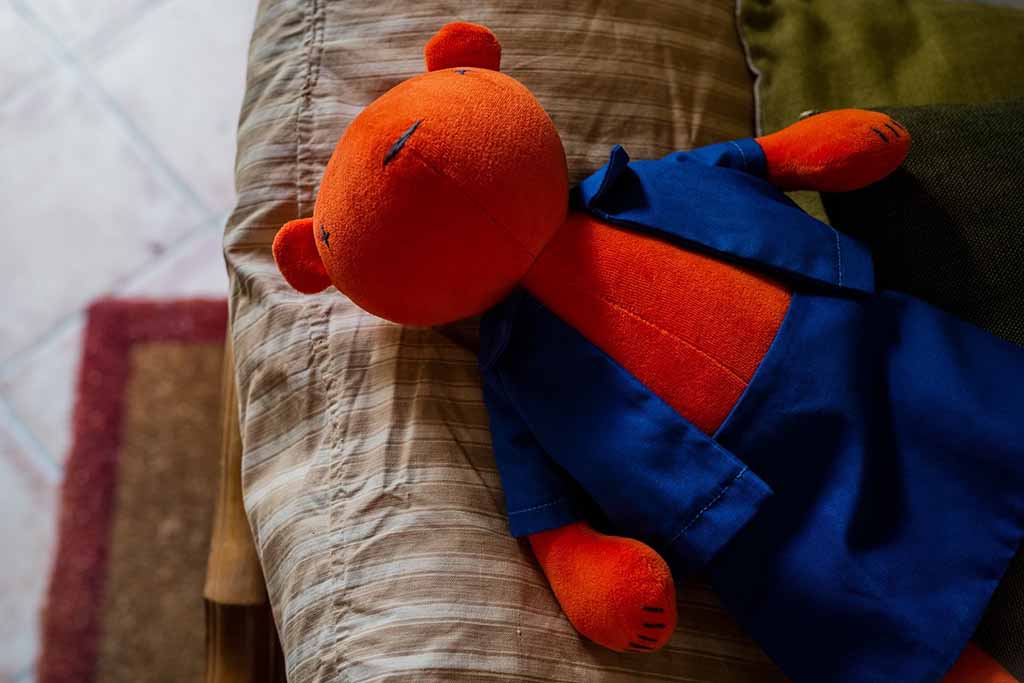
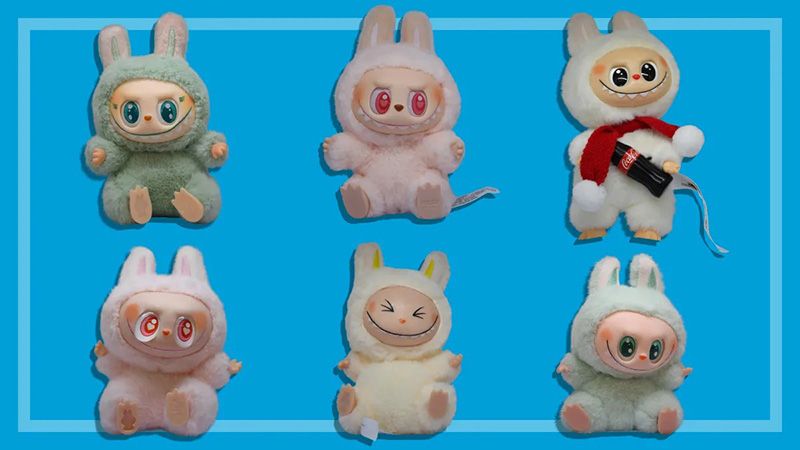
Comfort is designed. Two toys can have the same fabric, but one feels comforting and the other feels “blank.” This usually comes down to design details that support calmness, friendliness, and reliable touch.
In my product reviews, the biggest comfort design drivers are:
- Face expression: gentle eyes and a soft smile (not too intense)
- Proportions: a stable body that is easy to hug
- Weight feel: not heavy, but not “empty”
- Seam feel: smooth, no scratchy edges, no hard points
- Noise control: no crinkle parts if the goal is sleep comfort
- Care friendliness: comfort plush must be easy to keep clean
For comfort markets, I also recommend avoiding overly sharp shapes, hard accessories, or complex clothing layers that create uncomfortable edges.
| Design element | Comfort effect | What to do | What to avoid | Best-fit comfort category |
|---|---|---|---|---|
| Facial expression | Builds emotional safety | Gentle, neutral-friendly face | Angry or overly “wide” eyes | Sleep buddy, anxiety comfort |
| Hug shape | Supports soothing pressure | Rounded belly, stable torso | Thin body that collapses | Bedtime plush |
| Touch points | Reduces irritation | Smooth seams, soft trims | Rough embroidery backing | All comfort lines |
| Sound and movement | Supports calm | Quiet construction | Loud crinkle materials | Sleep-focused plush |
| Temperature feel | Feels cozy | Fabric that doesn’t feel “cold” | Slick surfaces that feel plastic | Winter gift plush |
| Care design | Maintains hygiene comfort | Wash-friendly materials | “Delicate only” without guidance | Toddler and family markets |
Are comforting responses to stuffed animals culturally or developmentally driven?
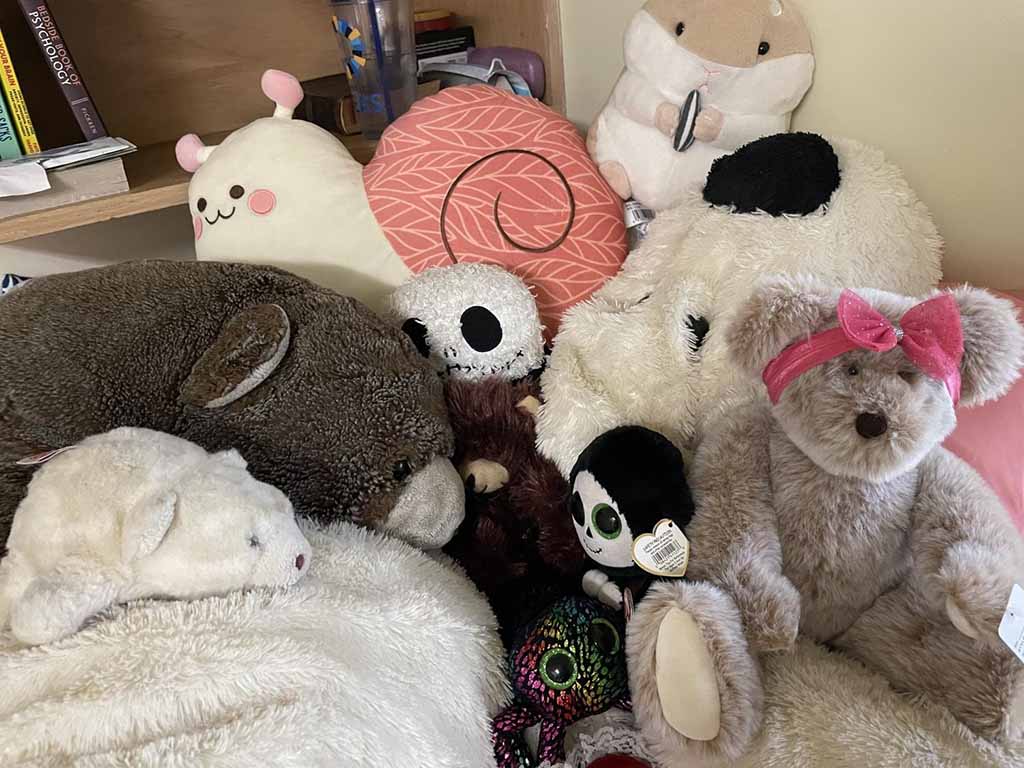
It’s both. Development plays a big role because humans learn comfort patterns early: soft touch, familiar objects, and routines. Culture adds meaning: in some places, plush toys are strongly linked to childhood, while in others they are widely accepted for teens and adults as collectibles, lifestyle items, or gifts.
In business terms, comfort plush can be positioned differently by region and channel:
- In family-focused markets, comfort is often framed as sleep, routine, and child development.
- In teen/adult markets, comfort is often framed as stress relief, lifestyle, and gifting.
- In fandom markets, comfort is tied to identity and community.
This matters for product planning because the same plush can succeed or fail depending on how it is presented. I advise brands to match comfort messaging to audience norms rather than forcing one global tone.
| Driver | What it influences | How it changes product strategy | Example audience | Best content angle |
|---|---|---|---|---|
| Development | Basic comfort response | Focus on softness and safety | Toddlers and kids | “Safe, soothing, washable” |
| Culture | Social acceptance | Adjust styling and messaging | Teens and adults | “Stress relief and lifestyle” |
| Channel norms | How people shop | Packaging and naming choices | E-commerce vs retail | “Gift-ready” vs “daily comfort” |
| Family habits | Routine use | Washability and durability | Parents | “Easy care, long-lasting” |
| Community trends | Collecting behavior | Series and drops | Fandom buyers | “Collectible comfort character” |
How can manufacturers intentionally design plush toys for emotional comfort markets?
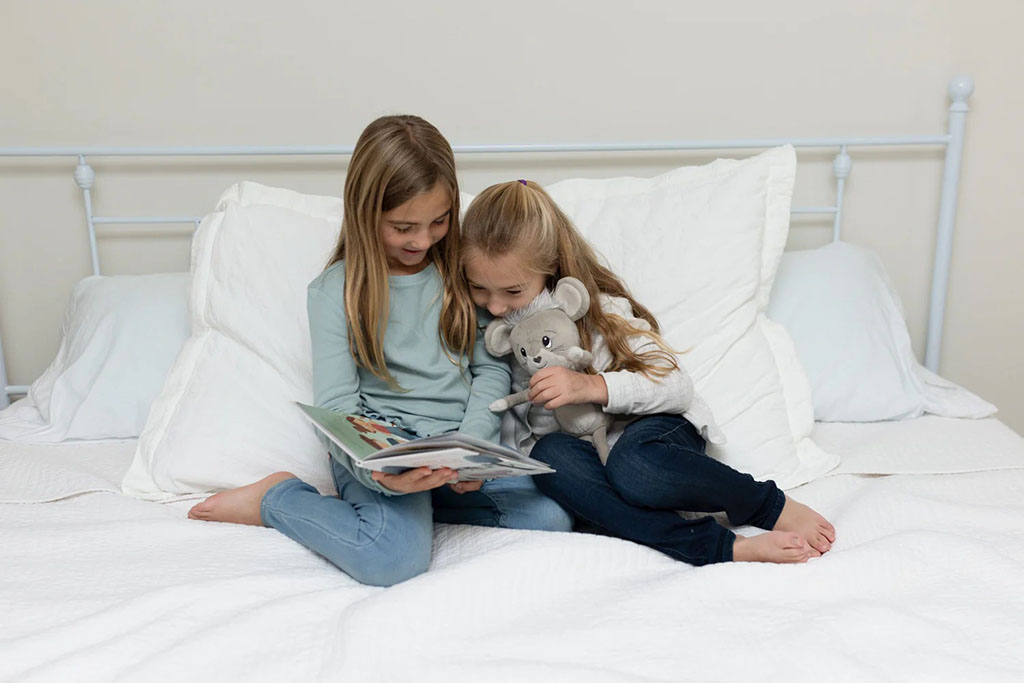
Comfort-focused plush lines need intentional specs. If you want long-term success, you must control the “comfort experience” the same way you control size and color.
Here is the approach I recommend for brands and B2B buyers:
- Define the comfort purpose: sleep buddy, anxiety comfort, travel companion, gift symbol, or collectible comfort.
- Build a comfort spec: fabric feel target, fill rebound target, hug shape target, wash target.
- Standardize the look: consistent face style and calming color palette.
- Make QC comfort-based: not only measurements, but also hand-feel consistency.
At Kinwin, we support this by locking material specs, controlling stuffing weight ranges, and using repeatable templates for face placement and expression. Comfort products sell through trust, so consistency is not optional.
| Comfort market goal | Key design focus | Recommended materials direction | QC checkpoint | Commercial benefit |
|---|---|---|---|---|
| Sleep comfort plush | Calm feel + quiet build | Smooth plush + stable fill | Hand-feel + seam smoothness | Strong repeat purchase |
| Anxiety/stress plush | Easy hold + soothing touch | Soft surface + balanced density | Consistency across batches | Higher gifting value |
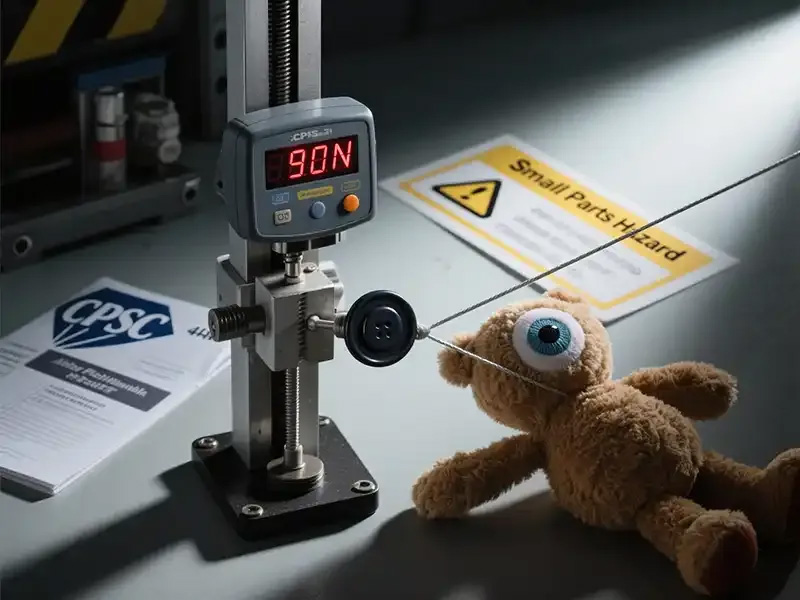
| Toddler comfort plush | Safety + washability | Embroidered face + wash-friendly | Pull checks + wash tests | Parent trust |
| Premium gift comfort | Presentation + premium feel | Better pile + cleaner finish | Appearance + unboxing check | Higher margins |
| Collectible comfort series | Identity + consistency | Color control + face templates | Shade tolerance + face check | Series growth |
Conclusion
Comforting plush toys work because they feel safe, predictable, and soothing to touch—and great design makes that comfort reliable over time. At Kinwin, we help global buyers create comfort-focused plush lines with controlled materials, consistent hand-feel, and scalable QC. Contact me at [email protected] or visit kinwintoys.com to discuss your next plush project and explore how our factory can support your success.