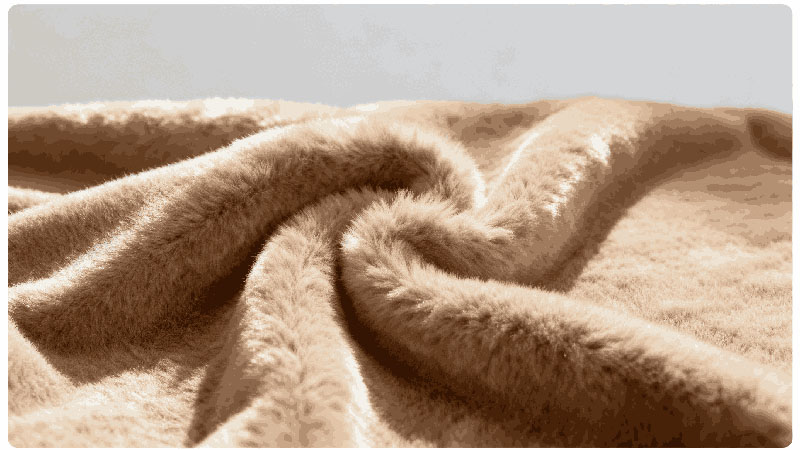
When people see the price of a custom plush, they often think the margin is huge. In reality, custom means many one-time costs spread over small quantities, plus strict safety, logistics, and currency realities. I’m Amanda from Kinwin in China. Here’s the clear breakdown—so you can plan quality, control risk, and still hit your budget.
What cost drivers uniquely impact custom plush manufacturing?
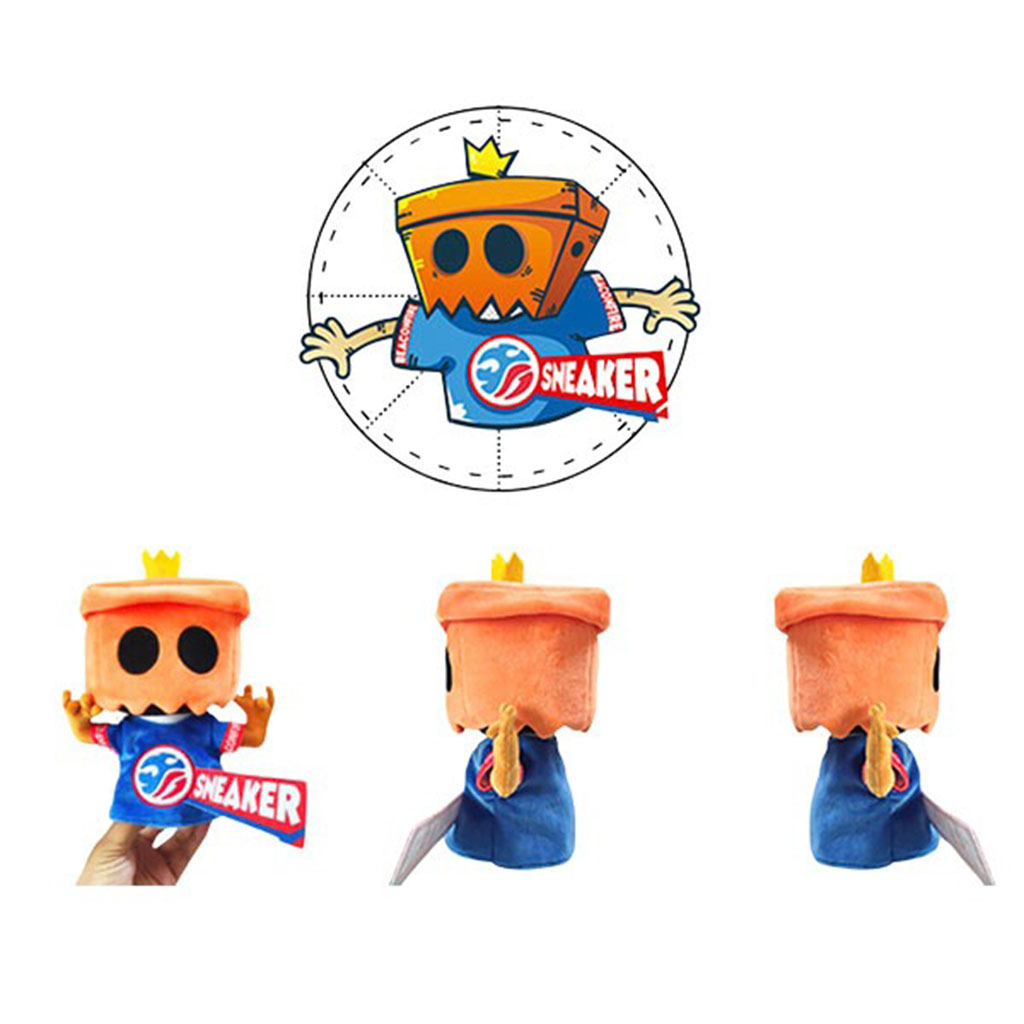
Custom plush is not a catalog reorder. We build a new product system from scratch: design interpretation, pattern development, exclusive materials or colors, and packaging. Each task has setup time, tools, and specialist labor. When the order size is small, setup costs are divided by fewer units, pushing the unit price higher. Add compliance, packaging design, and freight volatility, and you get a price that looks “expensive,” but is simply real cost per unit at low scale.
Unique cost drivers in custom plush
| Driver | What it means in practice | Why it raises cost | Example impact |
|---|---|---|---|
| Non-recurring engineering (NRE) | Patterning, embroidery files, cutting markers | One-time work spread over few units | $300–$1,500 NRE on 200 units adds $1.5–$7.5/unit |
| Custom materials/colors | Special dye lots, custom fabrics, Pantone match | MOQs for fabric/dyeing; longer lead time | 300–800 m fabric MOQ even for 300 toys |
| Exclusive trims/packaging | Branded labels, boxes, inserts | Separate tooling/plate fees | $150–$600 plates; $0.2–$1.5 extra per unit |
| Specialist labor | Senior pattern maker, QC, sample seamstress | Higher hourly rate than line sewing | Adds to sample + pre-production overhead |
| Schedule risk | Rush handling, split shipments | Overtime, higher freight | Air vs ocean can double landed cost |
How do low MOQs, sampling, and iterations increase costs?
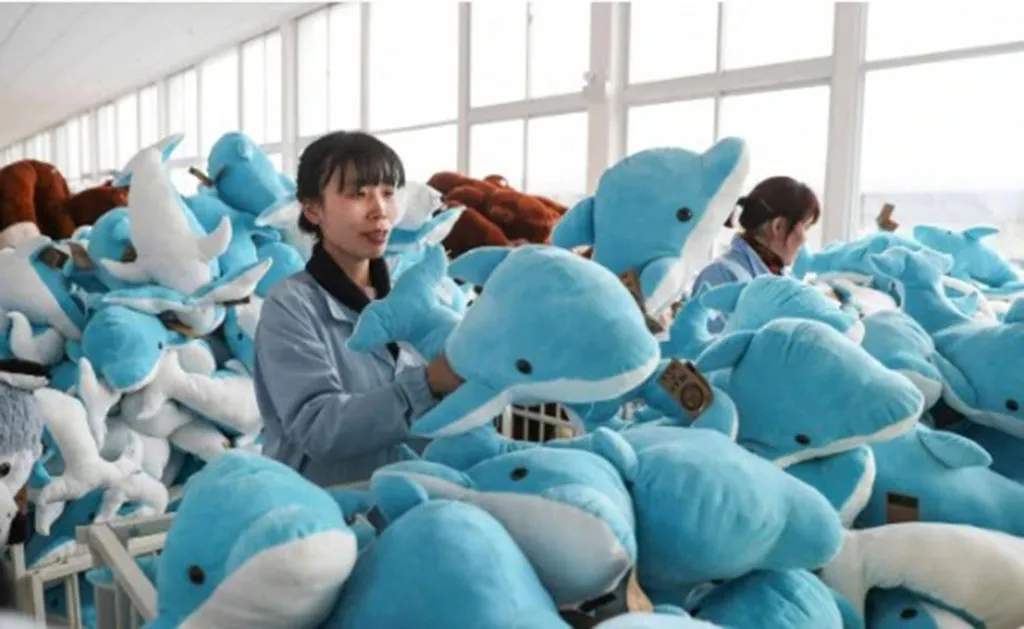
Low MOQ sounds friendly, but factories lose economies of scale: material purchasing power drops, cutting and sewing efficiency falls, and wastage becomes proportionally higher. Sampling adds more: each prototype requires a mini production—pattern changes, recutting, resewing, re-embroidery, and sometimes new trims. If you need 2–4 sample rounds (common for character products), those hours are real cost. With a small order, there aren’t enough units to dilute these fixed costs.
MOQ, sampling, and iteration effects
| Factor | Cost mechanism | Practical numbers | How to optimize |
|---|---|---|---|
| Low MOQ (100–500 units) | Higher material price; more waste | Fabric +15–30% vs bulk; trims at small-lot pricing | Consolidate sizes/colors; accept stock fabrics |
| Multiple sample rounds | Rework time for pattern/embroidery | 2–4 rounds typical for IP likeness | Give precise, consolidated feedback per round |
| Small-batch cutting | Longer setup per unit | Marker making not fully utilized | Lock pattern early; avoid micro-variants |
| Color approvals | Lab dips/strike-offs | Fees + extra lead time | Choose nearest stock Pantone if possible |
| Pre-production (PP) runs | Pilot before mass | Extra hours and QC | Limit changes after PP approval |
Why do molds, embroidery, and pattern making raise prices?
Even if you don’t need hard plastic molds, custom plush often uses tooling in softer forms: cutting dies, heat-transfer plates, or printing screens. Computerized embroidery needs digitizing files tuned for pile fabrics and tiny curves. Pattern making is high-skill: converting a flat drawing into a 3D friend that sits, hugs, and looks correct from every angle. These are specialist tasks; their fees land on your unit price when quantities are small.
Tooling & craftsmanship cost components
| Component | What it involves | Typical one-time fee | Unit impact at 300 pcs |
|---|---|---|---|
| Pattern development | 2D→3D translation, revisions, grading | $300–$800 (complexity-based) | $1.0–$2.7/unit |
| Embroidery digitizing | Density, pull compensation, test sew-outs | $60–$200 per face/logo | $0.2–$0.7/unit |
| Cutting dies/screens | Steel rule dies, print screens/plates | $120–$600 per set | $0.4–$2.0/unit |
| Special appliqué | New templates & rework allowance | Time-based | Adds 5–15% labor on small runs |
| Advanced stitching | Hidden seams, tight curves | Slower operation | +$0.2–$0.8/unit labor |
How do safety testing and compliance fees affect pricing?
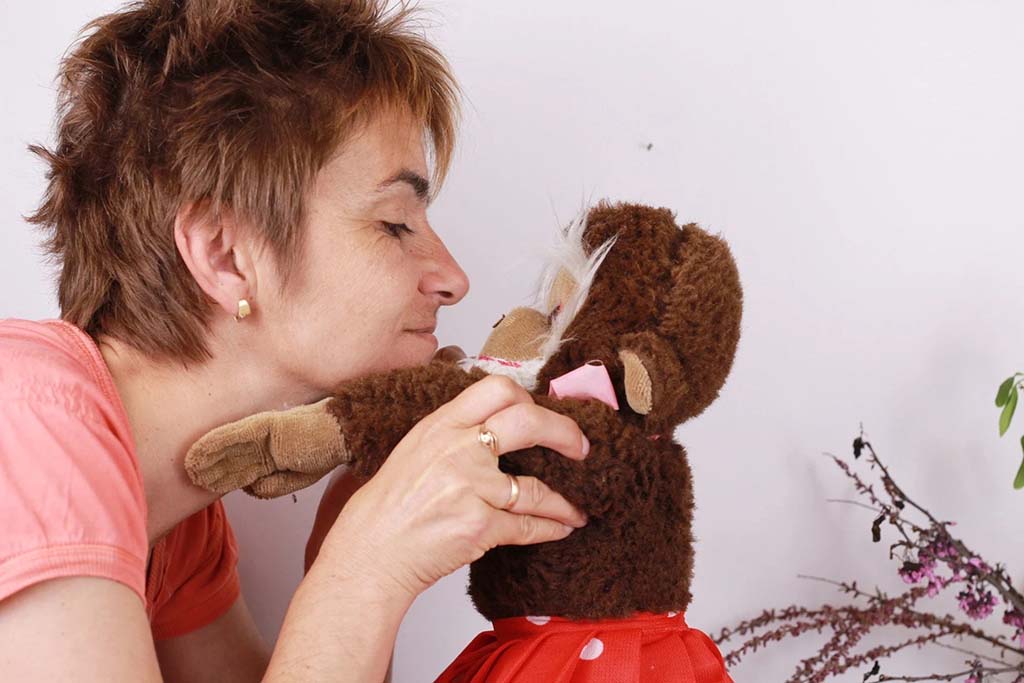
Custom plush must pass the laws where you sell. That means EN71 (EU), ASTM F963/CPSIA (USA), and others. Tests cover mechanical safety (seam strength, small parts), flammability, and chemicals (heavy metals, phthalates, azo dyes). Each test series is a fixed fee per SKU/material set. On small orders, that can be a large share of your per-unit cost. If you change a critical material after testing, you may need retesting.
Compliance cost reality
| Item | What labs check | Typical cost range* | Cost-per-unit on 300 pcs |
|---|---|---|---|
| Mechanical/flammability | Seams, tension, ignition | $300–$800 | $1.0–$2.7 |
| Chemical (CPSIA/REACH) | Lead, phthalates, azo, etc. | $200–$700 | $0.7–$2.3 |
| Accessories/inks | Prints, plastic parts | $80–$300 each | $0.3–$1.0 |
| Retest after change | If fabric/fill/ink changes | 50–100% of original | Same per-SKU impact |
*Illustrative only; varies by region, lab, and scope.
Tip: Lock materials early and minimize SKUs to avoid duplicate testing.
What logistics, tariffs, and currency risks add hidden expenses?
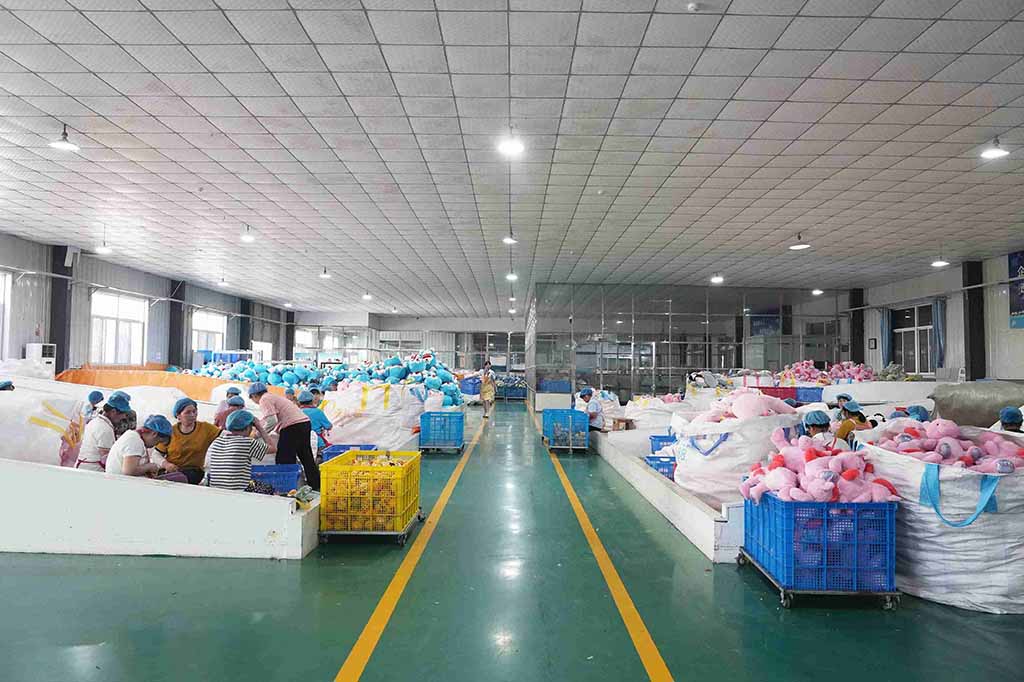
Freight markets move. Ocean rates, surcharges, and peak season congestion can swing landed cost by dollars per unit—especially for bulky plush with high carton volume. Air freight is faster but far more expensive. Then there are tariffs, customs brokerage, destination handling, and currency risk (USD/CNY, EUR/CNY). Small buyers also face less favorable payment terms and banking fees per transaction.
Hidden cost layers beyond factory gate
| Layer | How it adds cost | Example variables | Mitigation |
|---|---|---|---|
| Freight & fuel | Volume-based charges for bulky goods | Peak season, GRI, fuel surcharges | Optimize carton pack; consider vacuum packing |
| Duties & taxes | HS code duty + VAT/GST | Country rate, trade status | Confirm HS code; use FTAs where applicable |
| Port & handling | Terminal, brokerage, delivery | Destination fees, storage | Clean paperwork; book early; avoid demurrage |
| Currency & finance | FX swings, transfer fees | USD/CNY drift, bank charges | Hedge with forward quotes; batch payments |
| Damages/returns | Rework or replacement | Rough handling, moisture | Strong cartons, desiccants, drop tests |
How can material choices balance quality, durability, and budget?
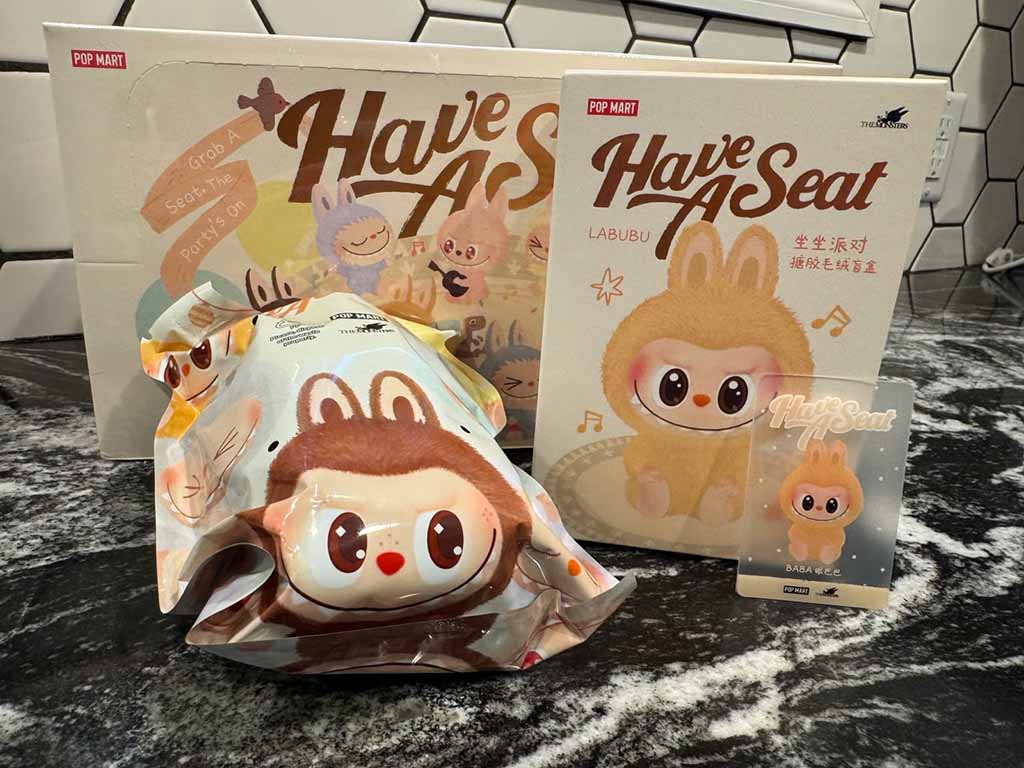
Materials decide both first touch and total cost. Stock colors of minky/velboa avoid dye MOQs. Standard polyester fiberfill (or rPET where feasible) delivers soft feel without risk. Keep faces fully embroidered for safety and clean approvals. Use pellet pouches sparingly or only for sizes that need to sit—pellets add weight (shipping) and require extra QC. For packaging, a neat polybag + swing tag usually beats small-lot custom boxes on cost; upgrade to boxes only for premium sets or retailers requiring them.
Cost-smart material planning
| Decision area | Best value choice | Why it saves | When to upgrade |
|---|---|---|---|
| Outer fabric | Stock minky/velboa colors | No dye MOQ; fast | Flagship colorways, retail mandates |
| Stuffing | Quality polyester fiberfill | Soft, stable, low-risk | rPET for eco lines with certs |
| Face details | Full embroidery | Safety + single setup | Add appliqué for special looks |
| Weighting | Minimal pellet use | Cuts freight & QC steps | Display SKUs needing stable sitting |
| Packaging | Branded swing tag + polybag | Cheapest compliant route | Window box for premium retail |
Conclusion
Custom plush feels expensive because you’re paying for one-time engineering, specialist craft, safety approvals, and small-batch realities—all spread over limited units and shipped through volatile logistics. With smart choices—stock fabrics, fewer SKUs, tight feedback, and early material lock—you can keep quality high and cost under control.
At Kinwin, my team and I build cost-transparent plans from sketch to shipment. If you want pricing clarity and a reliable path to a compliant, good-feeling plush, email [email protected] or visit kinwintoys.com. We’ll balance design, durability, and budget—without surprises.