Skip to content
The honest answer: there is no single “magic” size. Instead, different sizes work better in different channels, age groups, price bands, and seasons. When you match size to market, your collection feels strategic, not random. Your MOQ is easier to plan, and your sell-through improves.
In this guide, I’ll explain how retailers define plush sizes, which sizes sell best online and offline, how age and price influence demand, how logistics and shelving limit your choices, and how to plan a smart size ladder for your brand. I’ll keep the language simple and practical so you can use this as a working tool with your team and suppliers.
What size definitions do retailers use across global markets?
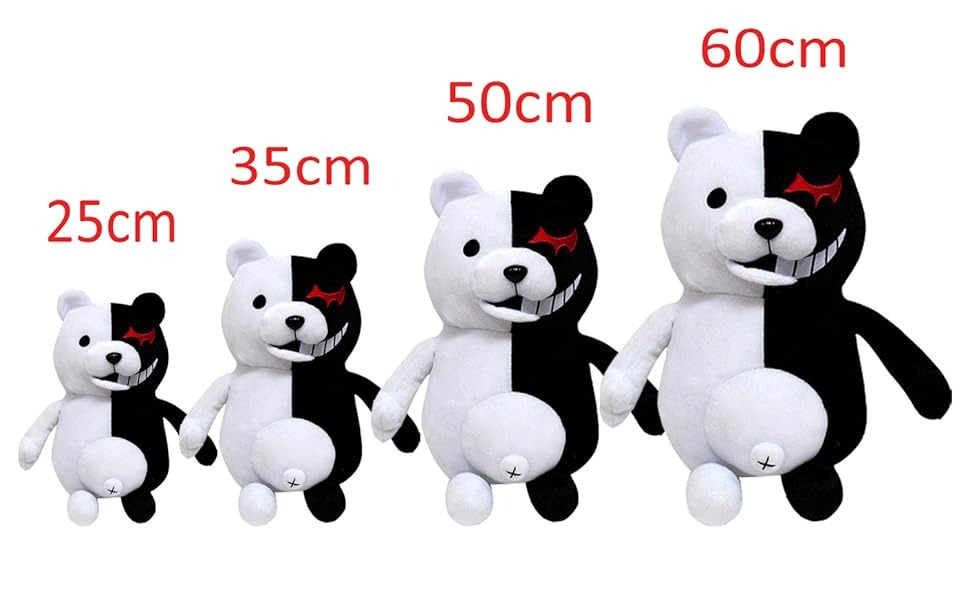
Before you decide which size is “hot selling,” you need a clear size language. Retailers and factories don’t think in vague terms like “small” or “big” only. We think in repeatable size bands in cm or inches that work across many SKUs.
In the USA and many Western markets, plush is often labeled by inches (8″, 10″, 12″, 16″, 20″, 24″, etc.). In Europe and Asia, buyers more often use centimeters (20 cm, 25 cm, 30 cm, 40 cm, 60 cm). The important thing is not the exact number, but the bands your brand uses as a system.
Most global buyers use a structure like this:
- Mini / keychain size – 8–12 cm (3–5″)
- Small – 15–20 cm (6–8″)
- Medium – 25–35 cm (10–14″)
- Large – 40–60 cm (16–24″)
- Jumbo / XL – 70 cm+ (28″+)
Retailers then apply nicknames for marketing: “palm size,” “standard size,” “hug size,” “jumbo,” “life-size,” etc. These names help customers understand scale quickly online and on shelf.
As a factory, I care about two things:
- Height band – so we can reuse pattern logic and optimize fabric usage.
- Proportion rules – for example, big head / small body “chibi” style vs realistic animal proportions.
If you define your size system clearly at the beginning, your range looks coherent and you avoid odd gaps like a 23 cm bear next to a 40 cm rabbit and a 55 cm dog with no clear logic.
Common global plush size definitions
| Size Band / Name | Approx. Height (cm) | Approx. Height (inches) | Typical Retail Naming | Common Uses and Channels |
|---|---|---|---|---|
| Mini / Keychain | 8–12 cm | 3–5″ | Keychain plush, bag charm, mini | Blind boxes, gacha, capsule machines, impulse gifts, FMCG promos |
| Small | 15–20 cm | 6–8″ | Small plush, pocket plush | Supermarket lines, kids’ gifts, “under $10” or “under €10” |
| Medium | 25–35 cm | 10–14″ | Standard plush, classic size | Main toy aisle, online best-sellers, gift shops, theme parks |
| Large | 40–60 cm | 16–24″ | Big plush, hug size | Birthday gifts, premium sets, e-commerce hero SKUs |
| Jumbo / XL / Giant | 70+ cm | 28″+ | Jumbo bear, life-size plush | Valentine’s Day, anniversaries, photo props, social media content |
| Pillow / Cushion Plush | Varies (e.g., 35–60 cm long) | Varies | Hug pillow, body pillow plush | Teens, young adults, décor, online lifestyle and KOL brands |
When you brief your supplier, try to define your range in clear bands like this, not only “I want some small and some big.” It saves time and keeps your assortment easy to scale later.
Which plush sizes lead sales in online and offline channels?
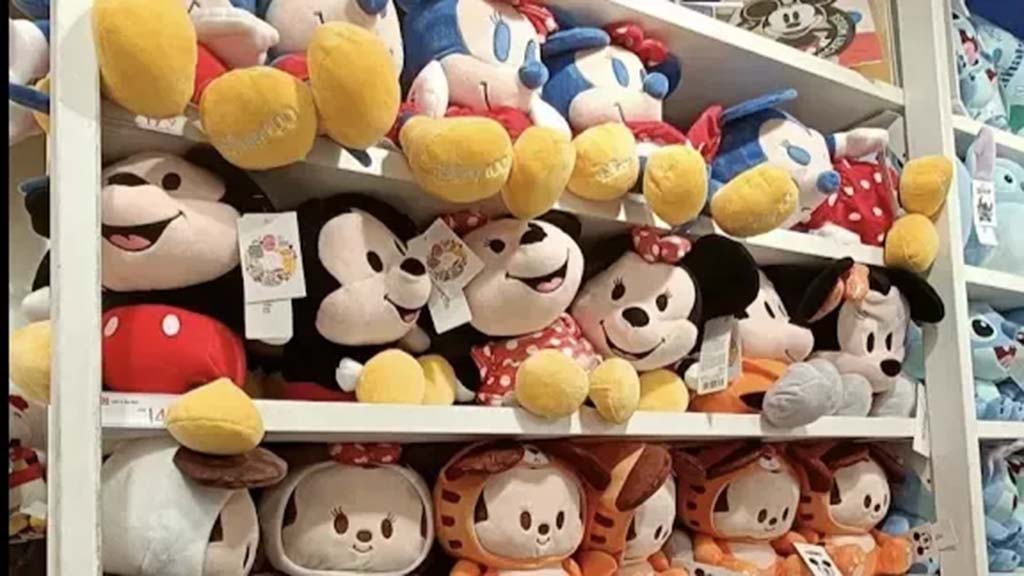
Different sizes behave very differently in online vs offline channels. The same character at 20 cm and 40 cm does not sell the same way. Size changes:
- how it looks in a thumbnail,
- how it feels in-store,
- and how much you must charge to cover shipping.
Online channels (Amazon, Shopify, marketplaces)
Online, medium sizes (about 25–35 cm / 10–14″) and compact large sizes (around 40 cm / 16″) often perform best because they:
- look impressive in photos,
- still fit well in standard cartons,
- hit a mid price that feels “worth it” but not too high.
Smaller sizes (15–20 cm) also sell well as:
- multi-packs,
- “collect them all” ranges,
- lower-price entry items.
Jumbo plush sells online too, but usually as gift-focused or viral hero SKUs—not as daily volume.
Offline channels (toy stores, supermarkets, gift shops)
In physical retail:
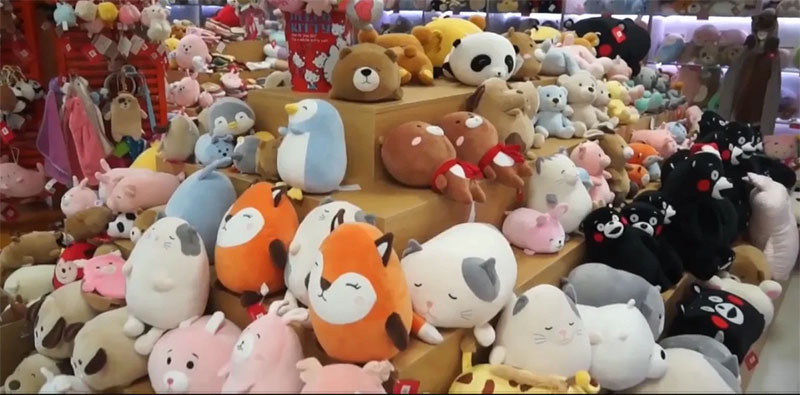
- Medium and large sizes drive attention on central shelves. Parents and kids can see and hug them.
- Mini and small sizes work well at checkout, clip strips, and secondary placements as impulse add-ons.
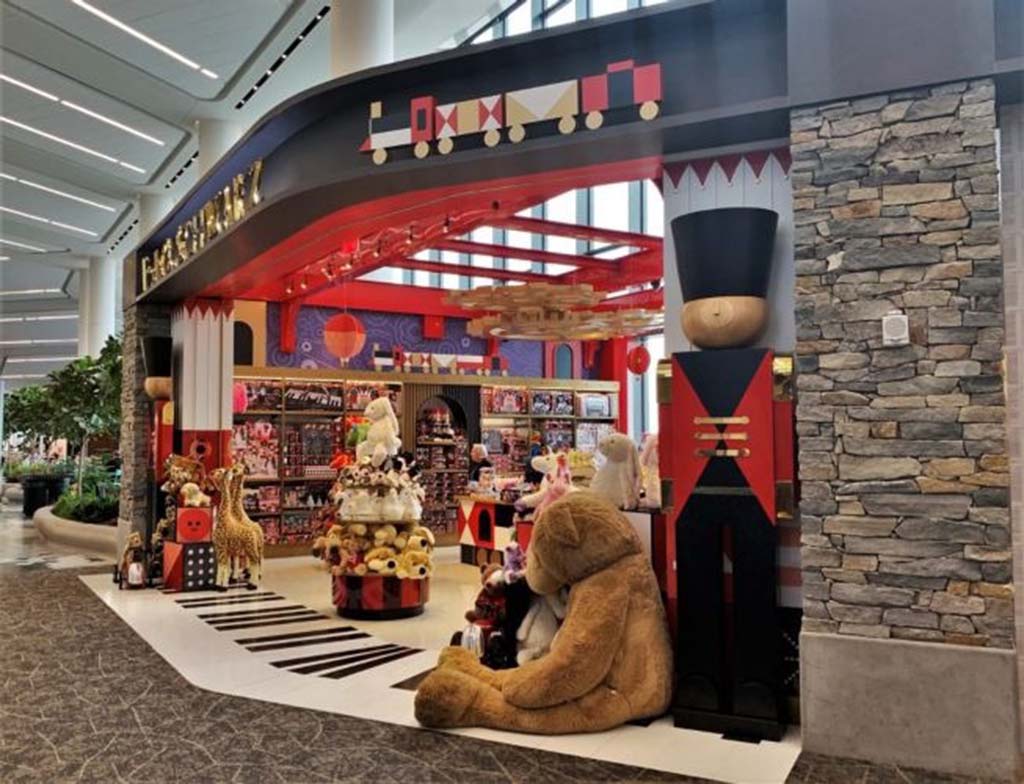
- Jumbo pieces are mostly display magnets to stop traffic and create photo spots. They may sell in lower units but build brand visibility.
Retailers usually want a ladder: visible large items to attract attention, and affordable small and medium items to convert.
Size performance in online vs offline channels
| Channel Type | Sizes That Typically Lead Sales | Main Purchase Logic | Recommended Focus for Buyers |
|---|---|---|---|
| Online marketplaces | 25–35 cm as main; 15–20 cm as add-ons | Value vs shipping; photo impact; star rating + price | Make 25–35 cm your “hero”; use minis in bundles or collectibles |
| Brand DTC websites | 25–40 cm; occasional 60 cm hero items | Brand story, gifting, limited drops, loyal fans | Offer 1–2 hero sizes per character (e.g., 30 cm + 40 cm) |
| Supermarkets / hyper | 15–25 cm main; some 30–35 cm as premium | Price tag sensitivity; simple size comparison on shelf | Clear good-better-best ladder: small, medium, one bigger |
| Toy specialty stores | 20–35 cm main; 40–60 cm for impact | In-person hugging; character/brand recognition | Medium as core; strategic large plush as eye-catchers |
| Gift & flower shops | 20–40 cm main; 60 cm for big occasions | Ready-to-gift perception; linked to bouquets and hampers | Focus on 25–35 cm bears and characters; a few 50–60 cm for premium sets |
| Theme parks & attractions | 15–25 cm small prizes; 30–50 cm big prizes | Redemption value, perceived reward size | Define prize tiers by height bands and ticket values |
When you design a size range, always ask: “Where will this sell?” Channel context is the first step to choosing a “hot-selling” size.
How do age groups and price points influence size demand?
The same size can feel perfect for one age group and wrong for another. Also, plush size and retail price are strongly linked in the shopper’s mind. When you match size, age, and price correctly, baskets grow naturally.
By age group
- Newborns (0–12 months)
Parents prefer smaller, lighter, and safer plush. Typically 15–25 cm, or flat comforters. Toys must be easy to grab and cuddle, not heavy or oversized. - Toddlers (1–3 years)
Medium plush (20–30 cm) works well. Toddlers like to carry toys around. Too large plush is hard to handle; too small gets lost. - Kids (4–8 years)
Both medium (25–35 cm) and large (35–50 cm) sizes sell well. Children at this age like visible, “important” companions. - Pre-teens, teens, and young adults
Two extremes do well:- Compact minis for desks and bags, and
- Big hug pillows and body-length plush for beds and sofas.
By price point
Size also signals value. Shoppers in many markets have price anchors:
- Under ~$10 / €10 / ¥1000 – expect mini or small plush.
- ~$10–$20 / €10–€20 – expect a comfortable medium plush.
- $20+ – expect large or special licensed plush.
If you sell a 15 cm plush at a “large plush price,” conversion will suffer. If you sell a 35 cm plush too cheap, your margin dies and buyers question quality.
Size preferences by age group and price band
| Target Group | Preferred Size Range | Typical Retail Price Band (varies by country) | Buying Priorities | Recommended Size Strategy |
|---|---|---|---|---|
| Newborns (0–12 months) | 15–25 cm or flat comforter | Low to mid; often bought by parents/relatives | Safety, washability, soft touch, brand trust | One small hero size; avoid heavy jumbo plush |
| Toddlers (1–3 years) | 20–30 cm | Low to mid | Easy to hold, cute faces, favorite animals | Focus on mid-size, not too tall or heavy |
| Children (4–8 years) | 25–40 cm | Mid; gifts for birthdays and holidays | Character appeal, play value, collection themes | Offer a clear medium and a “bigger gift” size |
| Pre-teens (9–12 years) | 20–35 cm and 40–50 cm | Mid to upper mid | Cool designs, IP brands, limited series | Use medium as base; add 1–2 big hero SKUs |
| Teens & young adults | Minis (8–15 cm) + 35–70 cm | Wide; from small impulse buys to premium gifts | Aesthetic, décor, fandom, comfort, social media | Mix keychain minis with large pillows/body plush |
| Adult gift buyers | 20–50 cm | Often mid-high for special occasions | Impact size, quality, emotional message | 25–35 cm for general gifts; 40–60 cm for romance or big celebrations |
When you plan your line, link each size to a clear age and price story. That is how size becomes a sales tool, not just a design detail.
How do logistics and shelving constraints shape optimal plush sizes?
Even if a plush size looks perfect on paper, it must still ship, store, and display efficiently. Logistics and merchandising are often the reason certain sizes become “hot sellers” for retailers—they fit the physical system better.
Logistics: shipping and storage
Plush is light but bulky. Carriers and freight companies often charge by volumetric weight. That means:
- A 50 cm plush may cost much more to ship than a 30 cm plush, even if the real weight is only a bit higher.
- For cross-border e-commerce, carton and inner pack design matter a lot to keep costs under control.
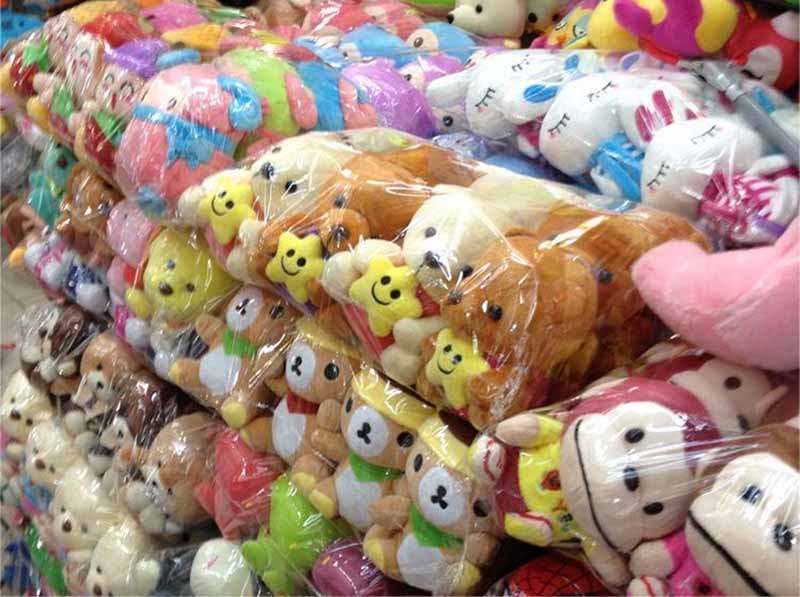
For large retailers, plush must fit into standard carton sizes and pallets. A size that wastes carton space or needs many custom cartons is less attractive, even if the end-customer likes it.
Shelving and display
Retailers have fixed shelf heights and depths, pegboard layouts, and gondolas. They want sizes that:
- stack or stand without collapsing,
- can be front-faced in enough units to look full,
- allow clear price labels and category blocks.
For example:
- A 25–30 cm plush often fits two or three shelves high in standard shelf bays.
- 40–50 cm plush may need top shelf only or special floor displays.
- Minis (8–12 cm) need bins, clip strips, or trays; standing them upright is hard.
If your size does not match the retailer’s fixture system, even a cute design may fail.
Logistics and shelving impact by size
| Consideration | Mini (8–12 cm) | Small (15–20 cm) | Medium (25–35 cm) | Large (40–60 cm) | Jumbo (70+ cm) |
|---|---|---|---|---|---|
| Shipping efficiency | Very efficient; many units per carton | Good; strong for FOB and parcel | Balanced; common sweet spot for freight vs value | Bulky; higher volumetric weight per unit | Very bulky; high shipping cost and storage space |
| Warehouse storage | Easy to store; risk of losing small cartons | Easy; can mix SKUs in one pallet | Standard pallet usage; easy inventory handling | Needs more space; often separate pallet zones | Requires dedicated storage; lower units per pallet |
| Retail shelf fit | Needs bins, clip strips, or display boxes | Fits shallow shelves; good for front displays | Fits most standard shelf heights and depths | Needs deeper shelves or fewer facings | Often floor stacks, special islands, or window props |
| E-commerce parcels | Very cheap to ship; low perceived value alone | Good for multi-packs; low shipping bands | Works in standard parcel sizes; good value perception | Higher shipping bands; must justify price | High shipping; often oversized parcel fees |
| Visual impact | Low alone; good as “many in one place” | Moderate; good as “fillers” | Strong; looks substantial in photos and on shelf | Very strong; good as hero SKUs | Extreme; great for social media and display |
When you design sizes with logistics and shelving in mind, you help retailers reduce friction. That is one of the best ways to become a preferred supplier.
Which seasonal or gifting occasions favor specific plush dimensions?
Certain sizes become hot sellers in specific seasons and occasions. If you align sizes with these moments, your plush moves faster and your reorders are more predictable.
Valentine’s Day, anniversaries, and romance
For romantic gifts, shoppers often look for impact. Popular sizes:
- 40–60 cm bears and character plush – big enough to hug, impressive in photos.
- A few jumbo bears (70–120 cm) as “wow” items for displays and social media.
Smaller 20–25 cm plush works well as part of bouquets, boxes, or hampers, but the “main hero” is usually large.
Christmas and winter holidays
Christmas is both about gifting and stocking stuffers:
- Medium plush (25–35 cm) as main gifts under the tree.
- Mini and small plush (8–20 cm) as stocking fillers, advent calendar items, and add-ons.
Retailers often want family sets: the same character in two or three sizes to create bundles.
Graduation, exam season, and school events
For graduation and similar events, medium sizes (20–30 cm) with hats or sashes are common. They must be:
- portable enough to hold in ceremony photos,
- priced in an accessible middle range for students and parents.
Mother’s Day, Father’s Day, and general gifting
For parents and general adult gifting, 20–35 cm plush with messages or themed accessories sell best. They can be combined with flowers, chocolates, or gift boxes.
Tourism, theme parks, and attractions
Souvenir buyers want something easy to carry in luggage:
- 15–25 cm plush fits well.
- Some destinations offer bigger plush as “once-in-a-lifetime” souvenirs, but volume is mostly small/medium.
Occasion-based size preferences
| Occasion / Season | High-Performing Size Bands | Typical Use Case | Suggested Size Strategy |
|---|---|---|---|
| Valentine’s Day & romance | 40–60 cm main; some 70+ cm hero | Romantic gifts, room décor, photo props | 1–2 hero large SKUs; optional jumbo bear as attention driver |
| Christmas & winter holidays | 25–35 cm main; 8–20 cm for fillers | Family gifts, stocking stuffers, secret Santa | Offer 2–3 sizes per character (mini + medium + large) |
| Graduation & school events | 20–30 cm | Gift from classmates, friends, family | Standardize on a comfortable 25 cm size |
| Mother’s Day & Father’s Day | 20–35 cm | Gift with message, combined with flowers or hampers | Focus on medium bears and themed characters |
| Birthdays & children’s parties | 20–35 cm small gifts; 35–50 cm “big gift” | Main gift or party favors | Medium as main; optional larger size for “special child” |
| Tourism & theme parks | 15–25 cm for most; 30–40 cm for fans | Souvenirs, memory items, mascot plush | Small portable mascots; one medium hero per IP |
| Corporate & promotional events | 10–25 cm | Brand mascots, giveaways, campaign gifts | Mini and small plush to manage budget and shipping |
If you map your launch calendar against these size preferences, you can time your size launches to fit peak demand instead of guessing.
How should brands plan assortments using size-tier sales data?
Once you know how sizes behave by channel, age, logistics, and season, the last step is to turn this into a clear size strategy. The goal is not to produce every character in every size. The goal is to build a clean size ladder supported by real sales data.
Step 1: Define your standard size tiers
Most successful brands choose 3–4 core tiers and use them across many characters. For example:
- Tier A: Mini (10–12 cm) – for collectibles and add-ons.
- Tier B: Standard (25–28 cm) – main volume driver.
- Tier C: Large (38–45 cm) – premium gift size.
- Optional Tier D: Jumbo (60–80 cm) – marketing hero and special campaigns.
This becomes your long-term size language for development and sales.
Step 2: Read sales data by size, not just by SKU
When you look at performance, group SKUs by size band:
- How much total revenue comes from each tier?
- Which tier has the highest sell-through?
- Which sizes carry your best margins?
Often you’ll find that:
- One size tier delivers 50–70% of units,
- Another tier delivers strong margin per unit even at lower volume,
- One or two sizes are slow movers and should be reduced.
Step 3: Align character roles with size tiers
Not every character needs every size:
- Main mascots and best-selling animals can exist in 3 tiers.
- Secondary designs may only need 1 or 2 tiers.
- Seasonal and licensed characters often focus on one hero size that fits the campaign.
This keeps your SKU list manageable while still giving customers choice.
Step 4: Adjust by channel and region
Use sales data by channel and region to further refine:
- If online data shows that 30 cm works best, standardize on that for e-commerce.
- If a region has smaller home sizes or different price sensitivity, adjust size choices there.
Factories like us can help you re-grade patterns up or down while keeping the same look.
Using size-tier sales data to plan assortments
| Size Tier | Typical Height Range | Role in Assortment | Data You Should Track | Suggested Actions Based on Data |
|---|---|---|---|---|
| Tier A – Mini | 8–12 cm | Entry price, collectibles, add-ons | Units sold per multi-pack, attach rate | Increase minis if attach rate is high; bundle with larger plush |
| Tier B – Standard | 20–30 cm | Core volume driver | Units sold by channel, repeat orders | Keep this tier stable; refine characters, not height |
| Tier C – Large | 35–50 cm | Premium gifts, high perceived value | Margin per unit, seasonality of demand | Use for peak gifting seasons; avoid over-SKUing large tier |
| Tier D – Jumbo | 60+ cm | Hero, marketing, social media impact | Low unit but high visibility, photo usage | Limit SKUs; use as attention magnet and upsell opportunity |
| Channel-specific tweaks | Varies | Fit retail fixtures / parcel limits | Returns by size, freight cost per unit | Adjust size tiers per channel if logistics cost is too high |
| Regional adjustments | Varies | Adapt to local homes, tastes, budgets | Size preference surveys, regional sales split | Offer smaller core size where homes and spaces are smaller |
When you treat size as a strategic lever instead of a random variable, your plush line becomes easier to manage. You can launch new characters into an existing size ladder, rather than reinventing sizes each time.
Conclusion
A good plush toy is safe, soft, durable, and appealing while also offering branding opportunities. The “hot-selling” size is not one magic number—it is the size that fits your channel, age group, price point, logistics, and gifting moment, supported by a clear size ladder and real sales data.
At Kinwin, we help global buyers turn this size logic into real products, from 10 cm keychain plush to 80 cm jumbo heroes, while balancing material cost, carton efficiency, and safety testing. Contact us at [email protected] or visit kinwintoys.com to discuss your next plush collection and explore how our factory can support your success with the right sizes for your markets.