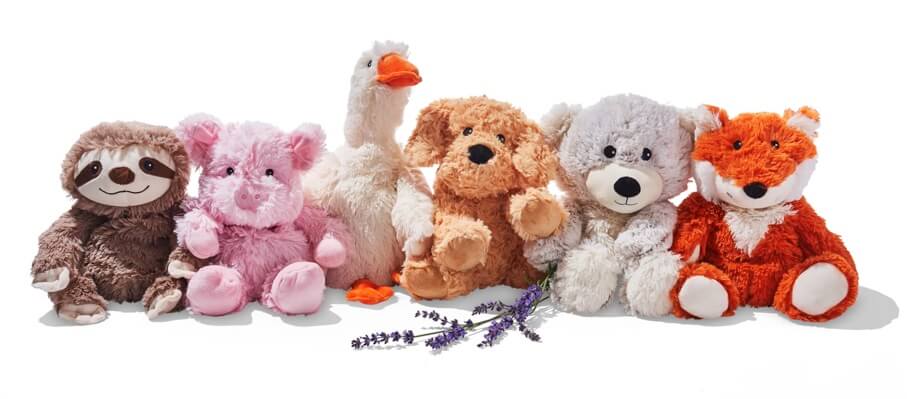
I’m Amanda from Kinwin in China. I help brands pick the right country, factory, and workflow for safe, profitable toys. The “best” place is not one country for every project. It’s a fit between your product type, order size, compliance path, lead-time needs, and budget. Below I compare major hubs in simple, practical language you can use to plan sourcing and RFQs today.
What global factors—labor cost, infrastructure, compliance ecosystem, and export logistics—define the best countries for toy manufacturing?
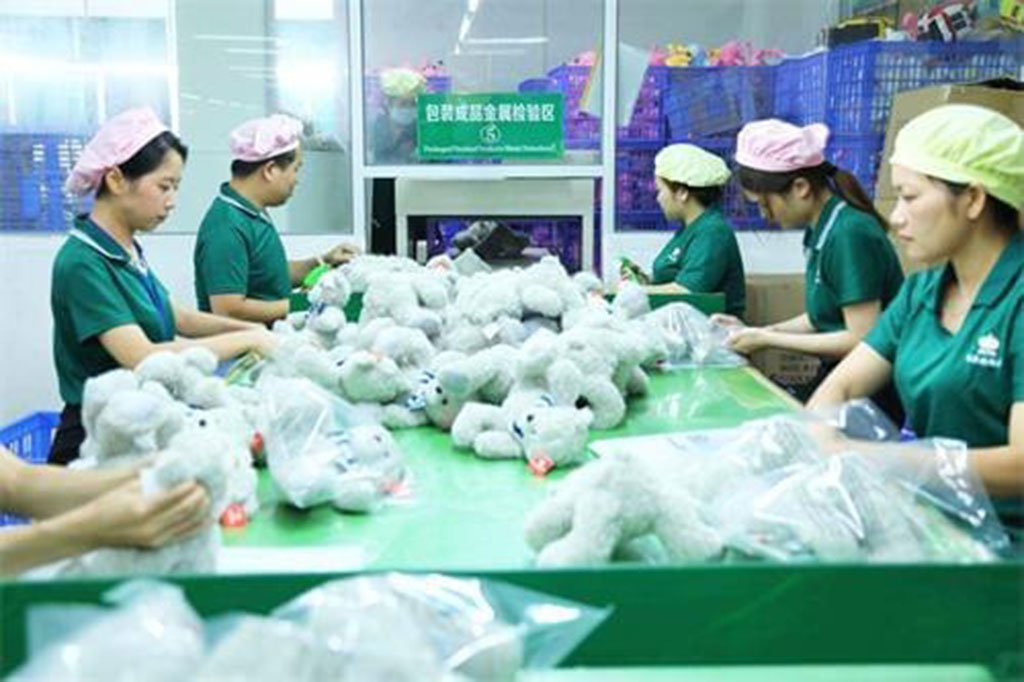
When I shortlist countries, I score four pillars: labor, infrastructure, compliance, and logistics. Labor sets the minute rate, but minutes depend on skills, not just wages. Infrastructure means textile bases, trim markets, tool rooms, testing labs, and stable power. The compliance ecosystem is about local lab access, regulatory literacy (EN71/ASTM/CPSIA/REACH), and social audits (BSCI/SEDEX). Logistics covers port efficiency, freight cost, capacity at peak season, and lead-time stability (holidays, weather, labor policies).
I also look at cluster effects. A strong cluster shortens sampling cycles, secures trims quickly, and keeps pricing predictable. Finally, I review currency risk and trade agreements. A 2–3% swing in currency or a surprise duty can erase savings from low labor costs. The right answer is usually a country + cluster + specific factory that covers your compliance and delivery needs with the fewest unknowns.
Table 1 — Country Selection Scorecard (How I Compare Hubs)
| Pillar | What I check | Why it matters |
|---|---|---|
| Labor & skills | Minute rate, plush experience, turnover | True cost per unit, not just wages |
| Infrastructure | Fabrics, trims, labs, power, automation | Faster sampling; stable mass |
| Compliance literacy | EN71/ASTM/CPSIA/REACH, BSCI/SEDEX | Clean onboarding; fewer re-tests |
| Logistics | Port capacity, freight, holidays, peaks | Lead-time and landed cost |
| Cluster strength | Vendor density, ODM maturity | Better yield, fewer delays |
| Trade & currency | Tariffs, FTAs, FX volatility | Price stability long term |
How does China maintain dominance through specialization, integrated supply chains, and OEM/ODM maturity?
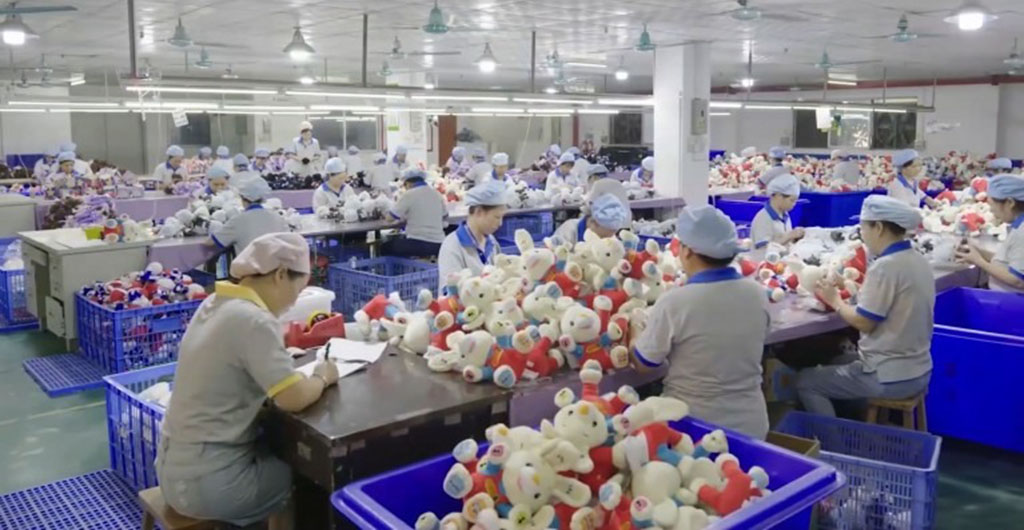
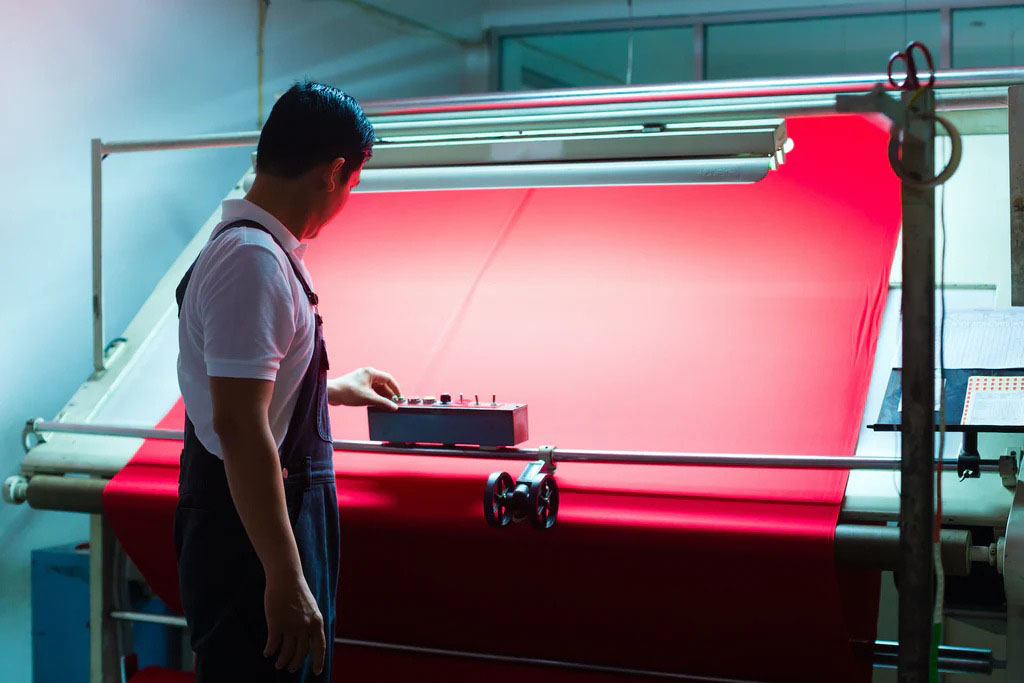
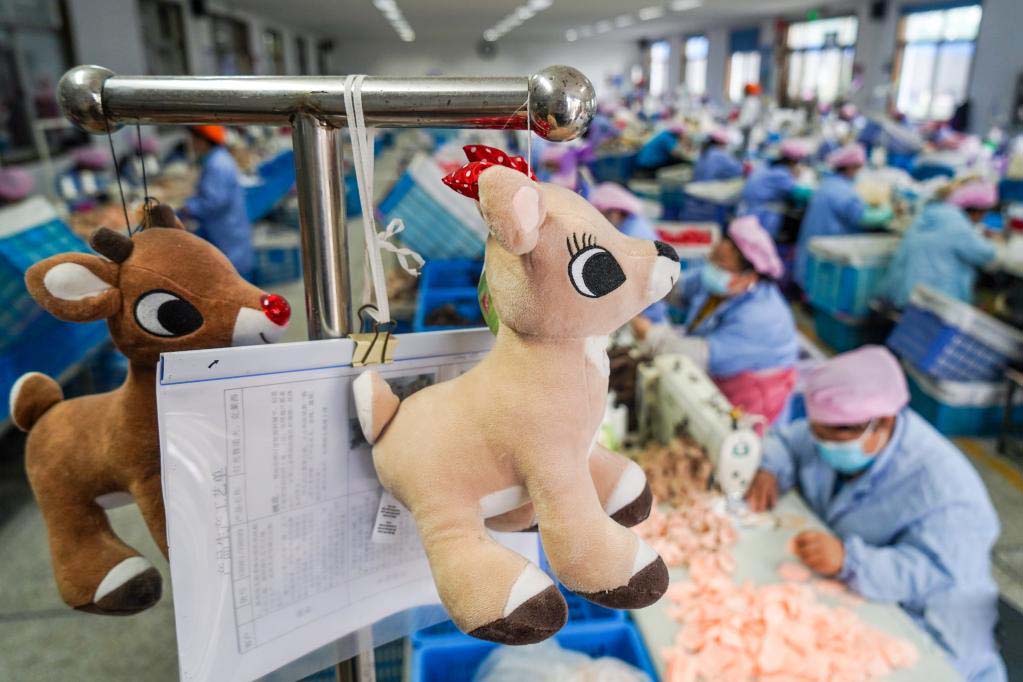
China leads because of depth and speed. Plush, plastics, electronics, and packaging sit in dense manufacturing clusters. For plush alone, pile fabrics (minky/velboa/faux fur), embroidery houses, pellet vendors, dye houses, and labs are within hours, not countries apart. This shortens S1/S2 sampling, supports complex ODM (design-for-manufacture, trim masks, fill maps), and keeps markers by pile direction tight for yield. Factories are fluent in lot-tied testing (EN71/ASTM/CPSIA), CPC/DoC files, and retailer RSLs.
Export readiness is another edge: forwarders, consolidators, and photo studios understand retail calendars. China also scales from small capsules to huge programs without quality collapse, because line balancing, visual SOPs, metered stuffing, and multi-head embroidery are normal, not special. Are wages higher than in some neighbors? Yes. But minutes saved by maturity, rework avoided by literacy, and speed to market often outweigh a raw wage gap. For licensed or detailed plush, China’s face accuracy and faux-fur handling are still the benchmark.
Table 2 — Why China Often Wins (Plush Focus)
| Advantage | What it looks like | Outcome |
|---|---|---|
| Integrated clusters | Fabrics, trims, labs, packaging nearby | Fast S1→S2→PPS cycles |
| ODM maturity | Patterning, face masks, fill maps | Fewer resamples; better expressions |
| Compliance fluency | Lot-tied EN71/ASTM/CPSIA | Clean retailer onboarding |
| Automation | Laser cutting, embroidery, metered stuffing | Consistent quality; minutes down |
| Scale & mix | Small runs to huge POs | Stable cost and delivery windows |
What advantages do emerging hubs like Vietnam, Indonesia, and India offer in labor cost, diversification, and trade access?
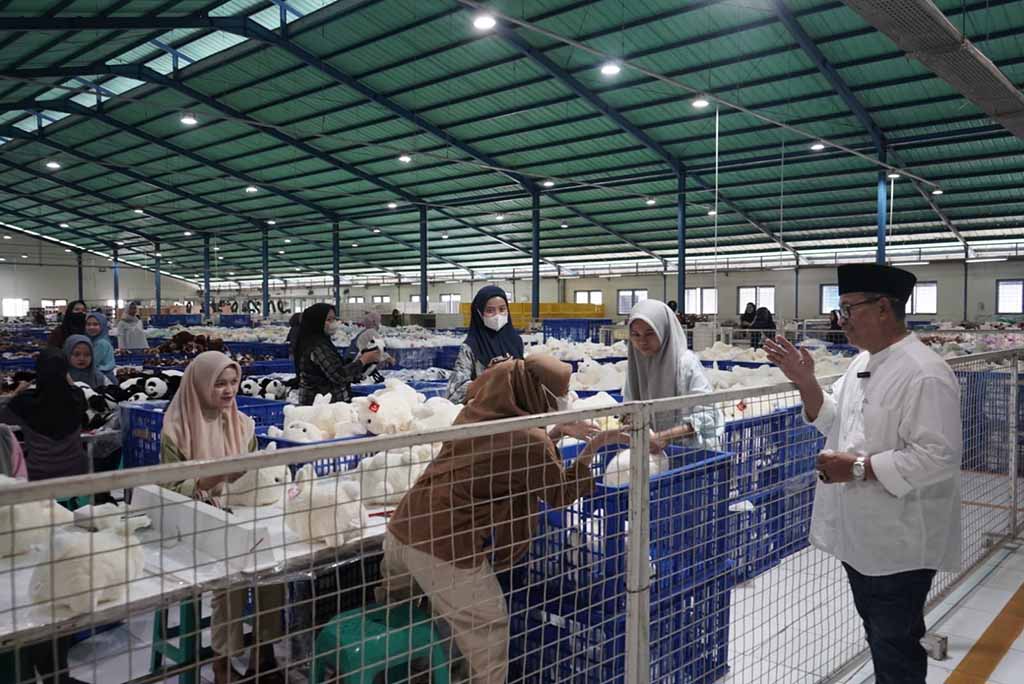
Vietnam offers competitive labor and growing clusters for textiles, cut-and-sew, and basic to mid-complex plush. Many China-based brands dual-source in Vietnam to diversify. Expect strong FOB execution, improving lab access, and better-than-expected schedule discipline, though some specialized trims may still be imported.
Indonesia provides attractive labor, stable large-workforce zones, and government focus on exports. Plush capability is rising; great for basic animals, minis, and promotional lines. For complex faux-fur faces or tight embroidery density, sample times can be longer because of supply-chain distance to certain trims.
India shines in cottons, handwork, and natural-fiber narratives. For plush, it is growing but still less dense than China in pile fabrics and trims. If your line leans into sustainable stories (organic cottons, rPET fills with strong documentation) and you want to diversify, India is worth piloting, especially for soft goods that sit near plush (pillows, décor, gifting sets).
Table 3 — Emerging Hubs (Directional View)
| Country | Strengths | Best fit | Watch-outs |
|---|---|---|---|
| Vietnam | Labor cost, exporter discipline | Core plush, minis, OEM | Import trims; plan longer S2 |
| Indonesia | Workforce scale, competitive cost | Basics, promo, volume | Lead-time for specialized fabrics |
| India | Natural fibers, sustainability story | Décor/soft goods, brand sets | Plush cluster less dense; test cycles longer |
How do compliance frameworks (EN71, ASTM F963/CPSIA, CE, ISO, BSCI/SEDEX) vary across major toy-producing countries?
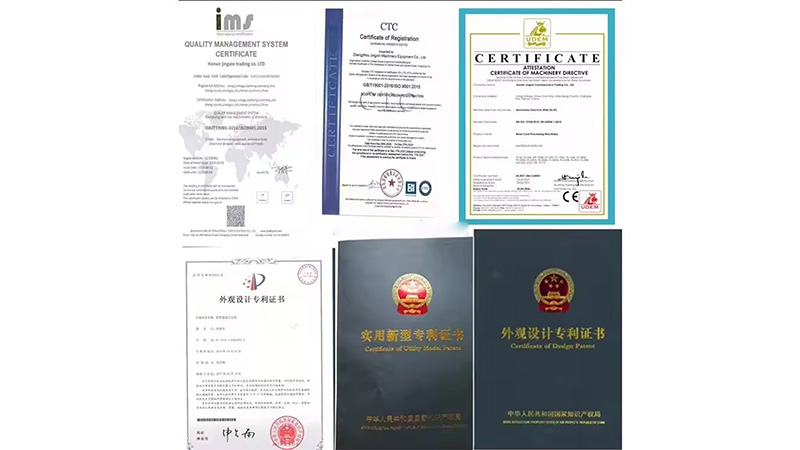
Standards do not change by country of origin, but execution quality does. You still need EN71-1/2/3 for EU/UK, ASTM F963 + CPSIA (plus CPC and tracking labels) for the U.S., and DoC for CE/UKCA claims. What varies is local lab access, regulatory literacy, and the factory’s discipline to tie tests to lots and re-test after any dye or vendor change. Social/ethical audits—BSCI, SEDEX/SMETA, WRAP—are widely requested by retailers and can influence onboarding speed.
When I assess a country or factory, I check if they:
- Produce a test matrix before PPS;
- Keep a compliance folder (BOM, reports, labels, photos);
- Operate with AQL and in-line checks;
- Understand weighted plush leakage testing and scented feature rules (IFRA).
Table 4 — Compliance Execution Signals (Country-Agnostic)
| Signal | Good practice | Why it matters |
|---|---|---|
| Lot-tied reports | Tests tied to actual mass lots | Prevents customs/DC holds |
| Re-test triggers | Dye-lot/trim vendor change → scope re-test | Stops “paper compliance” |
| Document pack | CPC/DoC, tracking label map, label proofs | Clean retailer onboarding |
| Audit literacy | BSCI/SEDEX recent pass | ESG expectations met |
What are the logistical, tariff, and lead-time trade-offs between manufacturing in Asia versus nearshoring to Europe or Mexico?
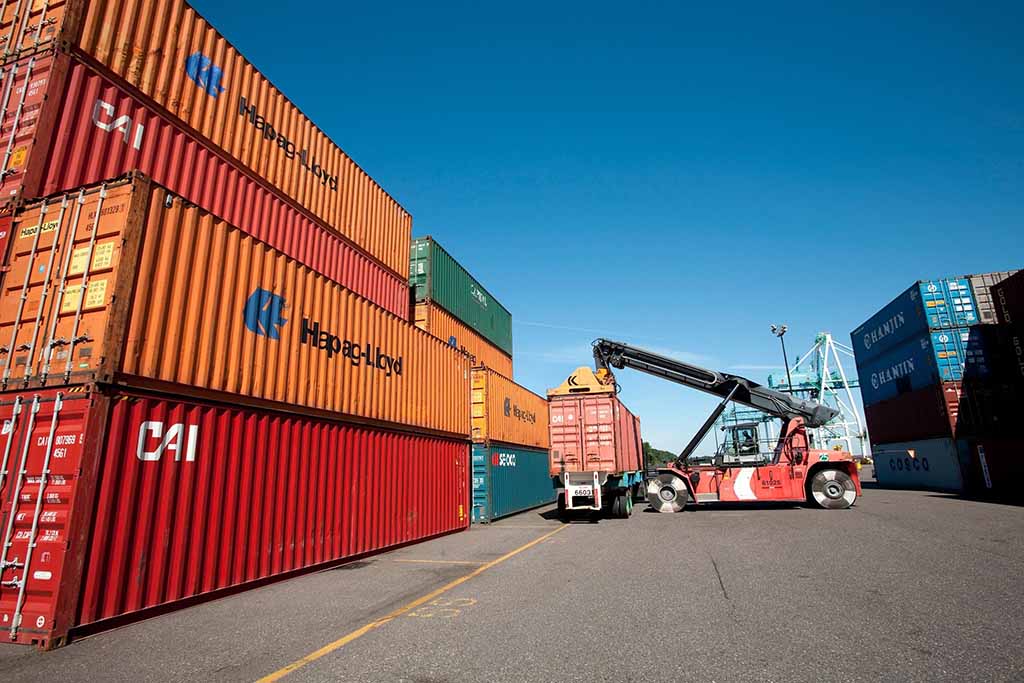
Asia (China/Vietnam/Indonesia/India): Best for integrated supply chains, wide material choice, and pricing at scale. Trade-off: longer transit to the EU/US, peak-season capacity fights, and potential tariff exposure (check HS 9503 and bilateral agreements). For well-planned programs, ocean FCL keeps landed cost low; for fast capsules, air can erase savings.
Nearshoring (EU periphery or Mexico): Advantages include shorter lead-times, easier replenishment, and fewer time-zone gaps. This is powerful for fashion-driven plush or frequent drops. Trade-offs: thinner plush clusters, higher minute rates, more imported trims, and sometimes limited faux-fur choice. Nearshoring shines when speed-to-shelf beats cost, or when tariffs offset wage differences.
Table 5 — Asia vs. Nearshore (Quick Math)
| Factor | Asia hubs | Nearshore (EU/Mexico) |
|---|---|---|
| Materials & trims | Dense clusters; wide choice | Often imported; thinner choice |
| Cost per minute | Lower | Higher |
| Lead-time | Longer (ocean) | Shorter (truck/rail) |
| Scale programs | Excellent | Good for mid–small |
| Speed capsules | Air feasible but costly | Natural advantage |
| Tariffs/FTAs | Country-specific | Sometimes favorable to target markets |
How should brands choose the ideal manufacturing country based on product type, volume, certification needs, and target market?
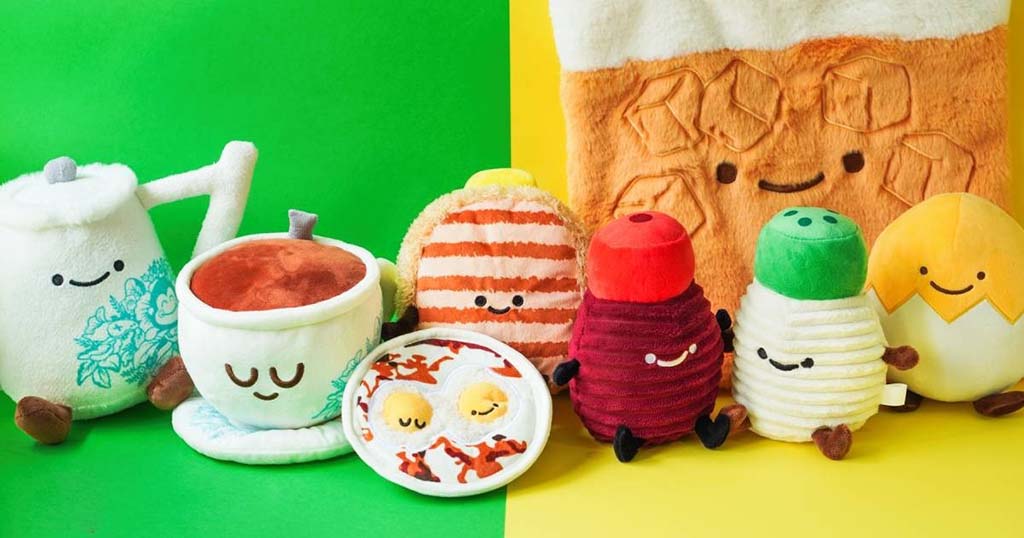
Start from your product truth. If you need high face accuracy, complex faux fur, and tight tolerances, China’s clusters still lead. If you need diversification and strong OEM execution on core plush, consider Vietnam plus a China backup. If your brand story is natural fibers and gift/decor sets, add India pilots. For price-first promotional runs at scale, Indonesia can fit well.
Match volume and speed: large evergreen programs suit Asia’s density; fashion or drop-driven plans may benefit from nearshore speed despite higher labor. Lock your compliance path (EU/UK vs. U.S. vs. both), and pick locations with local labs and lot-tied practice. Model landed cost across FOB vs. DDP, and test soft compression on short-pile SKUs to reduce freight. Finally, do a pilot run before full commitment and insist on AQL + FRI with special checks (pellet leakage, cheek symmetry, lint control).
Table 6 — Country Fit Matrix (Pick by Scenario)
| Scenario | Country choice | Why |
|---|---|---|
| Licensed/detailed plush | China (Guangdong/Jiangsu) | Face accuracy, faux-fur handling, fast ODM |
| Core animals at scale | China/Vietnam/Shandong | Yield, capacity, stable lead time |
| Minis/clip-ons/blind boxes | Zhejiang/Vietnam | Trim access; packaging options |
| Décor & natural-fiber story | India (+ China backup) | Material narrative; soft goods |
| Promo & volume basics | Indonesia/Shandong | Competitive cost; workforce scale |
| Speed-to-shelf capsules | Nearshore EU/Mexico | Short lead time; quick replenishment |
Conclusion
There is no single “best” country for every toy. The right answer is a fit: cluster strength for your product, lot-tied compliance, predictable logistics, and a factory that communicates in numbers, not adjectives. For complex or licensed plush, China still leads. For diversification and core ranges, Vietnam and Indonesia are strong options. For natural narratives, pilot India. For speed, consider nearshore. If you want help matching product and country, email [email protected] or visit kinwintoys.com—my team at Kinwin can guide you from brief to PPS to on-time mass.