When people ask “Where should I buy stuffed toys?”, they usually want three things at the same time: a big selection, safe quality, and reasonable prices and shipping. The challenge is that there are too many options—Amazon, Alibaba, brand sites, local shops, and many random online stores.
As a plush manufacturer in China, I work every day with global buyers who source stuffed toys for retail, e-commerce, gifts, and promotions. In this guide, I’ll walk you through the main buying channels, how they compare, and how to judge which sellers are truly trustworthy—whether you’re buying one toy for a child or thousands of units for your business.
What online marketplaces offer the widest selection of stuffed toys?
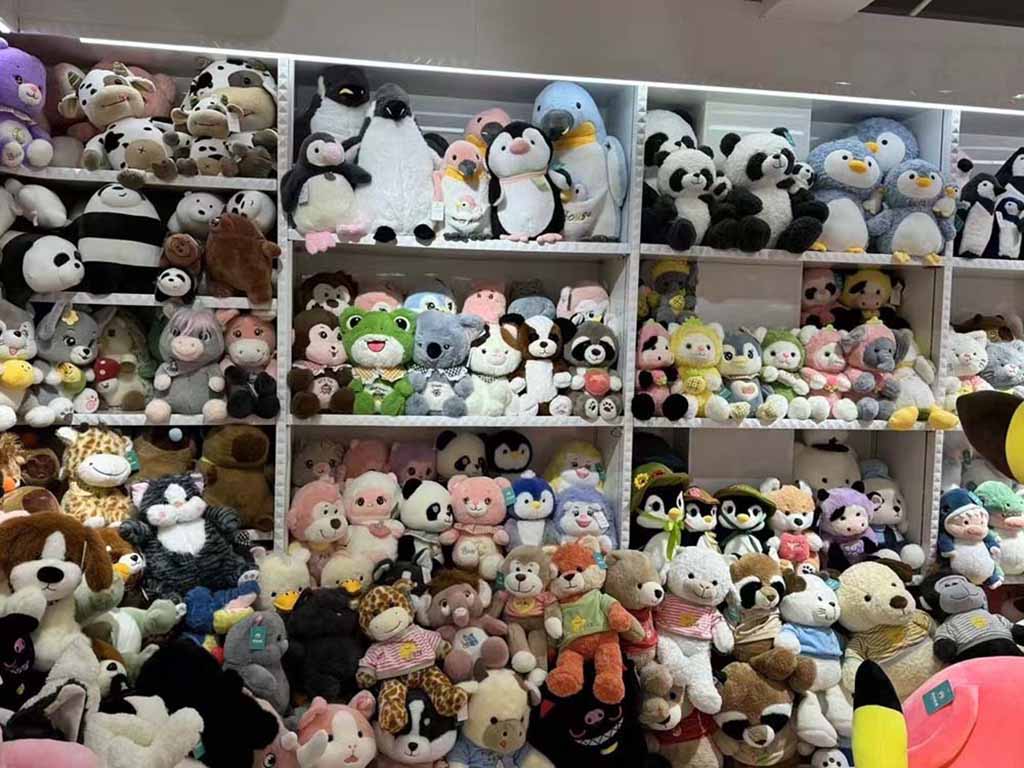
Online marketplaces are usually the fastest way to see a huge variety of stuffed toys—from low-cost basics to branded character plush. Different platforms focus on different needs:
- Consumer-focused platforms for small orders and single gifts.
- Wholesale / B2B platforms for bulk orders and custom sourcing.
Some of the most popular consumer marketplaces include Amazon, Walmart, Target, Etsy, and a range of regional platforms. On the B2B side, Alibaba and similar sites connect buyers with manufacturers and trading companies for larger quantities and OEM/ODM projects.
Overview of major online marketplaces
Here’s a simple comparison to help you choose the right “starting point”:
Table 1 – Online marketplaces for stuffed toys (consumer & B2B)
| Platform Type | Example Platforms | Best For | Key Points |
|---|---|---|---|
| Global B2C | Amazon, Walmart.com, Target.com | Individual buyers, small shops, fast delivery | Huge variety, strong review systems, brand mix |
| Handmade & niche | Etsy | Unique, handmade, custom small-batch items | Great for special gifts, quality varies by seller |
| Asia-focused B2C | Shopee, Lazada (regional) | Local buyers in Southeast Asia, mixed price levels | Many local brands and resellers |
| Global B2B | Alibaba.com | Bulk orders, OEM/ODM, factory sourcing | Best for wholesale and custom projects |
| B2C + B2B hybrid | AliExpress | Small buyers wanting lower prices & more variety | Direct-from-seller offers, longer shipping |
(Note: platform availability and popularity vary by country; always use local/regional versions when possible.)
For personal use, the major consumer marketplaces are easiest: you get buyer protection, reviews, and fast shipping. For business buyers needing hundreds or thousands of stuffed toys, B2B platforms like Alibaba plus direct factory contacts (like our Kinwin team) are usually more efficient and cost-effective.
How do brand websites and official stores compare in quality and pricing?
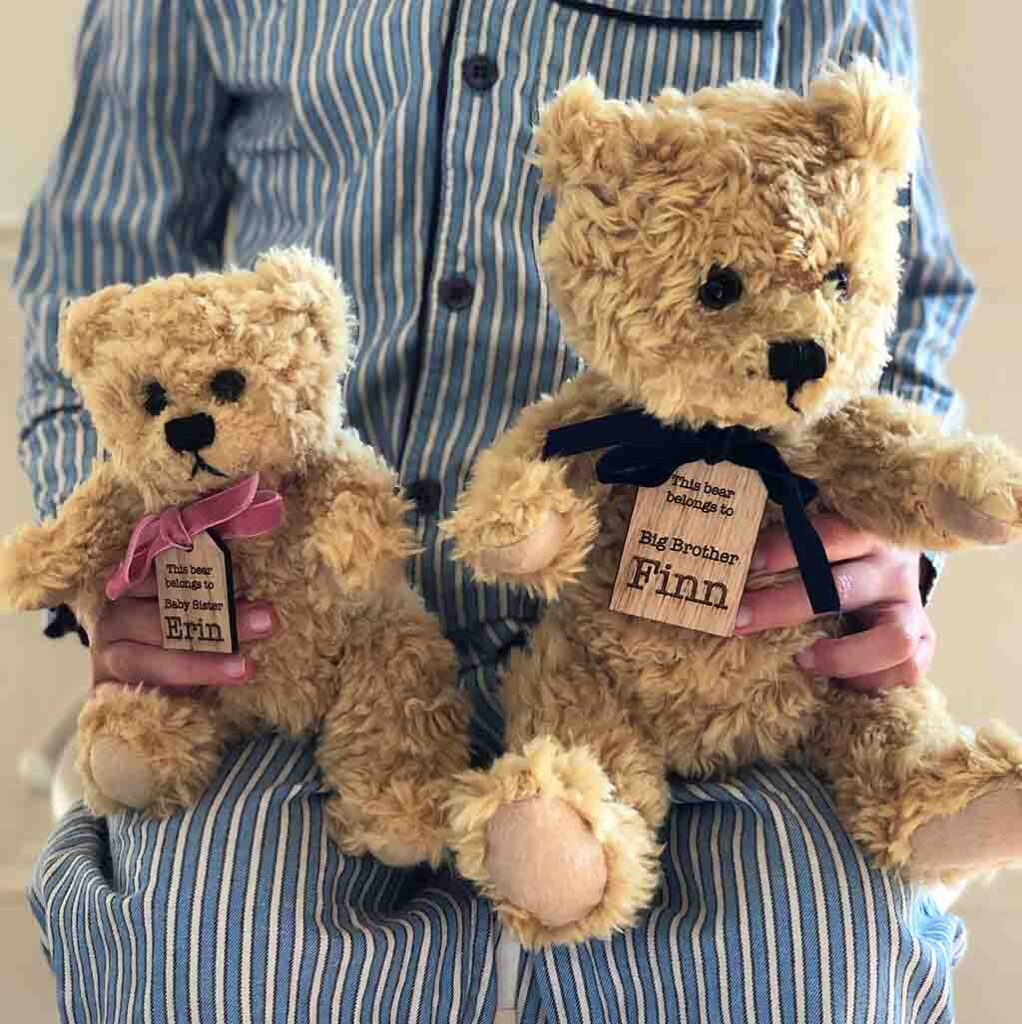
Brand websites and official online stores are perfect when you care about:
- Authenticity (no counterfeits).
- Correct designs for licensed characters.
- Consistent quality and official warranties.
For example, well-known plush brands and character IP owners often sell through their own websites and a network of official online partners. Buying directly from these channels usually means:
- You get the latest designs and official collections.
- You avoid fakes and low-quality copies.
- You may pay a bit more than the lowest marketplace price, but you gain peace of mind.
Brand sites vs general marketplaces
Here is how I usually compare them for my own reference:
Table 2 – Brand websites / official stores vs general marketplaces
| Aspect | Brand Websites / Official Stores | General Marketplaces (Amazon, etc.) |
|---|---|---|
| Authenticity | Highest – direct from brand or official partner | Can be high, but check seller identity |
| Price level | Often stable, close to MSRP | Frequently has discounts and promotions |
| New releases | Usually available first or on schedule | May appear later through distributors |
| Product information | Detailed, accurate, brand-controlled | Good, but sometimes incomplete or mixed |
| Variety by brand | Focused on that brand/IP | Multiple brands, plus generic products |
| Risk of counterfeits | Very low | Higher if buying from unknown sellers |
If you want a specific famous plush brand or character, starting from the official website and checking its “Where to Buy” or “Authorized Retailers” page is a safe strategy. Once you know who the official partners are, you can still shop through marketplaces—just make sure you choose those specific sellers.
For B2B buyers, contacting the brand or its official licensees is important if you want to sell branded characters. For non-IP generic plush, working with OEM/ODM factories like Kinwin gives you more freedom and better margins.
Which local retailers and specialty shops reliably carry stuffed toys?
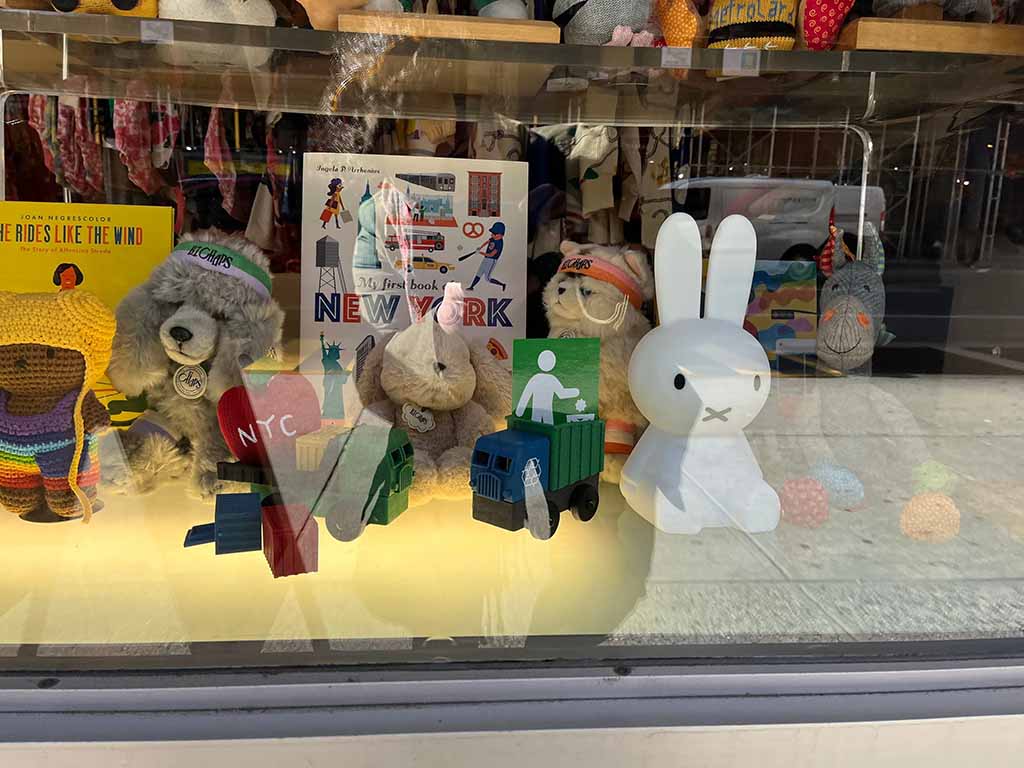
Not everything has to be online. Local retailers and specialty shops still play a big role, especially when you want to:
- Touch and test the plush before buying.
- Choose stuffed toys as last-minute gifts.
- Match plush items with other products in a gift set or themed display.
Common local sources include:
- Toy stores and children’s shops.
- Gift shops and lifestyle stores.
- Bookstores and stationery chains (many carry small plush and character merchandise).
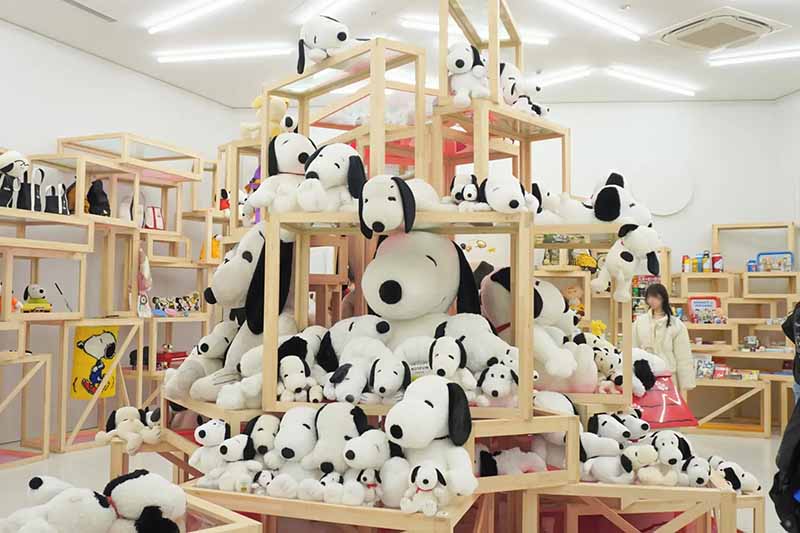
- Theme park shops and museum stores (great for branded mascots and special designs).
Local shop types and their advantages
Table 3 – Brick-and-mortar options for stuffed toys
| Shop Type | Typical Plush Offer | Why It’s Useful |
|---|---|---|
| Dedicated toy shops | Broad range of brands and generic plush | Strong variety, often knowledgeable staff |
| Gift & lifestyle stores | Trendy, aesthetic plush, seasonal collections | Good for decor-friendly and adult-friendly plush |
| Bookstores & stationers | Small to medium plush, character series | Great for impulse gifts and fandom items |
| Department stores | Mid to high-quality branded plush | Reliable sourcing, clear quality standards |
| Theme parks & attractions | Mascot plush, limited editions | High emotional value, strong souvenir effect |
If you are a consumer, local shops give you an immediate sense of quality. If you are a retailer or brand, visiting these shops helps you understand market expectations in your region: price levels, design styles, packaging, and how plush is displayed in real life.
How can international buyers source stuffed toys safely and efficiently?
For international buyers—especially business buyers like Jessica (our typical customer profile)—the key questions are:
- How do I make sure the toys are safe and compliant for my country?
- How do I balance product cost with shipping, duties, and lead times?
- How can I reduce risks when working with foreign suppliers?
Many serious buyers source from China, Vietnam, and other manufacturing hubs, using B2B platforms, trade shows, and direct factory contact.
Sourcing channels for international buyers
Here is a simple map of common sourcing paths:
Table 4 – International sourcing paths for stuffed toys
| Buyer Type | Main Sourcing Path | Key Actions for Safety & Efficiency |
|---|---|---|
| Small e-commerce seller | B2B marketplace (Alibaba), small MOQs, mixed cartons | Check supplier history, request test reports, order samples |
| Medium retailer/brand | Direct factory partnership (like Kinwin), trade shows, combined online research | Develop long-term relationship, visit when possible |
| Promotional companies | Specialized plush manufacturers, sourcing agents, factory audits | Focus on lead time, branding options, safety certificates |
| Theme parks / IP owners | OEM/ODM factories that can handle complex IP projects | NDA, license clarity, strict sample approvals |
To source safely and efficiently, I always recommend this simple process:
- Pre-screen suppliers
- Check years in business, certifications, and customer feedback.
- Request samples
- Test fabric feel, stitching, stuffing, and overall finish.
- Verify safety compliance
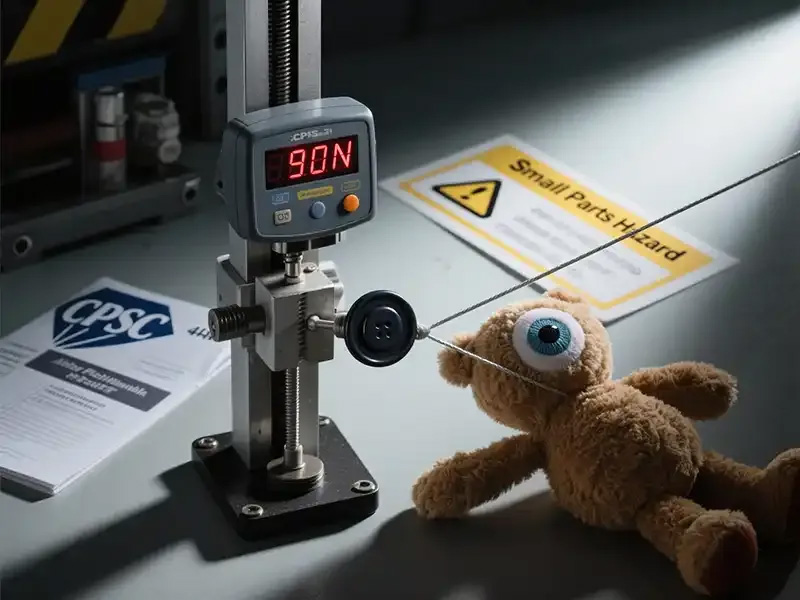
- Ask for recent EN71 / ASTM / CPSIA reports that match your target market.
- Discuss logistics early
- Clarify INCOTERMS (FOB, CIF, DDP), shipping methods, and customs responsibilities.
- Start with a manageable trial order
- Use it to test both product and supplier communication.
At Kinwin, we often work from design concept to finished toy, including: pattern development, sample review, safety testing, and packaging suggestions. This reduces the number of separate suppliers a buyer has to manage.
What signs help identify trustworthy sellers versus low-quality sources?
With so many choices, it’s important to filter out sellers who may offer poor quality, inconsistent deliveries, or even unsafe products.
Whether you’re on a big marketplace or in direct B2B contact, you can use simple signals to judge reliability.
Red flags vs green flags
Table 5 – Identifying trustworthy vs risky stuffed toy sellers
| Signal Type | Green Flags (Trustworthy) | Red Flags (Risky) |
|---|---|---|
| Product information | Clear photos, detailed descriptions, size, materials, care instructions | Blurry photos, very little detail, copy-paste text |
| Safety & compliance | Mentions of EN71/ASTM/CPSIA etc., can show reports on request | No safety info; vague claims like “100% safe” with no proof |
| Reviews & ratings | Many reviews over time, consistent feedback, realistic mix of positive and minor negatives | Very few reviews, all 5-stars in a short time, or many complaints about quality |
| Price level | Reasonable range for quality; discounts explainable (sale, clearance) | Prices far below typical market for similar products |
| Seller history | Established shop/factory, clear address, website, and contact info | No clear legal information, recently created accounts |
| Communication | Answers questions clearly and professionally, no pressure tactics | Avoids questions, pushes you to pay quickly, gives inconsistent answers |
For wholesale and OEM projects, I also look at:
- Sampling attitude – Are they patient with changes?
- Quality control process – Do they describe inspections, tests, and internal standards?
- Long-term thinking – Are they focused only on this order, or on building a long relationship?
A seller who understands safety, testing, and brand protection is usually a better partner than one who only talks about price.
Conclusion
Finding where to buy stuffed toys today is not about one “perfect” place. It’s about matching your needs with the right channel: big consumer marketplaces for quick variety, brand and official stores for guaranteed authenticity, local shops for hands-on selection, and reliable factories or B2B partners for large-scale and custom projects. When you combine smart platform choices with basic checks on safety, reviews, and supplier reliability, you protect both your budget and your reputation.
At Kinwin, my team and I support global buyers who want more than just “cheap plush.” We help you build safe, consistent, and brand-ready stuffed toy collections that truly match your market—whether you sell online, in stores, or through promotional projects. If you’re planning your next plush sourcing round or considering custom OEM/ODM designs, you’re welcome to contact me at [email protected] or visit kinwintoys.com to explore how our factory can support your growth.