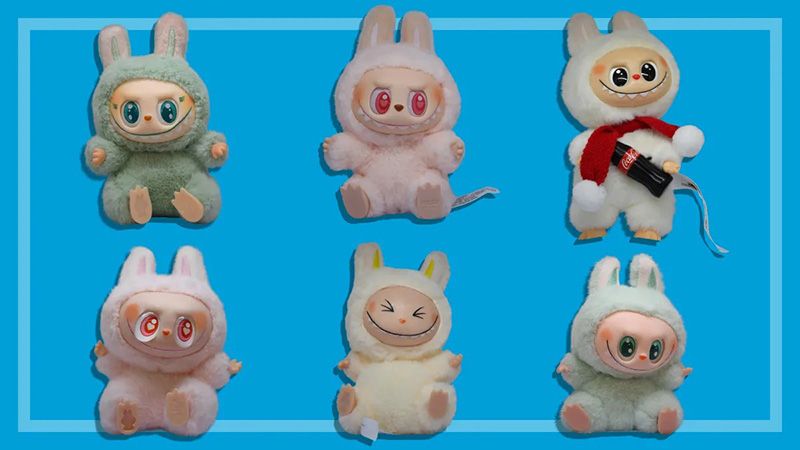
When someone asks me, “Where can I find good stuffed animals?” they usually don’t just mean any plush toy. They want safe, soft, cute, and reliable products—whether for a child, a gift, a collection, or their own brand.
As a plush manufacturer in China working with buyers from the USA, Europe, Japan, South Korea, and the Middle East, I see every day how the buying channel affects quality, pricing, and customer experience. In this guide, I’ll walk you through where to find stuffed animals online and offline, how to filter trustworthy sellers, and what to watch for before you click “Buy.”
What online marketplaces offer the widest selection of stuffed animals?
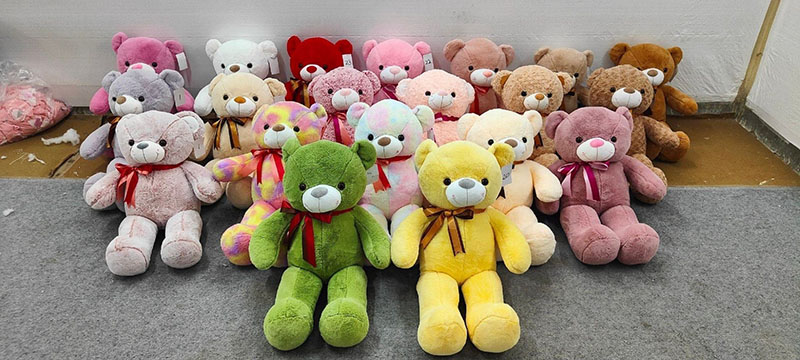
If you want maximum choice, online marketplaces are usually the first stop. Big platforms gather thousands of brands and sellers in one place, from budget toys to premium licensed characters and handmade plush.
Common global marketplaces where you can find a huge variety of stuffed animals include:
- Amazon
- Walmart Marketplace
- eBay
- Etsy (especially handmade and custom plush)
- AliExpress and Alibaba for direct-from-factory or wholesale sourcing e-tailize+2WAPI+2
You’ll also see regional marketplaces like Rakuten (Japan), Flipkart (India), or bol.com (Netherlands/Belgium) carrying a wide range of plush toys. e-tailize+1
The advantage for you: choice, reviews, and easy price comparison. The risk: you must filter carefully between high-quality brands and very low-quality or unverified sellers.
Table 1 – Major online marketplaces for stuffed animals
| Marketplace Type | Examples | Best For |
|---|---|---|
| Global general marketplaces | Amazon, Walmart, eBay | Wide selection, fast shipping, buyer protection |
| Handmade / custom | Etsy | Unique, artisanal, custom plushies |
| China-based global | AliExpress, Alibaba | Low prices, direct-from-factory, MOQs vary |
| Regional marketplaces | Rakuten, bol.com, Flipkart | Local options, language support, local payments |
| Social commerce | TikTok Shop, Instagram Shop, Facebook Marketplace | Trend-driven, impulse buys, local small sellers |
If you’re just starting, browsing Amazon or a local equivalent is usually the simplest way to understand current price levels, styles, and customer feedback for stuffed animals in your market.
How do brand websites and official stores compare in quality and pricing?
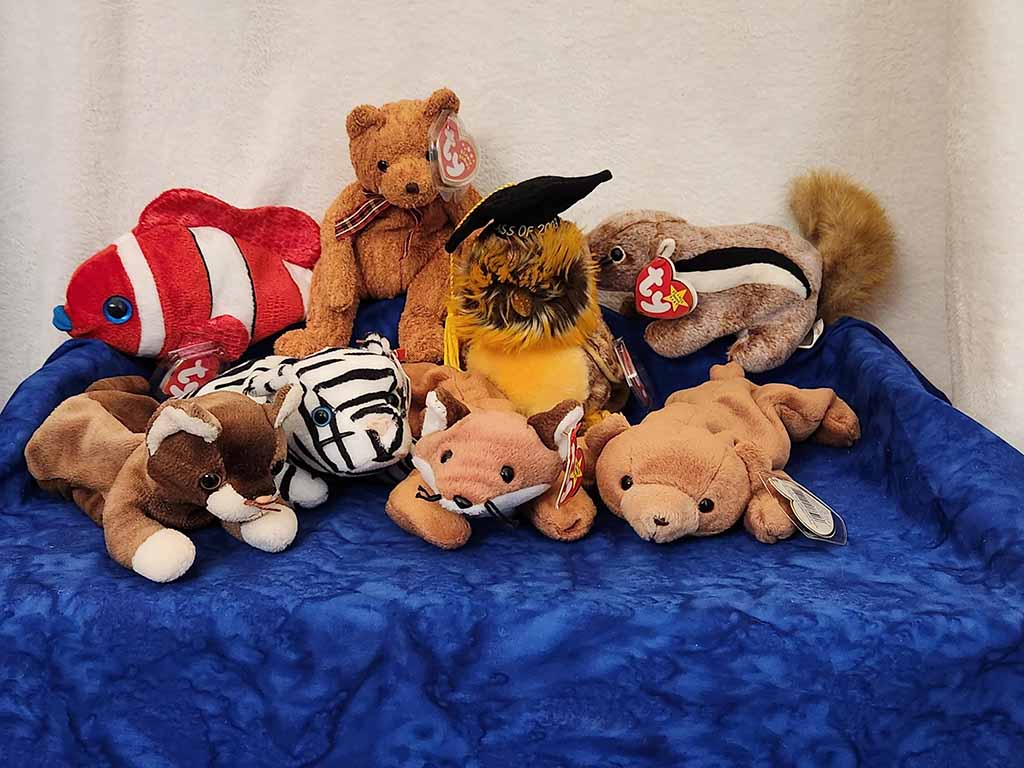
Brand websites and official online stores usually feel more curated and controlled than marketplaces. You’ll often find:
- The full current range or flagship lines.
- Clear details on materials, safety, and age grading.
- Authentic products directly backed by the brand.
Price-wise, brand sites tend to stay close to the recommended retail price. They may offer:
- Limited-time promotions
- Bundles or gift sets
- Loyalty programs or email discounts
But you typically will not see the very deep discounts that sometimes appear on marketplaces.
Table 2 – Brand websites vs general marketplaces
| Factor | Brand / Official Store | Marketplaces (Amazon, etc.) |
|---|---|---|
| Product authenticity | Very high – direct from brand | Varies by seller; must check ratings and reviews |
| Selection | Focus on own brand, curated by season | Many brands and qualities mixed together |
| Pricing | Near RRP, controlled discounts | Wide range: low to high, with third-party promos |
| Information clarity | Strong product details, safety info | Depends on each seller’s listing quality |
| Customer support | Brand-level service, clear policies | Marketplace + individual seller policies |
| Ideal buyer | Wants guaranteed genuine items, clear info | Wants broad choice, comparison, and deal options |
If you already love a specific brand, going to its official site or official online store inside a marketplace is often the safest way to get consistent, high-quality stuffed animals.
Which local retailers and specialty shops provide reliable stuffed animal options?
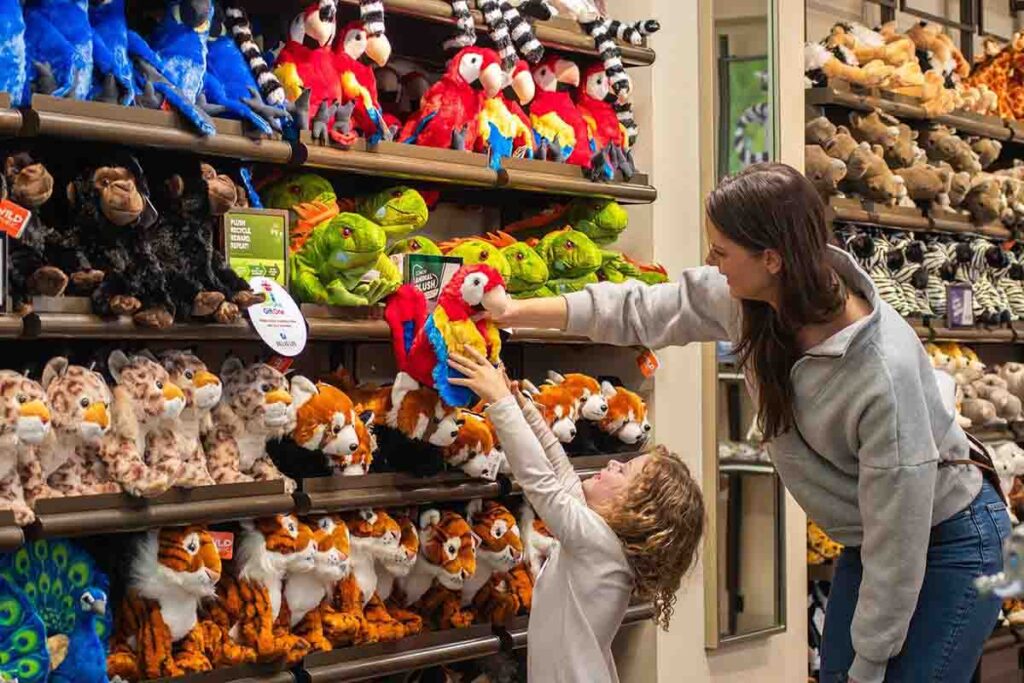
Online shopping is convenient, but sometimes you want to touch and feel the toy before buying. Local retailers and specialty shops can be great for that.
Common offline places where you can reliably find stuffed animals:
- Toy chains and children’s stores
- Bookstores with gift sections
- Department stores
- Gift and lifestyle boutiques
- Theme park shops and museum stores
- Supermarkets and variety stores (for more basic plush)
The advantage of local shops is that someone has already curated the selection. For example, a children’s bookstore will usually choose plush toys that match its age focus and quality expectations.
Table 3 – Types of local retailers that stock stuffed animals
| Retailer Type | Typical Plush Range | Best Use Case for Buyers |
|---|---|---|
| Toy stores | Wide range by age, brand, and theme | Everyday toys, gifts for kids |
| Bookstores & stationers | Character plush, reading buddies, small gifts | Birthday gifts, school rewards |
| Department stores | Branded plush, seasonal collections | Quality gifts, known brands |
| Gift & lifestyle boutiques | Curated, aesthetic, sometimes premium plush | Home decor, adult gifts, aesthetic plush |
| Supermarkets & variety stores | Lower-mid price plush lines | Quick, affordable purchases |
| Theme parks / museums | Licensed and location-specific plush | Souvenir items, unique themed characters |
If you value immediate availability and no shipping risk, local shops are still a very strong channel—especially for last-minute gifts or for checking physical quality before committing to a larger online order.
How can international buyers source stuffed animals safely and efficiently?
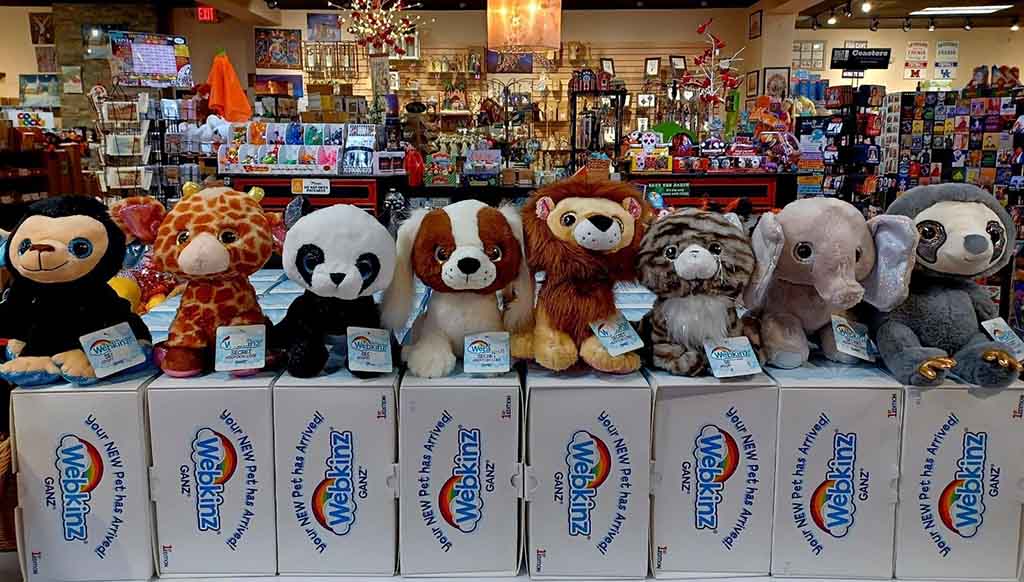
If you live in one region but want stuffed animals from another (for example, Japanese characters, American brands, or European design plush), you have several safe options:
- Order from global marketplaces that support international shipping and buyer protection. AMZScout+1
- Buy from brand websites that ship worldwide or have regional versions.
- Use trusted regional retailers that specialise in international customers (for example, Japanese character shops that ship overseas).
- For business buyers, work directly with manufacturers or B2B platforms (like Alibaba) and request compliance documents and samples first. e-tailize+1
To be both safe and efficient, always consider:
- Import duties and taxes
- Shipping times and tracking
- Return policies
- Local electrical/safety differences for plush with sound or lights
Table 4 – International sourcing paths and when to use them
| Buyer Type | Recommended Channels | Advantages |
|---|---|---|
| Individual consumer | Amazon Global, regional marketplaces with global shipping, brand sites | Buyer protection, familiar interfaces |
| Collector | Specialty online shops, regional boutiques with international shipping | Access to niche or country-specific plush |
| Small retailer | Larger online wholesalers, regional distributors, or factory via B2B sites | Volume pricing, better selection |
| Large retailer / brand | Direct factory relationships, OEM/ODM manufacturing partners | Custom designs, control over quality & branding |
| Promotional buyer | Manufacturers (like Kinwin) via direct contact or trade shows | Custom logo plush, event-specific designs |
If you are a brand owner or retailer and want your own line of stuffed animals, working directly with a manufacturer like us (Kinwin) is often the most efficient path. You gain control over design, labeling, and safety testing from the start.
What indicators help identify trustworthy sellers versus low-quality sources?
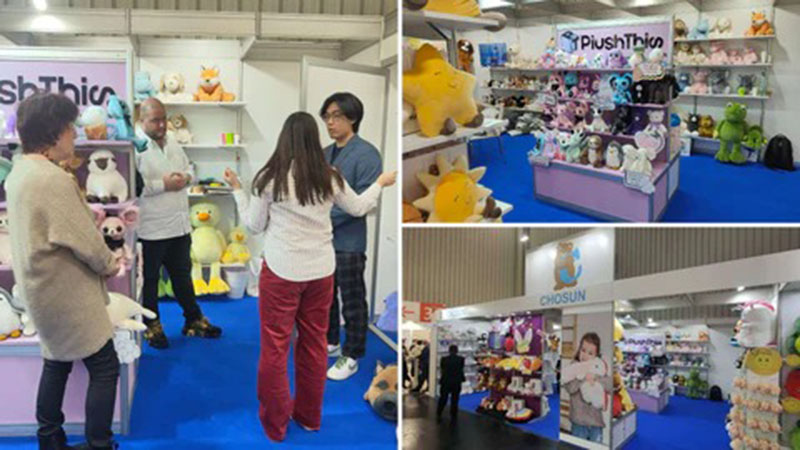
No matter where you shop—marketplace, brand site, or local store—you need a quick way to decide: “Can I trust this seller?”
Key indicators of a trustworthy seller:
- Clear product photos, including close-ups of tags and seams
- Detailed descriptions (materials, size, age grading, safety info)
- Honest pricing that doesn’t look unrealistically cheap
- Many positive, detailed reviews (not just generic one-liners)
- Clear company information and contact options
- Reasonable return and refund policies
Warning signs of low-quality or risky sources:
- Very low prices compared with typical market level
- Poor English or unclear product descriptions
- Stock photos only, no real-life images
- No detail on materials or safety
- No address or company information
- Many complaints in reviews about smell, shedding, or seams breaking
Table 5 – Quick trust checklist for stuffed animal sellers
| Indicator Type | Trustworthy Signs | Warning Signs |
|---|---|---|
| Product information | Clear size, fabric, filling, age recommendations | Vague or missing details |
| Pricing | In line with other known sellers | Extremely low vs. normal market price |
| Photos | Multiple angles, tag close-ups, real-life photos | Only generic or copied images |
| Reviews | Many reviews, specific comments, balanced ratings | Few reviews, many 1-star complaints |
| Seller details | Company name, address, policies clearly shown | No contact info, no terms or policies |
| Safety mentions | References to standards (EN71, ASTM, CPSIA, etc.) | No mention of safety for children’s products |
If you feel unsure, it’s better to step back and find another seller than risk receiving unsafe or disappointing plush toys.
How do shipping, stock levels, and return policies impact purchase decisions?
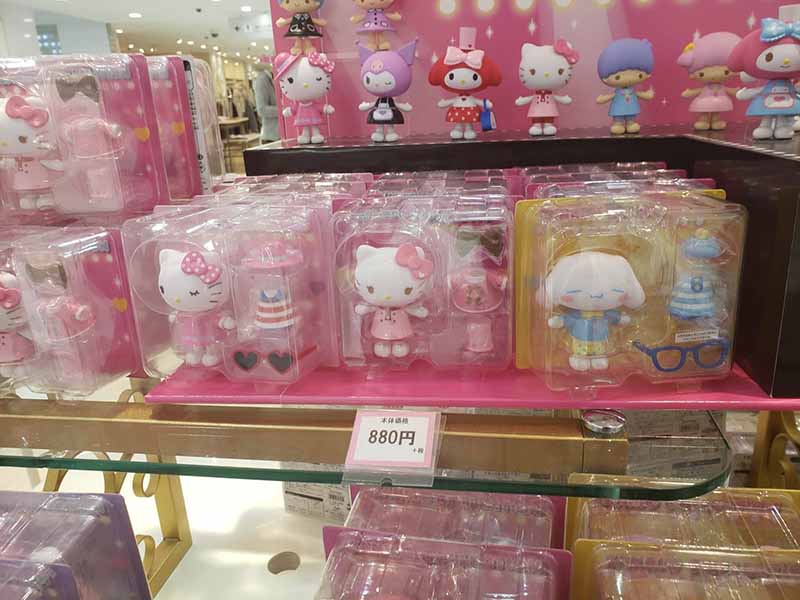
Even when you find the perfect stuffed animal, logistics and policies can change whether it’s worth buying. Many buyers only look at the product price, but in real life, the total experience includes:
- Shipping cost and speed
- Stock availability (in stock, pre-order, or backorder)
- Return and exchange rules
- Packaging quality (especially for gifts)
As a buyer, you want a seller who is transparent in all three areas: shipping, stock, and returns.
Table 6 – Practical buying factors beyond the product itself
| Factor | What to Check | Why It Matters |
|---|---|---|
| Shipping options | Standard vs. express, tracking availability | Impacts delivery time and peace of mind |
| Shipping cost | Flat rate, free over X amount, cross-border fees | Changes true total price |
| Stock status | “In stock”, “low stock”, “pre-order”, “backorder” | Avoids disappointment and long waiting times |
| Packaging | Gift-ready, eco-friendly, protective wrapping | Important for gifting and collector items |
| Returns & refunds | Time window, who pays return shipping, conditions | Protects you if quality is poor or item is wrong |
| Customer service | Response speed, helpfulness | Makes problem-solving easier if something goes wrong |
For high-value plush, collector items, or large orders, I always suggest: read the shipping and return section closely before you confirm payment. It’s a small step that can save a lot of stress later.
Conclusion
Today, you can find stuffed animals almost everywhere—on global marketplaces, brand websites, local shops, and even social platforms. But not every option will give you the same level of quality, safety, and reliability. When you combine smart channel choices (marketplaces vs brand vs local), careful checks on seller trustworthiness, and awareness of shipping, stock, and returns, you can buy plush toys with much more confidence—whether you are shopping for a child, a gift, or a full retail assortment.
At Kinwin, my team and I work mainly on the manufacturing side: we help brands, retailers, and promotional buyers create their own safe, soft, customized stuffed animals, fully aligned with EN71, ASTM, CPSIA, and other safety standards. If you’re thinking about moving from just buying plush to building your own plush line, you are very welcome to contact me at [email protected] or visit kinwintoys.com to explore how our OEM & ODM services can support your next project.