Choosing the right plush toy supplier is essential for ensuring consistent quality, reliable delivery, long-term innovation, and competitive pricing. But even a supplier who once fit your needs may no longer be the best option as your brand grows, enters new markets, or increases production scale. Knowing when to switch suppliers is just as important as knowing how to choose one in the first place.
This guide outlines the clearest warning signs—from production inconsistency to compliance risks and rising costs—that indicate your current plush manufacturer may no longer be the right partner for your business.
What Quality and Consistency Issues Indicate a Declining Manufacturing Standard?
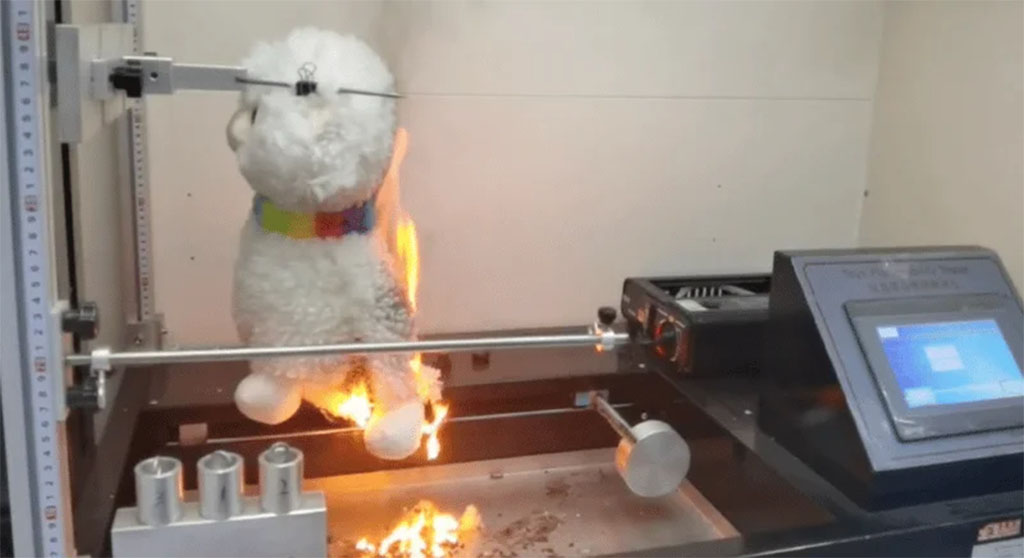
Quality problems are among the strongest indicators that a plush toy supplier is no longer aligned with your requirements. Plush manufacturing demands precision: correct proportions, secure stitching, accurate color matching, safe materials, and consistent softness. When these elements start slipping, your brand faces customer complaints, negative reviews, product returns, and regulatory risk.
Declining quality may show up as irregular shapes, uneven stuffing, loose threads, mismatched colors, poorly secured accessories, or a drop in softness or durability. Another sign is inconsistent lot-to-lot performance—meaning some batches pass inspection while others show clear defects. This inconsistency often stems from workforce turnover, cost-cutting, outdated machinery, or poor internal supervision.
If the factory frequently substitutes materials without approval, fails to execute the Golden Sample, or ignores detailed tech packs, your long-term product integrity is at risk. These issues rarely resolve themselves; they often worsen over time.
| Quality Red Flags | What It Looks Like | Impact on Your Brand |
|---|---|---|
| Inconsistent Stitching | Loose seams, uneven thread tension | Higher defect rate, safety hazards |
| Material Substitution | Fabric or stuffing changed without notice | Compliance risk, customer complaints |
| Poor Color Matching | Pantone mismatches | Damaged brand identity |
| Shape Inconsistency | Misshapen heads/bodies | Lower perceived value |
| Weak Accessories | Eyes, noses not secure | Failing safety tests |
Quality issues directly undermine brand trust; ongoing problems are a clear sign it’s time to consider switching suppliers.
How Do Communication Gaps and Project Delays Reveal Supplier Misalignment?

Communication problems are subtle at first—missed messages, slow replies, unclear explanations—but they compound rapidly during production. Plush toy manufacturing involves sample iterations, material confirmations, packaging approvals, labeling instructions, and precise measurements. When communication breaks down, delays multiply and accuracy suffers.
A supplier who takes days to respond, ignores revision notes, fails to maintain updated tech pack versions, or doesn’t proactively communicate production risks creates unpredictable outcomes. These gaps lead to incorrect samples, extended lead times, and last-minute crises.
Delays caused by internal factory disorganization, unplanned material shortages, or lack of transparency around scheduling are also warning signs. If the supplier repeatedly misses agreed deadlines without providing clear cause or solutions, it signals deeper operational instability.
| Communication Problem | Supplier Behavior | Resulting Impact |
|---|---|---|
| Slow Response Time | Delayed email/WhatsApp replies | Project stagnation, missed milestones |
| Unclear Instructions | Vague or incomplete communication | Sample errors and misinterpretation |
| Non-Proactive Updates | No warning about delays | Costly surprises |
| No Version Control | Multiple conflicting tech packs | Wrong material or size execution |
| Poor English/Translation | Misunderstood instructions | Rework and extended timelines |
If communication requires constant chasing or correcting, the supplier may no longer be equipped for your scale or expectations.
What Red Flags in Compliance, Safety, or Certifications Signal Potential Risk?
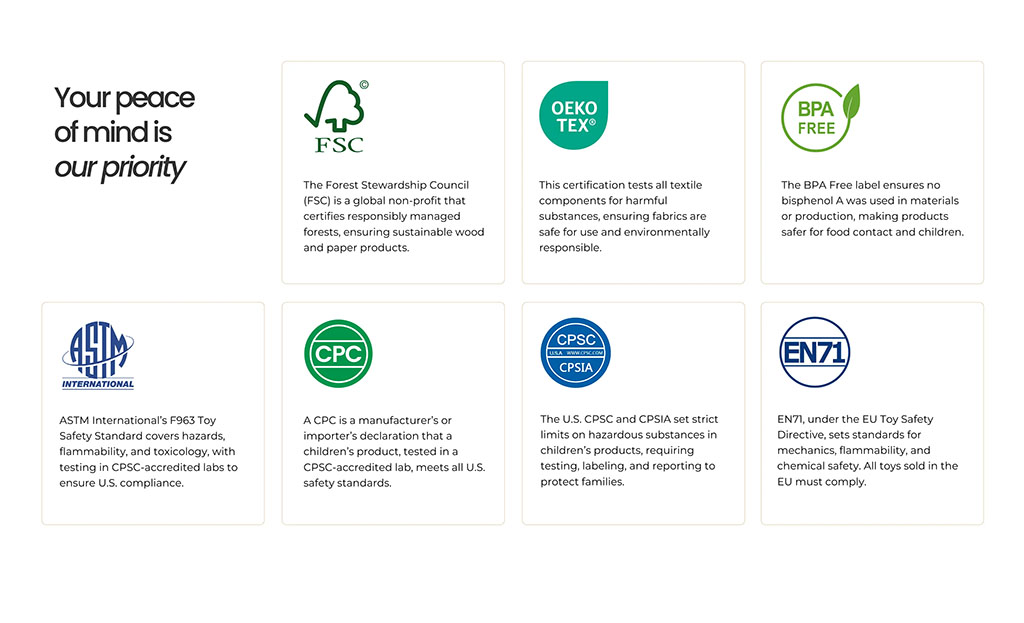
Compliance failures are among the most serious reasons to change suppliers. Plush toys must meet strict international standards such as ASTM F963, EN71, CPSIA, and ISO 8124. A factory that cannot consistently pass required safety tests—chemical tests, pull tests, needle detection, flammability tests, or small-parts evaluations—poses significant legal and financial risk.
Red flags include expired certifications, unverifiable audits, missing material traceability, or a history of failed test reports. If your supplier struggles to provide official documents, balks at third-party testing, or uses substandard materials to cut costs, the partnership becomes dangerous for your brand.
Some factories outsource production to undocumented subcontractors without informing buyers, which can lead to severe non-compliance issues. Any sign of corner-cutting in safety or documentation is a signal that the supplier may no longer be trustworthy.
| Compliance Red Flag | Example | Risk Level |
|---|---|---|
| Expired Certificates | EN71, ASTM, CPSIA not updated | Very High |
| Inconsistent Material Testing | Failed heavy-metal or phthalate tests | Critical |
| No Traceability | Fabric batches not recorded | High |
| Avoidance of Third-Party Testing | Delays or refusal | Very High |
| Subcontracting Without Notice | Production outside audited factory | Severe |
Once compliance risk appears, brands should act quickly; the consequences are too great for hesitation.
How Do Rising Costs Without Value Improvements Impact Long-Term Viability?
Cost increases are normal in manufacturing, but increases without quality, service, or efficiency improvements are a major warning sign. Plush toy factories may raise prices due to labor changes, raw material inflation, or currency shifts—but ethical suppliers communicate these changes openly and justify adjustments with data.
When costs rise abruptly or repeatedly, and you see no improvement in stitching, structure, packaging, lead time, or communication, the supplier may no longer be motivated to maintain your account. Some factories prioritize larger customers and raise prices to push out smaller ones. Others lose sourcing power due to instability, forcing buyers to absorb their inefficiencies.
If you find yourself constantly renegotiating unexpected charges, rush fees, or mold/embroidery costs, or facing unclear calculations for FOB/CIF rates, it is a sign the partnership is weakening.
| Cost Red Flag | What It Means | Potential Outcome |
|---|---|---|
| Frequent Price Hikes | Poor planning or loss of sourcing power | Reduced margins |
| Hidden Fees | Unexpected sample, packaging, or tooling costs | Budget inconsistency |
| No Quote Detail | Vague material or labor breakdown | Difficult to compare suppliers |
| No Improvement With Higher Cost | No better quality or service | Misalignment of expectations |
| Unexplained MOQ Changes | Factory deprioritizing your orders | Unstable supply chain |
When cost instability becomes normal, it’s time to evaluate alternatives.
What Operational Bottlenecks Suggest Capacity Limits or Poor Management?
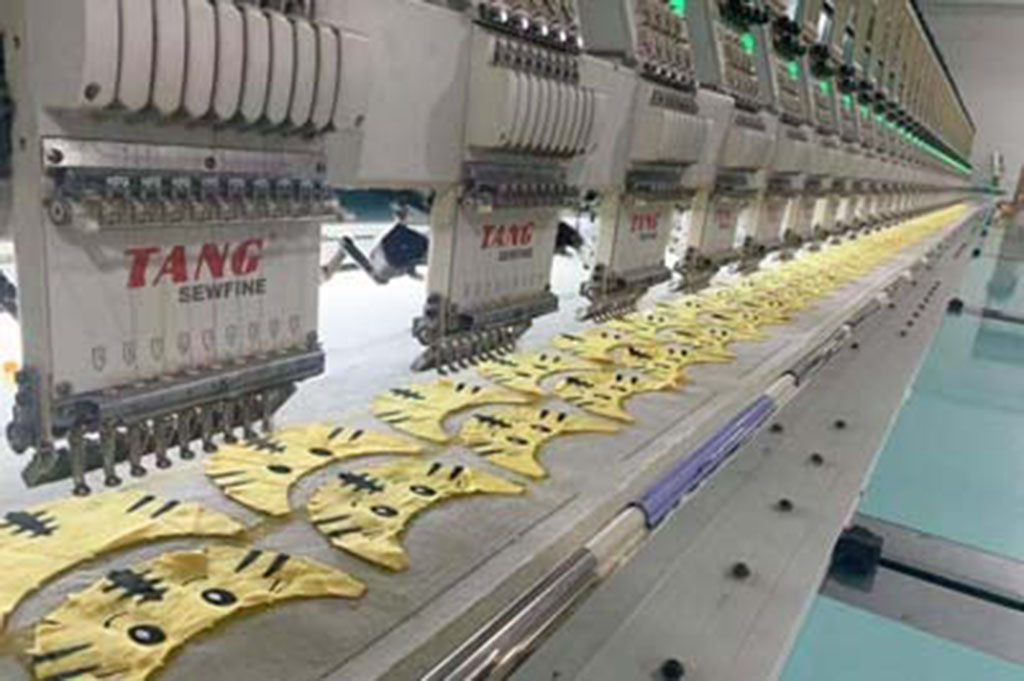
Factories that struggle with operational efficiency introduce unpredictable delays and quality inconsistencies. Common signs include production line shortages, understaffing, chaotic scheduling, misuse of subcontractors, and lack of standardized workflows.
If your supplier cannot allocate dedicated lines during peak season, constantly shifts workers between unrelated projects, or frequently delays production due to internal disorganization, they may not have the capacity to support your growth.
Operational bottlenecks include:
- Excessive sample turnaround times
- Frequent material shortages
- Poor line balancing
- Inconsistent factory floor supervision
- Long internal QC queue times
- Manual processes where automation should exist
These issues often indicate the supplier is overstretched, poorly managed, or not investing in capacity expansion.
| Operational Bottleneck | Effect on Your Orders | Long-Term Concern |
|---|---|---|
| Overloaded Production Lines | Longer lead times | Supplier cannot scale with you |
| Unpredictable Scheduling | Missed seasonal deadlines | Loss of retail opportunities |
| Slow Sampling | Delayed market launches | Reduced competitiveness |
| Labor Shortages | Declining quality | Higher defect rate |
| Material Stockouts | Forced substitutions | Compliance and quality risk |
A supplier’s operational strength directly dictates their ability to maintain on-time, high-quality, cost-efficient production.
How Can Lack of Innovation or Design Support Hinder Your Product Growth?
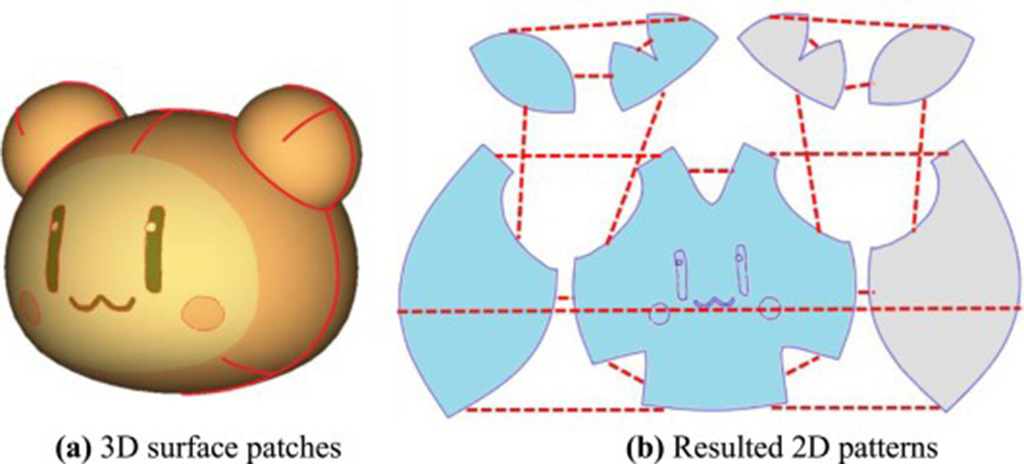
Innovation is essential in the plush toy industry, where consumer preferences shift quickly and competition is intense. A stagnant supplier limits your ability to launch new collections, use new materials, integrate emerging trends, or differentiate your products.
Warning signs include:
- No new fabric suggestions
- Limited embroidery or printing capabilities
- Avoidance of RPET or eco materials
- Poor design feedback during sampling
- Reliance on outdated production methods
- Suggesting only “safe” or repetitive designs
Factories that invest in innovation offer stronger pattern-making teams, new materials (RPET, memory foam, weighted beads), improved construction methods, and more advanced finishing techniques. If your supplier is not moving forward, your product line won’t either.
| Innovation Red Flag | What It Looks Like | Impact |
|---|---|---|
| Limited Material Options | Same fabrics repeatedly | Product stagnation |
| No New Techniques | No upgrades in stitching/printing | Lower competitiveness |
| Weak Design Input | No suggestions during sampling | Longer development cycles |
| No Eco-Friendly Initiatives | No RPET or sustainable options | Missed market demand |
| Outdated Equipment | Old embroidery/sewing machines | Lower precision |
A non-innovative supplier becomes a long-term obstacle to brand growth.
Conclusion
Knowing when to switch plush toy suppliers is essential for protecting your brand’s quality, compliance, cost efficiency, and market competitiveness. When a factory shows consistent red flags—declining quality, poor communication, compliance risks, rising costs, operational instability, or lack of innovation—it’s a sign the partnership is no longer sustainable.
Reliable manufacturers like Kinwin support brands with transparent communication, stable quality, strong compliance systems, and continuous innovation, ensuring that your product lines stay competitive across global markets.
📧 Contact: [email protected]
🌐 Visit: https://kinwintoys.com