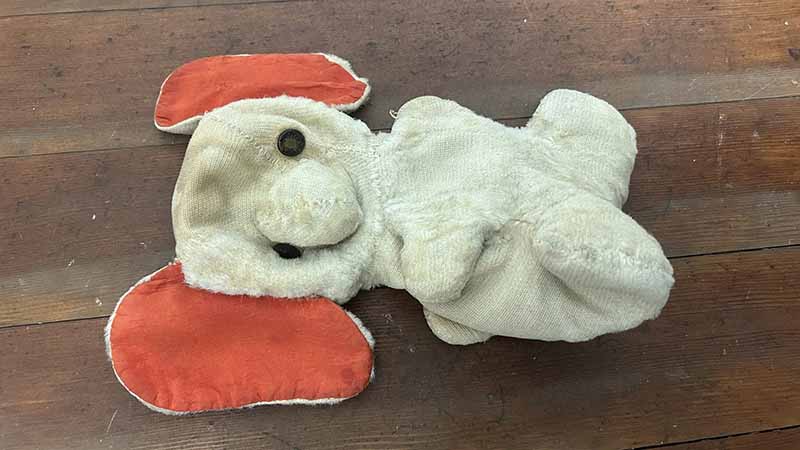
For many families, a stuffed animal is part of childhood—kids name them, talk to them, and want to sleep with them. But from a safety view, the question is not “if” kids can sleep with plush toys, but “when and how to do it safely.”
Most pediatric recommendations suggest that soft objects like stuffed animals should be kept out of sleep areas for at least the first 12 months of life. After age 1, and especially after 18 months, healthy children can usually sleep with a small, simple plush toy, as long as parents choose safe designs and keep the sleep environment otherwise clear.
In this guide, I’ll walk through the safety timing, risk factors, toy types, and practical checks from a clear, brand-neutral angle—so you can make informed decisions for your own children or for the customers who buy your plush products.
When do pediatric recommendations say kids can safely sleep with stuffed animals?
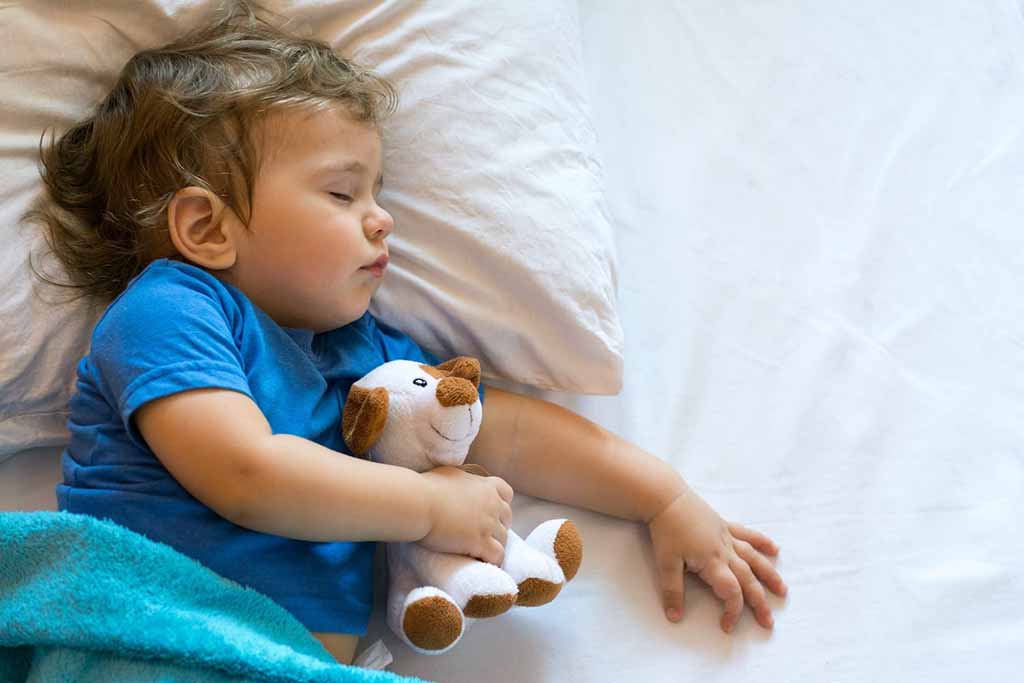
Pediatric organizations focus on preventing sleep-related infant deaths, including SIDS (sudden infant death syndrome) and accidental suffocation. Because babies have limited head and body control, soft objects are treated as a real risk in the crib during the first year of life.
For that reason, most guidelines say:
- Under 12 months:
- No stuffed animals, pillows, bumpers, or loose blankets in the sleep area.
- Around 12–18 months:
- Risk is lower, and many doctors are comfortable with a small comfort object, but advice can differ by child, especially if there are medical issues.
- 18 months and older:
- For most healthy toddlers, sleeping with a small, simple stuffed animal is considered acceptable, as long as the toy is safe and the bed is not crowded.
Pediatricians usually remind parents that this timing is a general rule, not a personal medical plan. If a child has breathing problems, developmental delays, or other health issues, the doctor may advise a different approach and timing.
Simple age overview
| Child’s age | Stuffed animal in sleep space? | Typical guidance (not personal medical advice) |
|---|---|---|
| 0–12 months | No soft toys for sleep | Empty crib: firm mattress + fitted sheet only |
| 12–18 months | Maybe, with pediatric guidance and small plush only | Start with one simple comfort object |
| 18 months–3 years | Usually OK, with safe, small plush toys | Avoid large piles of toys and bulky items |
| 3 years and older | Generally OK, still check toy safety and bed clutter | Focus on comfort, hygiene, and child preferences |
When in doubt, it’s always wise to ask your pediatrician: “Is my child ready to sleep with a stuffed animal?”
How do safety risks like suffocation and entanglement affect the timing?
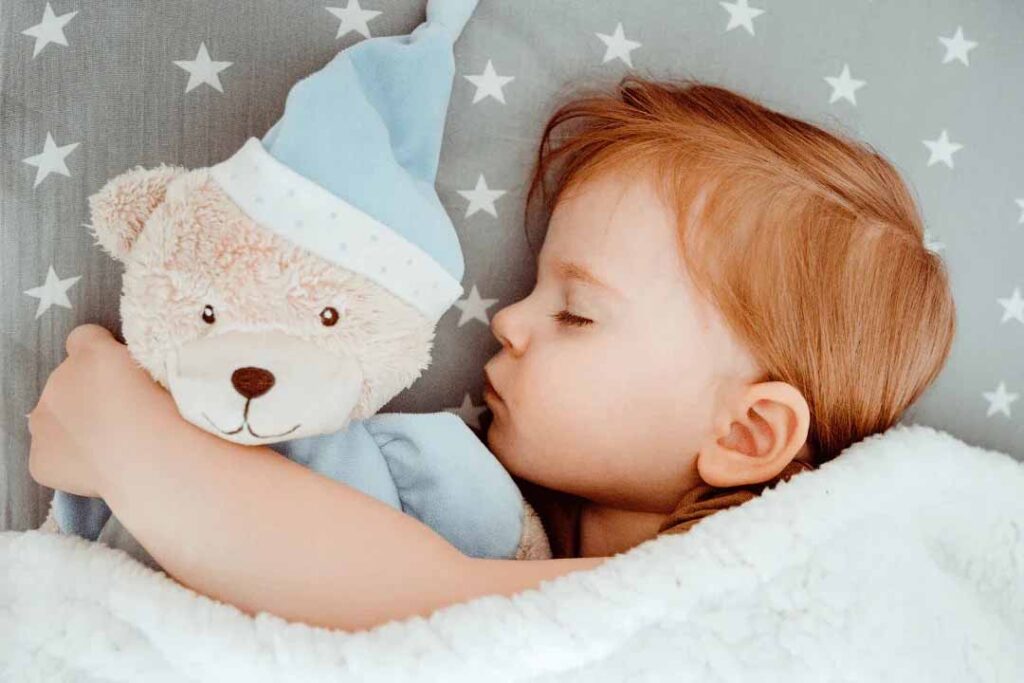
The main reason for delay is that babies and young toddlers can get into dangerous positions during sleep and may not move themselves out of trouble quickly. Soft objects can then turn into hazards.
Key risks include:
- Suffocation: A soft toy can block the nose and mouth if it covers the face.
- Rebreathing: Baby may breathe exhaled air trapped in soft surfaces, lowering oxygen levels.
- Entrapment: A child can get wedged between a toy and the crib side or wall.
- Entanglement/strangulation: Long ribbons, cords, or loose fabric can wrap around the neck or limbs.
These risks are highest under 1 year, which is why the “empty crib” rule is emphasized so strongly. As kids grow, gain better motor control, and move into toddler beds, the risk decreases, but good habits still matter.
How risks change with age
| Risk type | Higher in… | Why timing matters |
|---|---|---|
| Suffocation | Infants under 12 months | Limited head control and ability to reposition |
| Entrapment | Babies and early crawlers | Can get into tight spaces but not out easily |
| Entanglement | Babies and toddlers if long cords | No understanding of danger, playful behavior |
| Overheating | Babies and toddlers | Too many soft items trap heat |
Because of these risks, a good rule is:
The younger the child, the clearer the sleep space should be.
As children approach 2 years and beyond, the focus shifts from “no toys at all” to “choose safe toys and avoid a crowded bed.”
Which stuffed animal types are safest for toddlers and young children?
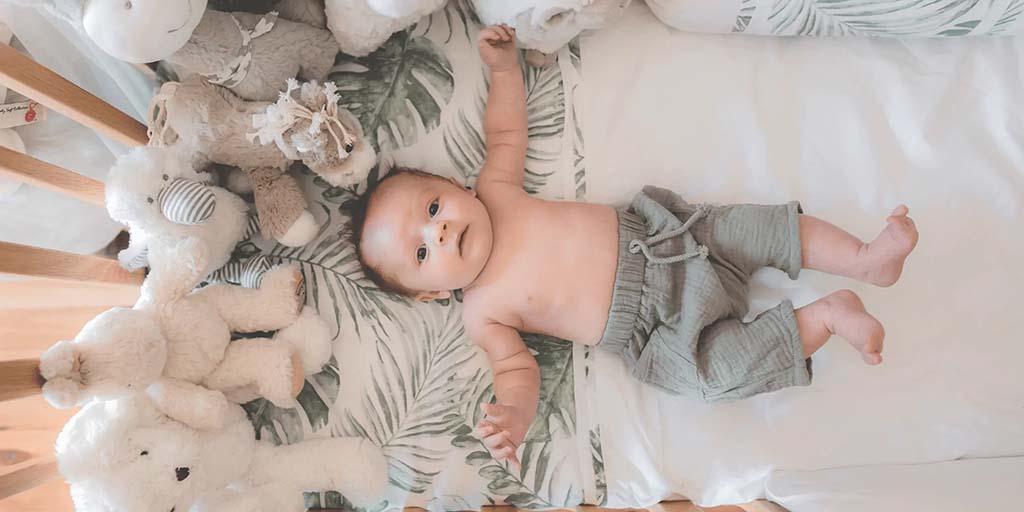
Once kids are old enough to sleep with a plush, not every toy is equally safe. Some designs are better suited for nighttime; others are better for daytime play only.
In general, simple, small, and lightweight toys are the safest sleep companions for toddlers and young children. Plush toys with embroidered features and minimal accessories are the most worry-free options.
Features of safer sleep-time stuffed animals
| Feature | Safer choice | Avoid for sleep (use for play only) |
|---|---|---|
| Size | Small or medium; not bigger than child’s torso | Giant plush animals or oversized pillows |
| Weight | Light, easy to move away from face | Weighted plush or very dense fillings (especially under 3) |
| Face details | Embroidered eyes, nose, and mouth | Hard plastic eyes, glued parts, or detachable pieces |
| Accessories | No long ribbons, cords, or jewelry | Scarves, long strings, removable small accessories |
| Construction | Strong seams, no loose threads | Weak stitching, visible holes or loose stuffing |
| Surface | Soft, non-shedding fabric | Very fluffy, shedding, or strongly glittered surfaces |
For older children and teens, rules can be more flexible, but if younger siblings share the bed or can grab the toy, it’s safer to stick with simple, robust designs.
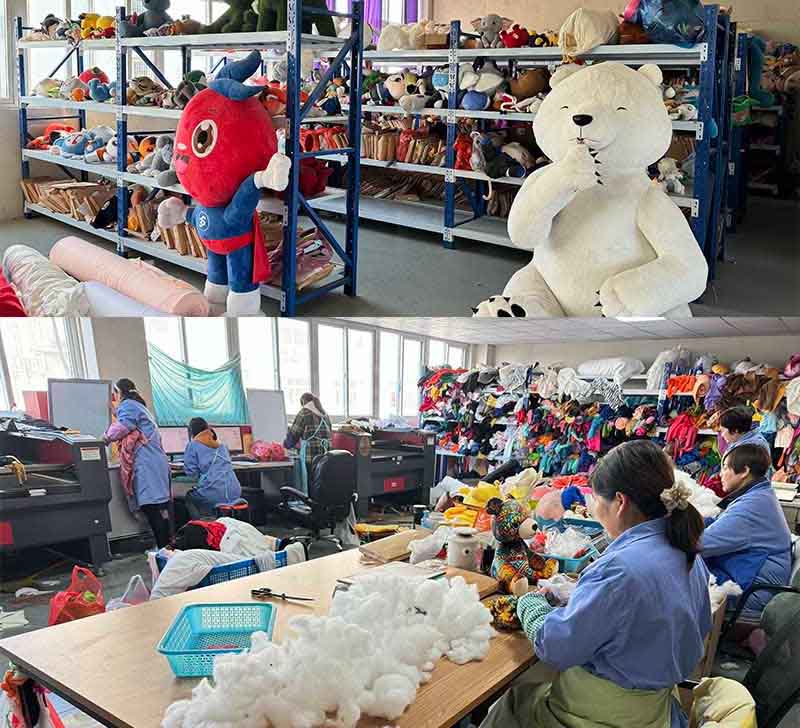
As a manufacturer, when we design plush for baby and toddler markets, we usually recommend embroidered details, compact sizes, and no loose trims specifically so parents can use them with more confidence as kids grow.
How should parents evaluate size, materials, and construction for sleep safety?
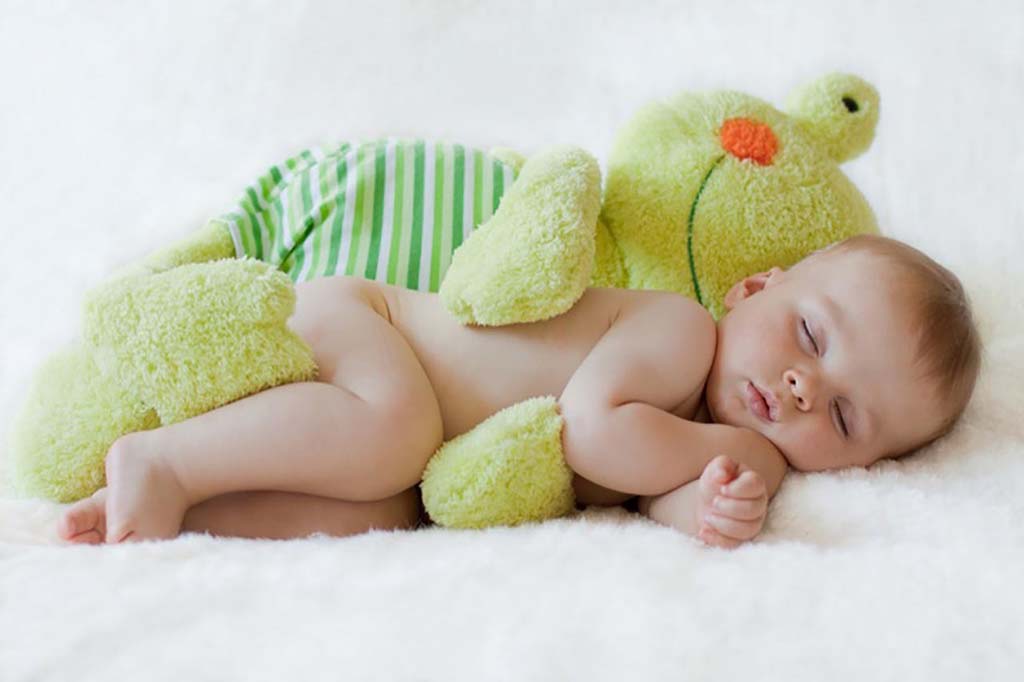
If your child is old enough for a sleep companion, it’s still important to check the toy carefully before it becomes part of the bedtime routine. Think like a quality inspector for a moment.
1. Check the size
- The plush should not be able to fully cover the child’s face.
- For toddlers, a compact cuddle toy or small pillow-like plush is usually safer than a very large one.
2. Study the materials
- Fabric should be soft, non-shedding, and colorfast (dyes should not bleed in saliva or sweat).
- Filling should feel even—no hard lumps, no sharp corners.
- For sensitive kids or those with allergies, parents may prefer hypoallergenic or certified fabrics.
3. Inspect the construction
Look at stitching and stress points:
| Area to inspect | What to look for | Why it matters |
|---|---|---|
| Seams | Tight, even, no gaps or loose threads | Prevents stuffing from escaping |
| Appendages | Arms, legs, tail firmly attached | Reduces risk of pieces tearing off |
| Tags/labels | Short, securely sewn, not easily pulled off | Long tags can wrap around fingers or bother the child |
| Inside filling | No sharp or hard internal parts | Comfort and safety; nothing to poke through fabric |
4. Test with your hands
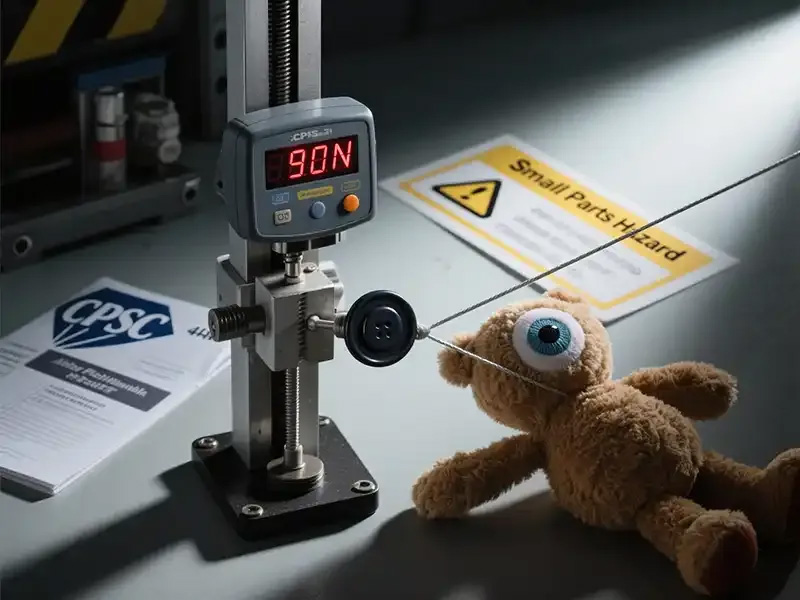
- Gently tug on ears, arms, and legs—nothing should feel loose.
- Squeeze all parts of the toy to feel for hidden hard objects.
- If the plush has any electronics (lights, sounds), make sure the battery compartment is fully secured, ideally with a screw, and consider keeping electronic plush out of the bed for sleep.
If the toy passes your “parent test,” it is much more likely to function safely as a sleep companion.
What comfort alternatives support children before plush toys become safe?
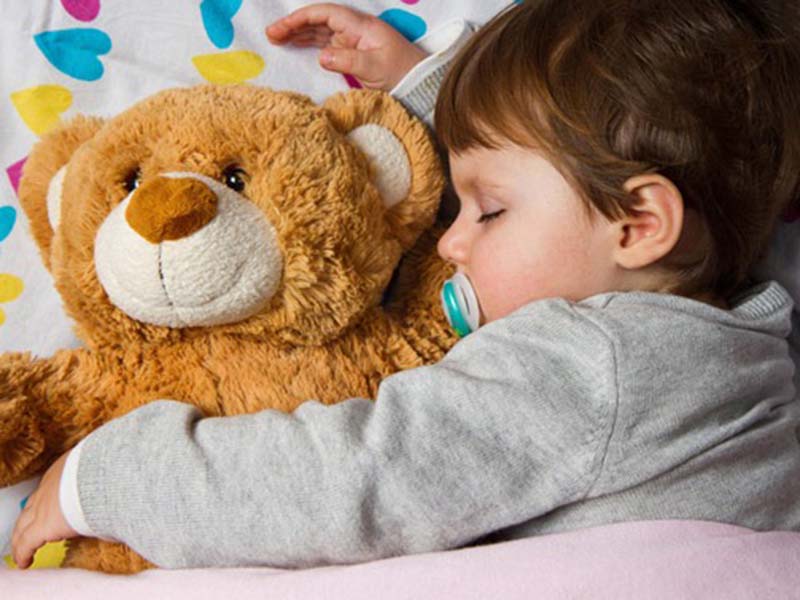
Babies and young toddlers often need comfort to fall asleep, but it does not have to come from objects in the bed. For babies under 1 year (and sometimes beyond), the safest comfort strategies focus on routine, contact, and environment, not on toys or pillows.
Safe comfort strategies before plush is allowed
| Strategy | How it helps |
|---|---|
| Consistent bedtime routine | Predictable steps (bath, story, song) calm the child |
| Room-sharing (not bed-sharing) | Parents stay close for quick soothing without sharing surfaces |
| Wearable sleep sack | Provides warmth without loose blankets in bed |
| Gentle white noise or soft music (as advised) | Masks household noise, signals sleep time |
| Parent’s voice and touch | Short check-ins, gentle patting or shushing |
For older toddlers who are not quite ready to sleep with a plush toy, parents can:
- Let the child cuddle a plush during story time, then place it just outside the crib when they sleep.
- Use a special blanket or sleep sack with safe design instead of a separate toy.
- Keep a plush on a nearby shelf or chair as a “sleep guardian” that “watches over” them.
These strategies support emotional comfort until the child is safely old enough for close bedtime cuddles with a toy.
How do cultural habits and family practices influence sleep-with-plush decisions?
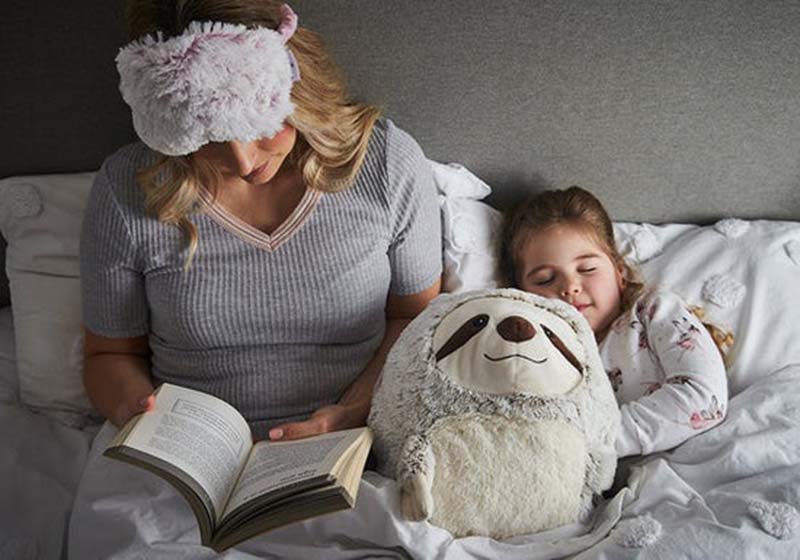
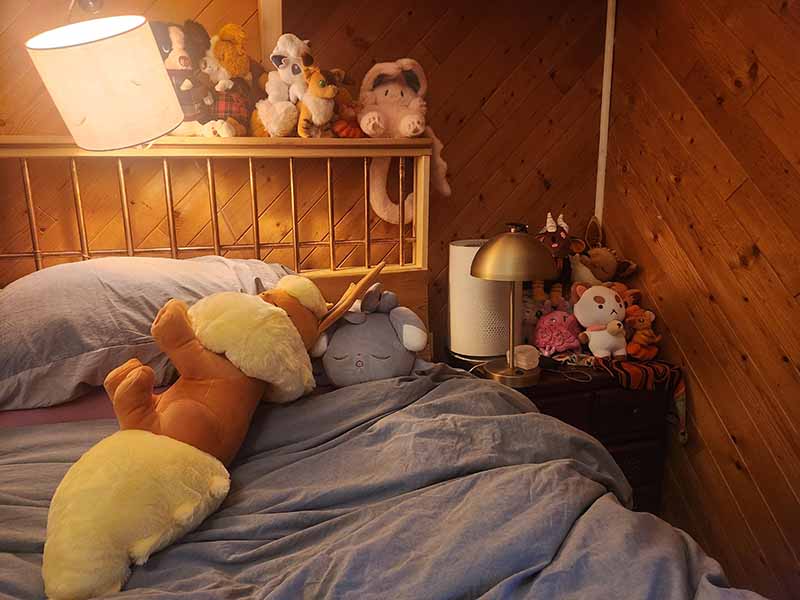
Sleep practices vary widely across cultures and families. In some homes, children sleep with many stuffed animals and soft pillows from a young age. In others, the bed stays very minimal even into later childhood. Some families co-sleep; others prioritize crib or bed independence early.
Public health and pediatric guidelines give population-level safety advice:
- Back sleeping.
- Firm, flat mattress.
- No soft objects in the sleep area during the first year.
Families then interpret and apply these rules through the lens of their own traditions, values, and living situations.
Common differences in practice
| Factor | How it can change sleep-with-plush decisions |
|---|---|
| Co-sleeping habits | Bed-sharing families may delay plush toys to avoid extra clutter in a shared bed |
| Housing and space | Smaller homes may rely more on shared sleep spaces, affecting how toys are used |
| Cultural views on comfort objects | Some cultures encourage loveys; others focus on parental presence instead |
| Parenting style | Safety-first parents may follow guidelines very strictly; others may relax sooner |
As a parent, it helps to think in two layers:
- Non-negotiable basics: back to sleep, firm surface, no soft objects under 1 year.
- Flexible choices: how much you use routine, room-sharing, and comfort items once your child is safely older.
For brands and retailers, this also matters: plush lines for babies and toddlers should be clearly labeled for age and use (for example, “not for unattended sleep in infants under 12 months”), so families can match products to their own choices responsibly.
Conclusion
Kids can sleep with stuffed animals—but timing, toy choice, and environment matter. In the first year, an empty sleep space is still the safest approach, no matter how cute a plush may be. As children grow into toddlers and preschoolers, small, simple, well-constructed stuffed animals can become soothing sleep partners, especially when parents continue to think about size, materials, and bed clutter.
At Kinwin, we design plush toys with these real-world safety questions in mind, from embroidery-only faces to robust seams and controlled sizes for baby and toddler ranges. If you’re a brand, retailer, or buyer planning sleep-time plush collections and want to align product design with safety expectations and parent concerns, you’re very welcome to contact me at [email protected] or visit kinwintoys.com to explore how our factory can support your next project.