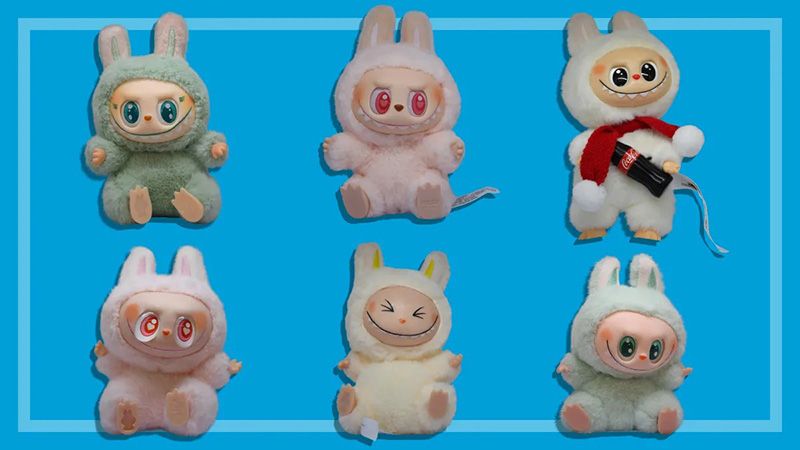
A baby sleeping on their back in a clear crib with no loose items.
As a plush toy manufacturer, I love how stuffed animals comfort children. But when it comes to sleep, I always put safety first. Many parents buy a “lovey” early, then ask me the same question: When is it actually safe to let a baby sleep with a stuffed animal?
Most pediatric safe-sleep guidance is clear on one key point: keep soft objects, including stuffed toys, out of an infant’s sleep space because they can increase suffocation and entrapment risk. The American Academy of Pediatrics (AAP) repeats this in its safe sleep guidance and parent resources. 美國兒科醫學會+2HealthyChildren.org+2
Below, I explain what the guidelines say, why the restriction exists, how age grading matters, which design choices make plush safer, how certifications connect to sleep safety, and what brands should communicate to caregivers.
When do pediatric safety guidelines allow stuffed animals in infant sleep environments?
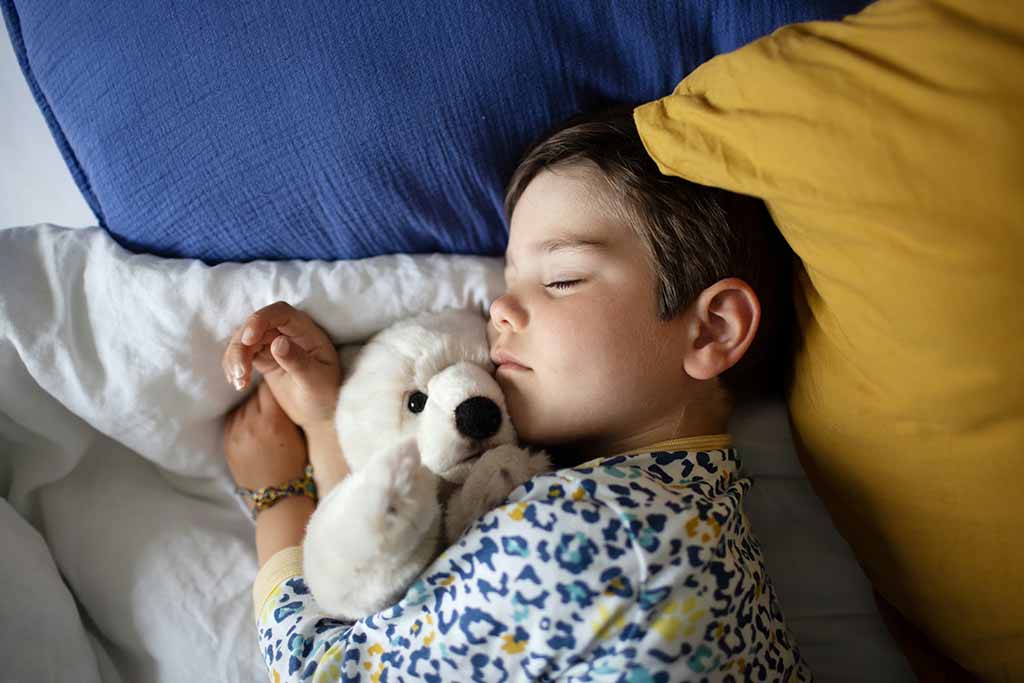
In simple terms, most major safe-sleep guidance focuses on a clear sleep space for babies—meaning no pillows, loose blankets, bumpers, or soft objects like stuffed toys in the crib. The AAP’s safe sleep guidance tells parents to keep soft objects (including toys and stuffed toys) out of the baby’s sleep area because they can raise risk of suffocation or entrapment. 美國兒科醫學會+2HealthyChildren.org+2
In the UK, the NHS also teaches families to keep the cot clear and avoid soft toys in the sleep space. nhs.uk+1
You will often hear a common “rule of thumb” mentioned by pediatric sources: wait until at least around 12 months before introducing any soft comfort item in the sleep space, and even then, keep it small and simple. The AAP’s parent guidance emphasizes removing soft objects from infant sleep areas, and their toddler sleep tips note that a favorite toy is okay at toddler age if it is safe and has no choking hazards. HealthyChildren.org+1
From my manufacturing perspective, the safest approach is not to treat this as one magic birthday. Instead, I suggest brands and caregivers think in stages:
- Infant stage: clear crib, no plush in the sleep space
- Transition stage: supervised comfort use (not sleeping)
- Toddler stage: a small, safe comfort toy may be okay, with careful product choice
Here is a buyer-friendly summary you can use for content, packaging, or FAQs:
| Sleep Stage | Typical Guidance Direction | Stuffed Animal in Sleep Space? | Why This Matters | What Brands Should Say Clearly |
|---|---|---|---|---|
| Newborn–infant | Clear sleep space | No | Reduces obstruction/entrapment risk HealthyChildren.org+1 | “Keep sleep space free of soft items.” |
| Mobile infant | Clear sleep space | No | Rolling/movement increases risk with loose items | “Do not place toys in crib for sleep.” |
| Toddler-age sleep | Comfort item may be acceptable if safe | Sometimes, if safe and small HealthyChildren.org | Comfort can help sleep routines | “Use only a small toy; avoid small parts.” |
If you sell plush to baby gift markets, this clarity helps your customers. It reduces misuse, reduces scary situations, and protects your brand from avoidable complaints.
Why are stuffed animals restricted during early infancy?
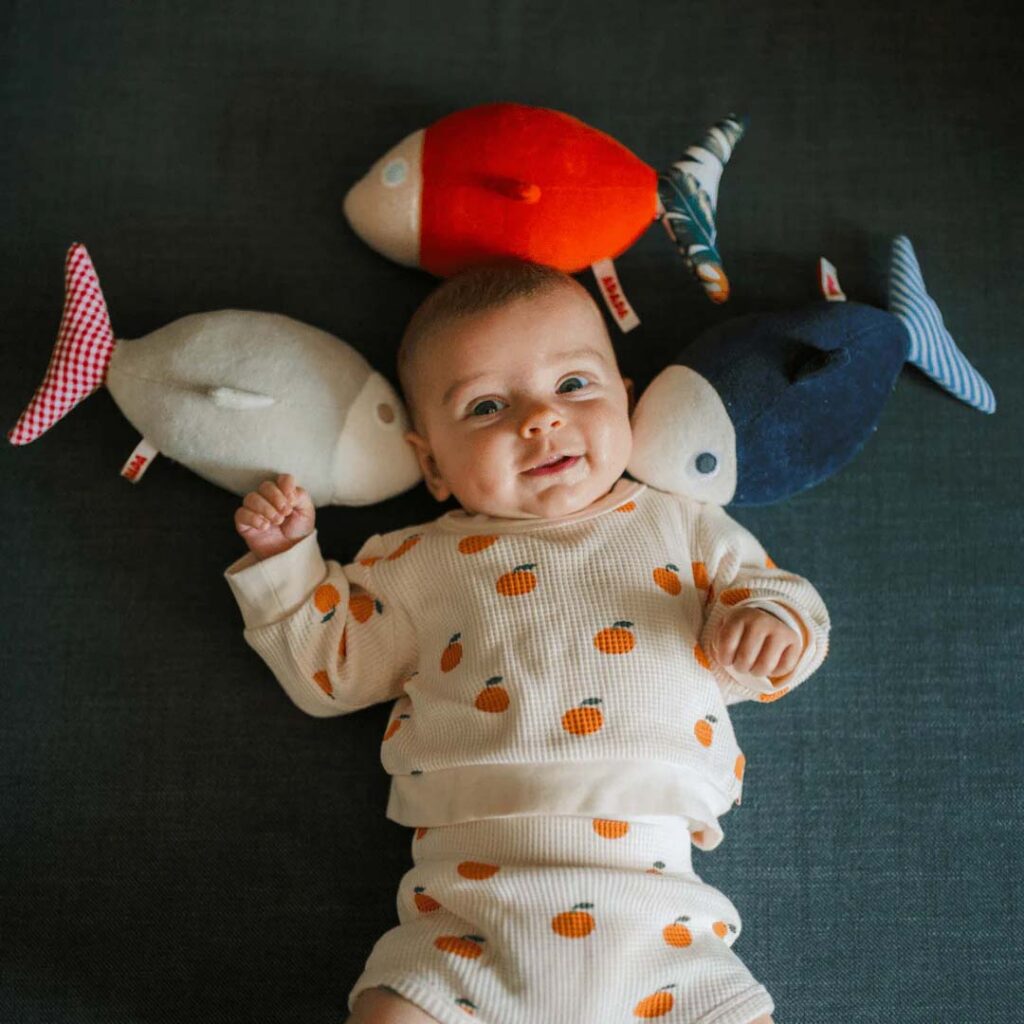
The reason is not “because plush is bad.” The reason is that babies cannot reliably move away from hazards. Soft objects can press against the nose or mouth. Babies also have limited head and neck control early on. That is why leading guidance focuses on a firm, flat surface and a clear sleep area. AAP Publications+2美國兒科醫學會+2
Even a small stuffed toy can shift during sleep. In shipping and product design, we think about “movement under vibration.” In sleep safety, the same concept applies. A baby moves, the toy moves, and something can end up in the wrong place.
Another point is that sleep hazards often come from “soft + loose.” This includes plush toys, loose bedding, pillow-like toys, and extra padding. AAP parent guidance lists many of these items together because they share a similar risk mechanism: they can cause entrapment, suffocation, or strangulation. HealthyChildren.org+1
From a customer-support viewpoint, this topic also gets confusing because parents see “cute nursery photos” online that show plush in cribs. But social photos are not safety guidance. A brand that sells baby plush should never encourage unsafe sleep scenes in marketing.
Here is a simple explanation table you can reuse in blogs and product pages:
| Risk Type | What Can Happen | Why Infants Are More Vulnerable | What Caregivers Can Do Instead |
|---|---|---|---|
| Airway obstruction | Nose/mouth covered by soft item | Limited ability to push away objects | Keep crib clear; use wearable blanket/sleep sack |
| Entrapment | Baby wedges against soft item | Weak motor control, rolling stage | Use firm flat mattress, fitted sheet only HealthyChildren.org+1 |
| Overheating | Soft items trap heat | Babies regulate heat less effectively | Dress baby appropriately; avoid extra bedding |
| Strangulation hazards | Ribbons/cords/loops | Poor ability to remove hazards | Choose no cords, no long ribbons; keep sleep area bare |
| Unsafe habits | Parents assume “it’s normal” | Visual trends spread fast | Brands should show safe sleep visuals only |
When you explain the “why” clearly, caregivers make better choices. And when they make better choices, your plush brand earns long-term trust.
How does age grading influence safe plush toy introduction for sleep?
Age grading is not just a marketing line. It is a safety tool. In the US, age grading and toy classification connect to regulatory expectations, including small parts rules and the toy safety framework linked to ASTM F963, with CPSC guidance helping businesses apply the right sections to their toys. U.S. Consumer Product Safety Commission+2U.S. Consumer Product Safety Commission+2
But here is the key point I always tell buyers: age grading for play is not the same as “safe for sleep.” A plush can be safe as a toy for a certain age but still not recommended inside the sleep space for infants because safe-sleep guidance is stricter about loose items. HealthyChildren.org+1
So, how should brands use age grading responsibly?
- Use age grading to set expectations for handling and supervision
- Use packaging and product pages to clearly separate playtime vs sleep environment
- Avoid any wording that implies “newborn sleep companion”
- Include safe-sleep reminders, especially for baby-themed plush
Here is a practical “age grading vs sleep use” table for brand teams:
| Label/Claim Area | What It Controls | Common Buyer Mistake | Better Brand Message |
|---|---|---|---|
| Age grading (toy) | Development fit + toy hazards | “If it’s baby-safe, it’s sleep-safe.” | “Safe for supervised play; keep crib clear for sleep.” |
| Product category | Gift, comfort, nursery decor | “Nursery decor belongs in crib.” | “Decor is for the room; crib stays empty.” |
| Photography | Visual cues | Plush placed in crib for styling | Show plush beside crib, not inside |
| Instructions | Use guidance | Missing or vague warnings | Add simple safe-sleep lines HealthyChildren.org+1 |
If you are a B2B buyer selling baby gifts, this approach protects you in a very practical way: fewer confused customers, fewer negative reviews, and fewer risk-heavy customer service issues.
What materials and design features make stuffed animals safer for babies?
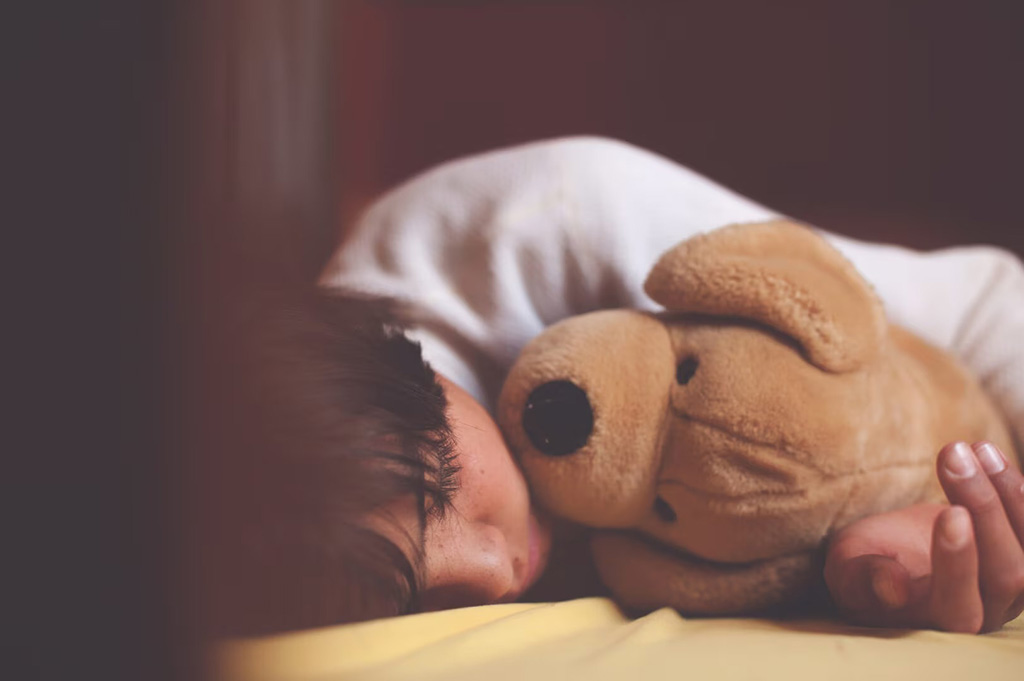
First, I want to be honest: no design feature makes a stuffed animal “safe to sleep with” for young infants under clear safe-sleep guidance. The safest sleep space is still a clear sleep space. HealthyChildren.org+1
That said, many plush are purchased for babies for supervised play, soothing routines, stroller time, or nursery gifting. In those cases, safer design still matters a lot.
When my team designs baby-friendly plush, we focus on a few priorities:
- No small detachable parts (eyes, buttons, bows that can come off)
- Strong seam and pull strength
- Breathable, non-shedding fabrics
- Simple shapes that are easy to hold
- Minimal long ribbons, cords, or loops
- Easy-clean construction and materials
For baby markets, embroidered eyes are often preferred over hard plastic eyes, because they reduce small-part risk. Also, short pile fabrics can be easier to clean and less likely to shed than very long, loose pile.
Here is a clear product-design checklist table:
| Design Feature | Safer Direction | Why It Helps Caregivers | What Buyers Get From It |
|---|---|---|---|
| Eyes and face | Embroidery over plastic parts | Lower small-part risk | Fewer safety complaints |
| Accessories | No long ribbons/cords | Reduces strangulation/entanglement hazards | More retailer acceptance |
| Seams | Reinforced stitching at stress points | Prevents stuffing leakage | Better durability and reviews |
| Fabric | Soft, stable, low-shed plush | Easier cleaning; less fiber mess | Higher perceived quality |
| Stuffing | Clean, consistent fiberfill | Better shape and hygiene feel | Stronger brand trust |
| Size | Small and manageable | Easier supervised handling | Lower shipping damage |
Image: Close-up of embroidered eyes and reinforced seams on a baby plush.
For brands, these choices are not only about safety. They also improve the customer experience: plush feels cleaner, looks better after washing, and lasts longer. That is how you turn a one-time gift purchase into repeat buying.
How do certifications and testing standards address infant sleep safety?
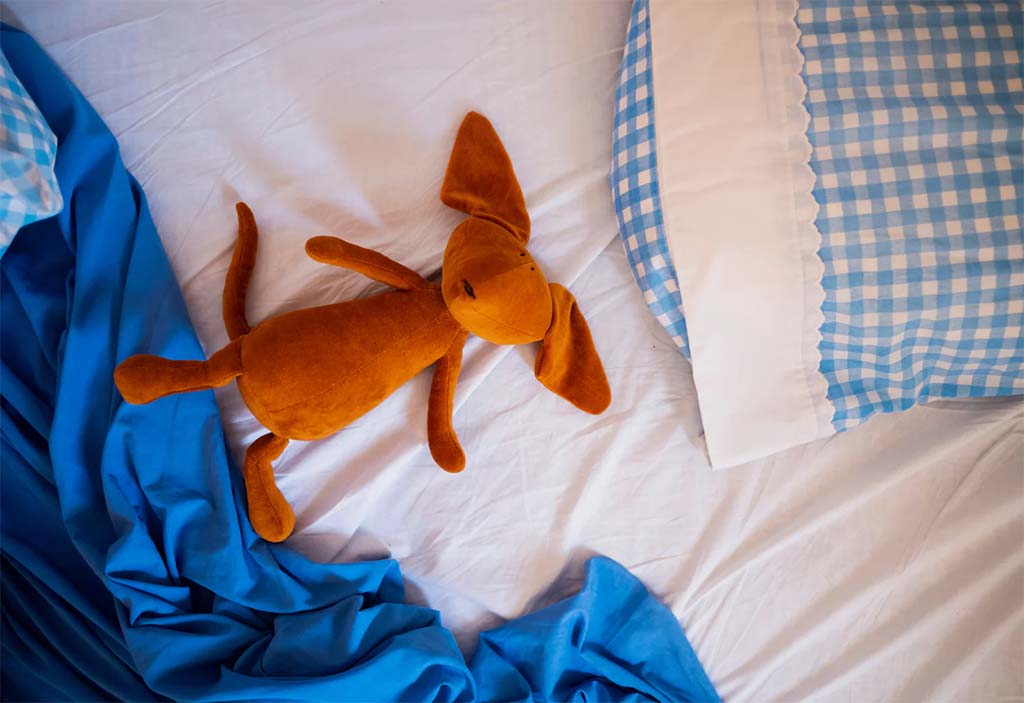
This is where many brands get confused, so I’ll keep it simple.
Toy certifications and testing standards (like ASTM F963 in the US and EN71 in Europe) are designed to reduce toy hazards—small parts, sharp points, seam strength, flammability requirements where applicable, and material safety. CPSC business guidance helps firms understand which ASTM F963 sections apply. U.S. Consumer Product Safety Commission+1
But safe-sleep guidance is a different safety layer. A toy can pass toy testing and still not be recommended for the infant sleep space, because the sleep environment rules are about reducing sleep-related risks by keeping the crib clear of soft objects. AAP Publications+2HealthyChildren.org+2
So, what should brands do?
- Use toy testing to make sure the plush is safe as a toy for the intended age group.
- Use packaging and education to make sure caregivers do not misuse the toy in unsafe sleep settings.
If you also sell plush with electronics (sound modules, lights), you add other standards and safety focus areas like battery compartment security, especially for button/coin batteries in toys. Federal Register+1
Here is a practical “what standards do vs what they do not do” table:
| Safety Area | What Testing Helps Cover | What It Does Not Guarantee | What Brands Should Add |
|---|---|---|---|
| Toy mechanical safety | Seams, parts, basic hazards U.S. Consumer Product Safety Commission+1 | That the toy is safe inside an infant crib for sleep | “Keep crib clear for sleep” message HealthyChildren.org+1 |
| Material/chemical compliance | Safer materials for kids | Correct caregiver usage | Clear age + use instructions |
| Labeling rules | Required warnings | Parents will notice or follow them | Simple, visible wording and icons |
| Battery safety (if applicable) | Compartment security expectations Federal Register | Eliminates misuse in sleep area | “Remove from sleep space” + safe storage guidance |
At Kinwin, when we work with global buyers, we treat this as a two-part job: pass the tests and teach safe use. That combination protects your customers and protects your brand.
What guidance should manufacturers and brands provide to caregivers?
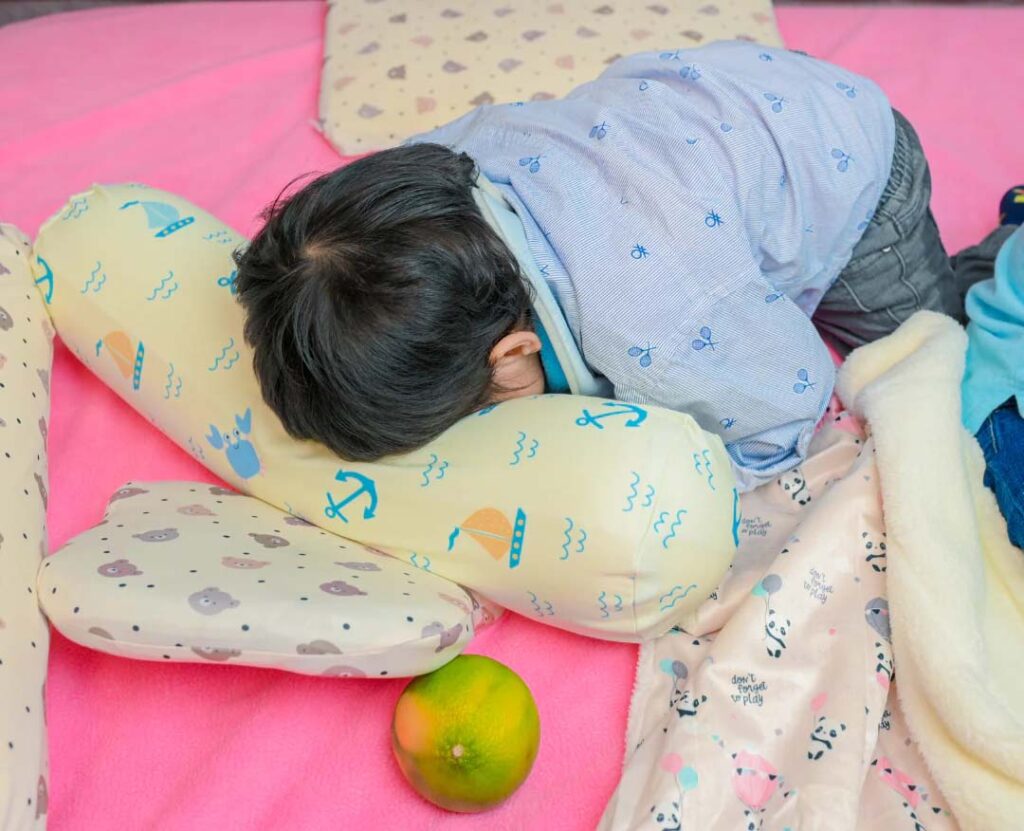
This is where brands can create real value. Parents do not want long legal paragraphs. They want clear, calm, practical guidance.
If your plush is marketed to babies or gifted to new parents, I recommend you provide guidance in three places:
- Product packaging
- Product page (FAQ section)
- Marketing images and videos (show safe scenes)
Your message should match leading safe sleep guidance: keep the sleep space clear of soft objects like stuffed toys. HealthyChildren.org+2nhs.uk+2
Also, give caregivers a positive alternative. Instead of only saying “don’t,” show what they can do:
- Use plush for supervised play and bonding
- Keep plush near the crib but not inside it
- Introduce a comfort object later, when age-appropriate, and choose a small, safe option HealthyChildren.org
Here is a simple guidance table brands can copy directly into packaging and product pages:
| Where You Communicate | What to Say (Simple English) | Why It Helps Buyers | Result for Your Brand |
|---|---|---|---|
| Box hangtag | “For supervised use. Keep crib clear for sleep.” | Reduces misuse | Fewer complaints |
| Product page | “Do not place soft toys in baby sleep area.” HealthyChildren.org+1 | Reinforces safe sleep | Higher trust |
| Listing photos | Show plush beside crib, not in crib | Visual teaching | Stronger brand credibility |
| Care card | “Remove plush before sleep.” | Clear action step | Lower risk perception |
| Customer service scripts | Short, consistent answers | Prevents confusion | Faster support |
Image: Product insert card showing “Playtime friend, not for crib sleep.”
This is also where B2B buyers gain a real advantage working with an experienced OEM/ODM factory. At Kinwin, we can help you build a safer product system: baby-friendly design choices, compliance-aware construction, and caregiver messaging that reduces misuse. That means fewer returns, fewer risky reviews, and a stronger brand story.
Conclusion
A safe baby sleep space stays clear of soft items, while plush can still be a comforting playtime friend. At Kinwin, we help global buyers develop baby-friendly plush designs with compliance-focused construction and clear caregiver guidance that protects trust in competitive markets. Contact me at [email protected] or visit kinwintoys.com to discuss your next project and explore how our factory can support your success.