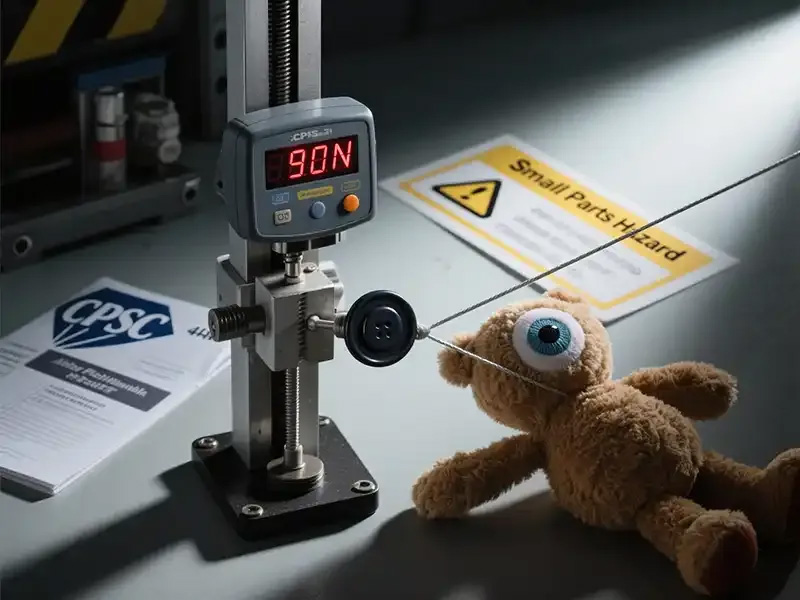
For many parents, adding a soft toy to the crib feels like the final step in making the sleep space cozy. But with babies, “cozy” must never come before “safe.” Timing really matters.
Most pediatric guidelines recommend that babies do not sleep with stuffed animals or any soft objects in the crib until at least 12 months of age. Before that, the safest crib is almost completely empty: a firm mattress, fitted sheet, and your baby on their back. After the first birthday, small, simple plush toys can be introduced carefully, and always with your own pediatrician’s guidance. U.S. Consumer Product Safety Commission+2QIMA+2
In this guide, I’m not giving medical advice. Instead, I’m sharing clear, easy-to-read insight so you can ask better questions, understand the risks, and choose safe comfort options for your baby.
When do pediatric guidelines consider it safe for babies to sleep with stuffed animals?
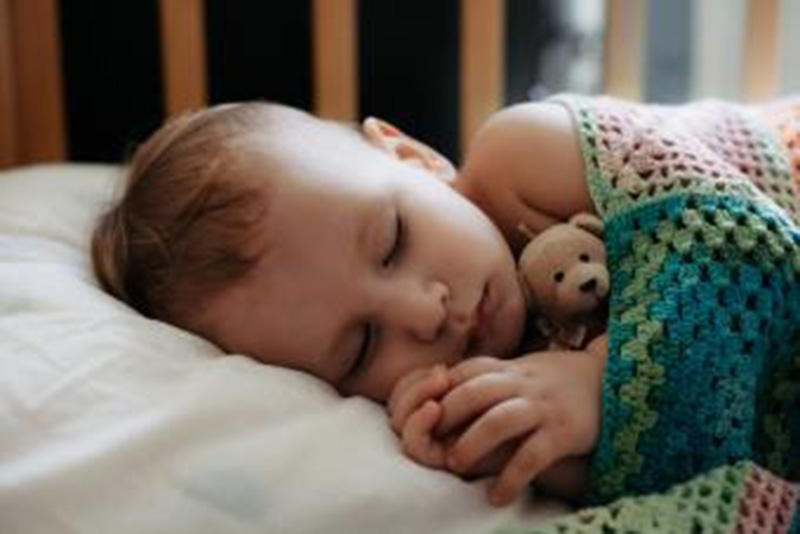
Pediatric organizations focus on one main goal: prevent sleep-related deaths in the first year of life. Because of this, they take a very strict position on what can be inside the crib.
The American Academy of Pediatrics (AAP) and many public health agencies say that no soft objects—including stuffed animals, pillows, bumpers, and loose blankets—should be in a baby’s sleep area during the first 12 months.U.S. Consumer Product Safety Commission+2QIMA+2
After the first birthday, the overall risk of SIDS and suffocation drops, and guidelines become more flexible. At that stage, parents can usually begin introducing a small, simple comfort object, but still with care and with input from their own doctor.americanpetproducts.org
Age guidance overview
| Age range | Stuffed animal in crib? | General guidance (not personal medical advice) |
|---|---|---|
| 0–6 months | No | Crib should be empty except baby and fitted sheet |
| 6–12 months | No for sleep | Plush okay only for supervised awake time |
| 12–18 months | Maybe, with caution | Small, simple lovey or plush, if pediatrician agrees |
| 18+ months | Often acceptable | Most toddlers can safely sleep with a suitable plush |
Always remember: every baby is different. If your pediatrician gives more specific instructions for your child, those come first.
How do suffocation and entrapment risks affect timing for crib plush use?
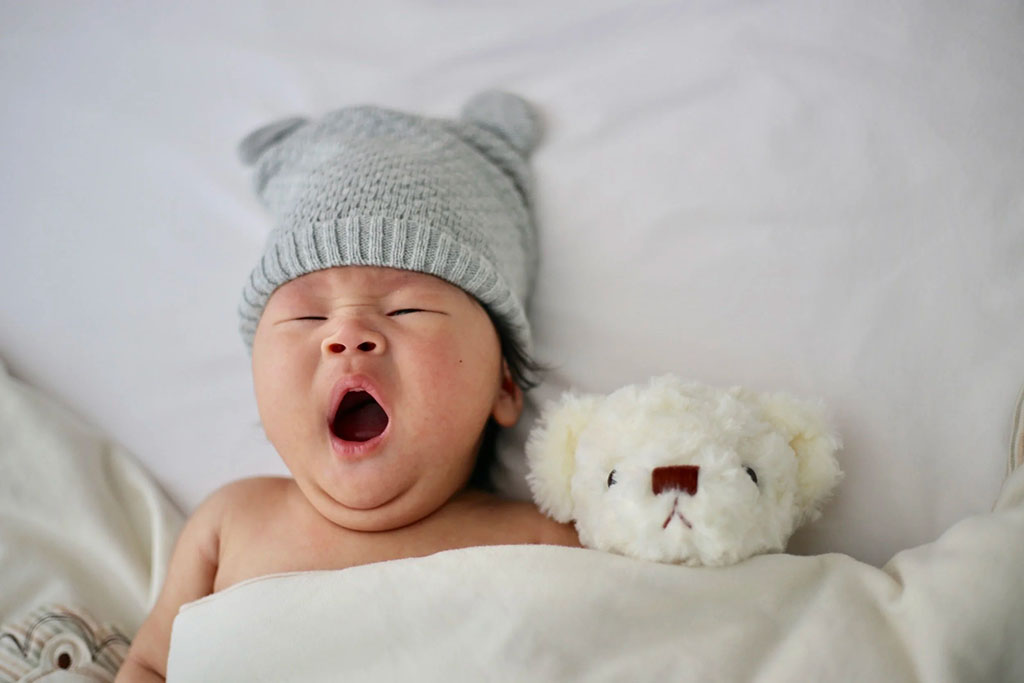
The reason for waiting is not about toys being “bad.” It is about how babies sleep and move. Young babies cannot control their head and body well. If a soft object covers their nose or mouth, they may not be able to move away.
Soft toys, pillows, and loose bedding can increase the risk of suffocation, entrapment, and SIDS, especially in the first months of life. Studies show that soft items in the crib are one of the environmental factors linked to sleep-related infant deaths.QIMA+1
Why soft toys are risky for young babies
| Risk factor | What can happen in the crib |
|---|---|
| Limited head control | Baby cannot move away if face is covered |
| Soft, fluffy surfaces | Can block nose and mouth, trapping exhaled air |
| Loose items | Can shift as baby moves, creating new hazards |
| Tight spaces | Baby can get wedged between toy and crib side |
Because of these risks, safe-sleep campaigns recommend:
- Baby on their back, on a firm, flat mattress.
- No soft objects, no bumpers, no loose blankets in the sleep area.U.S. Consumer Product Safety Commission+2QIMA+2
This is why the general message is simple: keep the crib clear for the entire first year, unless your healthcare provider gives a different plan for your baby.
Which types of stuffed animals are safest for older babies and toddlers?
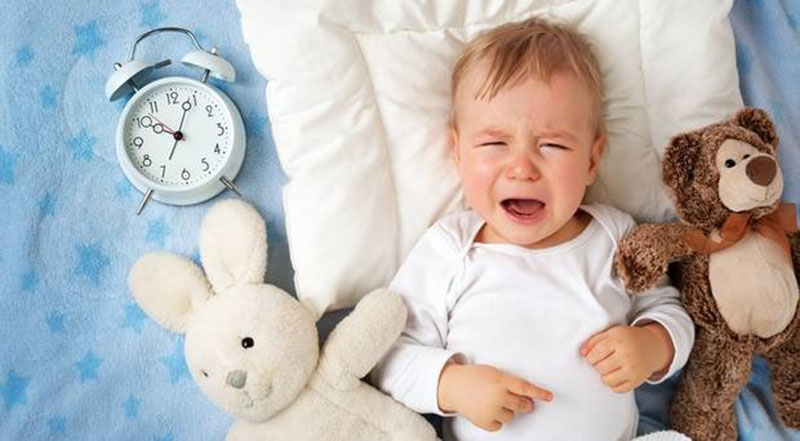
Once your child is past 12 months and your pediatrician is comfortable with adding a toy to sleep, not every plush is equal. Some designs are better suited for sleep than others.
For older babies and toddlers, the safest sleep companions are small, lightweight, and simple. They should not be able to cover the entire face, and they should not have small hard parts that can come loose.americanpetproducts.org+1
Features of safer sleep-time plush toys (for 12+ months)
| Feature | Safer choice | Avoid in the crib |
|---|---|---|
| Size | Small lovey or compact plush | Giant plush or long, bulky toys |
| Weight | Light and easy to move | Weighted toys or very dense fillings |
| Parts | Embroidered eyes, sewn details | Buttons, glued parts, plastic eyes that can detach |
| Accessories | No long ribbons or cords | Beads, long strings, clothing that can wrap around neck |
| Material | Soft, breathable fabric | Very fluffy, shedding, or heavily decorated surfaces |
Even with toddlers, it is still wise to limit the number of toys in the bed. One small plush or comfort blanket is very different from a pile of large stuffed animals.
How should parents assess size, materials, and construction for sleep safety?
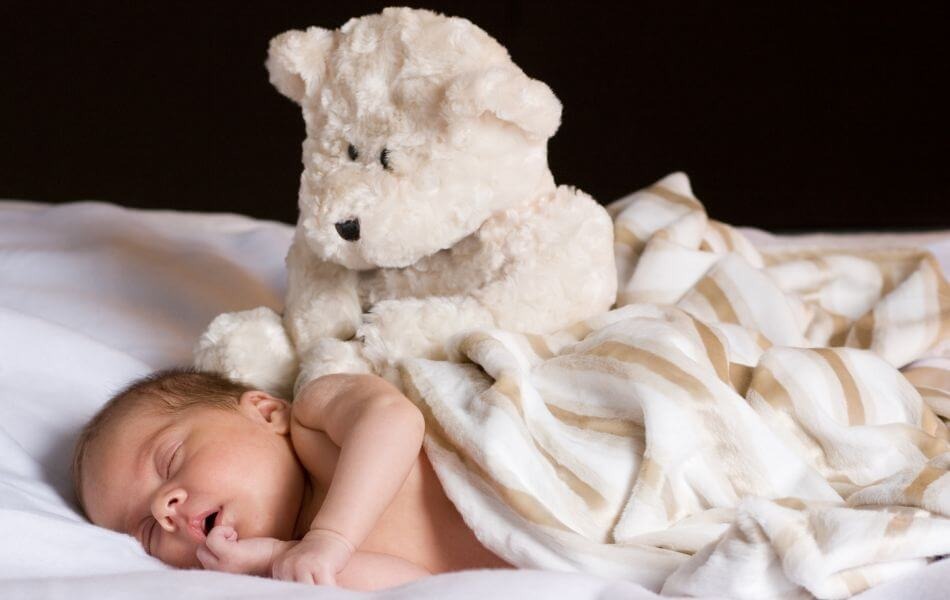
If your child is old enough for a plush in bed, it still helps to think like a product inspector. Before a toy becomes a “sleep toy,” check it carefully.
Look at size first. A toy should not be big enough to fully cover your child’s face. Then think about materials and construction—how the toy is made and how well it will hold up to chewing, pulling, and washing.
Simple safety check for a sleep-time plush
| Area to check | What to look for | Why it matters |
|---|---|---|
| Size | Smaller than your child’s torso | Less likely to trap face or block breathing |
| Fabric | Soft, non-shedding, easy to wash | Reduces irritation and hygiene issues |
| Filling | Even, non-lumpy, no sharp inner pieces | Comfort and no hard spots that could poke or tear |
| Seams | Tight, double-stitched where possible | Lower risk of burst seams and loose stuffing |
| Details | Embroidered or firmly stitched | Reduces choking hazard from small parts |
| Labels & tags | Secure, not long or loose | Won’t wrap around fingers or neck |
As a plush manufacturer, we design toys to pass strict mechanical and fabric tests. But even so, we always remind buyers: for babies under 12 months, use our products only for supervised awake time, not in the crib for sleep.
What comfort alternatives can be used before plush toys are crib-safe?
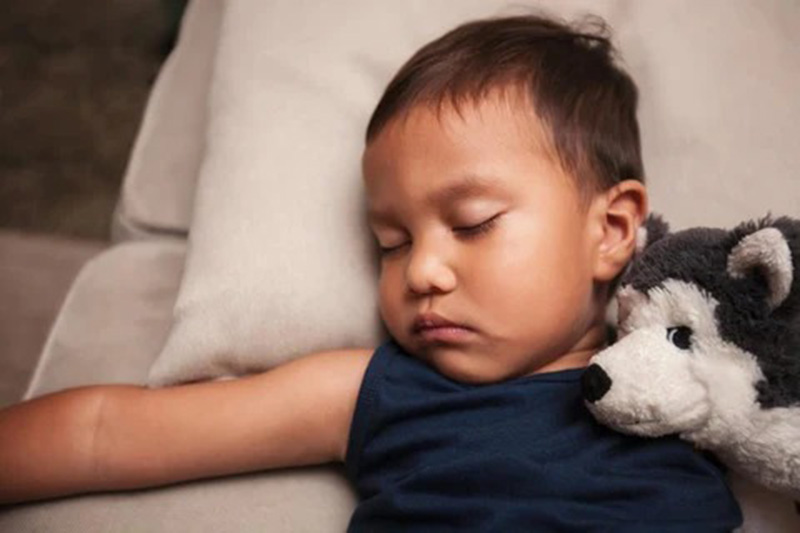
Many parents want to offer comfort earlier, especially if their baby struggles with settling or if they are used to cuddling. The good news is: you can still support comfort without placing toys in the crib.
Safe-sleep guidelines suggest focusing on the overall routine and environment, not on objects inside the bed. Things like touch, voice, room sharing (without bed sharing), and wearable blankets are often enough for babies in the first year.QIMA+1
Safer comfort options before 12 months
| Option | How it helps |
|---|---|
| Room-sharing (not bed-sharing) | Baby is close, easier to respond and soothe |
| Consistent bedtime routine | Songs, gentle rocking, dim light, predictable steps |
| Wearable sleep sack | Provides warmth without loose blankets |
| Pacifier (if approved) | Can reduce SIDS risk for some babies |
| Comfort object for awake time only | Baby can bond with a small plush or cloth during supervised play |
You can also let a comfort object “pick up” your scent by holding it or keeping it near you when baby is not sleeping. Later, after 12 months and with your pediatrician’s approval, that same object may become the bedtime lovey.
How do cultural practices and parenting styles influence sleep-toy decisions?
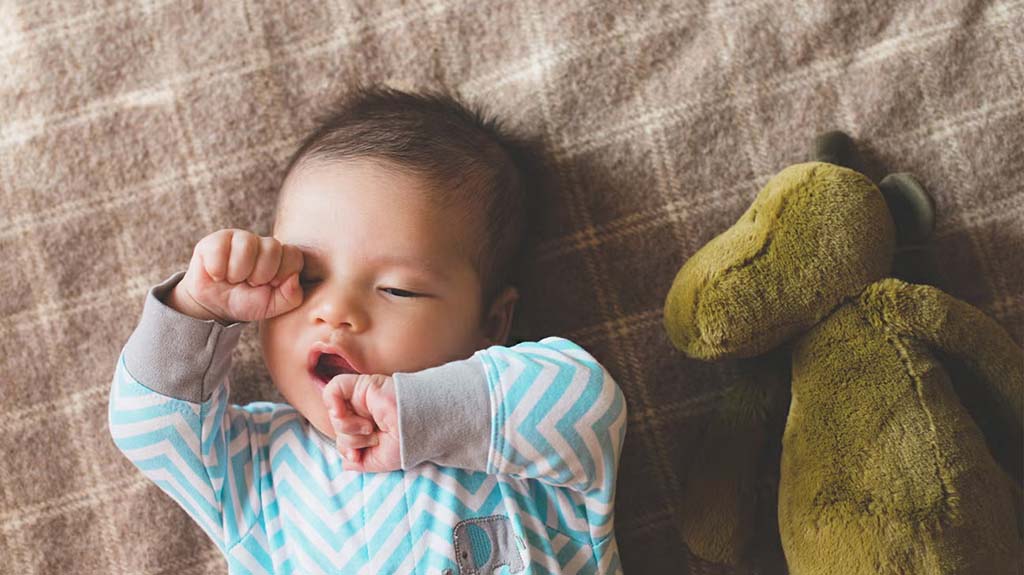
Around the world, families manage baby sleep in very different ways. Some cultures commonly bed-share, some use soft bedding early, and some introduce comfort objects much later. Parenting styles also differ: some parents lean strongly toward strict safe-sleep rules, others lean more toward comfort and co-sleeping.
Public health campaigns like Safe to Sleep and AAP guidance exist because, across populations, certain patterns are clearly linked to lower risk. They encourage back sleeping, empty cribs, and firm mattresses for all babies under one year, regardless of culture or parenting style.QIMA+1
At the same time, real families blend these recommendations with their own traditions. What matters is that any adaptation still respects basic safety:
- Baby sleeps on a firm, flat surface, not on soft couches or pillows.
- No heavy blankets, bumpers, or piles of toys near the baby’s face.QIMA+2asiaqualityfocus.com+2
- Parents stay honest about their own fatigue, smoking, and substance use, which can change risk in co-sleeping situations.
Balancing guidance and real life
| Side of the balance | Examples |
|---|---|
| Safety guidelines | Back to sleep, firm surface, empty crib under 1 year |
| Culture & style | Bedtime songs, room setup, family sleeping norms |
| Personal choices | When to move to a toddler bed, when to offer a lovey |
The safest path is usually: follow the strict safe-sleep rules in the first year, then add more comfort items, including stuffed animals, when risk is lower and your pediatrician agrees.
Conclusion
A stuffed animal can be a beautiful part of a child’s sleep story—but only at the right time. In the first year, an empty crib protects your baby far more than any “cozy” accessory. After 12 months, with small, simple plush and clear guidance from your pediatrician, a soft toy can safely become a bedtime friend.
As a plush manufacturer, we design our toys to meet strict safety standards, but we always put medical guidance first. If you’re a brand, retailer, or buyer planning baby and toddler plush lines and want to align product design with global safety expectations, you’re very welcome to contact me at [email protected] or visit kinwintoys.com to explore how our factory can support your next project.