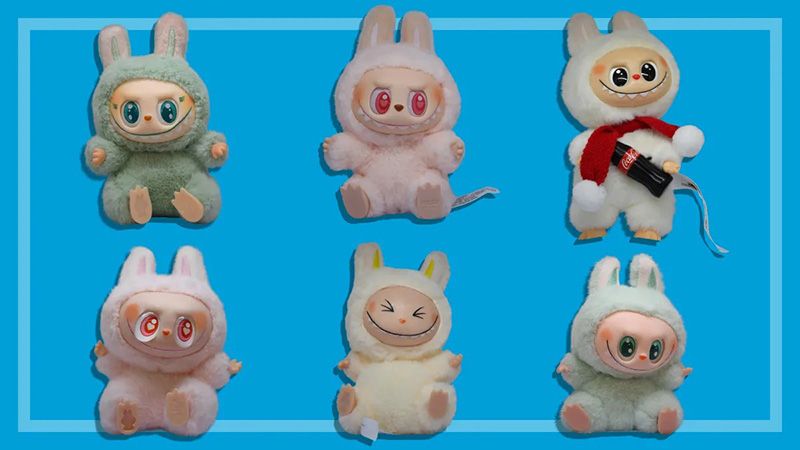
“Plushie” is a simple word, but in today’s toy market it can mean many different products—collectibles, character dolls, baby comfort toys, promotional gifts, and even lifestyle merchandise. I’m Amanda from Kinwin, and in this guide I’ll explain what a plushie is in modern industry terms, how it differs from traditional stuffed animals, and what really defines quality, safety, and commercial value for brands.
A plushie is a soft toy made with plush fabric and internal filling, designed for comfort, character appeal, or collection. Compared with traditional stuffed animals, plushies often focus more on stylized design, branding, and fan culture. High-quality plushies use stable fabrics, clean stitching, safe filling, and controlled production specs. For selling in the USA or Europe, the right safety and compliance planning is essential, especially for children’s products.
If you are building a plushie line for retail, e-commerce, licensing, or promotions, understanding these differences helps you choose materials, set pricing, and avoid quality risks.
What is a plushie in modern toy industry terminology?
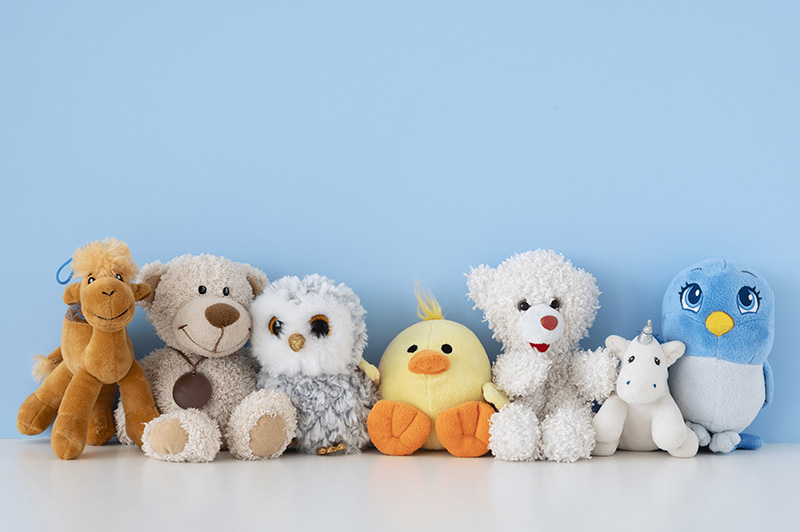
In the modern toy industry, “plushie” is commonly used as a consumer-friendly name for a soft plush toy, but it also signals a certain style and market position. The word is strongly connected to cute character design, fandom culture, and collectible merchandise. In business terms, a plushie is usually defined by three core elements: a plush outer surface, a filled soft body, and a design that delivers emotional or character value.
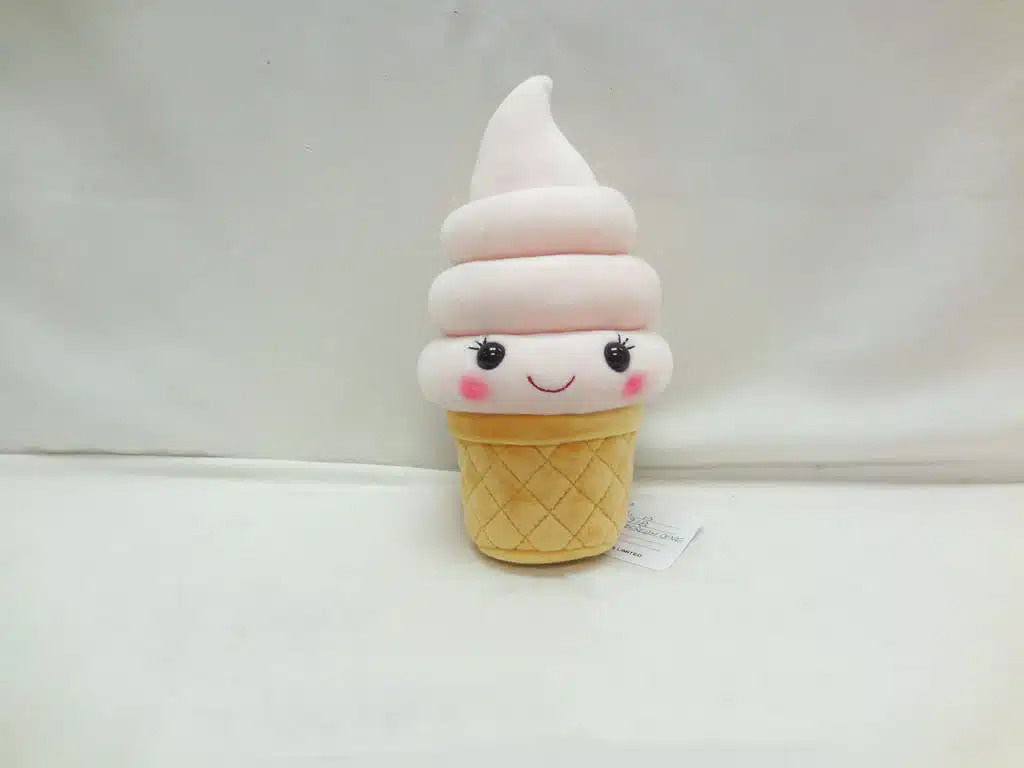
Traditional industry terms like “stuffed animal” often suggest a realistic animal shape or a classic kids’ toy. “Plushie” is broader. It can be an animal, a cartoon character, a food item, a mascot, or even an abstract shape with a face. In many modern product catalogs, plushie is used as an umbrella term that covers plush dolls, plush figures, plush keychains, mini plush, and themed plush collections.
From a manufacturer view, plushie is also a workflow category. It tells me the product will likely require:
- precise facial placement and expression control
- stable color matching for branding
- consistent hand-feel across batches
- packaging designed for gifting or collectibles
| Industry term | What it usually means | Typical buyer expectation | Common sales channel | What brands gain |
|---|---|---|---|---|
| Plushie | Stylized soft toy, often character-driven | Cute design, collectability | E-commerce, fandom shops | High emotional value, repeat purchase |
| Stuffed animal | Often animal-shaped, more classic | Softness, kid-friendly | Retail, baby stores | Broad audience and gifting |
| Plush doll | Human-like or mascot-like | Outfit detail, identity | Gift shops, promotions | Strong branding and storytelling |
| Mini plush / keychain plush | Small sized plush | Portable, impulse buy | Convenience, online bundles | Higher unit sales volume |
| Collectible plush | Limited, series-based | Completeness, rarity | Online drops, licensing | Strong community engagement |
How do plushies differ from traditional stuffed animals in design and use?
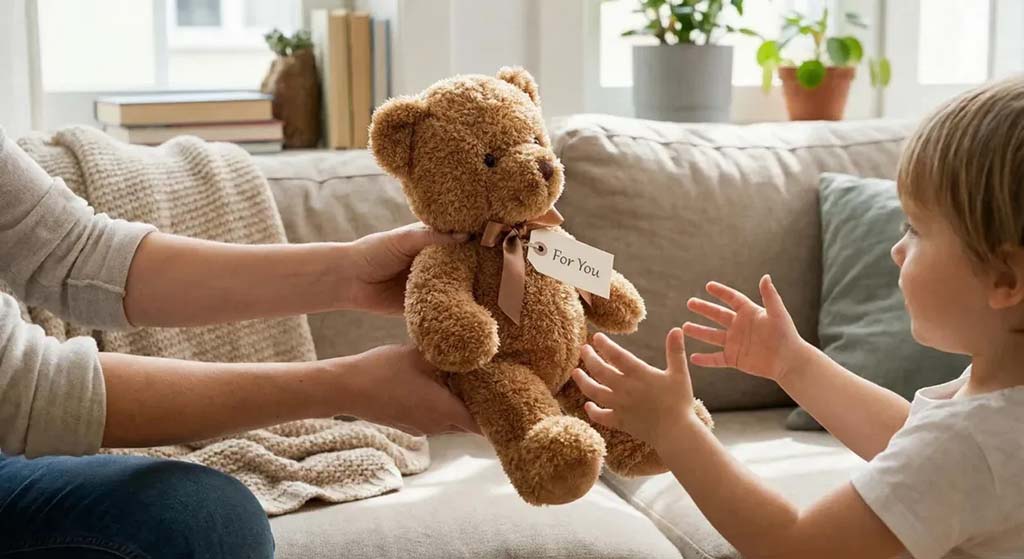
The main difference is not the filling. It is the design purpose. Traditional stuffed animals often aim for a friendly animal look, comfort, and child-safe durability. Plushies often aim for identity—a recognizable character, a meme, a brand mascot, or a collectible series.
In design, plushies tend to have:
- simplified or exaggerated proportions (big head, small body)
- strong facial expression design
- consistent color blocks that match brand style guides
- accessories that support character story (but still must be safe)
In use, plushies are often:
- collected and displayed, not only hugged
- used as gifts with social meaning
- tied to fan communities, IP, or seasonal drops
- used as promotional items for brands and events
For B2B buyers, this difference affects product decisions. Collectible plushies may prioritize clean stitching and perfect face placement, while toddler stuffed animals may prioritize seam strength and minimal parts.
| Comparison point | Plushies (typical) | Traditional stuffed animals (typical) | What buyers should plan for |
|---|---|---|---|
| Design style | Stylized, character-first | More classic and animal-based | Define your product role early |
| Customer behavior | Collect, gift, display | Cuddle, comfort, play | Align materials to real use |
| Face details | High importance | Medium importance | Tight placement and QC control |
| Accessories | More common | Less common | Control safety and durability |
| Product drops | Series-based | Evergreen SKUs | Plan reorder consistency |
Which materials and construction methods define high-quality plushies?
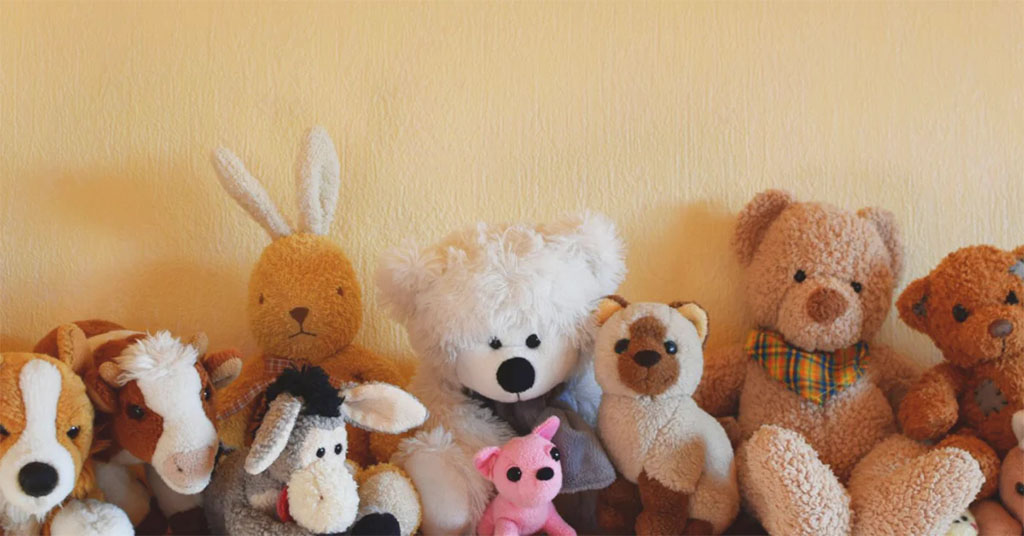
High-quality plushies feel soft, look clean in photos, and keep shape over time. From my factory experience, the “premium feel” comes from stable materials and consistent construction rules, not from one expensive fabric alone.
Key material factors include:
- plush fabric with stable pile and color
- high-grade polyester fiberfill with good rebound
- safe, durable embroidery or secure attachments
- strong thread and clean seam finishing
Key construction factors include:
- balanced stuffing by zones (face, belly, limbs)
- consistent seam allowance and stitch density
- reinforced stress points for high-squeeze areas
- clean trimming and lint control before packing
A plushie can be “cute” but still feel cheap if it becomes lumpy or if the face looks uneven. That is why high-quality plushies often require tighter QC than basic plush toys.
| Quality driver | What it looks like | What causes low quality | How manufacturers control it | Buyer benefit |
|---|---|---|---|---|
| Fabric stability | Smooth pile, clean color | Shade shift, pile collapse | Supplier lock + batch checks | Better photos and reviews |
| Filling performance | Soft but holds shape | Lumps, flatness | Higher rebound fill + layering | Fewer returns |
| Face accuracy | Symmetrical, consistent | Misplacement | Templates + QC photos | Strong brand identity |
| Seam finishing | No gaps, clean line | Loose stitching | Stitch settings + pull checks | Safer feel, better durability |
| Clean packaging | No dust, no odor | Poor handling | Clean packing SOP | Better unboxing experience |
What safety standards and compliance requirements apply to plushies?
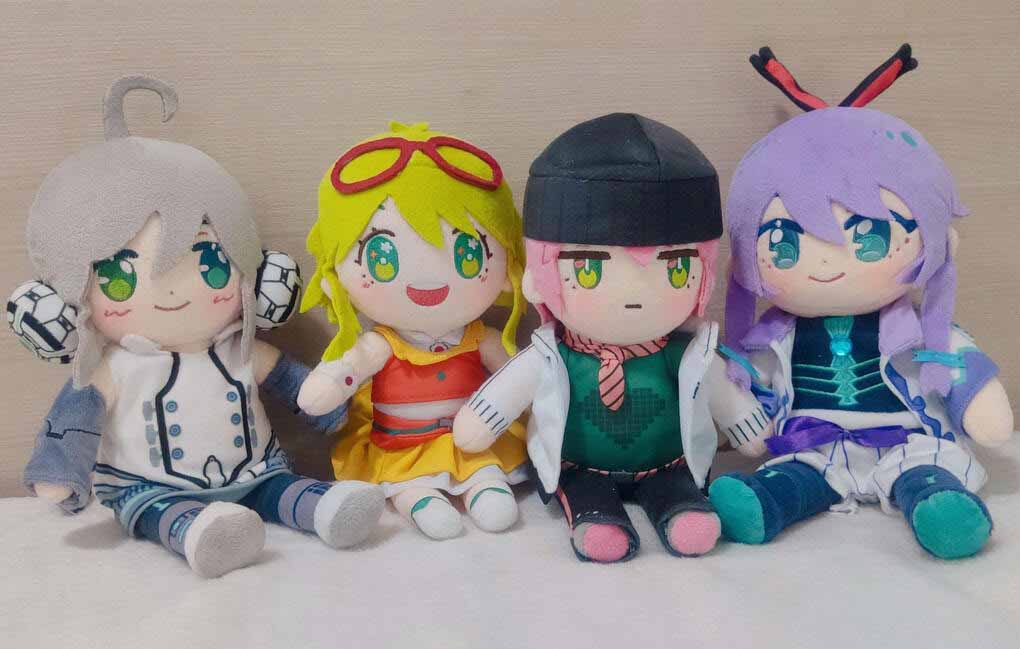
Safety depends on market and age group. A plushie sold as a children’s toy must meet stricter requirements than a decorative collectible for adults. The same plush design can also become higher risk if it includes accessories, beads, or detachable parts.
For most B2B buyers, the practical approach is:
- define the target market (USA, EU, etc.)
- define the age grading and intended use
- confirm material compliance expectations
- ensure construction supports mechanical safety
Common compliance topics include:
- seam strength and small parts risk
- chemical safety for fabrics, dyes, and prints
- labeling and tracking requirements
- testing scope that matches the final product design
From a manufacturer view, the biggest compliance risk is uncontrolled changes: switching fabric, dye lot, or attachment method without documentation. That is why change control is critical for plushie programs.
| Market focus | What buyers usually prioritize | Key product risk areas | What to request from suppliers | Common mistake |
|---|---|---|---|---|
| USA | ASTM-aligned compliance planning | Small parts, seams | Test plan + QC records | Treating collectibles like kids’ toys |
| EU | EN71-aligned planning | Material chemicals, parts | Reports + labeling support | Late design changes before testing |
| Global e-commerce | Proof and consistency | Mixed batches | Traceability + golden sample | Uncontrolled supplier substitutions |
| Promotions | Cost + safety | Accessories, fast lead time | Simplified safe design | Over-customization creating risk |
| Licensing | Brand accuracy + compliance | Color, face placement, materials | Spec lock + approval workflow | Poor change management |
How are plushies categorized by age group, function, and market segment?
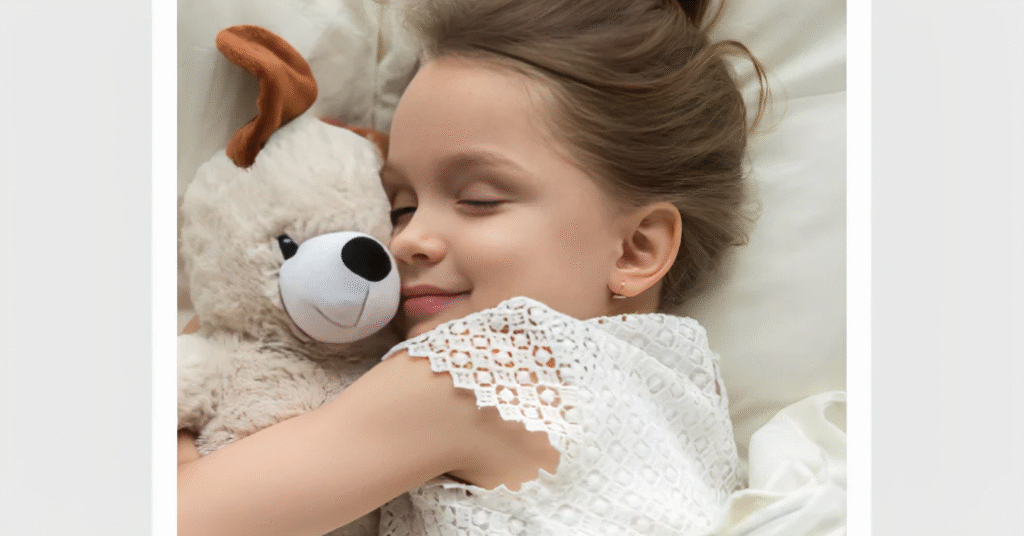
Plushies are not one category. They are grouped by who uses them, how they are used, and why they are bought. This affects design rules, pricing, and packaging.
Common age group categories:
- baby and toddler plush: safety-first, minimal parts, wash-friendly
- kids plush: comfort + durability + character play
- teen/adult collectible plush: identity, display, fandom culture
Common function categories:
- comfort plush (sleep buddy, travel buddy)
- collectible plush (series and drops)
- promotional plush (brand mascots)
- décor plush (home and lifestyle)
Common market segments:
- mass retail
- gift and specialty
- e-commerce brands
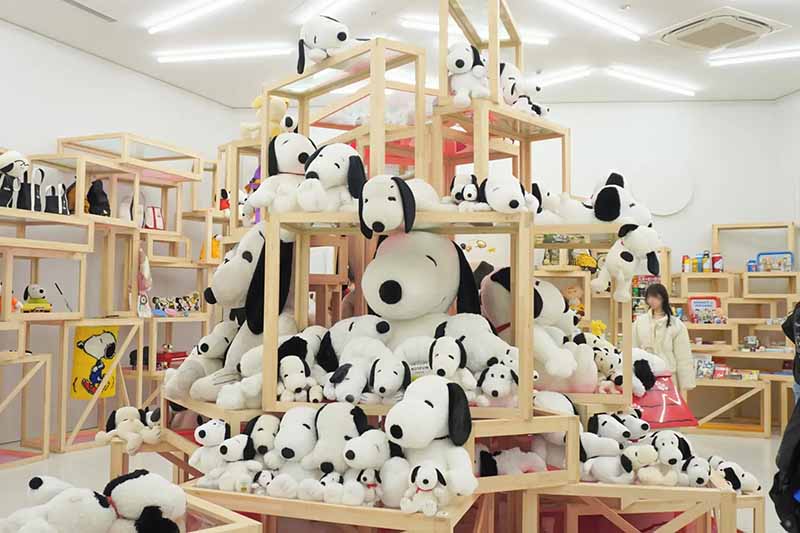
- IP licensing and fandom merchandising
| Category lens | Segment example | Design focus | Packaging focus | Business impact |
|---|---|---|---|---|
| Age group | Baby plush | Safe trims, soft fill | Clear care label | Higher trust requirements |
| Age group | Adult collectible | Accurate face, premium fabric | Display-ready | Higher margin potential |
| Function | Promotional plush | Brand logo visibility | Bulk-safe packing | Lower cost target |
| Function | Collectible series | Consistency across SKUs | Gift and drop packaging | Repeat purchase behavior |
| Market | Specialty gift | Premium feel | Strong presentation | Higher perceived value |
How do branding, licensing, and customization shape plushie commercial value?
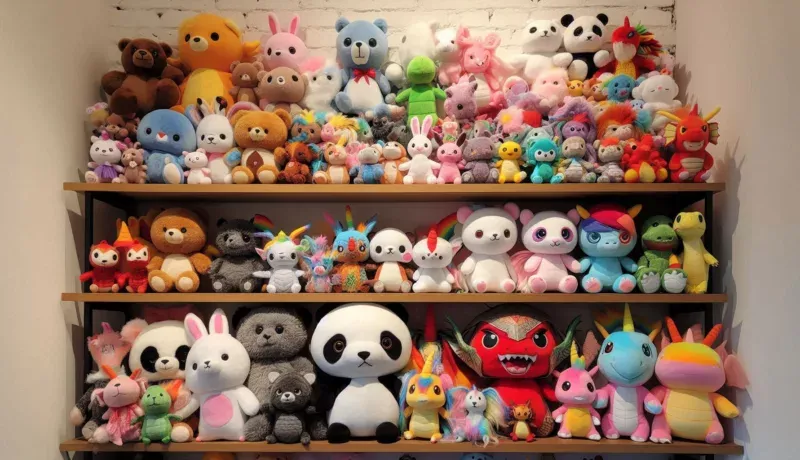
This is where plushies become a strong business product. Plushies sell because they carry emotional meaning, and branding turns that meaning into commercial value. A well-designed plushie can become a mascot, a community symbol, or a collectible line that customers buy repeatedly.
Branding value often comes from:
- a recognizable silhouette
- consistent color and face style
- a signature detail (patch, tag, accessory)
- a story that fits your brand
Licensing changes the workflow. IP plushies require tighter control on:
- color standards and approvals
- facial expression accuracy
- packaging design compliance
- documentation and change control
Customization can increase value when done safely and repeatably. For kids’ plushies, the best customization options are often embroidery, safe printing, and branded packaging rather than detachable accessories.
At Kinwin, we help B2B buyers build plushie value through controlled specs, stable production, and scalable customization. That helps you launch faster, protect quality, and build a plushie line that can grow into a long-term product asset.
| Value lever | How it increases commercial value | Best customization method | Risk to manage | What buyers gain |
|---|---|---|---|---|
| Branding consistency | Builds recognition and trust | Stable color + face templates | Shade drift | Stronger repeat sales |
| Licensing/IP | Adds demand and community | Approval workflow + spec lock | Rejection delays | Higher sell-through |
| Personalization | Makes gifting stronger | Name embroidery | Lead time increase | Higher AOV and sharing |
| Packaging story | Raises perceived value | Insert card + gift box option | Shipping volume | Better conversion |
| Series strategy | Encourages collecting | Coordinated SKU system | Inconsistent batch feel | Higher lifetime value |
Conclusion
A modern plushie is a soft toy built for comfort and character value, and its real success depends on quality control, compliance planning, and brand strategy. At Kinwin, we help global buyers develop plushie programs with stable materials, scalable customization, and reliable production systems. Contact me at [email protected] or visit kinwintoys.com to discuss your next plushie project and explore how our factory can support your success.