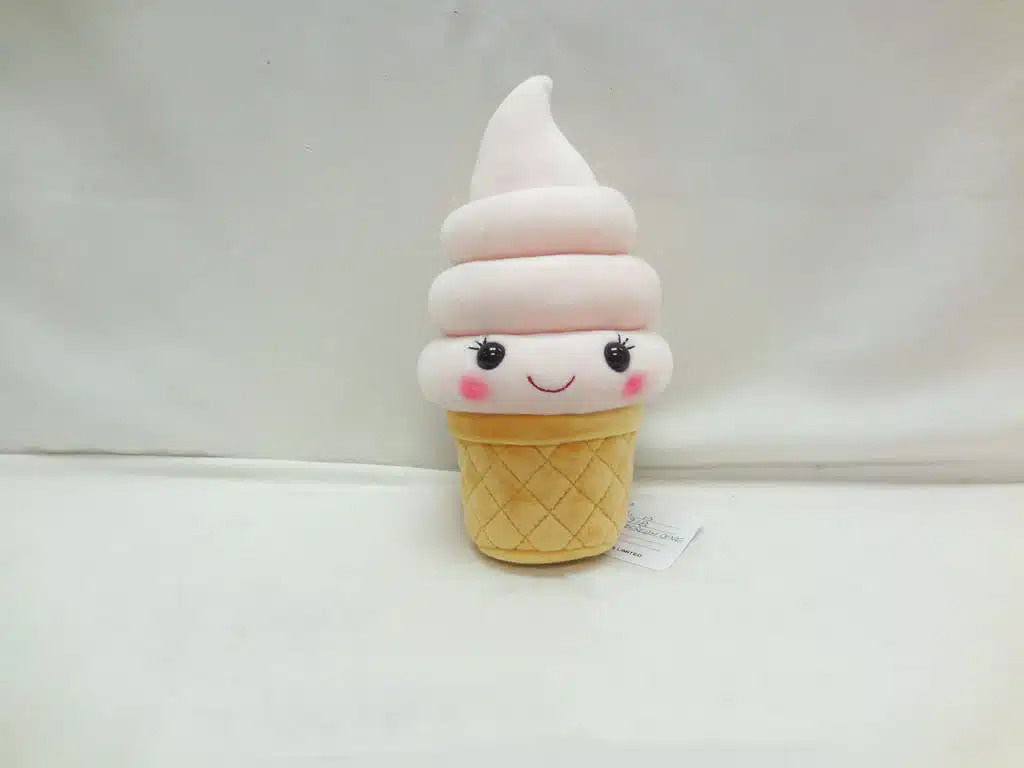
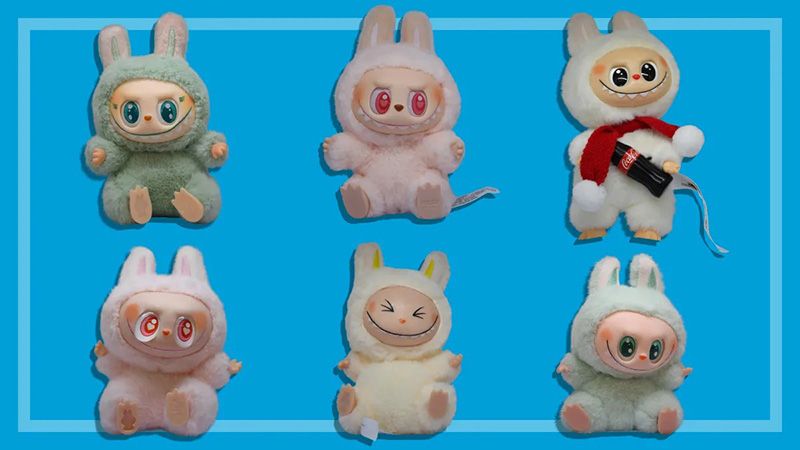
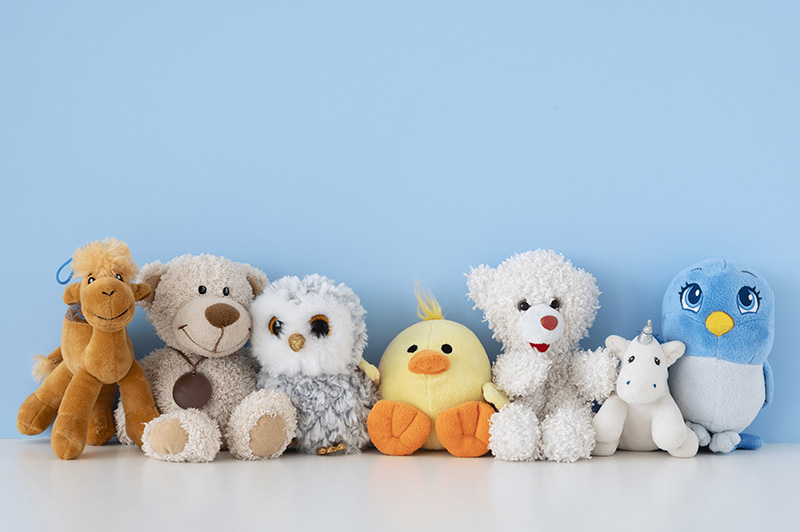
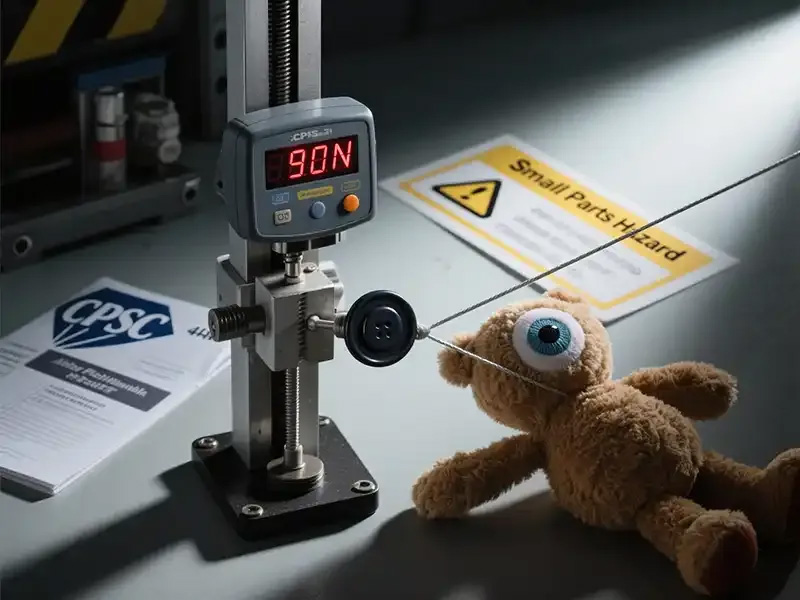
When people say “plush,” they might mean the fabric, the toy, or just “something very soft.” In the toy and textile industry, the word has a more precise meaning. It refers to a pile fabric with a soft, raised surface and also to the products made from it—like plush toys and plush throws.
I’m Amanda from Kinwin, a plush toy factory in China. Every week I talk with buyers who ask, “What exactly counts as plush?” This guide is my clear, practical answer—written in simple English so you can use it for sourcing, design, and marketing.
We’ll look at what “plush” means in modern textiles and toys, how fibers and pile define its feel, how it compares with other soft materials, what manufacturing steps shape softness and durability, where plush is used, and how new trends are changing the meaning of plush today.
What does “plush” mean in modern textiles and toys?
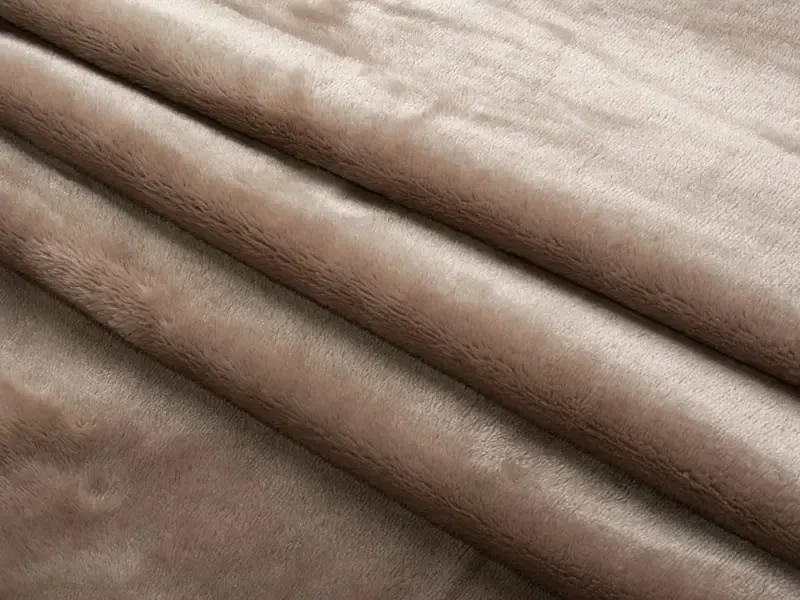
In modern industry, plush has two main meanings that are closely linked:
- Plush as a fabric – a textile with a raised, soft pile on the surface, usually made from polyester or similar fibers.
- Plush as a product category – items made from plush fabric, especially plush toys / stuffed animals, but also throws, cushions, robes, and more.
When you read a spec sheet, “plush” usually points to the fabric structure: a base layer with upright fibers (pile) that are cut and brushed to feel soft. When consumers say “a plush,” they often mean a plush toy—a stuffed character or animal.
H3 – Plush as a feel, a fabric, and a category
In branding and marketing, “plush” also works as a feel-word. A product can be “plush” even if it is not made from classic plush fabric, as long as it feels rich and soft. But for sourcing and manufacturing, we need to be more exact:
- Plush fabric = pile fabric designed to feel soft and luxurious.
- Plush toy = stuffed item made mostly from plush fabric.
- Plush finish = a soft, padded, or cushioned experience in use.
Table 1 – What “plush” means in different contexts
| Context | What “Plush” Refers To | Practical Example |
|---|---|---|
| Textile manufacturing | Pile fabric with a soft, raised surface | Short plush, minky, faux fur |
| Toy industry | Stuffed toys made from plush fabric | Teddy bears, character plush, mascot toys |
| Home textiles | Soft, cozy fabric surfaces | Plush throws, blankets, cushion covers |
| Marketing language | A feeling of softness and comfort | “Plush mattress top”, “plush seating” |
| Everyday conversation | Plush toys or very soft objects | “My kid loves that plush” |
For you as a buyer or brand owner, it helps to be clear: when you say “plush,” do you mean fabric spec or finished product style? That clarity avoids many misunderstandings with manufacturers.
How do fibers and pile structures define plush characteristics?
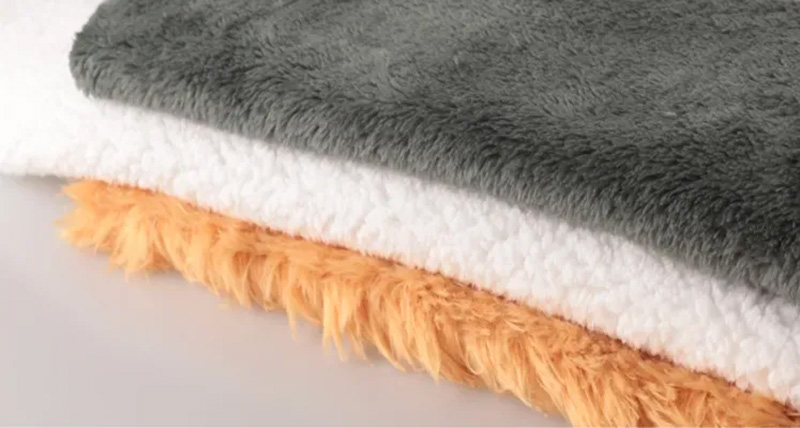
Plush is not only about being soft. Its fiber content and pile structure decide how it feels, how it looks, and how it behaves under washing and wear.
In most modern plush fabrics for toys and home goods, polyester is the main fiber. However, the exact type of fiber, how it is spun, and how the pile is built can change the fabric from “basic soft” to “super premium.”
H3 – Fiber types and their influence
Different fibers bring different qualities:
- 100% polyester – soft, strong, and easy to dye; the standard choice for plush toys.
- Recycled polyester (rPET) – similar feel to normal polyester, but with an eco story.
- Polyester blends (with spandex, cotton, etc.) – add stretch, breathability, or a more “textile” touch.
- Acrylic / modacrylic – often used in faux fur to get a woolly or fur-like look.
The fiber choice affects:
- Softness and drape
- Shine vs matte look
- Pilling resistance
- Heat and moisture behavior
H3 – Pile height, density, and structure
Pile is the “hair” on the fabric. You can tune it by:
- Height – short pile for clean shapes, long pile for fluffy looks.
- Density – tightly packed fibers feel richer and more durable.
- Structure – cut pile, loop pile, embossed dots, or printed designs.
Short, dense pile is great for mascots and detailed plush toys. Longer, looser pile is better for faux fur animals or decorative cushions.
Table 2 – Fiber and pile choices and how they change plush
| Factor | Typical Options | Effect on Plush Characteristics |
|---|---|---|
| Fiber composition | 100% polyester | Standard softness, good durability, easy care |
| Recycled polyester (rPET) | Similar feel with sustainability benefits | |
| Polyester–spandex blend | More stretch and comfort, good for apparel plush | |
| Acrylic / modacrylic | Fluffy, fur-like look, more fashion-oriented | |
| Pile height | Short (1–3 mm) | Clean shape, clear details, smooth surface |
| Medium (3–6 mm) | Softer look, more rounded silhouette | |
| Long (10+ mm) | Fluffy, dramatic, “furry” appearance | |
| Pile density | Low | Lighter, but can look thin or cheap |
| Medium–high | Rich, full surface and better wear resistance | |
| Pile structure | Cut pile, embossed dots, looped, printed | Changes both look and tactile experience |
When you brief a factory, specifying fiber type + pile height + pile style gives you much more control over the final plush product.
How does plush differ from other soft fabrics and materials?
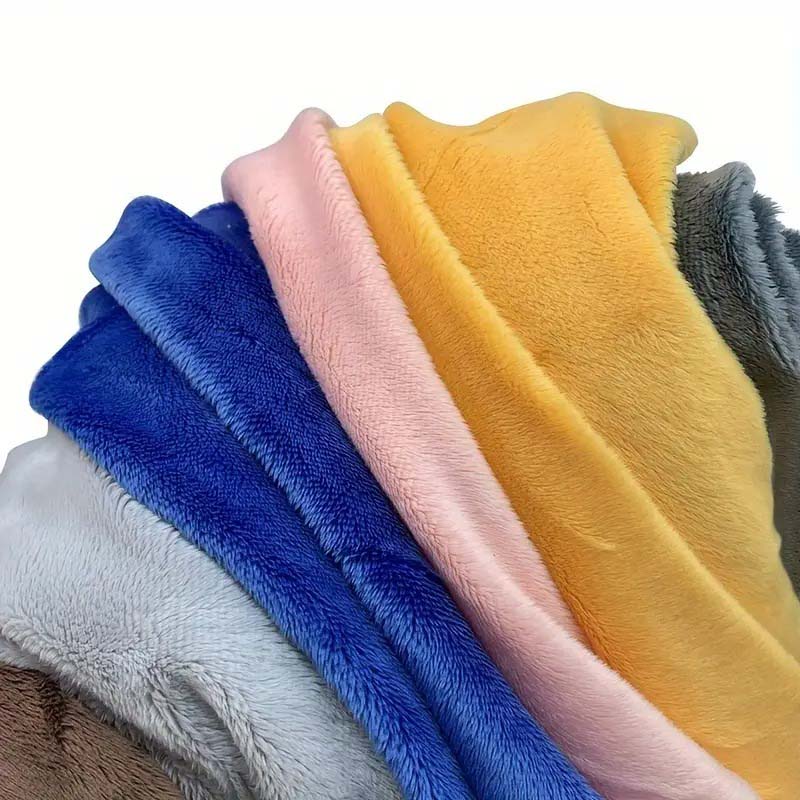
Plush is often confused with fleece, velour, velvet, jersey, or simple brushed knits. All are soft, but their structures and best uses are different. Understanding these differences helps you choose the right surface for your product.
H3 – Plush vs fleece, velour, and jersey
- Plush – has a distinct pile layer (short or long), feels “hairy” or furry, often used for toys and cozy home items.
- Fleece – usually a brushed knit with no clear pile direction, warm but less “furry.”
- Velour / velvet – shorter pile with a more formal, shiny surface; used often in apparel or high-end décor.
- Jersey / brushed knits – soft but flat or lightly brushed, more suitable for clothing and lining.
In toys, plush fabric gives a 3D, sculpted surface. Fleece and jersey tend to give flatter outlines and less “fur” feeling.
Table 3 – Plush compared to other soft materials
| Fabric / Material | Structure & Surface | Typical Uses | Key Difference vs Plush |
|---|---|---|---|
| Plush | Pile fabric with raised fibers | Toys, throws, cushions, robes, décor | More “furry” and sculpted surface |
| Fleece | Brushed knit, no clear pile direction | Blankets, mid-range plush, loungewear | Softer but flatter, less distinct pile |
| Velour / velvet | Short, dense pile with sheen | Apparel, cushions, formal décor | More elegant look, less “toy-like” |
| Brushed jersey | Knitted fabric lightly brushed | Clothing, linings, baby wear | Thinner, more like clothing than fur |
| Woven cotton | No pile, flat weave | Shirts, bedding, some doll parts | Crisp, not furry, more breathable |
| Faux fur | Long, often mixed fibers with high pile | Fashion, realistic animals, trims | More dramatic volume than typical plush |
You can also combine materials—for example, plush body + fleece belly + woven cotton clothing—to get both character and comfort.
What manufacturing methods influence plush softness and durability?
Even with the same fiber and pile height, manufacturing methods can create very different plush fabrics. How the base is knitted or woven, how the pile is formed, and how finishing is done all shape softness, resilience, and long-term appearance.
H3 – Base construction and pile formation
Most plush fabrics used for toys and blankets are knit-based or warp-knit structures with pile. Key steps:
- Base knitting or weaving – creates the structural backbone of the fabric.
- Pile creation – extra yarns form loops or pile tufts. These loops are later cut for a soft surface.
- Brushing and shearing – brushing opens the pile; shearing trims it to a controlled height.
A stronger base plus well-anchored pile improves tear strength and shedding resistance.
H3 – Finishing processes and quality control
Finishing can enhance softness and stability:
- Heat setting – stabilizes the structure, helps keep shape after washing.
- Brushing/polishing – increases softness and removes loose fibers.
- Anti-pilling treatments – reduce fuzz balls after use.
Factories also run lab tests for color fastness, pilling, seam slippage, and more if toys must pass EN71, ASTM, or similar standards.
Table 4 – Manufacturing steps and their impact on plush
| Manufacturing Aspect | Typical Techniques | Effect on Softness and Durability |
|---|---|---|
| Base structure | Knit, warp-knit, or woven backing | Controls stretch, strength, and drape |
| Pile formation | Loop pile, cut pile, tufting | Defines surface height and volume |
| Brushing | Mechanical brushing of surface | Increases softness, opens up pile |
| Shearing | Cutting pile to exact height | Controls look, reduces uneven fibers |
| Heat setting | Controlled heat treatment | Improves dimensional stability after washing |
| Surface treatments | Anti-pilling, softening finishes | Extends fabric life, keeps plush looking fresh |
| Lab testing | Abrasion, pilling, color fastness, tensile tests | Confirms real-world performance and safety |
As a buyer, you don’t need to manage every detail, but you can ask your manufacturer how they control brushing, shearing, and pile stability. Their answers will show how serious they are about quality.
How is plush used across toys, home goods, and lifestyle products?
Plush started as a textile for luxury and toys, but today it covers a wide range of product categories and age groups. When you understand where plush fits, you can design more complete, cross-category collections.
H3 – Plush in toys and children’s products
In toys, plush is the default surface for:
- Teddy bears and stuffed animals.
- Character plushies and mascots.
- Baby comforters, activity toys, and soft books (often with minky or short plush).
Here, plush must balance softness, washability, and safety. Fabrics are often tested for chemicals, flammability, and mechanical strength.
H3 – Plush in home textiles and lifestyle goods
In home and lifestyle, plush appears in:
- Throws, blankets, and cushions.
- Plush rugs or seat covers.
- Robes, loungewear, slippers, and eye masks.
- Plush accessories and décor items.
These products rely on plush to create a cozy, comforting mood—a feeling that supports both daily use and social media aesthetics.
Table 5 – Plush applications across product categories
| Product Sector | Common Plush Uses | Key Requirements |
|---|---|---|
| Toys & stuffed animals | Bodies, heads, limbs, ears, tails | Soft, safe, color-fast, meets toy standards |
| Baby products | Blankets, comforters, sensory toys | Extra-soft, gentle pile, strong safety testing |
| Home textiles | Throws, cushion covers, plush rugs | Cozy handfeel, good wash performance |
| Apparel & loungewear | Robes, hoodies, pajamas, slippers | Comfort, warmth, acceptable bulk and drape |
| Lifestyle & gifts | Travel pillows, neck rests, plush accessories | Balance between comfort, design, and portability |
| Pet products | Plush dog toys, pet beds | Higher durability, pet-safe construction |
For a plush toy factory like ours, it’s common to expand from pure toys into branded plush bundles—for example, plush toy + plush blanket sets, or mascot plush + plush cushion collections.
How do trends and innovations shape today’s definition of plush?
The meaning of “plush” is not frozen. New fibers, digital tools, and lifestyle trends are changing how designers, brands, and consumers think about plush products.
H3 – Sustainability and “better plush”
Many brands now ask for recycled plush—both fabric and stuffing. This doesn’t change the basic definition of plush, but it adds a new dimension:
- Recycled fibers from plastic bottles (rPET).
- Storytelling around reduced waste and circular materials.
- Certifications and traceability in the supply chain.
“Plush” is now often tied to eco-values, not only to softness.
H3 – Texture, printing, and cross-category design
Other innovations include:
- Embossed and textured plush – minky with dots, ribs, or patterns that add sensory value.
- Digital printing on plush – allows detailed character art, gradients, and photo effects.
- Hybrid products – plush integrated into tech (e.g., plush headphones covers), décor, or wellness items like weighted plush for adults.
Plush materials are also moving more into adult lifestyle spaces: minimal sherpa cushions, neutral-toned plush throws, and plush loungewear that looks stylish, not childish.
Table 6 – Trends and innovations redefining “plush”
| Trend / Innovation | What It Looks Like in Products | How It Shifts the Meaning of “Plush” |
|---|---|---|
| Recycled plush materials | rPET plush toys, eco-labeled blankets | Plush = soft + sustainable |
| Textured surfaces | Dotted minky, sherpa, boucle plush | Plush = variety of touch experiences |
| Digital printing | Detailed characters printed on plush surfaces | Plush = canvas for high-resolution artwork |
| Weighted plush | Plush toys with internal beads for adults | Plush = comfort and emotional support for all ages |
| Lifestyle positioning | Neutral plush throws, décor cushions, fashion | Plush = everyday lifestyle, not only kids’ toys |
| Cross-category branding | Mascot plush + plush home items + apparel | Plush = core medium for brand storytelling |
As these trends continue, the word “plush” covers more than just “soft toy.” It now describes a material language that connects toys, home, fashion, gifts, and wellness.
Conclusion
Today, when someone asks “What’s a plush?”, the true answer is bigger than “a soft toy.” Plush is a pile fabric, a product category, and a design language that links textiles, toys, home goods, and lifestyle products. When you understand fibers, pile structures, manufacturing methods, and current trends, you can use plush in a more strategic way—creating products that feel soft, look modern, and match your brand values.
At Kinwin, my team and I work with global buyers to choose the right plush fabrics, develop safe and beautiful plush toys, and even expand into plush-based lifestyle collections. If you’d like to explore how plush can support your next product line or brand story, you’re very welcome to contact me at [email protected] or visit kinwintoys.com to discuss how our factory can support your success.