When buyers ask me “What stores carry Jellycat stuffed animals?”, they usually want a practical answer: which retailers are most likely to have real stock, how to avoid fakes, and how distribution works across countries.
From what I see in the global plush market, Jellycat is widely available—but not everywhere, and not through every selling channel. The safest path is always the same: start with Jellycat’s official stockist locator, then match that to reputable chains, boutiques, and authorised online shops.
Below is my expert breakdown, with store types, regional examples, and what this means for buyers (and for wholesalers trying to understand Jellycat’s trade structure).
What major retail chains traditionally stock Jellycat plush toys?
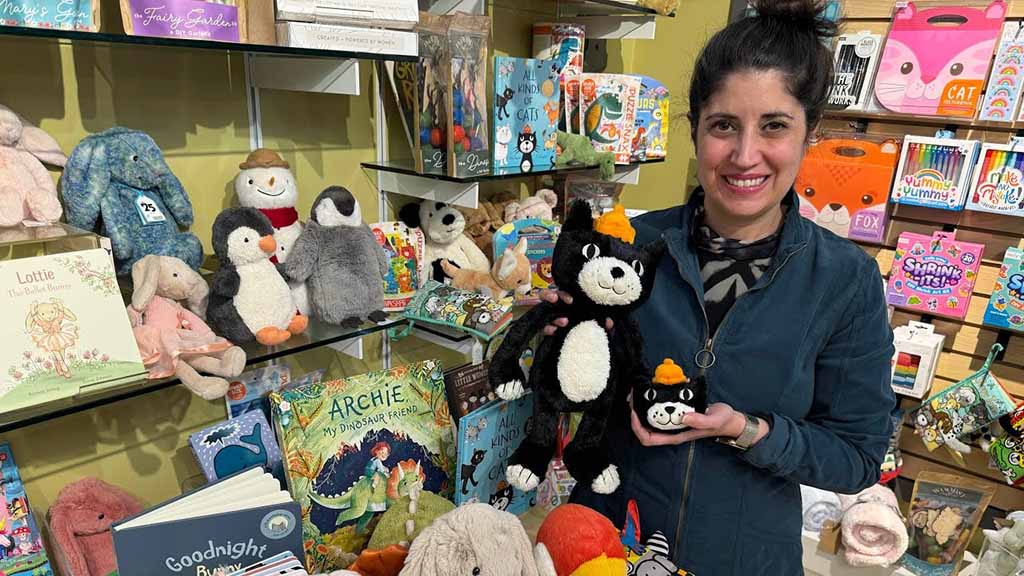
Major chains that stock Jellycat usually share one thing: they already sell premium gifts, baby items, or curated toys—so Jellycat fits their brand positioning.
Examples you can verify online include:
- Nordstrom (US) lists Jellycat as a brand and sells Jellycat plush and baby items online (and often in select stores).
- Selfridges (UK and international sites) carries Jellycat across kids and toy categories.
- Harrods carries Jellycat and even hosts Jellycat experiences (more on partnerships later).
- FAO Schwarz (US) sells Jellycat and has partnered with Jellycat on in-store experiences.
A useful way to think about “big chain probability”:
| Chain Type | Why Jellycat Fits | What You Typically Find | Best For |
|---|---|---|---|
| Premium department stores | Strong gifting culture + kids floor | Core lines (Bashful, Amuseables), baby soothers | Reliable authenticity, easy returns |
| Iconic toy stores | Tourists + collectors + “experience retail” | Curated bestsellers, event exclusives | Hard-to-find styles and limited drops |
| Luxury retailers | High-end audience + design-led buying | Premium edits, seasonal highlights | Gift buyers, collectors |
If you’re a shopper: these chains are often dependable for authenticity and after-sales support.
If you’re a plush brand owner: this is a clue that Jellycat “wins” by being a premium gift product, not a low-price toy.
Which specialty toy stores and children’s boutiques carry Jellycat products?
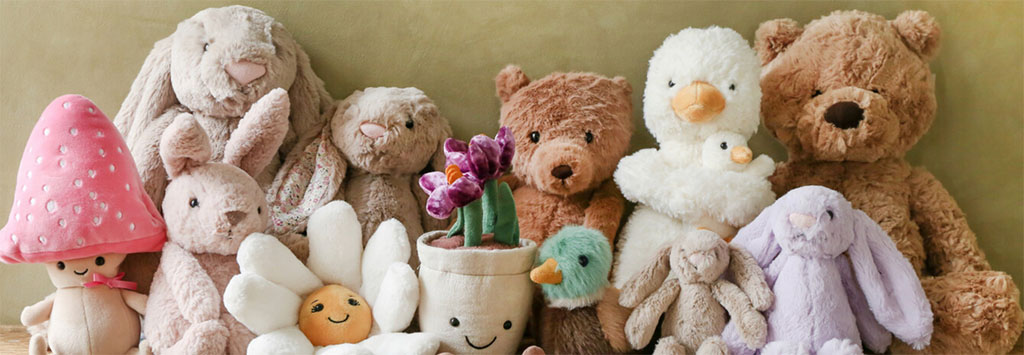
In many cities, the deepest Jellycat selection is not in the biggest store—it’s in specialty stockists: baby boutiques, gift shops, and children’s lifestyle stores.
Jellycat itself points buyers to this network via its stockist locators (EU/UK and US). On the UK locator page, Jellycat even notes “1,200+ independent stores plus select national retailers.”
Typical boutique categories that carry Jellycat:
- Baby boutiques (prams, newborn gifts, nursery items)
- Children’s clothing + gift concept stores
- Design-led lifestyle gift shops
- Bookstores with strong children’s gift sections
Here’s how I recommend you prioritize boutique shopping:
| Boutique Type | Why They Carry Jellycat | What Their Stock Usually Looks Like | Buyer Tip |
|---|---|---|---|
| Baby & maternity boutiques | Jellycat baby line is a strong gift | Soothers, comforters, smaller plush | Call ahead; baby items sell fast |
| Gift & lifestyle shops | Jellycat is a “premium gift default” | Amuseables, seasonal items, mid sizes | Ask about restock day |
| Kids boutiques | Fits with curated children’s brands | Trendy animals, bunnies, limited picks | Best for “Instagram-friendly” finds |
| Book + gift stores | Great add-on for kids’ books | Smaller plush, storybook tie-ins | Good for quick gifts |
For B2B buyers studying retail: these boutiques drive brand heat because staff recommendations and display quality are strong.
How do online marketplaces compare in Jellycat availability and authenticity?
Online marketplaces can look convenient, but they are where authenticity risk increases—because you may be buying from unknown third-party sellers.
Jellycat’s own retailer rules show how tightly they try to control brand presentation and selling behavior. Their Brand Guidelines state that stockists must not sell Jellycat products on third-party platforms (including social media groups and similar channels) and must not knowingly supply those who intend to resell that way.
(Policies can vary by region and contract terms, but this is a strong signal: Jellycat prefers controlled channels.)
So how should you compare options?
| Online Channel | Availability | Authenticity Risk | My Practical Advice |
|---|---|---|---|
| Official Jellycat webstores | Medium–high for current items | Very low | Best “source of truth” for what’s current |
| Authorised retailers’ websites | High in many regions | Low | Best balance of availability + trust |
| Marketplaces (multi-seller) | Sometimes very high | Medium–high | Only buy if the seller is clearly reputable and traceable |
| Social media “drops” / groups | Unpredictable | High | Avoid for children’s gifts; too many unknowns |
If you must buy from a marketplace, focus on seller identity, not the product photo:
- Does the seller have a real store name, address, and customer service?
- Is pricing realistic (not “too good to be true”)?
- Are returns and policies clear?
And if you want the simplest path: use Jellycat’s locator first, then shop those stores online.
Where can wholesale distributors source Jellycat stuffed animals?
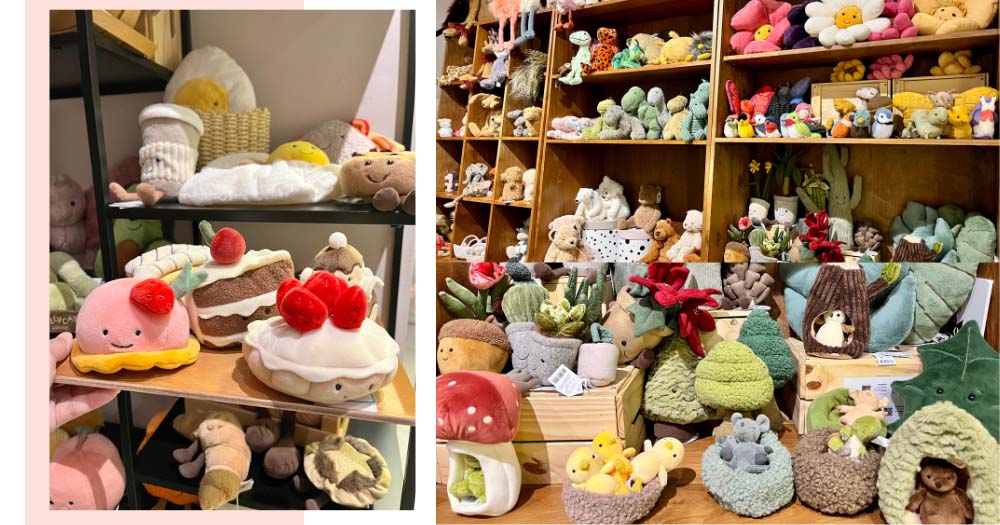
This question is important, because many people use the word “wholesale” in two very different ways:
- Retailers who want a Jellycat trade account (to stock and sell to end customers).
- Distributors/wholesalers who want to buy Jellycat and resell to other retailers.
For Jellycat, the model is generally controlled. Their terms emphasize they entrust products only to authorised retailers who match the brand’s image and service level. Their brand guidance also reinforces that stockists are authorised to sell directly to consumers, not to wholesalers/resellers/retailers.
So in practice, if you are a store that wants Jellycat:
- You usually apply to become an authorised stockist (directly or via a regional partner).
If you are looking for a clear example of a regional partner route:
- In Australia, IsAlbi presents itself as a contact point for becoming an authorised Jellycat stockist.
Here is how I explain it to B2B buyers:
| Buyer Goal | The Realistic Route | What Usually Doesn’t Work Well |
|---|---|---|
| “I own a boutique; I want to stock Jellycat” | Apply as an authorised stockist (direct or regional partner) | Buying from random wholesalers with unclear authorization |
| “I’m a distributor; I want to resell Jellycat to stores” | Must align with Jellycat’s regional distribution strategy | Grey-market sourcing (high risk, unstable supply) |
| “I want bulk Jellycat for promotions” | Work through official channels or approved trade partners | Marketplace bulk deals (authenticity + compliance risk) |
If you’re a retailer, the key benefit of doing it the official way is stability: cleaner supply, fewer authenticity issues, and fewer brand policy surprises later.
What international retailers and regional stores stock Jellycat toys?
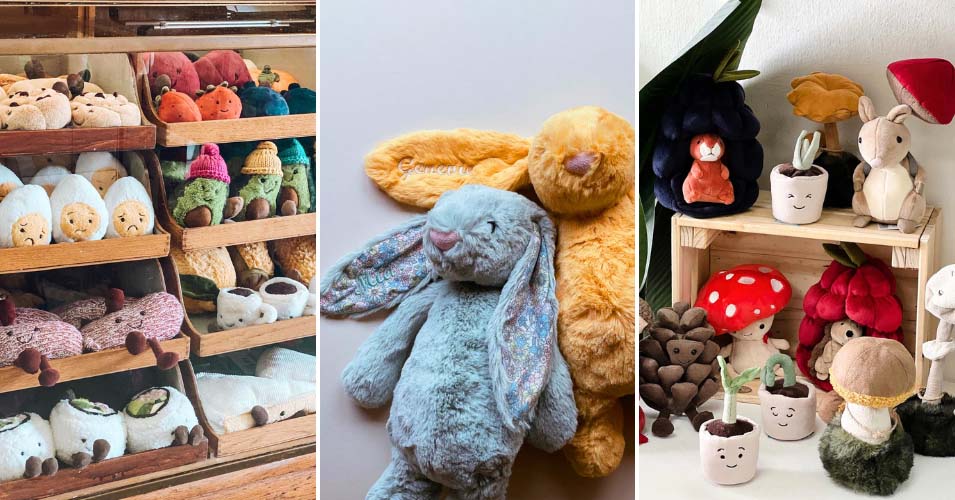
Internationally, Jellycat shows up in premium retailers and luxury department stores—not only toy shops.
Examples you can confirm:
- Selfridges (UK / international) carries Jellycat.
- Harrods carries Jellycat, including toys on its site.
- Galeries Lafayette is mentioned among luxury retailers carrying Jellycat in financial reporting about the brand.
- Jellycat’s own reporting/coverage notes global scale: products sold in 80+ countries and across 8,000 stores and luxury retailers.
Why this matters for buyers: if you’re traveling, airport cities with luxury shopping districts tend to have better Jellycat access than smaller towns.
A simple regional expectation map:
| Region | Where Jellycat Commonly Appears | Shopping Strategy |
|---|---|---|
| UK / Europe | Independent gift shops + luxury department stores | Use EU/UK stockist locator first |
| US | Department stores + iconic toy stores | Use US stockist locator + check Nordstrom/FAO Schwarz |
| Australia | Retailers linked through regional distribution | Contact regional partner route (example: IsAlbi) |
| Global travel hubs | Luxury retailers + special pop-ups | Watch for in-store experiences and limited edits |
How do store partnerships and exclusive collections affect Jellycat distribution?
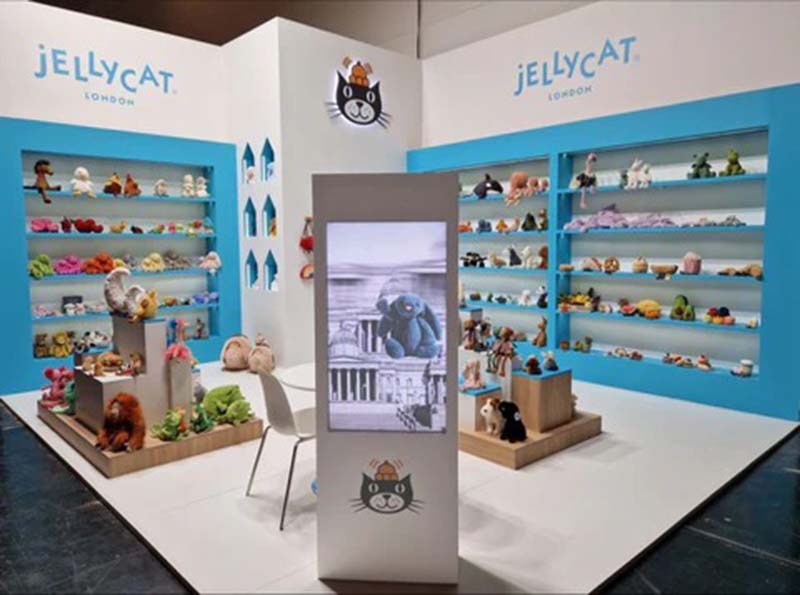
Jellycat doesn’t only “ship plush into stores.” They also create retail experiences that concentrate demand into certain partners.
Examples:
- Jellycat launched a Jellycat Diner Experience at FAO Schwarz (New York), presented as a partnership shopping experience.
- Jellycat promoted a Fish & Chips experience at Selfridges (London).
- Jellycat announced Jellycat Airlines at Harrods (London) starting 6 October 2025.
These partnerships usually lead to:
- More foot traffic to specific stores
- “Experience-only” items or themed product edits
- Faster sell-outs for popular lines
- Stronger collector culture
A quick impact table:
| Partnership Type | What Jellycat Gains | What Buyers Experience |
|---|---|---|
| In-store “experience” counters | Higher brand status + social media visibility | Exclusive vibe + limited availability |
| Luxury retailer placement | Premium positioning | Higher likelihood of premium assortments |
| Controlled distribution | Protects brand image | Some stores lose access; stock becomes harder in certain areas |
As a plush manufacturer, I see this as a “premium brand playbook”: distribution is not only about supply—it’s about where the brand wants demand to concentrate.
Conclusion
A good plush brand wins through trusted retail partners, clear distribution, and reliable authenticity. At Kinwin, we help global buyers develop plush lines that can succeed in the same premium retail channels—with safe materials, consistent quality, and export-ready compliance. Contact me at [email protected] or visit kinwintoys.com to discuss your next plush project.