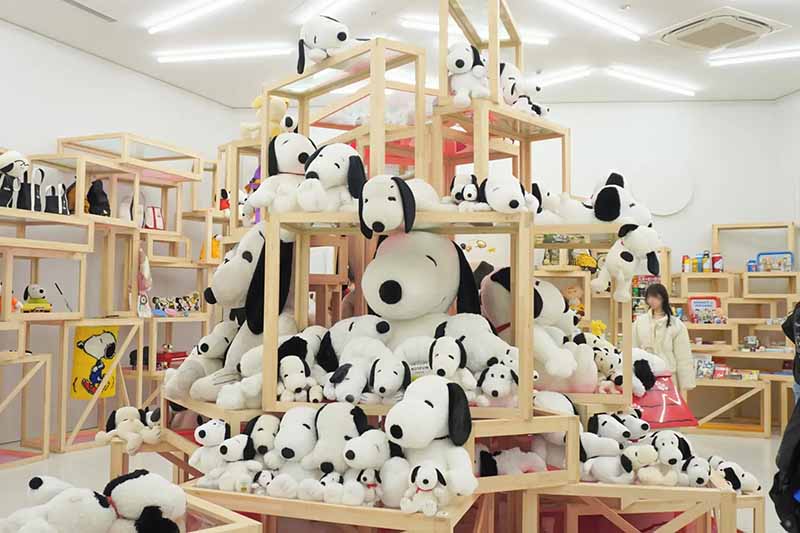
Velveteen plush is a fabric choice many buyers notice only after they touch it: it feels soft and rich, but also more “structured” than very drapey velvet. I’m Amanda from Kinwin, and in this guide I’ll explain what velveteen plush means in toy manufacturing, how it differs from velvet/velour/minky, what quality signals to look for, and what safety and sourcing checks help you avoid surprises in mass production.
In simple terms, velveteen is a woven fabric with a dense, short pile that imitates velvet, often made from cotton or blends, and typically has less shine and a firmer hand than classic velvet. 韋氏字典+2維基百科+2
For plush toys, this “soft but stable” feel can be a big advantage—especially when you want clean shapes, strong color, and a premium look without the high sensitivity of some velvet types.
What is velveteen plush in textile and toy manufacturing terminology?
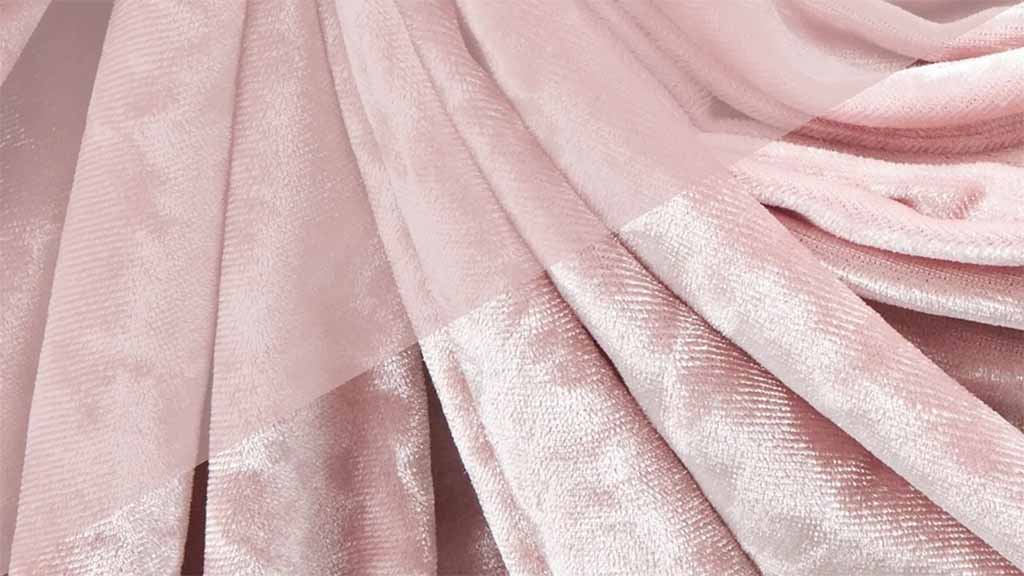
In textile terminology, velveteen is a fabric made to imitate velvet. It is usually described as a cotton fabric in plain or twill weaves with a short, close weft pile. 韋氏字典+1
In toy manufacturing language, when buyers say “velveteen plush,” they usually mean: a short-pile, velvet-like surface fabric used as an outer plush layer for soft toys, especially where you want a smoother, neater look than long-pile plush.
In practical production, velveteen plush is often chosen for:
- character plush faces (clean expression and good embroidery results)
- premium doll clothing panels (structured look, less fluffy bulk)
- holiday plush (rich color, less messy pile)
- plush parts that must keep shape (ears, bodies, hats)
From a buyer’s view, velveteen plush is attractive because it can look “premium” in photos while still being stable enough for consistent cutting and sewing.
| Term you may see | What it usually means in sourcing | What it looks/feels like | Where it works best in plush toys | Key buyer benefit |
|---|---|---|---|---|
| Velveteen (fabric) | Woven, short-pile velvet imitation 韋氏字典+1 | Soft, dense, more matte | Faces, bodies, structured panels | Neat premium look |
| “Velveteen plush” (factory usage) | Velveteen used as plush outer | Smooth, low-fuzz surface | Doll-style plush, mascots | Cleaner silhouettes |
| “Cotton velveteen” | Mostly cotton base | Warm hand-feel | Higher-end, classic feel | Strong color and touch |
| “Poly velveteen” (market term) | Synthetic velveteen-like woven pile | Slightly slicker | Value lines if controlled | Cost stability |
| “Velvet-like plush” | Sometimes mislabeled velour/minky | Varies | Must confirm specs | Avoid confusion |
How does velveteen plush differ from velvet, velour, and minky fabrics?
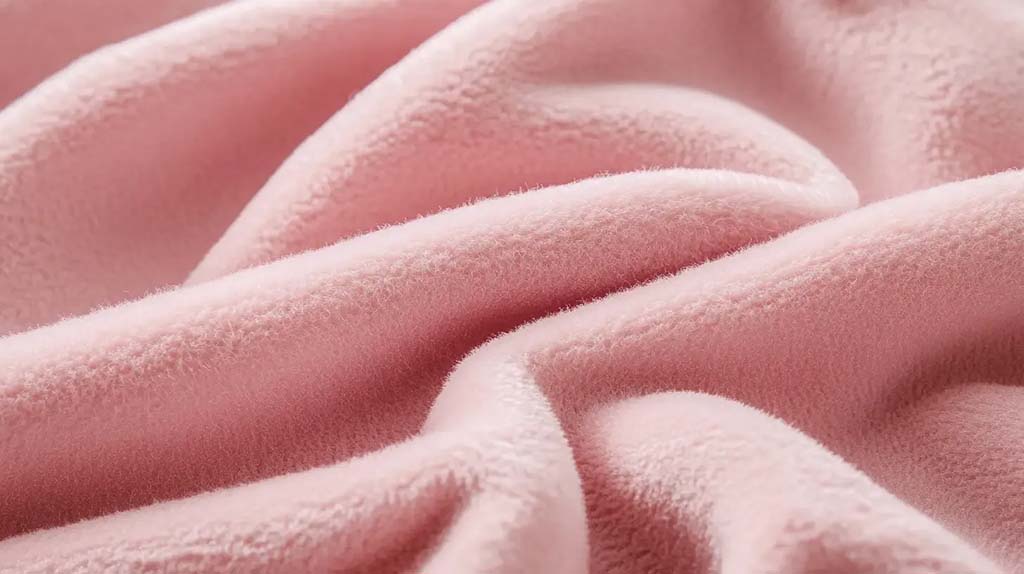
This is where many sourcing mistakes happen. These fabrics can look similar online, but they behave differently in production and in customer use.
A simple way to separate them:
- Velvet is typically a woven pile fabric with a more luxurious drape and shine.
- Velveteen is also woven, but usually has a shorter pile, less sheen, and a firmer feel. 維基百科+2dalstonmillfabrics.co.uk+2
- Velour is commonly described as knitted, so it usually has more stretch than woven velvet/velveteen. dalstonmillfabrics.co.uk+1
- Minky is a plush fabric category widely used in toys for its very soft hand-feel, often with stretch and a “blanket-soft” surface (not the same construction as velveteen).
For plush toys, these differences matter because they change:
- how easily the fabric shifts during cutting
- how seams lay (flat vs puckered)
- how the face embroidery looks
- how the toy holds shape over time
| Fabric | Structure (typical) | Shine level | Stretch behavior | Plush-toy best use | Common risk |
|---|---|---|---|---|---|
| Velveteen | Woven; short, close pile; often cotton/blend 韋氏字典+1 | Low–medium (more matte) 維基百科 | Low stretch dalstonmillfabrics.co.uk | Clean faces, structured bodies | Can show pressure marks if mishandled |
| Velvet | Woven pile (luxury look) IQRA F. CHAUDHRY | Higher shine | Usually low stretch | Premium fashion-style plush parts | More sensitive to crushing, handling |
| Velour | Often knitted dalstonmillfabrics.co.uk+1 | Medium | More stretch | Cost-friendly soft panels | Stretch can distort face placement |
| Minky | Plush knit/warp knit style (industry common) | Low–medium | Often stretchy | Baby plush, blankets, comfort feel | Pile direction and stretch variation |
Which fiber compositions and weave structures define velveteen plush quality?
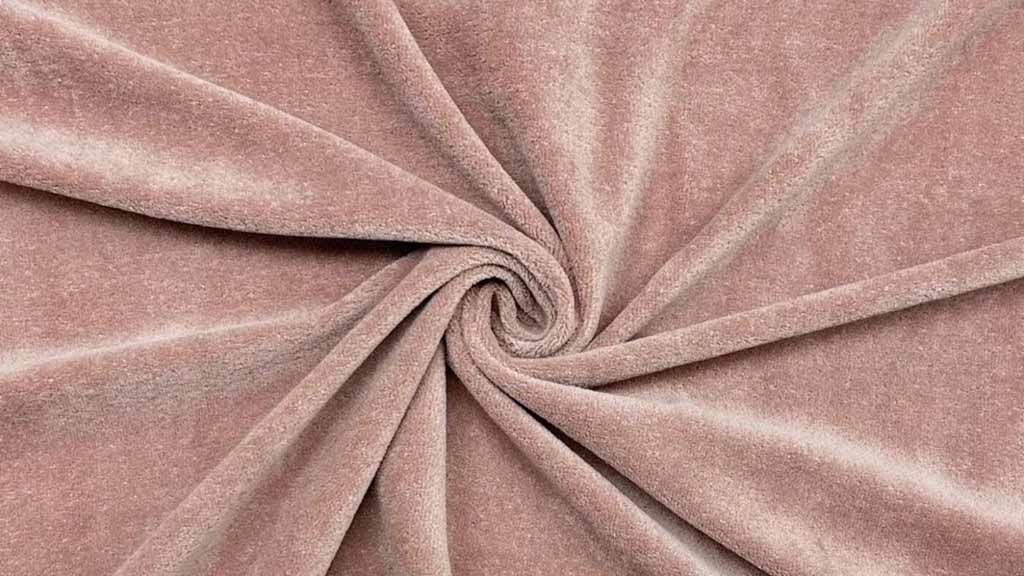
Velveteen quality is controlled by two “hidden” factors: fiber content and how the pile is built into the weave.
Many textile references describe velveteen as usually cotton (or cotton blends) and as a fabric with a short, dense weft pile. 韋氏字典+2維基百科+2
In sourcing terms, higher quality velveteen plush typically shows:
- dense, even pile (no thin spots)
- stable base fabric (less distortion while sewing)
- consistent dye uptake (even color across panels)
- fewer loose fibers (clean surface, less shedding)
For toy buyers, I recommend you confirm these specs before sampling:
- fiber composition (cotton, poly, or blend)
- pile height and pile density targets
- base weave stability (plain/twill)
- color standard and lot control plan
Because velveteen is woven, it often cuts cleaner than stretchy plush fabrics—this helps shape accuracy. But quality must be consistent, or you will see batch variation.
| Quality signal | What you check in a sample | Why it matters for plush toys | What “good” looks like | What “problem” looks like |
|---|---|---|---|---|
| Fiber composition | Supplier spec sheet | Impacts feel, dye, care | Clear content declaration 韋氏字典+1 | Vague “velvet fabric” wording |
| Pile density | Rub + visual inspection | Affects premium look | Even, dense, uniform | Patchy shine or bald areas |
| Pile height | Measure in mm | Controls softness vs structure | Short, consistent nap 維基百科+1 | Mixed pile height across roll |
| Base stability | Gentle stretch test | Affects face alignment | Minimal distortion | Warping/puckering |
| Dye uniformity | Compare panels under light | Avoids “two-tone” bodies | Same shade across pieces | Visible shade drift |
What performance characteristics make velveteen suitable for plush toys?
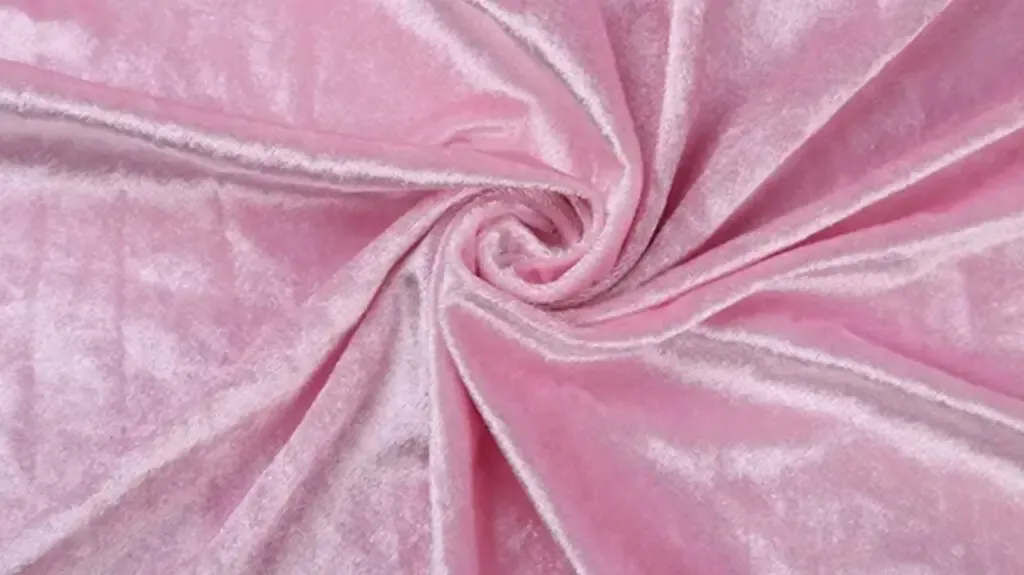
Velveteen plush can be a smart choice when you want a smooth, premium surface and stable shape.
In plush production, I like velveteen when buyers want:
- a neat “character skin” look (faces read clearly)
- clean embroidery and appliqué edges
- less messy fuzz on seams
- more structured silhouettes (the toy looks crisp, not floppy)
Many sources describe velveteen as having a shorter pile and a more matte, sturdy feel than velvet, which matches why it can work well for structured items. 維基百科+2dalstonmillfabrics.co.uk+2
For your customers, that translates into benefits:
- the plush looks “clean” in photos
- it stays presentable longer
- it feels soft without looking overly fluffy
- it can support a more “premium gift” impression
| Performance need | How velveteen helps | Best plush application | What you should specify | Customer benefit |
|---|---|---|---|---|
| Clean visual surfaces | Short pile shows details | Faces, logos, simple bodies | Pile height + density | Better shelf and photo impact |
| Shape stability | Woven base is stable dalstonmillfabrics.co.uk | Dolls, mascots, structured animals | Base stability requirement | More consistent silhouette |
| Embroidery clarity | Less fuzz interference | Eyes, mouth, badges | Embroidery backing comfort | Sharper expression |
| Lower fuzz mess | Cleaner seams and trims | Gift plush, office plush | Anti-shedding expectation | Neater long-term look |
| Premium hand-feel | Dense pile feels rich | Mid-high tier plush lines | Touch standard sample | Higher perceived value |
How does velveteen plush perform in durability, care, and color retention?
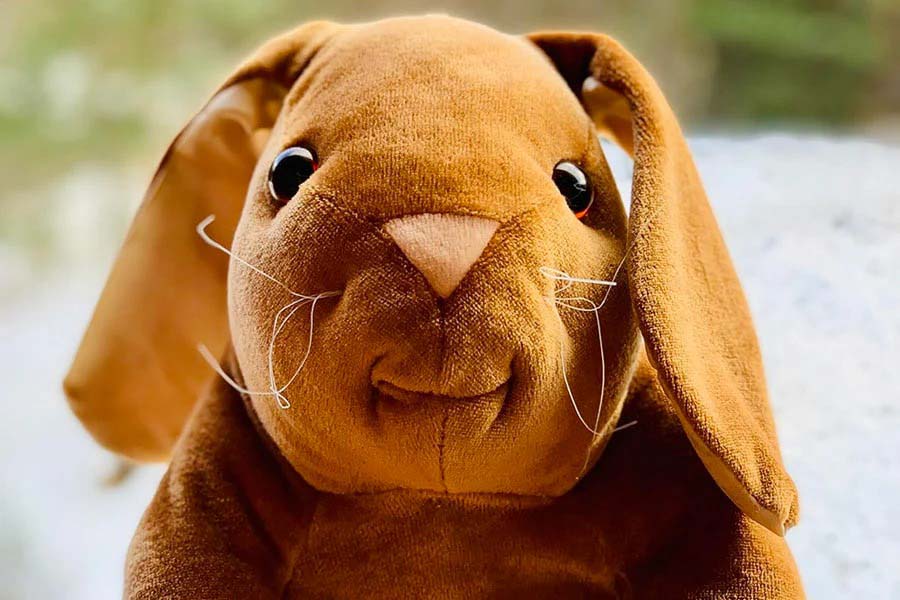
Buyers often ask me: “Will it stay nice after use?” The answer depends on the exact velveteen spec, but the typical behavior is:
- Durability: velveteen’s shorter pile often shows fewer dramatic “fluff failures” than long pile, because there is less height to mat down. Some fabric guides also highlight velveteen as a practical, durable option in comparison discussions. Sewing Machine Fun+1
- Care: because it is a pile fabric, it can show pressure marks if compressed badly. Good packaging and correct brushing/steam guidance can help.
- Color retention: cotton velveteen is often praised for strong dye uptake, but colorfastness still depends on dye class and finishing. Dharma Trading Co.
For your brand, the best commercial strategy is to set clear care expectations:
- gentle wash guidance if the toy is washable
- avoid high heat that can flatten or mark the pile
- store without heavy compression for gift-style plush
| Care/durability topic | What typically happens | What improves results | What to avoid | Buyer-facing advantage |
|---|---|---|---|---|
| Abrasion wear | Surface can polish slightly | Higher pile density, good finishing | Rough brushing tools | Keeps premium look longer |
| Pressure marks | Can show “nap” changes | Better packing, hang storage | Heavy compression | Better unboxing |
| Wash appearance | Can stay neat if controlled | Wash testing + clear label | High heat drying | Fewer complaints |
| Color retention | Often strong if dyed well Dharma Trading Co. | Colorfast dyes + testing | Uncontrolled dye lots | Stable brand colors |
| Seam appearance | Looks clean due to low pile | Good stitch tension | Overstretch sewing | Better photo consistency |
What safety, compliance, and sourcing considerations apply to velveteen plush?
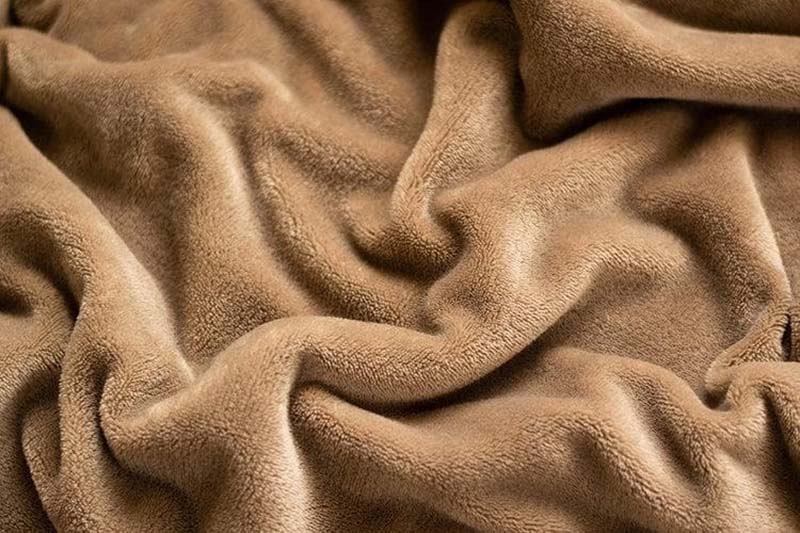
Velveteen plush is still a textile material in a children’s product category, so you should treat it like any other toy fabric: control chemical safety, stability, and traceability.
For B2B buyers, I recommend you focus on six sourcing controls:
- Fiber and finish disclosure
You need clear information on fiber content and any finishing (softeners, coatings). - Color and print safety
Dyes and prints must meet your target market’s restricted substance expectations. - Color lot control
Velveteen can show shade differences under light. Lock a color standard and manage dye lots. - Pile stability and shedding check
Low pile usually sheds less than fuzzy long pile, but you still need rub testing. - No hidden substitutions
If a supplier swaps “velveteen-like” fabric (velour or minky), your hand-feel and compliance file can break. - Documentation for your market
Your USA/EU programs typically require consistent material documentation and testing planning based on the final product’s age grading and components.
| Risk area | What can go wrong | What you should request | How we control it at Kinwin | Your benefit |
|---|---|---|---|---|
| Material substitution | “Looks similar” fabric swapped | Approved material list | Locked supplier + incoming checks | Stable reorders |
| Chemical compliance | Finish or dye fails limits | Test reports or declarations | Material traceability | Lower compliance risk |
| Shade inconsistency | Panels look two-tone | Lab dip / swatch standard | Lot control + pairing | Cleaner brand image |
| Pile shedding | Dusty feel, messy seams | Rub/shedding test | Process QC checkpoints | Better reviews |
| Care mismatch | Customers wash wrongly | Clear care label language | Care validation in sampling | Fewer returns |
| Supply continuity | Fabric not available later | Alternative plan options | Dual-source planning | More stable long-term line |
Conclusion
A good velveteen plush choice gives you a smooth premium look, stable shape, and reliable production consistency when specs and sourcing are controlled. At Kinwin, we help global buyers select compliant velveteen plush, lock material standards, and produce plush toys that stay attractive across reorders. Contact us at [email protected] or visit kinwintoys.com to discuss your next project and explore how our factory can support your success.