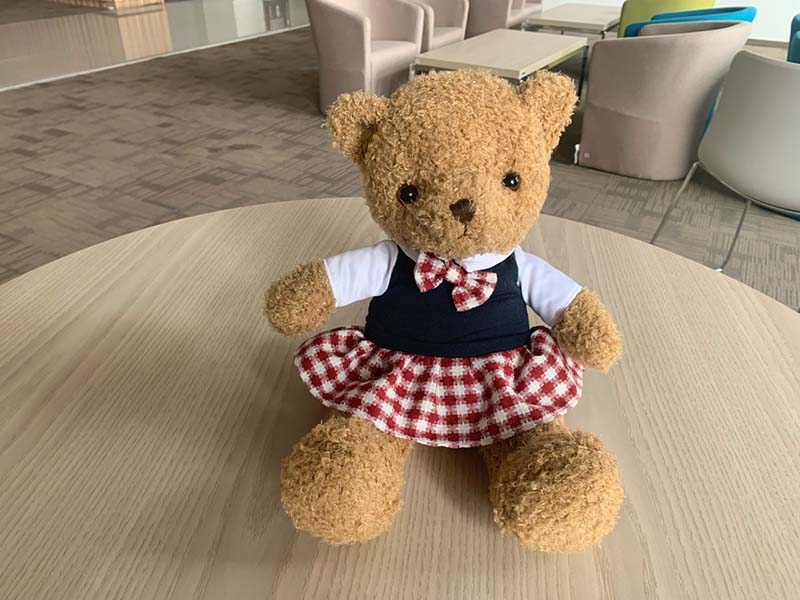
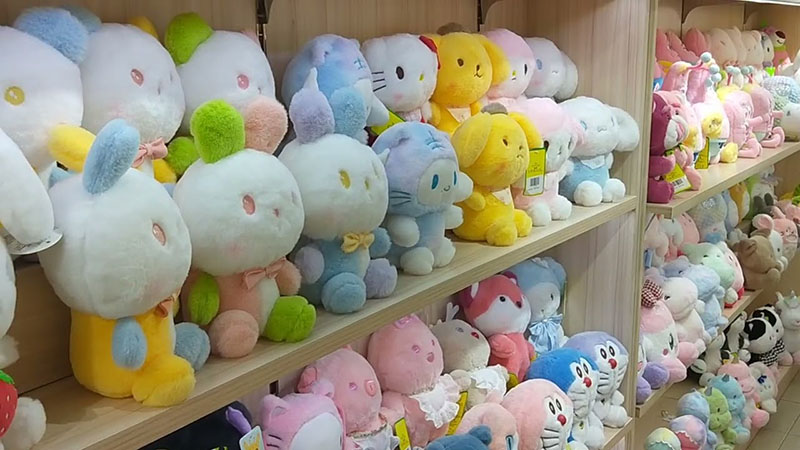
When buyers say “ultra plush,” they want extra-soft, deep-cushion fabric that looks premium and feels cloud-like on skin. I’m Amanda from Kinwin in China. Below I explain what “ultra plush” really means, how it differs from normal plush, the fibers and structures behind that feel, how GSM and pile height change performance, where to use it, and how we test quality for export markets.
What does the term “ultra plush” mean in fabric and product design?
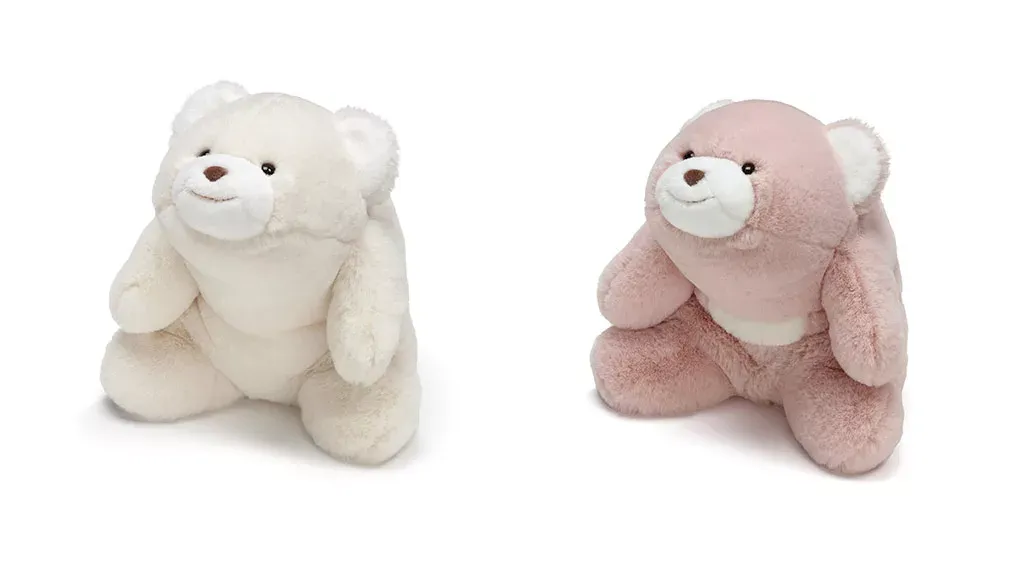
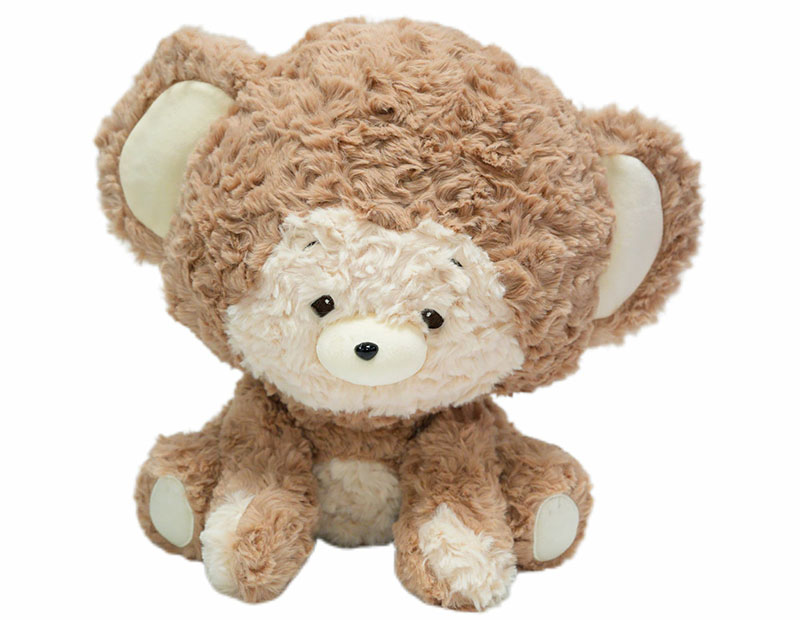
In product design, ultra plush is a fabric with very fine fibers, dense pile, smooth compression, and quick rebound. It hides hard edges, photographs with a soft glow, and signals “comfort tier” in toys, blankets, and loungewear. Practically, this means higher GSM, taller or denser pile, clean finishing (low lint, color stability), and a stable knit backing so the pile stands upright after washing and use.
Definition snapshot
| Attribute | Ultra Plush (What it implies) | Buyer Benefit |
|---|---|---|
| Hand-feel | Deep cushion, buttery glide, no scratch | Instant premium perception |
| Compression | Smooth press, quick recovery | Shape holds after hugs & wash |
| Visual | Soft sheen, soft-focus texture | Better lifestyle photos |
| Build | High GSM + dense/taller pile + stable backing | Long-term comfort and durability |
| Typical use | Premium toys, throws, robes, baby loveys (short pile) | Comfort and gift appeal |
How does ultra plush differ from standard plush in texture and density?
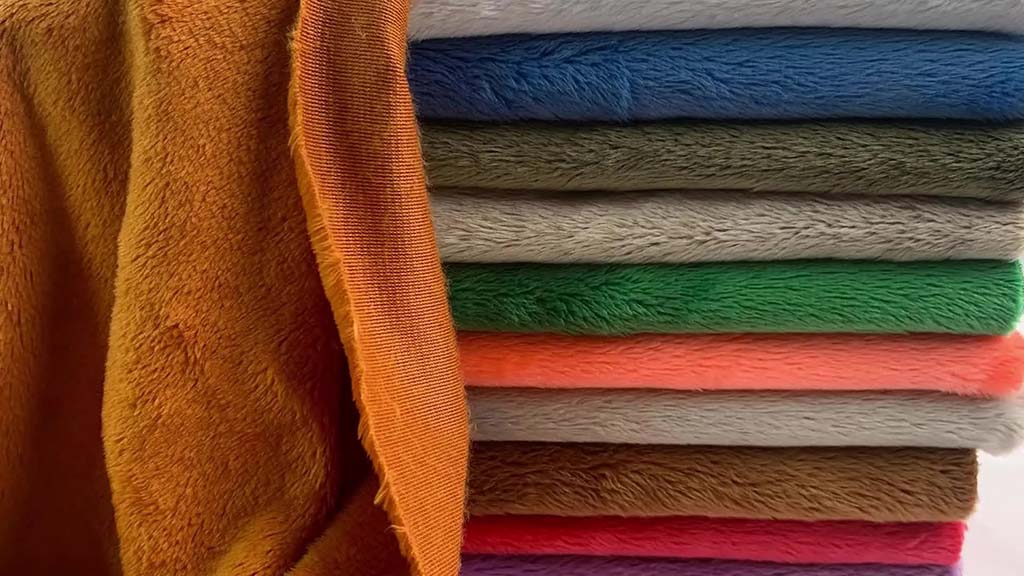
Compared with standard plush, ultra plush uses finer microdenier fibers and higher stitch density. The surface feels “quiet” (less scratch), the body feels weightier, and seams print less through the pile. Backing quality is critical: a firmer, elastic base supports pile uprightness and reduces matting.
Ultra vs standard plush
| Feature | Ultra Plush | Standard Plush | Practical Effect in Toys |
|---|---|---|---|
| Fiber fineness | Microdenier (≈0.5–0.9D) | 1.0–3.0D | Silky glide; fewer prickly tips |
| Pile profile | Medium-high & dense | Short-mid & moderate | Rounder silhouette; hides seams |
| Backing | Stable warp/circular knit | General knit backing | Better recovery, less collapse |
| Lint control | Tight finishing, low lint | Basic tumble finish | Cleaner after multiple washes |
| Weight feel | Heftier hand (higher GSM) | Lighter hand | More “luxury” impression |
What fiber types and pile constructions create an ultra-soft feel?
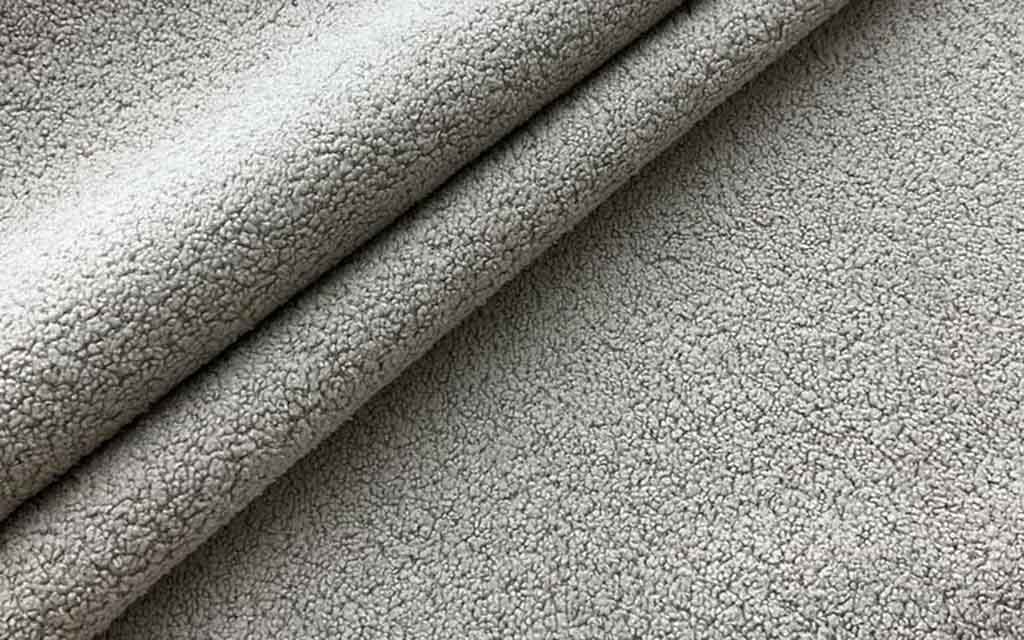
Ultra plush usually comes from microfiber polyester or micro-nylon blends with dense warp-knit (tricot/raschel) or high-gauge circular knit constructions. rPET microfibers can match feel if filament quality is high. For dramatic depth, premium faux-fur uses high pile with careful shearing and brushing. We avoid low-grade acrylic where shedding risk is high, especially for toys.
Fiber & construction options
| Option | Why it feels ultra-soft | Notes for Manufacturing |
|---|---|---|
| Microfiber polyester | Fine filaments + smooth surface | Most common for toys/throws; stable dyeing |
| rPET microfiber (recycled) | Similar hand with eco claim | Use low-lint, certified suppliers |
| Micro-nylon blends | Extra glide, cool touch | Higher cost; color control needed |
| Warp-knit (tricot/raschel) | Upright pile, dimensional stability | Great for shape retention in toys |
| High-gauge circular knit | Dense, even face | Excellent cuddle blankets/robes |
| Premium faux-fur | Loft + visual depth | Strong seams; check shedding grades |
How do GSM, pile height, and finishing affect plush performance?
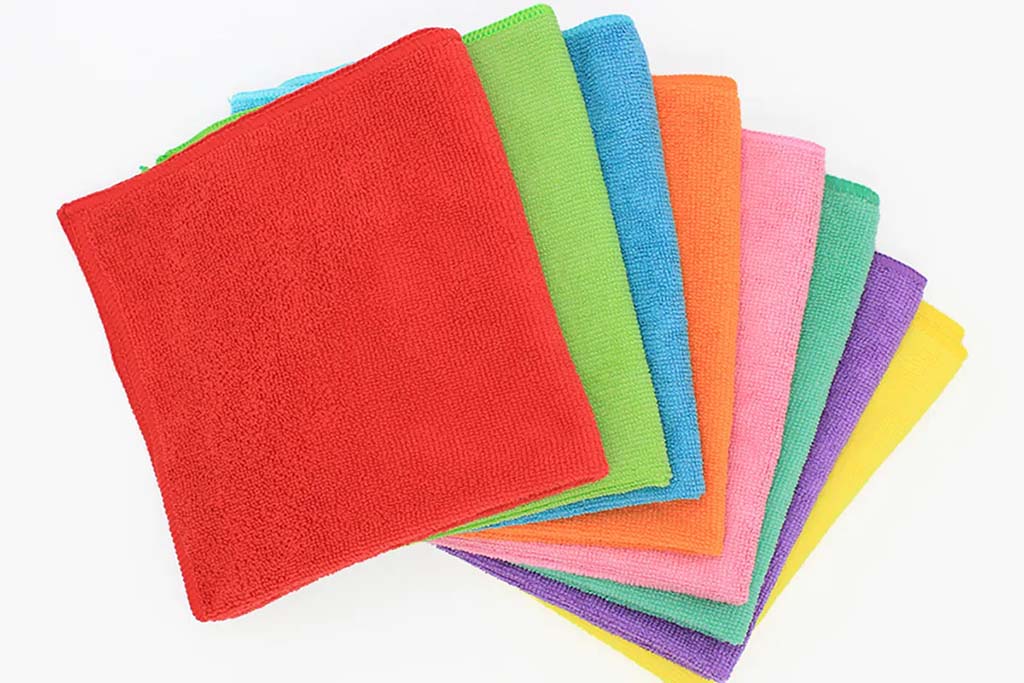
GSM adds body; pile height adds depth; finishing controls real-life behavior (pilling, lint, static, wash recovery). Ultra plush sits at higher GSM with well-set, dense pile and anti-pilling/anti-static finishes. Proper shearing + brushing give a smooth, rich hand without excessive lint.
Performance levers
| Parameter | Ultra-Plush Tuning (Typical) | What It Changes | Watch-outs |
|---|---|---|---|
| GSM (fabric weight) | 250–420+ gsm* | Heft, opacity, warmth | Heavier freight; drying time |
| Pile height | 8–20 mm* | Loft, roundness | Too tall + low density = matting |
| Stitch/pile density | High | Recovery, less show-through | Cost increase; stronger backing |
| Finishing | Shear + brush + anti-pill/static | Glide, lint control, wash look | Over-softening can shed |
| Dye/colorfastness | Toy-safe, stable systems | No bleed, crisp color | Verify wash/rub/sweat fastness |
*Ranges vary by category (toy vs blanket vs apparel).
What applications commonly use ultra plush materials in toys and textiles?
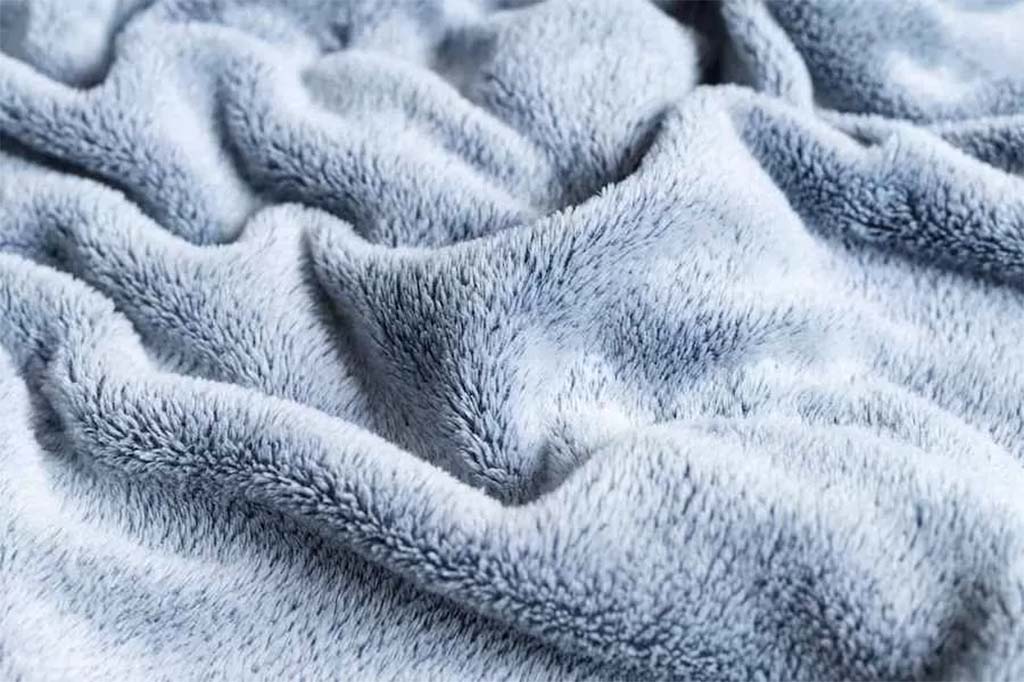
Use ultra plush wherever comfort and photo appeal drive sales: premium plush toys, baby loveys (short, ultra-soft pile), throw blankets, robes, loungewear, cushion covers, and décor accents. In toys, ultra plush softens facial planes, hides seam prints, and boosts shelf conversion. For baby items, we prefer shorter ultra piles for hygiene and low lint.
Where ultra plush shines
| Category | Why Choose Ultra Plush | Implementation Tips |
|---|---|---|
| Premium plush toys | Instant “wow” at touch and in photos | Keep face panels short-pile for crisp embroidery |
| Baby loveys/blankets | Gentle skin contact, soothing | Shorter pile, strict lint/pilling control |
| Throws & robes | Warmth + luxury hand | Validate multiple wash cycles |
| Cushions & décor | Soft-focus lifestyle look | Higher GSM for shape retention |
| Pet beds (select) | Cozy surface | Reinforce seams; check snag resistance |
How do manufacturers test and certify ultra plush fabric quality?
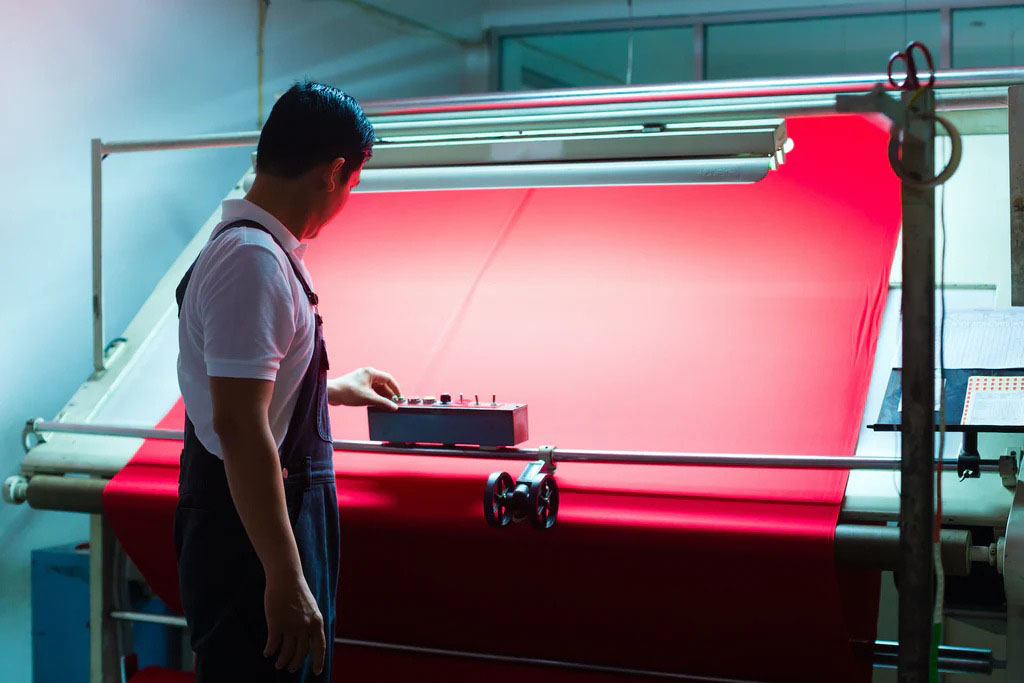
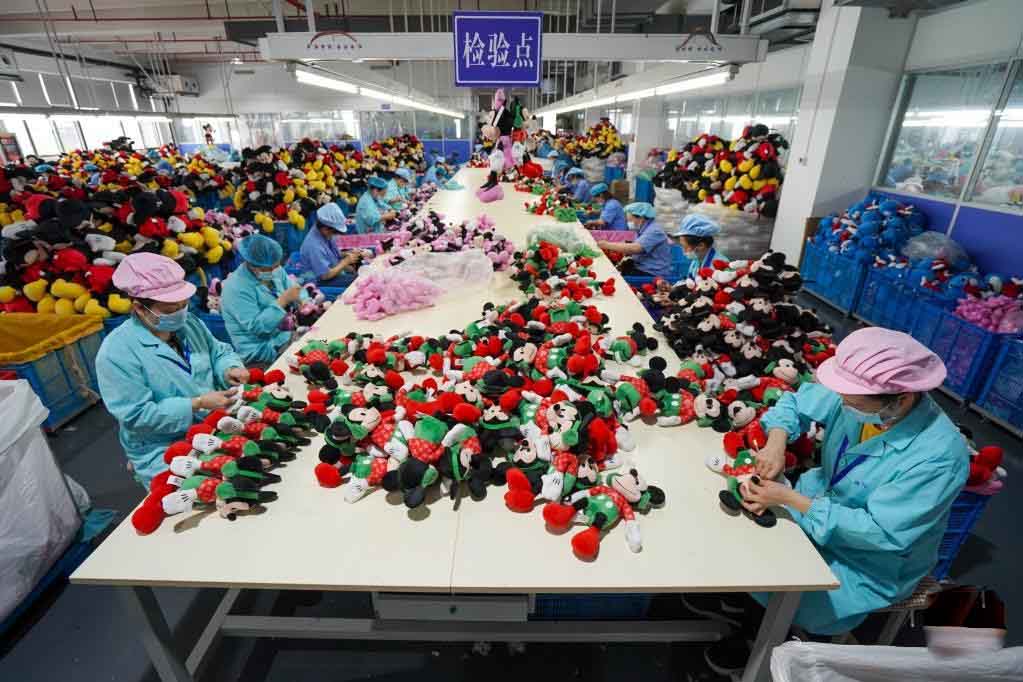
We test ultra plush before and after washing. Core checks include pilling/abrasion (e.g., Martindale), colorfastness (wash/rub/sweat), seam slippage/strength, lint/shedding, dimensional stability, and hand-feel recovery. For toys and baby lines, we confirm chemical limits and flammability per region and often add OEKO-TEX® Standard 100 on textiles plus EN 71 / ASTM F963 / CPSIA on finished products.
Quality & compliance toolkit
| Test / Certificate | Confirms | Why It Matters for Ultra Plush |
|---|---|---|
| Pilling & abrasion | Surface durability | Keeps look clean after use/wash |
| Colorfastness | Dye stability | Prevents bleed onto light fabrics/skin |
| Seam slippage/strength | Backing + stitch integrity | Stops seams opening on curves |
| Lint/shedding | Loose fiber control | Safer for toys/baby; cleaner homes |
| Dimensional stability | Shrink/warp after wash | Fit and silhouette remain true |
| Chemical/flammability | Regulated substances & flame behavior | Legal export; retailer acceptance |
| OEKO-TEX®/similar | Human-ecological safety | Extra trust for skin-contact items |
Conclusion
“Ultra plush” is not just a buzzword—it’s a spec decision: microfibers + dense pile + stable backing + smart finishing. Get GSM, pile height, and density right, then validate lint, pilling, wash recovery, and compliance. That is how your product feels luxurious on day one and still looks premium after many washes.
At Kinwin, my team and I help brands choose and test ultra plush fabrics for toys and textiles—balancing softness, durability, compliance, and cost. If you want an ultra-soft line that passes real-world use, email [email protected] or visit kinwintoys.com. We’ll tune the spec so customers say “wow” at first touch—and keep saying it months later.