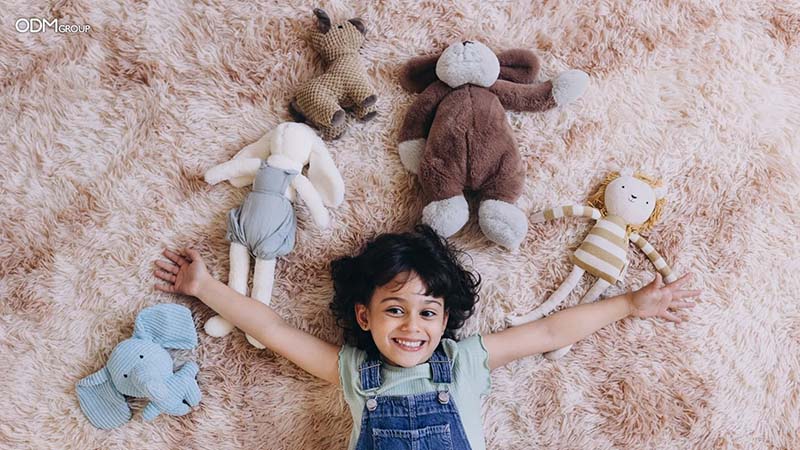
When buyers ask me, “What is the stuffing in stuffed animals called?”, they are usually asking a bigger question: What is inside my plush toys, and how does it affect safety, softness, durability, and cost?
Inside a plush toy or stuffed animal, we often use polyester fiberfill (also called polyfill) as the main stuffing material. But in modern manufacturing, there are many more options: recycled fibers, cotton, wool, memory foam pieces, microbeads, and special blends for weight or sensory effects.
In this guide, I’ll explain the main stuffing materials used today, how different fibers change the feel of a toy, how we test quality and safety, and what sourcing choices brands should make—especially if you care about sustainability and long-term value. I’ll use simple English, from my perspective as Amanda at Kinwin, a plush toy manufacturer in China.
What primary stuffing materials are used in modern stuffed animals?
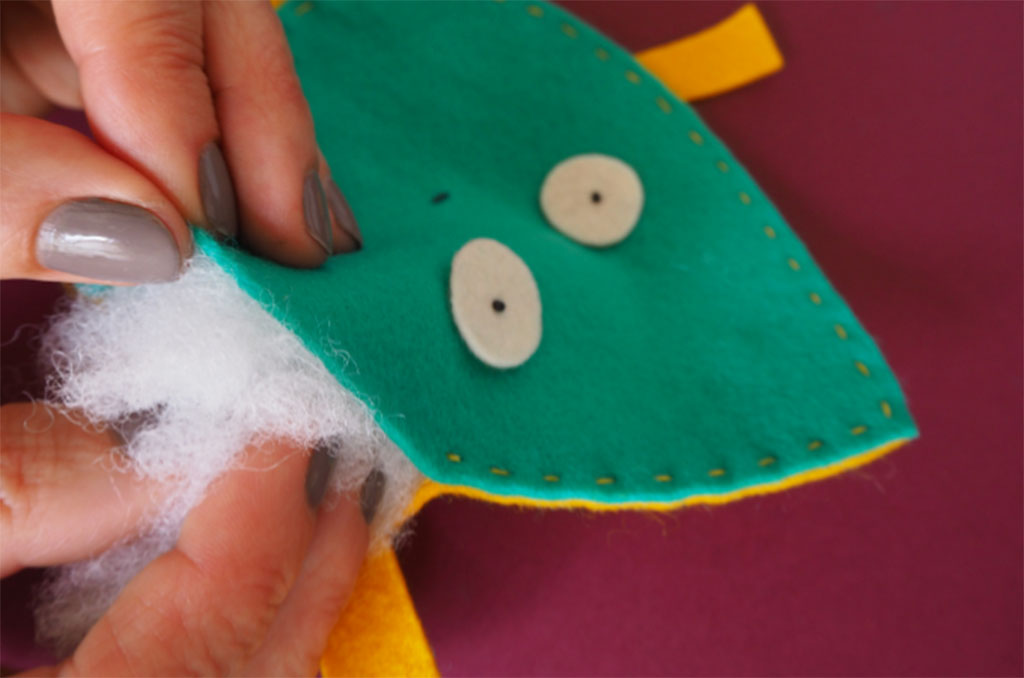
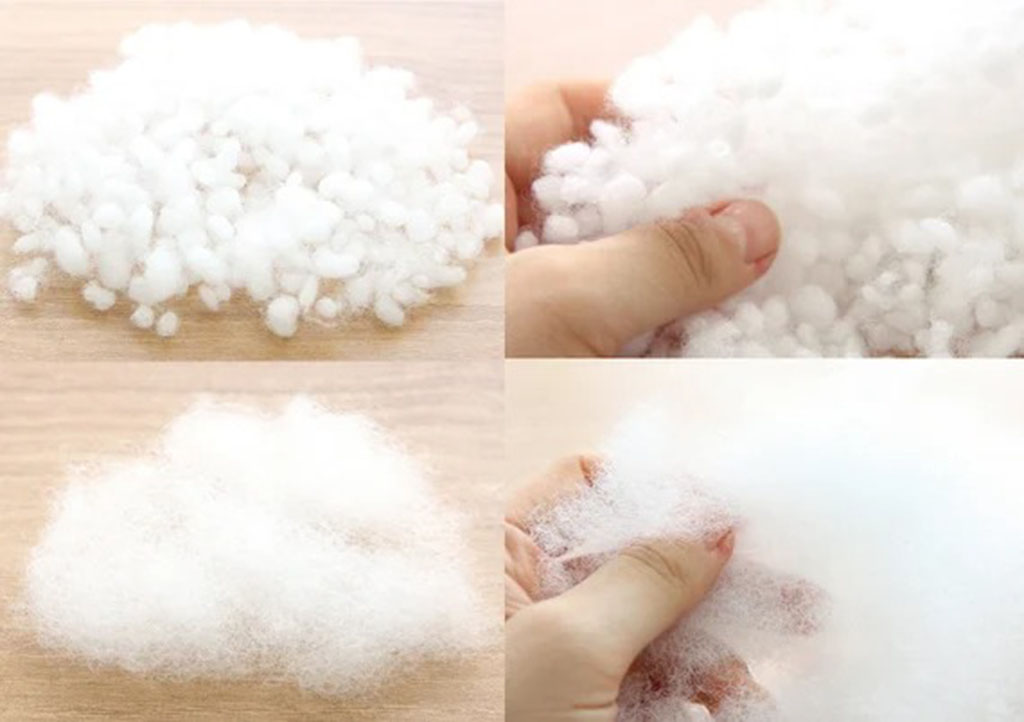
In modern stuffed toy manufacturing, the “classic” answer to this question is polyester fiberfill (polyfill). This fluffy, synthetic fiber is lightweight, resilient, and widely used in plush toys, pillows, and cushions. But in real projects, manufacturers and brands can choose from several primary stuffing materials, each with its own strengths.
The most common primary fillings include:
- Polyester fiberfill (virgin) – soft, springy, easy to machine-fill, stable quality
- Recycled polyester fiberfill (rPET) – similar to standard polyfill but made from recycled plastic bottles or industrial waste
- Natural cotton – traditional, breathable, with a natural story, but less resilient than polyester
- Wool – warm, heavy, and high-end, more often used in artisanal or premium toys
- Foam pieces / memory foam – cut foam or memory foam chunks for special support shapes and cushions
For most B2B plush projects, polyester fiberfill is still the default because it offers a reliable mix of softness, cost control, and easy compliance with EN71/ASTM standards when properly sourced and tested. Natural fillings are more niche but can be powerful storytelling elements for eco or heritage brands.
| Primary Stuffing Material | Typical Use in Stuffed Animals | Key Benefits | Main Limitations / Points to Watch |
|---|---|---|---|
| Polyester fiberfill (virgin) | Standard plush toys, pillows, cushions | Soft, resilient, lightweight, cost-effective | Petro-based, not inherently eco-friendly |
| Recycled polyester fiberfill | Eco-focused plush, sustainable collections | Similar feel to virgin poly; recycling story | Must check certifications and consistency |
| Natural cotton | Traditional dolls, eco-themed toys | Natural, breathable, traditional appeal | Heavier, less bouncy, may clump when wet |
| Wool | Premium stuffed animals, handmade toys | Warm, dense, high-end, natural | More expensive, requires careful pest and moisture control |
| Foam pieces / memory foam | Plush pillows, cushions, ergonomic plush | Good support, shape control, unique feel | Not suitable for all toy types, must be well enclosed |
If you simply need a clear name to put in your product description, “polyester fiberfill” or “polyester stuffing” is usually accurate for most modern stuffed toys. But as a brand owner, it’s important to understand what is actually inside and why.
How do different fiber types influence softness, weight, and resilience?
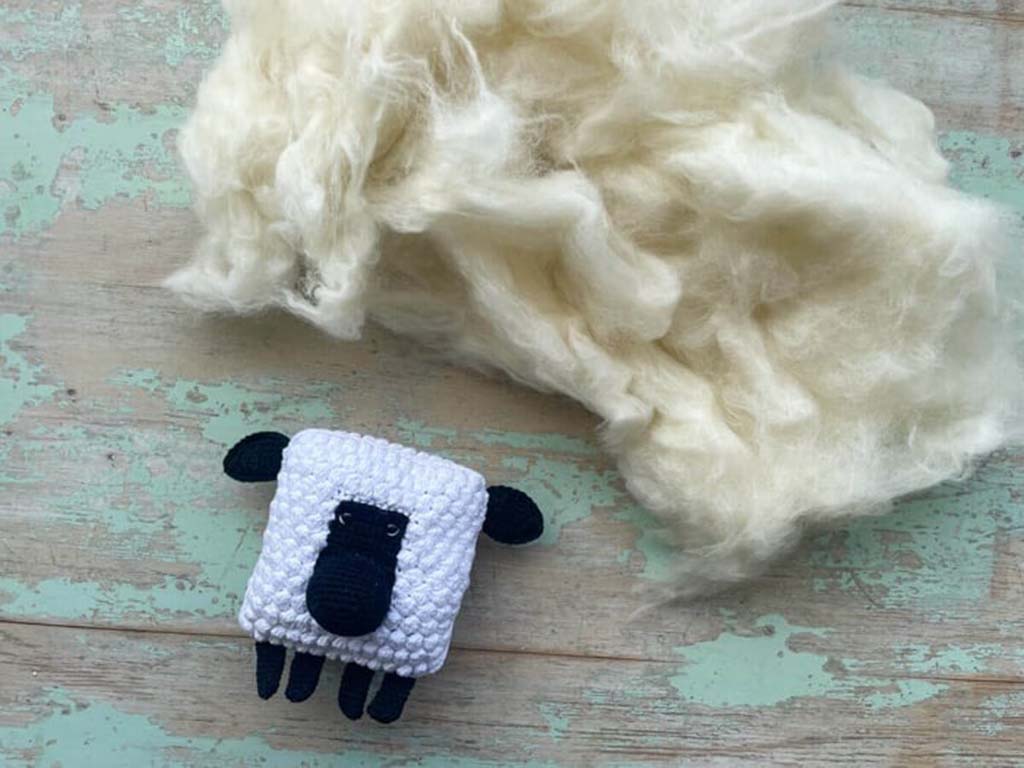
The stuffing material is like the “heart” of a stuffed toy. Even when the outer fabric is the same, changing the filling can make a toy feel softer, firmer, heavier, lighter, or more “bouncy.”
Three main performance aspects are influenced by fiber type:
- Softness – How plush and cuddly the toy feels
- Weight – How heavy or light the toy is in the hand
- Resilience – How well it returns to its original shape after squeezing or washing
Polyester fiberfill usually offers a good balance: it is soft and springy, and after squeezing, it bounces back. Fiber thickness (denier), crimp, and silicon treatment can further change the way the stuffing flows and recovers. Finer fibers and silicone-treated fibers feel smoother and silkier; thicker fibers feel a bit “bulkier” and firmer.
Recycled polyester fiber can be engineered to have very similar properties to virgin polyester. The difference is mostly in the environmental story and sometimes slight changes in feel, depending on the supplier’s technology.
Cotton and wool feel heavier and denser. Cotton gives a more “traditional” soft firmness, while wool can feel warm and substantial. However, both tend to compress more over time and may not spring back as well as synthetic fills, especially under heavy use.
Foam and memory foam add structural resilience and support. They are less “fluffy” but very good for shaped cushions and plush that need to hold a form (e.g., neck pillows, ergonomic plush).
| Fiber Type | Softness Level (Typical) | Weight Feel | Resilience (Shape Recovery) | Best Application Focus |
|---|---|---|---|---|
| Standard polyester fiber | Medium-soft to soft | Light | Good (bounces back) | General plush toys, most retail stuffed animals |
| Microfiber polyester | Very soft, silky | Light | Good to very good | Premium plush, baby toys, high-end gift items |
| Recycled polyester | Soft to medium-soft (depends on process) | Light to medium | Good (if well engineered) | Eco-lines, sustainable branding |
| Natural cotton | Medium-soft, slightly denser | Medium | Medium (can compact) | Traditional toys, “natural” story products |
| Wool | Medium-firm, cozy | Medium to heavy | Medium (can pack down over time) | Premium, handmade, craft-style plush |
| Foam / memory foam pieces | Medium to firm support | Medium | Very good within designed shape | Cushions, ergonomic plush, support pillows |
For your brand, the right choice depends on your target customer and product positioning. Baby and comfort plush often demand the softest microfiber-type polyester. Decorative or premium plush may accept heavier, “luxury” fills that feel more solid.
Which specialty fillings create unique textures and functional effects?
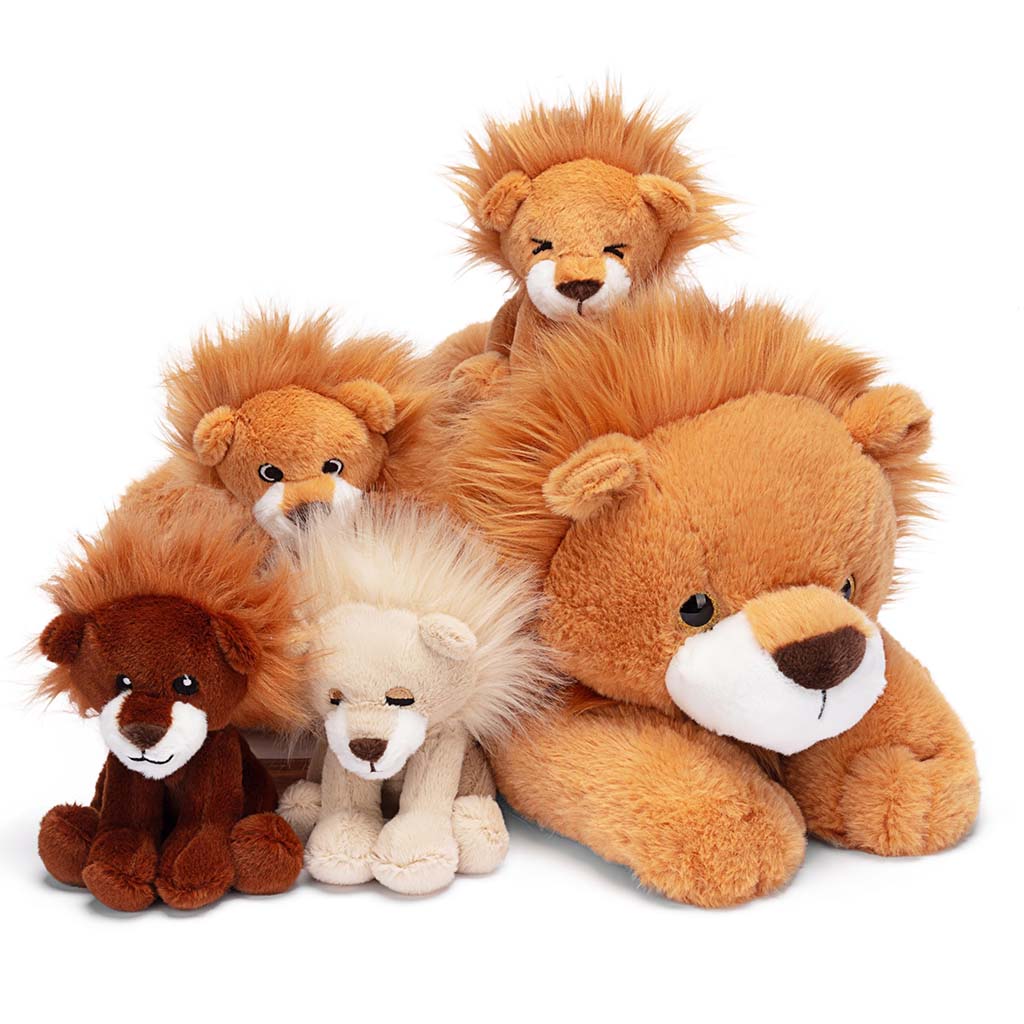
Beyond basic fiberfill, there is a whole world of specialty fillings that can give your stuffed animals unique textures, sounds, or functions. These are often used in combination with standard stuffing to achieve a specific effect.
Common specialty fillings include:
- Plastic pellets / beads – To add weight and a “bean bag” feel in paws, bottoms, or entire bodies
- Glass beads – For very fine, heavy, and stable weighting in high-end or therapeutic plush
- Crinkle paper / film – To create a soft “crinkle” sound in baby toys and sensory plush
- Rattles, squeakers, sound modules – To add audio feedback when squeezed or shaken
- Aromatic fillings (e.g., dried lavender in inner pouches) – For scented or relaxation-focused plush
- Gel packs or hot/cold inserts – For therapeutic or comfort plush that can be cooled or warmed (always safely enclosed)
These fillings are normally kept inside internal pouches or separate chambers so they do not leak or interfere with soft fiberfill. Good design keeps specialty fillings in the right place while the rest of the toy remains soft and safe to hug.
| Specialty Filling Type | Texture / Functional Effect | Typical Use in Toys | Safety / Design Notes |
|---|---|---|---|
| Plastic pellets / beads | Weighted, “grainy”, beanbag feel | Weighted bottoms, paws, sensory toys | Must be fully enclosed in inner bags and pass small parts tests |
| Glass beads | Very fine, heavy, stable weighting | High-end plush, weighted therapy plush | Extra care for strength of inner pouch and seams |
| Crinkle paper / film | Soft crackling sound when squeezed | Baby toys, sensory wings/ears, books | Must be safe, non-sharp, and securely stitched |
| Rattles / squeakers | Sound feedback on shake or squeeze | Baby plush, pet toys, playful character plush | Secure casing and placement; age-grading important |
| Sound modules (music/voice) | Music, voice messages, recorded sounds | Gift plush, branded mascots, story-type toys | Accessible battery compartments only for older ages; safety screws |
| Aromatic fillings (herbs) | Gentle scent when squeezed or warmed | Relaxation plush, adult comfort gifts | Inner pouches; watch for allergies and regulations |
| Hot/cold gel packs | Temperature therapy, comfort | Specialty comfort plush, medical support items | Use removable, tested packs; clear instructions required |
If you want a unique plush concept, specialty fillings can make your toy stand out. But they also add complexity in testing and compliance. Always work with a manufacturer who understands safety rules for weighted toys, sound modules, and young children’s products.
How is stuffing quality evaluated for safety and durability?
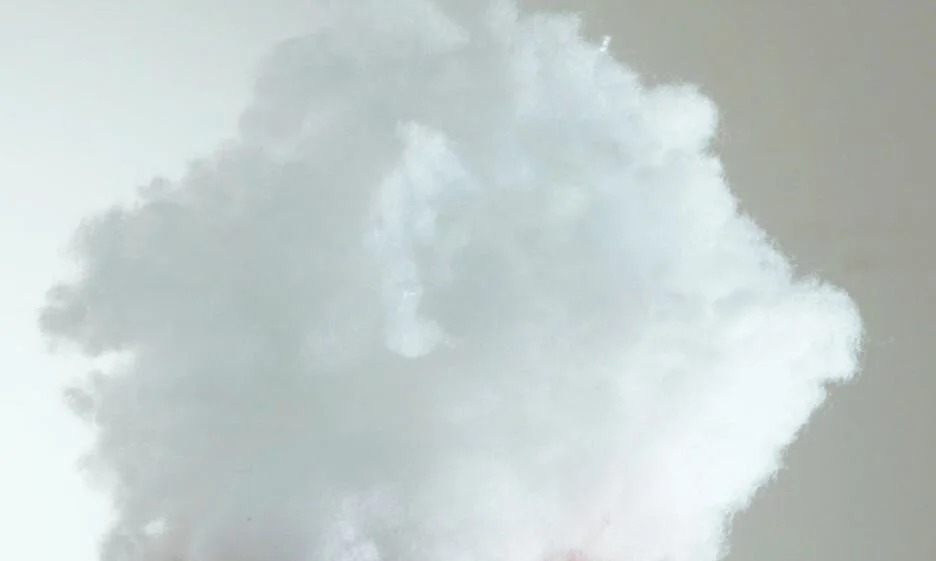
Even if the basic material is “polyester fiberfill,” quality can still vary a lot. For safe, durable stuffed animals, we look at stuffing quality from two angles:
- Material safety and cleanliness
- Performance inside the toy over time
On the safety side, stuffing must:
- Be free from sharp contaminants (like metal fragments)
- Meet chemical safety limits (e.g., no harmful chemicals, no dangerous heavy metals in dye residues)
- Be suitable for the product’s age grade (especially for infants and toddlers)
On the performance side, good stuffing should:
- Compress and recover shape without clumping
- Not migrate excessively in the toy, leaving “empty” spots
- Stay inside the toy, without fibers poking through seams or fabric
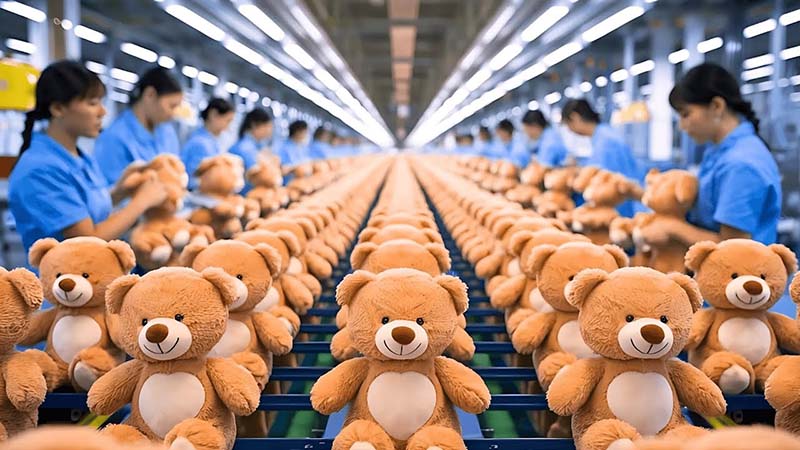
In a factory like ours, we look for stuffing that has consistent fiber length, crimp, and loft (fluffiness). In production, we also distribute the stuffing evenly and make sure seam allowance and fabric strength are correct so the toy can withstand tugging and hugging.
For export toys, stuffing is indirectly tested in EN71/ASTM and similar standards through:
- Mechanical and physical tests – seam strength, stuffing containment
- Flammability tests – some rules may apply to fillings as part of the overall toy
- Chemical tests – to check for harmful substances in components, including fillings when relevant
| Quality Aspect | How We Evaluate It in Practice | Why It Matters for the Finished Toy |
|---|---|---|
| Cleanliness & contamination | Supplier documentation, visual checks, metal detection where needed | Avoids foreign objects and safety hazards |
| Fiber uniformity | Check fiber fineness, crimp, and loft consistency | Ensures even softness and predictable stuffing behavior |
| Clumping / matting risk | Compress and release tests, simple washing tests | Prevents lumpy toys after use or washing |
| Resilience & recovery | Repeated squeeze tests, simulated shipping compression | Helps toys keep their shape on shelves and at home |
| Stuffing containment | Seam strength tests, internal fabric checks | Prevents stuffing leaks and choking hazards |
| Chemical safety | Lab tests as part of toy safety testing | Meets EN71 / ASTM / CPSIA and retailer/platform requirements |
As a buyer, you can ask your manufacturer simple but powerful questions like:
- “What stuffing do you use as standard for my age group and market?”
- “Do you have test reports or previous products using the same fill that passed EN71/ASTM?”
This quickly shows whether the supplier sees stuffing as a serious component or just an afterthought.
What sourcing factors guide the selection of suitable stuffing materials?
Choosing stuffing materials is not just a technical decision. It is also a sourcing and brand strategy decision. The “best” stuffing for your project depends on:
- Target market and age group – Baby products, pet toys, decor plush, and premium collectibles all have different needs.
- Product purpose – Is it mainly for hugging, display, functional support, or branding/gifting?
- Price point and margin – You need a stuffing that fits your target retail price.
- Compliance requirements – Some markets or retailers may prefer specific material types or certifications.
- Supply stability – Can your fill supplier support large and repeated orders consistently?
In most cases, we start with a standard polyester fiberfill for mainstream plush toys, and then adjust according to the brand’s story and budget. For eco-themed ranges, we might switch to recycled polyester. For a very premium line, we might choose ultra-soft microfibre fill to create an extra-luxury handfeel.
| Sourcing Factor | Questions to Consider | Impact on Stuffing Choice |
|---|---|---|
| Target user and age group | Is this for babies, kids, adults, or pets? | Drives softness, safety level, and type of specialty fills |
| Product role | Hug toy, decor, therapy, branding, collectible? | Determines whether you prioritize softness, weight, or structure |
| Price & budget | What is my target retail price and margin? | Influences whether you choose standard, upgraded, or specialty fills |
| Safety & compliance | Which markets and standards do I need to meet? | Affects need for specific documentation and tests |
| Brand story & values | Do I want to highlight eco, natural, or technical benefits? | May push you towards recycled or natural fills |
| Supply chain stability | Can my supplier provide the same fill every order? | Avoids variation in feel and product reviews over time |
When you work with a manufacturer, it helps to clearly state your priorities: “Softest possible,” “eco and recycled,” “firm for decor,” or “weighted for special function.” This will guide stuffing choices and avoid surprises in the first samples.
How do sustainability trends shape the development of eco-friendly fillings?
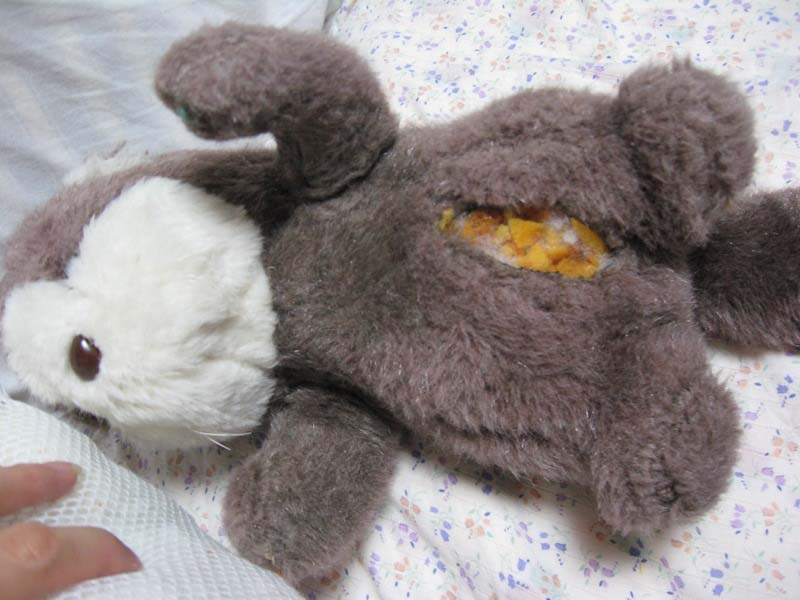
Sustainability is now a major theme in toy and textile sourcing. Stuffing is an important part of this conversation, because it is a big volume material inside each plush toy. Many brands now ask not only “What is the stuffing called?” but also “Is it eco-friendly?” and “Can we show this in our marketing?”
Key sustainability trends in stuffing include:
- Recycled polyester fiberfill (rPET) – Produced from recycled plastic bottles or recycled polyester waste. When properly certified (for example, GRS), it allows brands to claim a reduced environmental footprint.
- Bio-based or plant-based fibers – Experimental fills that partially replace petroleum-based components, still less common but emerging.
- Natural fills with certified sourcing – Organic cotton, responsibly sourced wool, or other plant fibers for niche products.
- Circular design thinking – Considering how easy it is to recycle or separate materials at the end of the toy’s life.
Eco-friendly options must still pass the same safety and performance tests as conventional stuffing. Sometimes, more testing is needed at the start to ensure that the new material does not shrink, clump, or fail safety standards.
From a brand perspective, sustainability-focused stuffing can support:
- ESG and CSR goals
- Stronger storytelling on product pages and packaging
- Premium positioning in “green” and eco-conscious channels
| Eco / Innovation Direction | Example Filling Type or Concept | Benefits for Brand & Environment | Key Considerations Before Adoption |
|---|---|---|---|
| Recycled polyester (rPET) | Fiberfill made from recycled bottles | Reduces virgin plastic use, strong marketing story | Confirm certifications and stable quality |
| Bio-based / partial bio-fill | Fibers with bio-derived content | Future-oriented image, lower fossil content | Check durability, cost, and testing requirements |
| Organic / certified natural | Organic cotton or certified wool fill | Strong natural/ethical story | Higher cost, risk of compaction; needs pest/moisture control |
| Hybrid fills | Mix of recycled poly and specialty beads | Balances eco story with specific functional effects | Extra design work and safety validation |
| Circular design approach | Fill easily separated from shell | Easier recycling at end-of-life | Needs planning in product design and labels |
If you want to move into eco-fillings, the best path is often to start with recycled polyester fiberfill for key product lines. It offers a relatively smooth technical transition and a clear, understandable story for customers. Then you can explore more experimental blends and natural options for special collections.
Conclusion
The stuffing inside a plush toy may be invisible, but it decides how safe, soft, durable, and lovable that toy will be. A well-chosen filling supports your brand story, your price point, and your long-term reputation in the market. At Kinwin, we help global buyers select and test stuffing materials—from standard polyester fiberfill to recycled eco options and specialty fillings—so every stuffed animal feels just right in the customer’s hands and meets EN71, ASTM, and other safety standards. If you are planning a new plush project or want to upgrade the filling in your current range, you are welcome to contact me at [email protected] or visit kinwintoys.com so we can explore the best stuffing solutions for your brand.