Skip to content
Weighted plushies have been showing up everywhere lately — on social media, in wellness stores, on Amazon bestseller lists, and in therapeutic settings. But for many people, the question is still a simple one: what is the actual point of them?
It is a fair question. On the surface, a weighted plushie looks like any other stuffed animal. The difference is not visible — it is something you feel the moment you pick one up. And that feeling is exactly where the value lies.
For buyers, brands, and retailers considering this product category, understanding why weighted plushies work — and why demand for them continues to grow — is the foundation of building a successful product. This guide breaks down the purpose, benefits, and commercial opportunity behind weighted plushies in a way that is practical for both consumer and B2B audiences.
What Are Weighted Plushies and How Are They Different from Regular Plush Toys?
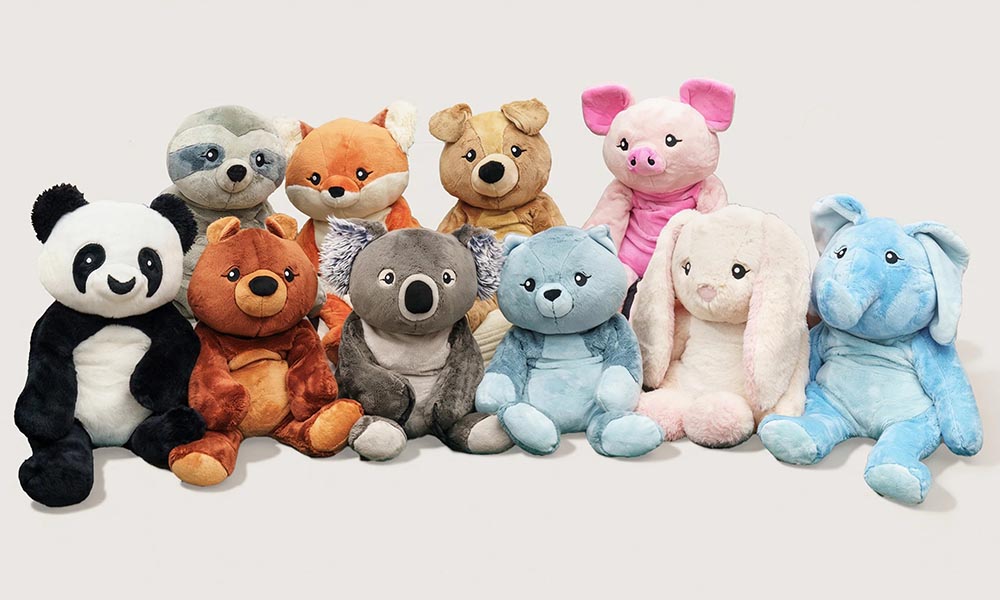
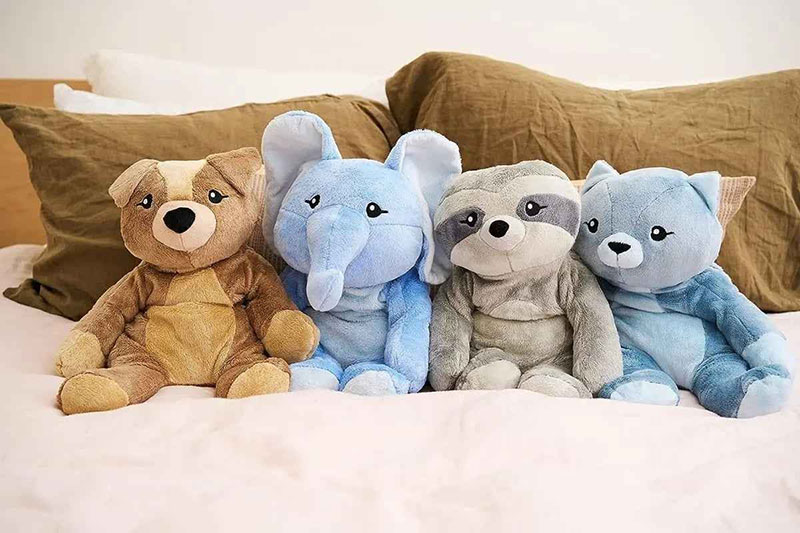
At first glance, a weighted plushie looks almost identical to a standard stuffed animal. Same soft outer fabric, same familiar shapes — bears, cats, dogs, bunnies. But inside, the construction is fundamentally different, and that difference is what defines the product’s purpose.
A weighted plushie is a soft toy that contains additional internal weight — typically in the form of glass beads, plastic pellets, or steel beads — distributed throughout the body to create a gentle, consistent pressure when held or placed on the body. Unlike regular plush toys, which are filled primarily with lightweight PP cotton for shape and softness, weighted plushies are engineered to deliver a specific physical sensation that has measurable effects on the nervous system.
Here is a direct comparison of weighted versus standard plush toys:
| Feature | Standard Plush Toy | Weighted Plushie |
|---|---|---|
| Primary filling | PP cotton | Glass beads + PP cotton |
| Weight | Very light (100–300g typical) | Heavier (500g–3.5kg typical) |
| Main purpose | Decorative, play, emotional comfort | Therapeutic, stress relief, sleep support |
| Target user | Primarily children | Children and adults |
| Internal structure | Simple single-chamber fill | Compartmentalized for even weight distribution |
| Design priority | Appearance | Appearance + function |
| Price point | Low to mid | Mid to premium |
| Market positioning | Toy category | Wellness and lifestyle category |
The internal structure is one of the most important technical differences. In a high-quality weighted plushie, the filling is divided into multiple small compartments stitched into the inner lining. This prevents the beads from shifting and ensures the weight is distributed evenly across the body of the toy. In lower-quality products, the filling moves freely, creating uneven pressure that reduces both comfort and effectiveness.
The weight itself is carefully calibrated. Too light and the product delivers no meaningful sensation. Too heavy and it becomes uncomfortable rather than calming. For most adult users, the effective range sits between 1.5kg and 3.5kg depending on the usage scenario and individual preference. This calibration — getting the weight exactly right for the intended user — is one of the core design challenges in weighted plushie development.
For buyers and brands, this distinction matters because weighted plushies occupy a fundamentally different market position than standard plush toys. They are not competing primarily on cuteness or price. They are competing on function, quality, and the credibility of the wellness benefit they claim to deliver.
How Do Weighted Plushies Work to Reduce Stress and Anxiety?
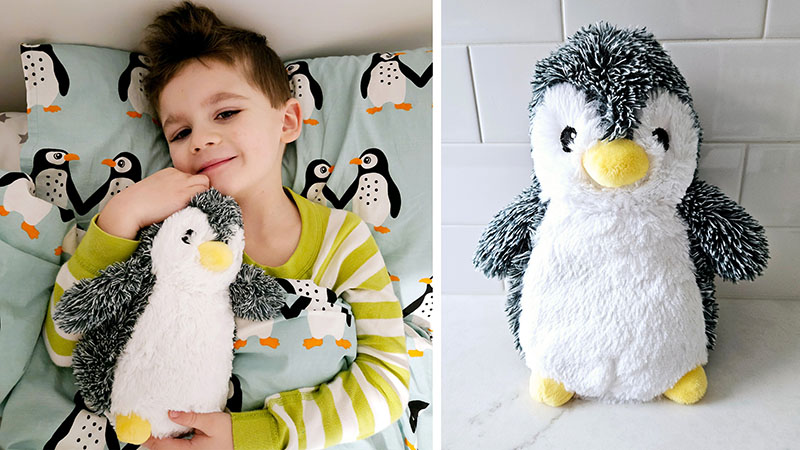
The calming effect of a weighted plushie is not just a marketing claim. It is grounded in a well-established therapeutic principle called deep pressure stimulation — the same mechanism behind weighted blankets, which have been used in occupational therapy for decades.
Weighted plushies work by applying gentle, distributed pressure to the body through a process known as deep pressure stimulation. This pressure activates the parasympathetic nervous system — the part of the nervous system responsible for the body’s rest and recovery state. The result is a measurable reduction in cortisol, the primary stress hormone, and an increase in serotonin and dopamine, which are associated with feelings of calm, comfort, and wellbeing.
Here is how the mechanism works across the body’s systems:
| Body System | Effect of Deep Pressure Stimulation | User Experience |
|---|---|---|
| Nervous system | Activates parasympathetic response | Shift from stressed to calm state |
| Hormonal system | Reduces cortisol, increases serotonin | Reduced anxiety, improved mood |
| Cardiovascular | Slows heart rate | Physical relaxation |
| Muscular | Reduces muscle tension | Body feels less tight and tense |
| Sleep system | Supports melatonin regulation | Easier sleep onset |
The sensation created by a weighted plushie is often described as similar to a hug — and this is not a coincidence. Human touch naturally activates the parasympathetic nervous system, and deep pressure stimulation mimics this effect even when another person is not present. For people who experience anxiety, sensory sensitivity, or difficulty sleeping, this portable, always-available form of gentle pressure can make a meaningful difference in daily quality of life.
What makes weighted plushies particularly effective compared to weighted blankets is their flexibility of use. A blanket works well in bed but is not practical at a desk, on a sofa, or while traveling. A weighted plushie can be held, placed on the lap, or hugged in almost any setting — at home, in an office, or on a flight. This versatility extends the therapeutic benefit into more moments of daily life, which is one of the core reasons the category has grown so rapidly among adult consumers.
The effectiveness of the product, however, is not automatic. It depends on how well the weight is distributed, how appropriate the weight is for the user, and how the product is designed to interact with the body. A poorly constructed weighted plushie with shifting, uneven filling will not deliver consistent pressure — and without consistent pressure, the calming effect is significantly reduced. This is why construction quality is directly tied to therapeutic effectiveness, not just product durability.
What Are the Main Benefits of Using a Weighted Plushie for Adults and Children?
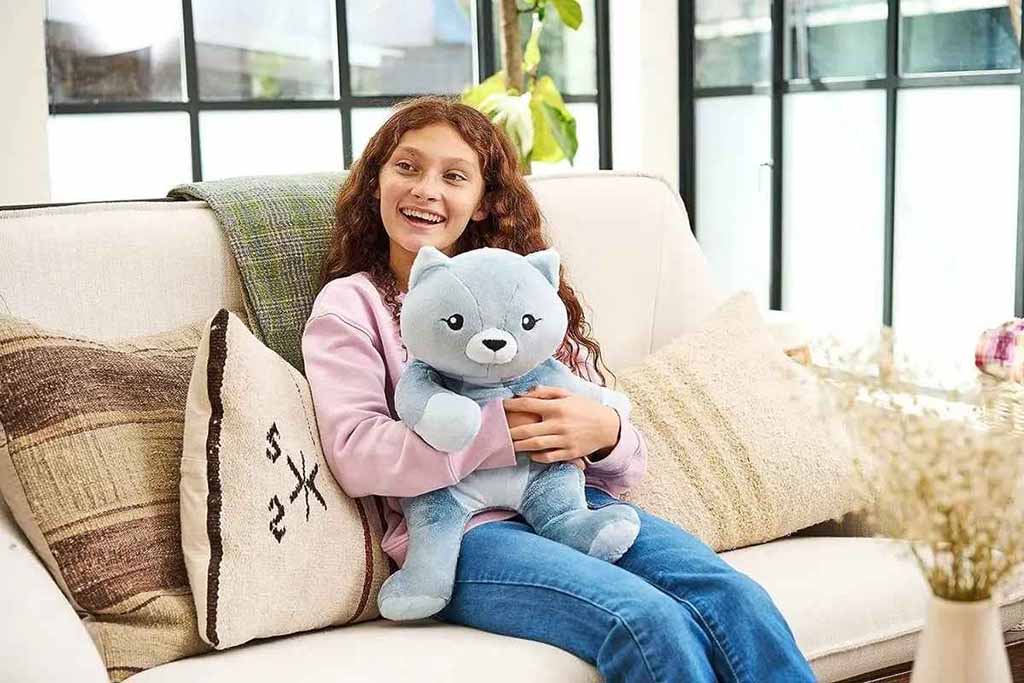
Weighted plushies serve different purposes depending on who is using them and how. For children, they are often used in therapeutic or educational settings. For adults, they are increasingly integrated into daily wellness routines. Understanding these different benefit profiles is important for buyers positioning products in specific market segments.
The main benefits of using a weighted plushie include anxiety reduction, improved sleep quality, sensory regulation, emotional comfort, and stress relief during daily activities. These benefits apply across different user groups, though the specific applications and design requirements vary between children and adults.
Here is a breakdown of key benefits by user group:
| Benefit | How It Works | Most Relevant For | Design Implication |
|---|---|---|---|
| Anxiety reduction | Deep pressure calms nervous system | Adults, teens, sensory-sensitive users | Consistent weight distribution essential |
| Better sleep | Promotes relaxation before and during sleep | Adults, children with sleep difficulties | Weight range and size must suit sleep use |
| Sensory regulation | Provides grounding input for sensory processing | Children with sensory needs, autism spectrum | Safe materials, no small parts |
| Emotional comfort | Familiar form creates sense of security | All age groups | Character design drives emotional connection |
| Daily stress relief | Provides calming tool during work or rest | Adults in high-stress environments | Portable size, office-appropriate design |
| Focus support | Grounding pressure helps with concentration | Children, adults with ADHD | Lap-friendly form factor |
For children — particularly those with sensory processing differences, anxiety, or conditions such as autism spectrum disorder — weighted plushies are often recommended by occupational therapists as a self-regulation tool. The consistent pressure helps children manage sensory input more effectively, which can improve focus, reduce meltdowns, and support emotional regulation in school or home environments.
For adults, the application is different but equally valid. The modern adult consumer is dealing with levels of chronic stress, screen fatigue, and sleep disruption that were not as prevalent a generation ago. Weighted plushies fit naturally into the growing wellness movement as an accessible, affordable, and non-medical tool for managing daily anxiety. They require no learning curve, no prescription, and no charging — they work the moment you pick them up.
The emotional comfort dimension deserves specific attention because it is often underestimated in product development discussions. The familiar animal shapes associated with plush toys create an immediate emotional connection that abstract wellness products — a stress ball, a fidget device — cannot replicate. This emotional resonance is part of why weighted plushies generate strong repeat purchase behavior and high gifting rates, both of which are commercially valuable for brands and retailers.
Which Design and Filling Features Make a Weighted Plushie Actually Effective?
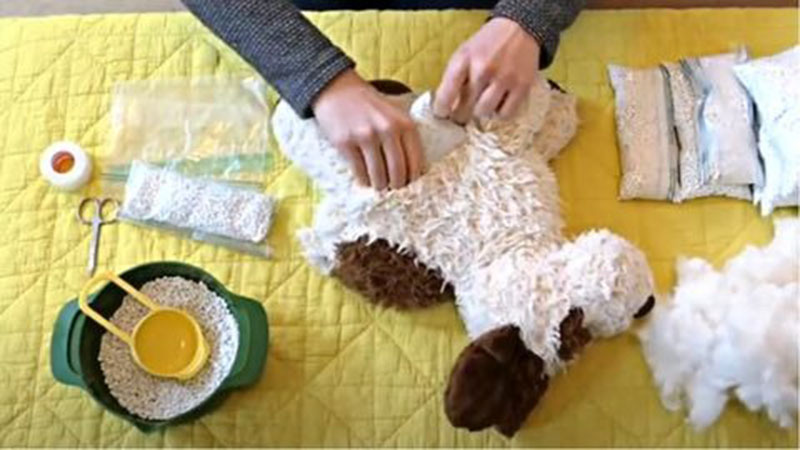
Not every product sold as a weighted plushie delivers meaningful therapeutic benefit. The difference between a product that genuinely works and one that simply has “weighted” in the name comes down to specific design and construction decisions that must be made correctly during product development.
A weighted plushie is only as effective as the quality of its internal construction. The key design and filling features that determine effectiveness include the type of filling material used, the compartment structure that controls weight distribution, the weight-to-size ratio, the outer fabric quality, and the ergonomic shape of the product. When these elements are correctly engineered, the product delivers consistent deep pressure stimulation. When they are not, the product underperforms and generates negative user feedback.
Here is a detailed look at the most critical effectiveness factors:
| Design Factor | Effective Approach | Ineffective Approach | Impact on User |
|---|---|---|---|
| Filling material | Fine glass beads | Plastic pellets or steel shot | Glass beads quieter, smoother pressure |
| Weight distribution | Multi-compartment inner structure | Single loose-fill chamber | Compartments prevent shifting |
| Weight range | 1.5kg–3.5kg for adults | Under 500g or over 4kg | Correct range delivers calming effect |
| Outer fabric | Premium minky or ultra-soft plush | Rough or low-density fabric | Softness enhances sensory comfort |
| Inner lining | Double-layer reinforced fabric | Single thin lining | Prevents bead leakage |
| Shape and ergonomics | Designed for holding or lap placement | Standard toy proportions | Ergonomic shape maximizes body contact |
| Noise control | Fine beads in sealed compartments | Loose beads in single chamber | Noise disrupts relaxation |
Glass beads are the preferred filling material for premium weighted plushies for several reasons. They are denser than plastic pellets, meaning less volume is needed to achieve the target weight. They are smoother, creating a more refined tactile experience when the product is handled. And when properly contained in compartmentalized inner bags, they produce minimal noise when the product is moved — an important factor for products used during sleep or relaxation.
The compartment structure of the inner bag is arguably the single most important technical decision in weighted plushie construction. A well-designed compartment system divides the bead filling into evenly distributed sections, preventing the weight from pooling in one area when the product is repositioned. This ensures that the pressure delivered to the user remains consistent regardless of how the product is held or placed.
Ergonomic shape is an area where many products fall short. Standard plush toy proportions are designed for visual appeal and playability in children’s hands — not for consistent body contact in adult use. Effective weighted plushies for adults are often designed with extended body shapes, flat base profiles, or wrap-style constructions that maximize the surface area in contact with the user’s body, improving the depth and consistency of the pressure sensation.
Are Weighted Plushies Safe for Everyday Use and Do They Meet Safety Standards?
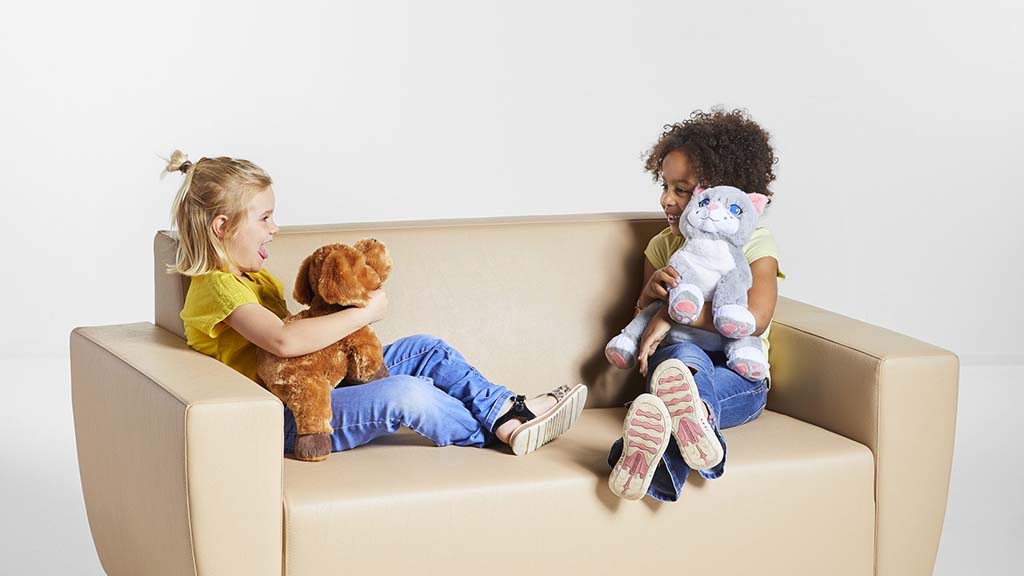
Safety is a legitimate concern for weighted plushies — not because the products are inherently dangerous, but because the added weight and internal bead filling introduce specific structural and material risks that standard plush toys do not have. Understanding these risks and how they are addressed is important for both consumers and buyers sourcing or selling these products.
Weighted plushies are safe for everyday adult use when they are properly designed, constructed with certified materials, and manufactured to meet relevant safety standards. The primary safety considerations are internal filling containment, chemical safety of materials, and structural durability under repeated use. Products meeting ASTM F963 (USA) and EN71 (Europe) standards have been verified to address these risks through independent testing.
Here is an overview of the key safety requirements for weighted plushies:
| Safety Area | Risk if Unaddressed | Required Standard | How It Is Addressed |
|---|---|---|---|
| Bead containment | Filling leakage, ingestion risk | ASTM F963, EN71-1 | Double-layer inner bag, sealed compartments |
| Chemical safety | Skin irritation, toxic exposure | REACH, CPSIA | Certified fabrics and dyes, no restricted substances |
| Seam strength | Structural failure under weight stress | EN71-1 mechanical tests | Reinforced stitching, high-density seam construction |
| Accessory attachment | Detachment of eyes or buttons | EN71-1 pull-force test | Secure attachment methods, safety eyes with washers |
| Fabric safety | Allergic reaction, chemical contact | OEKO-TEX, REACH | Tested, certified fabric materials |
| Weight appropriateness | Discomfort or injury from excessive weight | No formal standard | Design guideline: 5–10% of body weight |
For products intended for children, safety requirements are significantly stricter. Weighted plushies designed for child use must not contain small parts that could be detached, must use non-toxic materials throughout, and must pass more rigorous mechanical testing to account for the more physical way children interact with toys. Many manufacturers and occupational therapists recommend that weighted products for children always be used under adult supervision.
For adult products, the primary safety focus is on material certification and structural durability. Fabrics should be tested for restricted substances under REACH and CPSIA. Inner lining materials must be strong enough to contain the bead filling under the stress of daily use. Seams must be reinforced to handle the additional weight load over an extended product lifespan.
One practical safety consideration that buyers often overlook is product labeling. Weighted plushies sold in the US require CPSIA tracking labels. Products sold in Europe require CE marking. Products sold through major retail channels or online platforms such as Amazon must be able to provide test reports on request. Working with a manufacturer who understands these requirements and builds compliance into the production process — rather than treating it as an afterthought — is essential for buyers entering regulated markets.
How Are Weighted Plushies Being Used Across Different Markets and Consumer Groups?
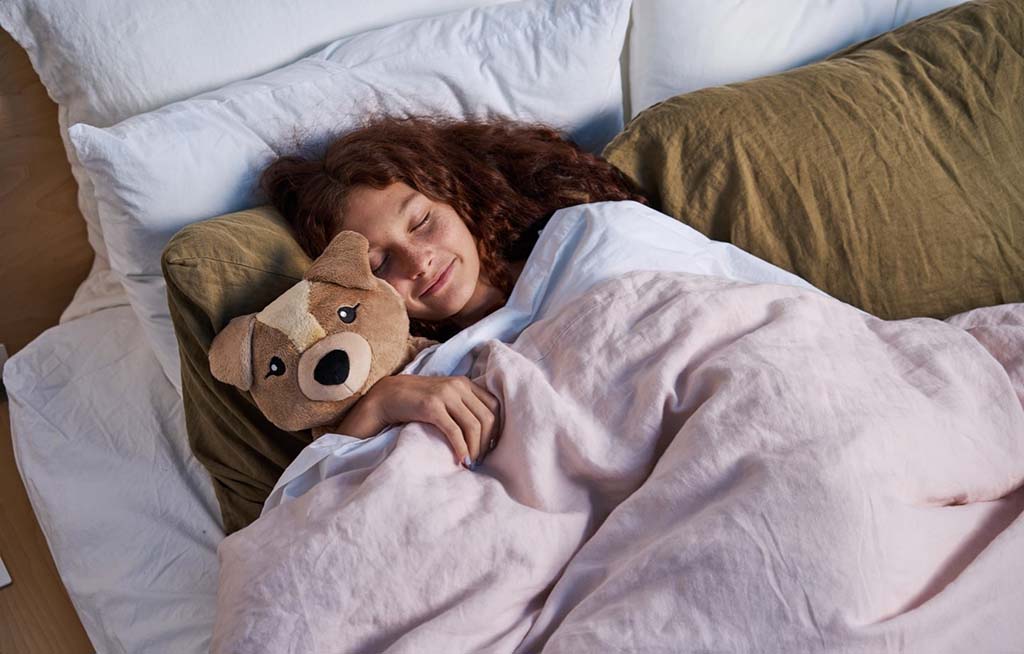
One of the most commercially interesting aspects of weighted plushies is the breadth of markets they serve. Unlike products with a single, narrow use case, weighted plushies are finding genuine adoption across a surprisingly wide range of consumer groups, retail channels, and application scenarios — each with its own design requirements and purchasing motivations.
Weighted plushies are currently being used across multiple market segments including adult wellness consumers, parents of children with sensory or anxiety needs, healthcare and therapeutic settings, the gifting market, and corporate wellness programs. Each segment has distinct product requirements and purchasing motivations, creating multiple entry points for brands and retailers developing products in this category.
Here is an overview of the key market segments and their specific needs:
| Market Segment | Primary User | Key Product Requirements | Purchasing Motivation |
|---|---|---|---|
| Adult wellness | Stressed adults, poor sleepers | Premium materials, adult-appropriate design | Self-care, anxiety management |
| Children’s therapy | Children with sensory needs, anxiety | Safety-certified, child-appropriate weight | Therapeutic recommendation |
| Gift market | Gift buyers for friends and family | Attractive packaging, emotional design | Gifting occasion, novelty |
| Corporate wellness | Employers, HR departments | Branded, professional aesthetic | Employee wellbeing programs |
| Healthcare settings | Hospitals, therapy clinics | Durable, washable, safety-certified | Clinical or comfort use |
| E-commerce brands | Amazon, Etsy sellers | Strong visual appeal, competitive price | Retail margin and review performance |
The adult wellness segment is currently the fastest growing and most commercially valuable market for weighted plushies. Driven by growing awareness of mental health, the mainstreaming of self-care culture, and strong social media visibility — particularly on platforms like TikTok and Instagram — adult consumers are actively seeking accessible wellness tools that fit into their daily lives. Weighted plushies occupy a sweet spot in this market: they are affordable relative to other wellness products, immediately effective, emotionally appealing, and highly giftable.
The gifting dimension of this market is particularly important for brands and retailers to understand. Weighted plushies are increasingly purchased as gifts for occasions including birthdays, holidays, and mental health awareness moments. This gifting behavior drives impulse purchasing decisions and creates strong seasonal demand patterns — particularly in Q4 — that buyers should account for in their inventory and production planning.
The therapeutic and healthcare segment, while smaller in volume, commands premium pricing and places the highest demands on product quality, safety certification, and durability. Products entering this segment must be able to withstand frequent washing, maintain structural integrity through heavy use, and meet the strictest material safety standards. Brands that can credibly serve this segment benefit from strong product credibility that carries over into their consumer-facing marketing.
What Should Brands and Buyers Know About Sourcing Weighted Plushies at Scale?
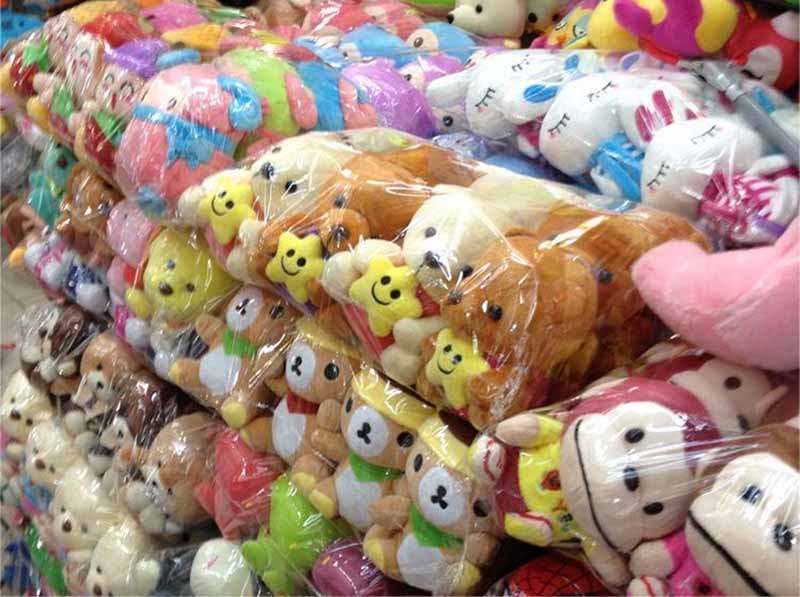
For brands and buyers who see the opportunity in weighted plushies, the next question is practical: how do you source these products reliably, at the right quality, and at a price point that supports your target margin? Weighted plushies are more complex to manufacture than standard plush toys, and not every factory has the capability to produce them correctly.
Sourcing weighted plushies at scale requires working with manufacturers who have specific experience in weighted plush construction, access to quality filling materials such as fine glass beads, robust internal structure design capability, and compliance infrastructure for target markets. Buyers who treat weighted plushies as a simple variation of standard plush sourcing frequently encounter quality and compliance problems that standard plush suppliers are not equipped to solve.
Here is a sourcing evaluation framework specific to weighted plushies:
| Sourcing Factor | What to Verify | Why It Matters for Weighted Products |
|---|---|---|
| Filling material capability | Glass bead sourcing and quality | Directly affects therapeutic effectiveness |
| Compartment design expertise | Internal structure samples | Prevents weight shifting and uneven pressure |
| Weight calibration experience | Previous weighted product portfolio | Ensures correct weight range is achievable |
| Compliance capability | ASTM, EN71, REACH test reports | Required for US and EU market entry |
| Seam reinforcement standards | Construction methods for weight-bearing seams | Prevents structural failure in use |
| MOQ flexibility | Minimum order for weighted products | Important for new product launches |
| Sampling turnaround | Time from brief to weighted sample | Affects development timeline |
One of the most important sourcing decisions for weighted plushies is the choice of filling material supplier. Glass beads used in premium weighted products must meet specific standards for size uniformity, surface smoothness, and chemical safety. Factories that source beads from unverified suppliers introduce both quality risk — inconsistent weight distribution — and compliance risk — potential chemical non-conformance. Asking a manufacturer to provide material test reports for their glass beads is a standard and reasonable quality check.
Minimum order quantities for weighted plushies are typically higher than for standard plush products, reflecting the additional material cost and production complexity. Buyers launching new products should plan for an initial order that allows them to test the market without excessive inventory risk while still meeting the factory’s MOQ requirements. Many experienced manufacturers are willing to discuss flexible MOQ arrangements for new clients with demonstrated growth potential.
At Kinwin, we have extensive experience producing weighted plushies for brands and retailers in the US and European markets. Our weighted product development process covers filling material selection and testing, internal compartment design, weight calibration, safety certification, and full compliance documentation. We help our clients build weighted plushie products that are not only visually appealing but genuinely effective — and ready for market from day one.
How to Choose the Right Weighted Plushie Manufacturer for Custom or Bulk Orders?
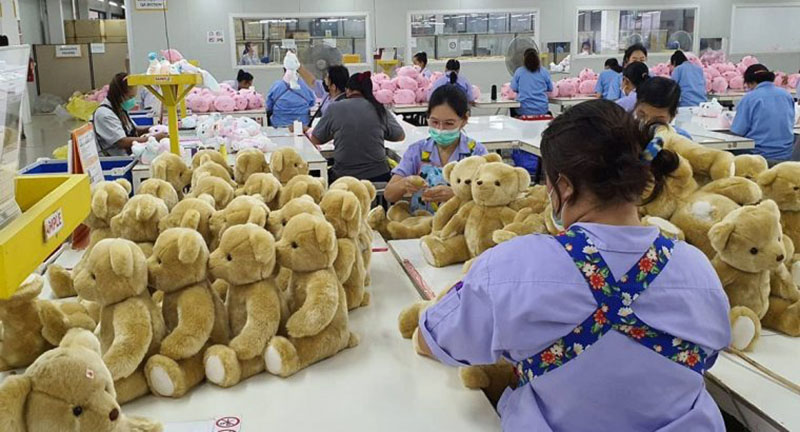
Choosing the right manufacturer for weighted plushies is not the same as choosing a manufacturer for standard plush toys. The additional technical requirements — weight calibration, compartment design, reinforced construction, filling material quality — mean that the pool of factories genuinely capable of producing high-quality weighted products is smaller than the general plush toy manufacturing market.
The right weighted plushie manufacturer for custom or bulk orders should have proven experience with weighted plush construction, transparent material sourcing, strong quality control systems, compliance documentation for target markets, and the ability to support customization from initial sampling through mass production. These criteria separate manufacturers who can genuinely deliver weighted plushie quality from those who are simply adding beads to a standard plush product.
Here is a practical checklist for evaluating weighted plushie manufacturers:
| Evaluation Criteria | What to Ask | Strong Indicator | Red Flag |
|---|---|---|---|
| Weighted product experience | Can you share examples of previous weighted plush projects? | Portfolio with multiple examples | No prior weighted product experience |
| Filling material | What type of beads do you use and can you provide test reports? | Glass beads with chemical test reports | Plastic pellets, no documentation |
| Internal structure | How do you prevent bead shifting in your weighted products? | Detailed compartment design explanation | Vague or no clear answer |
| Weight calibration | How do you ensure consistent weight across a production run? | Weight tolerance specification and testing process | No formal weight control process |
| Compliance support | Can you provide ASTM and EN71 test reports for weighted products? | Yes, with access to accredited lab | Cannot provide or delays response |
| Sampling capability | How long does it take to produce a weighted sample? | 10–14 days with clear process | Weeks with no clear timeline |
| Communication | How do you handle design revisions and production updates? | Structured process, proactive updates | Reactive only, slow responses |
Beyond technical capability, the right manufacturing partner for weighted plushies is one who understands the product category deeply enough to add value during the development process — not just execute instructions. A factory with genuine weighted plushie expertise will proactively identify potential issues with a design, recommend improvements based on production experience, and guide buyers toward material and construction choices that improve both product performance and production efficiency.
Long-term partnership potential is also worth considering from the beginning. Weighted plushies are not a one-time purchase for most successful brands — they are a product category with strong repeat order potential as designs are expanded, new characters are developed, and market presence grows. A manufacturer who understands your business goals and can scale with you as your product line develops is significantly more valuable than one who treats every order as a standalone transaction.
At Kinwin, we work with brands and buyers at every stage of the weighted plushie journey — from initial concept and material selection through sampling, production, compliance certification, and delivery. Our team brings hands-on experience with weighted plush construction to every project, helping our clients build products that perform as well as they look and that are ready to compete in demanding markets from the moment they launch.
If you are planning to develop or source weighted plushies and want a manufacturing partner who understands this product category from the inside, we would be glad to discuss your project in detail.
Conclusion
The point of weighted plushies is simple to state but takes real engineering to deliver: they make people feel better. Through the well-established mechanism of deep pressure stimulation, a well-designed weighted plushie provides genuine, immediate relief from stress and anxiety — in a form that is portable, emotionally engaging, and accessible to anyone.
For consumers, the value is in the daily experience — the calm that comes from holding something soft and weighted at the end of a difficult day, or the better sleep that follows a few minutes of quiet pressure before bed.
For brands and buyers, the value is in a product category that combines strong and growing consumer demand, premium pricing potential, high gifting appeal, and genuine cross-market versatility — from adult wellness to children’s therapy to corporate gifting.
The products that succeed in this category are not the ones with the most creative names or the lowest prices. They are the ones built correctly — with the right materials, the right internal structure, and the right manufacturing expertise behind them.
At Kinwin, we help brands build weighted plushies that deliver on every dimension — therapeutic effectiveness, material quality, safety compliance, and commercial performance. Whether you are launching your first weighted product or scaling an established line, our team is ready to support your development from concept through delivery.