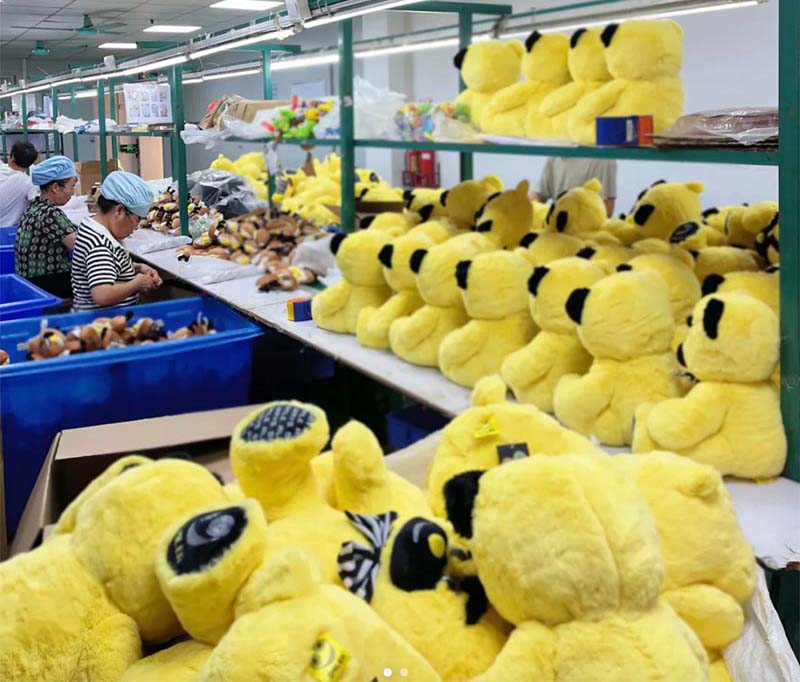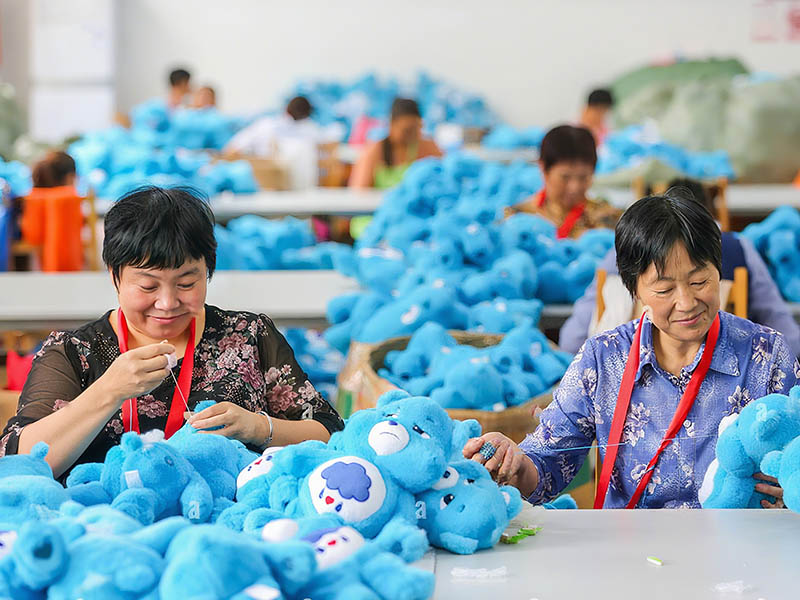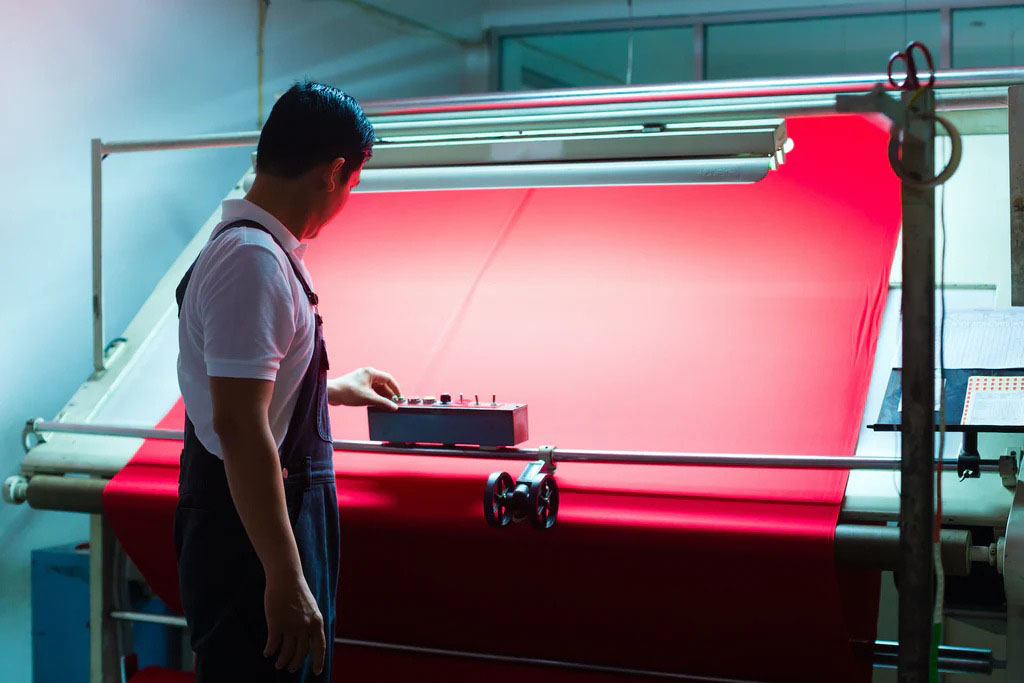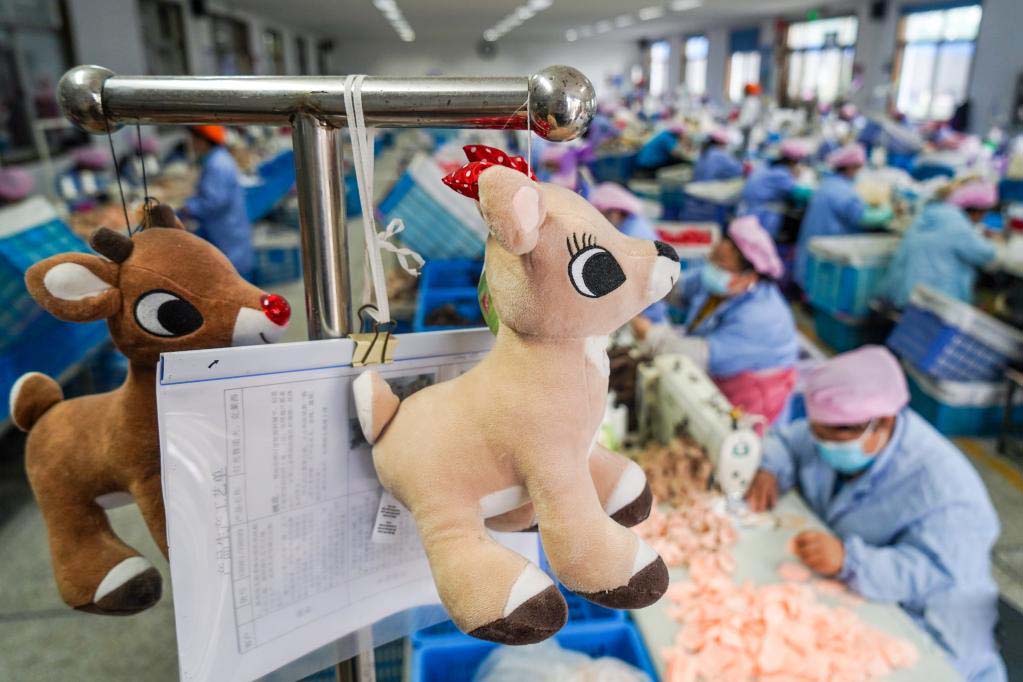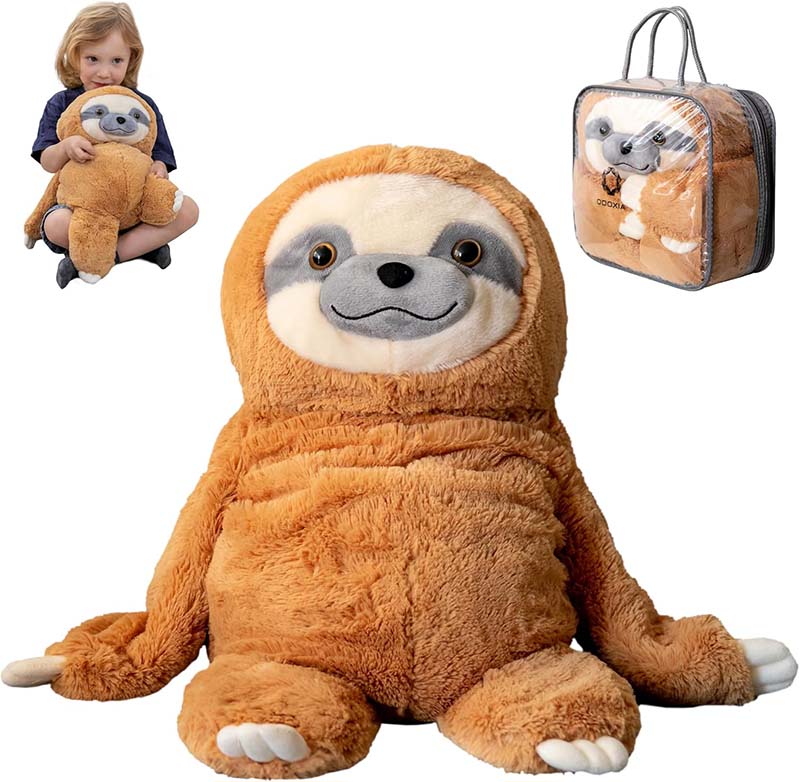
When buyers ask me “What is the most popular plush brand in the world right now?” they usually want hard facts, not just social-media hype. Based on recent retail data and licensing reports, the answer today is Squishmallows from Jazwares—a plush property that has topped global toy rankings multiple years in a row and sold hundreds of millions of units worldwide.Licensing International+2Persistence Market Research+2
I’m Amanda from Kinwin in China. My factory works behind the scenes with global buyers, so I watch brands not only on shelves and TikTok, but also in B2B sourcing trends. In this guide, I’ll walk you through how “most popular” is measured, which brands currently lead, how IP and regions shift rankings, and how quality and sustainability influence who stays on top.
What metrics define “most popular” for global plush brands today?
“Most popular” is not just a feeling. For serious buyers, it’s a mix of numbers and signals:
- Retail sales and market share – volume and value sold across channels
- Property rankings from data firms like Circana (formerly NPD), which track top toy and plush licenses globally
- Licensing reach – how many markets, licensees, and collaborations a brand has
- Search and social media – Google search trends, TikTok hashtags, Instagram content, secondary-market buzz
- Collector behavior – resale prices, limited editions, and “drop” culture
- Longevity – whether the brand stays popular after its first big spike
For example, Circana has named Squishmallows the top-selling toy and plush property in multiple consecutive years, and Licensing International highlights its Toy of the Year wins and broad licensing footprint.Licensing International Market research on the global soft-toys segment also shows Jazwares (Squishmallows), Ty, and GUND (under Spin Master) among the key players shaping worldwide sales.Mordor Intelligence+1
At the same time, brand and license rankings from Circana show Pokémon as the #1 global toy license overall (across all categories), with Squishmallows as a top-ranked brand just behind it—strong evidence of how deep plush properties can go in today’s toy universe.toyworldmag.co.uk
Key “most popular” metrics
| Metric Type | What It Measures | Example Sources / Signals | Strengths | Limitations |
|---|---|---|---|---|
| Retail sales value/volume | Units and revenue sold | Circana, national retail panels, brand financials | Hard numbers across channels | Often aggregated; not always public by brand |
| License/property rankings | Top-performing IPs globally | Circana, Licensing International reports | Compares across categories and brands | May group plush with non-plush items |
| Licensing footprint | Licensees, categories, countries | Licensing news, brand PR | Shows global reach and brand power | Doesn’t reveal actual sell-through |
| Search & social trends | Interest and engagement online | Google Trends, TikTok/IG hashtags | Captures hype and emerging fandoms | Can be noisy or skewed by short trends |
| Resale & collector activity | Aftermarket prices, scarcity | eBay, StockX-style platforms, fan forums | Reveals intensity of fan demand | Niche; not always representative of mass |
| Longevity over time | Staying power beyond one fad | Multi-year rankings, anniversary reissues | Indicates durable brand equity | Needs longer time window to judge |
Which plush brands lead worldwide sales across major retail channels?
If you look at the last few years, several names consistently appear in global market-leader lists for soft toys and plush:
- Squishmallows (Jazwares) – extremely strong in mass retail, e-commerce, and licensing; repeatedly named the top toy and plush property in key markets and recognized with multiple Toy of the Year awards.Licensing International+1
- Ty – famous for Beanie Babies and Beanie Boos, still one of the most recognizable plush labels and a major player in the global soft-toys market.Mordor Intelligence+1
- GUND (Spin Master) – long-established US plush brand with strong presence in premium and gift channels; Spin Master is listed among leading soft toy companies worldwide.Mordor Intelligence+1
- Jellycat – UK-based, huge with millennials and Gen Z; its “modern Beanie Baby” reputation and high resale activity show strong popularity, particularly in Europe and Asia’s Tier-1 cities.紐約郵報+1
- Disney / licensed character plush – Disney, Mattel, and Hasbro are all highlighted as major soft-toy stakeholders thanks to character-based plush from films, shows, and franchises.Mordor Intelligence+2Global Market Insights Inc.+2
- Steiff and other heritage brands – still top-of-mind for collectors and premium buyers, often ranked among important plush brands in long-term brand guides.kinwintoys.com+1
Market studies on the global soft-toy / plush segment list companies like Mattel, Hasbro, Jazwares (Squishmallows), Ty, and Spin Master (GUND) among the main leaders driving market share and growth.Mordor Intelligence+2Global Market Insights Inc.+2
Current leading plush-related brands
| Brand / Owner | Core Plush Positioning | Key Channels | Why It’s Considered a Leader |
|---|---|---|---|
| Squishmallows (Jazwares) | Round, squishy characters with strong collectability | Mass retail, online, collabs, foodservice tie-ins | Top-selling plush property in multiple years; hundreds of millions sold; heavy social buzz Licensing International+2Persistence Market Research+2 |
| Ty (Beanie Babies / Boos) | Compact, big-eye plush collectibles | Gift shops, specialty, mass | Iconic 90s brand still selling at scale; broad global distribution Mordor Intelligence+1 |
| GUND (Spin Master) | Soft, giftable plush with classic aesthetic | Specialty, premium retail, online | Long heritage in plush; now backed by major toy company Spin Master Global Market Insights Inc. |
| Jellycat | Quirky, ultra-soft “aesthetic” plush | Boutiques, department stores, online | Social-media driven craze; strong Gen Z collector base; premium pricing 紐約郵報+1 |
| Disney & licensed character plush | Character-driven branding (Mickey, Star Wars, Marvel, etc.) | Parks, Disney Stores, mass, online | Massive IP power; plush is one part of a huge brand ecosystem PlushThis| Plushies & Stuffed Animals+1 |
| Steiff / heritage brands | Premium, collectible bears and animals | Luxury, collectors, specialty | High-end, long-standing reputation; focus on craftsmanship kinwintoys.com |
How do licensed IPs and collaborations influence brand popularity rankings?
Plush is no longer just “generic bears.” Today’s biggest hits often ride on powerful IP or unexpected collaborations:
- Pokémon, Star Wars, Marvel, and other entertainment IPs dominate top global toy-license rankings. Plush versions of these characters amplify the brand’s reach and give fans a comfort object that lives outside screens.toyworldmag.co.uk+1
- Squishmallows has extended its reach through fashion, QSR, and lifestyle collabs—from McDonald’s Happy Meals to clothing and footwear partners—driving awareness even beyond toy aisles.People.com+3Licensing International+3Persistence Market Research+3
- Jellycat’s limited runs, retirements, and distinctive designs have turned the brand into a kind of “designer plush IP” with strong collector culture and high resale prices.紐約郵報+1
Licensing also flows both ways: big toy companies like Mattel, Hasbro, and Jazwares not only own original plush brands, but also produce plush based on external IPs, making it harder to separate “brand” from “license.”Mordor Intelligence+2Global Market Insights Inc.+2
How IP and collabs drive plush popularity
| Driver | Example | Effect on Popularity | Strategic Takeaway for Buyers |
|---|---|---|---|
| Global entertainment IP | Pokémon, Star Wars, Marvel plush | Instant recognition; multi-age appeal; easier shelf traction toyworldmag.co.uk+1 | Licensed plush can anchor entire ranges and drive traffic |
| Collabs with food & fashion | Squishmallows x McDonald’s Happy Meal; apparel & footwear tie-ins People.com+3Licensing International+3Persistence Market Research+3 | Reaches non-toy shoppers; boosts brand visibility | Cross-category collabs often convert non-collectors into fans |
| Limited editions & drops | Jellycat “retired” designs, seasonal Squishmallows | Scarcity + social proof → reseller market, FOMO 紐約郵報+1 | Use limited runs to create spikes, but balance with evergreen SKUs |
| Local & cultural IP | Regional mascots, anime, K-pop collabs | Strong in home markets, niche abroad | Regional IP plush can localize a global brand mix |
| Corporate & promo mascots | Plush versions of brand logos/characters | Strengthen emotional connection beyond screens | Great for B2B, events, loyalty rewards |
What regional preferences affect market leaders in US, Europe, Asia?
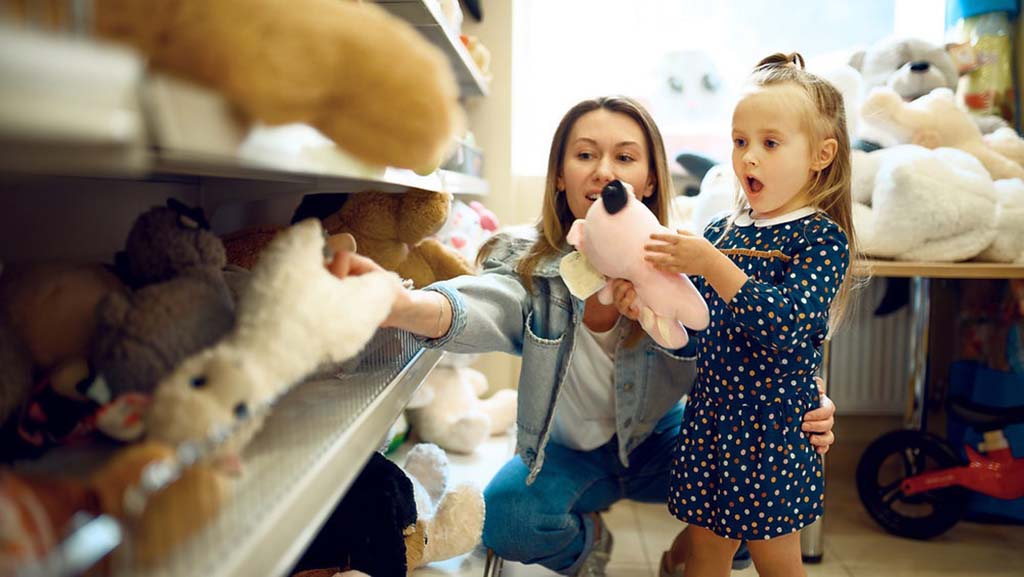
There isn’t one “universal” plush leader in practice—different regions favor different aesthetics, price points, and brands:
- United States – Squishmallows has become a mainstream phenomenon, ranked among the top global toy brands, with strong presence in big-box retailers, online marketplaces, and foodservice collaborations.Licensing International+2toyworldmag.co.uk+2 Ty, GUND, and Disney plush also have broad base recognition.Mordor Intelligence+2Global Market Insights Inc.+2
- Europe – Jellycat and heritage brands like Steiff resonate strongly, particularly in the UK and Germany. Jellycat has become a Gen Z/young-adult collectible in Europe, with social media and limited runs driving demand; Steiff anchors the premium and collector tier.紐約郵報+2The Sun+2
- Asia – Cute culture is dominant. Sanrio, Japanese character IPs, and designer toys like Pop Mart’s Labubu push a different style of plush and vinyl/soft hybrid, often tied to blind-box collecting.金融時報+1 Squishmallows and Jellycat are also expanding aggressively into Asian markets, especially China, Japan, and Korea, via department stores and specialty shops.South China Morning Post+1
Each region has its own taste profile: chibi proportions in Asia, minimalist “aesthetic” characters in Europe, or big, squishy silhouettes in North America. For a B2B buyer, the “most popular brand” globally might not be the right anchor for a local assortment.
Regional plush brand landscape
| Region | Leading / Visible Plush Brands | Style & Aesthetic Preferences | Channel Notes |
|---|---|---|---|
| North America | Squishmallows, Ty, GUND, Disney character plush | Big, squishy forms; bright color; IP-led designs | Strong mass retail & e-commerce presence; heavy promo tie-ins toyworldmag.co.uk+3Licensing International+3Mordor Intelligence+3 |
| Europe | Jellycat, Steiff, GUND, Disney, various boutique brands | Soft, muted palettes; “aesthetic” and heritage looks | Department stores, boutiques, concept shops; collector culture 紐約郵報+2The Sun+2 |
| Asia (China, Japan, Korea, etc.) | Sanrio characters, Rilakkuma-type IPs, Pop Mart (Labubu), Jellycat, Squishmallows | Kawaii, chibi, “ugly-cute,” blind box, fashion-forward | Mix of malls, designer toy stores, vending machines, online drops 金融時報+2South China Morning Post+2 |
How do quality, safety, and sustainability shape long-term brand loyalty?
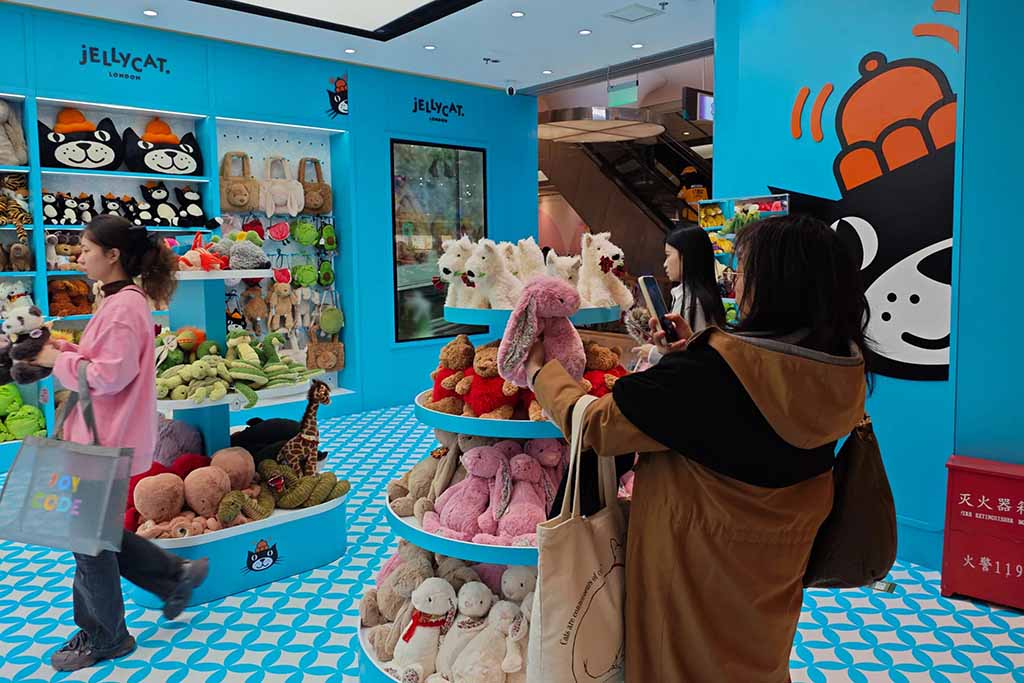
A plush brand can go viral once—but long-term loyalty depends on how that plush feels and survives in real life. Today’s shoppers (especially millennial and Gen Z buyers) care about three pillars:
- Quality & feel – Super-soft fabrics, stable stuffing, strong seams, and consistent shape across reorders. Brands like Jellycat and GUND have earned reputations for a specific “hand-feel” that buyers recognize instantly.紐約郵報+1
- Safety & compliance – Global players must clear EN71, ASTM, CPSIA, and regional rules, especially for baby and toddler lines. Major plush-related companies such as Mattel, Hasbro, Spin Master, and Jazwares operate under strict compliance structures because their core business depends on trust from retailers and licensors.Mordor Intelligence+2Global Market Insights Inc.+2
- Sustainability & ethics – Soft-toy market analyses increasingly highlight moves toward recycled polyester (rPET), sustainable packaging, and more transparent supply chains.Mordor Intelligence+2Global Market Insights Inc.+2
When fans stay with a plush brand over years, they’re really staying with a consistent experience: the same softness in each size, predictable wash behavior, clear labeling, and the feeling that the company is doing the right thing on safety and environment. If a brand cuts corners on fabric grade or stuffing, you can see it instantly in reviews—and in how fast buyers switch to another label.
Loyalty drivers for plush brands
| Dimension | What Loyal Customers Expect | How Top Brands Respond | Implications for OEM Buyers |
|---|---|---|---|
| Tactile quality | Same softness and shape in every batch | Tight spec sheets; controlled suppliers; multi-stage QC | Lock your fabric & stuffing specs; avoid last-minute substitutions |
| Safety & compliance | Clear age labels, no hazards, trusted certifications | Invest in testing, documentation, product recalls when needed | Choose factories that understand EN71/ASTM/CPSIA—cheap failures cost more |
| Longevity & care | Plush stays cute after many washes | Test pilling, colorfastness, seam strength; give honest care labels | Build wash-testing into development; avoid fragile finishes |
| Sustainability | Less virgin plastic, better packaging, ethical messaging | rPET fabrics/fiberfill, FSC packaging, ESG reports | Eco lines need proof (GRS, audits), not just marketing words |
Which emerging brands challenge incumbents in collector and mass markets?
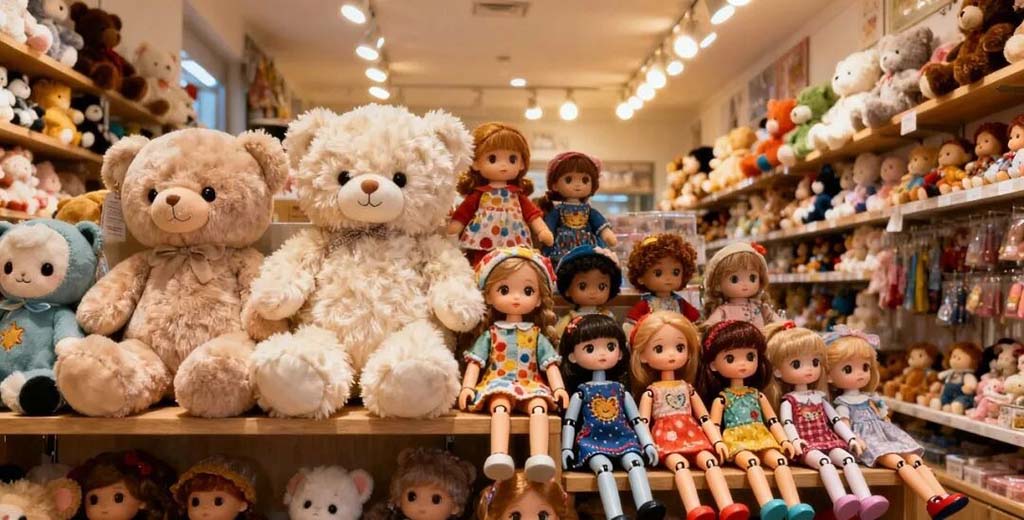
Alongside heritage names, several younger or newly-dominant brands are reshaping what “popular” looks like:
- Squishmallows itself is relatively young (launching in 2017) but has quickly become a global top plush property with more than 485 million units sold and extensive collaborations.Persistence Market Research+2People.com+2
- Jellycat has grown from a UK boutique label into a global phenomenon, particularly among Gen Z and young adults, with social media driving both primary and resale markets.紐約郵報+2The Sun+2
- Designer/art-toy brands like Pop Mart (Labubu and others) blend vinyl, plush, and blind-box concepts. Their “ugly-cute” designs and limited drops generate queues, vending-machine expansions overseas, and a strong secondary market.金融時報
- Niche, direct-to-consumer brands (for example, specialty plush for anxiety relief, microwavable plush, or weighted plush) continue to carve out specific needs-driven segments, even if they’re smaller in overall scale.Grand View Research+1
These challengers show that story, design language, and drop strategy can be as important as pure heritage. They often grow fast because they understand TikTok culture, fandoms, and emotional wellness trends better than traditional companies.
Emerging challengers and how they compete
| Brand / Segment | What Makes Them Different | Target Fans | How They Challenge Incumbents |
|---|---|---|---|
| Squishmallows (Jazwares) | Squishy, round silhouettes; huge character library; strong collabs | Kids, teens, Gen Z collectors, families | Moves from toy aisles into fashion, food, lifestyle; resets expectations for softness and price Licensing International+2Persistence Market Research+2 |
| Jellycat | Minimalist, quirky designs; high softness; limited runs | Gen Z, young adults, design-conscious parents | Creates “aesthetic plush” category; thrives in boutiques and resale platforms 紐約郵報+2The Sun+2 |
| Pop Mart / art toys | Blind-box model, “ugly-cute” IP like Labubu, hybrid vinyl-plush | Young collectors, trend-driven shoppers | Treats plush and vinyl as fashion/collectibles; uses scarcity and rapid IP rotation 金融時報 |
| Niche DTC plush (weighted, scented, microwavable) | Functional benefits (stress, warmth, sensory support) | Adults, neurodivergent users, wellness buyers | Pushes plush into wellness/therapy categories, not just toys Grand View Research+1 |
Conclusion
A good plush toy is safe, soft, durable, and appealing while also offering branding opportunities. At Kinwin, we help global buyers develop customized plush solutions that reflect the best of market trends—whether you take inspiration from Squishmallows, Jellycat, heritage bears, or your own original IP—while always meeting safety standards and supporting long-term brand loyalty. Contact us at [email protected] or visit kinwintoys.com to discuss your next project and explore how our factory can support your success.