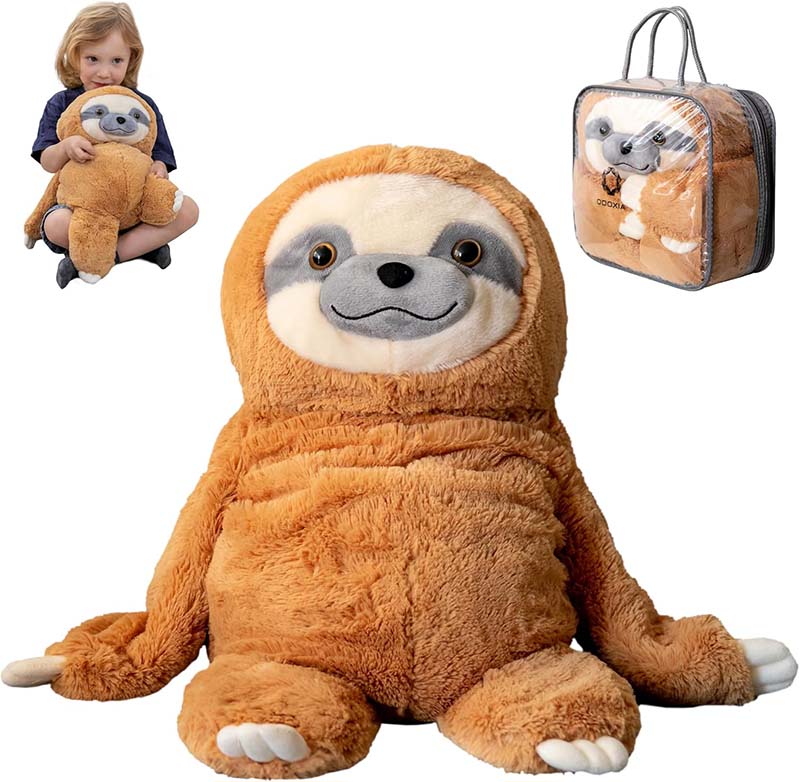
When buyers ask me “What is the most popular Disney plush?”, they are usually asking two things at the same time:
- which characters sell again and again, and
- what makes those plush designs work so well in real markets.
From the factory side, I see Mickey, Minnie, Stitch, Winnie the Pooh, and characters like Grogu (Baby Yoda) show up again and again in orders and official best-seller lists from Disney’s own stores.disneystore.co.uk+1 At the same time, park exclusives like Duffy & Friends dominate very specific regions such as Tokyo DisneySea.Disney Tourist Blog+1 “Most popular” is not just one toy; it is a mix of global icons, local favorites, and smart licensing.
In this guide, I’ll walk through how to define “most popular,” which characters lead classic and newer lines, how parks and limited editions change demand, and how regions and licensing strategies shape what buyers see on shelves. My goal is to give you a practical view you can use when planning your own Disney-inspired plush range or thinking about similar IP projects for your brand.
What criteria define the most popular Disney plush characters today?
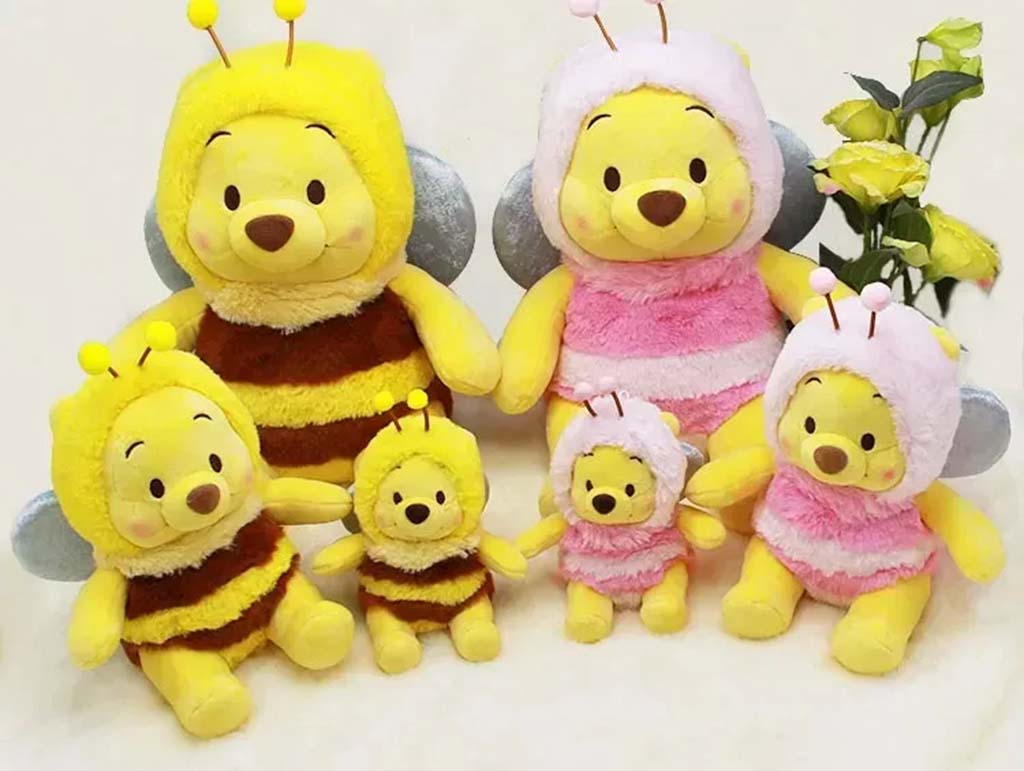
When we talk about the “most popular” Disney plush, we are not only counting units sold. As a manufacturer and B2B partner, I look at a wider set of signals that show whether a character has long-term plush power, not just a quick spike from a movie release.
The first signal is multi-channel presence. Top characters appear everywhere: in Disney Store plush categories, best-seller sections, park shops, and licensed ranges sold through mass retail and online platforms. When you check Disney’s official soft toy pages, you see names like Mickey Mouse, Stitch, Winnie the Pooh, and Grogu highlighted as key characters in their soft toy and plush sections.disneystore.co.uk+1 If a character keeps coming back in each new collection, that is a strong popularity sign.
The second signal is evergreen recognition. Some characters keep selling even when there is no new film or show. Mickey, Minnie, and Pooh are clear examples. Parents and grandparents know them well, and children recognize them quickly in stores. A character that can sell in both “movie year” and “quiet year” is more valuable to a plush line than a character with a short burst.
The third signal is collector and fandom demand. Today, a big part of plush sales comes from teens and adults who buy plushies for themselves. If you see active trading, collection photos, and resales of certain plush ranges (for example Duffy & Friends items from Tokyo Disney Resort), you know those characters have deeper engagement than a normal kids’ toy.Disney Tourist Blog+2Disney Home+2
The fourth signal is variation potential. Popular plush characters often appear in many outfits, sizes, and styles: classic pose, seasonal costumes, park outfits, mini keychains, cushion forms, and more. Stitch is a good example—Disney dedicates full collections to different Stitch designs and accessories, and even sites like Amazon highlight official Stitch plush as a standalone product focus.DisneyStore.com This flexibility lets brands re-sell the same character in new ways.
The last signal is global plus local fit. Some characters sell everywhere; others are superstar plush only in certain regions. Stitch, for example, is trending strongly with new product pushes and is even being positioned as one of the key toys of the year thanks to new media exposure.紐約郵報 Duffy & Friends, on the other hand, are especially powerful in Japan and Asia park culture.Disney Tourist Blog+1 The most popular Disney plush collection uses both: global icons plus local heroes.
Key criteria for “most popular” Disney plush
| Criterion | What it looks like in practice |
|---|---|
| Multi-channel presence | Character appears in Disney Store plush ranges, parks, licensed retail, and online best sellers |
| Evergreen recognition | Sells even without a new film or series; known by multiple generations |
| Fandom & collector demand | Active collections, resales, park photo culture, strong attachment stories |
| Variation potential | Many outfits, sizes, holidays, park versions, and collabs |
| Global + local strength | Works worldwide and/or dominates key regional markets (e.g. parks in Asia) |
Which classic Disney characters consistently lead global plush sales?
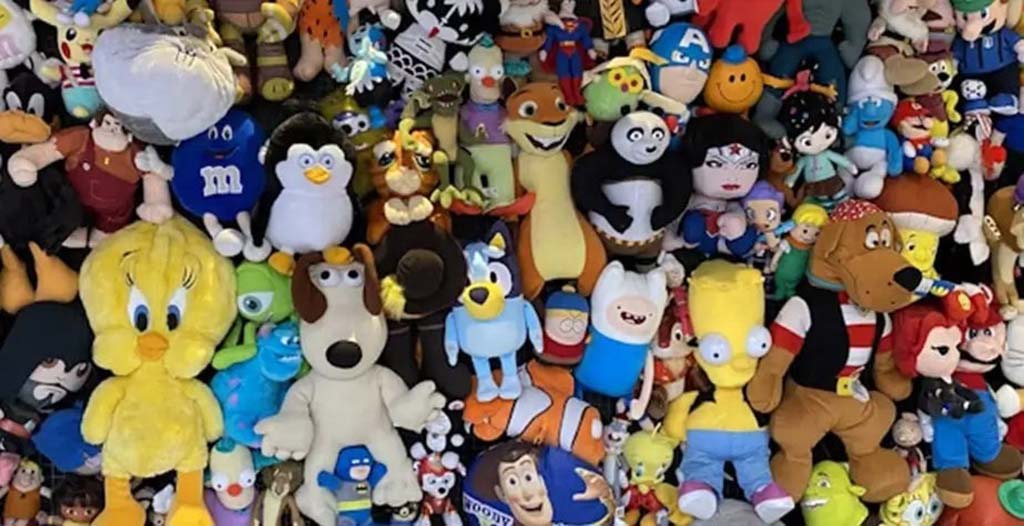
If we zoom out and ignore one-season trends, a few classic characters sit at the top again and again. From what I see across Disney Store assortments, retailer sites, and long-term park merchandising, the most consistent global leaders are:
- Mickey Mouse
- Minnie Mouse
- Winnie the Pooh & friends (Tigger, Eeyore, Piglet)
- Dumbo
- Donald, Daisy, and Pluto
Official Disney soft toy pages for Europe and other regions highlight large soft toys of Stitch, Mickey, and Winnie the Pooh as key hero items, and they sit inside the main “soft toys, plush & stuffed animals” category—not hidden as niche products.disneystore.co.uk+1 That is a strong signal: Disney keeps these characters at the front of its own shelves.
Mickey and Minnie
Mickey is the core of Disney’s identity. Large Mickey plushes are always in range, in many sizes, with personalization options. Minnie follows closely, often sharing similar styles and outfits. As a manufacturer, any Disney plush plan that ignores these two feels incomplete. They work for children, tourists, and collectors of all ages.
Winnie the Pooh & friends
Pooh plush has a special emotional role. He is gentle, comforting, and works perfectly for baby gifts as well as nostalgic adults. Disney’s own stores highlight Pooh and Eeyore plush in best-seller and featured series such as the Urupocha-chan mini plush line that started in Japan and spread to global online stores.DisneyStore.com+1 This combination of cuteness and emotional warmth keeps Pooh at the top.
Dumbo and the “classic baby” group
Dumbo, Bambi, and similar classic characters often appear in baby plush ranges. They tie naturally to nursery themes and baby shower gifts. Even if they are not always number one by volume, they are core to “first plush toy” assortments in many markets. Disney uses them in cute formats like Japanese-origin mini plush series, suggesting strong demand for palm-size versions as well.DisneyStore.com
The Sensational Six (Mickey, Minnie, Donald, Daisy, Goofy, Pluto)
Together, these characters form a stable plush backbone for many stores. Even if one or two are not top sellers alone, families often buy sets or multiple characters, especially in park and tourist contexts. Disney Store soft toy sections explicitly call out Mickey, Stitch, Pooh and others as key characters for cuddly toys.disneystore.co.uk+1
For your own planning, think of these classic characters as evergreen anchor SKUs. They are not always the “hottest” in social media, but they are the safest, most consistent base in a Disney plush range.
Classic Disney plush characters – long-term leaders
| Character group | Why they stay popular long term | Typical plush roles |
|---|---|---|
| Mickey & Minnie | Core Disney icons, multi-generation recognition | Large core plush, park souvenirs, personalization items |
| Winnie the Pooh & friends | Soft, comforting, nostalgic; fits baby and adult nostalgia markets | Baby plush, gifts, cozy home plush, mini collections |
| Dumbo & classic baby characters | Gentle, “nursery” feeling; strong in gift and baby categories | Newborn gifts, themed baby ranges, soft pastel plush |
| Donald, Daisy, Pluto, Goofy | Extend Mickey’s world; support family and friend set purchases | Supporting characters in sets, park and tourist plush |
| Classic princess sidekicks etc. | Appear across films and merch; strong with princess branding | Companion plush with dolls and dress-up lines |
How do Pixar and newer franchises influence top-selling Disney plush?
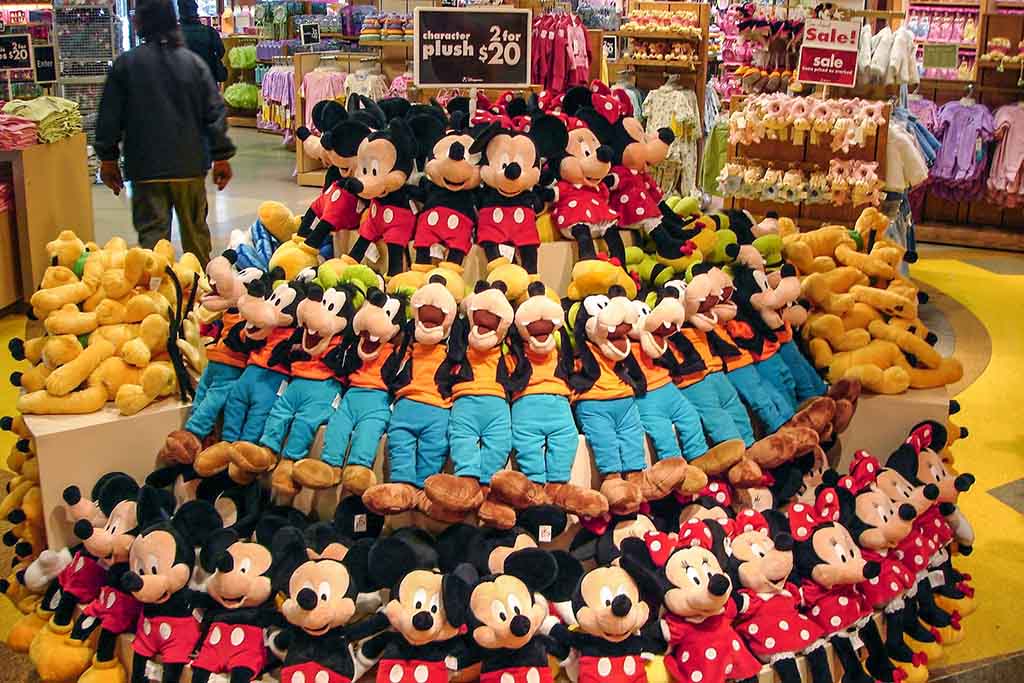
Classic characters anchor the category, but newer Disney and Pixar franchises often drive short-to-medium term peaks and bring in new age groups. These characters may not have 50 years of history yet, but in plush they can be very powerful.
Pixar characters like Woody and Buzz (Toy Story), Mike and Sulley (Monsters, Inc.), and characters from Cars often appear in best-seller toy lists, though sometimes more as figures, vehicles, or playsets than pure plush.DisneyStore.com+1 That said, soft versions of these characters are key for boys’ toy aisles and franchise walls. From a factory view, we see steady orders for Toy Story plush ranges in many markets.
On the Disney side, Stitch has become one of the strongest plush characters in the entire portfolio. Dedicated Stitch plush pages from Disney’s official stores position him as a core plush focus, and multiple retailers carry official Stitch plush lines in different sizes and formats.DisneyStore.com Media coverage even calls Stitch a candidate for “most popular toy” of the year thanks to new content and strong social media buzz.紐約郵報 This is a good example of a character moving from cult favorite to mass-market leader.
Newer franchises like Frozen, Moana, and more recent titles introduce characters that can become plush staples if they pass a few tests: they need clear, soft toy-friendly silhouettes, strong emotional stories, and multi-season support from Disney. In some cases, side characters (like Olaf) become the real plush stars rather than the main protagonist, because their shapes fit plush better and their personalities feel more “huggable.”
Pixar characters also help expand the plush category beyond traditional animals and princess companions. Robots, monsters, emotions, and vehicles open space for non-standard plush shapes such as cushions, long pillows, and stylized designs. These work especially well for older kids and teens who want plush as decor or as a fun object on their bed or sofa.
For your own planning, think of classic characters as long-term pillars and Pixar/new franchise characters as energy and traffic drivers. They can pull in new customers who later discover and buy evergreen characters too. When a film or series is strong, plush from that IP can be the “most popular Disney plush” in that season, even if Mickey still wins across many years.
Pixar & newer franchises – impact on plush ranking
| Category | Example characters | Plush impact |
|---|---|---|
| Strong Pixar icons | Toy Story, Monsters, Inc., Cars characters | Add boy-leaning and action-themed plush options |
| Breakout sidekicks | Olaf, Baymax, Pascal, Hei Hei | Become huggable stars with simple, plush-friendly shapes |
| Stitch & Lilo & Stitch | Stitch, Angel | From cult to mass: multiple plush ranges, strong global demand |
| New movie waves | Latest film characters | Short-term peaks, possible long-term pillars if fandom remains |
| TV & streaming | Series characters with regular exposure | Support steady, medium-term plush sales |
How do park exclusives and limited editions affect plush popularity?
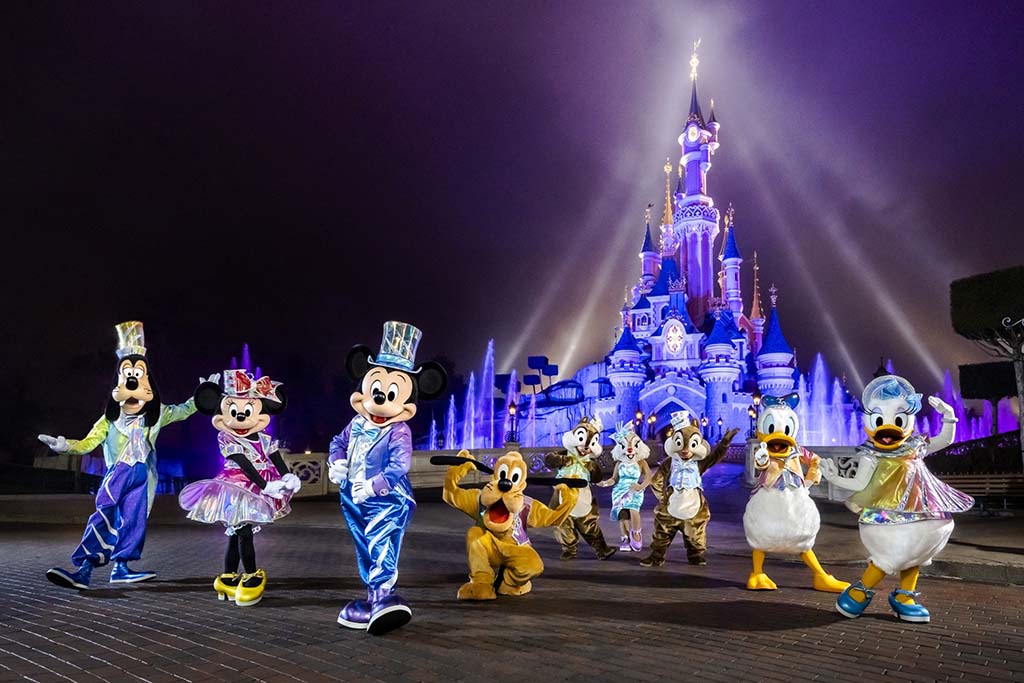
Disney Parks are not just places to sell plush; they are places to create plush legends. Park-exclusive ranges can turn a simple bear into a cultural phenomenon, especially when the character is tightly linked to the park story and only available on-site or through limited channels.
The best example is Duffy the Disney Bear and his friends (ShellieMay, Gelatoni, StellaLou, Olu Mel, etc.). Originally a simple plush, Duffy became a major character at Tokyo DisneySea after Imagineers gave him a full story and integrated him into shows, photo spots, and dedicated shops.Disney Home+1 Guests began buying multiple Duffy plush, dressing them in different outfits, and treating them almost like travel companions. Articles and blogs describe how Duffy & Friends plush and straps dominate parts of Tokyo DisneySea’s retail mix and generate strong repeat buys.Disney Tourist Blog+2FUN! JAPAN+2
Park exclusives also include event and seasonal plush—for example, limited outfits for Mickey, Minnie, or Duffy during anniversaries, holidays, or special festivals. Because these pieces are “here now, gone soon,” they often become collector items, even if their total production runs are smaller than standard plush. Resale markets and fan blogs track these releases carefully.
Outside Japan, similar effects appear with special park lines and anniversary collections. Disney’s “Disney 100” celebrations, for instance, feature themed Mickey plush and other characters in special styling, often sold as limited time products in parks and selected retail channels. These do not always beat regular Mickey by volume, but they raise the overall demand and visibility of the character.
From a popularity point of view, park and limited plush items:
- Deepen emotional connection for guests who visit the parks
- Feed collector culture, where certain plush are viewed as “must-have”
- Drive social content (trip photos, unboxings, haul videos)
- Create regional stars like Duffy & Friends that may be less known elsewhere
For your own brand, this is a useful model: exclusive designs + strong place-based story + limited availability can turn a normal plush form into something fans actively chase.
Park exclusives & limited editions – popularity effects
| Type of item | Example | Effect on plush popularity |
|---|---|---|
| Park-exclusive characters | Duffy & Friends at Tokyo DisneySea | Creates strong local stars and repeat purchases |
| Seasonal park outfits | Holiday or festival versions | Encourages collecting multiple versions of the same character |
| Anniversary collections | Disney 100 special plush | Boosts attention, supports premium pricing |
| Limited online releases | App-only plush badges/charms | Builds urgency and digital buzz around specific plush drops |
| Regional exclusives | Park-only colorways/styles | Drives travel purchases and after-market demand |
How do regional markets differ in favorite Disney plush choices?
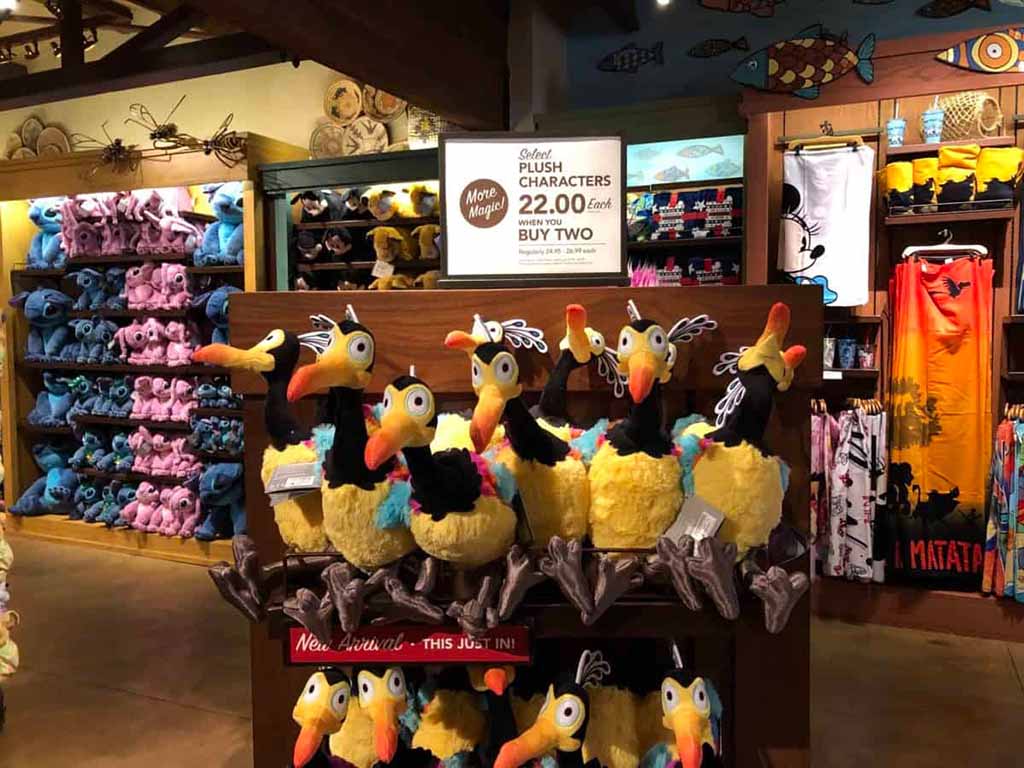
Disney plush is global, but preferences are not identical everywhere. As a factory, we see regional ordering patterns that match local culture, income levels, and distribution channels.
In North America, Mickey, Minnie, classic princesses, and Pixar characters are strong, but in the plush category specifically, Mickey, Pooh, Stitch, and Grogu stand out. Disney’s official North American soft toy pages show these characters prominently in their soft toys and plush ranges.disneystore.co.uk+1 Stitch in particular is gaining extra momentum thanks to new media projects and targeted toy pushes.紐約郵報
In Europe, soft toy categories emphasize a mix of classic characters (Mickey, Pooh, Dumbo) and newer favorites like Stitch. Disney’s European soft toy listings call out Stitch and Mickey large soft toys as key hero products and offer personalization for certain classic characters, which shows demand for both children and gift buyers.disneystore.eu+1 European markets also preserve “teddy bear” and “soft toy” culture, so traditional bears in Disney styling still perform well.
In Japan and wider Asia, park-driven trends have outsized influence. Duffy & Friends are extremely popular around Tokyo DisneySea and related channels.Disney Tourist Blog+2WDW News Today+2 At the same time, cute stylized ranges like the Urupocha-chan mini plush line—originally from Disney Store Japan and now exported online—show how chubby, teary-eyed versions of classic characters (Mickey, Stitch, Pooh, Pluto, etc.) can become a specific collectible micro-brand.DisneyStore.com+1
In markets in the Middle East and other emerging regions, Disney plush demand is often tied to global hits (Frozen, Mickey & Friends, Princesses) and to what local distributors choose to import. Here, the language on packaging and online listings often stays conservative—“soft toy,” “plush toy”—while social media promotion may still use “plushie” language when speaking to young audiences.
For your own sourcing or private label planning, this means you should not assume one single “top plush” for every region. Instead, you can:
- Keep global anchors like Mickey, Minnie, and Stitch in every line.
- Add regional heroes, such as Duffy & Friends in Japan/Asia, or specific princess/film characters in markets where that IP is strong.
- Adjust styling: ultra-cute mini plush for Asia, larger classic plush for Europe and North America, depending on price and culture.
Regional differences in Disney plush favorites
| Region / market | Consistently strong plush characters | Notable local trends |
|---|---|---|
| North America | Mickey, Minnie, Pooh, Stitch, Grogu | Strong link to movies/series and mass retail campaigns |
| Europe | Mickey, Pooh, Dumbo, Stitch | “Soft toy” tradition; personalization for gifts |
| Japan & East Asia | Duffy & Friends, stylized minis (Urupocha-chan), Stitch, Pooh | Park exclusives, cute chubby mini plush culture |
| Middle East & emerging | Global icons via import (Mickey, Princesses, Pixar) | Mix of classic branding in-store and modern online tone |
| Global online fandom | Stitch, Mickey, Duffy & Friends, villain and side-character plush | Strong collector focus and cross-border buying |
How do licensing and collaborations shape demand for Disney plush?
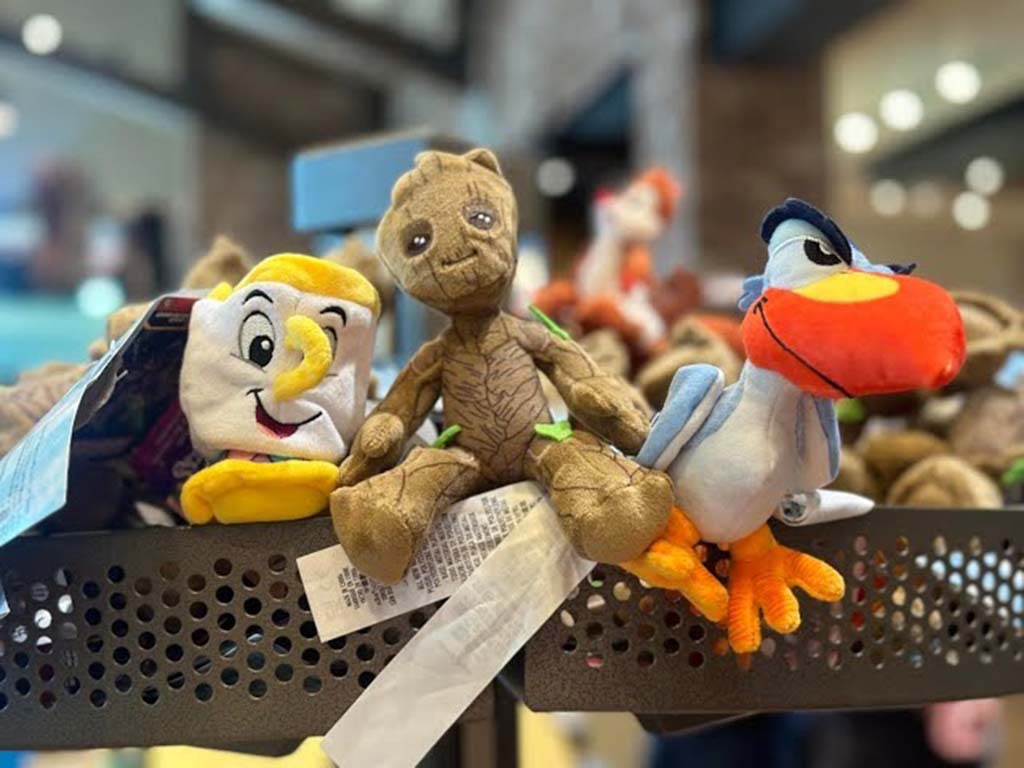
Disney plush demand is not driven only by films and parks. Licensing and collaborations bring Disney characters into many other retail ecosystems: fast fashion, lifestyle stores, capsule collections, and cross-brand projects.
Official Disney stores and sites already act like internal licensees for different regions, promoting lines like Stitch plush collections, Urupocha-chan mini plush, and other stylized series.DisneyStore.com+2DisneyStore.com+2 Outside that, licensees create their own plush ranges under Disney approval for supermarkets, fast fashion chains, and specialty stores.
Collaborations can also connect Disney characters with trending formats. For example, Disney’s Urupocha-chan line is positioned as a response to the rise of cute, collectible labubu-style plush figures from another brand, combining Disney characters with an ultra-chubby, teary-eyed style that is already viral in Asia and now expanding to the U.S.The Sun These collabs shift the image of characters like Mickey and Stitch into new plush aesthetics and pull in trend-sensitive buyers.
Licenses for apparel, home goods, and accessories also feedback into plush demand. When a character appears on clothes, mugs, and décor, customers are more likely to want the matching plush. This is especially true for Stitch, whose image appears across many non-toy categories and supports his position as a system-wide favorite.DisneyStore.com+1
From a factory angle, licensing strategies shape:
- Which characters are prioritized in new plush projects
- How strict the design rules are (style guides, size ratios, color codes)
- Which retailers need exclusive or semi-exclusive styles
- How often lines refresh (seasonal collabs vs. evergreen core SKUs)
For your own brand, watching Disney’s plush collaborations is a good way to understand where consumer taste is moving: chibi proportions, mini straps, weighted plush, “aesthetic” colorways, and more. These moves often appear in licensed Disney plush first, then spread to generic or private label plush lines later.
Licensing & collaboration – effects on Disney plush demand
| Licensing aspect | Example impact on plush | Why it increases demand |
|---|---|---|
| Internal Disney lines | Stitch collections, Urupocha-chan mini plush | Keep core characters fresh with new formats and styles |
| Fashion & lifestyle collabs | Branded plush in apparel or lifestyle chains | Brings plush to new audiences beyond toy aisles |
| Trend-driven responses | Cute mini series inspired by viral plush formats | Captures social media trends and collector interest |
| Cross-category presence | Characters on apparel, décor, accessories, toys | Reinforces character visibility and emotional link |
| Retailer exclusives | Special plush only available in certain chains or parks | Creates urgency and local loyalty |
Conclusion
There is no single “most popular Disney plush” forever. Instead, there is a short list of perennial leaders—Mickey, Minnie, Pooh, Stitch, and certain park characters like Duffy & Friends—plus a rotating cast of film and series heroes that rise and fall with content and trends. The smartest plush ranges combine global icons, regional favorites, and fresh collaborations so customers always see something familiar and something new.
At Kinwin, I help buyers turn these trends into stable product lines: choosing characters, fabrics, sizes, and assortments that make sense for their markets and sales channels. If you are planning Disney-inspired plush projects or want to structure your own character plush range like a major studio line, you are welcome to email me at [email protected] or visit kinwintoys.com. My team and I can support you from concept to shipment so your plush strategy is as strong as your characters.