Skip to content
When buyers and designers describe a toy as soft, they often use the words plush and ultra plush — but in manufacturing, these terms mean far more than just “fluffy.” They define fabric structure, fiber fineness, pile height, density, and finishing technique. The difference affects not only how a toy feels in the hand, but also how it looks under studio lights, how it sews on the production line, and how well it holds shape after shipping and washing.
As a professional OEM/ODM plush manufacturer, I’m often asked by clients, “Should I use plush or ultra plush for my next collection?” The answer depends on your product purpose, target market, price tier, and care expectation. In this guide, I’ll explain exactly what each fabric category means, how they’re made, how they perform, and how manufacturers like Kinwin balance softness, durability, and compliance in real-world toy production.
What does “plush” mean in fabric and toy manufacturing?
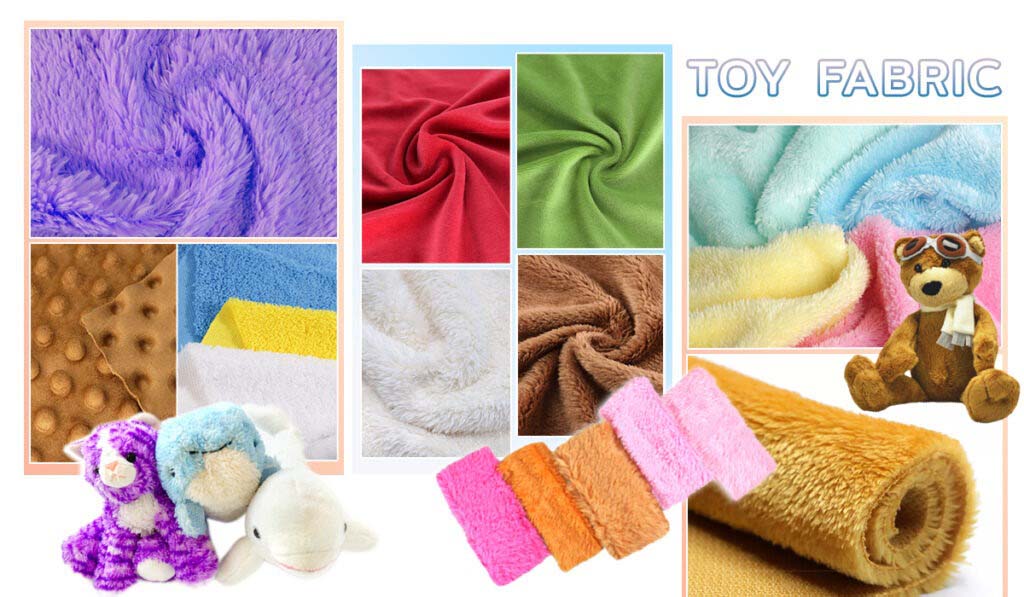
In toy and textile manufacturing, “plush” refers to a pile fabric where the surface fibers are raised above the base backing. Traditionally, plush fabric was made from silk or cotton, but modern plush for toys uses synthetic polyester for consistency, softness, and colorfastness. Plush fabric features a short to medium pile height (usually 1–4 mm) and a dense knit backing that stabilizes the structure during cutting, embroidery, and sewing.
Plush is the industry standard for most stuffed animals, offering an ideal mix of softness, seam strength, and ease of maintenance. It holds embroidery details well, resists lint, and can be machine-washed at low temperatures if constructed properly. For B2B buyers, plush is the safe middle ground: professional, affordable, and flexible enough for both small retail plush and large OEM designs.
Short plush also provides a clean visual appearance — faces look clear on camera, colors appear even under lighting, and seams remain subtle but durable. That’s why you’ll find short plush in facial panels, limbs, and small-sized toys where detailing matters more than deep texture.
Table 1 — Technical definition and use of plush fabric
| Attribute | Typical Range | Function in Toys | Why It’s Popular |
|---|---|---|---|
| Pile height | 1–4 mm | Balanced softness, clean stitching | Ideal for embroidery clarity |
| GSM (fabric weight) | 180–320 gsm | Provides shape and structure | Good seam control and low shrinkage |
| Fiber | Standard polyester (2–5 denier) | Strong and colorfast | Reliable for mass production |
| Backing | Tricot or circular knit | Controls stretch and direction | Keeps toy contours stable |
| Feel | Soft-smooth, slightly firm | Comfortable handfeel | Durable for child use |
| Maintenance | Easy to wash | Minimal lint or color fade | Suitable for global export |
For most plush toy collections, “plush” strikes the perfect balance: soft enough to hug, firm enough to maintain shape, and strong enough to pass seam and wash tests.
How is “ultra plush” defined in terms of softness and pile height?
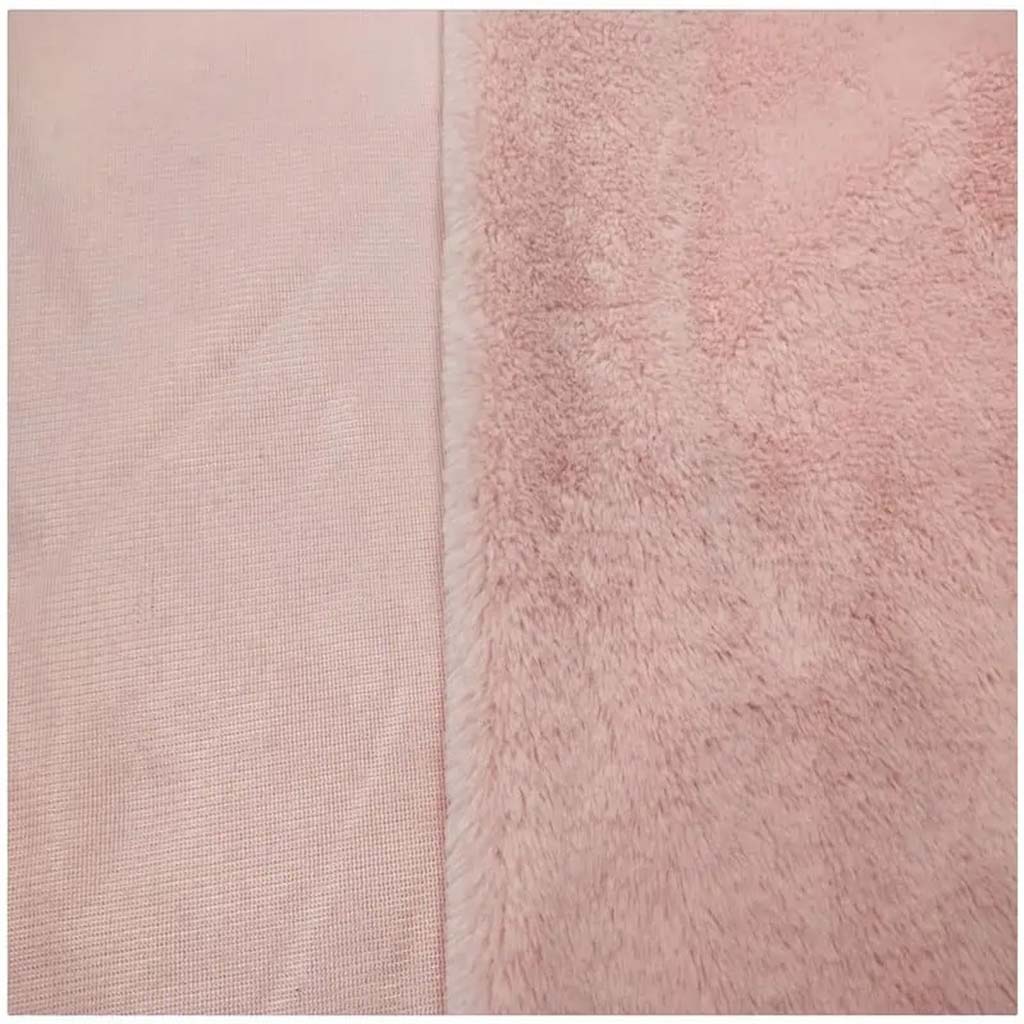
“Ultra plush” describes fabrics that take softness to another level. These materials feature extra-fine fibers (often below 1 denier), longer pile height (3–8 mm or more), and denser GSM weights to create a luxurious, cloud-like feel. The texture is not just soft — it’s buttery, warm, and enveloping. Ultra plush fabrics are engineered to trigger an emotional reaction when touched, making them ideal for high-end gifts, comfort products, and collector-grade plush lines.
Common examples of ultra plush fabrics include minky, coral fleece, microfleece, and high-pile velboa. These materials undergo special finishing processes such as raising, sueding, and heat-setting to create a smooth directional nap that reflects light softly. Ultra plush fabrics often use microfiber polyester yarns with ultra-small filaments — similar to what you find in premium baby blankets or robes.
Because ultra plush fabric has a deeper nap, it also traps more air, which increases warmth and adds a visually rich, cozy appearance. However, it requires careful handling in cutting, sewing, and storage — pile direction must be marked, and seams need slightly more allowance to prevent bulk.
Table 2 — Defining features of ultra plush fabrics
| Property | Technical Range | Sensory Experience | Notes for Production |
|---|---|---|---|
| Pile height | 3–8 mm (standard), 10–25 mm (faux fur) | Deep, velvety handfeel | Requires aligned nap direction |
| GSM | 220–420+ gsm | Denser and warmer | Adjust seam allowance for thickness |
| Fiber | Microfiber polyester (<1 denier) | Extremely smooth, no scratch | Avoid overheating in finishing |
| Finish | Raised, sueded, heat-set | “Butter touch” texture | Must control gloss consistency |
| Look | Matte to semi-gloss | Rich visual shadows | Align nap for consistent shading |
Ultra plush materials are not just for appearance — they influence how customers feel about a product. Many buyers describe ultra plush toys as “luxury soft” or “photo-perfect.” However, this premium appeal also means longer production time, higher material cost, and stricter QC on lint and pile direction.
What material and structural differences separate plush from ultra plush?
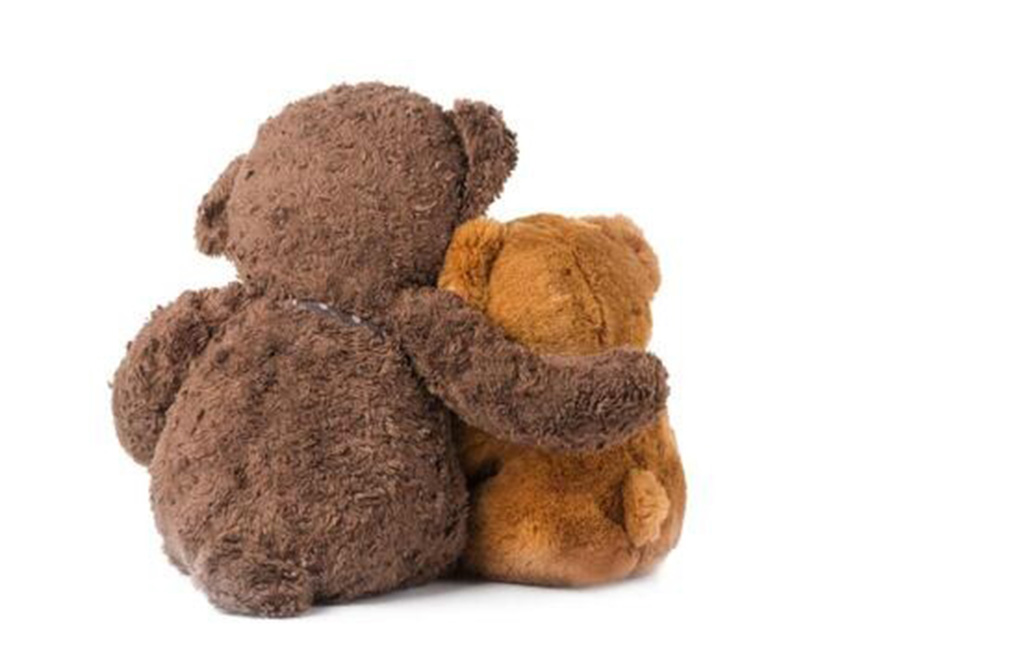
The main difference between plush and ultra plush comes down to fiber fineness, pile density, and backing flexibility. Plush fabrics use regular polyester yarns with moderate density and tight knit backing, which makes them strong and easy to handle. Ultra plush fabrics use micro-denier yarns that are softer and finer, but require a looser knit to allow pile movement — giving that gentle, “melting” handfeel.
In toy design, plush fabric provides a sharper, cleaner silhouette, while ultra plush delivers fullness and visual warmth. Plush fabrics keep shape easily after sewing and allow for tight embroidery on the face. Ultra plush fabrics, on the other hand, need extra steps like adding a thin layer of batting under facial areas to avoid pile compression marks or uneven stitching.
Another key structural difference is the backing type. Plush typically uses tricot backing, which minimizes stretch and ensures stable contours. Ultra plush often uses circular knit or warp knit backings, which stretch slightly to accommodate the deep pile — but can distort if not cut in the right direction.
Table 3 — Plush vs. Ultra Plush comparison matrix
| Property | Plush | Ultra Plush | Impact on Production |
|---|---|---|---|
| Fiber type | Regular polyester | Microfiber polyester | Ultra plush feels smoother and silkier |
| Pile height | 1–4 mm | 3–8+ mm | Ultra plush looks fuller and warmer |
| GSM | 180–320 gsm | 220–450 gsm | Ultra plush is denser and heavier |
| Backing | Tight tricot | Stretch knit | Requires careful cutting alignment |
| Stitch control | Excellent | Moderate | Extra seam allowance needed |
| Embroidery clarity | Sharp | Softer edges | Add batting under face for detail |
| Durability | High | Moderate | Extra QC for lint and wear |
| Cost | Moderate | Higher | Reflects premium positioning |
At Kinwin, we often combine both fabrics: short plush for the face and ultra plush for the body. This mix offers visual precision and tactile comfort — a smart solution for both retail and OEM clients who want premium feel without losing production stability.
How do durability and maintenance vary between plush and ultra plush toys?
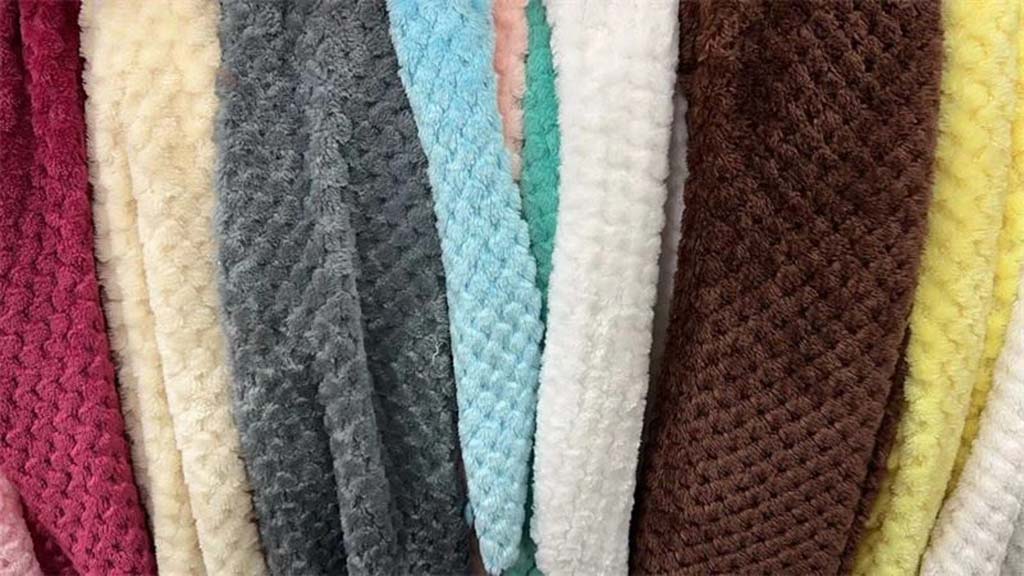
Durability is one of the biggest differences between plush and ultra plush.
Shorter pile plush fabrics are easier to clean, faster to dry, and more resistant to matting. Ultra plush fabrics, with their long pile and microfiber density, deliver superior softness but demand more careful care. The fine fibers can trap lint or flatten over time if not washed correctly.
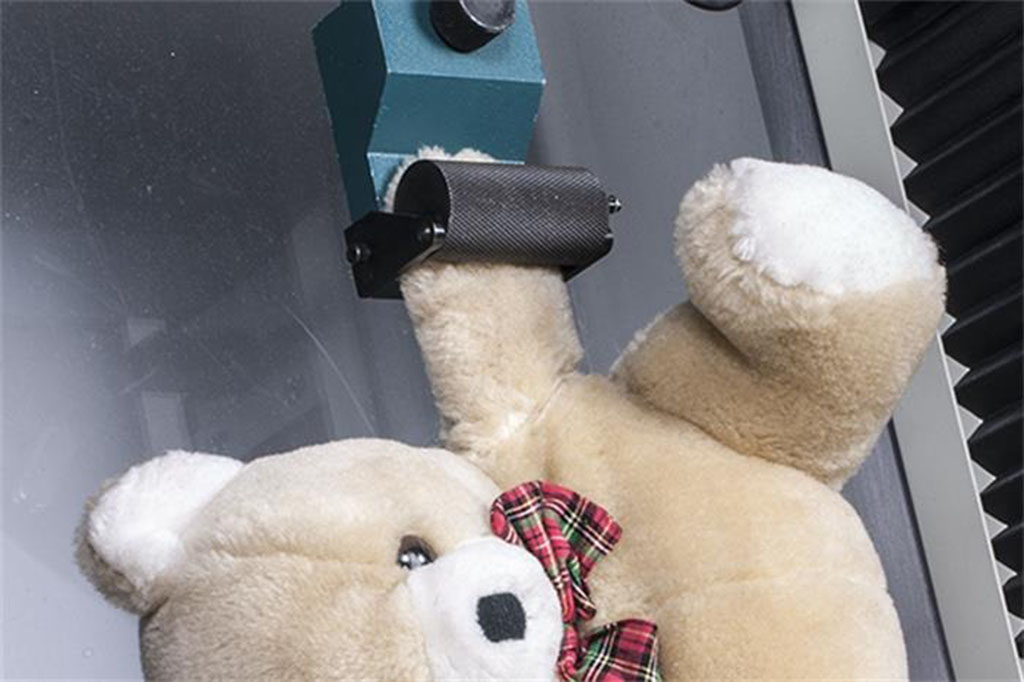
In the factory, we simulate long-term use by performing compression-recovery tests, wash-bag cycles, and lint shedding evaluations. Plush typically withstands 30+ gentle washes without visible wear, while ultra plush maintains softness but may show slight nap direction shifts. Proper finishing—like brushing and heat setting—helps reduce matting and restore pile elasticity.
Table 4 — Durability and maintenance comparison
| Feature | Plush | Ultra Plush | Maintenance Notes |
|---|---|---|---|
| Wash performance | Excellent | Good (gentle only) | Use low-heat, air-dry method |
| Drying time | Short | Longer | Avoid direct heat or dryers |
| Lint shedding | Low | Medium | Run lint test before shipment |
| Seam bulk | Minimal | Moderate | Allow 0.5–0.7 cm on curves |
| Color stability | Very stable | Stable with matte finish | Avoid overheat in dyeing |
| Shape retention | Strong | Soft contour | Keep low-density fill at face |
| Maintenance label | Simple | Specific | “Do not tumble dry” note required |
For large plush or baby-grade products, we often choose medium-pile plush rather than ultra plush to simplify maintenance while keeping comfort high. For premium gift items, the extra softness of ultra plush is worth the added care — especially when the buyer’s first impression relies on touch.
Which applications benefit most from ultra plush fabrics?
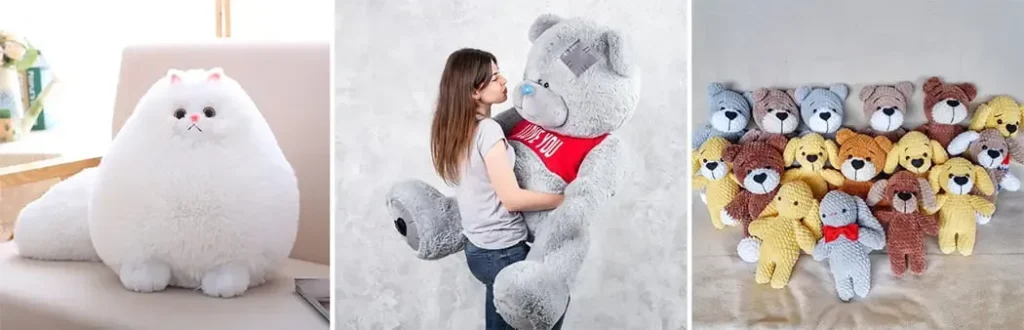
Ultra plush fabrics are ideal when texture sells the story. They instantly create a sense of comfort and emotional connection. That’s why you’ll find ultra plush used in premium baby gifts, weighted comfort plush, winter or holiday collections, and adult relaxation toys. The deeper pile also photographs beautifully for online stores, helping plush products stand out on screen.
Designers use ultra plush to communicate warmth, luxury, and approachability. In contrast, plush is used where precision, washability, and high volume production matter more — such as retail lines or promotional giveaways. A smart combination allows one collection to serve both segments: short plush for efficiency, ultra plush for premium SKUs.
Table 5 — Application and benefit summary
| Application | Why Ultra Plush Works | Fabric Pairing Suggestion | Design Tips |
|---|---|---|---|
| Premium gift plush | Luxurious handfeel and high perceived value | Minky 3–5 mm body + short plush face | Add gift box + story card |
| Baby comfort line* | Silky texture, hypoallergenic surface | Verified lint-free minky | *Test EN71/ASTM for baby use |
| Weighted relaxation plush | Deep softness + balanced warmth | Coral fleece or minky body | Keep liner tacked for even weight |
| Seasonal collections | Cozy, visual depth | Faux fur blends | Use neutral, muted tones |
| Home décor plush | Premium surface texture | Long-pile faux fur | Reinforce seams; avoid gloss glare |
| Collectible / photo plush | Camera-friendly nap | Ultra plush + matte embroidery | Align nap for consistent lighting |
When we develop samples for buyers, we run a handfeel ranking test—placing different fabrics side by side for tactile comparison. It’s a simple but powerful way for clients to feel the difference between plush and ultra plush and choose based on their market positioning.
How do manufacturers choose between plush and ultra plush for designs?
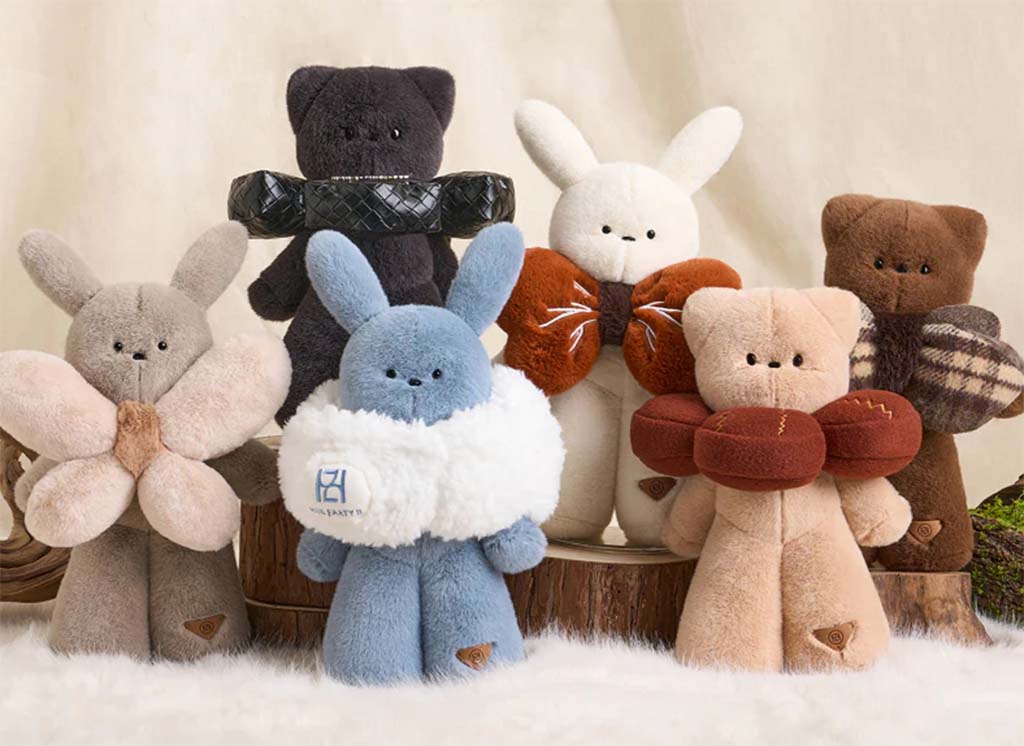
Manufacturers evaluate fabrics using three main criteria:
(1) function, (2) audience, and (3) maintenance requirement.
If the toy is meant for everyday handling or children, standard plush is usually the best option. If it’s a collectible, gift, or comfort product, ultra plush delivers superior sensory impact.
We also analyze how pile height interacts with pattern shape. Deep-pile fabrics require larger seam allowances and more even stuffing to prevent “ridge lines.” For crisp facial embroidery, we prefer short plush (1.5–2 mm). For bodies meant to invite touch, we use ultra plush (3–5 mm) or coral fleece (6 mm+).
Before mass production, we run test assemblies of mixed fabrics to check color contrast, nap alignment, and stitch tension. This stage ensures the toy’s expression, texture, and posture look perfect under real lighting.
Table 6 — Fabric selection framework for plush design
| Design Goal | Recommended Fabric | Reason | QC and Production Focus |
|---|---|---|---|
| Crisp facial detail | Short plush 1.5–2 mm, 220–260 gsm | High embroidery clarity | Add thin batting for definition |
| Soft yet durable body | Plush 2–3 mm, 240–300 gsm | Balanced softness and cost | Test seam curve elasticity |
| Cloud-like premium body | Ultra plush minky 3–5 mm, 280–360 gsm | Deep softness and luxury | Check shade under daylight |
| Baby or toddler toy | Certified lint-free plush 2–3 mm | Safe and washable | Validate EN71/ASTM F963 |
| Weighted comfort plush | Ultra plush + sealed liner | Gentle pressure + tactile appeal | Verify seam tension, leakage |
| Decorative large plush | Coral fleece 4–8 mm or faux fur | Visual warmth, home décor | Reinforce core seams and base |
Choosing between plush and ultra plush isn’t only a technical decision — it’s an emotional one. Plush feels friendly and versatile; ultra plush feels premium and comforting. Combining both textures in one product often delivers the strongest consumer experience.
Conclusion
The difference between plush and ultra plush is both technical and emotional. Plush offers stable quality, clean appearance, and easy care — perfect for retail and children’s lines. Ultra plush provides luxurious texture, visual depth, and emotional comfort — perfect for gifts, collectibles, or relaxation toys. The smartest products use both, balancing practicality and indulgence.
At Kinwin, we help global buyers engineer this balance through material testing, color matching, and fabric mapping. Whether you want the crisp precision of short plush or the indulgent feel of ultra plush, we ensure every toy meets international safety and quality standards — while feeling irresistibly soft in every market.
Contact [email protected] or visit kinwintoys.com to plan your next plush project and experience the difference expert fabric engineering makes.