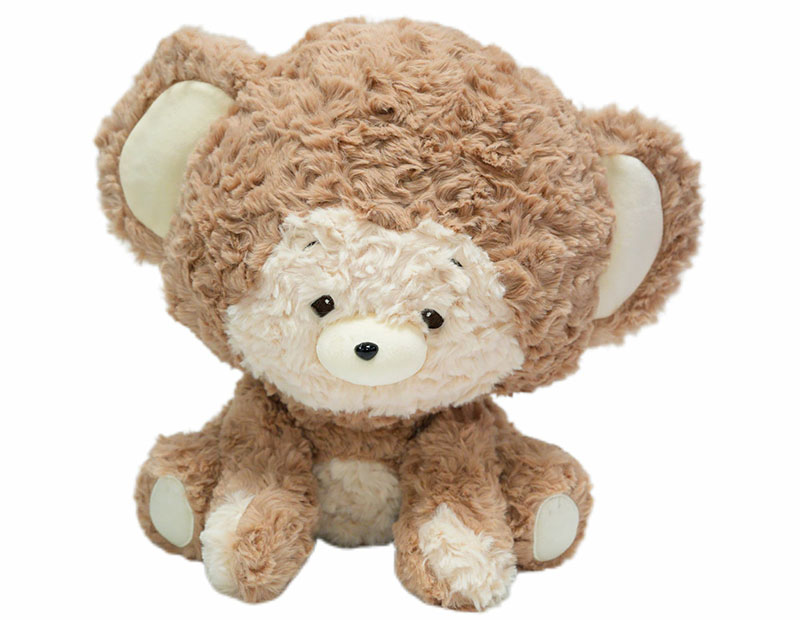
Parents want baby plush toys that are soft on skin, safe by design, easy to clean, and durable in real life. I’m Amanda from Kinwin in China. My factory makes baby-safe plush for global brands and retailers. In this guide, I’ll show you how to choose fabrics that feel gentle from day one and still look good after many washes—without pushing up costs.
What fabric properties define baby-safe, skin-friendly plush materials?
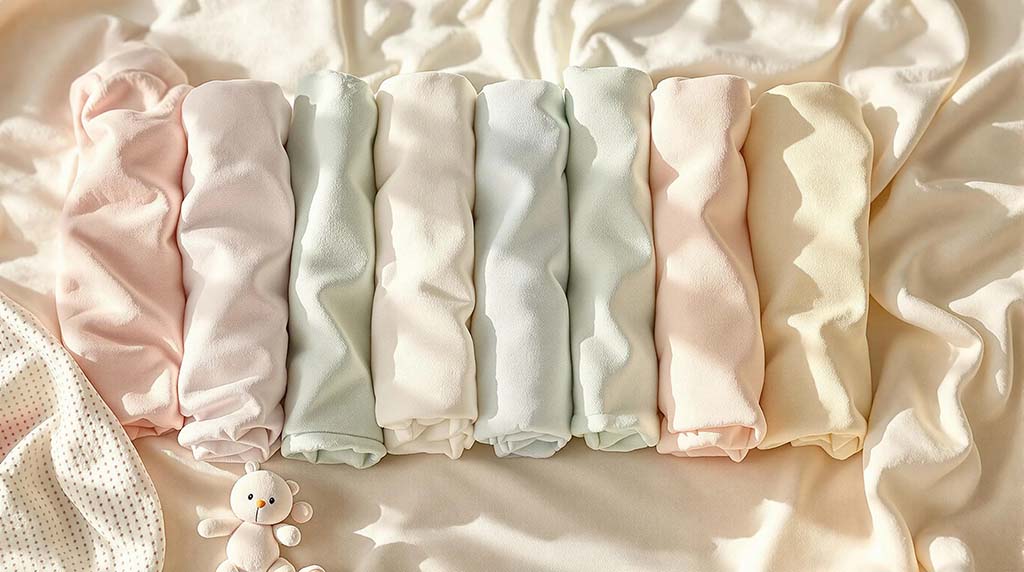
For babies, the fabric must feel very soft, release very little lint, and stay stable after washing. Skin-friendly plush is usually short pile (to reduce lint and dust), dense (so you don’t see the backing), and colorfast (no dye transfer on saliva or sweat). The knit backing should be firm enough to hold stitches but flexible enough to remain cuddly. We avoid rough coatings, metallic foils, glitter prints, and anything that might scratch delicate skin. On baby SKUs, we also favor embroidered faces over hard parts. In testing, we check for pilling, colorfastness (wash/rub/saliva/sweat), formaldehyde/azo limits, heavy metals, and flammability. A fabric that passes these and still feels soft is baby-ready.
Baby-safe fabric checklist
| Property | Why it matters | Practical target for baby plush |
|---|---|---|
| Pile type | Short = less lint, easier cleaning | Short/low micro-plush (minky/velboa) |
| Density | Keeps surface full, hides backing | Tight stitch density, no show-through |
| Hand-feel | Comfort on contact | Buttery soft, no scratchiness |
| Colorfastness | No dye bleed during mouthing | Pass saliva/sweat/wash fastness |
| Compliance | Legal and retailer acceptance | EN71/ASTM/CPSIA + OEKO-TEX (where used) |
Which fabrics—minky, velboa, or cotton—best suit infant toys?
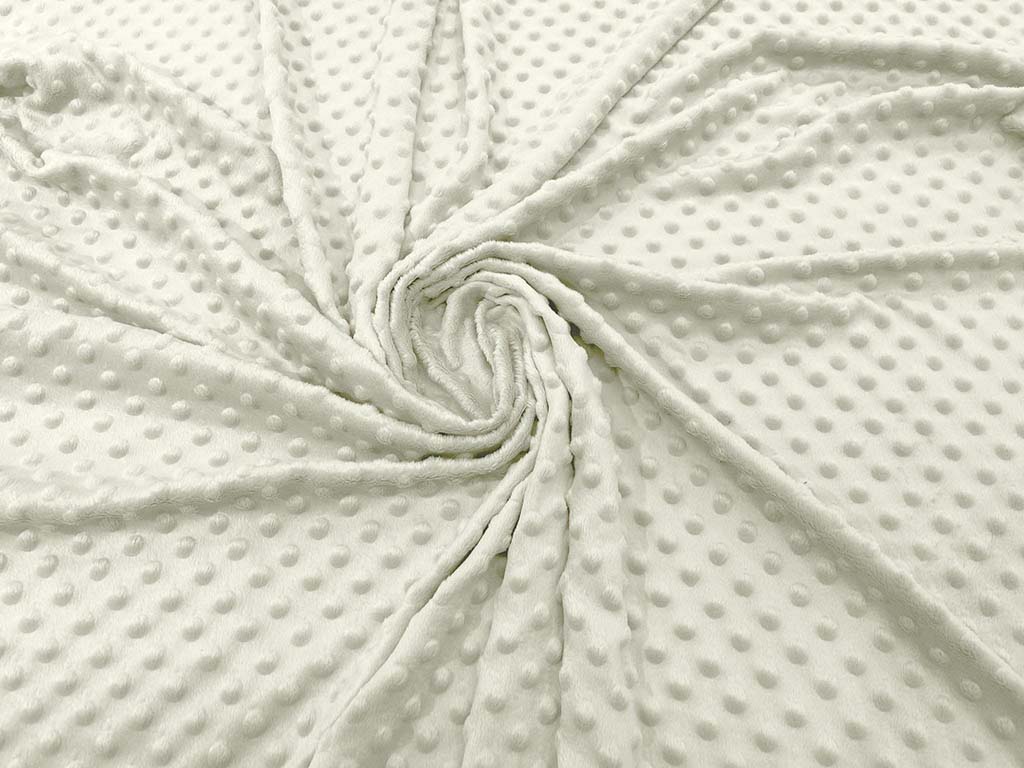
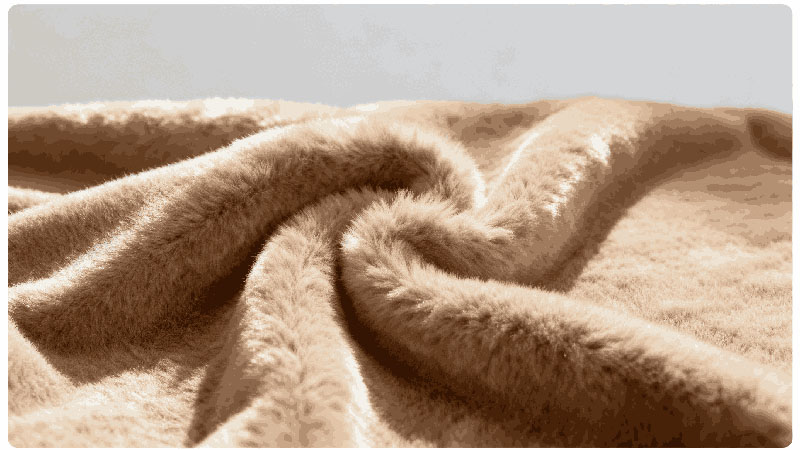
Minky (short pile) is the most popular for baby plush because it is silky, warm, and forgiving in daily use. It photographs well and stays soft after repeated washing when you choose toy-grade lots. Velboa (micro-plush) has an even shorter pile and a slightly firmer touch; it shows embroidery with crisp edges and sheds less lint—great for faces and small plush. Cotton knit/terry gives a natural contact point and high breathability; it is ideal for loveys and surface areas that touch cheeks and hands. But cotton can shrink and lose shape if not pretested. Many baby collections mix them: minky body for cuddling, velboa face for detail clarity, cotton panels for natural-story SKUs.
Baby fabric comparison
| Fabric | Touch & look | Best use on baby plush | Watch-outs |
|---|---|---|---|
| Short-pile minky | Silky, cozy, premium glow | Main body, cuddle areas | Check anti-pilling grade |
| Velboa (micro-plush) | Smooth, low lint, crisp | Face panels, small sizes | Slightly firmer hand |
| Cotton knit/terry | Natural, breathable | Loveys, patches, clothing parts | Shrink/colorfast tests needed |
How do GSM, pile height, and backing impact softness, shedding?
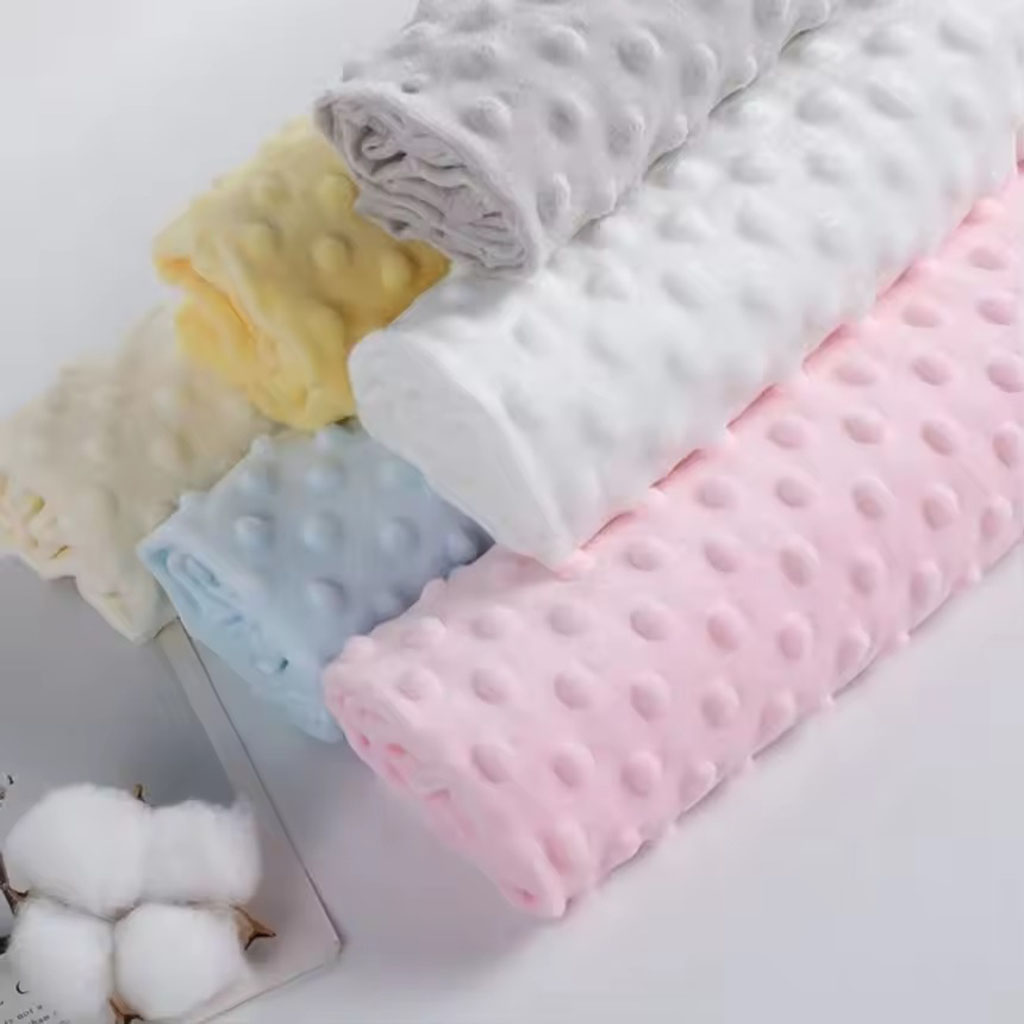
GSM (fabric weight) adds body; pile height adds depth; backing quality controls stability and lint. For baby plush, the sweet spot is short, dense pile with medium GSM. Too tall a pile traps lint and can mat after washing; too light a GSM can feel thin and show the backing. We prefer stable warp-knit or firm circular-knit backings; they hold embroidery well and resist seam slippage. To reduce shedding, we specify tight shearing and proper brushing, then validate with pilling and lint tests. A good baby fabric feels soft on day one and keeps that feel after 5–10 wash cycles in gentle care.
Structure settings for baby plush
| Parameter | Baby-friendly target | What it changes |
|---|---|---|
| GSM | ~220–320 (fabric-dependent) | Heft without bulk |
| Pile height | Short / low (e.g., 2–6 mm) | Lower lint, easy hygiene |
| Stitch density | High / tight | Smooth face, no show-through |
| Backing | Stable knit (warp/circular) | Holds embroidery, seams stay closed |
What certifications ensure safety—Oeko-Tex, EN71, CPSIA—for baby fabrics?
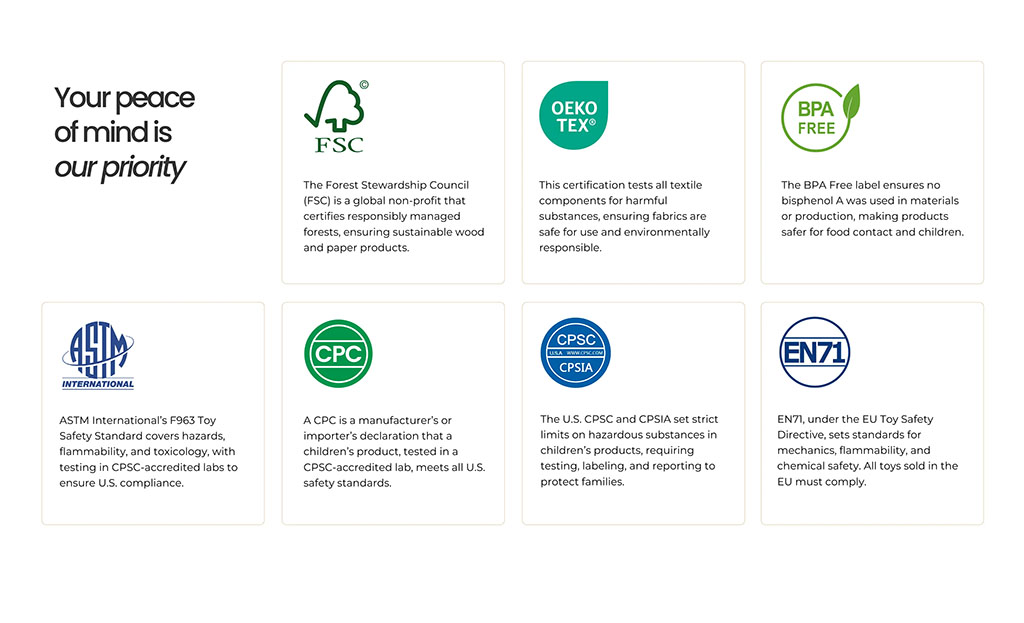
For export toys, we design to EN 71 (EU) and ASTM F963/CPSIA (USA). These cover mechanical safety, flammability, and chemicals. Many baby buyers also request OEKO-TEX® Standard 100 for textiles to show human-ecological safety. In practice, the fabric must pass: colorfastness (wash/rub/saliva/sweat), pilling/abrasion, seam slippage, and restricted substances. The finished toy then passes the full toy protocol, including small parts rules and tracking labels. If you change fabric lots, finishes, or dyes, retest or re-assess risk; for babies, nothing beats evidence.
Compliance snapshot
| Standard | Covers | Relevance for baby plush |
|---|---|---|
| EN 71-1/2/3 | Mechanical, flammability, chemicals | EU toy legality |
| ASTM F963 + CPSIA | Safety + lead/phthalates | US toy legality |
| OEKO-TEX® Standard 100 | Human-ecological textile safety | Extra trust for skin contact |
| REACH/RoHS policies | Substance restrictions | Retailer requirements, due diligence |
How do washability and colorfastness influence long-term hygiene performance?
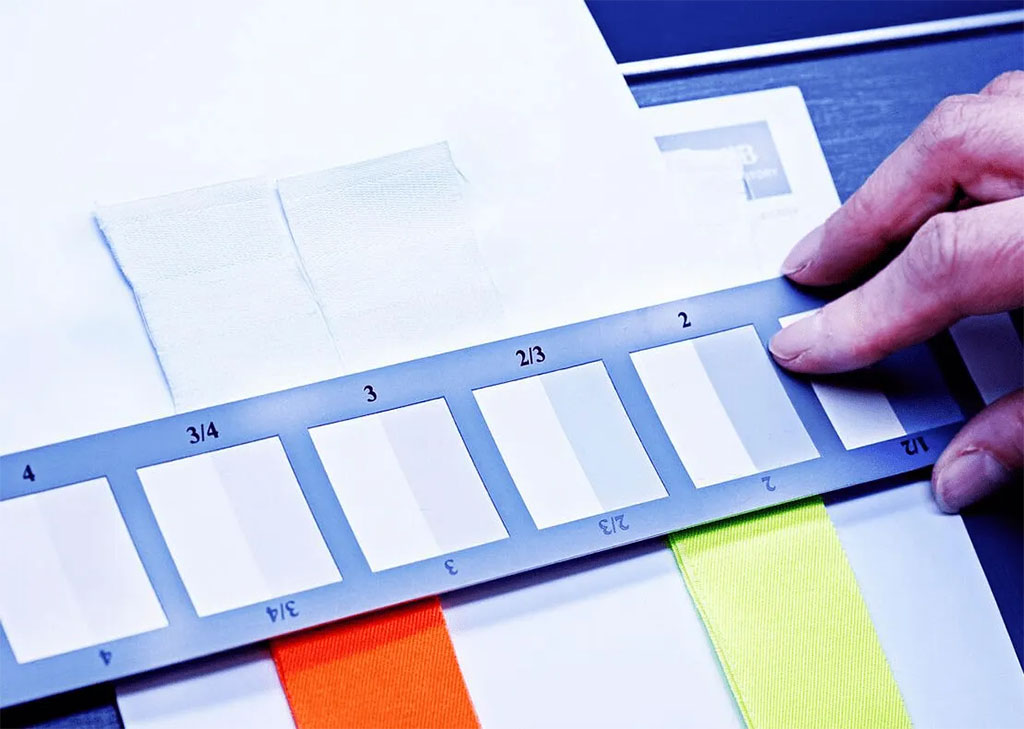
Baby plush must be easy to clean and stay soft. We recommend cold water, gentle cycle, air dry on labels. Fabrics should pass multiple wash cycles with minimal pilling, no color bleed, and stable pile direction. Short-pile micro-plush and firm cotton knits clean faster than long furs. For deeper hygiene, choose dense fabrics that don’t trap crumbs or dust and avoid heavy accessories. Good colorfastness prevents stains on pale clothes or sheets and keeps the toy looking fresh for longer. At Kinwin, we run 5–10 wash tests on proposed fabrics and check before–after softness and shape.
Hygiene & care guide
| Factor | Good practice | Result for families |
|---|---|---|
| Washing | Cold, gentle cycle | Less fiber damage |
| Drying | Air dry, avoid high heat | Softer hand after wash |
| Pile choice | Short, dense | Quicker cleaning, less lint |
| Colorfastness | Pass saliva/sweat/wash | No dye transfer on fabrics |
Which hypoallergenic or organic options balance comfort, durability, and cost?
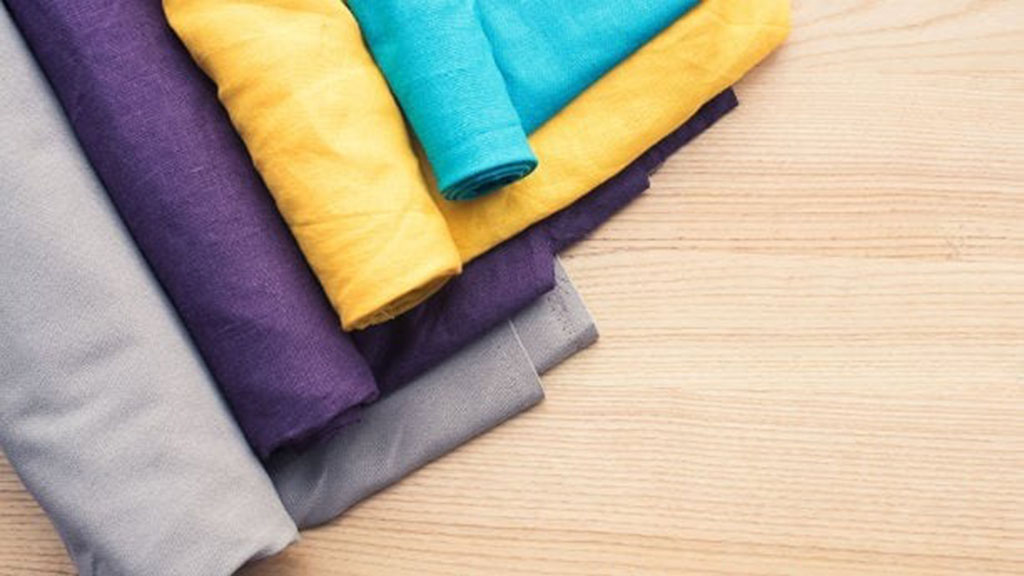
For sensitive-skin lines, focus on low-lint micro-plush + clean polyester fiberfill, or OEKO-TEX® certified minky/velboa grades. These are hypoallergenic in practice because they shed less and clean easily. If you need organic positioning, use organic cotton knit/terry for surface panels and keep the pile short; pair it with rPET polyester fiberfill for eco credibility and stable performance. Full organic (fabric + filling) raises cost and may reduce wash resilience—pilot first. For weighted features, avoid loose pellets for under-3; baby SKUs should rely on fiberfill only.
Soft, safe, and sensible choices
| Option | Comfort | Durability & care | Best use |
|---|---|---|---|
| OEKO-TEX® micro-plush | Very soft, low lint | Wash-stable when well specified | Core baby plush |
| Velboa (short pile) | Smooth, crisp face | Excellent embroidery clarity | Faces, small plush |
| Organic cotton knit/terry | Natural, breathable | Needs shrink/color tests | Loveys, contact zones |
| rPET fiberfill (stuffing) | Same feel as virgin | Eco claim, consistent | Inside all baby lines |
Conclusion
The best fabric for baby plush toys is short-pile, dense, colorfast, and certified—usually toy-grade minky or velboa, sometimes mixed with organic cotton panels for a natural story. Keep pile short, backing stable, and testing strict. Pair with clean polyester (or rPET) fiberfill and clear wash labels to protect softness and hygiene in daily family life.
At Kinwin, my team and I help brands choose baby-safe fabrics that feel gentle, pass tests, and fit budgets. If you’re building a new baby plush line—or upgrading an existing one—email [email protected] or visit kinwintoys.com. We’ll lock a fabric spec that parents trust and babies love.