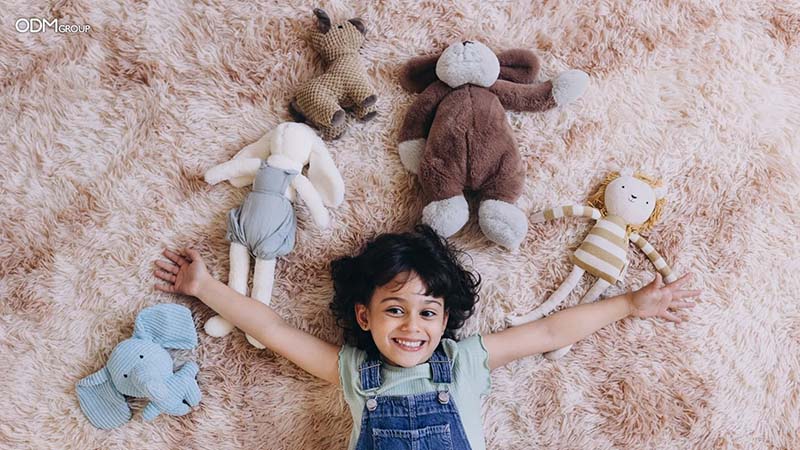
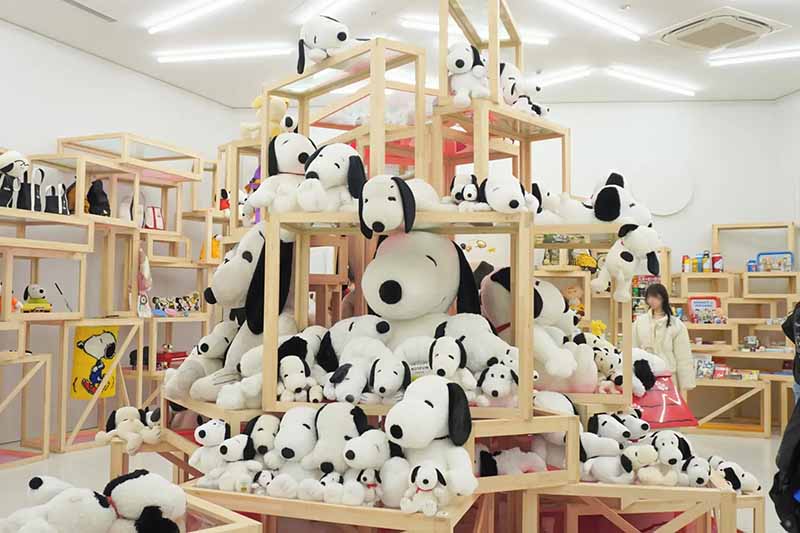
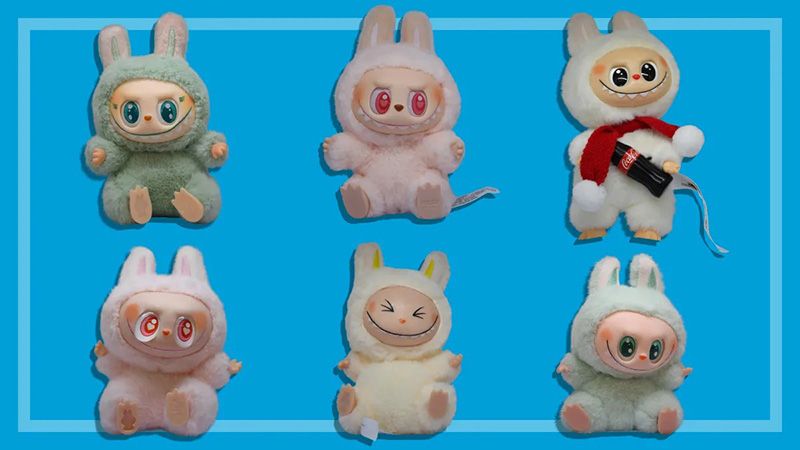
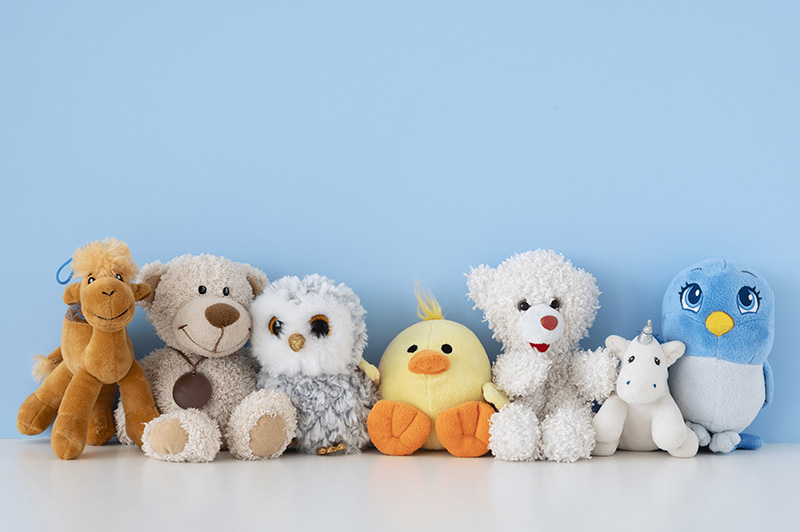
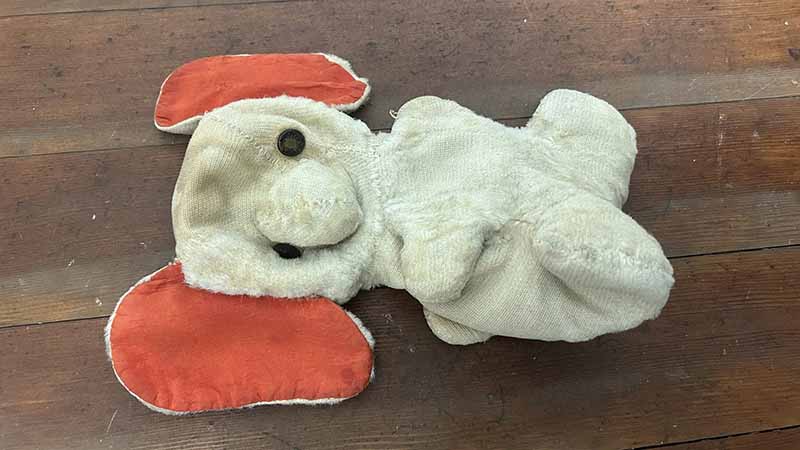
Stuffed toys are no longer just “cute gifts.” For many families, they are comfort objects, learning tools, decor pieces, collectibles, and powerful carriers of brand stories. For you as a buyer or brand owner, understanding what “stuffed toys” really mean today helps you plan better products and talk more clearly with factories and retailers.
Stuffed toys are soft, fabric-based toys filled with materials such as polyester fiber, foam, or pellets, designed primarily for hugging, play, or display. In today’s global market, they range from baby comforters and classic teddy bears to branded mascots and fandom collectibles. A good stuffed toy balances softness, safety, durability, and design so it can meet both emotional needs and strict compliance rules in markets like the USA and Europe.
In this guide, I’ll walk you through stuffed toys from a factory perspective—what defines them, how quality is built, how they’re categorized, and how trends and licensing shape modern demand.
What defines stuffed toys in today’s global toy market?
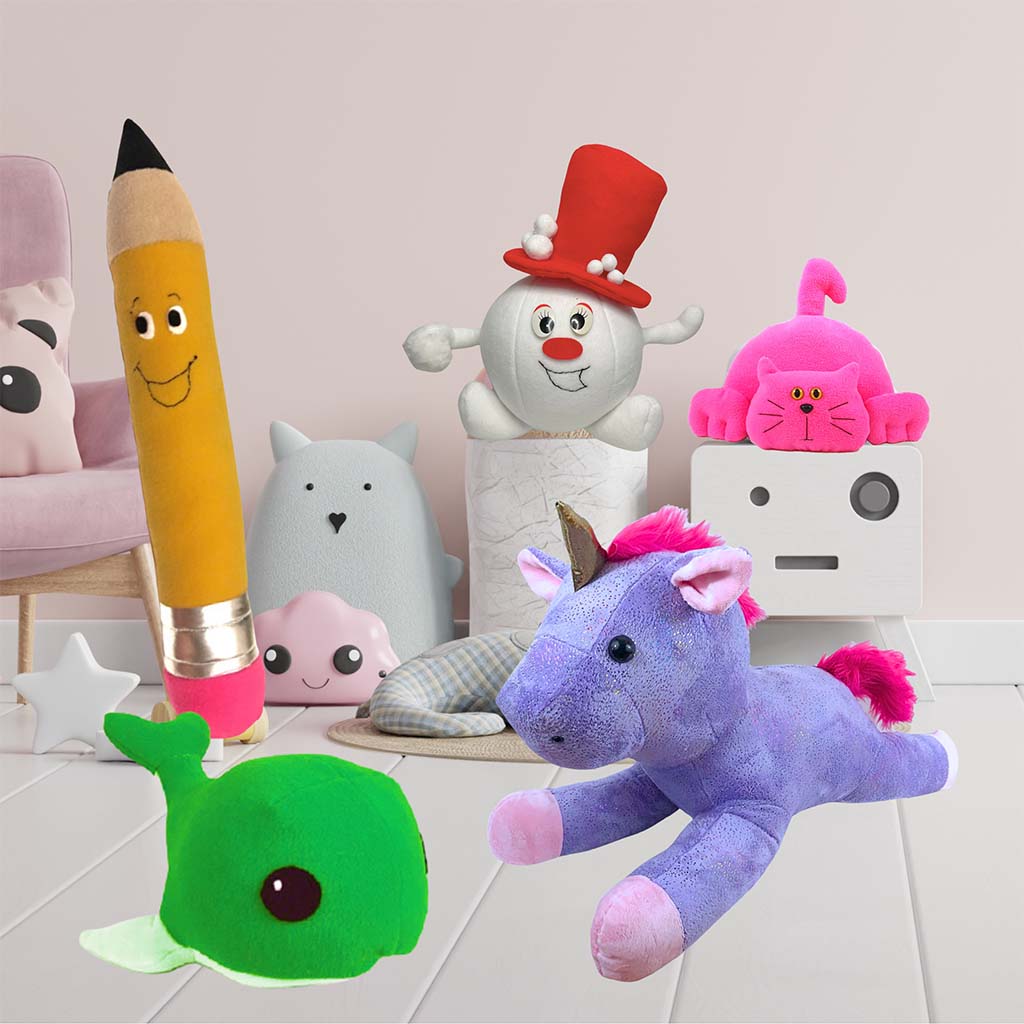
In simple words, a stuffed toy is a soft toy made from fabric and filling. But in today’s market, the definition is wider and more strategic. Stuffed toys cover:
- Baby comfort toys and sleep companions
- Classic bears and animals for kids
- Branded mascots and promotional characters
- Decor plush for teens and adults
- Licensed character plush from games, films, and anime
The core idea is always the same: soft outer shell + inner filling + friendly form, designed for touch, play, or display.
From a business view, stuffed toys sit at the crossroads of emotional value and product planning. They live in toy stores, baby shops, gift channels, theme parks, online platforms, and corporate campaigns.
You can think about stuffed toys along three basic axes:
| Axis | Example Range | What It Changes for You |
|---|---|---|
| Purpose | Play, comfort, decor, promotion, collectible | Affects design, pricing, and marketing message |
| Audience | Babies, kids, teens, adults, collectors | Affects safety level and style choices |
| Brand connection | Generic, original IP, licensed IP, corporate | Affects approvals, costs, and storytelling |
When you define clearly where your stuffed toys sit on these axes, you make better choices about size, materials, style, and certification. It becomes much easier to brief a factory and explain your line to retailers or distributors.
How do materials and construction techniques shape stuffed toy quality?
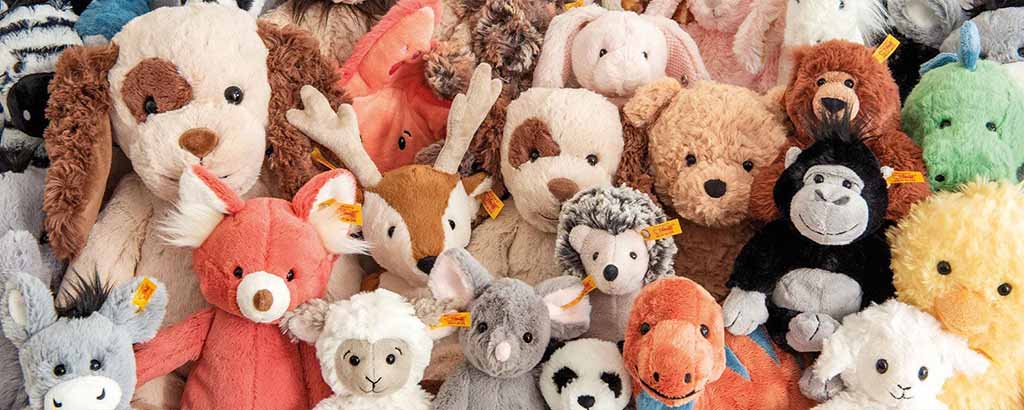
Stuffed toy quality is not decided only by appearance. It is built from materials and construction that work well together. Two toys may look similar in photos, but behave very differently in real life and in lab tests.
At a basic level, you have:
- Surface fabric (what people see and touch)
- Filling (what gives volume and softness)
- Construction (how pieces are cut, stitched, and reinforced)
Common materials and what they do
From our production floor, these are the materials you will see most often:
| Component | Typical Options | Impact on Quality |
|---|---|---|
| Surface fabric | Minky, velboa, fleece, short & long plush | Controls softness, texture, and visual “fur” |
| Filling | Polyester fiberfill, cluster fiber, pellets | Controls softness, bounce, and weight |
| Inner structure | Lining fabric, inner bags, foam inserts | Supports shape, holds pellets, adds stability |
| Thread | Polyester sewing thread, embroidery thread | Affects seam strength and facial detail quality |
| Components | Safety eyes, noses, internal sound boxes | Add character and functions, must be secure |
A high-quality stuffed toy usually feels:
- Soft but not “mushy”
- Full but not over-stuffed and hard
- Stable in its intended pose (sitting, standing, lying)
Construction techniques that matter
Good materials still need good construction. In our factory work, we focus on:
- Correct seam allowance and clean curves
- Stitch density that is strong but not cutting the fabric
- Reinforcement at stress points (neck, underarms, tail base, hanging loop)
- Use of inner bags when pellets or weighted fillings are used
Here’s a simple construction snapshot:
| Technique | Where It’s Used | Why It Helps |
|---|---|---|
| Lockstitch seams | Main panels (body, head, limbs) | Provides strong, consistent structure |
| Overlock / serging | Fabric edges inside the toy | Prevents fraying and keeps inside neat |
| Bar-tacks / reinforcements | Limb joins, tail base, accessories | Strengthens high-stress areas |
| Ladder stitch (hand) | Final closing after stuffing | Gives a nearly invisible closing seam |
When materials and construction are aligned with your target market, your stuffed toys feel premium in hand and survive both play and shipping. That is how quality turns into fewer complaints and more repeat orders.
Which design features influence function, appeal, and safety?
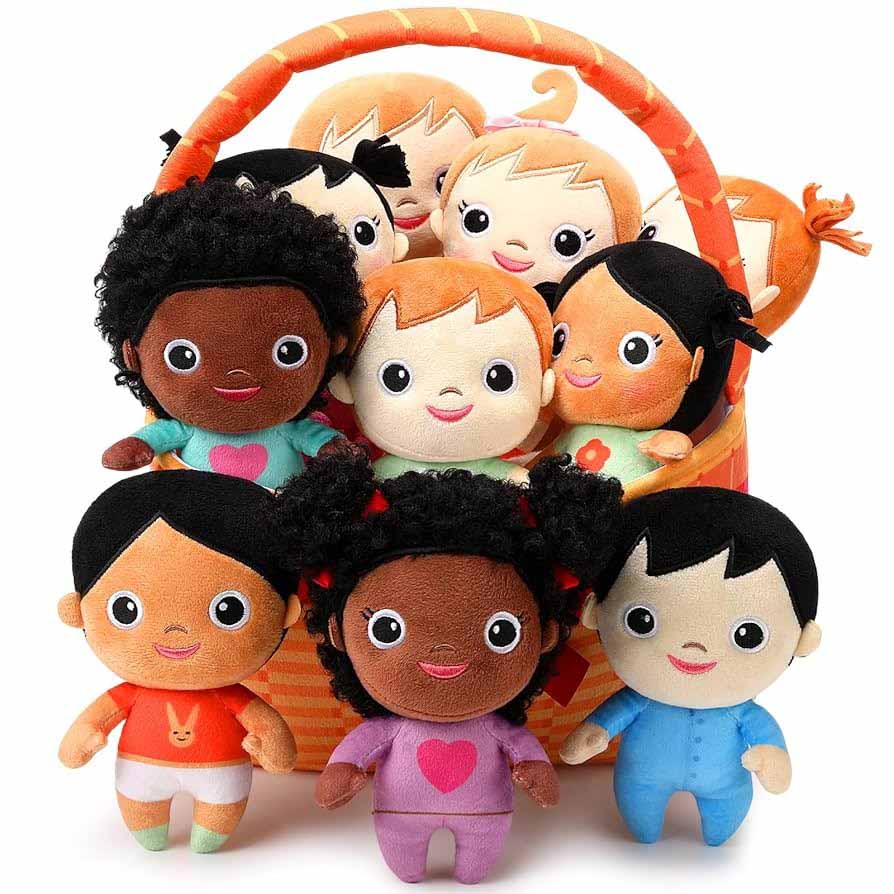
Design is where your stuffed toy talks directly to the buyer and user. Shape, size, expression, and color all influence how a toy feels—and also how safe it is.
Good design balances three things:
- Function – sleep, play, decor, promotion, collectible
- Appeal – cuteness, style, brand match
- Safety – no dangerous shapes, parts, or attachments
Design features that matter in daily use
| Design Aspect | What You Decide | Impact on Function and Appeal |
|---|---|---|
| Size & weight | Small, medium, large, weighted or not | Ease of hugging, carrying, and shipping |
| Proportions | Realistic vs. chibi (big head, small body) | Emotion: classic, cute, or stylized |
| Face style | Embroidered or plastic eyes, mouth, nose | Safety, expression, and brand identity |
| Body shape | Sitting, standing, flat, pillow-like | How toy is played with, displayed, or slept with |
| Color palette | Pastel, bold, natural, branded colors | Fits age group, gender neutrality, decor trends |
For younger children, we often recommend:
- Medium size, easy to hold
- Rounded shapes, no sharp corners
- Embroidered faces instead of hard pieces
- Calm, friendly expressions (not aggressive or scary)
Design and safety must work together
You cannot separate design from safety. For example:
- Very long, thin limbs may look cute, but they need strong stitching.
- Tiny accessories might be stylish but not suitable for under 3 years.
- Dark, intense facial expressions might fit teens, but not toddlers.
When you design with safety in mind from the beginning, you avoid expensive changes later in sampling or testing. In our projects, we always look at design through a “parent’s eyes” and a “lab test” lens at the same time.
How are stuffed toys categorized across age groups, uses, and styles?
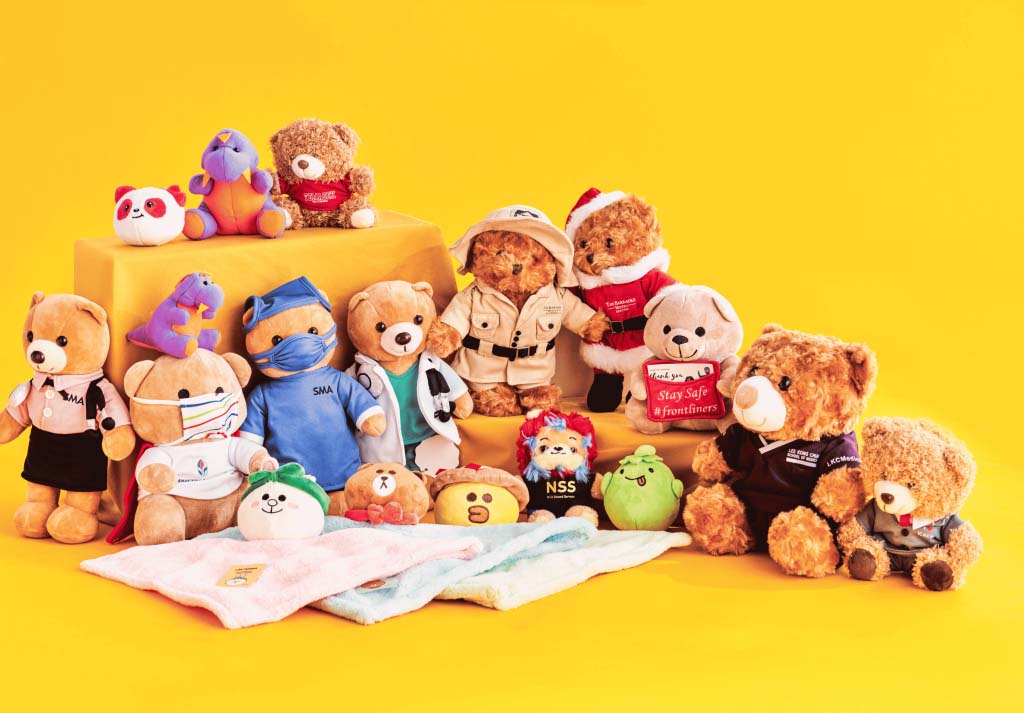
“Stuffed toys” is a very broad term. For planning and sourcing, it is easier when you break the market into segments.
You can categorize stuffed toys by:
- Age group
- Use case
- Style and theme
By age group
| Age Group | Typical Features | Common Product Types |
|---|---|---|
| Babies (0–18 months) | Extra-soft, light, no small parts | Comforters, small animals, soft rattles |
| Toddlers (18m–3y) | Strong seams, simple shapes, washable | Medium plush animals, character buddies |
| Preschool (3–5y) | Expressive faces, sets and families | Story plush, animal sets, simple role-play plush |
| Young kids (6–8y) | More detail, outfits, accessories | Themed animals, unicorns, dinos, character plush |
| Older kids / teens | Trend-led, fandom, weighted, decor pieces | Brand characters, kawaii plush, cushions |
| Adults / collectors | Sophisticated designs, licensed IP, art plush | Limited editions, designer plush, decor plush |
By use and style
| Category Type | Examples / Focus | What It’s Mainly Used For |
|---|---|---|
| Sleep & comfort | Bedtime plush, comforters, weighted toys | Soothing, self-regulation, sleep support |
| Play & learning | Animal sets, story characters, puppet plush | Role-play, storytelling, basic education |
| Decor & lifestyle | Cushions, minimal plush, color-matched lines | Room styling, sofa or desk decor |
| Promotional | Mascots, corporate giveaways, event plush | Branding, campaigns, gifts |
| Fandom & IP | Game, anime, film, sports plush | Collecting, fan identity, gifts |
As a buyer, mapping your range by these categories helps you:
- See gaps and overlaps in your offer
- Build clear collections with their own stories
- Explain each line clearly to distributors and end customers
At Kinwin, we often start new projects by placing the idea into a simple table like this. That way, both sides are aligned before we talk about sizes, fabrics, and price points.
What manufacturing and compliance standards govern stuffed toy production?
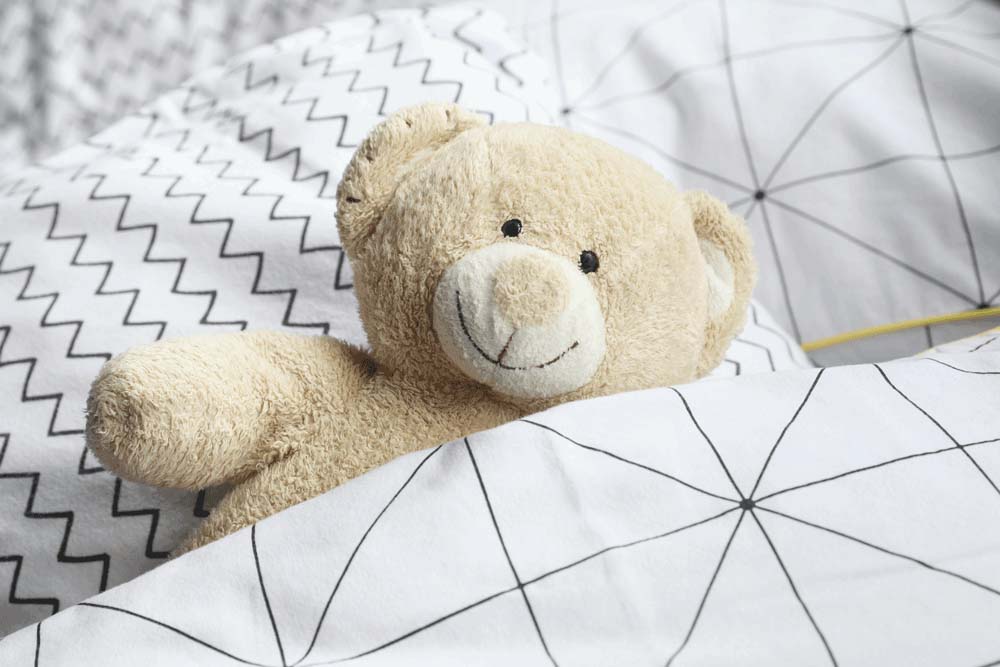
Stuffed toys for children are heavily regulated. Even decor and collectible plush can be affected by safety expectations, especially when sold through major platforms or retailers.
Internationally, you will see several core standards and regulations. They differ by region, but often cover similar topics:
- Mechanical and physical safety (seams, small parts, sharp points)
- Flammability
- Chemical safety (heavy metals, phthalates, certain chemicals in dyes)
- Labeling (age grades, warnings, tracking labels, care instructions)
Key standards you should know
| Standard / Regulation | Region / Scope | Main Focus Areas |
|---|---|---|
| EN71 (parts 1–3) | Europe – toys | Mechanical, flammability, chemical safety |
| CE mark | Europe – many products | Shows compliance with EU requirements |
| REACH | Europe – chemicals | Restricts certain substances in materials |
| ASTM F963 | USA – toy safety | Mechanical, flammability, labeling |
| CPSIA | USA – children’s products | Lead, phthalates, tracking labels |
| Other local rules | Japan, Middle East, etc. | Additional or regional requirements |
Building compliance into production
If you want to avoid surprises, safety cannot be an “after step.” It must be built into design and manufacturing from the beginning. Practically, this means:
- Choosing tested fabrics and fillings with known performance
- Designing out obvious risks (e.g., small parts for under-3s)
- Using secure construction for eyes, noses, and trims
- Working with certified labs for pre-production testing
- Keeping records of reports, batch numbers, and tracking labels
As a factory, we always design and sample with standards in mind. When you share your target markets early (for example, “USA + Europe + Japan”), we adjust materials and structures so your stuffed toys have a strong chance of passing tests smoothly.
How do trends, licensing, and culture impact modern stuffed toy demand?
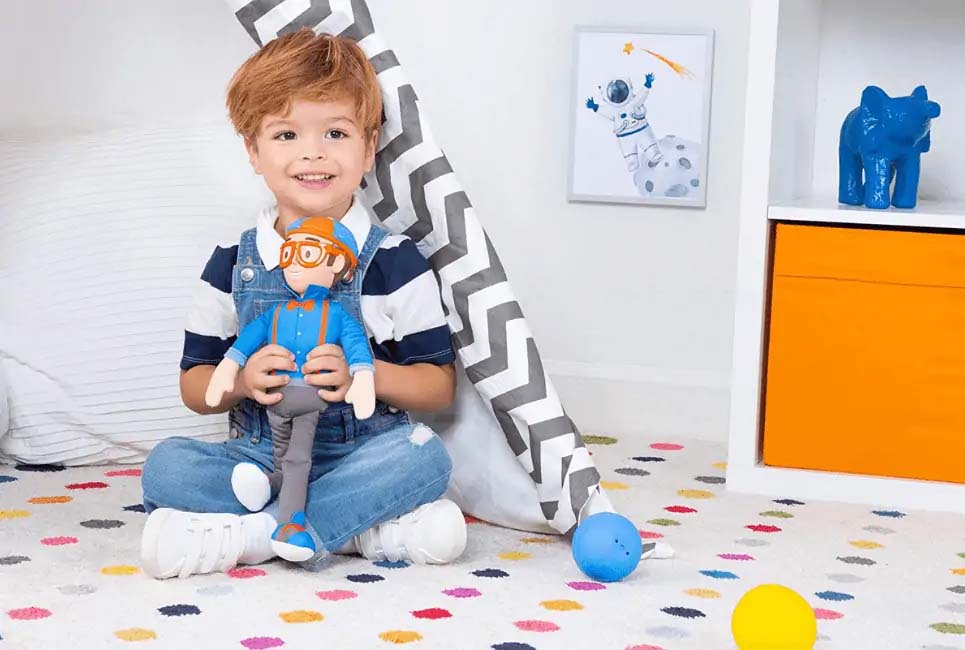
Stuffed toys are emotional products, so they are strongly shaped by trends, culture, and IP. What sells well today is often a mix of classic comfort and current fashion or fandom.
Several forces drive modern demand:
- Cute culture – soft colors, simple faces, rounded shapes
- Wellness and self-care – sleep plush, weighted plush, “emotional support” toys
- Interior trends – plush cushions and minimal plush fitting room decor
- Fandom and IP – games, anime, films, music groups, VTubers, influencers
- Gifting culture – seasonal plush (Christmas, Valentine’s, graduation, etc.)
Trend and culture influences at a glance
| Trend / Influence | How It Shows Up in Stuffed Toys | What It Means for Your Product Planning |
|---|---|---|
| Kawaii / cute culture | Big heads, small bodies, pastel palettes | Strong for teens, young adults, social media |
| Wellness & comfort | Weighted plush, soft sleepy faces, calm tones | Focus on softness, safety, and relaxing look |
| Home decor | Plush cushions, neutral-toned animals | Need clean design, coordinated color stories |
| Fandom & licensing | Character plush, mascot plush, event plush | Requires style guides, approvals, royalty costs |
| Social media & unboxing | Big-size plush, sets, “hug test” videos | Needs good packaging, strong visuals |
Licensing and cross-category storytelling
Licensed plush turns characters from screens into huggable items. Many brands also build their own IP through stuffed toys, then extend into other categories like vinyl figures, apparel, and stationery.
Stuffed toys often act as:
- The first touchpoint of a new character for kids
- A soft version of an existing IP (more family-friendly)
- A cross-promotion item for shows, games, or events
As a manufacturer, we see that the most successful ranges align plush design with digital stories, packaging, and social media content. This way, your stuffed toys are not only products, but also carriers of your brand culture.
Conclusion
A modern stuffed toy is more than a soft shape—it is a careful mix of materials, construction, design, safety, and cultural meaning that must satisfy both children and global compliance standards. At Kinwin, we help buyers turn stuffed toy ideas into well-structured, test-ready products that feel soft, look on-trend, and perform reliably in markets like the USA, Europe, Japan, South Korea, and the Middle East. Contact us at [email protected] or visit kinwintoys.com to discuss your next stuffed toy project and see how our factory team can support your long-term growth.