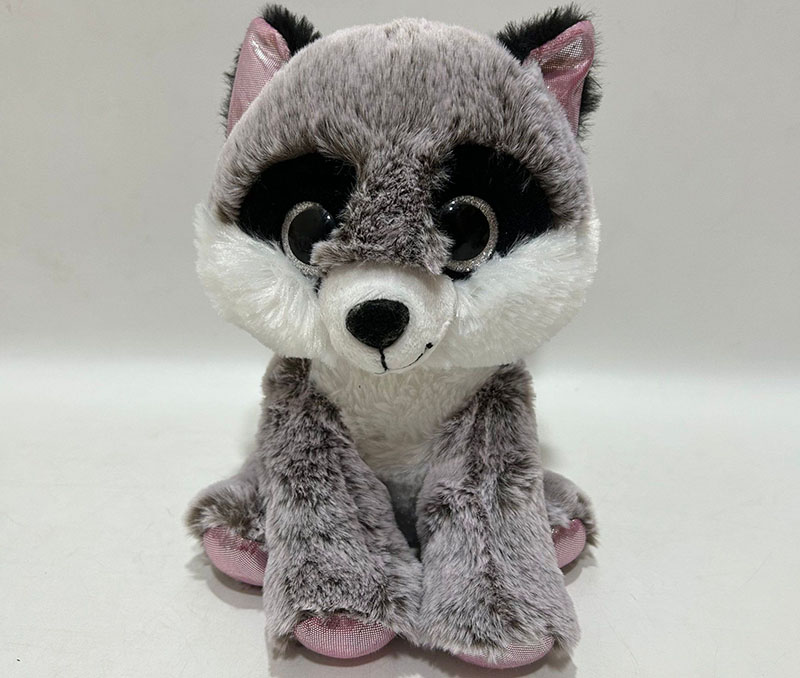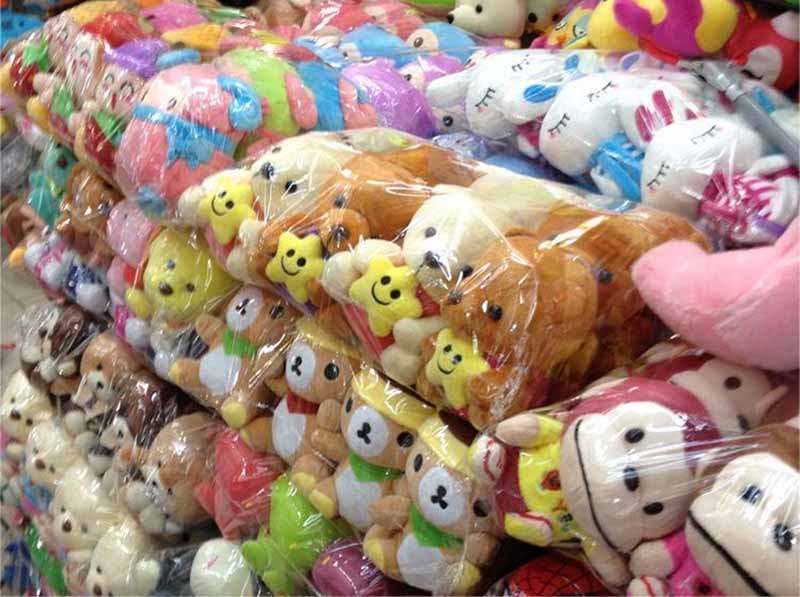
When people talk about “plushies,” they usually mean more than just stuffed toys. Plushies are comfort objects, collectable characters, decor items, and sometimes even brand mascots. For some buyers, they are tools for emotional support. For others, they are a key part of a fandom or lifestyle.
As a plush toy manufacturer in China, I work every day with brand owners, retailers, and e-commerce sellers who want to create or source plushies that feel soft, look professional, pass safety tests, and fit real market demand. In this guide, I’ll explain how I understand “plushies” in modern toy language and what that means for quality, design, safety, and business.
What defines plushies in modern toy terminology?
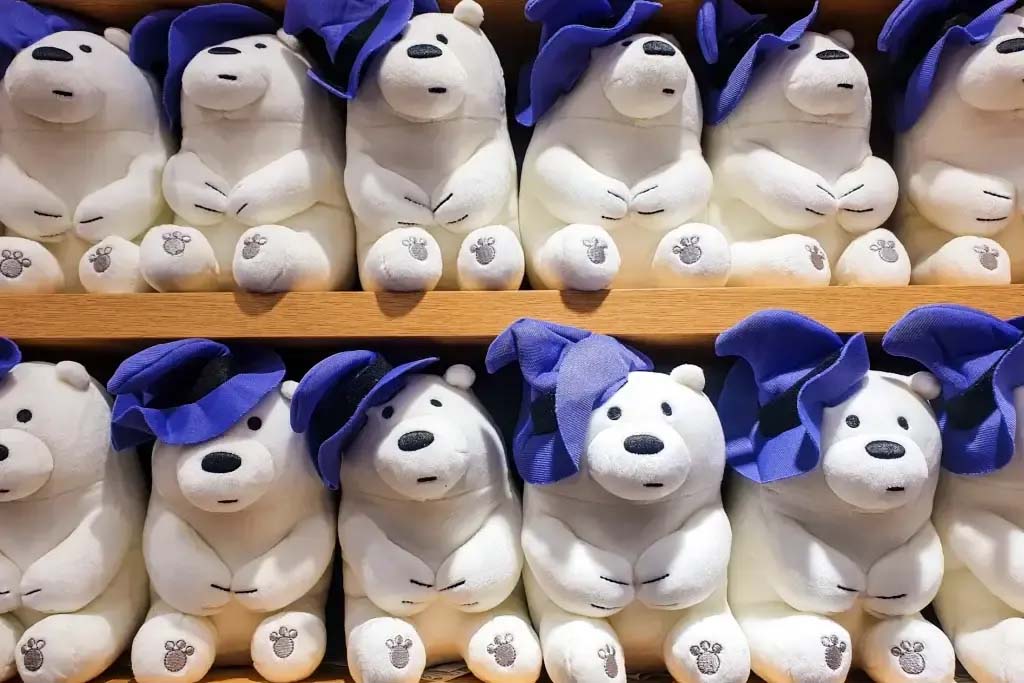
In simple terms, a plushie is a soft, stuffed figure made from plush (pile) fabric, usually designed for hugging, collecting, or display. But in modern toy terminology, the word carries a few more layers.
Today, when buyers say “plushies,” they often mean:
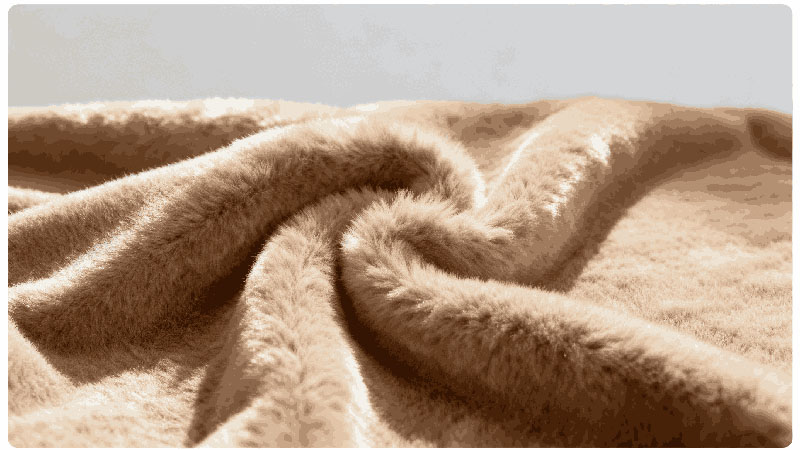
- Soft toys made from pile fabrics like minky, velboa, or faux fur.
- Characters or animals with clear personalities.
- Products that give emotional comfort or express personal taste.
So “plushie” is not only a product category. It also reflects a certain style: cute, cozy, and expressive.
The core elements that define a plushie
You can break down the meaning of plushies into several practical layers:
Table 1 – How “plushies” are defined in the modern market
| Layer | What It Means | Example |
|---|---|---|
| Material layer | Uses plush or pile fabric with a soft, raised surface | Short minky, velboa, faux fur |
| Structural layer | Stuffed 3D form, usually with polyester fiberfill | Bears, bunnies, food-shaped plushies |
| Functional layer | Designed for hugging, decor, comfort, or play | Bedtime buddy, desk plushie, keychain plush |
| Emotional layer | Expresses cuteness, nostalgia, identity, or fandom | Anime plush, mascot plush, K-style aesthetic plush |
In short: all plushies are soft toys, but not all soft toys are plushies. Flat cloth books or foam toys are “soft,” but they are not what most people call plushies. Plushies sit in the center of soft, stuffed, and expressive.
How do materials and construction methods shape plushie quality?
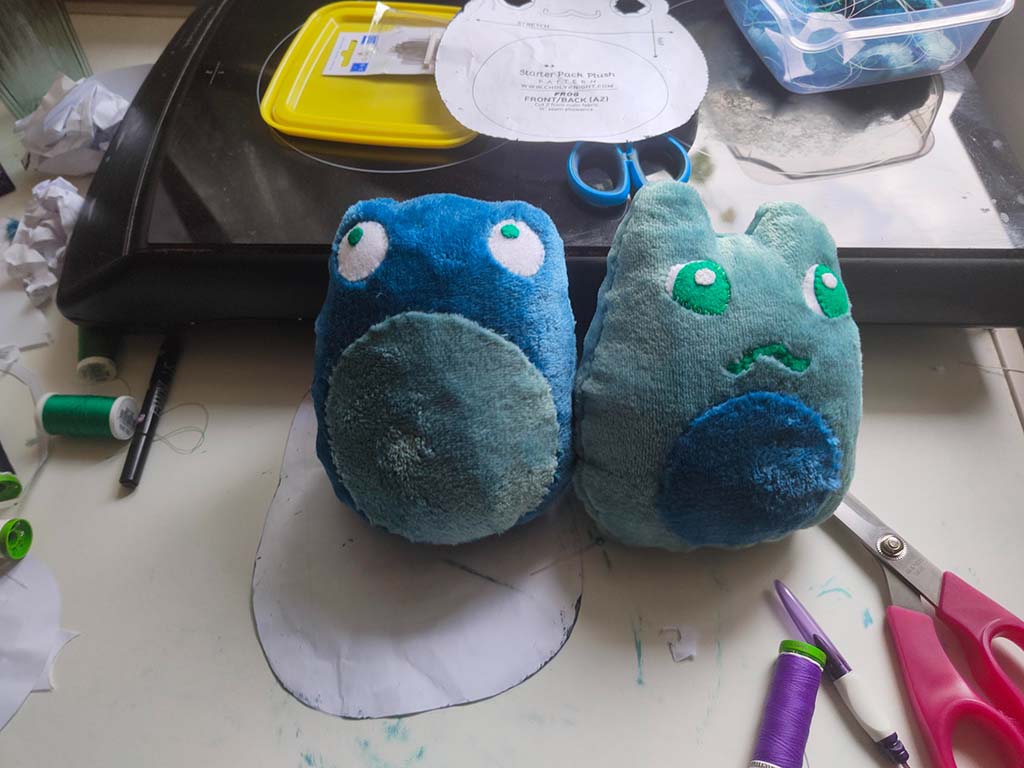
A plushie’s quality starts with fabric, filling, and stitching. Customers may not know the technical terms, but they feel the difference immediately when they touch or hug a sample.
From the factory side, I always look at:
- Fabric type and pile length.
- Fiber quality (standard vs recycled polyester).
- Stuffing method and density.
- Seam strength and finishing.
These choices decide how soft the plushie feels on day one and how it looks after months of use, washing, and hugging.
Common materials used in plushies
Here is a simple overview of typical material combinations:
Table 2 – Key materials used in plushie production
| Component | Typical Options | Effect on Quality |
|---|---|---|
| Outer fabric | Short plush / velboa | Smooth, neat, good for detailed prints |
| Outer fabric | Minky / coral fleece | Extremely soft, baby-friendly, cozy image |
| Outer fabric | Long-pile faux fur | Fluffy, “luxury” feel, high volume |
| Stuffing | Polyester fiberfill | Light, bouncy, keeps shape after many hugs |
| Stuffing (eco) | Recycled polyester fiberfill | Similar performance with eco story |
| Added weight | Plastic pellets / glass beads | Extra stability or calming weight |
| Details | Embroidery, soft felt, printed panels | Expression and personality; must be securely attached |
Construction methods that change how plushies feel
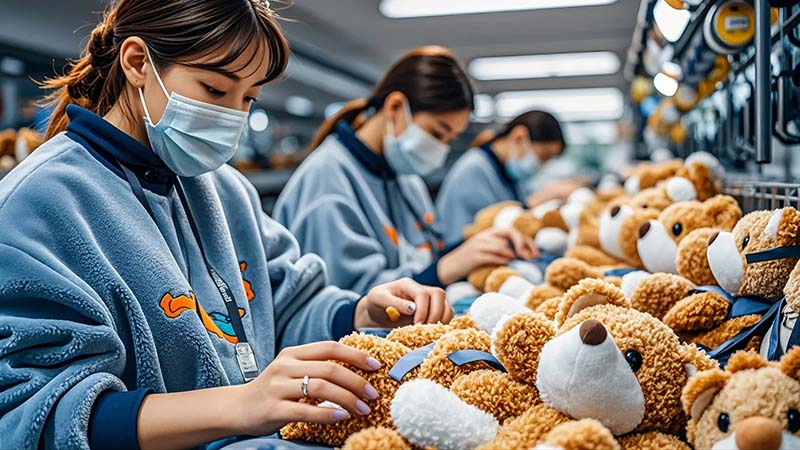
Even with good materials, poor construction will ruin a plushie. In our factory, we focus on:
- Pattern design – Controls the shape and posture. A good pattern creates natural curves and a balanced body.
- Cutting – Ensures the pile direction is consistent and the parts match.
- Sewing – Uses the right stitch type, length, and reinforcement at stress points.
- Stuffing – Fills in layers, controls density by area (head, body, limbs), and removes lumps.
When materials and construction support each other, plushies feel soft but not floppy, firm but not hard, and they keep their shape over time. That is the difference between a “cheap plushie” and a “favorite plushie” that people keep for years.
Which design elements influence a plushie’s appeal and function?
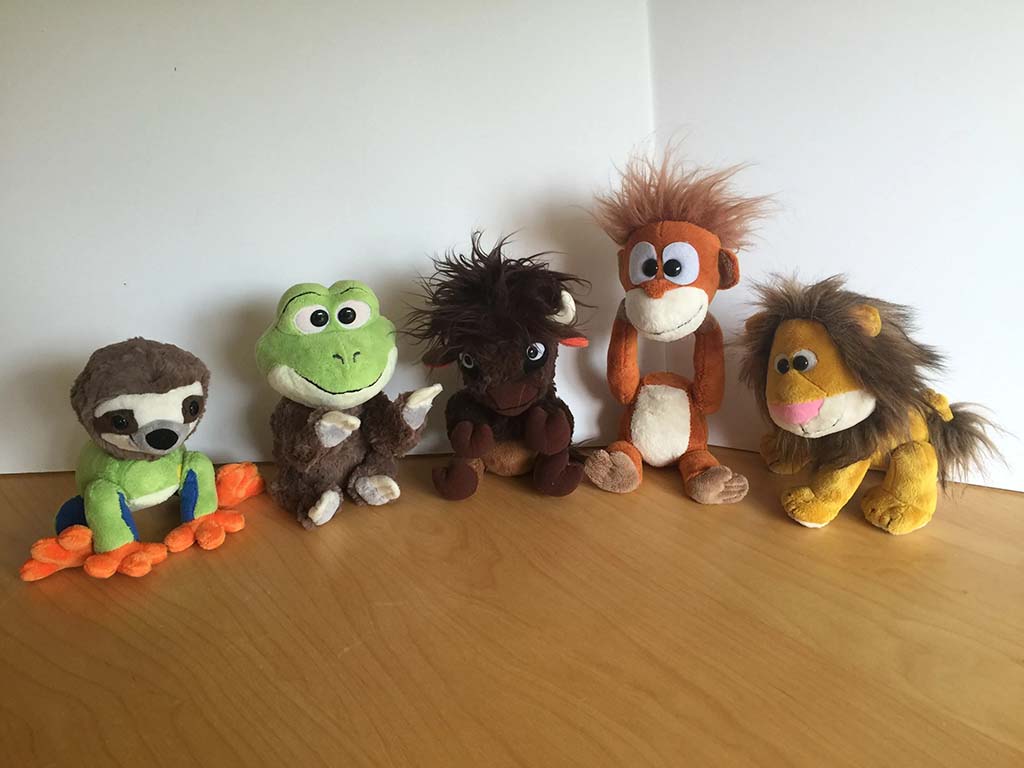
Design is where a plushie becomes more than “just soft.” Design controls who will love the plushie, how they will use it, and where they will place it—in a crib, on a desk, on a bed, or on a shelf.
When I develop new plushies with clients, we discuss:
- The target age group and lifestyle.
- The expression (face style, posture, attitude).
- The size and feel (small and portable vs large and dramatic).
- The intended function (sleep comfort, decor, stress relief, gift, fandom item).
Design elements and their impact
You can think of design elements like small levers that change how people feel about the plushie:
Table 3 – Key design elements and their roles
| Design Element | Typical Options | Influence on Appeal and Function |
|---|---|---|
| Facial style | Big eyes, minimal eyes, embroidered lines | Sets mood: cute, calm, silly, cool, or elegant |
| Body shape | Round, flat, long, chibi-style | Affects hug feel, shelf presence, and storage |
| Color palette | Pastels, brights, neutrals, monochrome | Connects to age group, interior style, or fandom |
| Texture mix | All smooth vs smooth + textured spots | Can add sensory interest without overwhelming design |
| Size | Pocket-size, medium, jumbo | Changes how it’s used: carry, desk, bed, decor |
| Accessories | Scarves, bags, clothes, removable parts | Adds personality; must be designed with safety in mind |
Matching design to purpose
For example:
- A baby plushie needs soft fabrics, rounded shapes, pastel or gentle colors, and embroidered features.
- A desk plushie for teens might be more stylized, with bold colors and a strong character expression.
- A collector plushie can have detailed embroidery, special fabrics, and accessories, because the user is older and more careful.
When design elements are aligned with the target audience and purpose, the plushie feels “right” immediately—this makes marketing easier and reduces returns.
How are plushies categorized across different styles and uses?
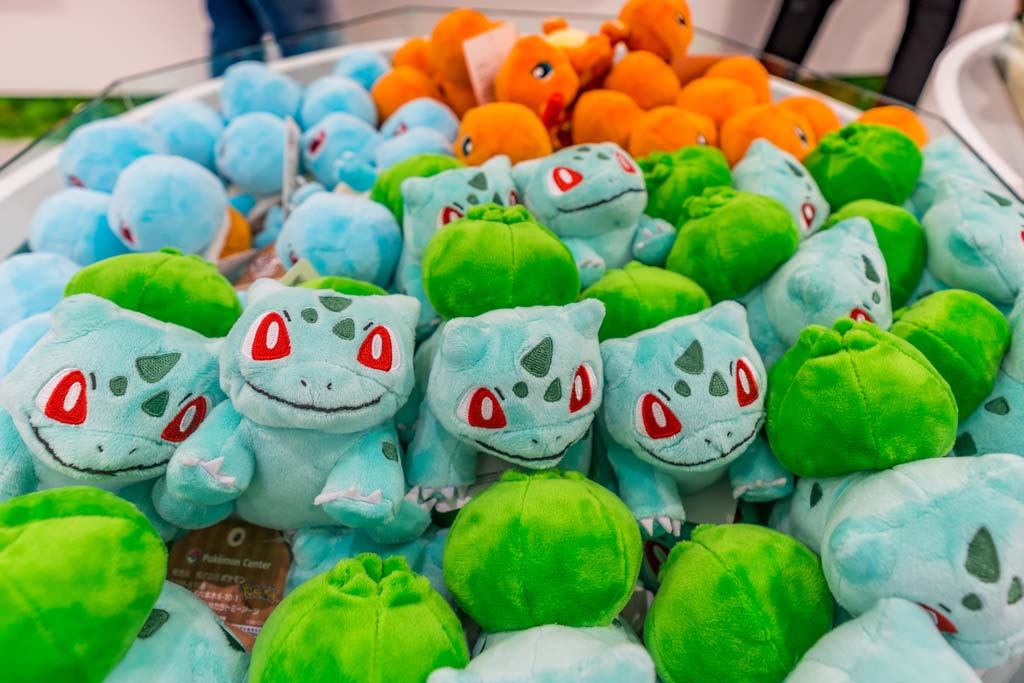
In modern markets, “plushies” cover many styles, from baby comforters to stylized anime characters. Understanding these categories helps you plan a product range or choose the right plush for your store or home.
From my experience, plushies can be grouped by style, function, and user intent. Many plushies sit in more than one group at the same time.
Common plushie categories
Here is a practical overview you can use when thinking about categories:
Table 4 – Plushie categories by style and use
| Category Type | Description | Typical Examples |
|---|---|---|
| Classic animal plushies | Traditional animals in soft, friendly style | Bears, bunnies, dogs, cats |
| Character plushies | Based on IP, mascots, or original characters | Anime plush, game characters, brand mascots |
| Kawaii / chibi plushies | Simplified, rounded, very cute proportions | Over-sized heads, tiny limbs, minimalist faces |
| Baby & infant plushies | Designed for very young children | Comforters, rattles, small soft animals |
| Decorative plushies | Made for home decor or interior style | Plush cushions, plush fruits, aesthetic plush |
| Weighted / calming plushies | Include extra weight for deep-pressure comfort | Weighted animals, lap plush, therapeutic plush |
| Keychain & mini plushies | Small size with attachments | Bag charms, phone charms, small blind-box plush |
Why categorization matters for brands and buyers
For brands and retailers:
- Clear categories help plan assortments and price ladders.
- You can design “families” within one category (for example, a line of pastel animal plushies).
For buyers and collectors:
- Categories help you search for what you need (gift, decor, comfort, fandom).
- You can mix categories to create a more complete offer (for example, baby plush + decorative plush for the nursery).
In our OEM/ODM work, we often combine categories in one project: a main character plushie, a mini keychain version, a weighted calm version, and a decorative cushion—all in the same style set.
What safety and compliance standards apply to plushie production?
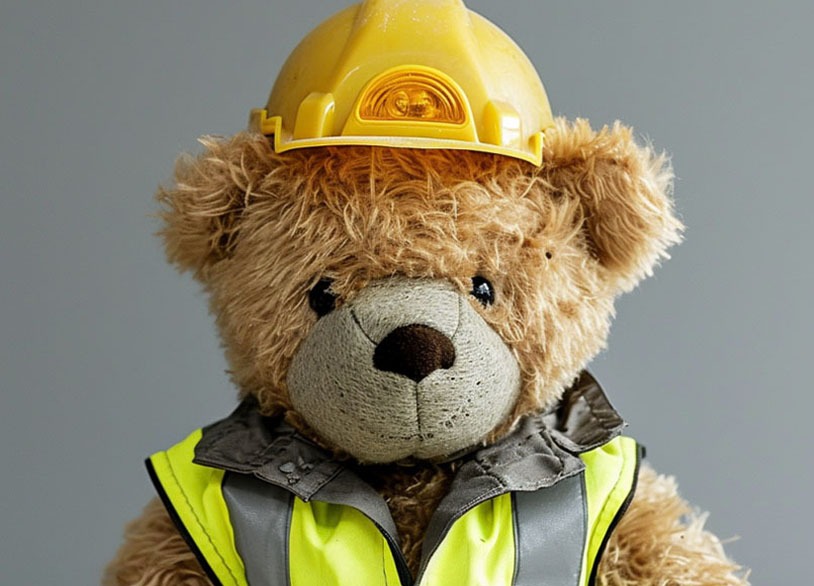
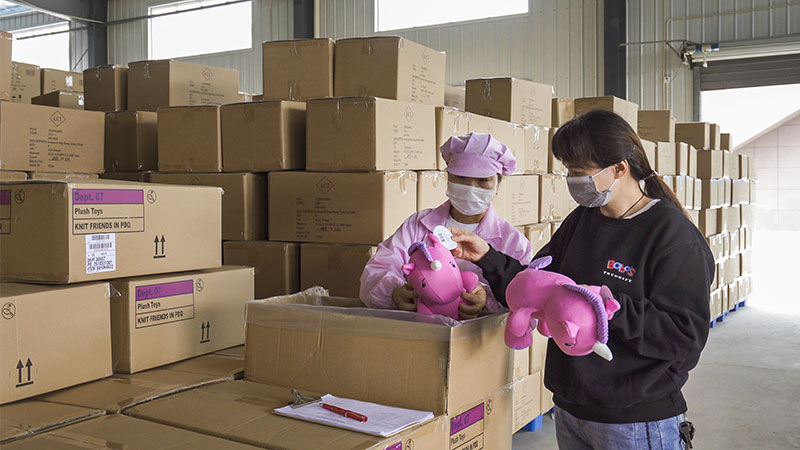
Plushies look soft and harmless, but for serious brands and retailers, safety is a core part of quality. A plushie that fails testing can damage a brand and even put children at risk.
The exact rules depend on your target market, but the main ideas are similar:
- No sharp parts.
- No easy-to-detach small parts for young children.
- Safe materials without harmful levels of heavy metals or banned chemicals.
- Accurate labeling with age recommendations and care instructions.
As a factory, we work with standards such as EN71, ASTM F963, CPSIA, and related regulations, depending on the destination country. We run tests on fabrics, stuffing, accessories, and finished plushies.
Core safety checks behind a compliant plushie
From a practical point of view, safe plushie production includes these steps:
Table 5 – Key safety and compliance aspects for plushies
| Safety Aspect | What It Covers | What It Means in Practice |
|---|---|---|
| Mechanical safety | Pull tests on eyes, noses, seams; small parts | Features should not detach under strong pulling |
| Chemical safety | Heavy metals, phthalates, azo dyes, etc. | Fabrics, prints, and plastic parts must be tested |
| Flammability | How fabric behaves when exposed to flame | Plushies should not burn too fast or dangerously |
| Hygiene & cleanliness | Clean stuffing and surfaces | No mold, insects, or foreign contamination |
| Labeling | Age marks, warnings, manufacturer details | Customers know how and for whom the toy is safe |
For younger age groups, we often choose fully embroidered faces and avoid hard accessories. For older ages and collectors, there is more flexibility, but safety and quality still matter.
If you are sourcing plushies, always ask suppliers for recent test reports tied to specific products and standards that match your main markets. That is a basic step to protect your customers and your business.
How do cultural trends and fandom communities drive plushie demand?
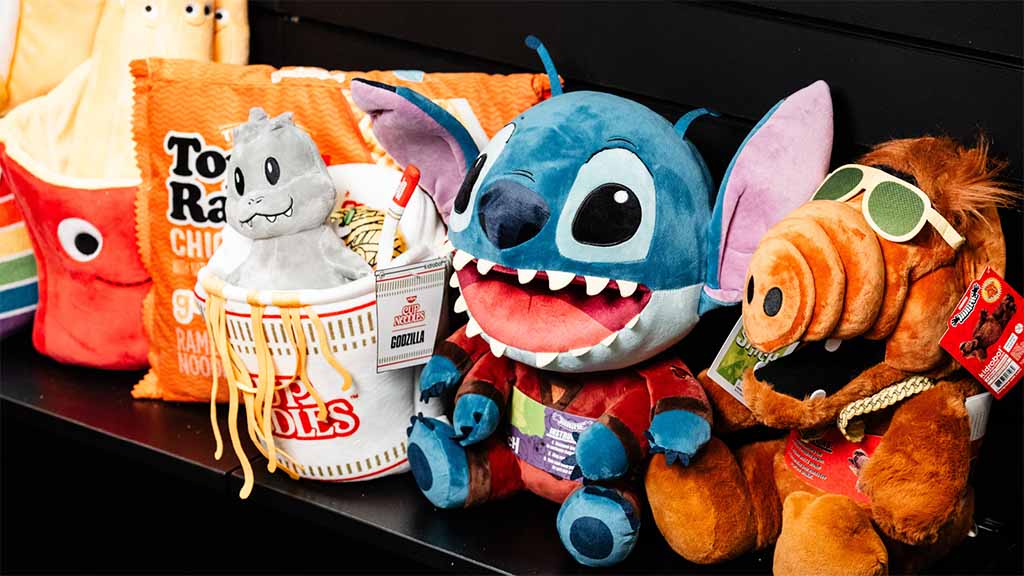
Today, plushies are deeply connected to cultural trends and online communities. Many buyers are not only parents shopping for kids. They can be teens, young adults, and collectors who love a brand, an anime, a game, or a particular “aesthetic.”
From my daily work, I see a few strong forces shaping plushie demand:
- K-culture and J-culture – Kawaii styles, pastel colors, and chibi proportions.
- Anime, gaming, and fandoms – Plushies as physical versions of digital characters.
- Comfort and mental wellness – Weighted plushies and calm designs as self-care items.
- Social media aesthetics – Plushies as part of room decor and photo backdrops (not only toys).
How trends change what “plushie” means
Trends influence which plushies people want to buy and how they use them:
Table 6 – Cultural drivers behind modern plushie demand
| Trend / Community | What People Want from Plushies | How Plushie Design Responds |
|---|---|---|
| Kawaii & aesthetic | Very cute, soft, photo-friendly designs | Pastel palettes, simple faces, clean shapes |
| Anime & gaming fandoms | Accurate character plushies, limited editions | Strong focus on details, color, and expressions |
| Mental wellness | Calming, grounding plushies | Weighted bodies, soft colors, gentle expressions |
| Home decor & lifestyle | Plushies that match interior style | Minimalist or themed plush cushions, large plush |
| Online collectors | Unique series, drops, collabs | Seasonal releases, numbered editions, special tags |
For brands, this means plushies are no longer just a “children’s toy” category. They are also a lifestyle product and a community symbol.
For example:
- A muted pastel plush set might target young adults decorating small apartments.
- A sharply styled character plush might target fans of a game or show.
- A simple, soft weighted plush might target people who want a comfort object at their desk.
As manufacturers, we adjust fabrics, shapes, and colors to support these directions, while still keeping safety and durability under control.
Conclusion
Today, “plushies” mean far more than just stuffed toys. They are soft, expressive objects that connect material quality, construction, design, safety, and culture into one product. When you understand how fabrics, patterns, and safety standards work together—and how trends and fandoms shape demand—you can choose or create plushies that feel good to hug, look great in real life and online, and truly match your audience. At Kinwin, my team and I help global buyers turn character ideas and brand stories into high-quality plushies that are safe, durable, and aligned with modern market trends. If you’re planning a plushie project or want to refine your current line, you are welcome to contact me at [email protected] or visit kinwintoys.com to explore how our factory can support your long-term success.