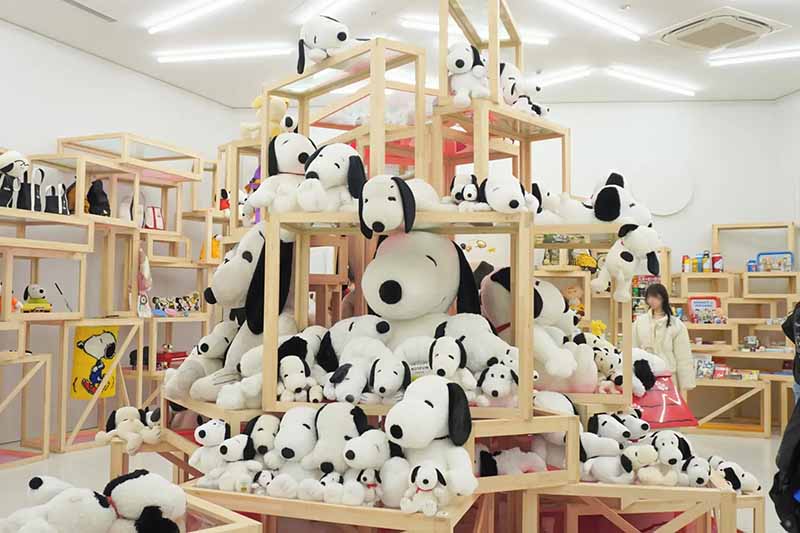
When customers pick up a plush throw, they are not only buying “a blanket.” They are buying comfort, warmth, and a small piece of home they can use on the sofa, on the bed, or while traveling.
As a plush manufacturer, I see plush throws as a bridge between home textiles and plush toys. If you understand what defines a plush throw, which materials work best, and how quality is controlled, it becomes much easier to plan product lines, talk to suppliers, and meet your buyers’ expectations.
What defines a plush throw in today’s home textile market?
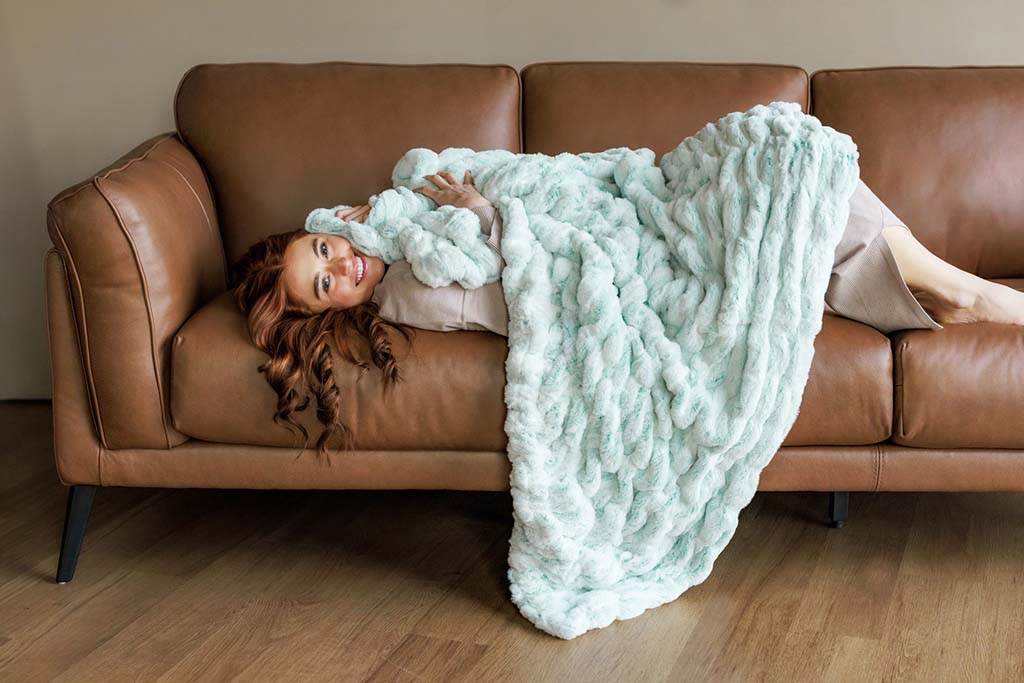
A plush throw is usually a soft, medium-sized blanket designed for casual use. Customers use it on the sofa, in a reading corner, at the foot of the bed, or in the office. It is lighter and more decorative than a heavy winter quilt, but warmer and softer than a simple sheet.
In today’s market, a plush throw is typically:
- Made from soft synthetic or blended fabrics (often microfiber or polyester plush)
- Sized for one person, not a full bed set
- Designed with strong visual appeal (colors, prints, textures)
- Easy to wash and quick to dry
- Used both for warmth and for decoration
Compared with regular blankets, plush throws focus more on touch and appearance. Many brands match throws with cushions, plush toys, or seasonal décor to increase basket size and cross-selling.
Here is a simple comparison:
| Feature | Plush Throw | Regular Blanket | Fleece Throw |
|---|---|---|---|
| Main purpose | Comfort + décor | Sleep warmth | Everyday warmth, casual use |
| Typical size | One-person, sofa-friendly | Bed sizes (single, queen, king) | One-person, similar to plush throw |
| Material focus | Soft, thick, “pettable” surface | Function and insulation | Smooth fleece, lighter than plush |
| Design focus | Colors, prints, textures, gift appeal | Mostly solid or simple patterns | Often simple, budget-oriented |
| Price positioning | Mid to mid-high depending on finish | From budget to high | Often budget to mid |
When you define a product as a plush throw in your catalog, you are sending a message: this item should feel extra soft, visually attractive, and gift-ready. That shapes your material, pattern, and packaging decisions.
How do fabric types and pile structures create plush softness and warmth?
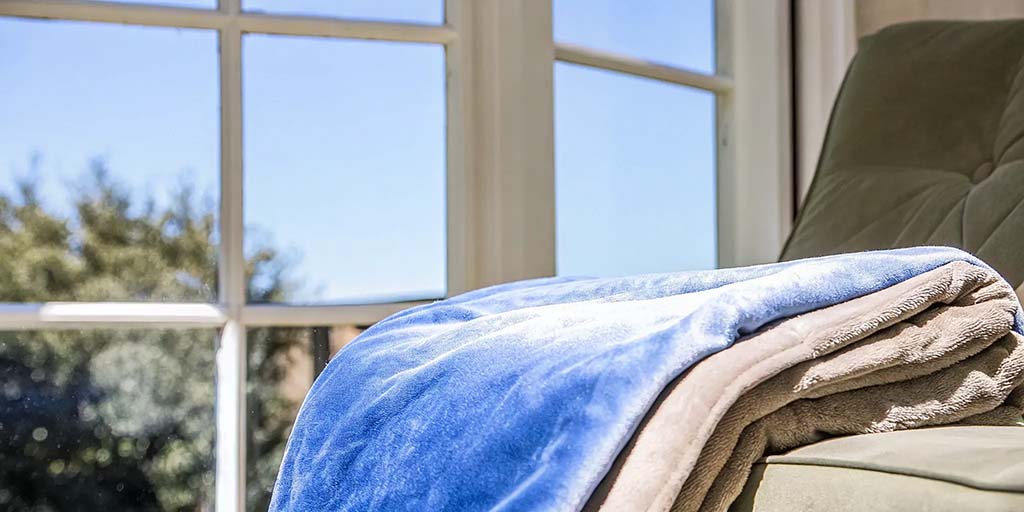
Softness and warmth are the heart of a plush throw. Customers will first touch the surface. If it feels rough, thin, or “plastic,” they will often put it back immediately. Fabric type and pile structure are the two main drivers of this experience.
Common plush throw fabrics include microfiber plush, flannel, coral fleece, sherpa, and some knit or faux-fur constructions. Most are made from polyester, because it is soft, stable, easy to dye, and machine washable. The way the fibers are brushed, cut, and raised creates different levels of plushness and warmth.
You can look at it like this:
| Fabric Type | Typical Feel | Warmth Level | Key Features | Common Use Cases |
|---|---|---|---|---|
| Microfiber plush | Very smooth, velvety | Medium–High | Fine fibers, sleek surface | Sofa throws, bedroom throws |
| Flannel plush | Soft, slightly fuzzy | Medium | Lightweight, good for layering | All-season throws |
| Coral fleece | Thicker, fluffy, “cloud-like” | High | Deep pile, cozy look | Winter throws, kids’ throws |
| Sherpa / lamb fleece | Wool-like, curly, very warm | Very High | Sheepskin look, often used as lining | Reversible throws, cold climates |
| Faux fur plush | Long-pile, luxurious | High | Fashion look, strong texture | Premium décor, accent throws |
| Knit plush blends | Soft knit front + plush back | Medium | Mix of textile and plush feeling | Lifestyle / designer collections |
How pile structure affects perception
Pile length (how long the fibers stand up) and density change how the throw feels:
- Short dense pile: smooth, elegant, less snagging, easier to print.
- Medium pile: feels cozy, still good for prints and embossing.
- Long pile (faux fur): looks luxurious, but can tangle more easily and may need more care.
For mass-market ranges, many brands choose short or medium pile fabrics because they balance softness, ease of care, and cost.
Matching fabric to your customer and price level
If your main buyers focus on family comfort and easy care, microfiber plush or flannel is usually a safe choice. For winter gift campaigns or “extra cozy” messages, coral fleece or sherpa-backed throws work better.
When we help buyers at Kinwin with material selection, we often send a small fabric swatch set. This lets you feel different piles in your own hands and imagine how your customer will experience them.
How does construction quality influence durability and overall feel?
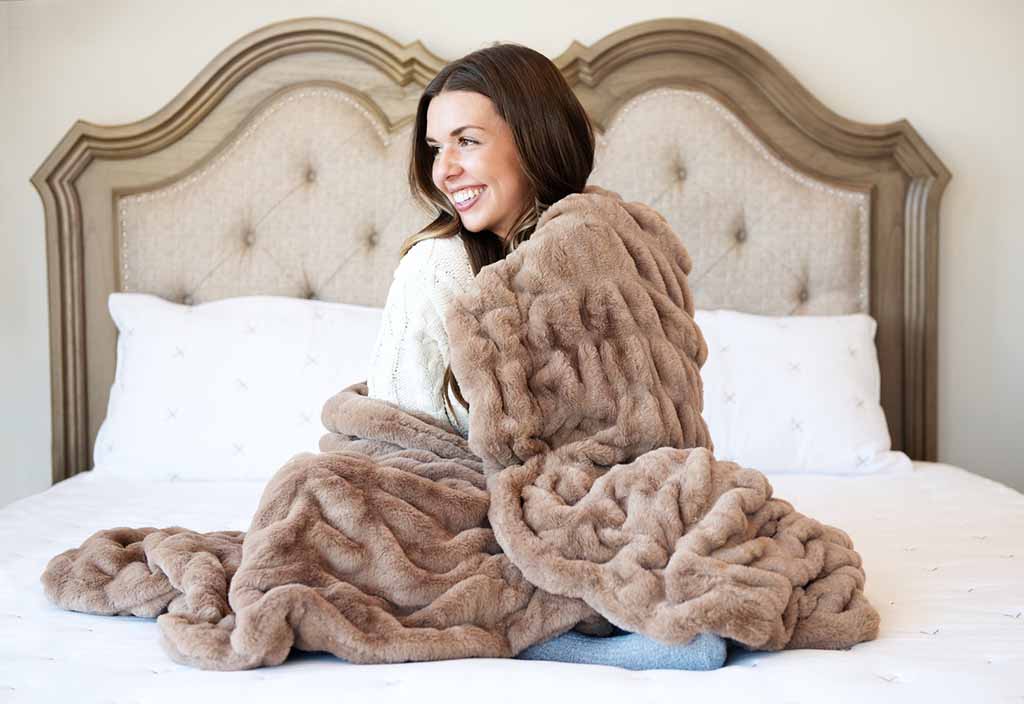
Two throws can look similar in photos but feel completely different in real life. Construction quality—how the fabric is made, how heavy it is, and how edges are finished—plays a huge role in this difference.
Important quality factors include:
- GSM (grams per square meter) – overall weight and thickness
- Knit or weave structure – how tightly fibers are bound
- Backing stability – whether the base layer holds the pile well
- Edge finishing – hemming, binding, or overlocking
- Dyeing and printing – color fastness and softness of prints
Here is a quick guide:
| Quality Factor | What It Means | Impact on Customer Experience |
|---|---|---|
| GSM (fabric weight) | Fabric weight per square meter | Higher GSM often feels thicker and warmer |
| Pile density | How many fibers in a given area | Denser pile feels richer and sheds less |
| Base fabric quality | Strength of knit/weave backing | Less stretching, better shape over time |
| Edge finish | Type of stitching or binding on edges | Prevents fraying, looks more premium |
| Color fastness | Resistance to fading and color transfer | Keeps throw looking new after washing |
| Hand feel after wash | How fabric feels after several washes | Key to long-term satisfaction and reviews |
GSM and perceived value
Lighter GSM throws can be good for summer or budget lines. Heavier GSM gives more “wow” when a customer picks up the product, because it feels substantial.
However, more weight is not always better. Your target market, climate, and shipping costs also matter. A good manufacturer will help you find the balance between warmth, weight, price, and logistics.
Edge finishing as a small but powerful detail
Neat edges send a strong quality signal. Common options include:
- Turned-under hem with straight stitching
- Self-fabric binding
- Contrast binding for a design accent
- Overlocked edges for simpler lines
For mid to high-end collections, binding or neat hem finishing usually feels more premium than visible overlock only.
What sizes, weights, and styles categorize different plush throws?
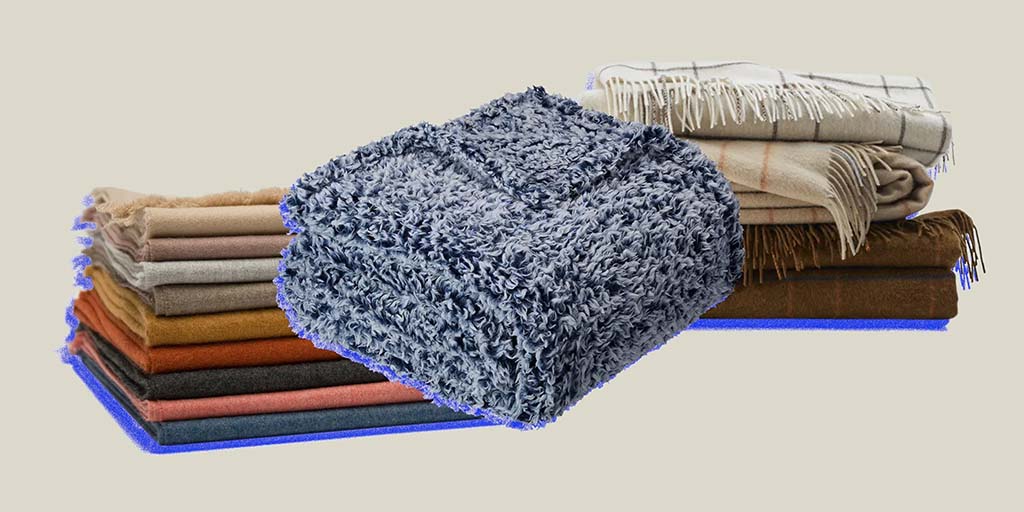
Plush throws come in many sizes and weights. Understanding these categories helps you plan SKUs and explain choices to your customers.
Instead of only thinking “small, medium, large,” it helps to connect each size and weight to a use scene: sofa, bed, kid’s corner, travel, or home office.
Here’s a simple overview (sizes are typical, not strict):
| Category | Approx. Size (cm) / (in) | Typical Weight Range | Main Use Scene |
|---|---|---|---|
| Travel / kids’ | 90 × 120 cm / 36 × 47 in | Lightweight to medium | Car, stroller, kids’ room |
| Standard throw | 120 × 150 cm / 47 × 59 in | Medium | Sofa, reading chair, TV blanket |
| Large throw | 130 × 170 cm / 51 × 67 in | Medium–heavy | Sofa + lower bed coverage |
| Oversized throw | 150 × 200 cm / 59 × 79 in | Heavy | Full cuddle, small bed “comfort layer” |
| Accent / lap throw | 70 × 100 cm / 27 × 39 in | Light | Office, lap, décor at foot of chair |
Weight categories (rough guideline for plush throws):
- Lightweight: under ~220 gsm – easy to pack, suitable for warmer climates.
- Medium: ~220–280 gsm – good all-round choice.
- Heavy: above ~280 gsm – very cozy, more premium feeling, higher shipping cost.
Style categories
In the market, plush throws are often grouped by style as well as size:
- Solid color – classic, easy to match with many interiors.
- Printed – patterns, characters, seasonal prints.
- Textured – embossed patterns, ribs, waves, waffle effects.
- Reversible – plush on one side, sherpa or contrasting texture on the other.
If your brand also sells plush toys, matching the throw style to your plush characters (same color mood or graphics) can create strong bundles and gift sets.
What care routines maintain a plush throw’s texture and longevity?
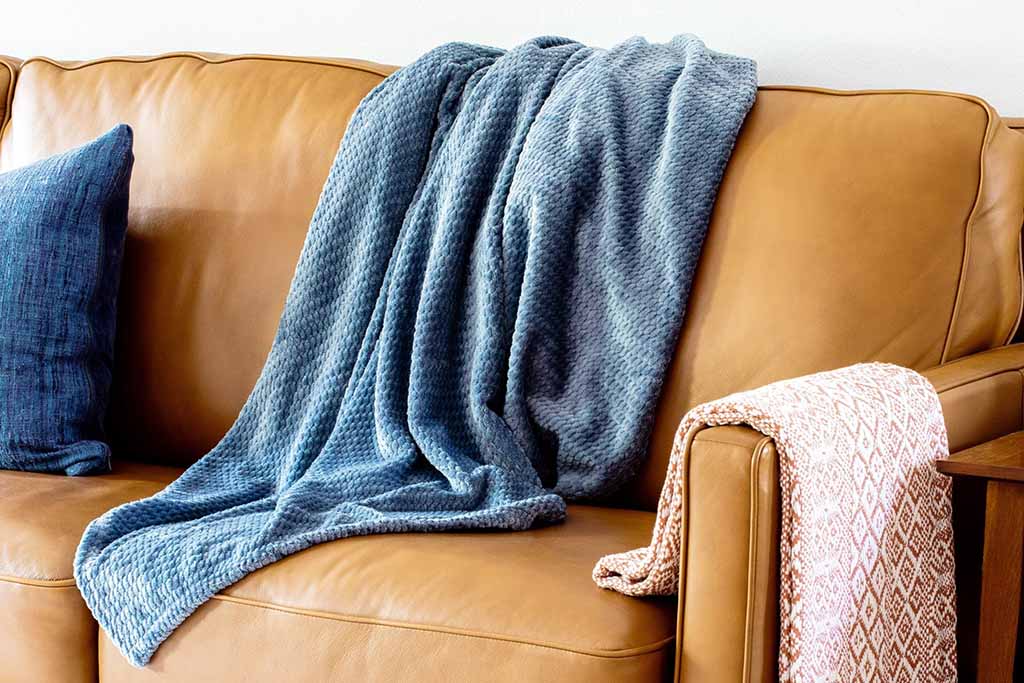
A plush throw must survive real life: washing, kids, pets, and daily use on sofas and beds. Even high-quality fabrics will age badly if care routines are wrong. Good care instructions help protect your product’s reputation and reduce complaints.
Most plush throws are machine washable, but they prefer gentle cycles, mild detergents, and low to medium heat. Harsh chemicals, very hot water, and over-drying can damage fibers and flatten the pile.
Here is a simple care guidance table you can adapt:
| Care Aspect | Common Mistake | Negative Effect | Better Practice |
|---|---|---|---|
| Washing temperature | Very hot water | Shrinking, damaged fibers | Wash in cold or warm water (per label) |
| Detergent choice | Strong bleach or harsh chemicals | Fading, rough touch | Use mild, color-safe detergents |
| Washing load | Overloading machine | Poor cleaning, heavy wrinkles | Wash with enough space to move |
| Drying | High-heat tumble for long time | Melted fibers, stiff hand feel | Tumble dry low or air dry if possible |
| Fabric softener | Very heavy/regular softener use | Residue on fibers, less breathability | Use light softener or skip when not needed |
| Ironing | Direct hot iron on pile | Flattened or melted pile | Do not iron or use very low heat on back |
How to support customers with clear instructions
On your labels and packaging, you can:
- Use simple icons and short sentences
- Emphasize “gentle machine wash” and “low heat dry”
- Warn against bleach and high ironing heat
In online listings, a short “care tips” section can help buyers feel more confident and reduce returns.
When we test fabrics at Kinwin, we normally wash them several times to see how they behave. If a fabric looks tired too quickly, we will tell buyers honestly and suggest a more stable option.
How do trends and material innovations shape modern plush throw designs?
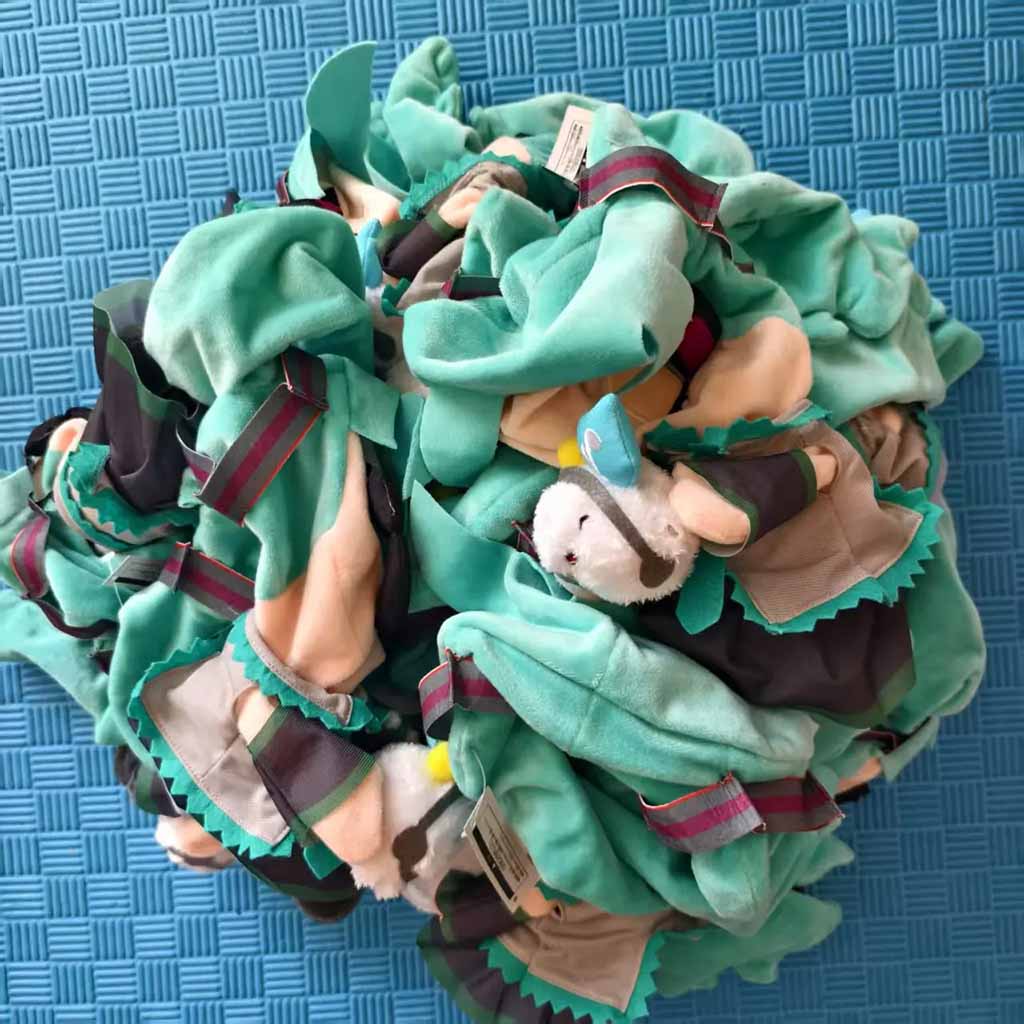
Plush throws are not only about function; they are also part of fashion and lifestyle trends. As home décor becomes more visible on social media, customers want throws that match their interior style, their favorite colors, and even their favorite characters or moods.
Current trends and innovations often focus on:
- Sustainability – recycled polyester, eco labels, reduced packaging.
- Texture play – embossed surfaces, ribbed or channel patterns, jacquard effects.
- Two-in-one products – throws that fold into plush cushions or character heads.
- Weighted or extra-cozy designs – higher GSM, sherpa backing, double-layer throws.
- Licensed or character-based designs – linking throws with games, movies, or plush lines.
Here is a simple trend overview:
| Trend / Innovation | Description | Customer Appeal | Brand Opportunity |
|---|---|---|---|
| Recycled materials | Fabric or filling made from recycled fibers | Eco-conscious buyers, modern image | Storytelling on labels and marketing |
| Textured surfaces | Embossing, ribs, faux fur, waffle textures | Adds depth and “Instagram-ready” look | Differentiation from flat fleece |
| Reversible throws | Two different surfaces in one throw | Versatility, two styles for one price | Strong value perception |
| Character integration | Throws featuring characters or mascots | Kids, fandoms, collectors | Works with plush toy and licensing ranges |
| Matching sets | Throw + cushion + plush toy sets | Ready-made gift solutions | Higher basket value and cross-selling |
Connecting plush throws with plush toys
For plush brands, throws are a natural extension:
- Use similar colors and graphics to create “plush + throw” gift sets.
- Design throws that feature your plush characters’ faces or patterns.
- Offer bundles for seasonal campaigns (Christmas, Valentine’s, graduation).
At Kinwin, we often help buyers create full concepts: a hero plush character, a matching throw, and sometimes a cushion or keychain. This kind of coordinated collection feels more premium and gives retailers more ways to merchandise your brand.
Conclusion
A good plush throw is soft, warm, durable, and easy to care for, while also fitting into your customer’s lifestyle and décor. When you understand how materials, construction, sizing, care, and trends work together, you can build plush throw ranges that feel both comfortable and commercial. At Kinwin, my team helps global buyers develop plush and home-comfort products that meet safety expectations and stand out in competitive markets.
If you are planning to add plush throws to your catalog or to connect them with your existing plush toy line, we are ready to support you from fabric selection and sampling to OEM/ODM production. You are welcome to contact me at [email protected] or visit kinwintoys.com to discuss your next project and explore how our factory can support your success.