When people say “plush,” they often just mean “soft and cozy.” In the soft-toy industry, the word is more precise. It describes a type of fabric, a type of product, and also a certain emotional feeling your customers expect.
In today’s toy market, “plush” usually means a soft toy made from pile fabric with a fuzzy surface, filled with stuffing, and designed for hugging, comfort, or display. The fabric structure, fiber choice, stitching quality, and stuffing method all work together to create what buyers and parents call “a good plush toy.”
In this guide, I’ll explain how we, as a manufacturer at Kinwin, define plush in real factory work—so you can make better sourcing, design, and branding decisions.
What is the definition of plush in today’s soft-toy industry?
In everyday language, “plush” can be an adjective (“a plush sofa”) or a noun (“a plush toy”). In our industry, the word is both technical and emotional. Technically, plush refers to a pile fabric with a raised, soft surface. Commercially, it refers to stuffed toys and related items made from those fabrics, such as teddy bears, character mascots, and plush dolls.
When buyers tell me, “We want a plush range,” they are asking for more than just soft toys. They want products that look friendly on the shelf, feel comforting in the hand, and meet safety and quality standards in the background. Plush has become a short way to say “soft, stuffed, safe, and emotionally engaging.”
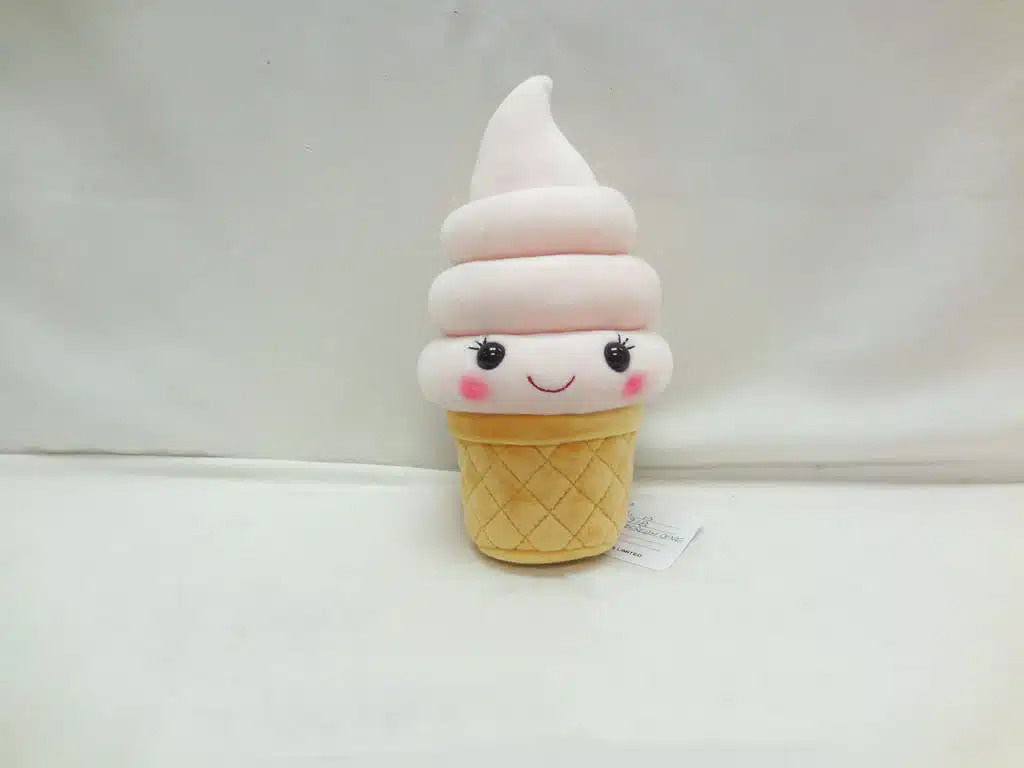
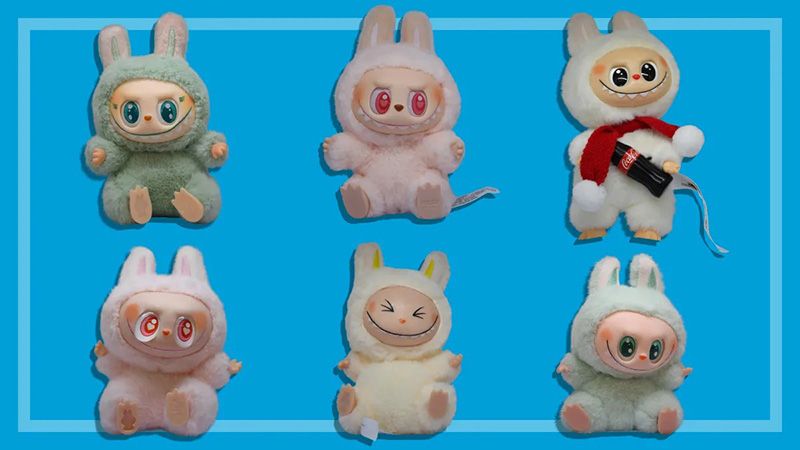
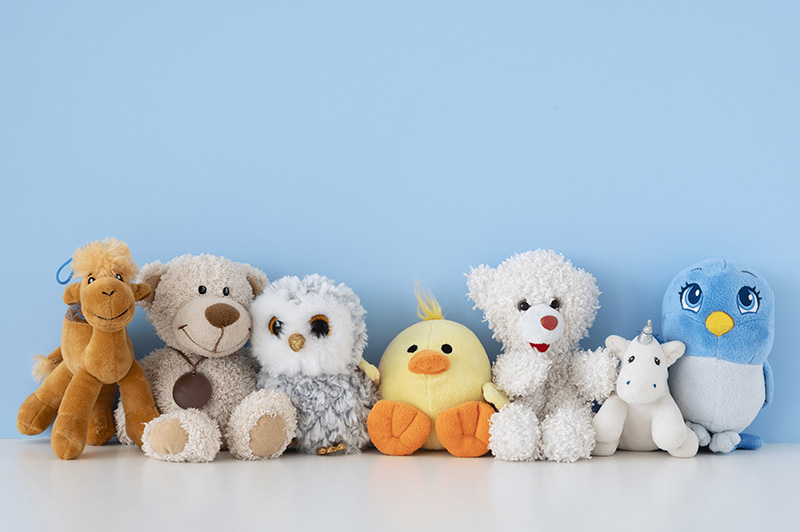
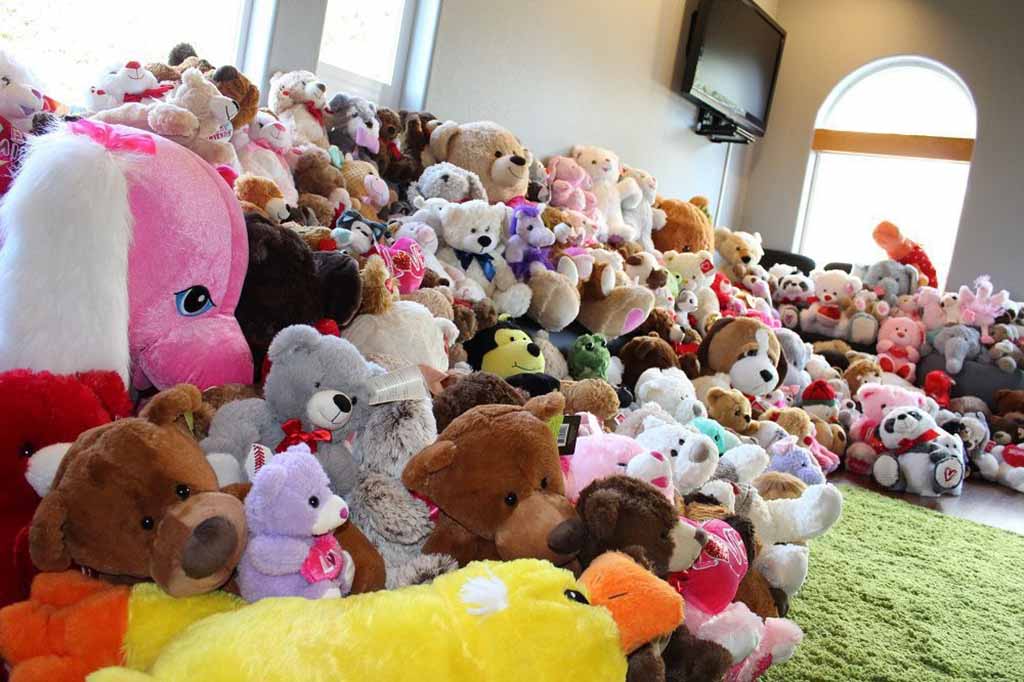
(Image suggestion: a group of different plush animals sitting together, showing various shapes and colors.)
Layers of meaning behind the word “plush”
You can break down the modern meaning of plush into a few practical layers:
Table 1 – How the industry understands “plush” today
| Layer | What It Means in Practice | Example |
|---|---|---|
| Material layer | Pile fabric with a soft, raised surface | Short minky, velboa, long-pile faux fur |
| Product layer | Stuffed items made from plush fabrics | Teddy bears, plush mascots, plush dolls |
| Functional layer | Comfort, huggability, decorative presence | Bedtime cuddle toy, sofa cushion, keychain plush |
| Emotional / brand layer | Cozy, friendly, sometimes premium or “cute lifestyle” signal | Character plush for a kids’ brand or fandom |
For you as a brand or buyer, understanding these layers helps you brief factories more clearly. When you say “plush,” you can decide whether you are speaking about fabric, finished products, or the way you want customers to feel.
The clearer your definition, the easier it is for a manufacturer like us to translate your ideas into safe, consistent, on-brand toys.
How do fabric structures and fibers determine plush characteristics?
Fabric structure is the foundation of plush. Even before we choose colors or shapes, we choose the fabric. Its pile length, density, knit structure, and fiber type decide how the toy will feel, how it will look under light, and how well it will survive real-world use.
In our sampling room, we work mainly with polyester-based plush fabrics—short plush, velboa, minky, coral fleece, and long-pile faux fur. Each fabric has its own character. Some are perfect for infants, some for high-detail mascots, and some for big, dramatic fantasy animals. When you understand the basics, you can match fabric to your product strategy instead of picking by guess.
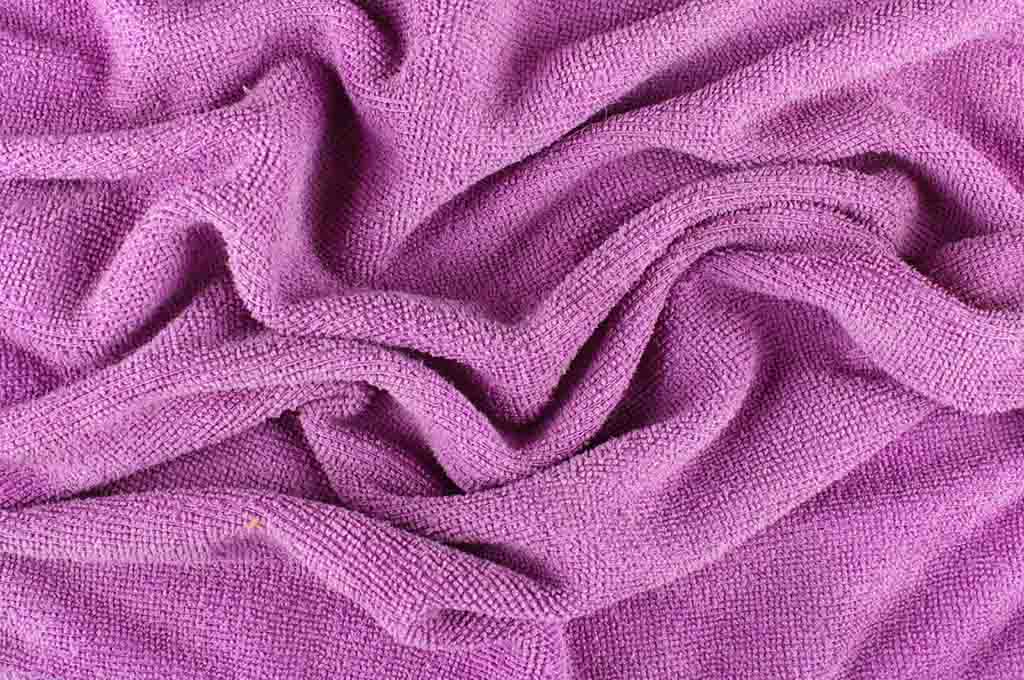
(Image suggestion: close-up swatches of minky, velboa, and long-pile faux fur labeled on a board.)
Common plush fabrics and how they behave
Here is a simple comparison of typical plush fabrics we use for OEM and ODM projects:
Table 2 – Key plush fabric types and their characteristics
| Fabric Type | Typical Pile Length | Main Feel & Look | Best-Suited Uses |
|---|---|---|---|
| Short plush | 1–3 mm | Smooth, neat, low shedding | Infant toys, cushions, simple characters |
| Velboa | 1–2 mm | Short, dense, sharp print clarity | Printed mascots, logo plush, fine details |
| Minky / coral fleece | 2–4 mm | Very soft, slightly stretchy, cozy | Baby products, blankets, huggable plush |
| Long-pile faux fur | 10+ mm | Fluffy, voluminous, “furry” | Teddy bears, fantasy animals, decor plush |
| Fleece (non-pile) | N/A | Soft surface, no clear pile direction | Simple soft toys, panels, linings |
Fiber choices and performance
Most plush fabrics for toys use polyester fibers. The reasons are simple: good colorfastness, durability, stable cost, and better control in washing. Recycled polyester is becoming more popular as brands move toward sustainable stories.
Fiber and structure together affect:
- Softness and drape – how the plush falls and bends.
- Durability and pilling – how the surface looks after months of use.
- Print quality – how well patterns and artwork show on the surface.
For example, if your priority is ultra-soft touch for infants, you might select minky with fine denier fibers and short to medium pile. If you want highly detailed printed characters, velboa is often better because its short, dense pile shows lines more clearly.
When we help clients, we always start from market position—baby line, fandom line, promotion, or decor—and then propose fabric options that support that goal.
How does plush differ from other common textile and toy materials?
From a customer point of view, many things can feel soft: woven cotton, fleece, knit, foam, rubberized materials. But in the industry, plush has its own place. It is defined by its pile fabric and stuffed construction.
Other soft materials may be used for toys, but they create a different experience. A cotton cloth book, a foam block, and a plush bear are not the same, even though they all sit in “soft goods.” Plush toys are usually the most emotional and “huggable” part of that group.
(Image suggestion: a plush bear next to a cotton cloth book, a knit doll, and a foam block.)
Plush compared with other common materials
To clarify the difference, you can look at how materials behave in toys:
Table 3 – Plush vs. other common textile and toy materials
| Material Type | Structure & Feel | Typical Use Case | How It Differs from Plush |
|---|---|---|---|
| Plush (pile fabric) | Raised, fuzzy surface + stuffing | Plush toys, mascots, cushions | More volume, huggability, fuzzy texture |
| Woven cotton | Flat weave, no pile | Cloth books, doll clothes, blankets | Flatter, cooler hand feel, less “fluffy” |
| Fleece | Soft, brushed surface, no clear pile | Basic soft toys, blankets, apparel | Soft but less “fur-like” than plush |
| Knitted yarn | Loops of yarn, visible stitches | Amigurumi, handmade dolls | Textured, handmade look, firmer structure |
| Foam-based | Solid foam core, sometimes fabric-covered | Cushions, blocks, protective pads | More structured, bounce from foam, not pile |
| PVC / vinyl | Smooth, plastic-like surface | Bath toys, squeaky toys | Not fuzzy, no pile, different cleaning needs |
What this means for your product planning
When you design or source a range, it helps to decide which role plush will play compared with other materials. For example:
- You might use plush for main characters, but cotton for books and accessories.
- You may combine plush and flat fabrics in one toy (plush body, cotton ears, etc.).
- You could add small plush items to a larger gift set for emotional impact.
Plush is usually the “heart” piece—the part customers hug, display, or photograph. Other materials support education, structure, or special functions. If you keep this in mind, your product mix will feel more controlled and intentional.
What manufacturing methods influence plush softness and durability?
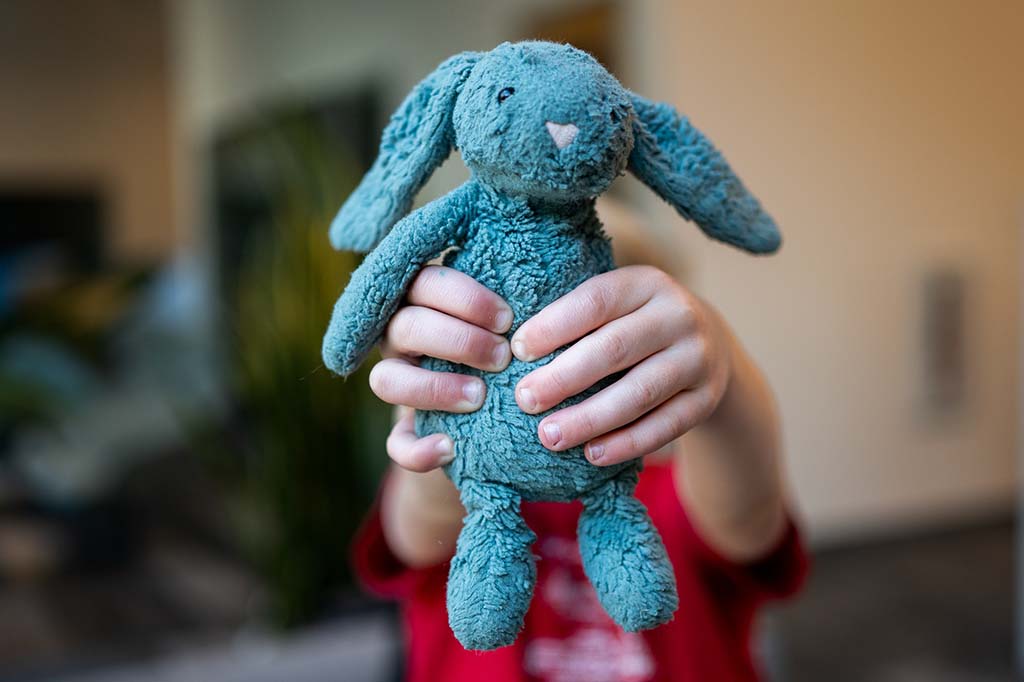
Even the best fabric can feel cheap if manufacturing is weak. In real projects, I see big differences in plush quality that have nothing to do with fabric and everything to do with patterns, sewing, stuffing, and QC.
Softness and durability are not just material properties; they are also the result of how the toy is cut, stitched, and filled. A well-designed pattern, correct seam allowance, layered stuffing, and careful closing stitching give you a plush that feels good on day one and still looks solid months later.
(Image suggestion: a close-up of neat plush seams and even stuffing, next to one with visible flaws.)
Key process areas that affect plush performance
Here is an overview of main manufacturing stages and what they mean for your product:
Table 4 – Manufacturing methods and their impact on plush quality
| Process Area | Better Practice | Result for Softness & Durability |
|---|---|---|
| Pattern making | Balanced shapes, correct seam allowance | Smooth lines, natural curves, less stress |
| Fabric cutting | Same pile direction, precise templates | Uniform look, fewer visible mismatches |
| Sewing | Tight, even stitches, reinforced stress points | Strong seams that resist pulling |
| Stuffing | Layered filling, controlled density by zone | No hard lumps, stable shape, good hand feel |
| Closing / finishing | Neat invisible seams, trimmed threads | Clean appearance, less risk of unraveling |
How technique changes perceived value
Customers rarely see your factory, but they feel the results. A premium-feeling plush often has:
- Even stuffing in the head and body, without sharp corners or hollow areas.
- Symmetric ears, arms, and legs because patterns and cutting are controlled.
- Seams that do not scratch the skin or show large visible stitches.
In our Kinwin lines, we also add process controls such as needle detection, seam tension tests, and visual inspections. This helps brands pass audits and reduces complaints.
When you talk with a manufacturer, it is useful to ask not only “what fabric do you use?” but also “how do you control stitching, stuffing, and QC?” That is where true softness and durability are decided.
How is plush applied across toys, home textiles, and other sectors?
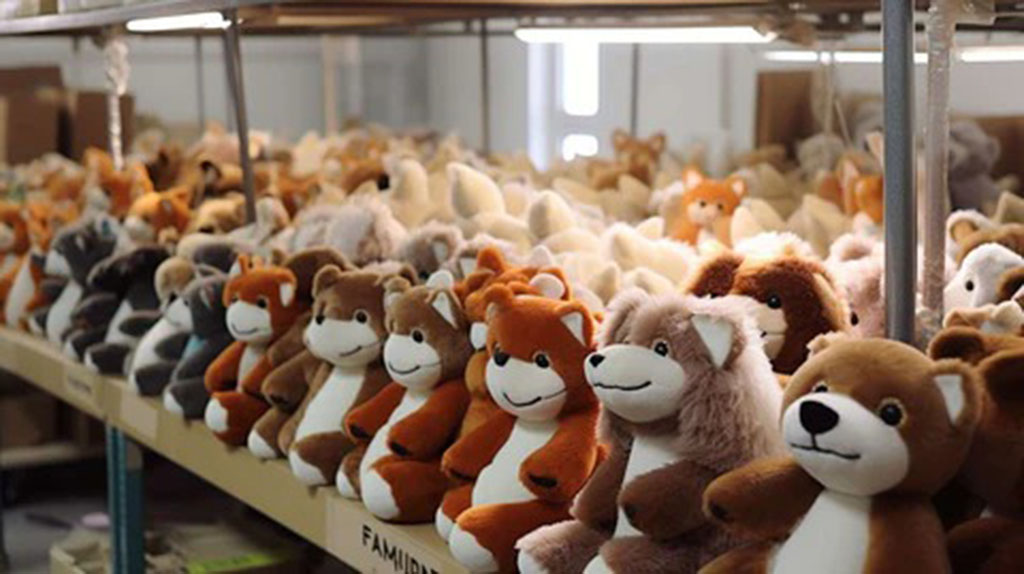
Plush started as a material for toys and fashion trims, but today it appears in many sectors. When customers hear “plush,” they no longer think only of bears. They think of cushions, blankets, pet beds, neck pillows, keychains, and even fashion accessories.
For brands, this is a big opportunity. If you already have a strong plush character or visual style, you can extend that language into home, travel, pet, and promotional categories. The same soft, fuzzy surface carries your brand emotion into new parts of daily life.
(Image suggestion: collage of plush toys, plush cushions, a neck pillow, and a plush pet bed.)
Plush across different product categories
Here is a simple map of how plush is used beyond classic toys:
Table 5 – Typical plush applications in multiple sectors
| Sector / Category | Example Plush Products | Main Customer Benefit |
|---|---|---|
| Toys & kids | Plush animals, dolls, comforters, rattles | Emotional comfort, play, early learning |
| Home textiles | Cushions, throws, plush blankets | Cozy feeling, warmth, interior style |
| Travel & lifestyle | Neck pillows, eye masks, slippers | Soft support, relaxation, personal comfort |
| Pet products | Pet beds, plush chew toys | Comfort and play for animals |
| Fashion & accessories | Plush bags, charms, hats, keychains | Fun, trend-driven, youthful image |
| Corporate & promo | Mascot plush, logo plush gifts | Brand awareness and emotional connection |
Using plush for brand extension
Many of our OEM and ODM clients start with a core plush toy and later extend into other plush items. For example:
- A children’s brand may add plush cushions and blankets to match a character line.
- A café or entertainment venue may develop plush keychains and mascots for fans.
- A pet brand may match human plush items with coordinated pet beds or toys.
Because plush has a strong emotional and visual identity, it works well as a brand carrier. When all these items share consistent colors, faces, and fabrics, your customers recognize your brand instantly—online and offline.
How do trends and innovations shape the modern concept of plush?
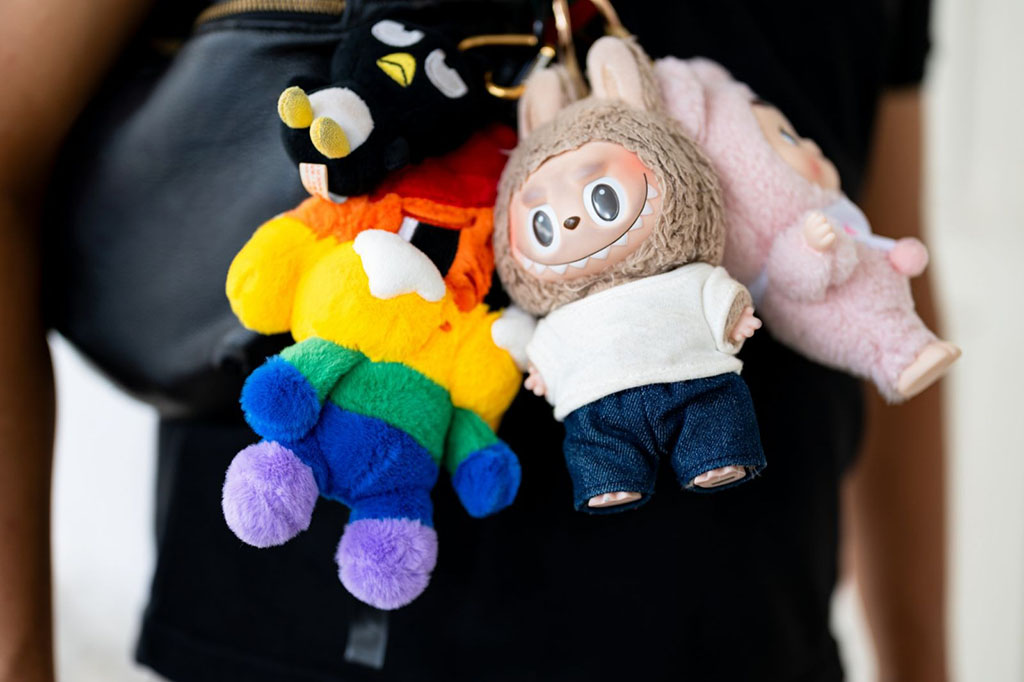
The meaning of plush continues to evolve. Ten or twenty years ago, plush mainly meant “soft animal toy.” Today, it also carries ideas of sustainability, mental wellness, fandom culture, and social media aesthetics.
These trends change how customers search, what they expect from plush products, and how they judge quality. As a factory, we see these shifts directly in buyer briefs: more requests for recycled materials, weighted plush, special textures, and stylized color palettes designed to look good in photos and videos.
(Image suggestion: a flat lay with an eco-labeled plush, a weighted plush, and a stylized “aesthetic” plush.)
Main trends influencing what “plush” means now
You can think of the modern plush market through a few big trend lines:
Table 6 – Trends and innovations redefining plush
| Trend Area | What Customers Look For in Plush | How the Concept of Plush Changes |
|---|---|---|
| Sustainability | Recycled fiber, traceable materials, eco tags | Plush = soft + responsible |
| Mental wellness | Weighted plush, calming colors, gentle faces | Plush = comfort object and stress relief |
| Fandom & IP | High character accuracy, limited editions | Plush = physical form of community and fandom |
| Design aesthetics | “Cute,” minimal, or pastel Instagram styles | Plush = lifestyle and decor, not just toy |
| Tech & interactivity | Light, sound, or app-linked plush | Plush = hybrid of soft toy and smart feature |
How brands and factories respond
For brands, these trends mean that a “plush line” is also a values statement. You are not only choosing shapes; you are choosing messages:
- Eco plush tells a story about care for the planet.
- Weighted plush tells a story about emotional comfort and self-care.
- Fandom plush tells a story about belonging to a group or IP universe.
At Kinwin, we adapt by:
- Sourcing recycled and certified materials for eco lines.
- Developing filling plans that combine fiberfill and pellets for weighted plush.
- Working closely with artwork and 3D models to match IP character details.
If you plan your plush range with these trends in mind, you give your customers more reasons to choose your products over generic offers. Plush then becomes more than just “soft”; it becomes a clear expression of what your brand stands for.
Conclusion
In today’s soft-toy industry, plush is not just a fuzzy fabric—it is a full concept that covers materials, manufacturing, safety, emotion, and brand positioning. When you understand how fabric structures, fibers, and production methods shape the final product, you can design and source plush lines that feel truly premium in real hands, not only in photos. At Kinwin, we help global buyers turn ideas, sketches, and IP into plush products that are soft, durable, and aligned with modern trends like sustainability and wellness. If you are planning a new plush project or optimizing an existing range, you are welcome to contact me at [email protected] or visit kinwintoys.com to explore how our factory can support your long-term success.