In plush toy manufacturing, the term “golden sample” comes up at a very critical stage—right before mass production begins. For many buyers, this is the moment where a design officially transitions from development into production.
But here’s the key point:
A golden sample is not just another prototype. It is the final, approved version that defines exactly how every unit in production should look, feel, and perform.
If this step is handled carefully, production runs smoothly with consistent quality. If not, even small mistakes can be repeated across thousands of units.
In this guide, we’ll walk through what a golden sample really means, when it should be created, and how to use it to control production quality.
What is a golden sample in plush toy manufacturing? 🧸
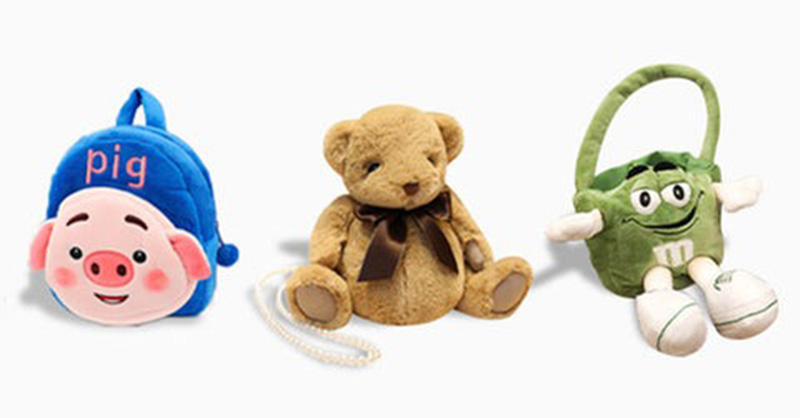
A golden sample is the final approved plush toy prototype that serves as the official standard for mass production. It represents the exact version of the product that both the buyer and the manufacturer agree on—visually, technically, and structurally.
Once a sample is approved as the golden standard, it becomes the reference point for all production teams, including pattern makers, sewing workers, and quality control inspectors.
A Golden Sample Is the Final Approved Version
Unlike earlier prototypes, the golden sample has already gone through all necessary revisions. At this stage, all key elements are confirmed, including:
- Design accuracy and proportions
- Fabric and material selection
- Embroidery and printing details
- Construction methods
- Accessories and finishing
There should be no open questions or pending changes when a sample is approved as the golden sample.
It Becomes the Production Benchmark
The golden sample is used as a physical benchmark during production. Every finished product should be compared against this sample to ensure consistency.
Factories typically keep the golden sample in their production and quality control departments, where it is used for:
- Visual comparison during production
- Training workers on product standards
- Final inspection reference
This ensures that all units meet the same quality expectations.
Key Characteristics of a Golden Sample
| Feature | Description | Importance |
|---|---|---|
| Fully Approved Design | No further changes required | Stable production base |
| Confirmed Materials | Fabric and components finalized | Consistent sourcing |
| Accurate Construction | Verified stitching and structure | Reliable durability |
| Visual Standard | Matches artwork and expectations | Brand consistency |
| Production Reference | Used across all teams | Quality control |
When should a golden sample be created during development?
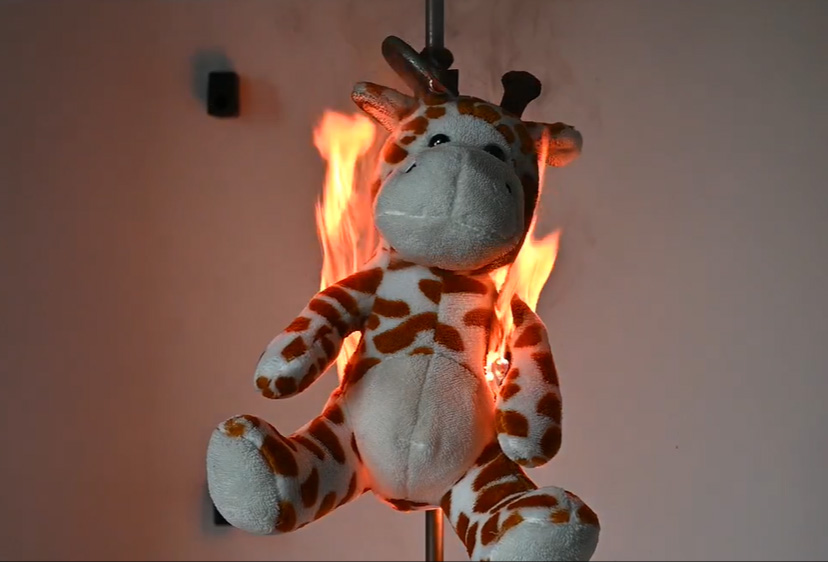
A golden sample should be created after all revisions are completed and the design is fully finalized, but before mass production begins. It marks the transition point between development and production.
Creating the golden sample too early can lead to problems, as unresolved issues may still exist. Waiting until all details are confirmed ensures that the production process starts with a stable and accurate reference.
After Final Sample Approval
Typically, the golden sample is established after the last revision round—when both the buyer and the factory agree that the sample meets all requirements.
At this stage:
- Design matches artwork
- Materials are confirmed
- Construction is validated
- All adjustments are completed
This final version is then officially approved and designated as the golden sample.
Before Bulk Production Begins
The golden sample must be confirmed before any mass production starts. Once production begins, changing the design becomes costly and inefficient.
By finalizing the golden sample in advance, buyers ensure that:
- Production follows a clear standard
- Quality remains consistent
- Risks are minimized
This step acts as a safeguard for the entire production process.
Timing of Golden Sample in Development Process
| Stage | Activity | Purpose |
|---|---|---|
| Initial Sampling | First prototype creation | Test structure |
| Revision Rounds | Adjust design and details | Improve accuracy |
| Final Sample | Confirm all elements | Prepare for approval |
| Golden Sample | Official approval | Set production standard |
| Mass Production | Begin bulk manufacturing | Ensure consistency |
How does a golden sample differ from earlier prototypes?
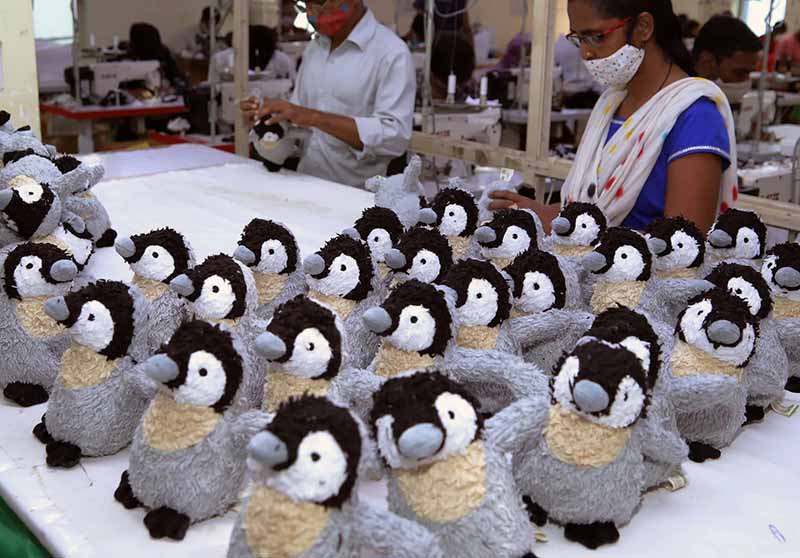
Understanding the difference between a golden sample and earlier prototypes is essential. While all samples are part of the development process, they serve different purposes.
Earlier prototypes are used for testing and refinement, while the golden sample represents the final, production-ready standard.
Earlier Samples Focus on Testing and Adjustment
Initial and intermediate samples are created to explore how the design works in a physical form. These prototypes help identify areas that need improvement.
During early stages, samples may still have:
- Incomplete details
- Temporary material choices
- Structural adjustments needed
These samples are not intended for production—they are part of the development process.
Golden Sample Represents Final Production Standard
In contrast, the golden sample is fully refined and ready for replication. It reflects the final decisions made during development and includes all confirmed specifications.
Unlike earlier samples, the golden sample:
- Has finalized materials
- Uses correct construction methods
- Matches the approved design exactly
It is the version that production teams must follow.
Differences Between Prototypes and Golden Sample
| Aspect | Early Prototypes | Golden Sample |
|---|---|---|
| Purpose | Testing and development | Production standard |
| Design Status | Still evolving | Fully finalized |
| Materials | May be temporary | Fully confirmed |
| Accuracy | May require adjustments | Approved version |
| Production Use | Not used for production | Official reference |
What specifications must be confirmed before approving a golden sample?
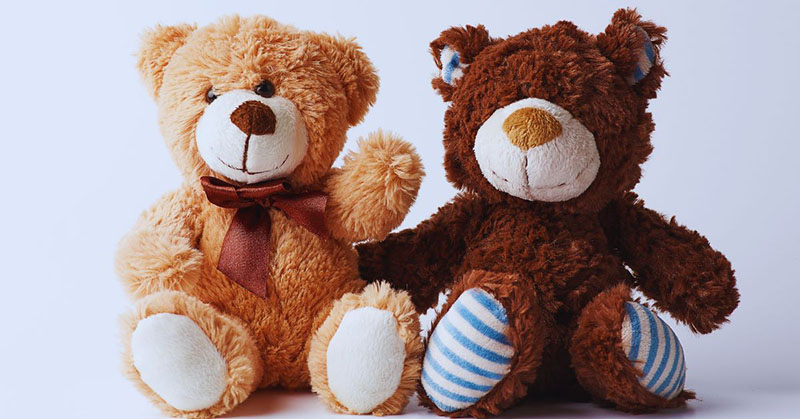
Before a plush toy sample can be officially approved as the golden sample, all technical and visual specifications must be fully confirmed. This step is critical because once the golden sample is set, it becomes the standard for mass production—any missing or unclear detail can lead to inconsistencies later.
A professional approval process ensures that both the buyer and the factory have the same understanding of the product in every aspect.
Confirm All Technical and Visual Details
At this stage, every element of the plush toy should already be finalized and verified. This includes both visible features and internal construction details.
Buyers should carefully confirm:
- Product size and proportions
- Fabric types and color matching
- Embroidery or printing accuracy
- Construction methods and stitching quality
- Accessories and finishing details
Nothing should be left “to be decided later.” The golden sample must represent the final version of the product.
Ensure Measurable Standards Are Defined
In addition to visual confirmation, key specifications should be measurable and clearly defined. This helps avoid ambiguity during production.
Examples include:
- Exact dimensions with tolerance ranges
- Embroidery placement measurements
- Stitch density requirements
- Acceptable variation limits
These measurable standards allow production and quality teams to maintain consistency across large quantities.
Golden Sample Approval Checklist
| Specification Area | What to Confirm | Purpose |
|---|---|---|
| Size & Dimensions | Exact measurements | Ensure consistency |
| Materials | Fabric and components | Maintain quality |
| Embroidery & Printing | Placement and clarity | Preserve design |
| Construction | Stitching and structure | Ensure durability |
| Tolerances | Acceptable variation limits | Control production |
Which materials, colors, and accessories are locked in the golden sample?
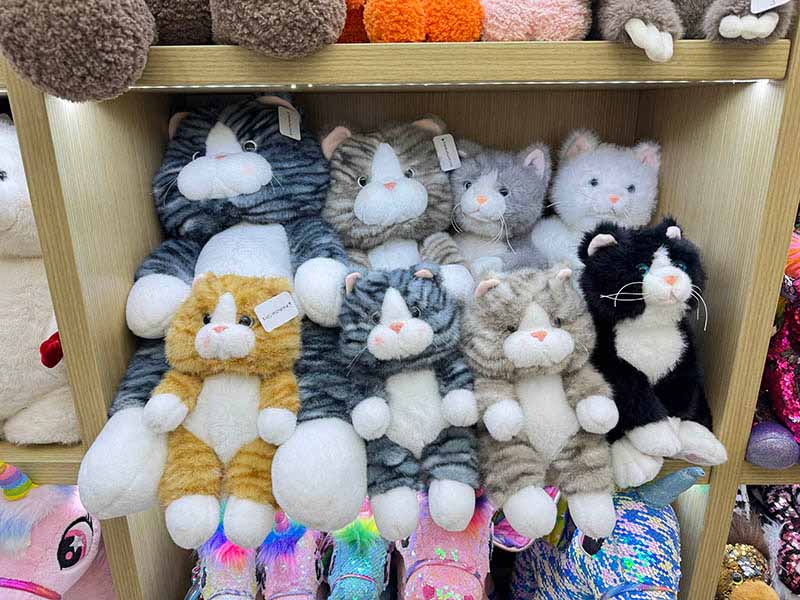
Once a sample is approved as the golden standard, all materials and components must be fully locked. This means no substitutions or changes should be made during production unless formally approved.
Material consistency is one of the biggest factors affecting product quality, so this step is essential for maintaining uniformity.
Lock Fabric Types and Color Standards
Each fabric used in the plush toy should be clearly defined with exact specifications. General descriptions are not enough—factories should use precise references.
Buyers should confirm:
- Fabric type (e.g., short plush, velboa)
- Color codes (Pantone or approved swatches)
- Surface texture and pile length
Locking these details ensures that the same materials are used throughout production.
Fix All Accessories and Components
Accessories such as labels, tags, clothing, and decorative elements should also be finalized at this stage.
This includes confirming:
- Size and placement of labels
- Type and color of threads
- Attachment methods (sewn, glued, etc.)
Even small variations in accessories can affect the overall appearance, so these details must be standardized.
Material Locking Overview
| Element | What Is Locked | Result |
|---|---|---|
| Fabric Type | Exact material specification | Consistent texture |
| Color Reference | Pantone or approved sample | Accurate color matching |
| Supplier Source | Approved vendor | Stable sourcing |
| Accessories | Labels, tags, decorations | Complete product |
| Threads & Trims | Color and type | Uniform finishing |
How does a golden sample guide mass production consistency?
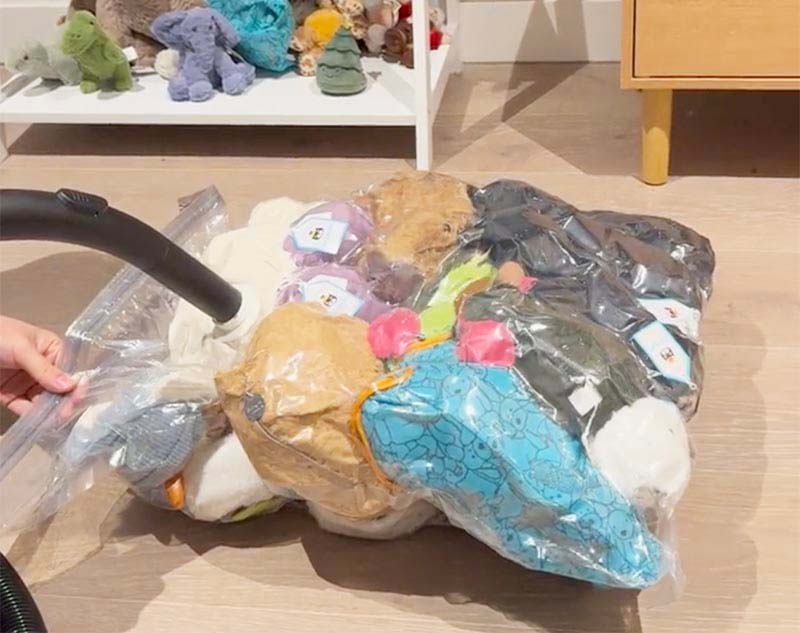
The true value of a golden sample becomes clear during mass production. It acts as a physical and technical reference that ensures every product unit meets the same standard.
Without a golden sample, production teams may interpret specifications differently, leading to inconsistencies across batches.
Used as a Reference Across All Production Stages
The golden sample is used throughout the entire production process. Different teams rely on it to maintain alignment.
For example:
- Pattern makers use it to confirm dimensions
- Sewing teams follow it for construction details
- Quality control teams compare finished products against it
This shared reference helps ensure that all teams are working toward the same standard.
Supports Quality Control and Inspection
During production, quality control teams regularly compare products with the golden sample. This helps identify deviations early and correct them before they affect large quantities.
Key checks include:
- Shape and proportions
- Material consistency
- Embroidery and printing accuracy
- Stitching and construction quality
Using the golden sample as a benchmark ensures that quality remains stable from the first unit to the last.
Role of Golden Sample in Production
| Production Stage | How Golden Sample Is Used | Benefit |
|---|---|---|
| Pattern Making | Reference for dimensions | Accurate structure |
| Sewing & Assembly | Guide for construction | Consistent build |
| Material Selection | Confirm fabric and colors | Uniform appearance |
| Quality Inspection | Compare finished products | Maintain standards |
| Final Approval | Validate shipment quality | Reliable delivery |
Conclusion
A golden sample is more than just an approved prototype—it is the foundation of successful mass production. It defines exactly how the plush toy should look, feel, and be constructed, ensuring that every unit produced meets the same standard.
By confirming all specifications, locking materials and components, and using the golden sample as a reference throughout production, buyers can significantly reduce risks and maintain consistent quality.
This step bridges the gap between development and production, turning a single approved sample into a scalable, reliable product.
At KINWIN, we support our clients through every stage of this process—from refining the final sample to establishing clear production standards and quality control systems. Our goal is to ensure that your golden sample translates into consistent, high-quality mass production.
If you’re preparing to move your plush toy project into production and want expert guidance on setting up your golden sample correctly, our team is here to help.