Skip to content
I’m Amanda from Kinwin in China. I help brands, retailers, and e-commerce teams plan soft-toy assortments, lock compliance, and scale production with clear specs. A question I hear a lot is, “What counts as plush?” People use “plush,” “plush toy,” “stuffed animal,” and “soft toy” as if they were the same. In factories and retail systems, they are related but not identical. This guide explains the industry taxonomy, how plush differs from other categories, which materials and finishes qualify, what compliance and age-grading rules apply, how design choices affect risk and classification, and how marketplace/SEO naming should align with buyer expectations and regulations.
I’ll keep the language simple but go deep enough to hand this to your sourcing, QC, and marketing teams.
What defines “plush” in industry taxonomy—pile fabrics, construction methods, and tactile criteria?
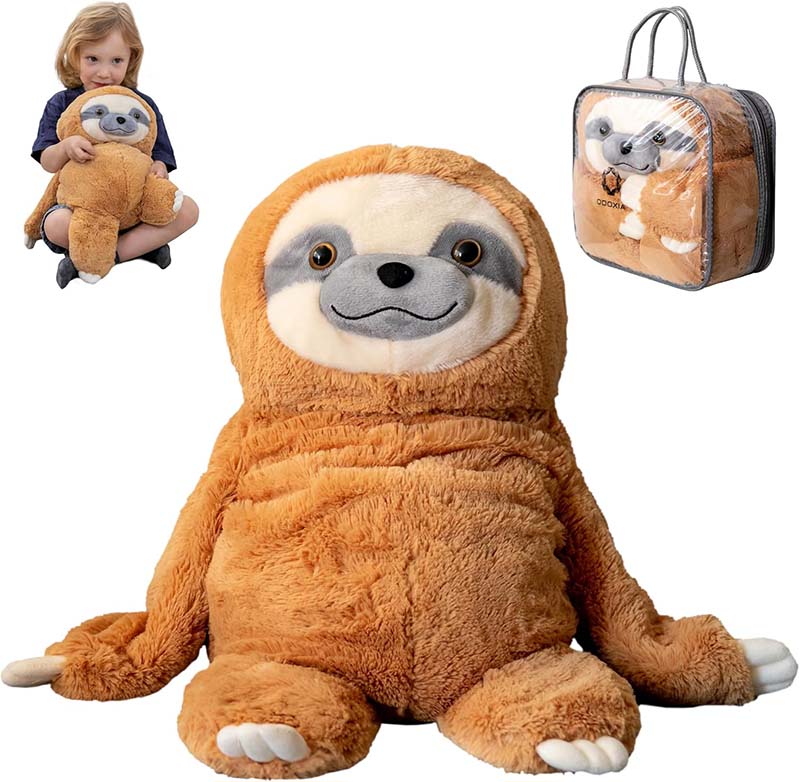
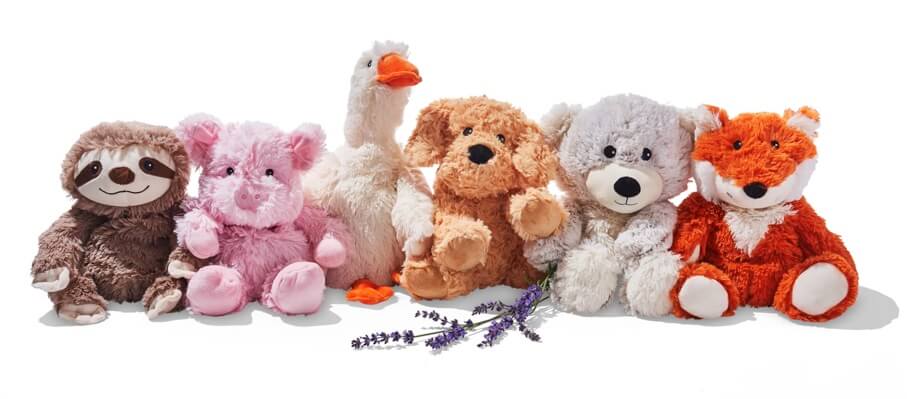
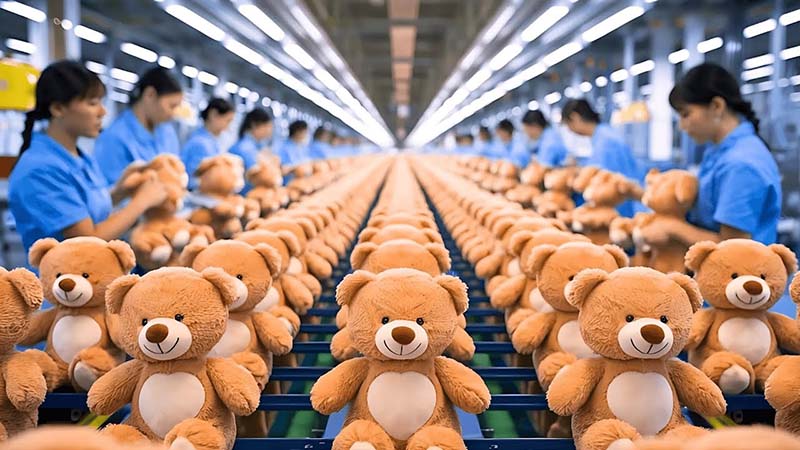
In factory language, “plush” means a textile product built with a pile surface (short or long) that gives a soft, cushioned handfeel. The core idea is texture + cuddle feel. We make the outer shell from pile fabrics such as minky, velboa, faux fur, boa, or sherpa. Inside, we add fiberfill and sometimes pellets (sealed in inner pouches) to shape posture and weight. Seams are designed to hold shape and survive squeeze, not to create rigid structure.
Tactile criteria we use on the line:
- First touch: soft, warm surface; no scratchy fibers or sharp trims.
- Recovery: the toy springs back after a squeeze; the face stays smooth.
- Pile management: eyes and mouth remain clear; long pile is trimmed around features.
- Hug geometry: rounded edges, balanced fill grams, and stable sitting if weighted.
Construction markers:
- Lockstitch/overlock seams, bar-tacks at stress points, ladder stitch to close.
- Fill grams per panel specified to avoid lumps, especially in faces and limbs.
- Double-pouched pellets for any weighted designs.
Table 1 — What Makes Something “Plush” (Factory View)
| Dimension | “Plush” expectation | Notes for tech packs |
|---|---|---|
| Shell fabric | Pile (minky/velboa/faux fur/boa/sherpa) | Record GSM, pile height, shade lot |
| Interior | Polyester fiberfill; optional pellet pouches | Define grams per panel; pouch spec |
| Handfeel | Soft, warm, cushiony | Reject scratchy, low-denier sheds |
| Seams | Clean, strong, mostly hidden | Stitch length and bar-tack map |
| Finish | Trimmed pile around features | Face embroidery density in SPI |
| Care | Surface or gentle machine | Match claims to wash tests |
How does “plush” classification differ from stuffed animals, soft toys, dolls, and plush dolls across categories?
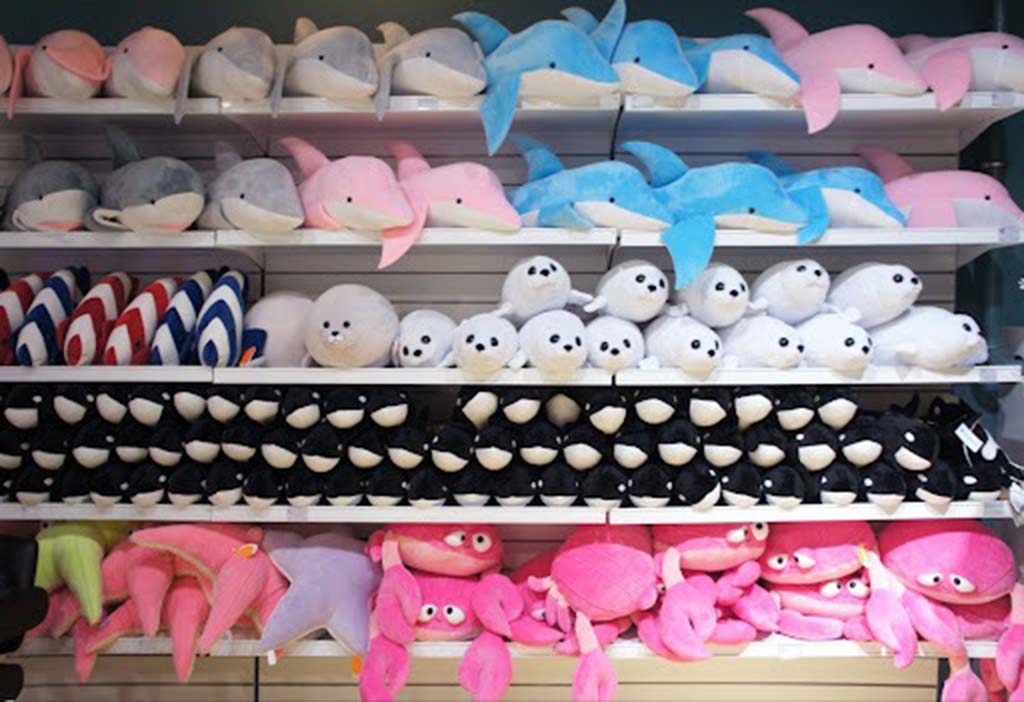
These words overlap, but each signals a different promise to buyers and reviewers.
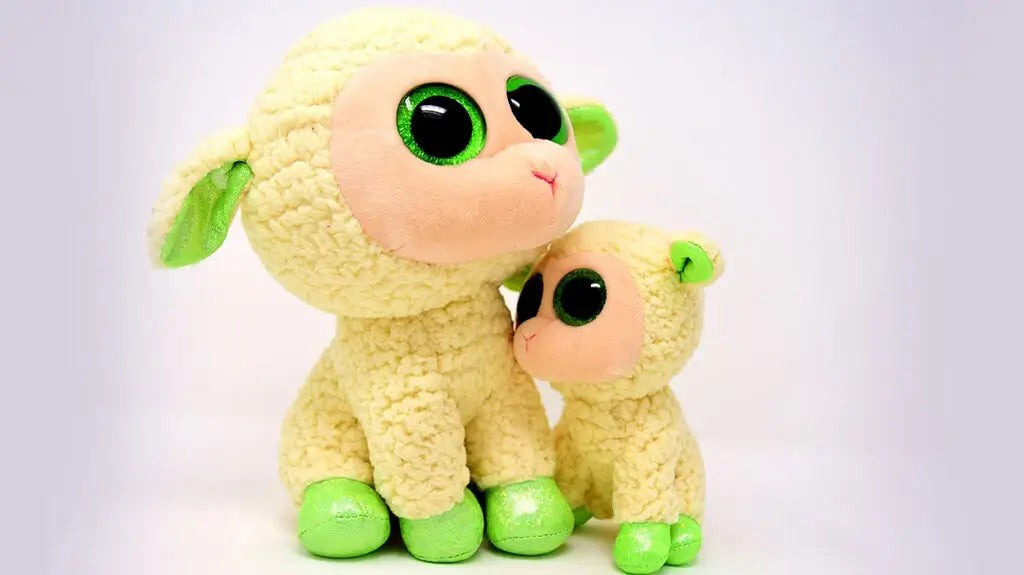
- Plush (narrow sense): a soft toy with pile fabrics and a cuddle-first feel.
- Stuffed animal: broad U.S. term for any soft animal with stuffing (plush or not).
- Soft toy (UK/EU umbrella): any textile toy with soft filling (plush, doll, creature).
- Doll (soft): humanoid; may include hair and outfits; role-play focus.
- Plush doll: fully soft humanoid built in plush fabrics; combines doll silhouette with plush materials.
The difference matters for age grading, small-parts checks, and title taxonomy on marketplaces. A soft doll with outfits has risks (snaps, fasteners) that a simple plush animal may not. A faux-fur wolf with safety eyes may be plush, but age-graded 3+ due to small-parts tests. A baby plush with embroidered eyes can be suitable from birth if it passes testing and the fill/seam design is safe.
Table 2 — Category Comparison (How Retail Treats Each Term)
| Category | Primary forms | Typical fabrics | Play intent | Common age grade |
|---|---|---|---|---|
| Plush | Animals/creatures/mascots | Minky, velboa, faux fur | Comfort, cuddle, collect | 0+ (embroidered) or 3+ (trims) |
| Stuffed animal | Animal shapes (broad) | Any soft textile | General play/gifting | 0+ or 3+ per trims |
| Soft toy | Umbrella (UK/EU) | Plush + knits/wovens | Any soft play | Per design |
| Doll (soft/hybrid) | Humanoid with outfits/hair | Tricot/knit/plush; sometimes vinyl | Role-play/dressing | Often 3+ |
| Plush doll | Humanoid, fully soft | Plush shell + embroidery | Comfort + doll styling | 0+ (embroidered) or 3+ |
Which fabrics, fillings, and surface finishes qualify a product as plush under retail and lab standards?
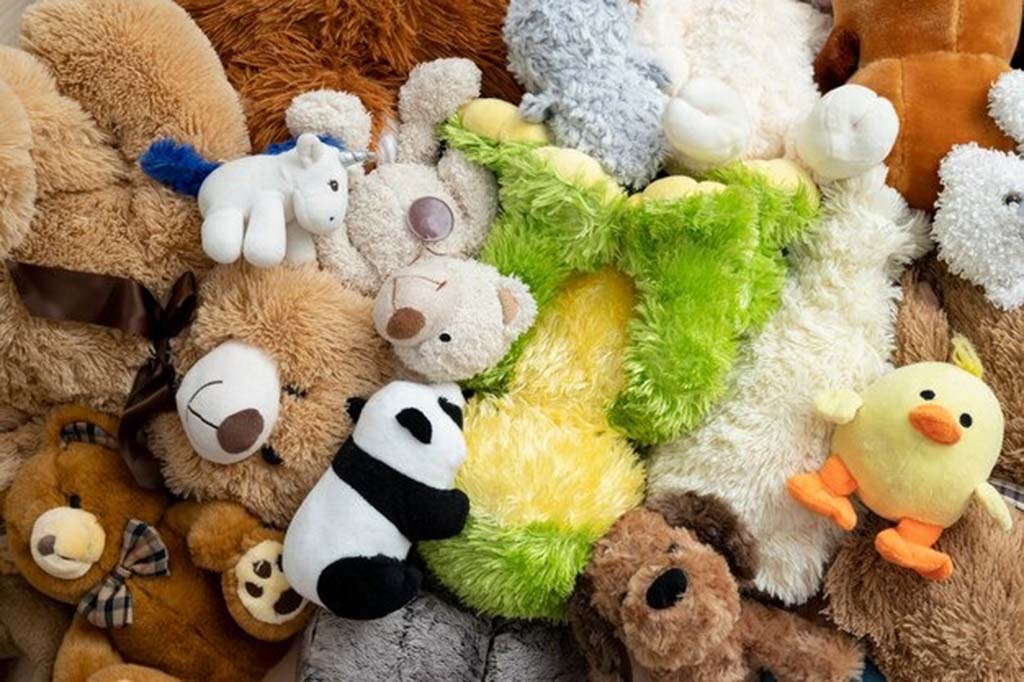
There is no single “plush standard,” but retail and test labs informally treat pile fabrics as the core qualifier. To avoid disputes, we design and document material choices clearly.
Fabrics that read as plush
- Minky (short pile): ultra-soft, baby-friendly; shows embroidery cleanly.
- Velboa (short pile): smooth, supportive; holds shape and stitches.
- Faux fur (longer pile): premium and realistic; needs trimming and brush-after-wash notes.
- Sherpa/boa: cozy, textured; control shedding via fabric grade.
- Alpaca/mohair (luxury): heritage feel for boutique editions.
Fillings
- Hollow polyester fiberfill for soft rebound;
- Solid fiberfill for shape retention;
- Pellets for grounding weight (double-pouched);
- Local foam for posture in heads/bases (no rigid parts for young ages).
Surface finishes
- Embroidery for faces and logos (safest for 0–3 years);
- Safety eyes/noses only with passing small-parts and tensile tests (3+).
- Appliqué can add depth; stitch edges tightly to prevent lift.
Table 3 — Materials & Finishes That Qualify a “Plush” Look/Feel
| Component | Acceptable “plush” choices | Testing touchpoints |
|---|---|---|
| Shell | Minky/velboa/faux fur/boa/sherpa | Colorfastness, flammability, EN71-3/CPSIA |
| Filling | Hollow/solid fiberfill; pellet pouches | Lot certificates; pouch integrity; seam pulls |
| Face | Embroidery; safety eyes/noses | Small-parts/tension; age alignment |
| Accessories | Soft hats/scarves; bar-tacked | Fastener abuse tests |
| Care claim | Surface/gentle machine | Wash tests; appearance rating |
Rule of thumb: If the shell is pile, the handfeel is soft, and construction is cushion-forward, the industry will read it as plush—then the age grade and tests determine where you can sell it.
What compliance, labeling, and age-grading rules determine whether an item is marketed as plush?
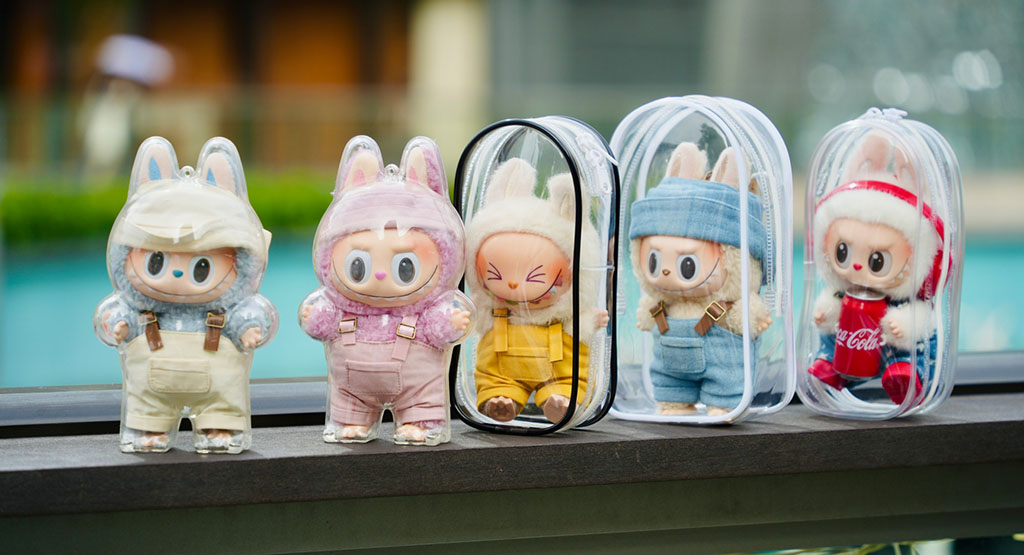
Whether you write “plush toy,” “soft toy,” or “stuffed animal,” children’s product laws govern the build when you sell to kids. The label “plush” doesn’t remove the legal duty; it simply describes materials. Your age grade and intended use decide the test plan.
Core frameworks (summary)
- EU/UK: EN71-1/2/3 for mechanical/physical, flammability, and chemicals; REACH where relevant; keep a Declaration of Conformity.
- USA: ASTM F963 + CPSIA (lead, phthalates), plus CPC and tracking label.
- Global reference: ISO 8124 alignment; retailers may request OEKO-TEX for textiles.
Age-grading basics
- Under 3 years: prefer embroidered faces; avoid detachable small parts; confirm seam strength and pile behavior.
- 3+ years: safety eyes/noses allowed if they pass small-parts, tension, and abuse tests; accessories must be secure.
- Adult collectible (14+): not marketed to kids; some retailers still request toy-style tests to de-risk.
Labeling must match reality
- Age mark, care, country of origin, batch/lot tracking, and accurate material claims.
- If you claim recycled polyester, hold certificates by lot and keep hangtag claims aligned with actual content.
Table 4 — Compliance Map for Plush (What to Put in Your Files)
| Region | Required tests | Labels/docs to keep | Notes |
|---|---|---|---|
| EU/UK | EN71-1/2/3 + REACH where applicable | CE/UKCA DoC; traceability | Tie reports to fabric/fill lots |
| USA | ASTM F963 + CPSIA | CPC; tracking label | Age grade must match trims |
| Retail adds | OEKO-TEX, recycled content proofs | Certificates per lot | Align hangtags with docs |
Good practice: Re-test if you change dye lots or trim suppliers. Labs, platforms, and retailers now cross-check claims with paperwork.
How do design complexity, small parts, and articulation influence plush categorization and risk profiles?
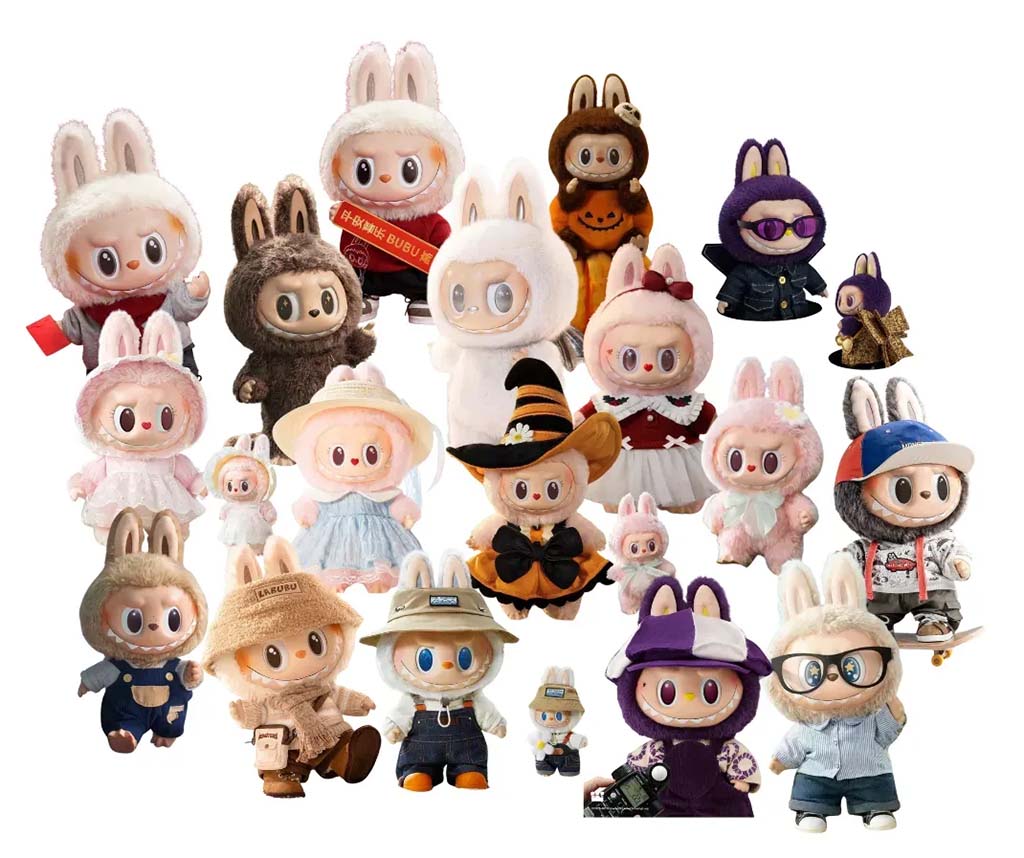
Design choices shift your risk profile and may affect how platforms flag your listing.
- Complex faces and multiple appliqués add minutes and defect risk; they don’t stop the item being plush, but they increase QC burden.
- Safety eyes/noses push the item toward 3+; they add small-parts and tensile checks.
- Weighted pellets raise seam and leakage risk; always double-pouch and document tests.
- Internal armatures/wires are not for under-3 and may push the product toward older age grades or adult collectible positioning.
- Outfits and fasteners start to look like doll systems; they are still “plush” if the shell is pile, but the play pattern (dressing) and small parts introduce doll-like test items.
Table 5 — Design Choices vs. Risk (What Changes in QA)
| Design feature | Category signal | Risk/extra tests | Mitigation |
|---|---|---|---|
| Embroidered face | Baby-friendly plush | Stitch density/pucker | SPI spec; face template |
| Safety eyes/nose | Plush 3+ | Small-parts/tension | Vendor-qualified trims; lab test |
| Weighted base | Plush (comfort) | Pouch leakage; seam pulls | Double-pouch; in-line leakage tests |
| Long-pile faux fur | Premium plush | Flammability; shed | Trim zones; fab grade checks |
| Outfits/fasteners | Plush + doll-like play | Fastener abuse; small parts | Bar-tacks; snap tests; 3+ |
| Armature (poseable) | Collector/older child | Sharp/metal encapsulation | Encapsulation + age 14+ or 6+ per tests |
Operational advice: Approve silhouette on stock colors first; then lock face art; then confirm custom dyes and accessories. This order minimizes rework.
Are marketplace and SEO naming conventions (“plush,” “plush toy,” “soft toy”) aligned with buyer expectations and regulations?
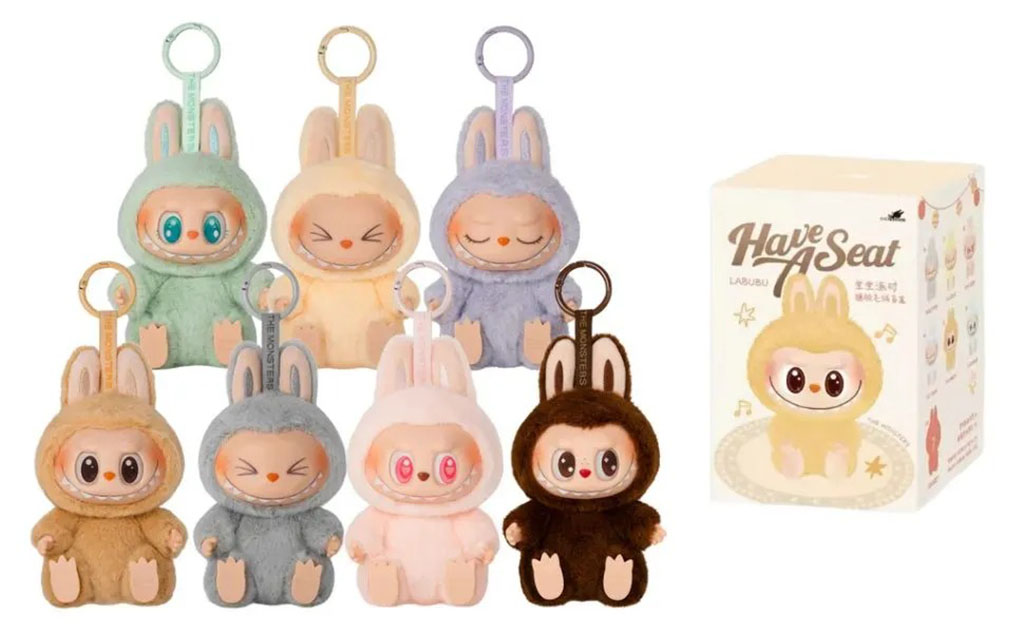
Buyers search in their own language, not ours. Platforms also index by structured attributes. Your job is to match both while staying compliant.
U.S. (marketplaces and retail)
- Primary nouns: “Stuffed Animal” and “Plush Toy” together in titles.
- Keep inches in titles; add cm in bullets.
- Use features in filters and copy: Weighted, Embroidered Eyes, Scented (if compliant).
- Add ASTM F963/CPSIA and age grade to bullets.
UK/EU
- Category noun: “Soft Toy”; use “Teddy Bear” for bears.
- Keep cm in titles; optionally add inches in bullets.
- Add EN71 tested and age mark in bullets.
Global SEO
- Spread synonyms naturally across title, bullets, meta, and alt text: “plush toy,” “stuffed animal,” “soft toy,” “plushie” (long-tail only).
- Avoid keyword stuffing; let attributes (size, features, age) carry index weight.
Title templates (copy-ready)
- U.S.:
12" Fox **Stuffed Animal (Plush Toy)** – Minky Fabric, Embroidered Eyes - UK:
30 cm Fox **Soft Toy** – Minky Fabric, Embroidered Eyes - Collector:
Limited Edition **Plush** – Faux Fur, Weighted Base, Numbered Tag
Implementation checklist (you can run this week)
- Decide category words per region: U.S. “Stuffed Animal (Plush Toy)”; UK “Soft Toy.”
- Write a one-page brief: size, shell fabric, pile height, fill grams, pellet grams, face method, wash claim, target markets, tests, packaging, MOQ, Incoterm.
- Approve silhouette with stock fabrics; lock face embroidery; then confirm custom colors and accessories.
- Seal a PPS (golden sample) and keep one at factory, one at your office.
- Set AQL: General Level II; Major 2.5 / Minor 4.0; checkpoints at IQC → in-line (~30%) → FRI (≥80% packed).
- Test to destination markets with actual fabric/fill lots; re-test if dye lot or trims change.
- Create listing kits: scale-in-hand photo, texture macro, face close-up, seated stability shot, packaging photo, and a 10–15s squeeze video.
- Publish hybrid titles and map attributes (size, weighted, embroidered, scented, age).
- Train CS scripts: age grade, care, materials, compliance claims that match documents.
Follow this flow and your line will feel plush, test clean, and index where buyers actually search.
Conclusion
“Plush” is a materials-plus-feel promise built on pile fabrics, cushioned construction, and safe finishing. It differs from “stuffed animal,” “soft toy,” and “doll” in how it looks, feels, and how people play with it—but the legal rules follow the age grade and market, not the word on the tag. Choose the right shell and filling, design for clean faces and strong seams, align your EN71/ASTM/CPSIA plan with real lots, and write region-wise titles that match how shoppers search. At Kinwin, my team turns briefs into sealed PPS and on-time mass runs with plush quality that reads premium online and passes audits in every channel. Email [email protected] or visit kinwintoys.com to plan your next plush collection.