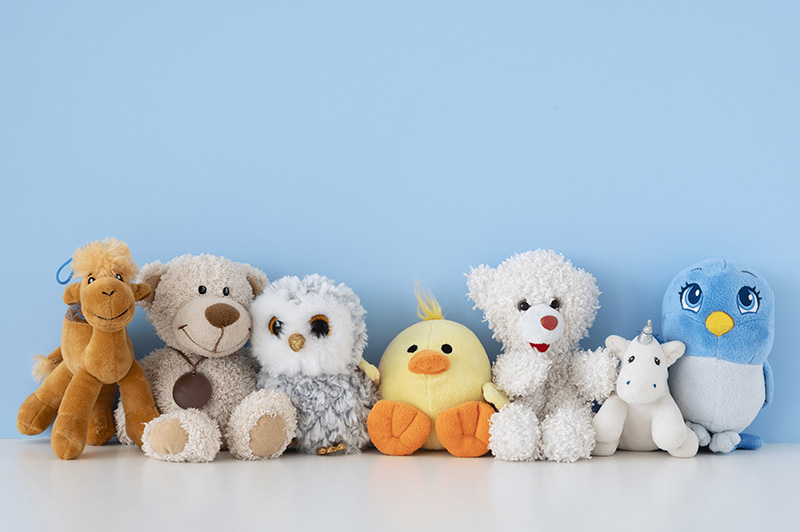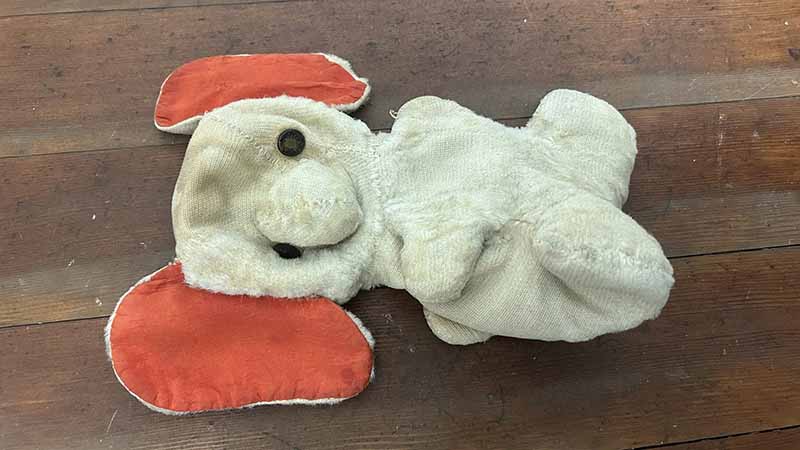
Stuffed animals are loved worldwide, but the words people use to describe them can vary widely depending on culture, industry, and even age group. While most people simply say “stuffed animal,” the toy industry, retailers, and global markets each use different terms. Understanding these names helps buyers, parents, collectors, and brand owners communicate clearly—especially when sourcing from factories like ours.
Today’s stuffed animals may be called plush toys, plushies, soft toys, stuffed toys, or even character dolls depending on region, purpose, and design. In manufacturing and retail, specific terms help describe construction methods, materials, and intended users. Correct terminology avoids confusion and ensures accurate communication during design, sourcing, and marketing.
This guide explains the names you’ll see and how they differ across cultures and product categories.
What terms are commonly used to describe stuffed animals today?
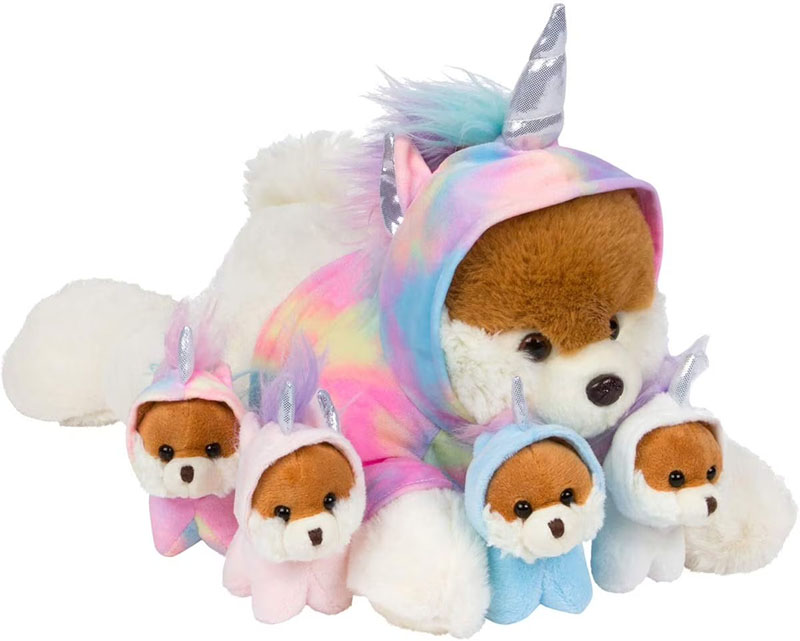
Stuffed animals go by many names, and each term highlights a slightly different aspect—softness, material, or character style. These terms are used in homes, toy stores, online shops, and industry discussions.
Most common general-use names
- Stuffed animal – Popular in the U.S.; refers broadly to any animal-shaped soft toy.
- Plush toy – Highlights the plush fabric; widely used in modern marketing.
- Soft toy – Common in the UK and many Commonwealth countries.
- Plushie – A cute, casual word favored by teens, collectors, and online communities.
- Stuffie – A child-friendly variation used in North America.
- Cuddly toy – Used in Europe to emphasize softness and comfort.
Overview of commonly used terms
| Term | Meaning / Context | Who Uses It Most |
|---|---|---|
| Stuffed animal | Soft animal-shaped toy | U.S. families, general consumers |
| Plush toy | Toy made with plush fabric | Retailers, brands, factories |
| Soft toy | General soft stuffed toy | UK, Europe |
| Plushie | Cute, casual plush toy | Teens, collectors, online communities |
| Stuffie | Friendly child-focused term | Young kids, parents |
| Cuddly toy | Emphasizes softness | European consumers |
Different names still refer to the same category: a soft, stuffed toy with plush fabric.
How do names vary across regions, cultures, and toy categories?
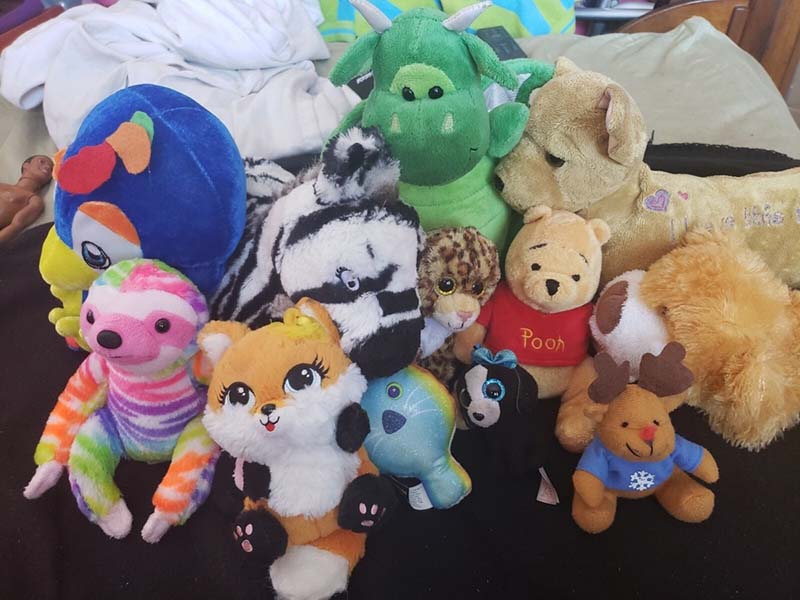
Cultural influence plays a big role in naming. A toy that is a “plushie” in Japan might be called a “soft toy” in the UK or a “stuffed animal” in the United States.
Regional variations around the world
- United States – “Stuffed animal,” “plush toy,” and “plushie”
- United Kingdom / Europe – “Soft toy,” “cuddly toy,” “plush”
- Australia / New Zealand – “Soft toy,” “plush toy”
- Japan – Nuigurumi (ぬいぐるみ), meaning sewn stuffed toy
- Korea – Inhyung (인형) for dolls, 곰돌이 인형 for teddy bears
- Latin America – Peluche, meaning plush toy
Regional naming comparison
| Region | Common Terms Used | Notes |
|---|---|---|
| USA | Stuffed animal, plush toy, plushie | “Stuffed animal” is dominant |
| UK | Soft toy, cuddly toy | Focus on softness over shape |
| Europe | Soft toy, plush | Consistent with UK terminology |
| Japan | Nuigurumi | Includes animals, mascots, and characters |
| Latin America | Peluche | Applies to all plush toys |
| China | Plush toy, stuffed toy | Often uses English-style terms |
Different cultures emphasize different aspects—comfort, cuteness, sewing style, or fabric.
Which technical terms apply in manufacturing and retail contexts?
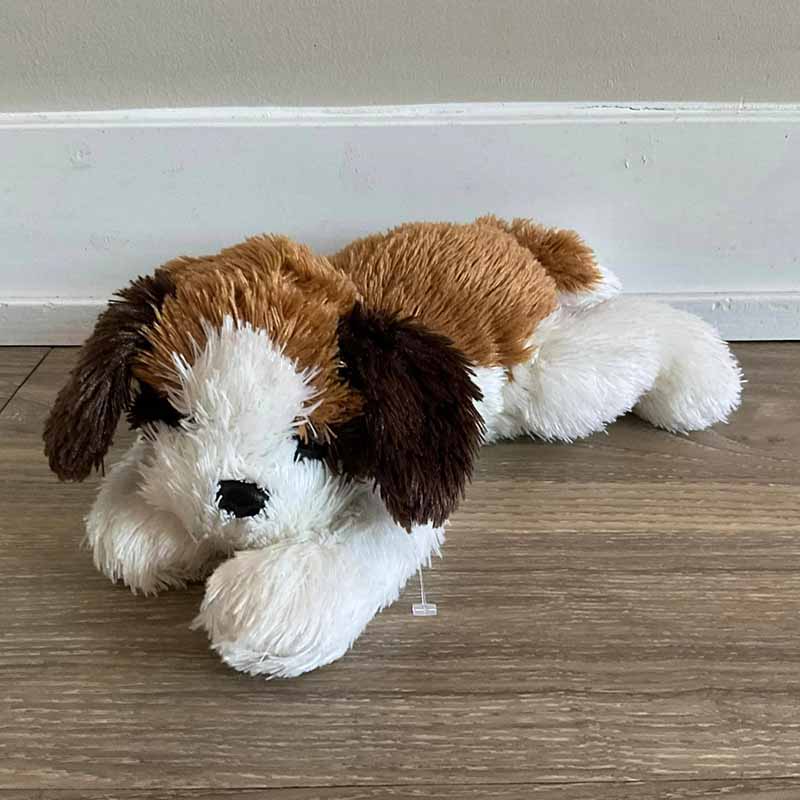
Inside factories and retail supply chains, we use more specific words. These terms describe construction method, market category, material type, and product purpose.
Technical and industry-specific names
- Plush toy / plush animal – The standard B2B term for all fabric-stuffed toys.
- Stuffed toy – Used in compliance documents and testing reports.
- Soft sculpture – Higher-end or artistic stuffed forms.
- Character plush – Plush toys based on copyrighted characters.
- OEM plush – Custom-made plush manufactured for brands.
- ODM plush – Factory-designed plush sold wholesale.
- Promotional plush – Plush for marketing or corporate campaigns.
Industry terminology overview
| Industry Term | Meaning | Usage Context |
|---|---|---|
| Plush toy | Standard manufacturing term | Factory communication |
| Stuffed toy | Compliance testing category | Safety reports (EN71, ASTM, etc.) |
| Character plush | Licensed or branded plush | Retail, entertainment, gaming brands |
| OEM plush | Custom client-designed plush | Brand projects |
| ODM plush | Factory-designed plush | Wholesale programs |
| Promotional plush | Branded gifts or marketing plush | Corporate ordering |
These terms make communication precise and avoid production mistakes.
How do material and design differences influence naming conventions?
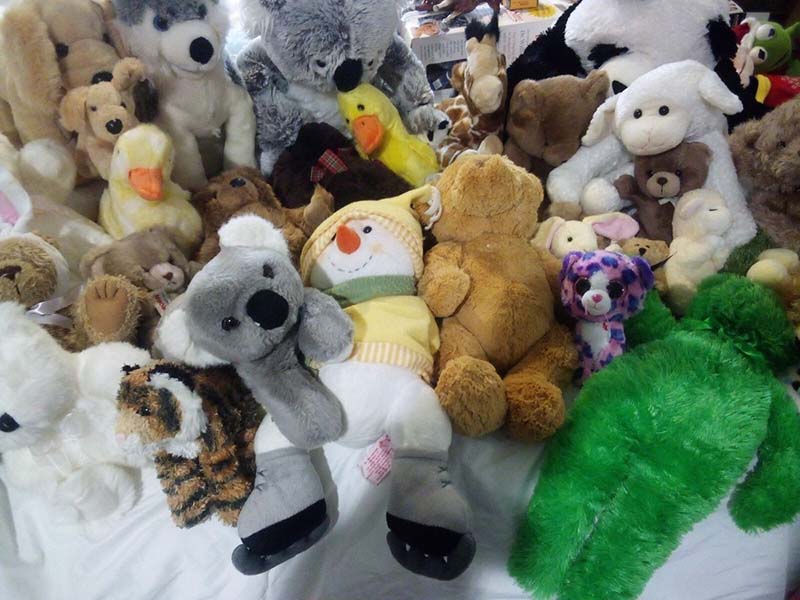
Certain names highlight materials, textures, or construction styles. These naming variations help buyers distinguish between different types of plush.
Material-based naming
- Plush fabric toy – Focus on soft, fluffy fabric.
- Fleece plush – Soft fleece outer layer.
- Minky plush – Made with ultra-soft minky material.
- Faux-fur plush – Designed to mimic real fur.
Design-based naming
- Teddy bear – Specific classic bear design.
- Weighted plush – Plush containing weighted beads for calming effect.
- Reversible plush – Plush that can flip inside out for different expressions.
- Pocket plush / mini plush – Smaller versions for portability or collecting.
Materials and design naming overview
| Naming Style | What It Refers To | Example |
|---|---|---|
| Material-based | Type of fabric or stuffing | “Minky plush,” “faux-fur toy” |
| Design-based | Shape and features | “Teddy bear,” “weighted plush” |
| Size-based | Toy scale | “Mini plush,” “jumbo plush” |
| Feature-based | Special functions | “Interactive plush,” “musical plush” |
These labels help buyers find the exact texture, softness, or function they want.
What distinctions exist between plush toys, soft toys, dolls, and plushies?
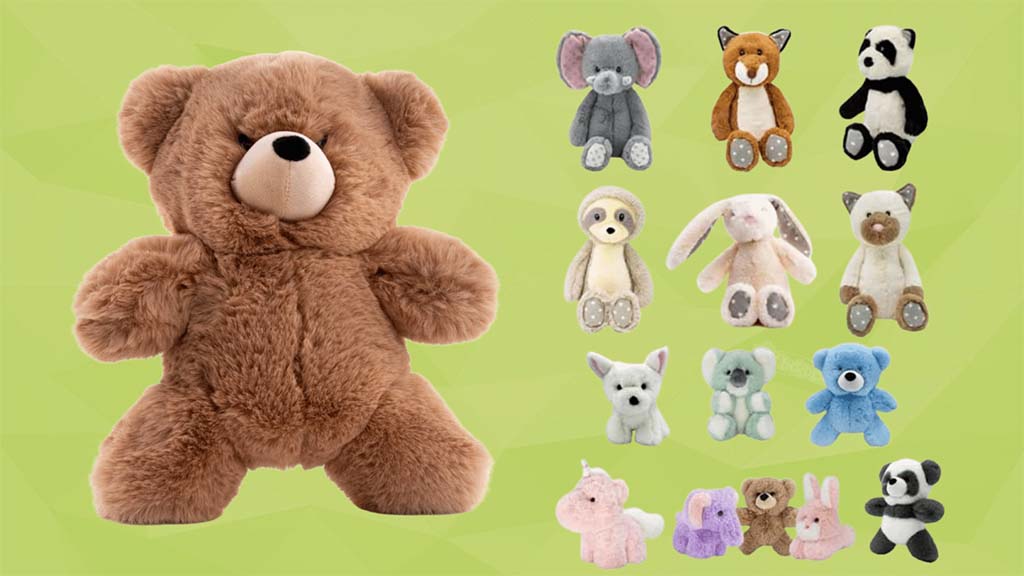
Although these terms overlap, each one has a more specific meaning in modern usage. Understanding the distinctions helps buyers and brands categorize products correctly.
Key differences
- Plush toy – Any toy made with plush fabric and stuffed for softness.
- Soft toy – A broad term that includes plush toys and fabric dolls.
- Stuffed animal – Specifically animal-shaped plush toys.
- Doll – A toy shaped like a human or humanoid figure (fabric, vinyl, silicone, or plush).
- Plushie – A casual, cute word for small or stylized plush toys.
Comparison table
| Category | Definition | Examples |
|---|---|---|
| Plush toy | Plush-fabric stuffed toy (any shape) | Animals, characters, mascots |
| Soft toy | Any soft stuffed toy | Plush toys, rag dolls |
| Stuffed animal | Soft toy shaped like an animal | Bears, dogs, dinosaurs |
| Doll | Human/humanoid figure | Rag dolls, plush dolls, vinyl dolls |
| Plushie | Cute/stylized plush, often small | Chibi characters, mini mascots |
If you are creating a product listing, marketing campaign, or OEM project, choosing the right term helps attract the right audience.
How do branding and licensing shape the terminology for stuffed animals?
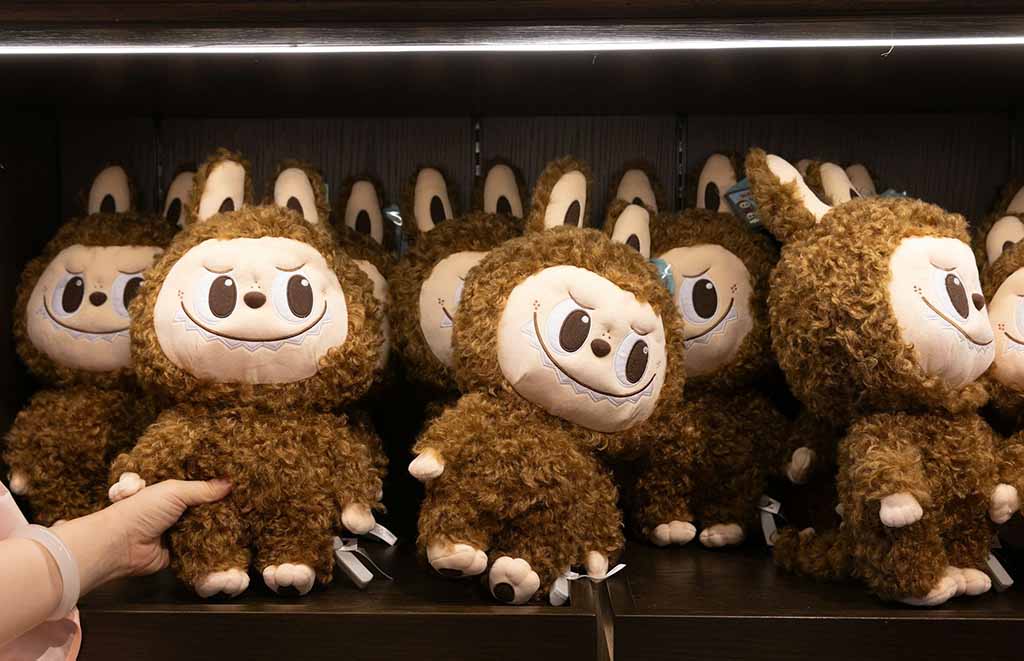
Brands and entertainment companies use specific terms that fit their identity. Licensing teams also define terminology to maintain character consistency and avoid trademark conflicts.
Branding influences naming
- Disney uses “plush,” “character plush,” and “soft toy.”
- Pokémon uses “plush,” “plush figure,” and “Poké Plush.”
- Sanrio uses “plush doll,” “mascot plush,” and “mini plush.”
- Anime brands use “plushie” or “character plushie” for stylized designs.
In licensed products, names must match brand tone. For example:
- “Mascot plush charm” → used for keychain-size characters
- “Collector plush” → high-end display plush
- “Hug-me plush” → large, soft, cuddle-focused plush
How licensing shapes terminology
| Licensing Type | Common Naming Style | Why It’s Used |
|---|---|---|
| Anime / gaming | Plushie, mascot plush, character plush | Fits fan culture and cute aesthetic |
| Children’s brands | Soft toy, cuddle plush, stuffed animal | Emphasizes safety and comfort |
| Premium collectibles | Plush figure, collector plush | Higher perceived value |
| Corporate mascots | Promo plush, branded plush | Designed for marketing or events |
Brand names create expectations and help customers understand whether a plush is for play, display, collecting, or promotion.
Conclusion
Stuffed animals go by many names—plush toys, soft toys, cuddly toys, plushies, stuffed animals, dolls, and more. Each term reflects regional habits, materials, design choices, or the specific market a product belongs to. For brands and buyers, using the right terminology helps avoid confusion and supports accurate marketing, sourcing, and manufacturing.
At Kinwin, we help global partners create plush toys that fit specific categories, naming styles, and brand identities. Whether you’re working on character plush, licensed collectibles, or custom soft toys, you’re welcome to contact me at [email protected] or visit kinwintoys.com to explore how we can support your next plush project.