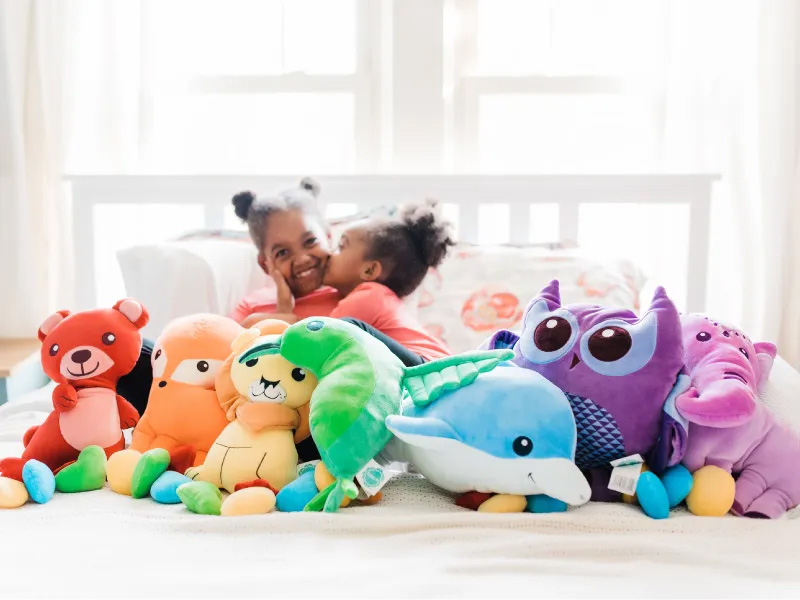
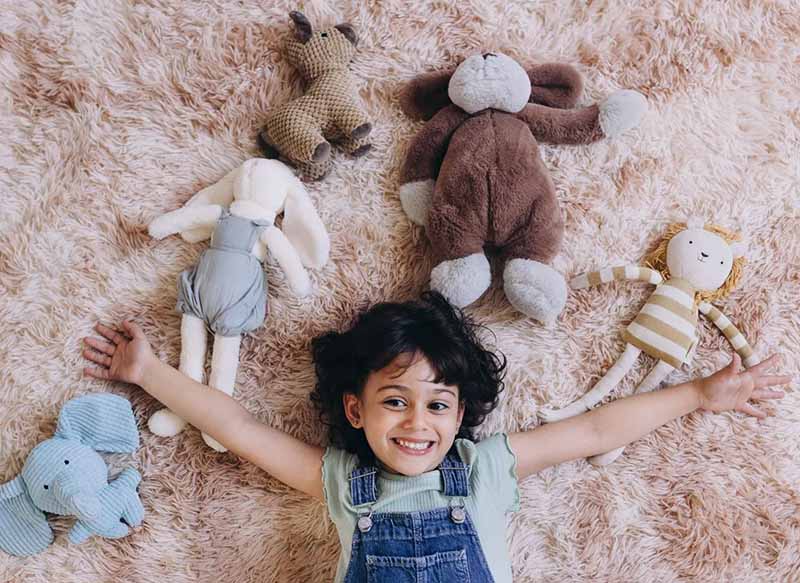
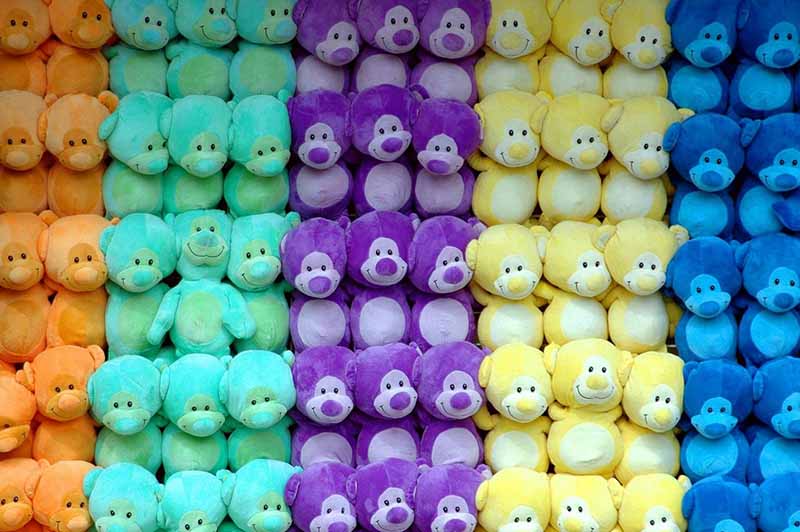
When you hear “stuffed animal,” you probably think of a soft bear, a favorite bedtime friend, or a brand mascot on a store shelf. In the toy industry, though, “stuffed animal” is a very specific product category with clear expectations for materials, safety, and design.
Today, a stuffed animal is defined as a soft, fabric-covered toy—usually animal-shaped—filled with fiber or other stuffing, designed for hugging, comfort, and play. Its quality depends on the outer fabric, internal filling, stitching, and compliance with strict safety standards. When all these parts work together, the result is a plush that feels good to hold, is safe to use, and can carry strong emotional or brand value.
In this guide, I’ll walk you through how we see stuffed animals from the inside of the industry: what defines them, how they are built, how they are categorized, and how modern trends are changing their role around the world.
What defines a stuffed animal in today’s toy industry?
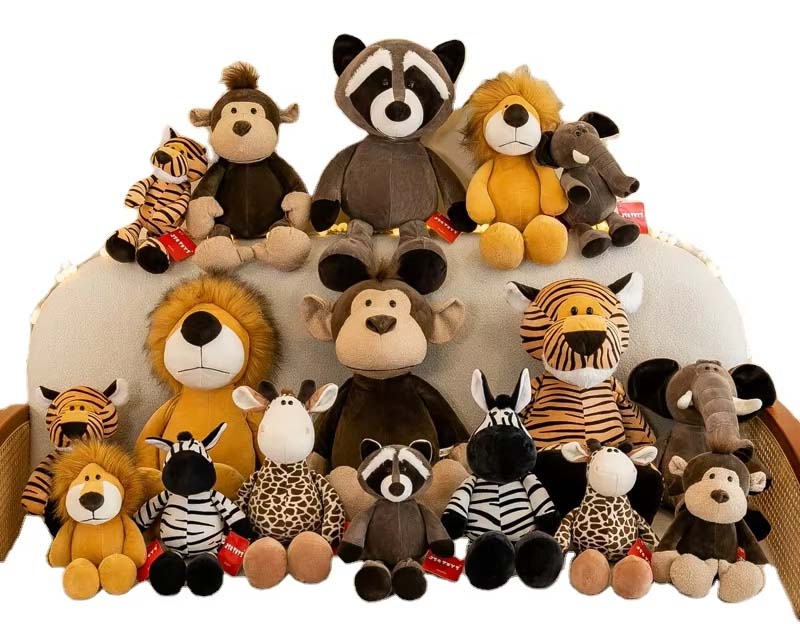
From an industry point of view, a stuffed animal is more than “a soft toy shaped like an animal.” It is a product type with clear components: a textile shell, internal filling, stitched construction, and a defined user group and purpose. When brands and factories talk about stuffed animals, we think about shape, function, market, and compliance at the same time.
At its core, a stuffed animal is a soft, three-dimensional toy made with textile fabric and an internal filling, usually representing an animal (real or imagined). It is designed primarily for hugging, play, decoration, or comfort—not for high-impact sports or hard mechanical use. This definition separates stuffed animals from plastic figures, electronic gadgets, and purely decorative home items.
Core elements that define a stuffed animal
| Element | Description | Why It Matters |
|---|---|---|
| Soft textile shell | Outer layer made from plush, fleece, or similar fabric | Gives the toy its touch and visual character |
| Internal filling | Fiberfill or other stuffing that creates volume | Controls softness, weight, and shape |
| Animal-based form | Usually inspired by real or fantasy animals | Connects emotionally with children and adults |
| Intended use | Hugging, comfort, gentle play, decoration | Guides design and safety choices |
| Safety framework | Treated as a children’s product in most markets | Must meet toy safety and chemical standards |
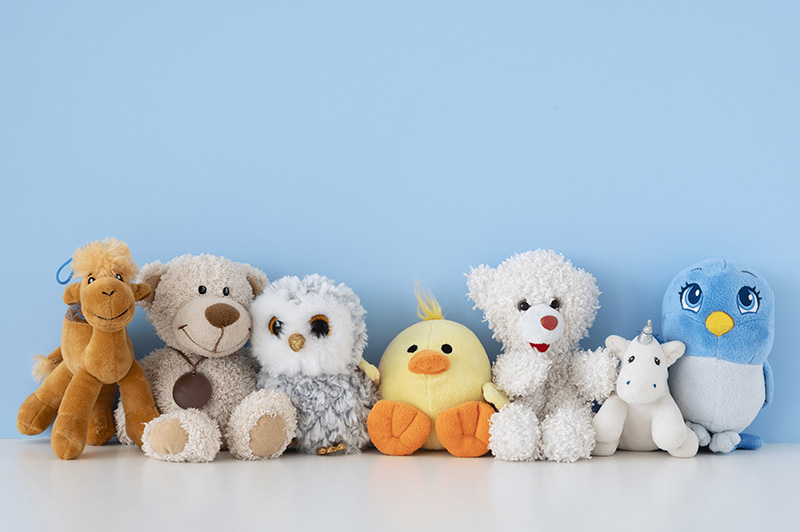
In practice, many “stuffed animals” today stretch beyond simple bears and bunnies. They can be fantasy creatures, brand mascots, or heavily stylized characters—yet they are still grouped under the stuffed animal / plush animal category for manufacturing and compliance.
How do materials and construction shape stuffed animal quality?
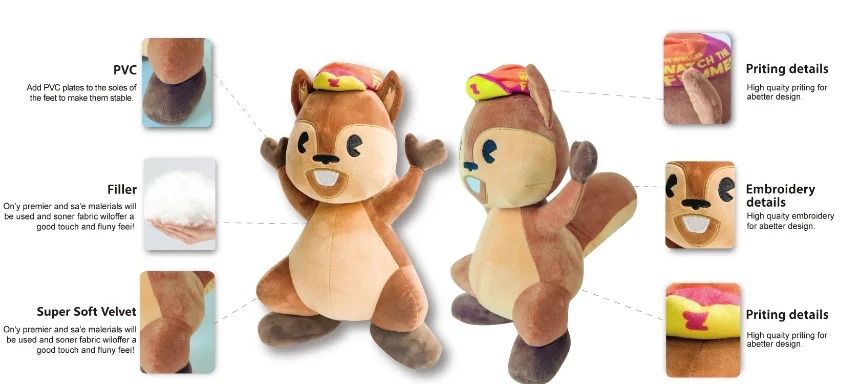
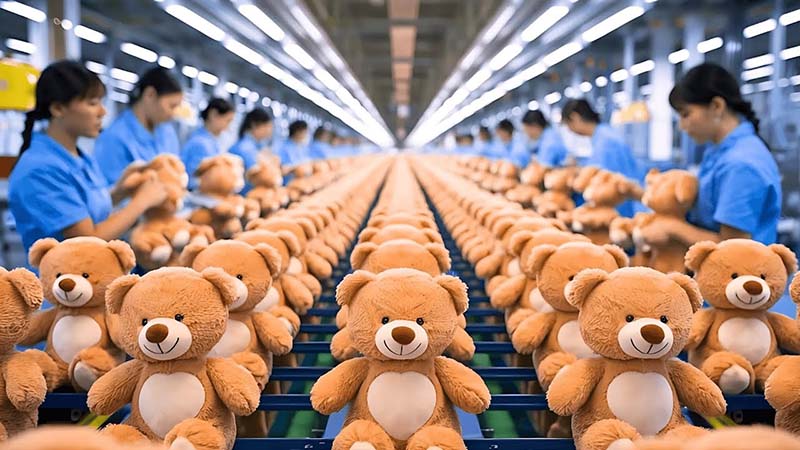
Two toys can look similar in photos but feel completely different in the hand. The difference almost always comes from fabric choice, stuffing, and stitching quality. As a manufacturer, this is where we spend much of our effort: turning a design into something that is both soft and reliable in real life.
Good stuffed animals use safe, soft fabrics, high-quality polyester fiberfill, and consistent stitching. The outer fabric must feel pleasant against the skin; the filling must keep shape without turning lumpy; and seams must hold under pulling and hugging. When all three are balanced, the plush feels premium and lasts longer.
Key material and construction choices
Outer fabrics
- Minky / micro plush – very soft and smooth, popular for baby and premium lines.
- Short plush / velboa – durable with a neat surface, good for retail and promotional plush.
- Faux fur – used for realistic animals or “fluffy” characters.
- Fleece – flexible and forgiving, often used in simpler designs.
Stuffing and internal structure
- Polyester fiberfill – industry standard for softness and resilience.
- Foam inserts – sometimes used for specific shapes (e.g., noses, flat bases).
- Pellets (in sealed pouches) – can add weight in paws or body, mainly for older users and specialty items.
Stitching and assembly
- Tight, even machine seams around body and limbs.
- Reinforced joints at high-stress points (neck, arms, tail).
- Hidden openings closed by ladder stitch after stuffing for a clean look.
Material and construction impact
| Component | Typical Options | Impact on Quality |
|---|---|---|
| Outer fabric | Minky, velboa, fleece, faux fur | Controls softness, appearance, and durability |
| Stuffing | Polyester fiberfill, optional pellets | Affects firmness, weight, and “hug feel” |
| Stitching | Single, double, or reinforced seams | Determines strength under pulling and washing |
| Internal support | Foam, felt layers, stabilizing fabrics | Helps complex shapes hold form |
| Finish details | Embroidery, applique, secure trims | Influences both look and safety |
When you source or design a stuffed animal, you are really deciding what experience the user will have in their hands—materials and construction are the tools to shape that experience.
Which design features enhance appeal, play value, and safety?
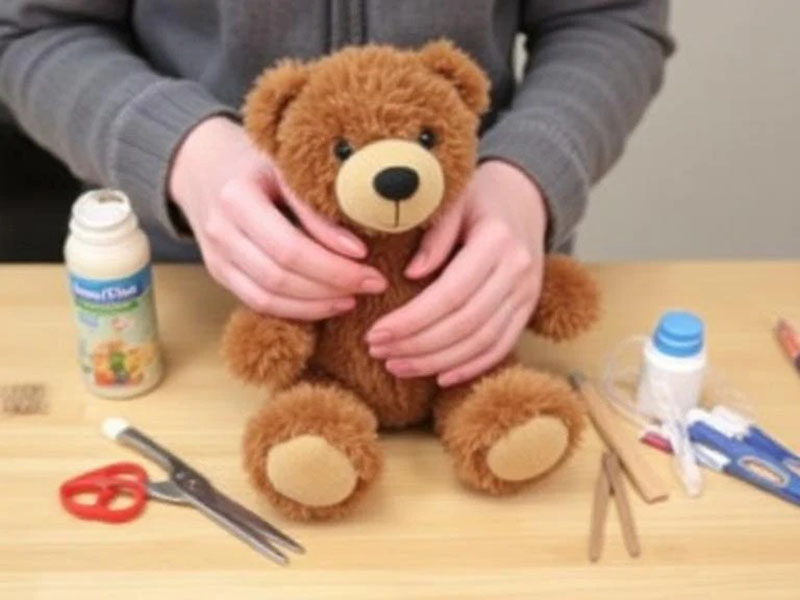
A stuffed animal’s success in the market depends on more than softness. It must be visually appealing, fun to interact with, and safe for its target age group. Small changes in facial expression, body proportion, and added features can dramatically change how children and adults respond.
High-appeal stuffed animals usually have clear silhouettes, friendly faces, balanced proportions, and age-appropriate added features such as rattles, crinkle sounds, or gentle lights. At the same time, each extra feature must be designed so it cannot become a hazard—especially for babies and younger children.
Design features that matter
Visual and emotional appeal
- Large, gentle eyes and a soft expression build trust.
- Clear, simple shapes read well from a distance and in photos.
- Harmonious color palettes support brand identity and mood.
Functional play features
- Rattles or squeakers for babies and pets (sealed securely inside).
- Velcro, pockets, or accessories for interactive play for older children.
- Weighted elements for calming or display stability in specialty products.
Built-in safety considerations
- Embroidered facial features instead of loose buttons for younger age groups.
- No long cords, sharp edges, or easily removable small parts.
- Seam lines and pattern shapes planned to avoid weak points.
Design vs play vs safety
| Feature Type | Benefit for User | Safety / Design Consideration |
|---|---|---|
| Big expressive eyes | Strong emotional connection | Embroider or use safety eyes according to age grade |
| Squeakers / rattles | Added sensory stimulation and fun | Must be fully enclosed and suitable for age group |
| Soft accessories | Dress-up and storytelling value | Keep accessories securely attached for young kids |
| Weighted filling | Calming feel, better sitting posture | Use sealed pouches and avoid for very young children |
| Bright colors | Shelf impact and brand recognition | Use tested dyes and avoid over-stimulation for babies |
From my side as a factory partner, I always encourage brands to define clearly: who will use this plush, how, and in what setting. Design choices then follow that “use case” so play value and safety grow together instead of competing.
How are stuffed animals categorized by style, purpose, and audience?
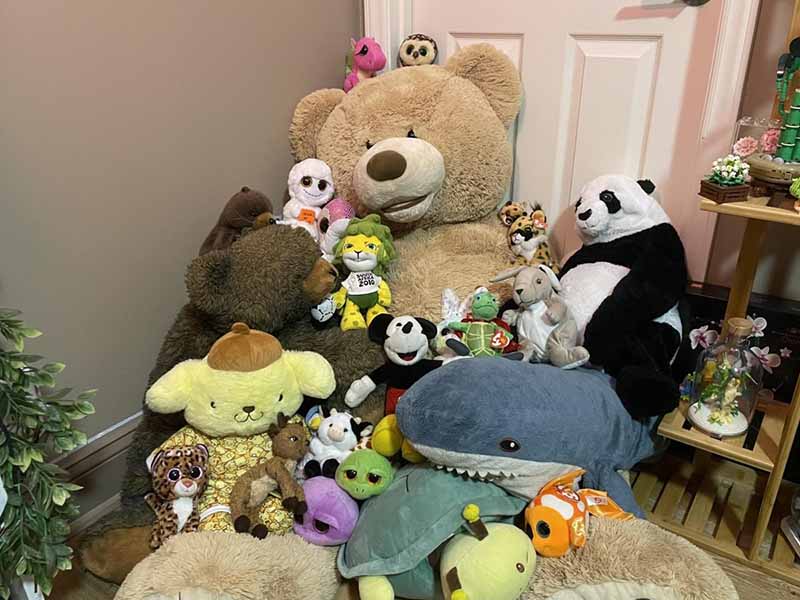
Not all stuffed animals serve the same role. Some are made for babies, some for preschoolers, some for collectors, and some as corporate giveaways or décor pieces. The toy industry groups stuffed animals by style, purpose, and audience to shape design, materials, and pricing.
Understanding these categories helps brands position new products and helps buyers choose the right partners and specifications for their market.
Common style categories
- Classic / traditional – teddy bears, simple bunnies, and farm animals.
- Character / licensed – TV, movie, game, and brand mascots.
- Realistic – lifelike wildlife or pet replicas with detailed coloring.
- Stylized / kawaii / chibi – big heads, small bodies, cute proportions.
Purpose-based categories
- Comfort plush – bedtime friends, baby loveys, weighted plush.
- Play plush – designed for active play and storytelling.
- Collectibles – limited editions, display items, fan merchandise.
- Promotional plush – branded giveaways, event mascots, logo plush.
Audience segments
- Babies (0–3 years) – extra focus on safety, washable, simple features.
- Children (3–8 years) – more complex characters, accessories, and stories.
- Tweens / teens – stylized designs, fandom and aesthetic appeal.
- Adults – collectibles, sentimental gifts, décor, comfort and wellness items.
Category overview
| Dimension | Examples | Design / Compliance Focus |
|---|---|---|
| Style | Classic, realistic, kawaii, fantasy | Shape, expression, fabric texture |
| Purpose | Comfort, play, collectible, promotional | Durability vs. display quality |
| Audience | Babies, kids, teens, adults | Age-appropriate safety and features |
When we develop OEM or ODM designs at Kinwin, we always map each stuffed animal to a clear style–purpose–audience combination. This map guides pattern decisions, testing needs, and cost targets.
What manufacturing and compliance standards ensure product safety?
Stuffed animals look soft and harmless, but from a regulatory view they are still children’s products in most cases—and that means strict safety rules. If a plush is sold in the USA, EU, UK, Japan, or other developed markets, it must comply with relevant toy safety standards and chemical regulations.
As a factory, we build stuffed animals to pass tests such as EN71, ASTM F963, CPSIA, and similar standards, depending on where our client sells. These standards cover mechanical aspects (pull tests, small parts), flammability, and chemical content (like lead and phthalates).
Key safety dimensions
- Mechanical and physical safety – checking for small parts, sharp points, seam strength, and choking hazards.
- Flammability – ensuring fabrics do not burn too quickly under test conditions.
- Chemical safety – verifying that dyes, coatings, and materials keep harmful substances within legal limits.
- Labeling and traceability – including age grading, care instructions, and batch or tracking labels.
Typical standards and focus
| Standard / Regulation | Main Region | Focus Areas |
|---|---|---|
| EN71 (parts 1–3, etc.) | European markets | Mechanical tests, flammability, certain chemicals |
| ASTM F963 | United States | Mechanical and some chemical safety for toys |
| CPSIA | United States | Lead, phthalates, tracking labels |
| UKCA / UK toy rules | United Kingdom | Similar to EU rules with local marking |
| Other regional rules | Japan, GCC, etc. | Local adaptations of major standards |
On top of laboratory testing, we also run in-factory quality control:
- Incoming material checks.
- Inline inspections during sewing and stuffing.
- Final random inspections before shipment.
For you as a buyer or brand owner, working with a factory that already understands these standards reduces risk and helps you launch on time without compliance surprises.
How do cultural trends influence the role of stuffed animals worldwide?
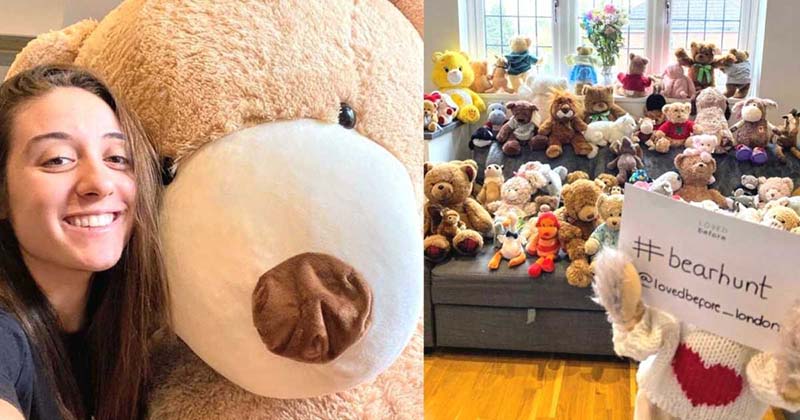
Stuffed animals are no longer just “children’s toys.” Around the world, they play new roles in fandom culture, mental wellness, décor, and gifting. Cultural trends directly influence how we design and position plush products today.
Recent years have seen:
- Kawaii and character culture from Japan and Korea driving global demand for cute, stylized plushies.
- Fandom and licensing turning stuffed animals into key pieces of entertainment brands—anime, games, K-pop, movies.
- Wellness and comfort trends expanding categories like weighted plush for anxiety relief and adult comfort plush.
- Sustainability increasing interest in recycled fabrics and eco-themed characters.
- Social media and e-commerce turning plush into shareable content and brand storytelling tools.
Trend-driven roles for stuffed animals
| Trend / Cultural Force | New Role for Stuffed Animals | Design and Marketing Response |
|---|---|---|
| Kawaii / cute culture | Daily companions, desk buddies, photo props | Focus on chibi proportions and soft color palettes |
| Fandom & licensing | Collectibles, event merch, limited editions | Tight brand guidelines, high detail accuracy |
| Mental wellness & comfort | Sleep partners, anxiety relief, weighted plush | Emphasis on softness, weight balance, and safety |
| Home décor | Aesthetic objects on sofas and beds | Neutral tones, stylish shapes, higher finish |
| Sustainability awareness | Eco-friendly plush and storytelling characters | Recycled fabrics, transparent material sourcing |
| Social media sharing | Props for photos, unboxing, and trend videos | Strong visual identity and packaging design |
As these trends grow, the question “what is a stuffed animal?” becomes bigger than just “a toy for children.” It now includes emotional tools, brand media, lifestyle objects, and even symbolic companions across all ages.
Conclusion
A stuffed animal, in today’s toy industry, is a carefully engineered soft product: a textile shell, safe filling, and thoughtful design brought together under strict safety standards and shaped by global cultural trends. When materials, construction, design, compliance, and storytelling align, a simple plush animal can become a long-lasting comfort object, a powerful brand asset, or a treasured collectible.
At Kinwin, we help global buyers turn concepts into real stuffed animals that are safe, soft, and suited to their exact market—from baby lines and gift-shop bears to licensed mascots and collectible plushies. If you’re planning a new plush range and want support from a factory team that understands both the emotional and technical side of stuffed animals, you’re very welcome to contact me at [email protected] or visit kinwintoys.com to explore how we can support your next project.