A plush throw is one of those home items that looks simple but carries many details behind it. The fabric type, pile height, construction, and weight all decide how soft, warm, and long-lasting it really is.
A plush throw, in modern home textiles, is a soft blanket made from high-pile or brushed fabrics (such as fleece, minky, or faux fur) with a cozy, velvety surface and a drapable body. It is usually lighter than a full blanket, used on sofas, beds, chairs, or for travel. The best plush throws combine gentle touch, stable warmth, low shedding, and easy care, so they stay inviting after many washes and years of use.
In this guide, I’ll walk you through how I, as a plush manufacturer, look at plush throws—so you can choose, design, or source them with more confidence for your home, brand, or store.
What defines a plush throw in modern home textiles?
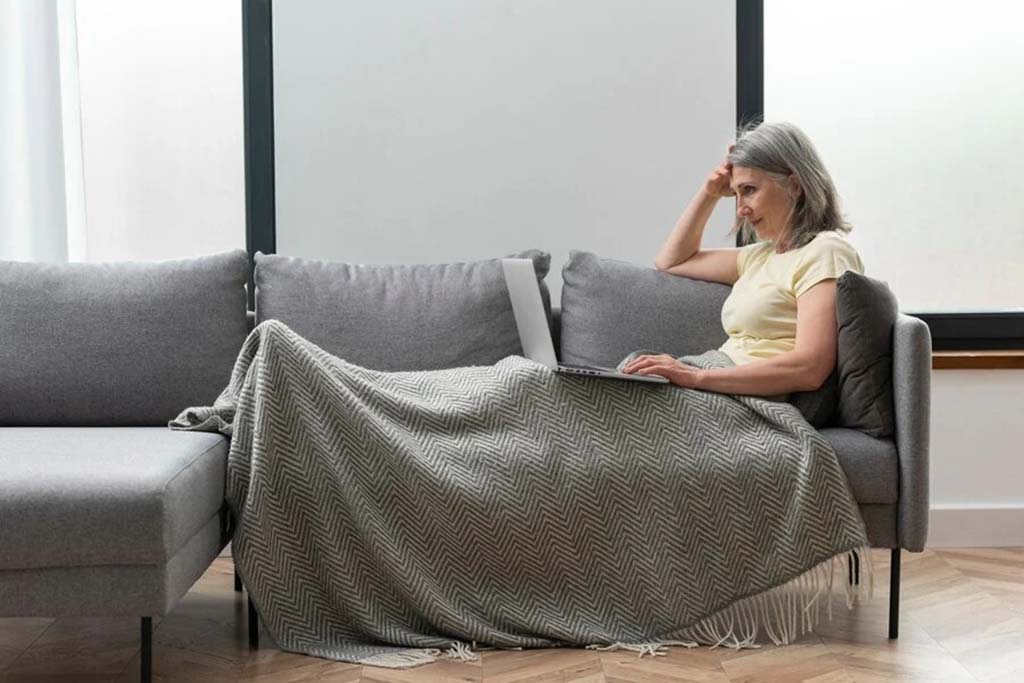
In modern textile language, a plush throw is a soft, medium-weight blanket with a fuzzy or velvety surface that you can drape over sofas, beds, or your shoulders. It sits between a heavy winter blanket and a thin summer sheet—light enough to move easily, but cozy enough to add warmth and comfort.
When people say they want a “plush throw,” they usually imagine something:
- Very soft to the touch.
- Visually cozy, with a rich surface.
- Easy to grab for reading, watching TV, or napping.
As a manufacturer, I think of a plush throw as a mix of: fabric choice, pile height, backing structure, and finishing. These technical details are what create that simple feeling of “ah, this is nice” when someone picks it up.
Key characteristics of a plush throw
You can use this as a quick checklist for what truly defines a plush throw:
Table 1 – Core features that define a modern plush throw
| Feature | What It Means in Practice | How You Experience It |
|---|---|---|
| Soft surface | Brushed, pile, or velvety fabric surface | Feels smooth and gentle on skin |
| Medium weight | Lighter than a duvet, heavier than a thin sheet | Easy to move, but still gives a cozy hug |
| Drapability | Fabric folds and hangs nicely over furniture | Looks good on sofas and beds |
| Warmth level | Provides comfortable warmth without overheating | Perfect for evenings, AC rooms, light seasons |
| Visual comfort | Rich texture, inviting colors and patterns | Makes rooms look more “warm” and lived-in |
| Versatility | Works on sofa, bed, chair, or for travel | One item, many usage scenes |
If your product or purchase meets these points, it is clearly in the plush throw category, not just a random blanket.
How do fabric types and pile structures create plush softness?
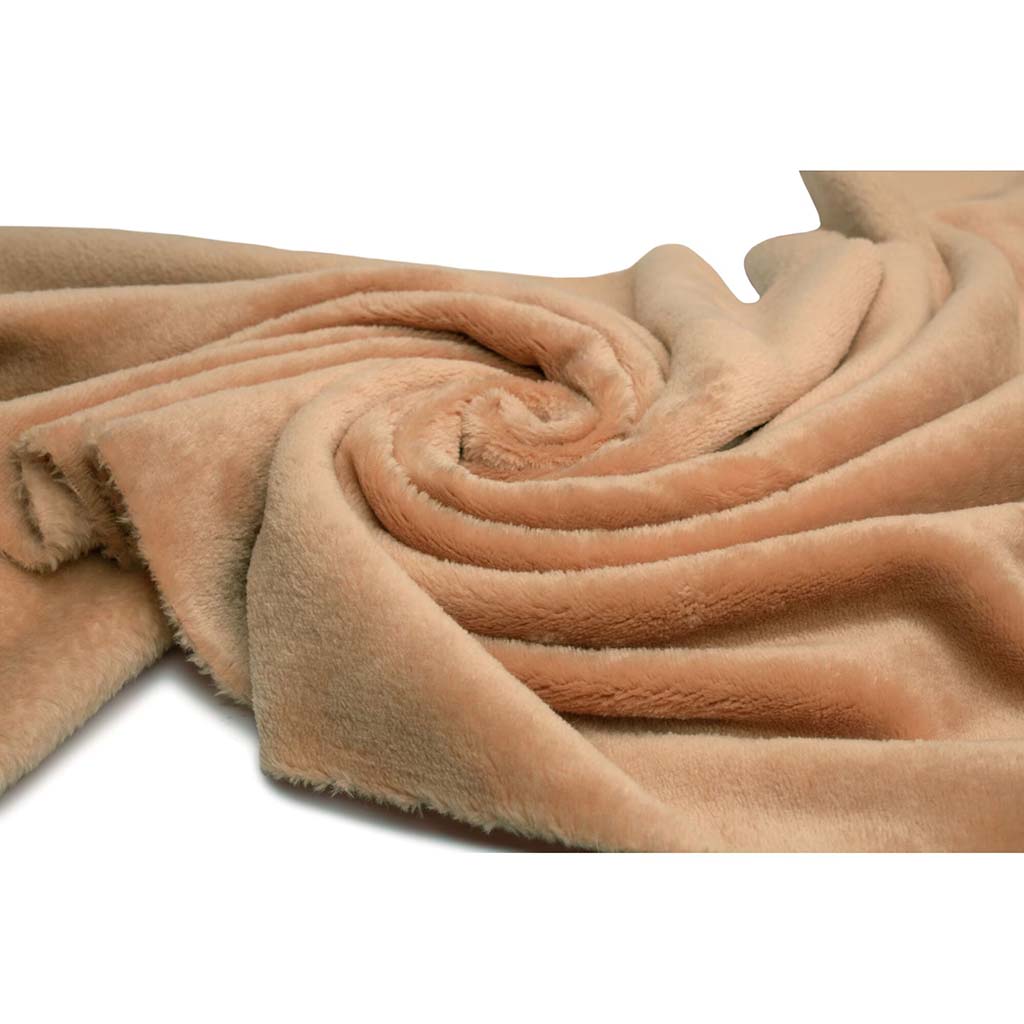
The feel of a plush throw starts with its fabric and pile structure. Even if two throws look similar in photos, they can feel very different in real life because of the fiber type, knit or weave, and how the surface is finished.
Most modern plush throws use synthetic fibers (often polyester) or blends, because they are soft, durable, and easy to wash. What changes is the pile height (short vs long), the density of the fibers, and whether the surface is brushed, sheared, or embossed. These choices decide if the throw feels silky smooth, fluffy, or more like a thick sweatshirt.
Common plush throw fabrics and how they feel
Here is a simple overview of typical fabric types used for plush throws:
Table 2 – Fabric types and their plush characteristics
| Fabric Type | Typical Pile / Surface | Main Hand-Feel & Look | Best Use Scenarios |
|---|---|---|---|
| Fleece | Brushed, low to medium pile | Soft, warm, slightly fuzzy | Everyday sofa throws, family blankets |
| Minky / micro-mink | Short, dense, velvety pile | Very smooth, silky, premium feel | Bedroom throws, gifts, baby-friendly households |
| Sherpa / faux shearling | High, curly pile | Extra fluffy, “wool-like” look | Cozy winter throws, cabin or rustic style |
| Faux fur | Long, luxurious pile | Dramatic, high-volume texture | Statement decor throws, bed footers |
| Velour / plush knit | Short, sheared, shiny surface | Velvet-like, rich color depth | Elegant living rooms, decorative layering |
Behind each fabric is a structure: usually a knit base that holds the pile fibers. Dense knits with evenly cut pile feel more “expensive” and last longer. Loose or uneven structures may feel thin or start to look messy after some use.
How pile height and density affect comfort
When we design plush products, I always balance:
- Pile height – Longer pile looks and feels richer, but can trap more dust and be warmer.
- Pile density – Higher density feels fuller and more stable; low density can feel cheap.
- Fiber fineness – Finer fibers (microfibers) feel softer but need good quality control to avoid heavy static or pilling.
For daily home use where you want both comfort and easy care, short to medium pile, dense micro-plush or fleece is often the sweet spot. For a more luxurious decorative throw, faux fur or sherpa-style pile adds drama and warmth.
How does construction quality influence warmth, durability, and feel?
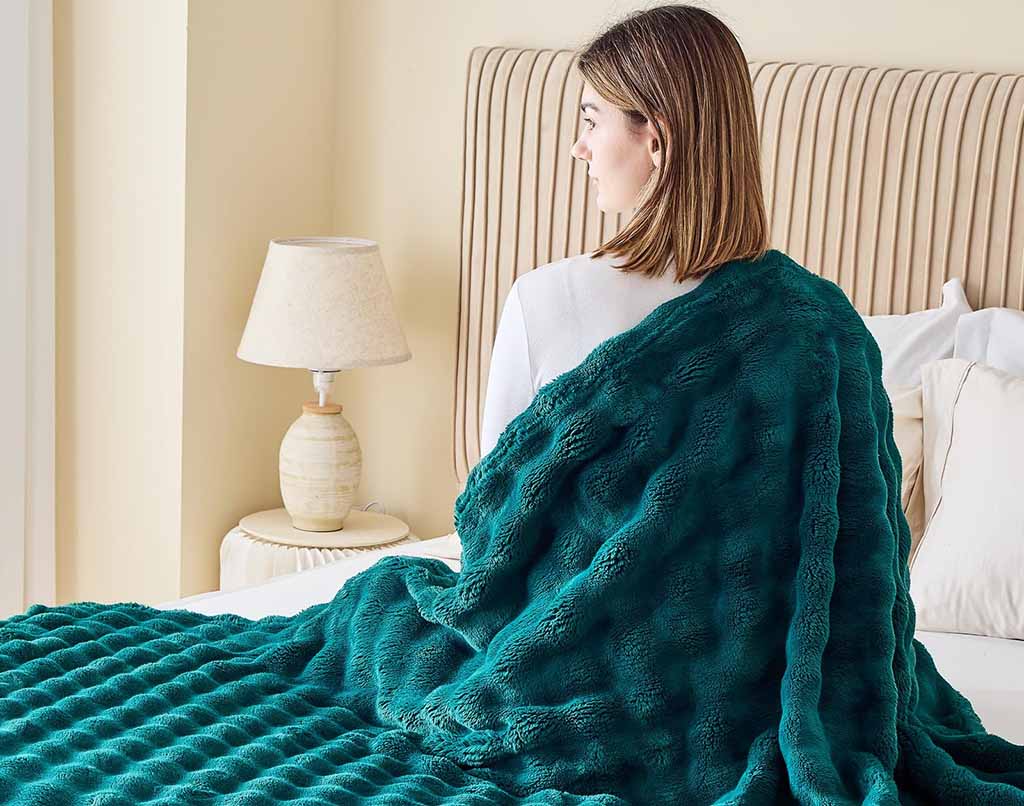
Fabric alone cannot guarantee a good plush throw. Construction quality—how the edges are finished, how layers are joined, how the fabric is stabilized—also affects warmth, durability, and the overall feel.
When I inspect throws from a manufacturing view, I look at:
- Edge finishing (binding, overlock, hem).
- Whether it is single-layer or double-layer.
- Stitch density and thread quality.
- How well the throw resists distortion when you pull or stretch it.
A well-constructed plush throw feels “solid” in the hand, even if it is light. It does not twist easily, and the seams do not feel scratchy or weak.
Construction details that matter
Here is how different construction choices change your experience:
Table 3 – Construction aspects and their impact
| Construction Aspect | Better Practice | Impact on Warmth, Durability, and Feel |
|---|---|---|
| Edge finishing | Neat hemming, binding, or high-quality overlock | Less fraying, more comfortable edge against skin |
| Layering | Single thick layer or double-layer with secure joining | Double-layer adds warmth and a more “substantial” feel |
| Stitch quality | Even stitches, moderate density, strong thread | Seams stay flat and resist opening in wash |
| Fabric stability | Well-balanced knit, limited distortion | Throw keeps shape; corners don’t curl too much |
| Brushing & shearing | Uniform surface treatment | Smooth look, fewer thin or bald patches over time |
Durability is especially important for families with children or pets, for hospitality use, or for brands selling on platforms like Amazon where reviews are harsh if seams fail early.
Warmth, weight, and drape
Construction also influences warmth:
- Double-layer throws or those with higher GSM (grams per square meter) trap more air and feel warmer.
- Single-layer but dense plush can still be warm while staying lighter and easier to pack or ship.
- Edge design (like heavy binding) adds weight on the border and changes how the throw drapes over sofas and beds.
When you plan a plush throw line, it’s helpful to match construction to use: lighter, single-layer throws for warmer climates or summer collections; more layered, heavier throws for winter or mountain/lodge themes.
What sizes, weights, and designs categorize different plush throws?
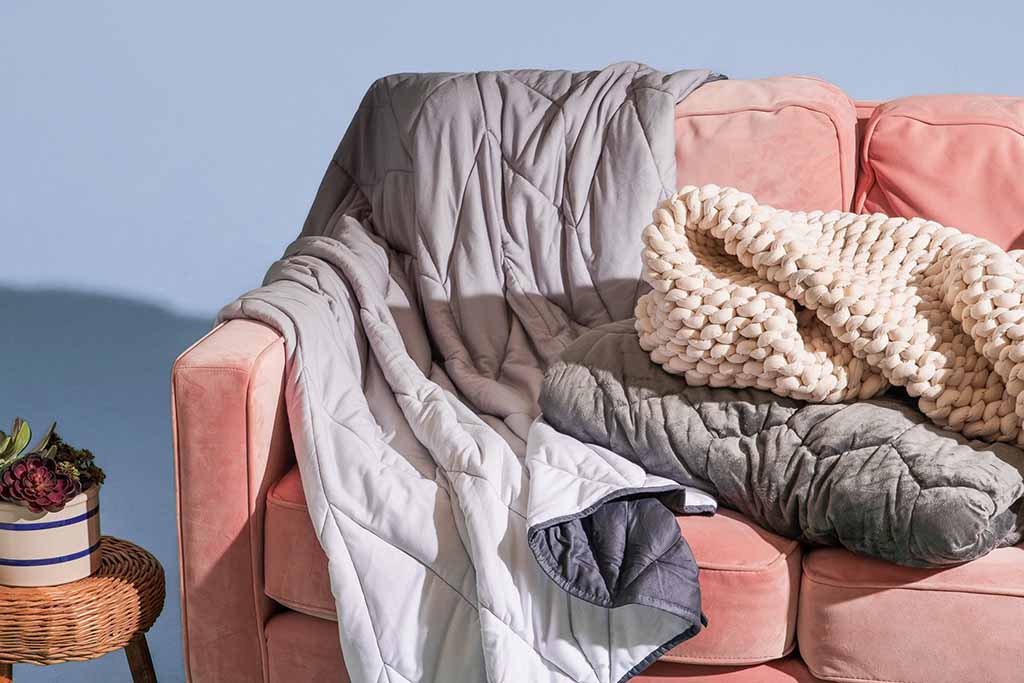
In home textiles, plush throws come in many sizes and thicknesses. Size and weight affect both comfort and visual impact. A small, light throw is good for travel or kids, while a larger, heavier throw feels more luxurious on a queen bed or big sofa.
As a manufacturer, I usually consider three main parameters:
- Size – length and width.
- Weight – fabric GSM and overall grams per piece.
- Design language – colors, patterns, edging, and how the throw fits into a room style.
Typical size and weight categories
Different markets use slightly different standards, but this simple framework works in many regions:
Table 4 – Common plush throw categories by size and weight
| Category | Approximate Size Range (cm) | Weight Feel | Best Use Cases |
|---|---|---|---|
| Personal / lap throw | 100 × 130 / 120 × 150 | Light to medium | Sofa, office, kids’ rooms, travel |
| Sofa / couch throw | 120 × 160 / 130 × 170 | Medium | Living room layering, movie nights |
| Bed throw | 150 × 200 / 160 × 220 | Medium to heavier | Bed footers, decorative layering on double/queen beds |
| Oversized throw | 180 × 220 and above | Medium to heavier | Large sofas, tall users, statement pieces |
| Kids’ throw | 90 × 120 / 100 × 140 | Light | Children’s beds, nap time, car seats |
Weight often follows size, but you can also design lightweight large throws for warm regions or compact but dense throws for strong warmth in smaller spaces.
Design language: from cozy to “aesthetic”
Design elements help place the throw in a specific lifestyle or brand story:
- Solid colors – simple, easy to match, good for minimalist or hotel-style interiors.
- Patterns – checks, stripes, florals, geometric prints to express personality.
- Textures – embossed patterns, channel quilting, faux fur, or sherpa for visual interest.
- Reversible designs – one side plush, one side sherpa; or two colors for flexible styling.
When you design or choose a plush throw series, think about your main scenario:
- Calm, neutral tones for bedroom and hotel use.
- Warm, rich colors or patterns for family rooms.
- Cute or themed designs for kids’ spaces and gift markets.
Size, weight, and design together tell customers how and where the throw belongs in their lives.
What care and maintenance practices extend a plush throw’s lifespan?
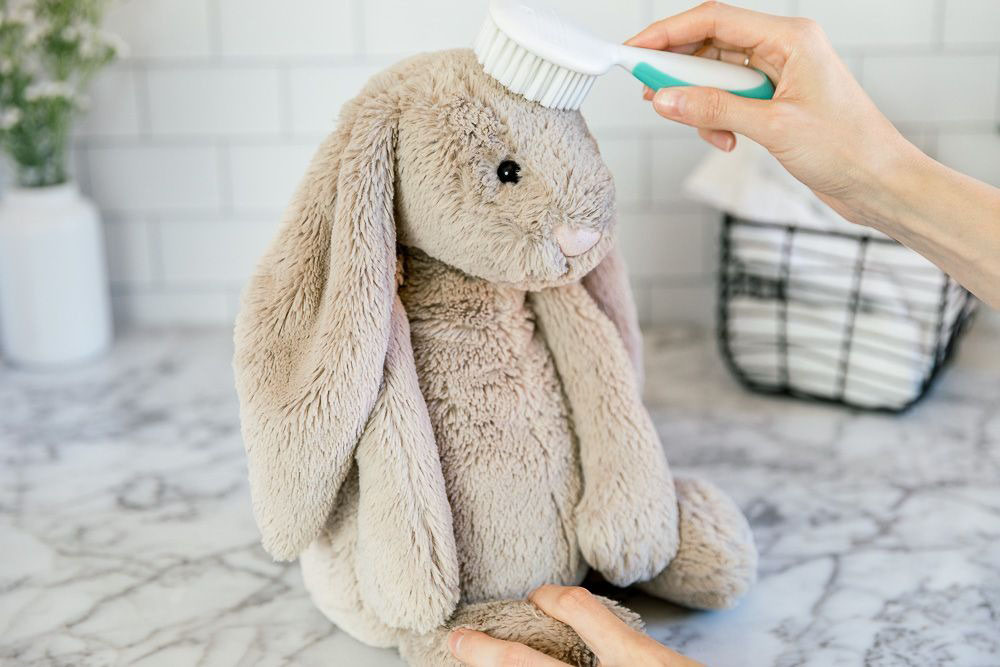
Even a well-made plush throw can look tired if it is washed incorrectly or used in harsh conditions. Good care practices protect softness, color, and shape. As a factory, we always plan care labels together with fabric choice, because customers rely on these instructions.
For most polyester-based plush throws, gentle machine wash in cool water, mild detergent, and low-heat tumble dry or line dry keep the fibers in good condition. High heat, harsh chemicals, or over-loading machines can cause matting, shrinking of backing, or damage to pile.
Common issues and how to prevent them
Here is a practical view you can share with customers or follow at home:
Table 5 – Plush throw care problems and solutions
| Issue | Likely Cause | Prevention & Fix |
|---|---|---|
| Loss of softness | Over-drying, high heat, harsh detergents | Use gentle detergent, low heat, avoid fabric softener with some microfibers; shake and fluff after drying |
| Pilling / fuzz balls | Friction from rough items, overloaded wash | Wash throws separately or with similar soft items; use gentle cycle |
| Fiber matting | High heat, mechanical stress | Avoid very hot drying; brush lightly with soft brush if needed |
| Color fading | Strong detergents, long sun exposure | Wash in cool water, avoid bleach; dry in shade |
| Distorted shape | Pulling when wet, improper storage | Support throw when lifting from washer; fold or roll instead of stuffing into tight spaces |
For B2B buyers, clear care labels and simple instructions in product descriptions reduce complaints and returns. For home users, following these basics makes a plush throw look new much longer.
Storage and daily use tips
A few small habits also help:
- Shake out and air the throw occasionally to release dust and refresh fibers.
- Avoid sitting on the same fold line every day to prevent permanent creases.
- Store folded or rolled in a dry, ventilated place; avoid damp basements and direct contact with rough surfaces.
These details sound small, but they add months or years to the “fresh” look of a good plush throw.
Conclusion
A good plush throw is soft, warm, and visually inviting—but the best ones also stay beautiful after many washes and fit smoothly into modern home lifestyles. When you understand how fabric, pile, construction, size, care, and trends work together, you can choose or design plush throws that truly comfort your customers and upgrade their spaces. At Kinwin, my team and I use our plush expertise from the toy world to help global buyers develop cozy, reliable products—from stuffed animals to plush-fabric home items—that meet quality expectations and support long-term brand growth. If you’d like to explore custom plush projects or connect plush toys with plush home textiles, you’re welcome to contact me at [email protected] or visit kinwintoys.com to see how our factory can support your next idea.