When people first see a Fuggler, their reaction is usually the same: “What on earth is that?”
Fugglers are “funny ugly monster” plush toys with disturbingly human-like teeth, odd eyes, and a deliberately chaotic, misfit personality. They sit in a very special niche of the market: not cute in a traditional way, but so weird and bold that kids, teens, and adults remember them immediately.亞馬遜+2walmart.com+2
As a plush manufacturer, I find Fugglers very useful to study. They show how a strong concept, brave design, and smart branding can turn “ugly” into collectible and desirable. In this guide, I’ll walk you through what Fuggler stuffed animals are, where they come from, how they’re made, and what they mean for the wider toy and collectibles market.
What defines a Fuggler stuffed animal and its unique concept?
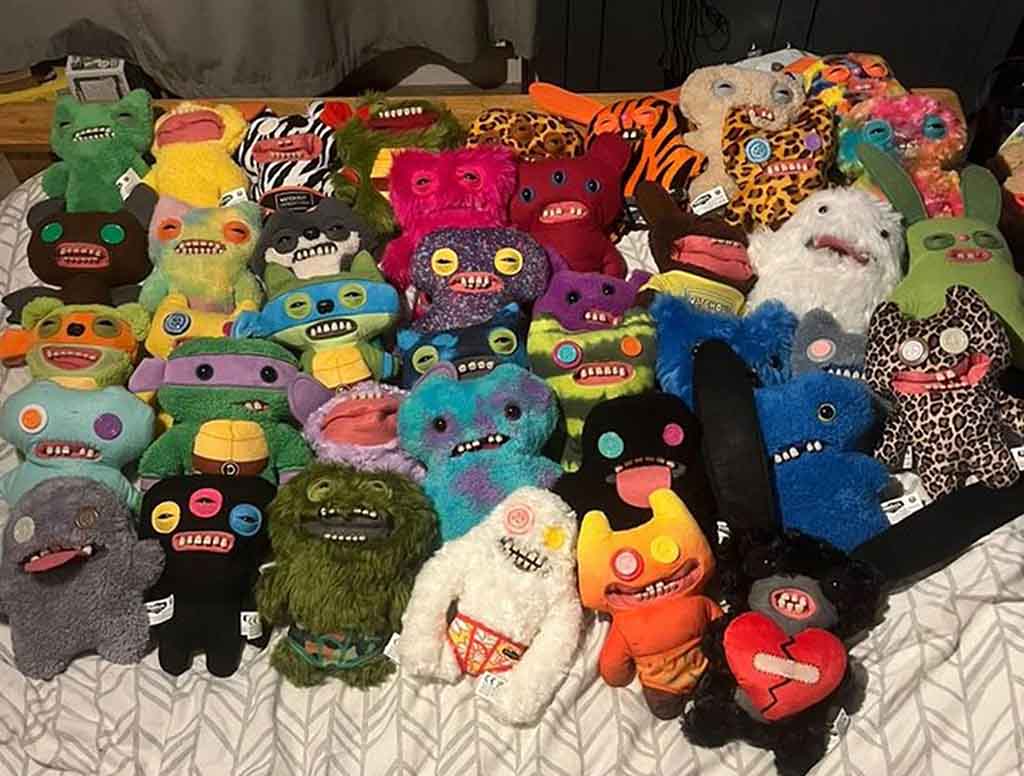
A Fuggler is not just another plush toy with teeth. The brand is built around one clear idea:
Fugglers are “funny ugly monsters” – misfit plush creatures with human-like teeth, strange faces, and a chaotic personality.
Modern Fuggler product descriptions from retailers and licensors use very similar language: “funny ugly monster,” “plush creature with teeth,” “disturbingly human-like teeth,” “weird shapes,” and “mischievous, misunderstood monsters.”walmart.com+4亞馬遜+4License Global+4
They usually share several signature traits:
- Human-like, denture-style teeth set into the mouth
- Unusual eye placement or mismatched eyes
- Asymmetrical faces, odd proportions, and awkward bodies
- A “butt-on hole” or button feature on the backside as a kind of “brand stamp”Pinterest+3License Global+3The Toy Book+3
So the concept is simple but very strong: take the comfort of plush, then flip the aesthetic to something creepy–cute and slightly unsettling.
From a brand or buyer perspective, that gives you a very clear positioning: not for everyone, but unforgettable for the people who like weird, offbeat toys.
| Element | How It Shows Up in Fugglers | Why It Matters for the Brand |
|---|---|---|
| Core idea | “Funny ugly monster” plush with teeth | Clear, easy-to-remember concept |
| Signature feature | Human-like teeth (now plastic/false teeth) | Instant recognition in photos and on shelves |
| Personality tone | Mischievous, rude, chaotic, “adopt at your own risk” | Marketing hook and humor for older kids/adults |
| Visual style | Asymmetry, odd eyes, weird shapes, button hole on backside | Builds a distinct design language |
| Target emotion | Mix of discomfort, laughter, and curiosity | Drives shares, reactions, and word-of-mouth |
How did Fugglers originate and gain popularity in the toy market?
Fugglers did not start as a big corporate brand. They began as handmade art dolls created by UK toy designer and artist Louise McGettrick (Mrs McGettrick). Early articles describe how she made “creepy plushies with fake human teeth” and sold them online via her Etsy “Fuggler Emporium.”Laughing Squid+1
One well-known part of the origin story: an eBay listing for a bag of false teeth helped inspire the concept. McGettrick experimented with adding teeth to plush faces, and these odd, unique monsters built a cult following among people who love strange art toys.Mojo Nation+2Facebook+2
As the fan base grew, the brand caught the attention of major toy companies. In 2018, Spin Master acquired the rights to Fuggler and launched them as a global line of collectible plush toys, still focusing on the “funny ugly monster” identity.License Global+1
Later, the brand shifted again, with ZURU now promoting Fuggler products such as “Misfit Monsters” and licensed crossovers (for example, Lord of the Rings branded Fugglers).zurutoys.com+2walmart.com+2
Fuggler journey in simple timeline form
| Stage | Period / Event | What Happened |
|---|---|---|
| Art doll phase | Early 2010s | Louise McGettrick makes handmade Fugglers with fake human teeth and sells them online.Laughing Squid+1 |
| Cult following | 2010s | Fuggler photos spread on blogs and social platforms; community grows around “creepy plush.”Laughing Squid+1 |
| Spin Master era | 2018–around 2020 | Spin Master acquires Fuggler rights and launches them as a retail collectible plush line.License Global+2The Toy Book+2 |
| ZURU & new ranges | Recent years | ZURU promotes Fuggler ranges (e.g., Misfit Monsters, licensed crossovers) under a broader “funny ugly monsters” umbrella.zurutoys.com+2walmart.com+2 |
| Ongoing fandom | Ongoing | Online communities, collectors, and resellers keep the brand active in second-hand and niche markets.thetoyshop.com+2eBay+2 |
For you as a buyer or brand owner, Fuggler’s story shows how a very niche, handmade concept can scale into mainstream retail when the idea is strong enough and supported by smart licensing and marketing.
Which materials and design elements create their signature creepy–cute look?
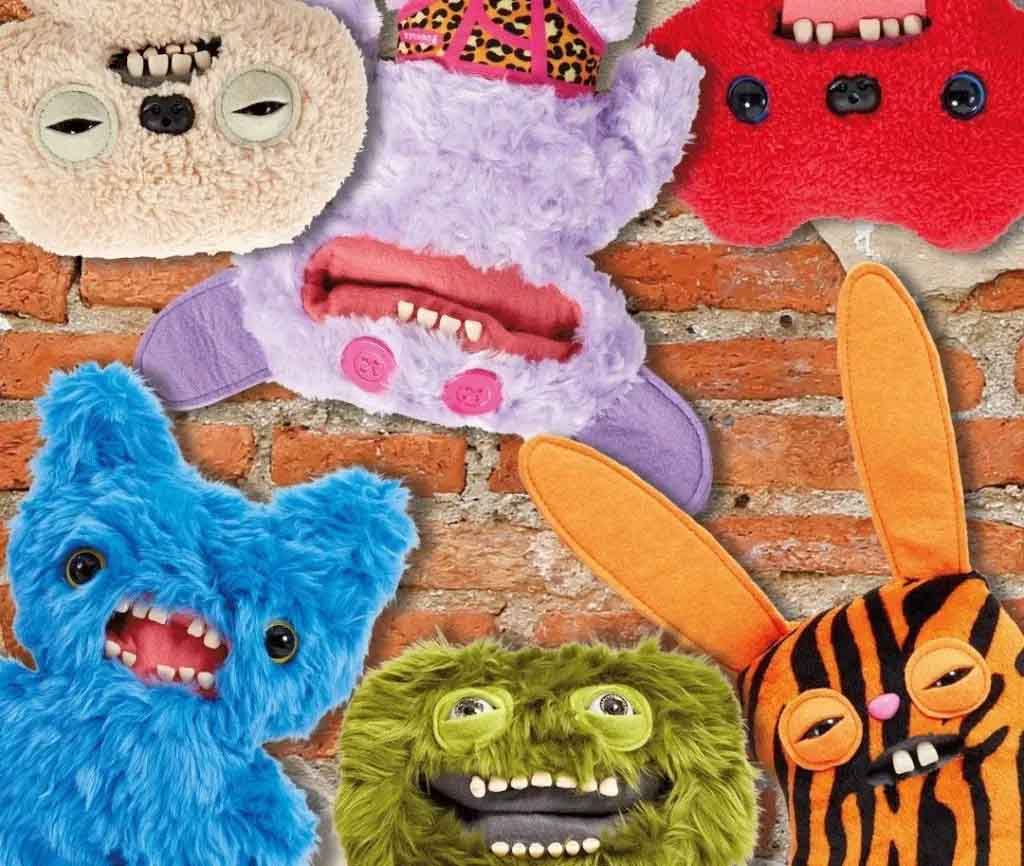
On a technical level, Fugglers use familiar plush materials: soft fabric on the surface, stuffing inside, and standard toy components for eyes and teeth.
The difference is how these elements are combined. Instead of chasing traditional cuteness, the design leans into:
- Crooked, denture-style plastic teeth fixed into the mouth area亞馬遜+2walmart.com+2
- Mismatched or vacant-looking eyes (sometimes printed, sometimes plastic)thetoyshop.com+1
- Strange proportions: long or stubby limbs, narrow bodies, sagging bellies
- Rough, almost “scruffy” expressions and seams that feel intentional and characterful
- A branded “butt-on hole” or molded button at the back as a joke signaturePinterest+3License Global+3The Toy Book+3
Retail listings describe them as “plush creatures with mouths full of human-like teeth,” “creepy and funny plush monster companions,” and “peculiar plush” that “will still ruin your life.”thetoyshop.com+3亞馬遜+3亞馬遜+3
Material and design mix inside a typical Fuggler
| Component | Typical Choices in Fuggler Toys | Visual / Emotional Effect |
|---|---|---|
| Surface fabric | Polyester plush, sometimes minky or fleece | Soft touch but can look “scruffy” or rough cut |
| Stuffing | Polyester fiberfill | Standard plush feel with enough volume |
| Teeth | Human-like plastic teeth / dentures-style inserts | Main creepy–cute signature, “once seen, never forgotten” look |
| Eyes | Plastic safety eyes, printed eyes, or stylized blanks | Vacant, shocked, or mischievous expressions |
| Shape & patterning | Asymmetric bodies, crooked mouths, odd limbs | Reinforces “misfit monster” feeling |
| Branding feature | “Butt-on hole” or branded button on back | In-joke for collectors; unique brand icon |
From a design strategy angle, Fuggler proves something important: strong character identity does not require perfection or traditional beauty—only consistency and courage. The whole brand is built around “delightfully wrong” faces, and it works because the idea is so clear.
How do safety and construction standards apply to Fuggler toys?
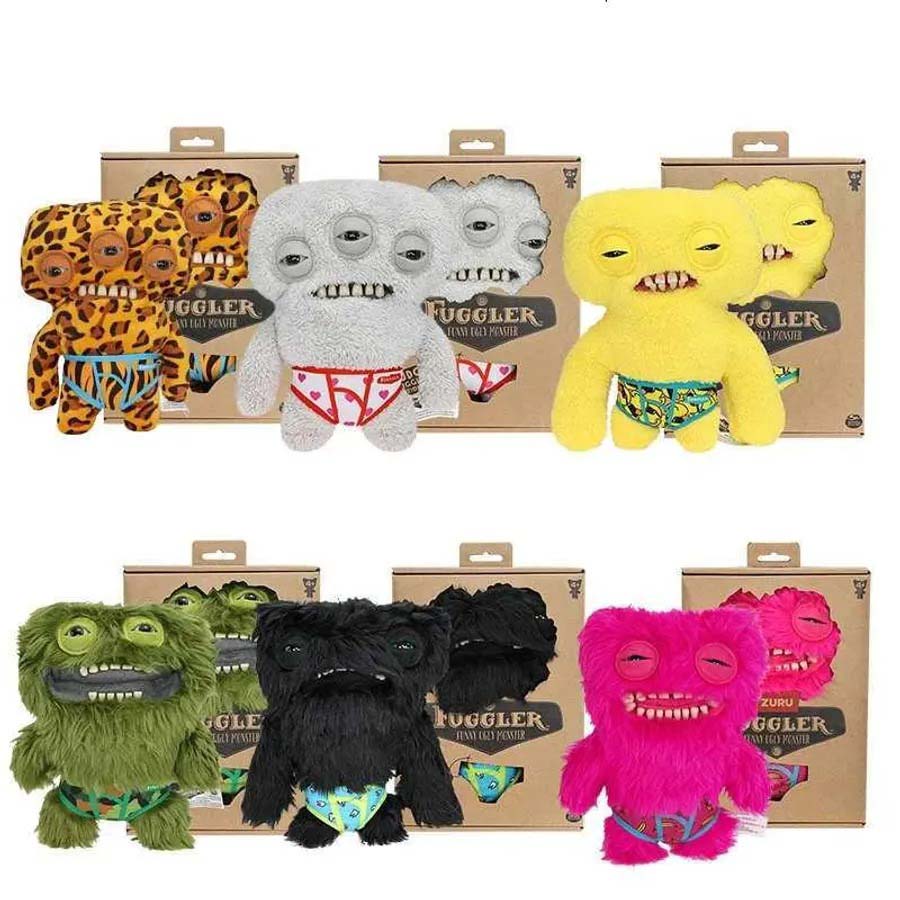
Even though Fuggler monsters look like they crawled out of a haunted thrift shop, they are still mass-market plush toys aimed at children and collectors, so they must meet the same safety expectations as other soft toys.
For major markets like the USA and Europe, that usually means:
- ASTM F963 and CPSIA rules for children’s products in the USAU.S. Consumer Product Safety Commission+2Compliance Gate+2
- EN71 and related requirements plus CE marking in the EU and UK for toy safety, chemicals, and labelingChengji Toy+1
Spin Master and ZURU both operate globally, so their products are expected to comply with these standards for stuffed and beanbag-type toys, including tests around seam strength, small parts, flammability, and chemical limits.U.S. Consumer Product Safety Commission+2Chengji Toy+2
Safety implications of the Fuggler concept
The main extra challenge is the teeth. They look like human dentures, but in mass-produced Fugglers they are plastic components fixed firmly into the fabric. To pass testing, these teeth must:
- Be securely anchored so they cannot be pulled out easily
- Not present sharp edges or dangerous points
- Meet chemical limits for plastic components used in toys
Construction also needs to handle rough play:
- Strong stitching around the mouth and major seams
- Reinforced attachment points for any eyes, buttons, or labels
- Correct labeling for age grade (Fugglers are usually marked for ages 4+ or similar in retail listings).亞馬遜+1
| Safety Area | What Standards Typically Cover | Relevance for Fuggler Plush |
|---|---|---|
| Mechanical / physical | Small parts, seam strength, sharp points | Teeth, eyes, button hole, and all seams must be secure |
| Flammability | How quickly fabric and stuffing ignite or burn | Plush fabric and stuffing need to meet limits |
| Chemical safety | Restricted substances in plastics, inks, and fabrics | Teeth, eyes, prints, and dyes must comply |
| Age labeling | Clear age recommendation and warnings | Often 4+ due to teeth and overall style |
So while the look is wild, the engineering behind a retail Fuggler is still professional toy engineering. This is a good reminder that any “edgy” plush concept still has to respect global toy safety rules if it is sold as a children’s product.
What variations, series, and collectible editions exist within the Fuggler line?
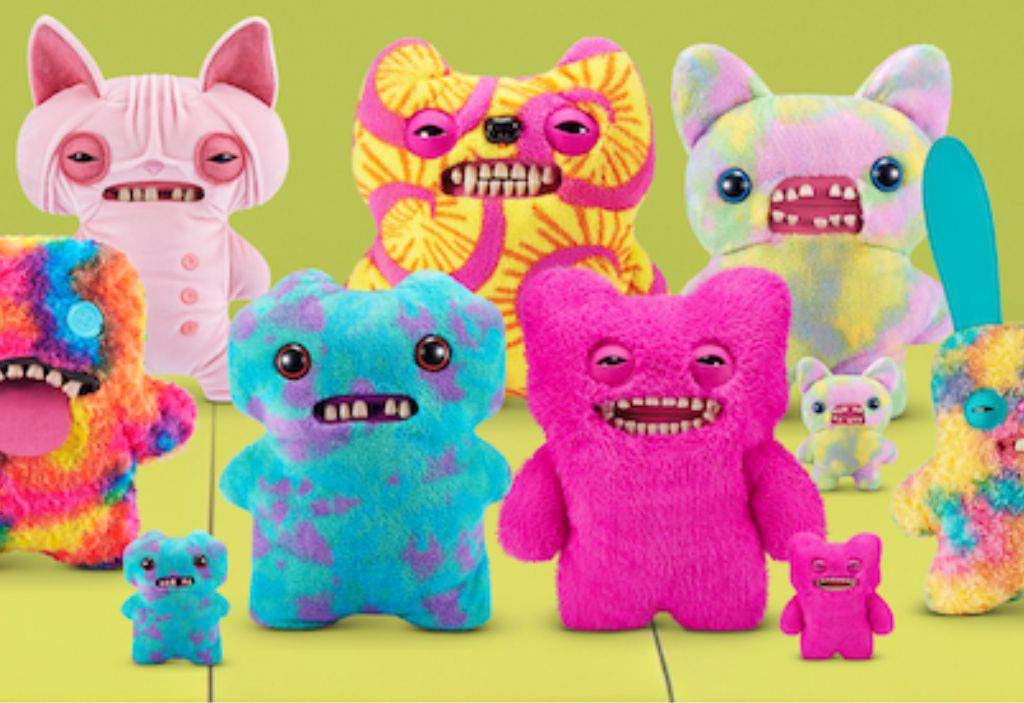
Part of the Fuggler appeal is collecting. Retail descriptions and brand pages talk about multiple characters, chase variants, and special features, which make the line feel more like a collectible program than a single plush release.Pinterest+5亞馬遜+5License Global+5
Over time, different companies and waves have introduced:
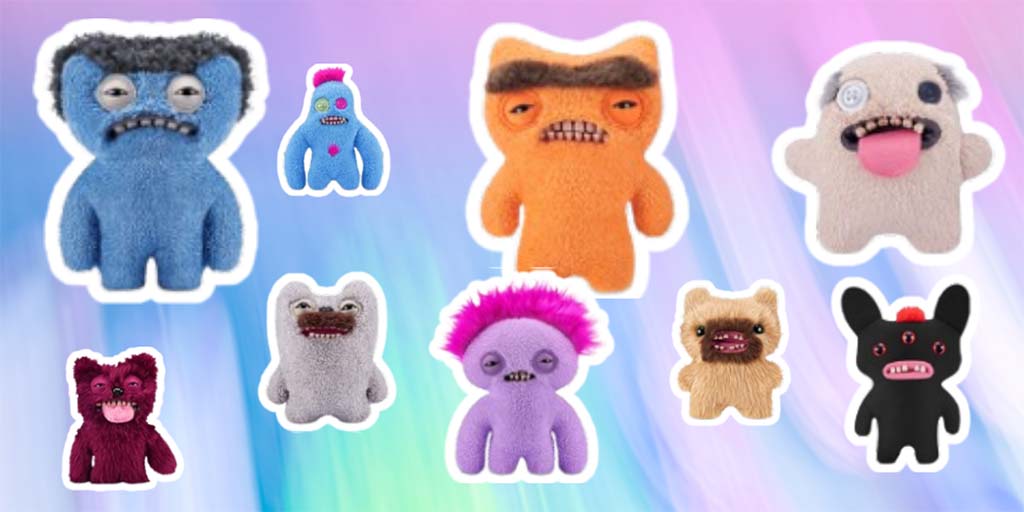
- Core character assortment – classic Fugglers with teeth and button hole
- Different sizes – often 9-inch core size, sometimes other heights
- “Rare” Fugglers – rare button-hole colors or chase variants (for example, 1/24 chance to find a rare butt-on hole)walmart.com+1
- Theme series – Misfit Monsters mash-ups, Butt Ugly Pets, etc.zurutoys.com+1
- Licensed crossovers – branded versions such as Lord of the Rings Fugglers with specific character references.walmart.com
Fuggler product structure in simple terms
| Variation Type | Example or Description | Why It Matters to Collectors |
|---|---|---|
| Size / core line | 9″ core Fugglers in standard display boxes | Easy entry point, consistent shelf presence |
| Character variety | Many different monster faces and body shapes | Encourages “adopt them all” collecting |
| Rare / chase versions | Special butt-on hole colors, glow-in-the-dark teeth or eyes | Adds hunting and surprise element |
| Themed series | Misfit Monsters (two monsters combined), Butt Ugly Pets | Keeps the brand fresh and expandable |
| Licensed editions | Branded crossovers (e.g., Lord of the Rings Fuggler) | Attracts specific fandoms and IP collectors |
For your own product planning, the Fuggler strategy is a good example of how to:
- Start from one strong character concept, then
- Build many SKUs around variations in face, body, theme, and rarity,
- Without losing the core identity (teeth + weird monster).
How do fandoms, social media, and branding influence Fuggler demand?
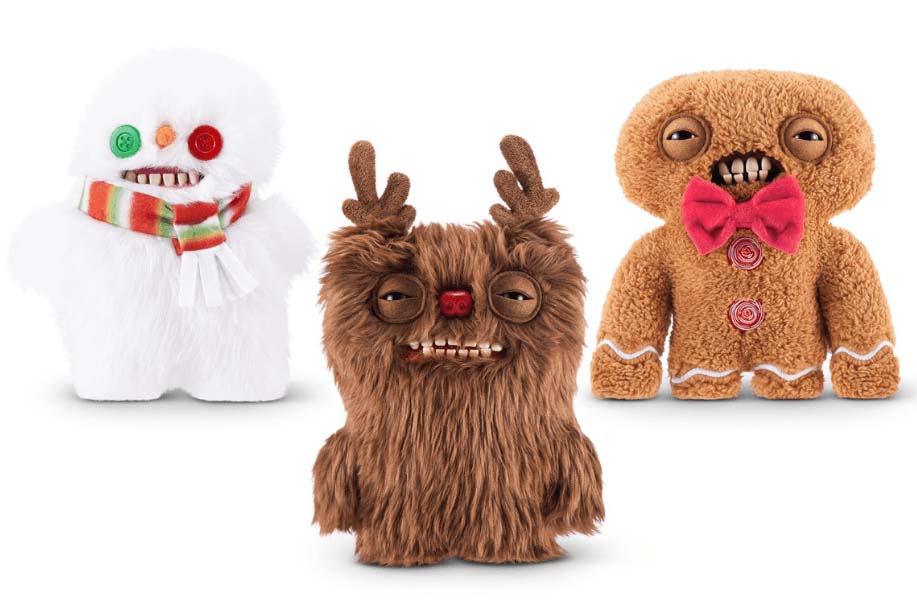
Fugglers are not “safe middle” toys. They live or die by reaction. People share them because they look so wrong that they become funny and memorable. That is exactly why social media has been crucial for the brand.
Photos and videos of Fuggler unboxings, store sightings, and “what did I just buy?” reactions travel very well on platforms like Instagram, TikTok, Snapchat, and Facebook groups. Campaign case studies show Spin Master actively using Snap Ads and camera-based filters to highlight the mischievous, chaotic personality of the toys.forbusiness.snapchat.com+2YouTube+2
Community posts and collectors’ groups also keep the brand visible, especially in second-hand and “weird toy” spaces. People talk about original handmade Fugglers, hunt for rare retail versions, and share photos of shelves full of toothy monsters.Facebook+2eBay+2
How the Fuggler brand plays with community
| Influence Channel | What Happens There | Effect on Demand |
|---|---|---|
| Social media content | Reaction videos, funny photos, unboxings | Free advertising; spreads the “what IS that?” moment |
| Fandom communities | Discussion about rare versions, origin story, customs | Builds deeper engagement and collector culture |
| Brand tone & copy | “Adopt at your own risk,” “will ruin your life,” etc. | Creates a strong voice that fans repeat |
| Collaborations & crossovers | Branded Fugglers linked to popular IP | Brings in new audiences from those fandoms |
| Resale & vintage hype | Buyers selling older waves, handmade originals | Keeps older SKUs and origin story relevant |
For you as a brand owner or buyer, Fugglers show that a very sharp, even polarizing concept can work extremely well in the age of social media, as long as:
- The product feels authentic and consistent
- The brand voice is clear and confident
- Safety and quality quietly match global standards behind the scenes
You may not want to copy the creepiness, but you can learn from the way Fuggler’s design, storytelling, and digital marketing all push in the same direction.
Conclusion
A Fuggler stuffed animal is a “funny ugly monster” plush that combines soft materials with human-like teeth, bold character design, and smart collectible planning. It proves that even the strangest concept can succeed when safety, construction, and branding all line up. At Kinwin, we focus on safer, more approachable plush lines, but we use the same logic: strong character identity, reliable manufacturing, and clear positioning for each target market. If you’d like help turning your own character ideas into safe, memorable plush collections, you’re welcome to contact me at [email protected] or visit kinwintoys.com.