When sourcing custom plush toys, trust doesn’t start with production—it starts with information.
Reliable plush factories understand that buyers need clarity before commitment. They don’t wait to be questioned repeatedly. Instead, they proactively share essential details that reduce uncertainty and build confidence.
If you’re evaluating potential suppliers, here’s what a truly reliable plush factory should be willing to share from the beginning.
What Basic Company Information Will They Provide Upfront?
Transparency begins with identity.
A reliable plush factory does not hide behind generic emails or unclear business names. They present themselves clearly and consistently.
Do They Share Official Company Details Clearly?
Upfront company information typically includes:
- Registered company name
- Legal business license
- Factory address
- Years of operation
- Core product focus (e.g., plush toys vs. trading company mix)
These details should match invoices, contracts, and bank information.
If basic company identity feels unclear or inconsistent, that’s an early warning sign.
Do They Clearly Define Their Role: Manufacturer or Trader?
A reliable factory will clarify whether they are:
- A direct manufacturer
- A factory with in-house sampling
- A factory that partially outsources certain processes
- A trading company coordinating production
Clear role definition reduces confusion later.
Process-oriented manufacturers—such as Kinwin—typically clarify production capabilities and structure early in communication.
Basic Company Information Transparency Table
| What to Evaluate | Reliable Practice | Risk Signal |
|---|---|---|
| Registered name | Clearly stated | Vague |
| Business license | Provided upon request | Avoided |
| Factory address | Verifiable | Unclear |
| Years of operation | Specific | General claims |
| Role clarity | Defined | Ambiguous |
Do They Share Real Factory Location and Production Setup Details?
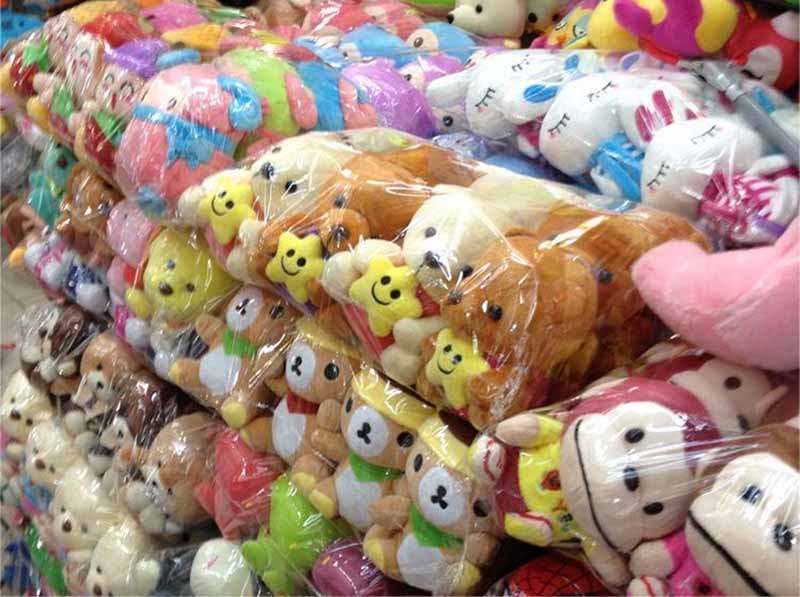
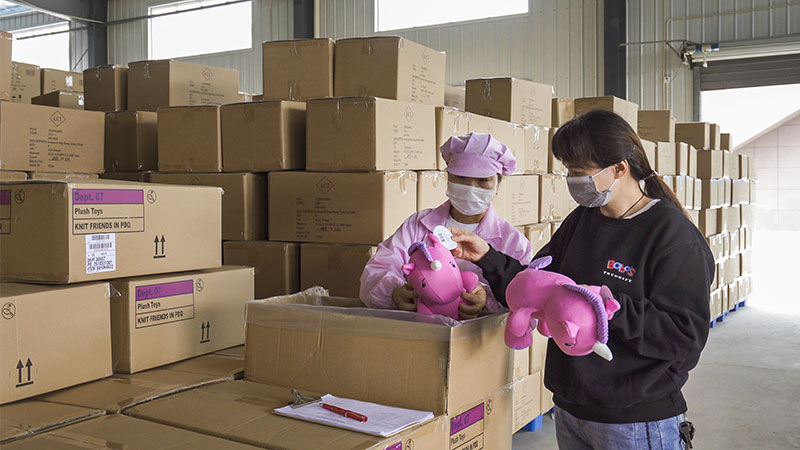
A reliable plush factory doesn’t hide its production environment.
If a supplier truly operates manufacturing facilities, they should feel comfortable sharing where production happens and how it is organized.
Can They Provide Verifiable Factory Location Information?
Reliable factories typically provide:
- Full factory address
- Google Maps–verifiable location
- Workshop photos matching the address
- Business license matching the same location
If the factory location is vague, changes across documents, or cannot be verified, that creates uncertainty.
Clear location information builds logistical confidence and long-term trust.
Do They Explain Their Production Setup and Workflow?
Beyond location, reliable factories often share:
- Number of production lines
- Key production stages (cutting, sewing, stuffing, inspection)
- Whether sampling is done in-house
- Quality control checkpoints
This information helps you understand if they truly have structured production capability.
Experienced manufacturers—such as Kinwin—usually explain production layout and workflow clearly during early discussions.
Factory Location & Setup Transparency Table
| What to Evaluate | Reliable Practice | Risk Signal |
|---|---|---|
| Factory address | Verifiable | Unclear |
| Workshop photos | Real & current | Generic |
| Production lines | Explained | Not mentioned |
| Workflow clarity | Structured | Vague |
| Sampling location | Defined | Uncertain |
What Certifications and Compliance Documents Are Available?
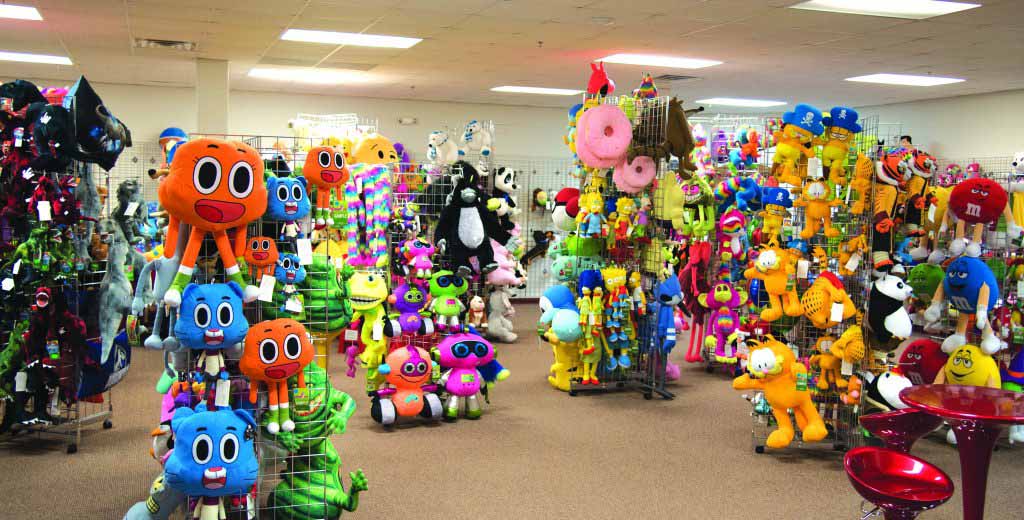
In plush toy manufacturing, compliance is not optional—it’s market access.
A reliable plush factory understands that different markets (US, EU, UK, etc.) require different safety standards. They should be prepared to explain what certifications apply to your project and what documentation can be provided.
Do They Share Product Safety Test Reports?
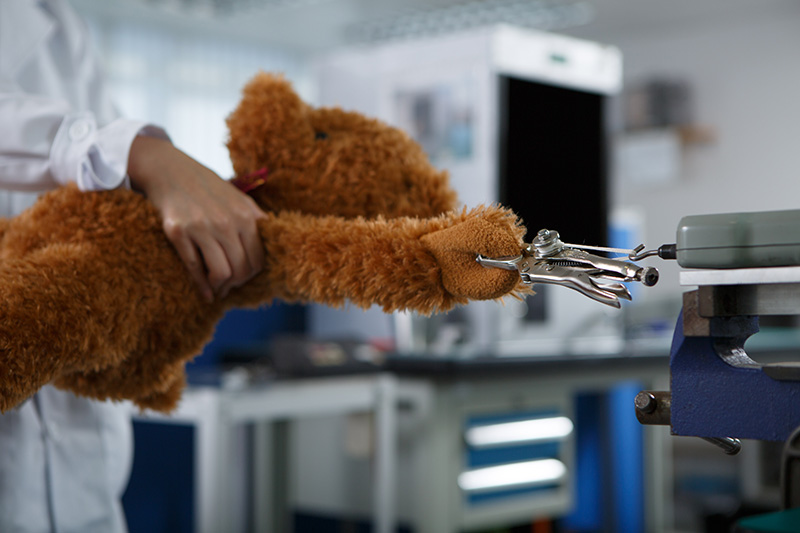
Depending on your target market, common documentation may include:
- EN71 testing (EU)
- ASTM F963 testing (US)
- CPSIA-related documentation
- UKCA requirements
- Age grading assessment
Reliable factories usually:
- Share sample reports (with sensitive data removed if necessary)
- Explain which tests apply to your product type
- Clarify when testing will be done (pre-production or post-production)
If compliance questions are answered vaguely, risk increases significantly.
Are Social Compliance or Factory Audits Available?
Beyond product safety, some buyers require:
- Social compliance audits
- Factory assessment reports
- Third-party quality audit documentation
A reliable manufacturer will clarify whether these audits are available and what scope they cover.
Compliance-aware manufacturers—such as Kinwin—typically integrate safety planning early in the development process rather than treating it as an afterthought.
Certification & Compliance Transparency Table
| What to Evaluate | Reliable Practice | Risk Signal |
|---|---|---|
| Safety test reports | Sample available | Not shared |
| Standard explanation | Clear | Confusing |
| Audit documentation | Provided if applicable | Avoided |
| Market awareness | Specific | Generic |
| Compliance timing | Planned early | Last-minute |
Will They Explain Materials, Sourcing, and Safety Standards Clearly?
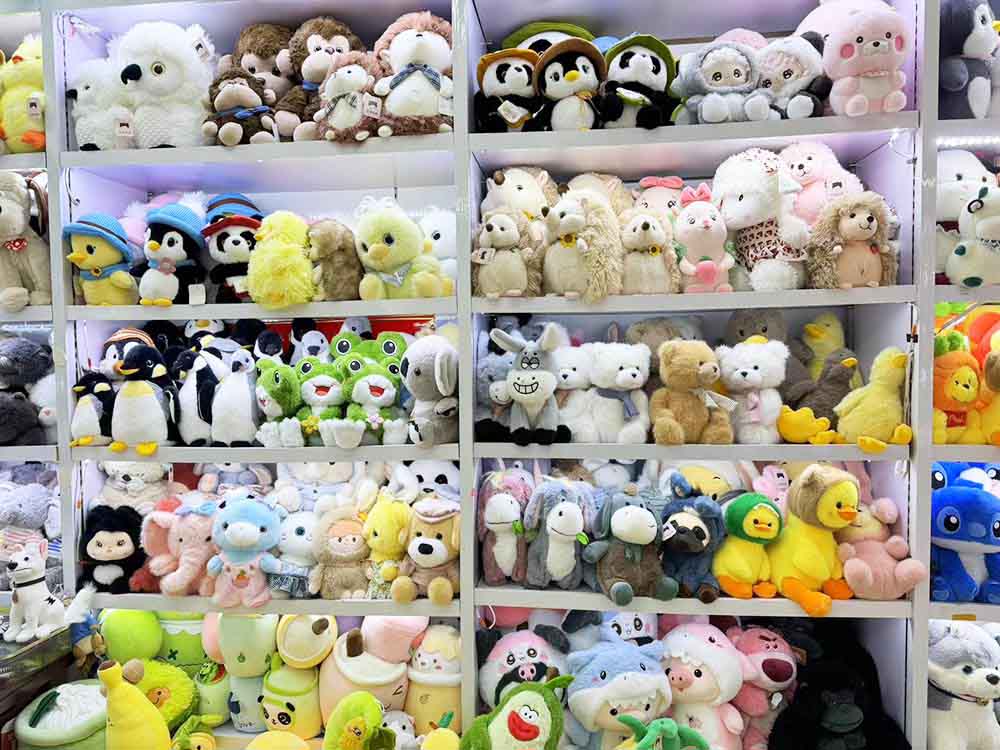
Materials are the foundation of plush toy quality and safety.
A reliable plush factory doesn’t just say “we use good materials.” They explain what those materials are, where they come from, and how they meet safety standards.
Do They Clarify Fabric Types and Filling Materials?
Reliable factories should be able to explain:
- Fabric types (short plush, velboa, minky, fleece, etc.)
- Differences in thickness and texture
- Stuffing material (PP cotton, recycled fiber, etc.)
- Fire-retardant or special treatment options if needed
They should also explain how material choice affects durability, softness, cost, and compliance.
If materials are described only as “standard” or “normal quality,” transparency is limited.
Do They Address Safety Standards During Material Selection?
Safety should be considered before production begins.
Reliable factories typically:
- Confirm materials meet applicable safety standards
- Avoid using restricted substances
- Understand small-part regulations
- Plan reinforcement for accessories
Process-driven manufacturers—such as Kinwin—usually integrate material safety review into early sampling discussions.
Materials & Safety Transparency Table
| What to Evaluate | Reliable Practice | Risk Signal |
|---|---|---|
| Fabric explanation | Specific & comparative | Generic |
| Filling disclosure | Defined | Undefined |
| Safety compliance | Addressed early | Ignored |
| Sourcing clarity | Explained | Not mentioned |
| Risk discussion | Proactive | Reactive |
Do They Provide Transparent Pricing Structure and Cost Breakdowns?
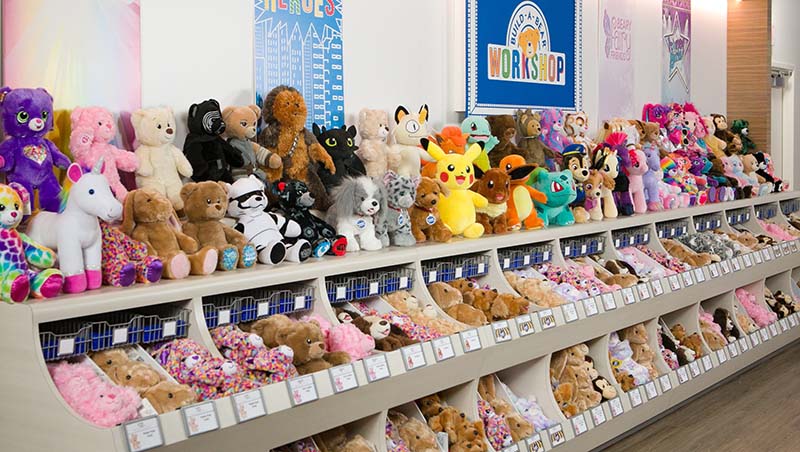
Reliable plush factories don’t compete by hiding costs.
They compete by explaining them.
When pricing is transparent, you can make informed design decisions. When pricing is unclear, unexpected changes often appear later.
Do They Explain What Drives the Unit Cost?
A reliable supplier should clarify major cost drivers such as:
- Fabric type and usage quantity
- Embroidery or printing complexity
- Stuffing volume and density
- Accessories and packaging
- Labor intensity based on structure
You don’t need confidential cost sheets—but you should understand why your plush toy costs what it does.
If a supplier provides only a single number without context, pricing transparency is weak.
Do They Clarify How Changes Affect Pricing?
Professional factories usually explain:
- Increasing size increases fabric and stuffing cost
- Adding dense embroidery increases labor time
- Changing fabric type affects sourcing cost
- Custom packaging influences overall unit price
Reliable manufacturers—such as Kinwin—often connect pricing directly to technical specifications, helping buyers optimize cost without sacrificing quality.
Pricing Transparency Table
| What to Evaluate | Reliable Practice | Risk Signal |
|---|---|---|
| Cost explanation | Logical & clear | One-line quote |
| Design impact clarity | Explained | Not mentioned |
| Change documentation | Written | Informal |
| Price consistency | Stable | Frequently revised |
| Communication style | Educational | Defensive |
Can They Outline Their Sampling Process and Revision Rules?

Sampling is where expectations become measurable.
A reliable plush factory doesn’t treat sampling as an informal preview. They treat it as a structured development phase with defined steps, responsibilities, and limits.
Clear sampling rules prevent confusion, delays, and unnecessary disputes.
Do They Define Sampling Stages Clearly?
Professional plush manufacturers usually divide sampling into stages such as:
- Structure or shape prototype
- Refined sample with final fabrics and embroidery
- Pre-production confirmation sample
Each stage serves a purpose. Reliable factories explain what is being evaluated at each step and what adjustments are realistic.
If sampling is described vaguely—“we will make a sample and adjust if needed”—clarity is missing.
Are Revision Limits and Timelines Documented?
Transparency means defining:
- Number of revision rounds included
- Estimated timeline for each round
- What qualifies as minor vs. major changes
- Cost responsibility for design alterations
Without documented revision structure, sampling can become unpredictable.
Structured manufacturers—such as Kinwin—typically clarify sampling frameworks before production begins, reducing misunderstandings later.
Sampling Process Transparency Table
| What to Evaluate | Reliable Practice | Risk Signal |
|---|---|---|
| Sampling stages | Structured & defined | Undefined |
| Revision scope | Agreed in writing | Open-ended |
| Timeline clarity | Realistic & documented | Verbal only |
| Change classification | Clear | Ambiguous |
| Approval checkpoints | Defined | Informal |
Conclusion
A reliable plush factory doesn’t just share information when asked.
They share it because they understand that clarity builds long-term cooperation.
From basic company identity and factory location to certifications, material sourcing, pricing structure, and sampling rules—transparency reduces uncertainty and protects both sides.
When evaluating suppliers, don’t just ask, “Can you produce this?”
Ask, “What information are you willing to share?”
If you’re looking for a transparent, structured, and communication-driven plush manufacturing partner, working with a process-oriented factory like Kinwin can help you move forward with confidence.
Reliable information is not a bonus.
It is the foundation of reliable production.