Skip to content
When buyers search for a “good plush toy factory”, they are actually looking for a specific set of capabilities, not just a low price. The best plush toy manufacturers can turn an idea into a safe, soft, beautifully finished product that passes international tests and arrives on time, even during peak seasons.
As a Chinese plush toy manufacturer working with brands, retailers, and e-commerce sellers worldwide, I see the same questions again and again: What really separates a top-tier factory from an average one? What capabilities should you check before you place a large order?
In this guide, I will walk you through the core capabilities that matter most – from production and sampling to compliance, supply chain, and OEM/ODM services – so you can evaluate factories more confidently and protect your brand in the long run.
What core production capabilities define leading plush toy manufacturers?
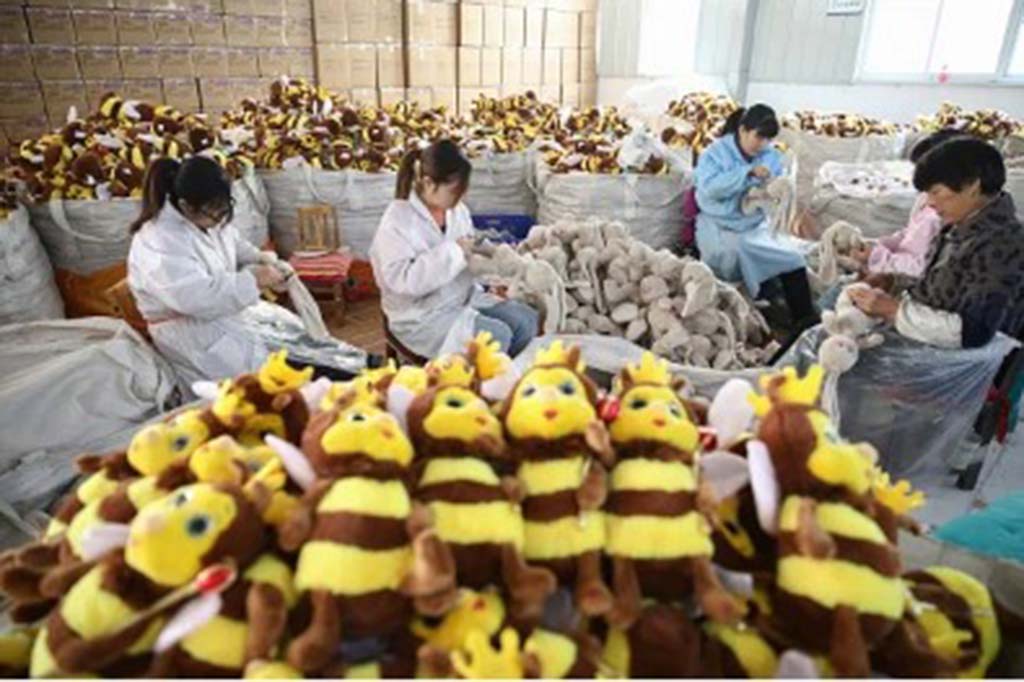
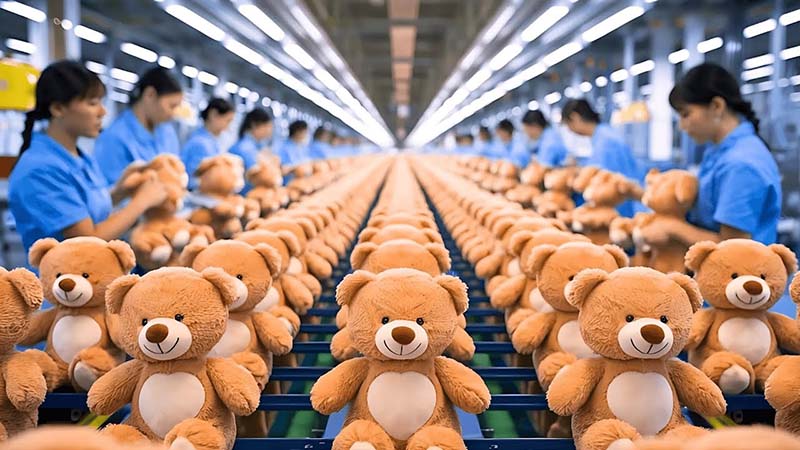
In plush manufacturing, strong production capability means more than just “many sewing machines”. A leading factory can control every key process: fabric cutting, embroidery or printing, stitching, stuffing, finishing, and packing. Each step must be standardized, documented, and supported by trained workers and the right equipment.
Top factories usually organize work into clear production lines with defined workstations: one team handles cutting, another works on embroidery or printing, another focuses on stitching main panels, and another on closing and finishing. This structure reduces mistakes and makes it easier to scale up when you have a big order or a tight deadline.
Modern manufacturers also invest in semi-automatic or automatic machines where it makes sense – for example, computer-controlled embroidery machines, digital fabric cutting, stuffing machines, and automated label or tag application. These tools keep lines fast and consistent, while skilled sewing workers handle the details that still require human judgment.
For you as a buyer, strong production capability means:
- Large orders can be scheduled and completed on time
- Multi-SKU projects (different sizes, colors, characters) can run in parallel
- Reorders can be repeated with stable quality and shape
A simple way to think about it is: the best factory produces your plush toys like a system, not a workshop.
| Core Capability | What It Looks Like in a Strong Factory | What It Means for Your Brand |
|---|---|---|
| Structured production lines | Dedicated lines for cutting, embroidery, sewing, stuffing | Predictable lead times and easier planning |
| Skilled sewing workforce | Workers trained on plush-specific stitching and finishing | Clean shapes, smooth seams, fewer visible defects |
| Modern machinery | Computer embroidery, digital cutting, stuffing support | Consistent logos, details, and high repeatability |
| Flexible capacity | Ability to add overtime or extra lines during peak season | Better on-time delivery even with urgent or large orders |
| Standard work instructions | SOPs for each process and product | Easier to maintain quality across different batches |
When you visit or audit a factory, pay attention to how organized the lines look, how clearly work is divided, and whether the factory can explain its process step by step. That often tells you more than the building size alone.
How do top factories manage design, sampling, and rapid prototyping?
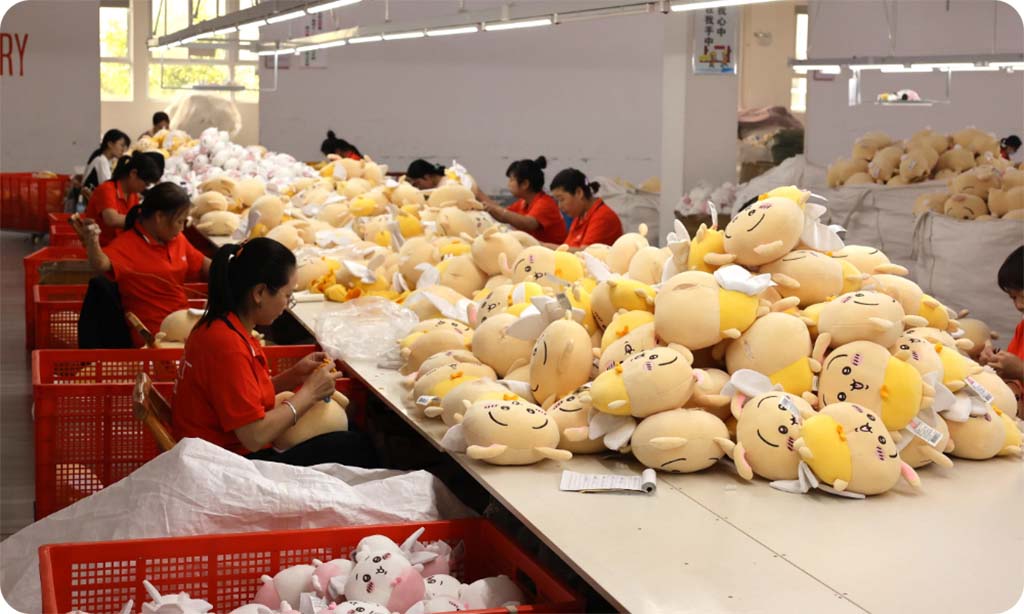
For many brands, this is where the real partnership begins. You bring a sketch, mood board, or 3D model. A strong plush manufacturer can translate that idea into a realistic sample quickly, while staying close to your brand’s style and budget.
Inside a good factory, there is usually a dedicated sampling or R&D team. They handle pattern making, 3D shaping, embroidery layout, material matching, and final hand finishing. Many established plush factories keep a large library of paper patterns and past designs, which helps them speed up new projects and suggest improvements based on what has worked well before. aokumatoy.com+1
Rapid prototyping is not only about speed. It is about communication: marking changes on photos, sending videos, explaining filling density, and confirming details like nose angle, ear length, label placement, and packaging. Top factories are also willing to make second or third samples when needed, especially for complex mascots or licensed characters.
For you as a buyer, a strong sampling capability reduces risk. You can see exactly what you will get before committing to a large order. It also supports long-term product development because you can test more concepts each year.
| Stage of Development | What a Leading Factory Does | Your Benefit as Buyer |
|---|---|---|
| Concept intake | Reviews your artwork, size, target age, budget | Clear feasibility feedback before you invest in samples |
| Pattern & 3D shape | Builds patterns, adjusts proportions, tests different fillings | More “alive” characters that fit your brand style |
| Material selection | Suggests fabrics, fillings, accessories based on usage and standards | Better balance between cost, softness, and durability |
| Sample making | Dedicated sample workers with plush experience | Faster, cleaner samples that match your design closely |
| Revision & approval | Provides photos/videos, supports multiple adjustments | Reduced risk of surprise when mass production starts |
When you evaluate a new factory, always ask: How many days do you usually need for a standard plush sample? How many sample workers do you have? Can you show me recent sample work? Their answers will tell you a lot about their real capability.
How do advanced quality control systems ensure consistent plush standards?
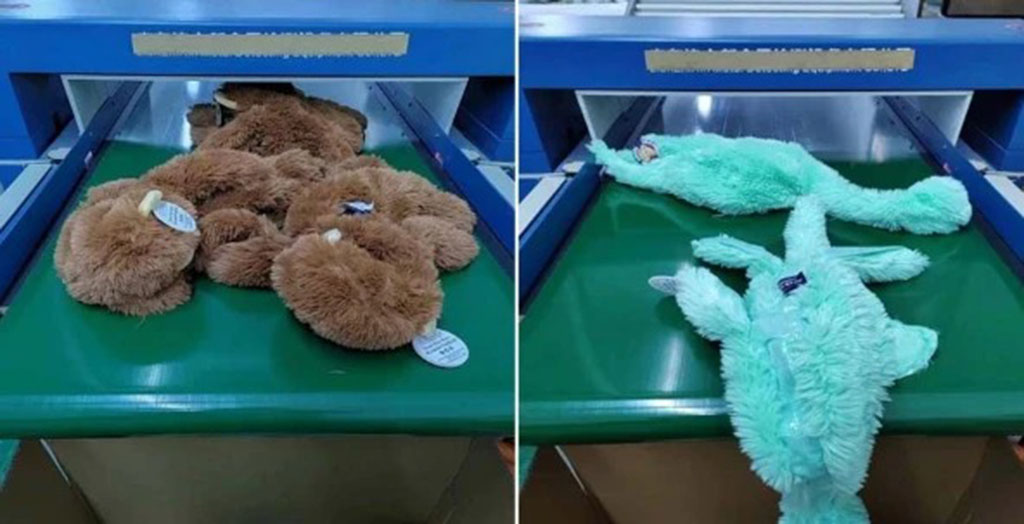
Even the best design will fail if quality is unstable. Leading plush toy manufacturers rely on structured quality control at every stage, not just a final check before packing. Good QC systems usually start from incoming materials and continue through in-line inspection and final AQL (Acceptable Quality Limit) checks. customimplementer.com+1
At the material level, factories must verify fabric weight, color consistency, pile direction, and potential defects. They also need to control filling materials, accessories (eyes, noses, ribbons, zippers), and internal structures (wire, sound boxes, rattles) to avoid safety risks. In-line inspectors watch cutting, embroidery, and sewing work, catching issues early before they spread across hundreds of pieces.
For soft toys, advanced QC systems also include mechanical and functional tests that are aligned with standards like ASTM F963, EN71, CPSIA, and others, such as seam strength tests, small parts checks, needle detection, colorfastness, and flammability checks where required. hqts.com+2V-TRUST+2
A strong factory documents defects, tracks root causes, and updates training or SOPs when patterns appear. This is how they protect your brand from constant complaints and product returns.
| QC Stage | Key Checks for Plush Toys | Tools / Methods Commonly Used |
|---|---|---|
| Incoming material check | Fabric flaws, color, weight, test reports for safety | Visual inspection, fabric swatches, lab report review |
| Cutting & embroidery | Pattern alignment, logo clarity, no fabric damage | In-line inspection, sample comparison |
| Sewing & stuffing | Seam strength, shape, symmetry, correct filling density | Pull tests, hand-feel checks, jig templates |
| Final inspection (AQL) | Stains, loose threads, label accuracy, overall appearance | AQL sampling, checklists, photos |
| Safety & lab testing | Small parts, sharp points, chemicals, flammability | Internal tests + third-party labs (SGS, Intertek, etc.) |
When you talk to a factory, ask them to walk you through their QC process and show you their inspection forms and AQL standards. If they can show clear records and test reports, it is a very good sign.
What compliance and certification capabilities do global buyers require most?

For export markets, especially the US, EU, UK, Japan, and other developed regions, safety and compliance are not optional. They are legal requirements. Top plush manufacturers understand the main standards and work with recognized labs to test and certify their products.
Common toy safety frameworks include:
- ASTM F963 and CPSIA for the United States, covering mechanical, flammability, and chemical safety (including lead and phthalates). U.S. Consumer Product Safety Commission+1
- EN71 and CE marking for the European Union, which regulate mechanical/physical properties, flammability, and chemical limits. chengjitoy.com+2SGSCorp+2
- Additional frameworks like ISO 8124, REACH, SNI (Indonesia), and others depending on the market. BuyChinaToys+1
Beyond product-specific tests, many buyers also look for factory-level certifications such as ISO 9001 (quality management), ISO 14001 (environmental management), BSCI or SMETA/SEDEX (social responsibility audits). These show that the factory is organized, traceable, and serious about long-term cooperation. chengjitoy.com+1
For you, the key question is: Can this factory support my target market’s compliance easily and correctly?
| Target Market / Region | Key Product Standards & Requirements | Factory / Document Types Buyers Typically Request |
|---|---|---|
| USA | ASTM F963, CPSIA, tracking labels, CPC | Test reports, Children’s Product Certificate, CPSIA docs |
| EU / UK | EN71 series, CE marking, REACH, Toy Safety Directive | EN71 test reports, CE DoC, REACH statements |
| Global (general) | ISO 8124, local toy rules | ISO test reports, local certifications where needed |
| Factory management | ISO 9001, ISO 14001, BSCI, SMETA | Audit reports, certificates, corrective action plans |
A capable factory should be able to:
- Recommend the correct tests for your target country
- Work with labs like SGS, Intertek, TÜV, etc.
- Help you interpret reports and fix any non-compliance issues before shipment
If a supplier has no experience with these standards, you will carry much more risk and extra work on your side.
How do strong supply chain and logistics capabilities support large orders?
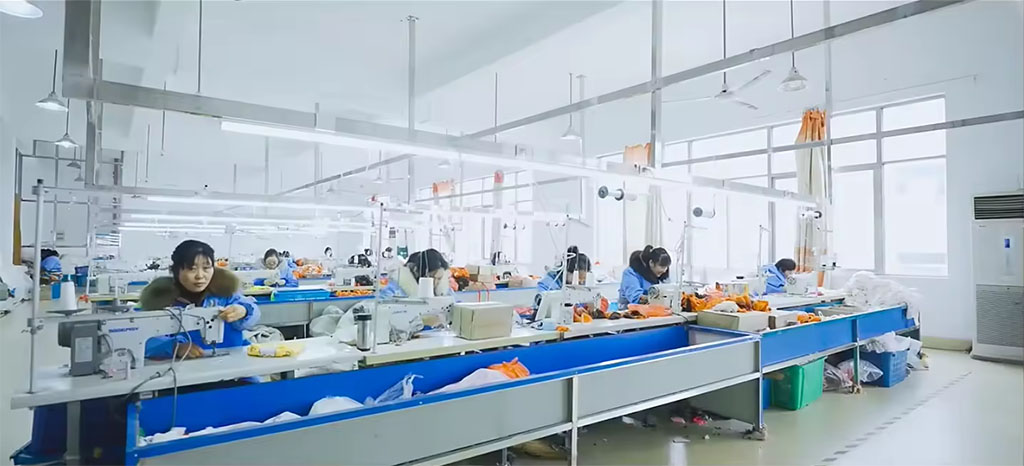
You can have a beautiful design and proper certification, but if the factory cannot control materials and logistics, your project will still fail. The best plush toy manufacturers treat supply chain management as a core capability, not an afterthought.
On the material side, they keep stable partnerships with fabric mills, embroidery facilities, printing houses, and accessory suppliers. They know lead times for each component and plan purchasing based on your forecasts. During peak seasons (such as Q4 for Christmas or specific promotion windows), they build material buffer stock for key items like base fabrics, fillings, and common trims so production does not stop.
On the logistics side, experienced factories understand Incoterms (EXW, FOB, CIF, DAP, DDP) and can coordinate bookings with freight forwarders. Many well-positioned Chinese plush factories highlight their access to ports and shipping hubs as part of their service, because it helps reduce transit times and cost. 毛絨玩具製造商+1
For you as a buyer, good supply chain capability means fewer surprises:
- Fewer last-minute material delays
- More accurate production and shipping schedules
- Clear shipping documents and smoother customs clearance
| Capability Area | What Strong Factories Do | Benefit for Large or Repeated Orders |
|---|---|---|
| Material sourcing | Maintain approved supplier list and backup options | Less risk if one supplier has a shortage |
| Lead time planning | Combine your forecast with their capacity plan | More stable delivery, better planning for promotions |
| Inventory & buffer stock | Keep basic fabrics/fillings in stock for recurring SKUs | Faster reorders and reaction to unexpected demand |
| Logistics coordination | Work with reliable forwarders, plan container loading | Reduced freight issues and better cost control |
| Documentation & compliance | Prepare packing lists, invoices, test reports, certs | Smoother customs clearance and platform checks |
When you discuss an order, ask your potential factory about their main material suppliers, normal lead times, and how they handled previous peak seasons. Real experience is more convincing than generic promises.
How do OEM and ODM service capabilities create value for brand owners?
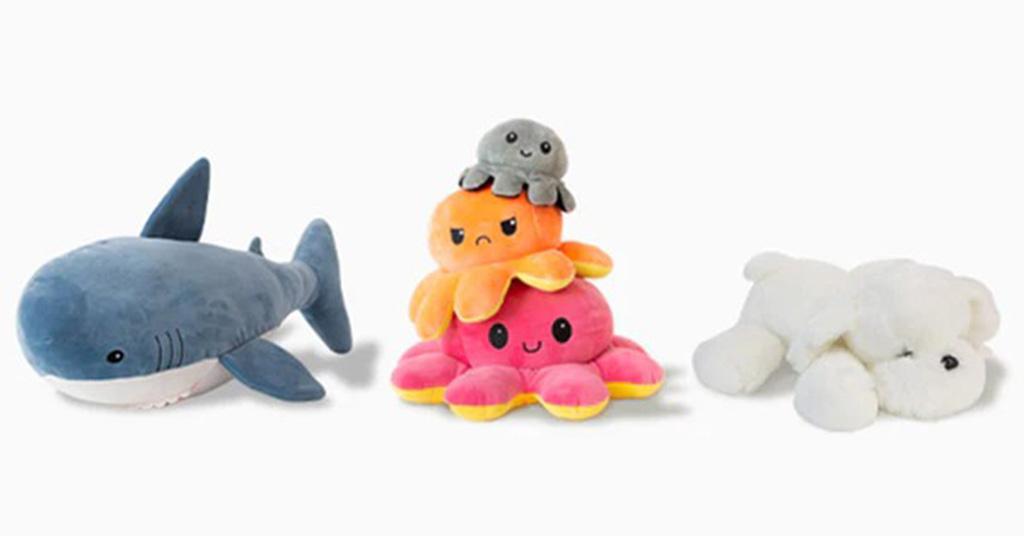
Today, many buyers do not want to purchase only “ready-made” designs. They want unique IP, branded characters, or custom collections that cannot be copied easily. This is where OEM and ODM capabilities become a big advantage.
- OEM (Original Equipment Manufacturer) – You provide the design; the factory produces according to your specifications.
- ODM (Original Design Manufacturer) – The factory provides designs; you choose and customize them with your brand, colors, or minor modifications. Realbaby Toy
The best plush manufacturers can do both. They support OEM projects with strict IP protection, NDAs, and clear control over patterns, molds, and design files. At the same time, they maintain an internal design team and portfolio of original characters that you can license or adapt more quickly. Many leading OEM/ODM toy factories now promote “custom toy solution” or “end-to-end manufacturing services” – from concept to global delivery. chengjitoy.com+2Toyseei+2
For a brand owner, strong OEM/ODM capability reduces time-to-market and creative pressure. Instead of building everything alone, you can co-create with a partner who knows how designs behave in real production and how to keep costs under control.
| Service Type | What the Factory Provides | How It Creates Value for Your Brand |
|---|---|---|
| OEM | Produces from your artwork and specs | Full control over IP, exclusive designs in the market |
| ODM | Offers in-house designs to customize and brand | Faster entry to market, lower design cost |
| Design support | Adjusts proportions, materials, technical details | Better-looking products that are still manufacturable |
| Packaging & branding | Custom hangtags, labels, boxes, barcodes | Stronger brand presence on shelf or online |
| Long-term co-development | Annual lines, seasonal collections, licensed collaborations | More stable roadmap and consistent brand story |
When you compare suppliers, ask to see their original design catalog, their OEM success stories, and how they handle IP agreements. The goal is to find a partner who can grow with your brand, not just one who offers the lowest price for one project.
Conclusion
The best plush toy manufacturers are not just sewing factories. They are end-to-end partners who can support your brand from idea to global shipment with strong production, smart sampling, reliable quality, and solid compliance. At Kinwin, we help global buyers develop safe, soft, durable, and brand-ready plush products that meet EN71, ASTM, and other international standards while staying on schedule and on budget. If you are planning your next plush collection or looking for a more reliable factory, you are welcome to email me at [email protected] or visit kinwintoys.com to discuss how our team can support your success.