Skip to content
I’m Amanda from Kinwin in China. Many buyers ask me to pick between fleece and minky for new plush lines. The truth: both can be excellent—if you match the fabric to the user, price target, and care reality. Below I explain how each fabric behaves in definition, softness, durability, washability, baby safety, and business factors. I also include a clear table under every section so you can brief your next project with confidence.
What defines fleece and minky in plush toy fabrics?
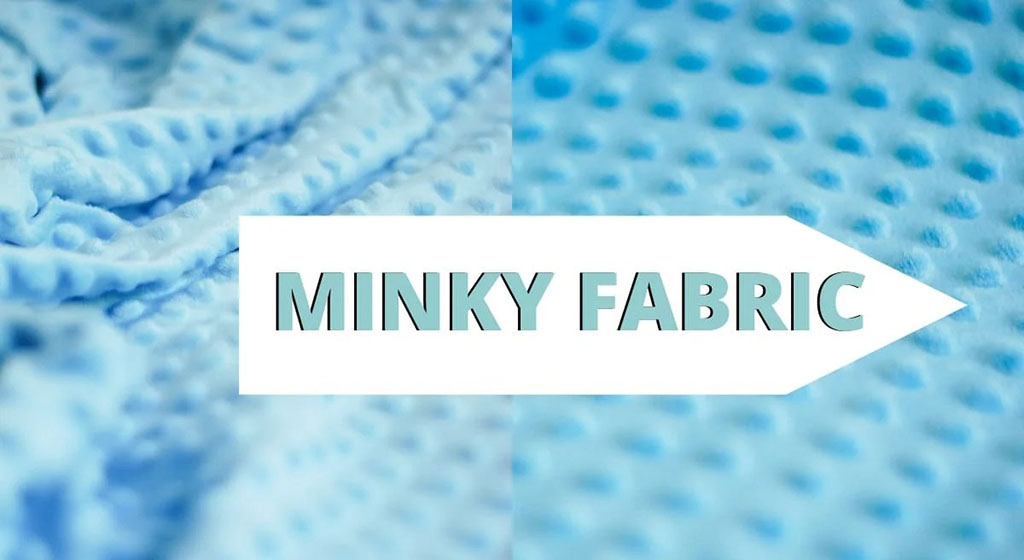
In factories, we treat fleece and minky as different construction families. Fleece is a brushed knit (often polyester) where the surface fibers are raised to create a matte, cozy hand. It’s forgiving, warm, and excellent for value lines, apparel parts on plush (hoods, capes), and soft books. Minky is a micro-plush with very fine filaments and a sheared, velvety pile. It delivers a silky glide and soft sheen that reads “premium” online and in stores.
Both are polyester-based in most toy programs, but their pile architecture and backing behavior differ. Fleece tends to be a little stretchier and can hide scuffs; minky tends to show a clean, uniform surface and holds a “luxury” look. For crisp facial details, many brands use velboa (ultra-short micro-plush) as face panels on a minky body—this keeps embroidery edges sharp without losing the soft, premium impression.
Definition snapshot
| Attribute | Fleece (brushed knit) | Minky (micro-plush, sheared pile) | What it means in practice |
|---|---|---|---|
| Base construction | Knit, brushed to raise fibers | Knit with cut/sheared pile | Different surface physics and shine |
| Visual look | Matte, cozy, sweatshirt-like | Silky, subtle sheen, photo-friendly | Minky photographs “premium” |
| Typical hand | Warm, forgiving, comfort-soft | Buttery, glide-soft, “cloud” feel | Different emotional cues |
| Detail clarity | Good with embroidery | Best with short-pile or velboa panels | Choose face panel wisely |
| Common use | Value lines, apparel parts | Premium plush, baby cuddle toys | Mix both when useful |
How do softness and hand-feel compare for plushies?
If you want instant silky softness, minky wins. Ultra-fine filaments bend easily and slide under the hand, so the surface feels like velvet with a gentle glow. This is why minky performs well in giftable and baby-cuddle ranges. Fleece feels cozy and comforting—think “favorite hoodie.” It’s excellent for everyday play, seasonal plush with jackets or scarves, or characters that should read “homey.”
Softness also depends on pile height and density. Short, dense minky feels smoother and shows less lint. Low-quality fleece can pill; good anti-pill grades feel soft for longer. We routinely send buyers two versions: minky body + velboa face for silky hugs with sharp expressions, and anti-pill fleece for a friendly, budget-smart feel.
Softness & hand-feel comparison
| Priority | Better choice | Why it feels right | Practical tips |
|---|---|---|---|
| Silky “wow” at first touch | Minky | Micro-denier + shearing = glide | Keep pile short for crisp look |
| Cozy, warm comfort | Fleece | Brushed loft = cuddly warmth | Choose anti-pill grades |
| Photo glow (e-commerce) | Minky | Soft sheen reflects light well | Avoid long pile for baby items |
| Balanced tactile + detail | Minky body + velboa face | Huggy body + crisp embroidery | Common Kinwin pairing |
Which fabric offers better durability, pilling, seam strength?
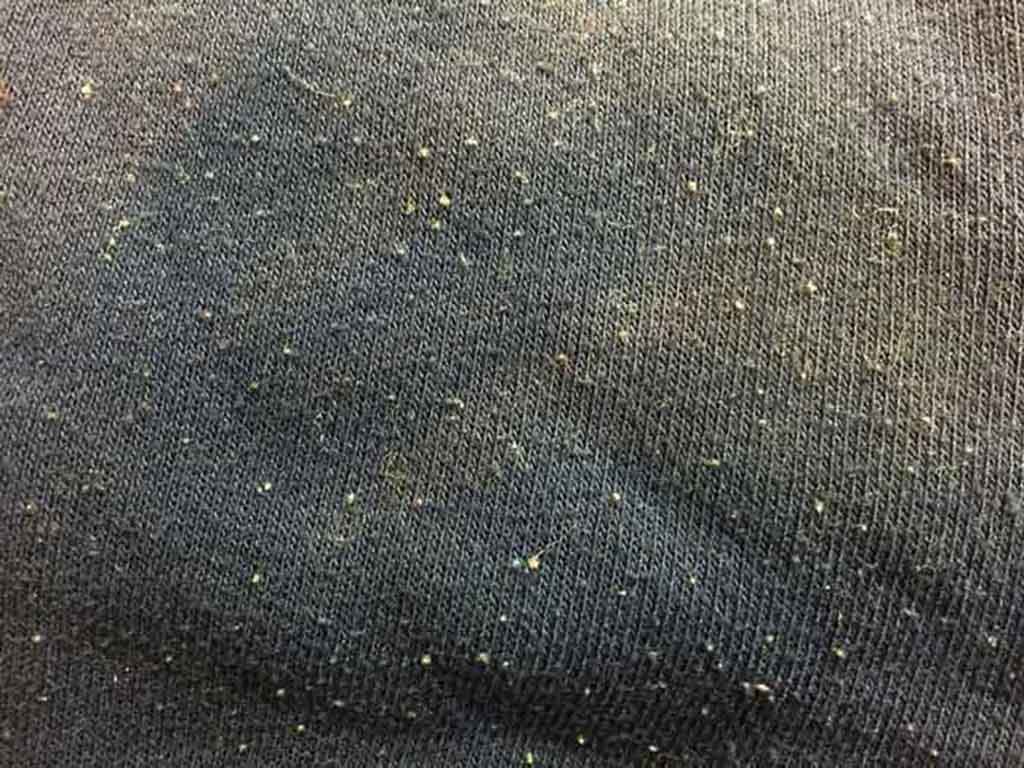
Durability is more about grade and settings than the fabric name. A dense, short-pile minky with a stable backing resists surface fatigue and keeps its shape through hugs and gentle washing. A quality anti-pill fleece holds up against high-rub areas and is more forgiving when kids drag toys around. Seam strength depends on thread, stitch length (≈2.5–3.0 mm), backing stability, and operator control.
For minky, we pay attention to pile direction so the toy doesn’t look patchy. For fleece, we specify anti-pill performance and add bar-tacks in stress points (arms, legs, neck) to offset knit stretch. In lab checks, both can pass when properly specified; problems usually come from low-grade fabric or over-stuffing that stresses seams.
Durability & construction matrix
| Risk area | Fleece (what to specify) | Minky (what to specify) | Factory controls |
|---|---|---|---|
| Pilling/fuzzing | Anti-pill grade, test Martindale | Dense, short-pile, anti-pilling finish | Approve swatches; run rub tests |
| Seam strength | Bar-tacks; manage fabric stretch | Stable backing; correct stitch length | Operator training; PP sample lock |
| Surface wear | Hides scuffs fairly well | Shows direction—mind pile lay | Align cutting; QC for visual uniformity |
| Shape retention | Moderate; stable with good GSM | Strong if backing is firm | Zone stuffing + gram targets |
How do washability and colorfastness differ between both materials?
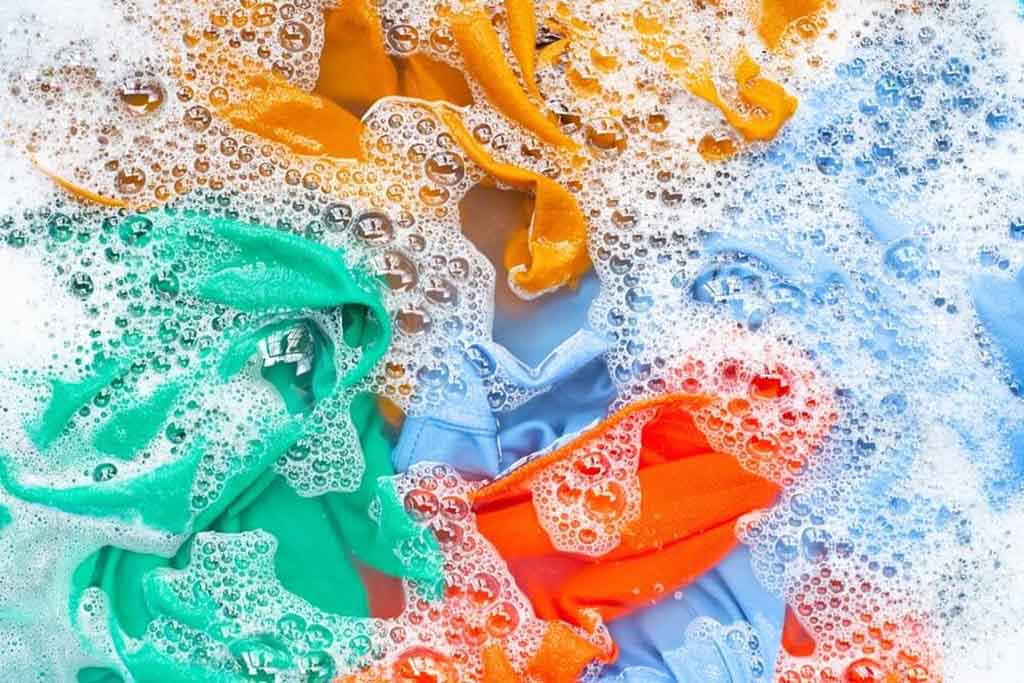
Both can be machine-washable on a gentle cycle with air dry. Fleece generally dries faster and tolerates frequent washes, which is helpful for daily-use plush. Poor-quality fleece pills; good anti-pill grades don’t. Minky retains a silky touch if the pile is short and the finish is toy-grade, but it dislikes high heat (which can crush pile). Minky can show water marks if wrung aggressively; fleece usually doesn’t.
For baby programs, we always test colorfastness to saliva, sweat, and wash, run 5–10 wash cycles on pre-production swatches, then check post-wash hand-feel, pilling, and dimensional stability. Clear care labels matter: cold wash, gentle cycle, no bleach, air dry.
Wash & colorfastness guide
| Criterion | Fleece | Minky | Notes for labels |
|---|---|---|---|
| Machine wash (gentle) | Very good | Very good | Use mesh bag for small plush |
| Drying behavior | Quick, less sensitive | Slower; heat-sensitive pile | Recommend air dry |
| Colorfastness (saliva/sweat) | Strong with apparel dyes | Strong with toy-grade systems | Validate with lab tests |
| After-wash look | May matte if low grade | May crush if heat dried | Avoid high heat across both |
Which option suits baby-safe, hypoallergenic plush applications best?
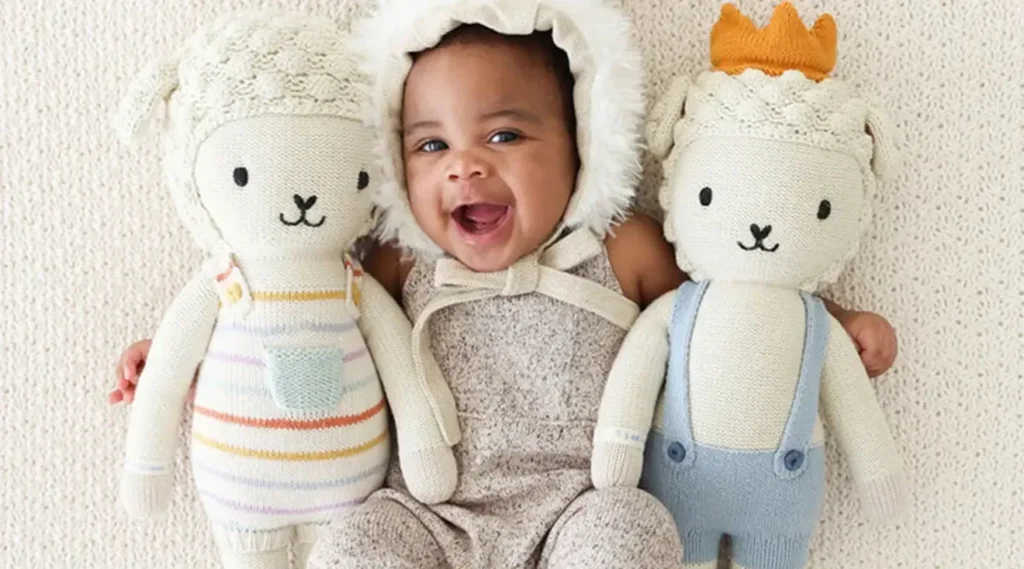
For babies, the winning spec is short-pile, dense, low-lint fabric with embroidered faces. Short-pile minky (or velboa) offers the softest cheek contact and, when properly sheared/brushed, very low lint. Fleece can also be baby-safe if it’s anti-pill and low-lint, but parents often prefer minky’s silky surface on skin. For stuffing, we use clean polyester (or rPET) fiberfill, avoid loose pellets for under-3, and confirm EN71 / ASTM F963 / CPSIA. If your brand wants a natural story, add organic cotton knit/terry panels where cheeks and hands touch—but keep the pile short and test shrink/colorfastness.
Baby-safe selection table
| Goal | Preferred fabric solution | Why it helps babies | What to verify |
|---|---|---|---|
| Ultra-gentle cheek feel | Short-pile minky / velboa | Silky surface, low lint | Saliva/sweat fastness; lint tests |
| Easy hygiene | Either, keep pile short/dense | Faster cleaning, less trapping | 5–10 wash cycles; pilling check |
| Natural positioning | Cotton panels + minky body | Breathable contact + premium hug | Shrink/color tests for cotton |
| Under-3 compliance | Embroidery only; no hard parts | Reduces small-part risk | EN71/ASTM/CPSIA scope |
How do cost, sourcing, and sustainability influence final selection?
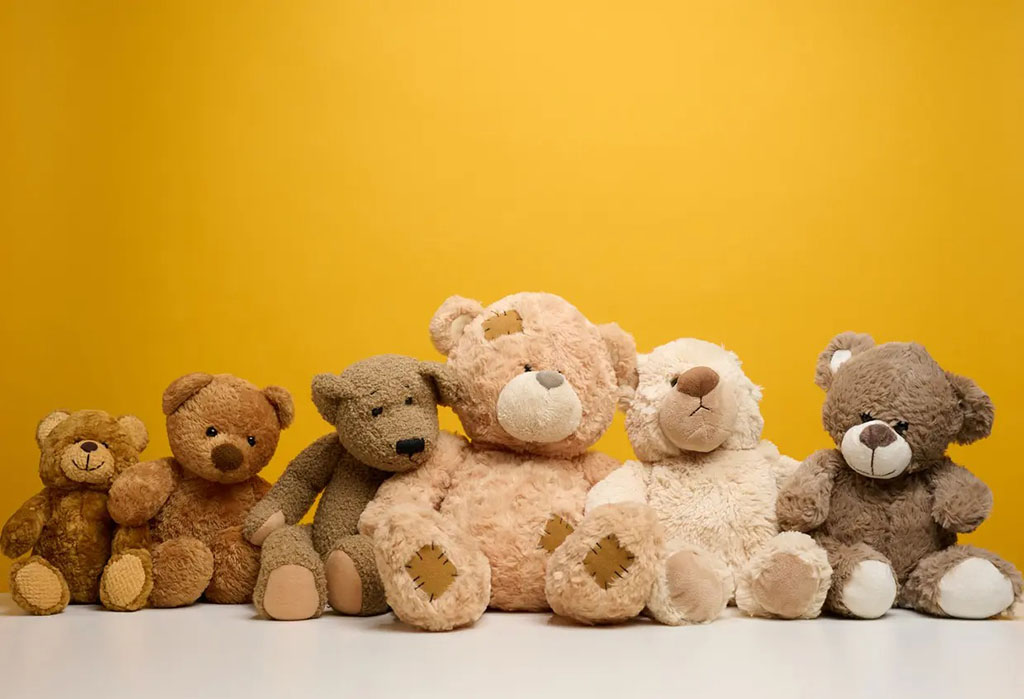
If you need strict budget control, fleece is usually cheaper and widely available. It’s ideal for value lines and plush with apparel elements. If you want gift appeal and premium perception, minky is worth the extra cost—its silky look converts well online. For sustainability, both come in rPET (recycled polyester) versions. The simplest credible eco stack is rPET fabric + rPET fiberfill + reduced plastic in packaging, backed by GRS or equivalent certificates. Always pilot for hand consistency and pilling because recycled lots vary by supplier.
From a sourcing standpoint, minky requires more care on pile direction and shearing quality; fleece requires stricter anti-pill validation. Either way, lock a golden sample, document suppliers and dye lots, and keep gram targets for stuffing so the feel remains consistent across batches.
Business & sustainability lens
| Dimension | Fleece | Minky | Buyer takeaway |
|---|---|---|---|
| Unit cost | (value to mid) | (premium) | Match to pricing tier |
| Perceived value | Practical, homey | Giftable, luxe | Minky lifts AOV |
| rPET availability | Good—verify anti-pill | Good—verify hand consistency | Request GRS docs |
| Sourcing risk | Pilling if low grade | Pile crush if mishandled | Pilot & lab-test early |
| Speed to market | Generally fast | Slightly longer (QC on pile) | Plan timelines accordingly |
Conclusion
A good plush toy is safe, soft, durable, and appealing while also offering branding opportunities. At Kinwin, we help global buyers develop customized plush solutions that meet safety standards and stand out in competitive markets. Contact us at [email protected] or visit kinwintoys.com to discuss your next project and explore how our factory can support your success.