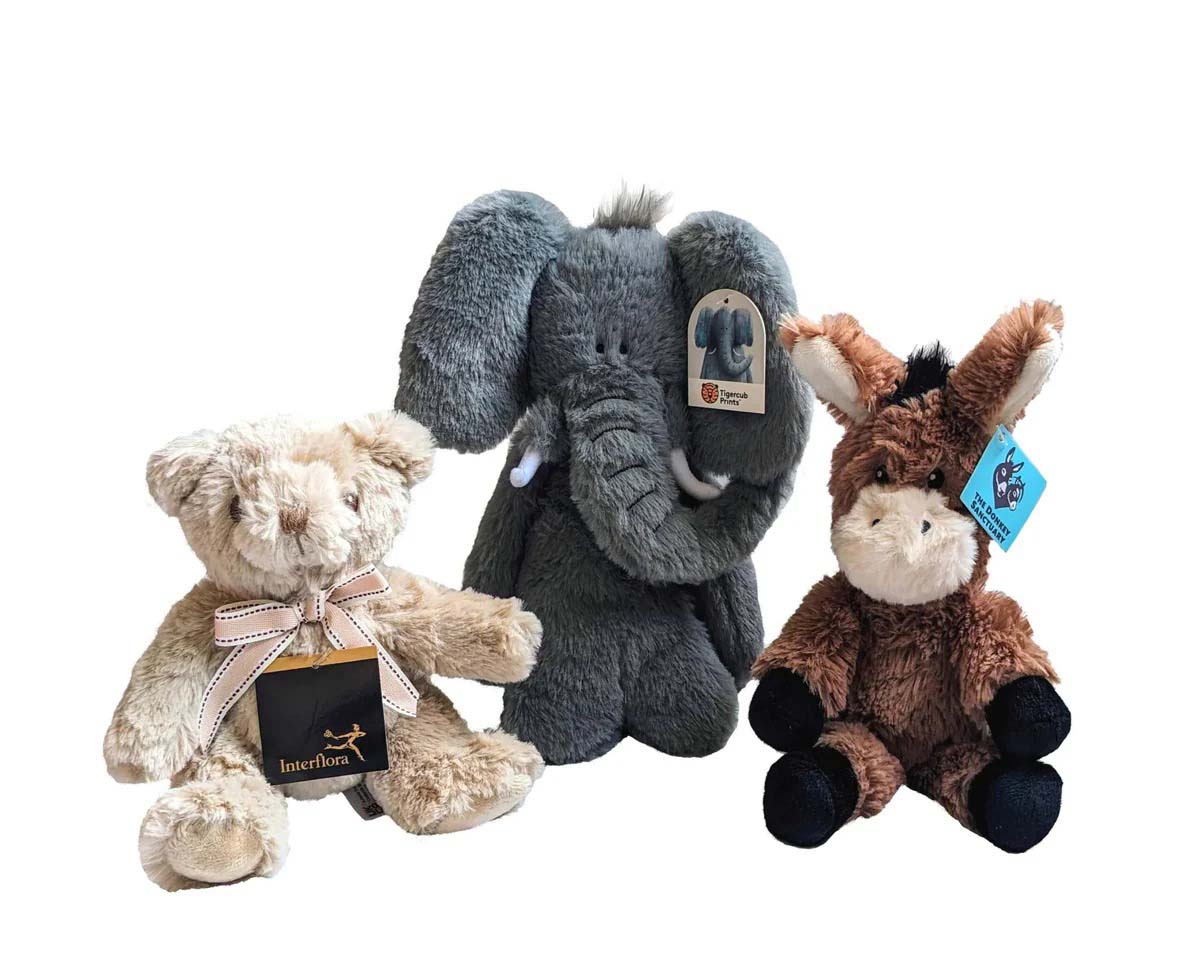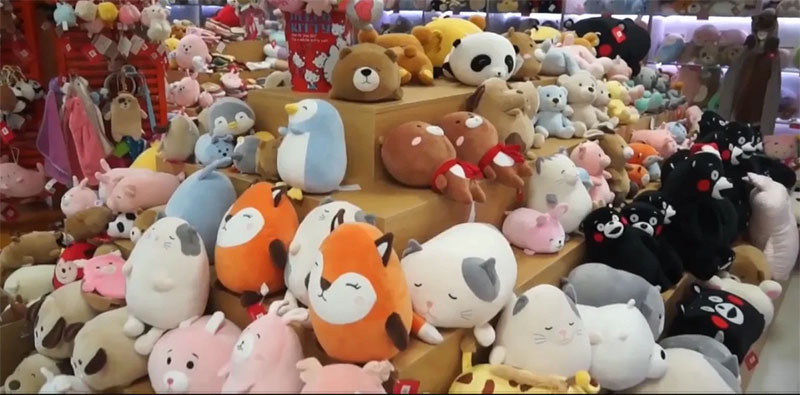
When people first hear about weighted stuffed animals, they often think, “Is it just a heavier plush toy?” In real life, these products sit somewhere between comfort object and simple therapeutic tool. They are soft enough to cuddle, but designed with purpose: to help the body relax, focus, and feel more secure.
I’m Amanda from Kinwin in China. My factory makes plush toys and dolls for brands, retailers, e-commerce sellers, and promotional companies worldwide. In this guide, I’ll explain what weighted plush toys are really for, how they work on the body, who they help, how we design them safely, and how your brand can position them in daily life and professional settings.
What is the main purpose of weighted stuffed animals?

Weighted stuffed animals are designed to give gentle, steady pressure to the body. They are not fitness tools or medical devices. They are soft companions that help users feel more grounded and calm.
When someone hugs a weighted plush, rests it on the lap, or places it across the chest, the extra weight can:
- Reduce restlessness and fidgeting
- Make it easier to settle down before sleep
- Offer comfort during stress, worry, or big emotions
- Support focus during reading, homework, or desk work
A good weighted plush is simple to use. You don’t need instructions. You just pick it up, and your body understands the message: “You are here. You are held. You can slow down.”
Core purposes of weighted stuffed animals
| Purpose area | What the user does with the plush | What the user typically gains |
|---|---|---|
| Calming | Hugs it, holds it close, keeps it nearby | Feels safer, less tense, more emotionally steady |
| Grounding | Places it on lap, chest, shoulders | Feels present in the body, less “in their head” |
| Focus & routine | Uses it during homework, reading, or screen time | Slightly better attention and fewer fidgeting moves |
| Sleep support | Keeps it near during bedtime routine | Smoother transition from active time to rest |
| Emotional comfort | Treats it as a quiet companion in hard moments | Feels “not alone,” supported by a soft presence |
For your brand, the main value is this: weighted plush toys are not only cute products, they are simple lifestyle tools that help users manage stress and attention in a very gentle, accessible way.
How does deep pressure stimulation promote relaxation and focus?
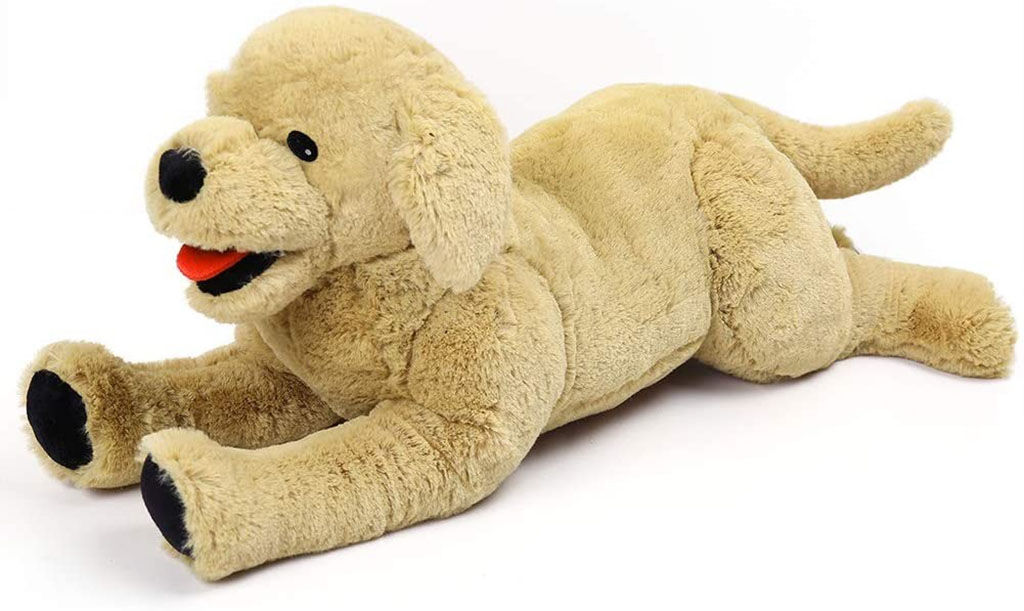
Weighted stuffed animals work through deep pressure stimulation. This is the same kind of comfort we feel from a firm hug, a heavy blanket, or a pet sleeping on our lap. The pressure is even and steady, not sharp or painful.
When the body receives this kind of input:
- The nervous system can shift away from constant alert mode
- Muscles and joints feel a clearer sense of position and support
- Breathing and heart rate may naturally slow down
- The brain gets a signal that it is safe to lower stress levels
This is why many people like to:
- Keep a weighted plush on their lap while working or studying
- Hold it while watching TV or reading
- Use it as part of a “cool-down” routine after a busy school or work day
For some, this deep pressure makes it easier to stay in one place and complete a task. For others, it simply makes hard moments feel a little softer.
Deep pressure effects from weighted plush toys
| Effect type | How the pressure helps | Where users feel the difference |
|---|---|---|
| Physical grounding | Gives muscles and joints a steady, gentle load | Less twitching, fewer restless movements |
| Nervous system calm | Signals safety and reduces “fight or flight” | Lower feeling of tension or panic |
| Emotional support | Makes the body feel “held” and supported | Easier to process big feelings |
| Cognitive focus | Reduces sensory “noise” and extra movement | Better focus on reading, homework, or work tasks |
| Sleep transition | Adds weight that tells the body “it’s time to rest” | Smoother shift from action to relaxation |
From a design angle, this is why we focus not just on how cute the plush looks, but on how the weight is placed and how it feels over time.
What groups benefit most from using weighted plush toys?
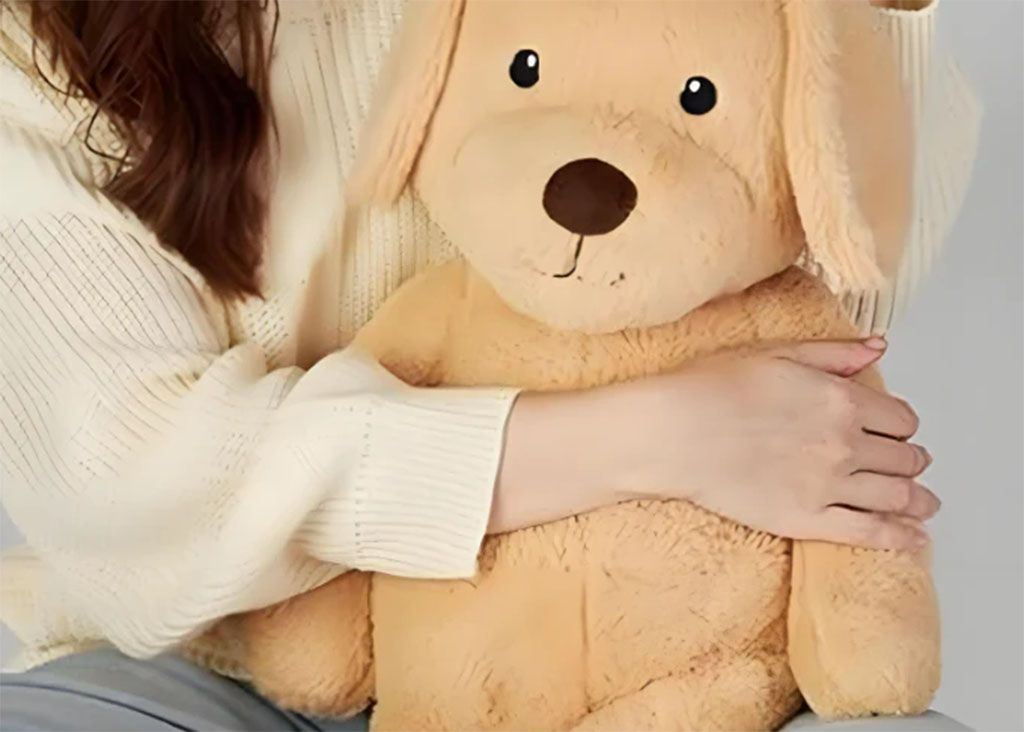
Weighted stuffed animals are used by many different kinds of people. The same product can sit in a child’s bedroom, a student’s dorm, an office, or a therapy room.
Children
Children may use weighted plush toys when they:
- Feel anxious or overwhelmed
- Have trouble sitting still for stories or homework
- Need help calming down after school, outings, or conflicts
The plush is not a strict tool. It is a friendly object they can hug, carry, or keep beside them while they calm their body and mind.
Teens and adults
Teens and adults often choose weighted plush toys for:
- Exam stress or work pressure
- Anxiety, low mood, or overthinking
- Comfort in small apartments, dorm rooms, or home offices
For them, the plush is a mix of decor, comfort, and self-care tool. It looks simple on the outside, but it supports deeper emotional needs.
People with specific sensory or regulation needs
Weighted plush toys are also used by people who:
- Have sensory processing differences
- Get overstimulated easily by noise, light, or movement
- Need stronger physical input to feel steady
Of course, responses differ from person to person. Some may love weighted plush. Others may prefer light, fluffy toys. That is why we always talk about options, not one fixed solution.
Groups who commonly use weighted plush toys
| User group | How they typically use weighted plush | Potential benefits |
|---|---|---|
| Young children | Bedtime, reading time, calm-down corners | Soothing, easier transitions, fewer meltdowns |
| School-age kids | Homework, car rides, stressful events | Better focus, comfort during change |
| Teens | Study sessions, screen breaks, quiet time | Emotional support, gentle stress relief |
| Adults | Work desks, sofas, bedtime routines | Reduced tension, soft self-care habit |
| Sensory-sensitive users | Daily regulation, therapy support, structured routines | More grounding, safer sensory input |
For your product planning, it helps to decide your primary audience first. That choice affects size, design, weight range, and how you explain usage on packaging and online listings.
How do materials and bead distribution ensure comfort and safety?
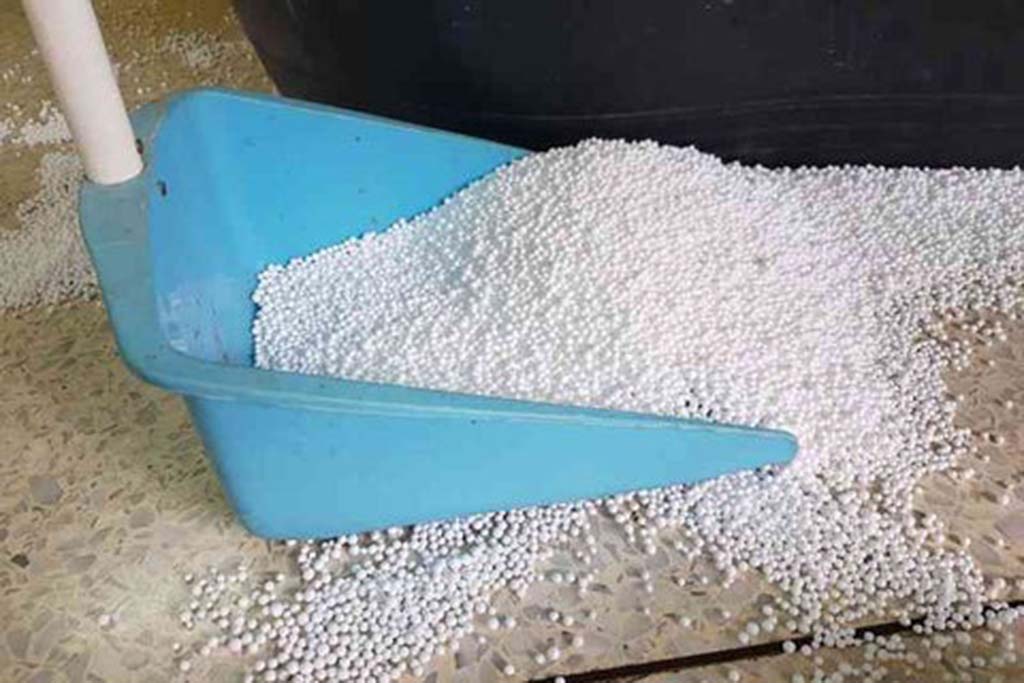
Inside a weighted stuffed animal, the structure matters as much as the fabric. Cute design alone is not enough.
Outer materials
Most weighted plush toys use:
- Soft plush fabrics such as minky or short plush for the body
- Strong polyester thread for seams
- Embroidery for eyes and facial features when younger users are involved
The goal is a surface that is gentle on skin, feels cozy, and holds up under extra weight.
Inner structure and filling
Inside, we usually combine:
- Polyester fiberfill (PP cotton) for volume and softness
- Pellets or beads (plastic or glass) to add controlled weight
To keep the weight comfortable and safe:
- Beads are held in separate inner pouches or compartments, not loose in one big space
- Weight is spread across key areas (body, sometimes limbs), not all in one lump
- Seams around weighted zones are reinforced
When bead distribution is done well, the plush feels:
- Balanced when held
- Smooth, not lumpy
- Reliable over time, without “sagging” to one side
Material and structure choices for weighted plush
| Component | Typical material choice | Role in comfort and safety |
|---|---|---|
| Outer fabric | Minky, short plush, velboa | Soft touch, cozy look, first impression |
| Main stuffing | Polyester fiberfill (PP cotton) | Bulk, softness, shape retention |
| Weight medium | Plastic or glass pellets | Controlled weight for deep pressure |
| Inner containment | Fabric pouches, stitched channels | Keeps beads in place, prevents shifting or leaks |
| Seams & stitching | Strong polyester sewing thread, reinforced seams | Resists stress from weight and regular use |
From a Kinwin factory view, we spend a lot of time on how to arrange the beads. It is the key to a plush that feels soothing, not awkward.
What standards regulate the production of weighted stuffed animals?
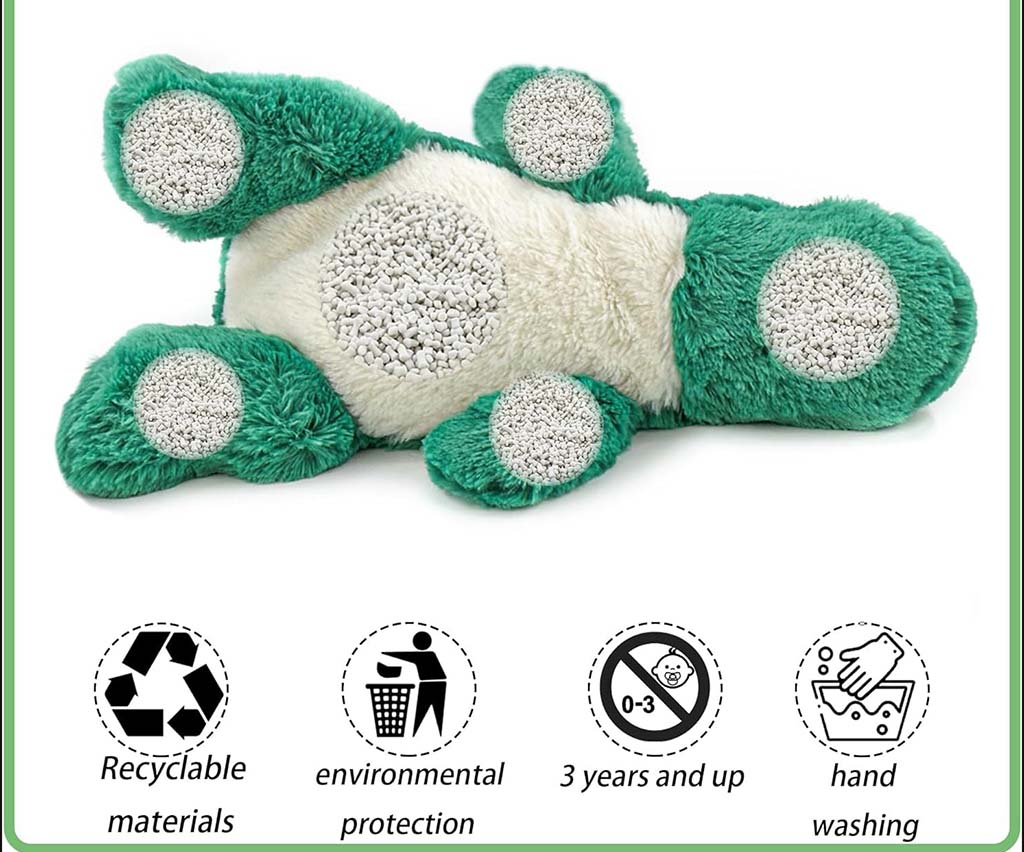
Weighted stuffed animals are usually treated as toys or comfort products, not medical equipment. But they still need to follow strong safety and compliance rules, especially when sold for children.
While exact regulations vary by country, manufacturers like us design around key areas:
Mechanical and physical safety
- Seam strength must handle both weight and pulling
- Any small parts (if used) must not detach easily
- No sharp edges or hard internal components that can poke through
Chemical safety
- Fabrics, threads, pellets, and prints must stay within safe limits for:
- Heavy metals
- Certain chemicals in dyes and softeners
- This supports compliance with major toy safety frameworks in your target markets.
Flammability
- Fabrics must behave within acceptable limits when exposed to flame
- Very long, fluffy surfaces need special attention in testing
Age grading and labeling
- Weighted plush used by children normally carry clear age recommendations
- Warnings may be required, especially if the weight is high or trims are complex
In practice, this means you should always:
- Tell your factory which countries you plan to sell in
- Decide whether you position the product mainly for children or older users
- Plan a testing budget for key SKUs
Safety and compliance focus for weighted plush
| Safety area | What manufacturers look at | Why it matters for your brand |
|---|---|---|
| Mechanical strength | Seams, attachments, inner pouches | Prevents leaks, tears, choking hazards |
| Chemical safety | Dyes, finishes, pellet material | Protects users and supports legal compliance |
| Flammability | Fabric and pile behavior near flame | Meets toy regulations and retailer demands |
| Age grading | Suitable design and clear labeling | Manages risk and guides consumer use |
| Documentation & tests | Lab reports, QC records, supplier tracking | Builds trust with buyers and major retailers |
When you see weighted plush in big retail chains, you can assume there is a serious safety framework behind that cute face.
How are these plush toys used in therapy, sleep, and daily routines?

Weighted stuffed animals are most effective when they become part of simple, repeatable routines. They are not magic solutions. They are gentle helpers used across the day.
In therapy and professional settings
Therapists, counselors, and educators may:
- Offer a weighted plush for children to hold during conversations
- Use it in “calm corners” or sensory rooms for regulation breaks
- Incorporate it into social stories about feelings and self-soothing
A soft, friendly toy often feels less “clinical” than equipment. It helps clients open up while feeling supported.
For sleep and rest
Families often include weighted plush in bedtime rituals:
- Place it on the lap or chest during story time
- Let the child hug it while falling asleep
- Use it as a stable presence that “stays in bed” overnight
Adults also use weighted plush for evening wind-down on the sofa or bed, especially after screen-heavy days or stressful work.
In everyday life
In daily routines, weighted plush may be used:
- On the lap during online classes or office work
- In a designated relax corner at home or in classrooms
- As a comfort item during travel, change, or recovery periods
You can think of it as a soft “anchor” the user can return to whenever life gets loud.
Common usage scenarios for weighted stuffed animals
| Setting / routine | How weighted plush is used | What it supports |
|---|---|---|
| Therapy sessions | Held during talks or activities | Emotional expression and a sense of safety |
| Sensory / calm corners | Available for hugs, lap use, or lying under | Self-regulation and cool-down time |
| Bedtime | Hugged or placed gently on chest or legs | Easier transition to sleep, bedtime security |
| Study / work time | On lap while reading, writing, or typing | Focus, reduced fidgeting, body awareness |
| Travel and transitions | Car, train, or plane companion | Comfort in unfamiliar or stressful situations |
As a brand or buyer, explaining these simple use cases on your product page or packaging can help consumers understand why your weighted plush is different from a normal toy—and why it is worth the investment.
Conclusion
Weighted stuffed animals are more than heavy toys. When they are designed with good materials, safe bead systems, and clear purpose, they become soft tools for calm, focus, and everyday emotional support.
If you plan to build your own weighted plush range, start by defining who it is for and how you expect users to include it in their routines. Then, work closely with your manufacturer on weight ranges, bead layout, fabrics, and safety planning. This is how you move from a “trend product” to a reliable item that customers keep and recommend.
At Kinwin, my team and I help global buyers turn these ideas into real products—from early concept and sample making to mass production under international toy safety standards. If you’d like to explore a weighted plush project or upgrade an existing design, you’re welcome to contact me at [email protected] or visit kinwintoys.com. Together, we can create weighted stuffed animals that are not only cute, but truly calming and trustworthy.