Many buyers see round, squishy plush in the store or on TikTok and ask: “What are those popular stuffed animals called?” Are they Squishmallows, Jellycats, kawaii plush, Labubus, or something else?
From my side as a plush manufacturer in China, I watch these trends very closely. Today’s “famous plush names” come from a mix of product category, brand name, and online culture. When you understand how they work, it’s much easier to plan your own plush line or source the right products for your market.
In this guide, I’ll break down the main categories, naming patterns, and global trends behind the most popular stuffed animals people talk about today.
What categories define today’s most popular stuffed animals?
When people say “those popular stuffed animals,” they usually mean one of several clear plush categories. Some names are generic (like “teddy bears”), while others are brand-specific (like “Squishmallows” or “Jellycats”).
Global reports show that brands such as Squishmallows, Jellycat, Gund, Ty, Melissa & Doug, Douglas, Disney and Build-A-Bear anchor the current soft-toy landscape. ShelfTrend+3Maziply Toys+3Toynk Toys+3 At the same time, articles highlight how Squishmallows, Jellycat and Labubu have become fads thanks to social media. 維基百科+2Town & Country+2
You can roughly group today’s “famous stuffed animals” into these categories:
| Category | Typical Names People Use | Core Examples / Notes |
|---|---|---|
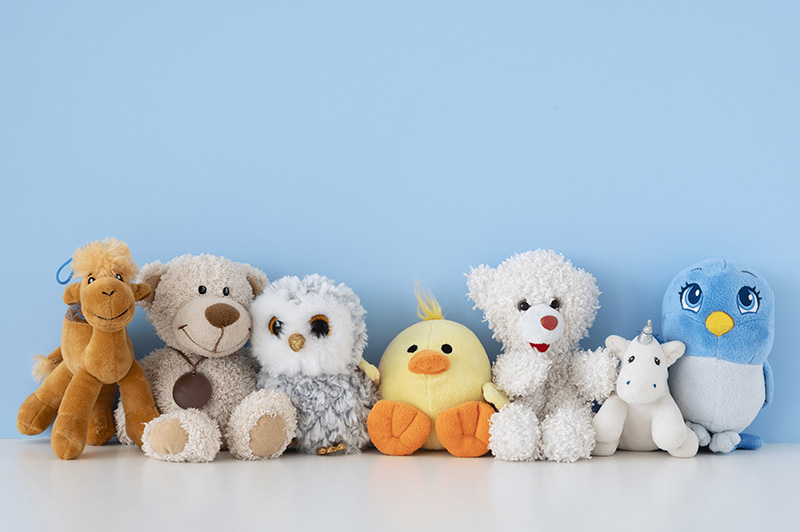
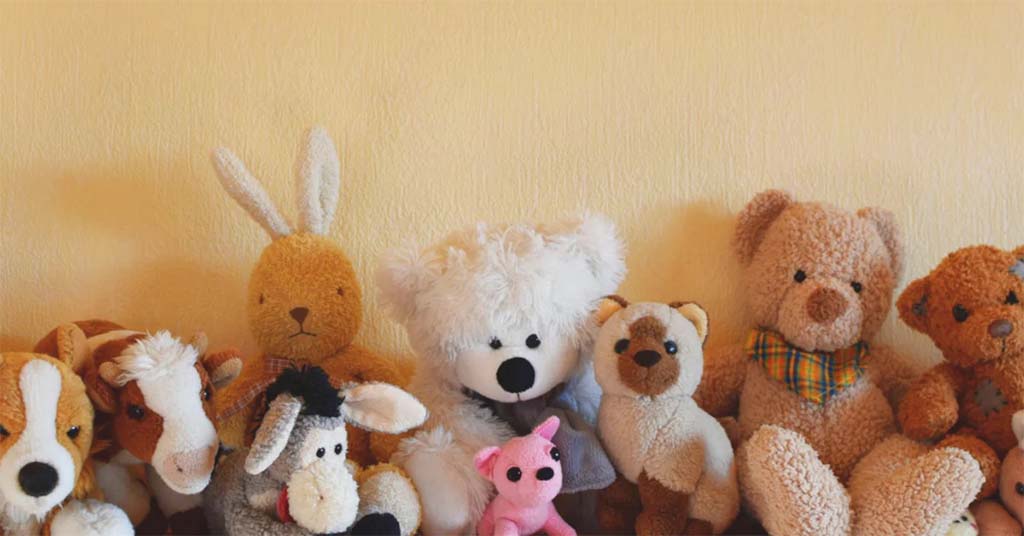
| Classic teddy & animal plush | “teddy bear”, “stuffed dog”, “plush bunny” | Traditional shapes from brands like Gund, Steiff, Ty, Aurora. Maziply Toys+1 |
| Squishy pillow plush | “Squishmallows”, “squishy plushies”, “squishies” | Squishmallows-style round pillows, egg/bean shapes, super soft spandex outer. 維基百科+1 |
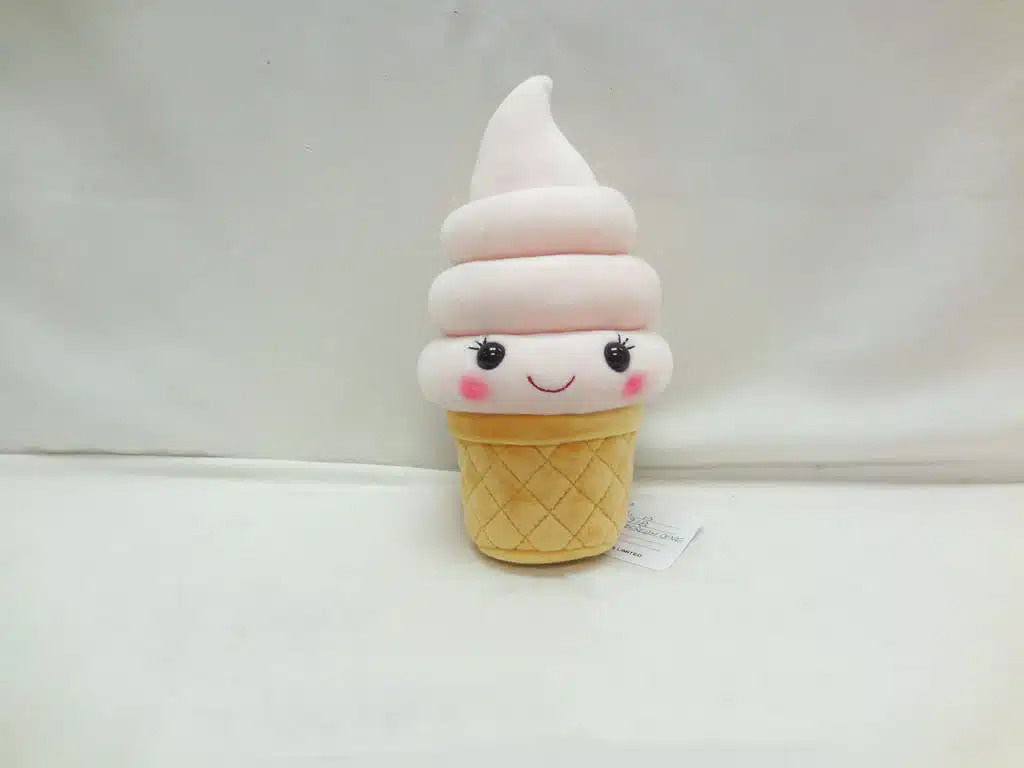
| Kawaii / Japanese-style plush | “kawaii plushies”, “kawaii animals” | Cute, big-eyed characters; huge trend in specialty retail. kidscreen.com+1 |
| Character & licensed plush | “Pokémon plush”, “Disney plush”, “Hello Kitty” | Toys-to-life versions of entertainment IP; a major part of licensed toy market. Research and Markets+1 |
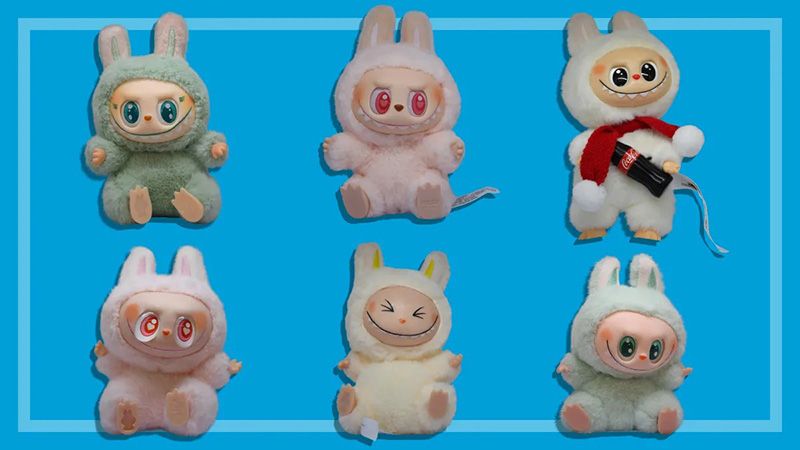
| Designer & art plush collectibles | “Labubu”, “Monchhichi”, “art toys”, “blind box plush” | High-status collectibles tied to artists or fashion scenes. Town & Country+2Teen Vogue+2 |
| Baby & comfort plush | “lovey”, “comforter”, “soother” | Flat plush + blanket hybrids from brands like Jellycat and baby specialists. cbmexpochina.com+1 |
For B2B buyers, getting clear on which category you want to compete in is the first step. Many customers don’t ask for “plush toys” in general—they ask for “Squishmallows-style pillows,” “kawaii plush,” or “Jellycat-style food plush.”
At Kinwin, I often help clients translate these loose phrases into precise product specs: size, fabrics, filling, safety standards, and packaging that match the category they’re aiming at.
How do trends, characters, and licensing shape popular plush names?
Those famous names usually don’t appear by accident. They sit on top of bigger toy and entertainment trends.
For example:
- Squishmallows launched in 2017 as a line of super-soft, round plush and exploded during the pandemic with strong TikTok presence; as of 2024 more than 3,000 designs and hundreds of millions of units have been sold. 維基百科+2Jazwares+2
- The licensed toy market (including character plush) is worth tens of billions of dollars and keeps growing as movies, games, and streaming series create new characters every year. Research and Markets+1
When a line catches a trend, its brand name becomes a nickname for the whole style:
- People call any squishy pillow plush “Squishmallows,” even if it’s from another factory.
- Any ultra-soft, slightly quirky food or animal plush may be called a “Jellycat,” even when it’s not that brand. cbmexpochina.com+2經濟學人+2
- “Beanies” still lives in people’s minds from the Beanie Babies era.
You can see how trends, IP, and naming link together:
| Trend / Driver | Example Plush Names People Use | How the Name Formed |
|---|---|---|
| Super-squishy pillows | Squishmallows, “squishy plushies” | Name mixes “squish” + “marshmallows” feeling. 維基百科+1 |
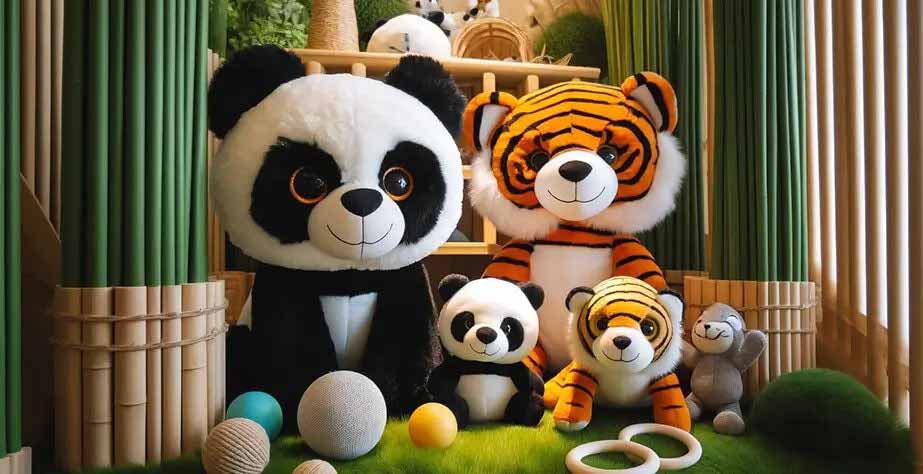
| Licensed characters | Pokémon plush, Marvel plush, Disney plush | Brand/IP name + “plush” or “stuffed toy”. 維基百科+1 |
| Kawaii & pastel aesthetics | “kawaii plushies”, “kawaii cats,” “Sanrio plush” | Japanese word “kawaii” becomes the category label. kidscreen.com+1 |
| Designer & art collectibles | Labubu, Monchhichi, “The Monsters” | Artist- or series-specific names hold the category. Town & Country+2Teen Vogue+2 |
For your own brand, this is a powerful lesson: if you want people to ask “Where can I get your X?”, you need a simple, memorable line name that fits a clear trend story: squishy, kawaii, vintage, cozy, etc.
Which design features make certain stuffed animals widely recognizable?
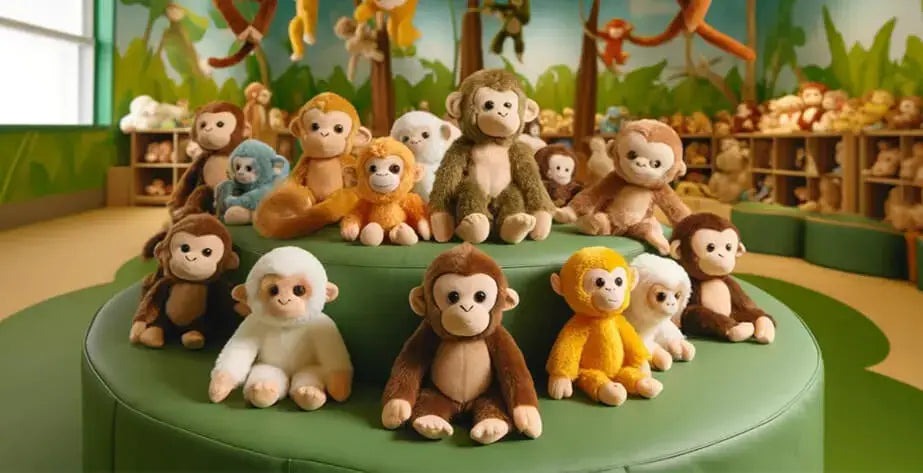
Most customers recognize a famous plush line before they read the tag. The shape, face, and texture say the name for you.
Some examples from today’s big names:
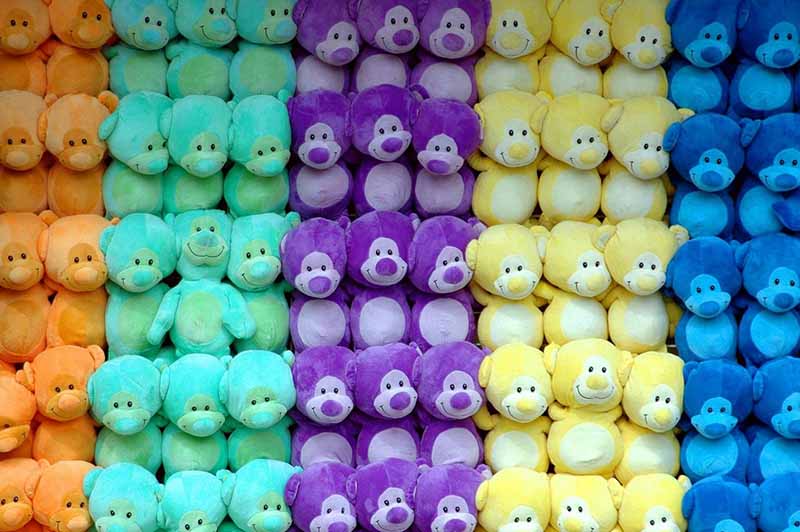
- Squishmallows: round, egg-like shape, super-soft spandex outer fabric, with simple printed/embroidered faces and a hangtag that includes a name and short biography. 維基百科+1
- Jellycat: very soft fabrics, slightly floppy bodies, and quirky subjects like plants, food, or everyday objects turned into characters; scarcity and frequent new releases keep designs fresh. cbmexpochina.com+2經濟學人+2
- Labubu and similar designer plush: stylized monster-like shapes, big eyes, sharp silhouettes, and collectors often attach them to handbags as a fashion accessory. Town & Country+2People.com+2
If we break down the design “DNA” of recognizable plush lines:
| Brand / Line | Signature Shape & Proportions | Signature Surface & Details |
|---|---|---|
| Squishmallows | Round body, flat base, minimal limbs | Stretchy outer, soft handfeel, simple cute faces. 維基百科+1 |
| Jellycat | Soft, slightly floppy, often long-limbed animals or objects | Very soft pile, subtle colors, embroidered faces. cbmexpochina.com+1 |
| Classic teddy lines | Traditional bear proportions (big head, round belly) | Plush or mohair, stitched nose, sometimes jointed. Maziply Toys+1 |
| Kawaii plush | Oversized head, tiny body, big eyes | Pastel colors, simple mouths, minimal lines. kidscreen.com+1 |
| Labubu & art plush | Slim or odd-shaped bodies, strong silhouette | Unique expressions, designer color palettes. Town & Country+2People.com+2 |
These visual rules are why people say:
- “That looks like a Squishmallow”
- “That’s a Jellycat-style veggie”
- “Is that a Labubu?”
When we develop OEM lines at Kinwin, we always ask: “Can someone recognize the line from 2–3 meters away?” If the answer is yes, the name has a much better chance to stick.
How do major brands influence naming conventions for popular plush lines?
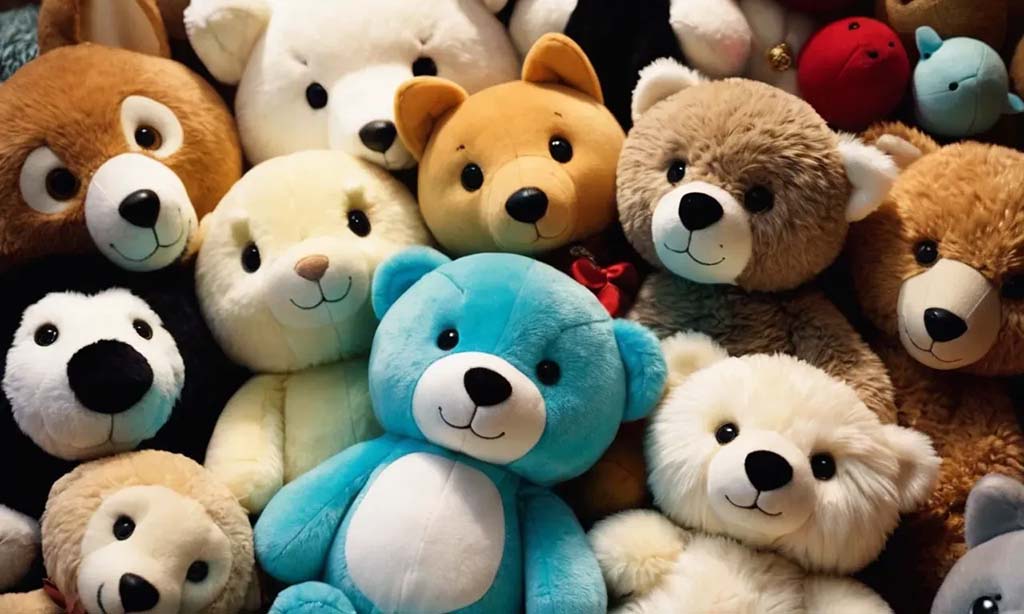
In the global plush market, a small group of brands sets a lot of the language: Ty, Mattel, Hasbro, Disney, Build-A-Bear, Gund, Jellycat, Jazwares (Squishmallows) and others dominate shelf space and consumer mindshare. cbmexpochina.com+4marketresearchfuture.com+4ShelfTrend+4
They don’t just sell toys—they teach the market how plush should be named:
- Ty Beanie Babies → “Beanies” as a generic word.
- Squishmallows → “Squishmallow” used for any round squishy plush, even cheap copies. 維基百科+2BargainMax+2
- Jellycat → “a Jellycat” now often means any premium, soft, quirky plush in certain markets, especially for adults. cbmexpochina.com+2經濟學人+2
Market data also shows that plush toys are now a strong collectible category, with both general plush and toy collectibles forecast to grow steadily over the next decade. marketresearchfuture.com+2Future Market Insights+2 That gives brands an even bigger reason to invest in strong, repeatable line names.
Here’s how major brands typically structure naming:
| Brand / Player | Line Naming Pattern | Everyday Way People Refer to Them |
|---|---|---|
| Ty | “Beanie Babies”, “Beanie Boos” | “Beanies”, “Beanie Boos” |
| Jazwares / Kellytoy | “Squishmallows” + individual character names | “Squishmallows” / “Squish” + character (e.g. Archie the Axolotl) 維基百科+1 |
| Jellycat | “Jellycat” + character/series name | “Jellycats”, often by range (food, bashful bunnies, etc.). cbmexpochina.com+2經濟學人+2 |
| Build-A-Bear | “Build-A-Bear” plush + licensed characters | “Build-A-Bear bears”, “my Build-A-Bear” |
| Designer lines | Short brand names like “Labubu”, “Monchhichi” | Name itself becomes the category. Town & Country+2Teen Vogue+2 |
For your own OEM or private-label plush line, there are a few takeaways:
- Choose a line name that is easy to turn into a plural: “X-ies”, “X-mallows”, “X-buddies”, etc.
- Keep it short, fun, and image-driven—people should feel something from the name alone.
- Make sure it fits your main market segment: kids, kawaii teen fashion, adult comfort, art collectibles, etc.
At Kinwin, I often help buyers brainstorm line names that match their product direction, so that over time customers will say “Where are your ____?” the same way they do for Squishmallows or Jellycat.
What market segments drive popularity across ages and regions?
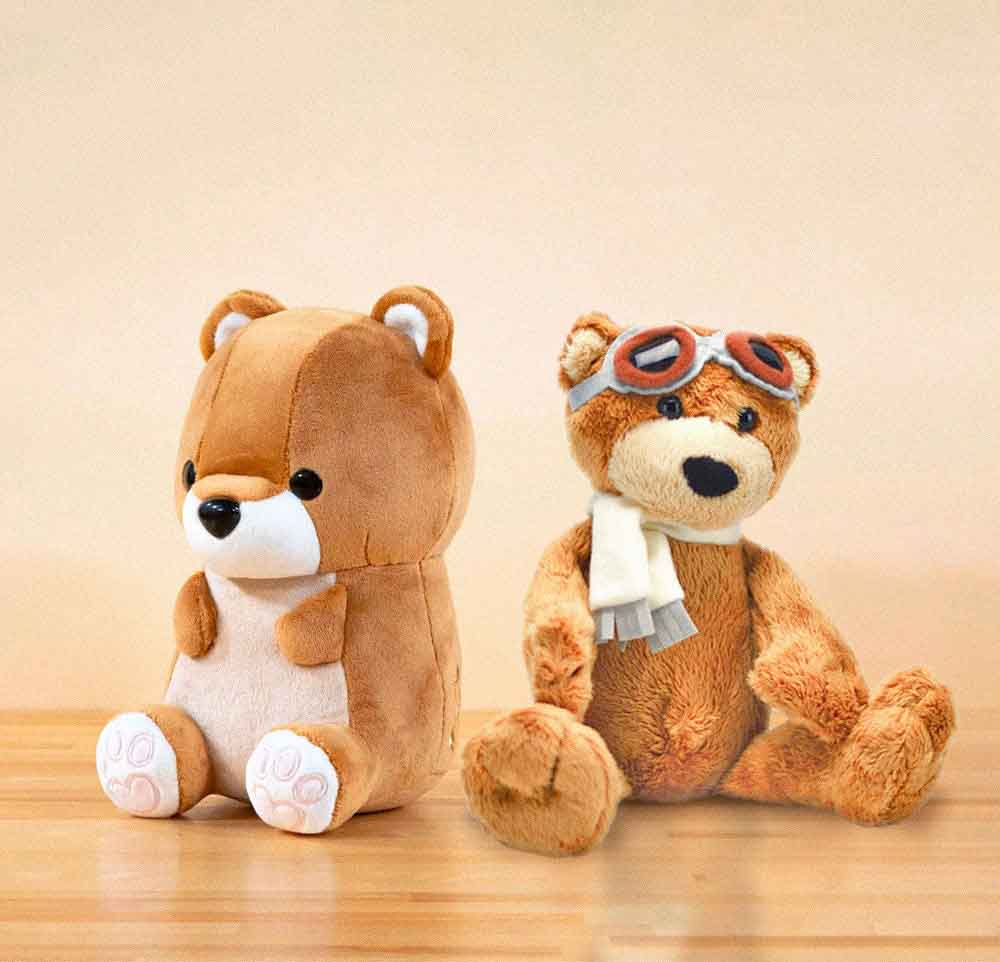
The reason you keep hearing about these plush names is not just kids. Adults, teens, and collectors now drive a huge part of demand.
Market research shows that:
- The plush toy market is projected to keep growing steadily over the next 10+ years, partly because plush toys are now also bought as collectibles and emotional-support items for adults. marketresearchfuture.com+2Future Market Insights+2
- One survey-based article notes that around 35% of US adults still sleep with a plush toy, linking this to stress relief and nostalgia. Toynk Toys+1
- Articles highlight how Millennials and Gen Z are “falling hard” for soft toys, with brands like Jellycat turning into lifestyle icons, not just kids’ toys. 經濟學人+1
Regionally, tastes differ but overlap:
- In Asia, kawaii plush and art lines like Labubu and Monchhichi are deeply tied to fashion and social media aesthetics. People.com+31883magazine.com+3Town & Country+3
- In China, Jellycat has become a top plush brand, using scarce drops and anthropomorphic designs to attract young consumers. cbmexpochina.com
- In Western markets, Squishmallows, Jellycat, licensed character plush, and nostalgia lines (Beanies, classic teddy) share the stage. ShelfTrend+3維基百科+3維基百科+3
You can map key segments like this:
| Segment | Typical Age & Buyer Motivation | Popular Names / Lines in This Space |
|---|---|---|
| Kids’ core plush market | 3–10 years; comfort, play, gifts | Squishmallows, Disney plush, Pokémon, classic animals. 維基百科+2BargainMax+2 |
| Baby & toddler plush | Parents buying safe, soft companions | Jellycat soothers, baby animal plush, comforters. cbmexpochina.com+1 |
| Teen & young adult kawaii | Aesthetic, self-expression, room décor | Kawaii plush, Sanrio, Japanese-style animals. kidscreen.com+21883magazine.com+2 |
| Adult comfort & nostalgia | Stress relief, sleep, emotional connection | Classic teddy bears, Squishmallows, retro Beanies. Toynk Toys+2shop.ty.com+2 |
| Collector & status market | Limited editions, art toys, fashion accessories | Labubu, Monchhichi, special collabs, blind box plush. Town & Country+2Teen Vogue+2 |
For a B2B buyer, the question “What are these plush called?” should quickly turn into “Which segment are they serving?” That affects your size, fabrics, price point, safety tests, and marketing language.
How do social media and collector culture reinforce popular plush names?
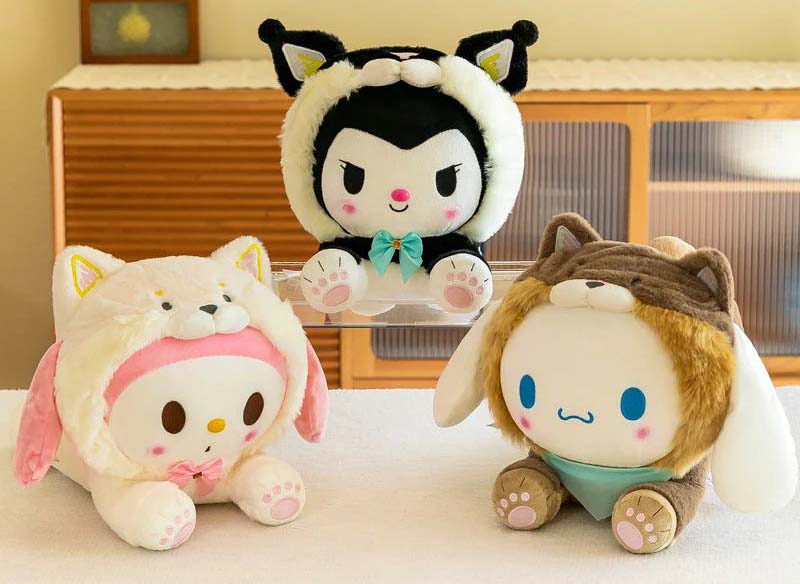
In the 2020s, many plush names became famous not in catalogs, but on TikTok, Instagram, and fan communities.
- Squishmallows’ popularity exploded thanks to TikTok, where collectors posted hunts and “Squishmallow hauls”; the hashtag has gained billions of views. 維基百科+2BargainMax+2
- Wikipedia and news articles note that Squishmallows, Jellycat, and Labubu became fads after going viral on social media. People.com+3維基百科+3經濟學人+3
- McDonald’s used Squishmallows in Happy Meals, driving even more hype and making the line visible to casual buyers as well. 紐約郵報
- Labubu and similar art plush have been pushed into “status accessory” territory through celebrity use and TikTok/Instagram content. Town & Country+2People.com+2
Social media doesn’t just show the toys; it cements the names:
| Platform / Culture Layer | How It Boosts Plush Names | Example Effects |
|---|---|---|
| TikTok “haul” videos | Fans repeat brand and character names in every clip | Kids and adults learn “Squishmallows”, “Labubu”. People.com+3維基百科+3BargainMax+3 |
| Instagram & Pinterest | Aesthetic room shots tagged with brand names | Jellycat and kawaii plush become lifestyle items. 經濟學人+21883magazine.com+2 |
| Collector communities | Detailed posts about rare drops and trades | Names of specific series and characters spread fast. People.com+2Verified Market Research+2 |
| Media coverage | Articles calling plush “cultural phenomena” | Validates the idea that Squishmallows, Labubu, etc. are “must-know” names. ShelfTrend+2經濟學人+2 |
As a factory, I now treat social visibility as part of product design. For many of our clients, the question is not only “Is this cute?” but also “Will people want to post this plush online and say its name?”
So when you hear someone ask “What are those popular stuffed animals called?”, the real answer is often:
- They are part of a clear category (squishy/kawaii/collector).
- They have a simple, memorable line name.
- Their design makes them instantly recognizable in photos.
- Their fans repeat the name again and again on social media.
Conclusion
Today’s most popular stuffed animals are called many things—Squishmallows, Jellycats, kawaii plush, Labubu, Beanies—but behind every name is the same logic: a clear product category, a strong design identity, and a community that repeats the name until it sticks. When brands and factories understand these layers, it becomes much easier to create new plush lines that feel familiar, yet fresh, to global buyers.
At Kinwin, my team uses these insights every day when we help B2B buyers develop their own plush ranges. We look at category, naming, design cues, and target segment together, then turn that into real OEM/ODM products that can stand next to today’s famous plush names on the shelf. If you’re planning a new plush line or want to reposition an existing one, you’re very welcome to contact me at [email protected] or visit kinwintoys.com so we can explore your ideas and build a recognizable plush brand together.