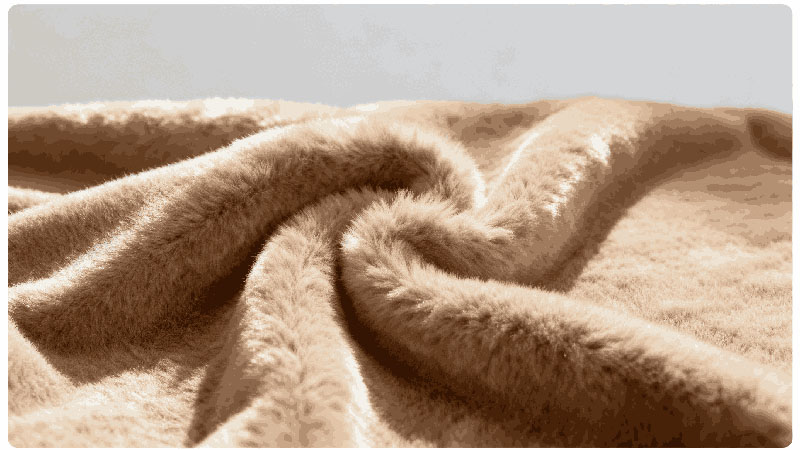
I’m Amanda from Kinwin in China. I work directly with brands, retailers, and design teams every week. Choosing the right plush fabric is one of the first technical decisions we make on any plush project. The fabric affects how a toy feels to touch, how it behaves in sewing and washing, how it passes safety tests, and how it performs on shelf or online. Below I explain—clearly and practically—the main fabric categories, how fiber choices change texture and strength, which pile constructions create different hand-feels, how to compare performance properties, what sourcing realities you must consider, and how sustainability trends are changing the options. I write this so you can brief suppliers better and reduce sampling rounds.
What main categories define today’s plush fabrics?
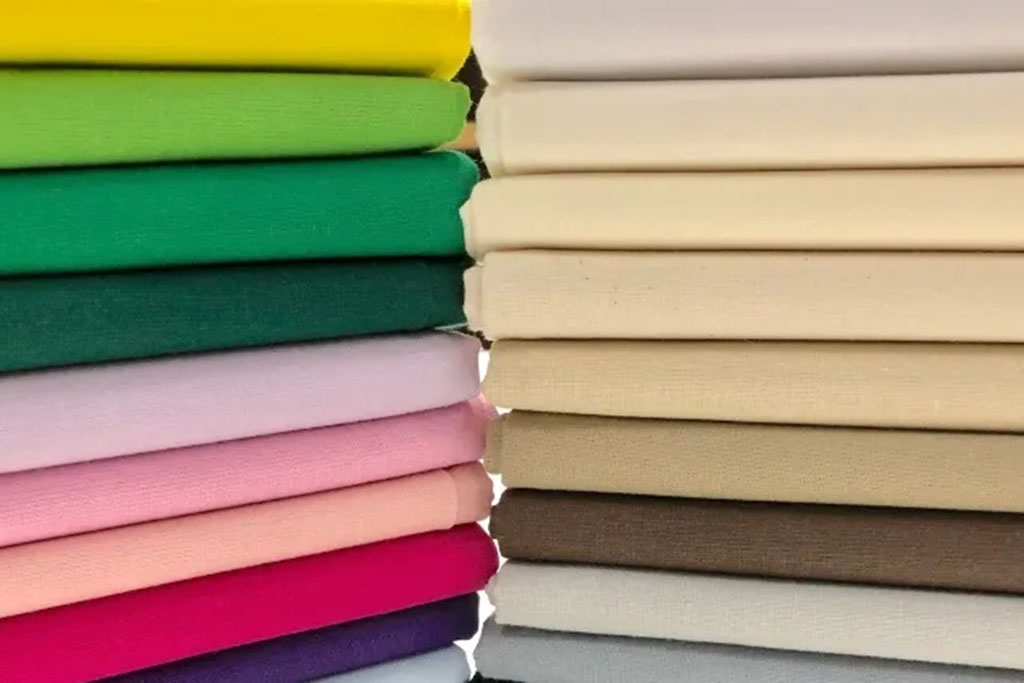
When suppliers and factories say “plush fabric,” they usually mean one of several specific families. Each family has a distinct look, a set of strengths, and typical uses. I always start by asking: who will hug this toy and where will it be sold? That answer points to the right category.
Generally, the main categories are:
- Micro-plush / Minky — very fine microfiber, short cut pile, silky hand. Excellent for baby loveys, premium huggables, and pillow plush. Minky feels “buttery” and looks even in photos. It often costs a little more because mills use microdenier filaments and tighter finishing.
- Velboa / Ultra-short plush — very short, dense pile with a matte finish. Velboa is durable, low-lint, and prints or embroideries look crisp. It’s common for faces, smaller characters, and mass-market lines that need clear detail.
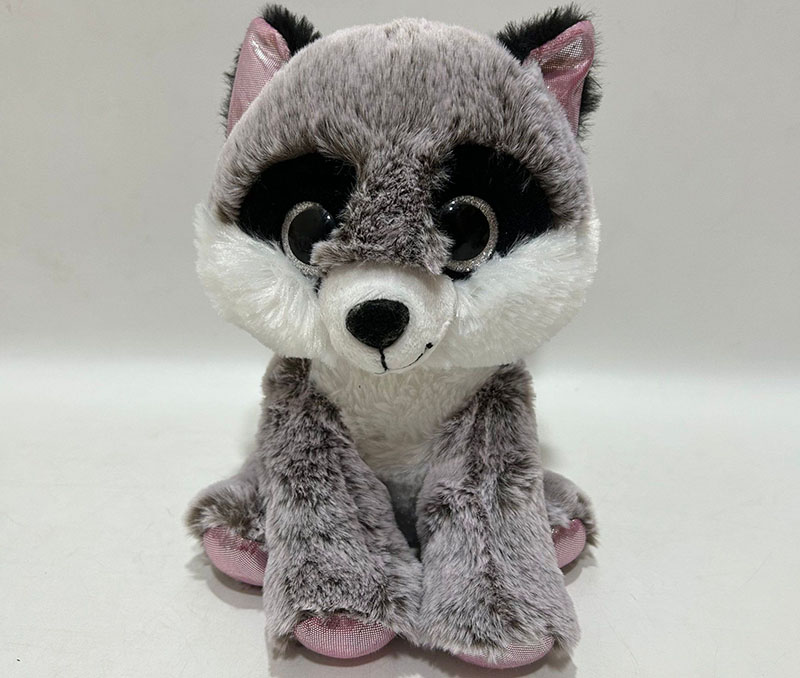
- Short plush (classic) — the traditional short pile used on standard teddy bears and many toy bodies. Balanced softness and cost. It’s flexible and easy to sew.
- Long plush / Faux fur — long, visible pile for fluffy, dramatic characters and collectors. Often used for novelty or high-end products. Requires stronger backing and de-tangling finish.
- Fleece & brushed knits — a brushed surface rather than a cut pile. Fleece is warm, matte, and often used for clothing parts, blankets, or inexpensive plush bodies.
- Micro-suede / Sueded plush — very low pile and velvet-like. Good for inner ears, paw pads, and premium accent panels where a smooth surface is desired.
- Terry & textured knits — looped or textured surfaces for bath toys and comforters where absorbency or texture matters.
- Specialty & blended plush — embossed, printed, mixed-fiber or performance-treated fabrics made for seasonal or licensed products.
Below is a compact table I use when advising teams. It helps align target use, look, and expected manufacturing needs.
| Category | Typical Look & Hand-feel | Common Uses | Manufacturing Notes |
|---|---|---|---|
| Micro-plush / Minky | Silky, dense, short pile | Baby toys, premium plush, pillows | Needs careful anti-pilling finishing; high GSM |
| Velboa / Ultra-short | Smooth, firm, matte | Faces, small plush, printed panels | Excellent detail; lower lint; easy to print |
| Short plush (classic) | Balanced soft, traditional | Mass-market and mid-range toys | Cost-effective; easy to sew and stuff |
| Long plush / Faux fur | Fluffy, dramatic, textured | Collectors, novelty plush, premium lines | Needs backing support; extra de-tangle finishing |
| Fleece & brushed knits | Warm, matte, thick | Clothing parts, blankets, cheap bodies | Good cost control; watch pilling on low grade |
| Micro-suede / Sueded | Very smooth, low pile | Accents, inner ears, paw pads | Sewing requires careful handling to avoid shine |
| Terry & textured knits | Looped or textured | Bath/comfort toys, tactile pieces | Good absorbency; less soft for hugging |
| Specialty & blended | Varied textures & prints | Licensed/seasonal/artist lines | Custom finishes can add lead time and cost |
How do fiber types affect plush texture and strength?
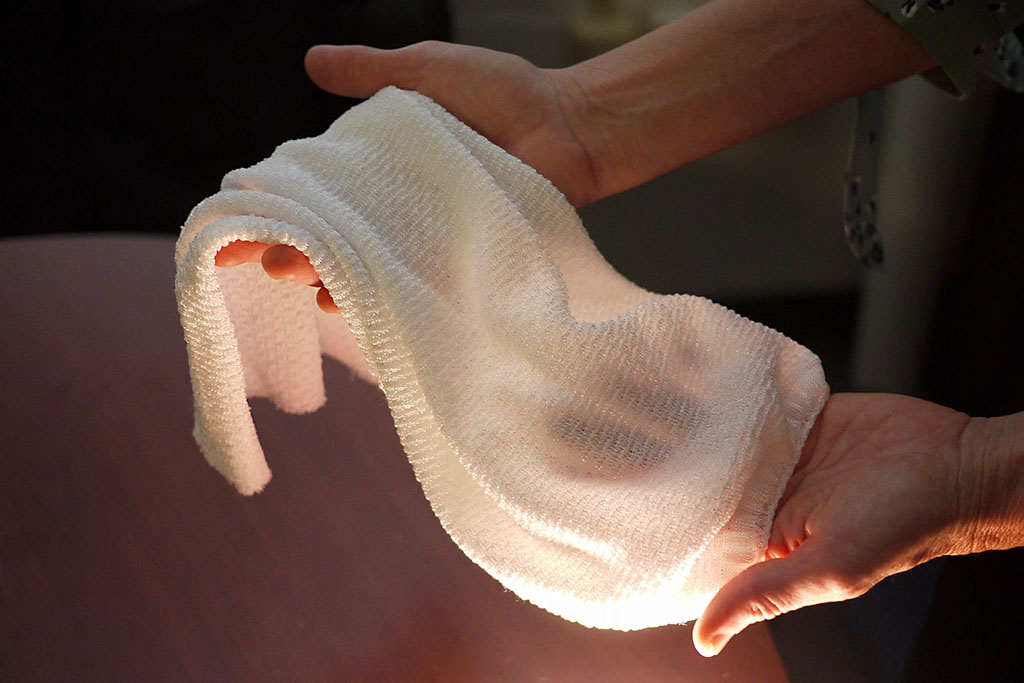
The fiber itself—what the yarn is made of—controls many core attributes. In practice, polyester and polyester blends dominate the plush market. Natural fibers appear in niche and eco products. Each fiber family gives a different balance of softness, durability, wash performance, pilling tendency, and sustainability story.
Key fiber types and how they affect outcomes:
- Polyester (virgin): The workhorse. Polyester can be engineered at different deniers (thickness of filament), crimp (how it springs), and finishes. Microdenier polyester gives a silky, cloud-like hand. Polyester is colorfast, dries quickly, resists mold, and recovers shape well. For children’s toys, it’s often the safest practical choice.
- Recycled polyester (rPET): Made from recycled PET bottles. When sourced and processed well, rPET matches the hand-feel and performance of virgin polyester. It supports sustainability claims but needs GRS or equivalent certification and consistent quality control to avoid odor or variability.
- Acrylic: Gives a wool-like look and good color depth. It can feel warm but pills more easily than polyester and is generally less durable under heavy play.
- Viscose / Rayon: Offers a silk-like hand for specialty pieces. It can be very soft but is less resilient when washed repeatedly. Not typical for high-wear children’s toys.
- Cotton: Natural and breathable. Cotton batting can be used, but it absorbs water and dries slowly. It may clump and is less forgiving in humid storage or frequent washing—so it’s used carefully.
- Kapok / plant fibers: Very light and natural. These are niche options with a clear eco story but variable consistency and more handling challenges in mass production.
Why fiber denier matters: lower denier (microfiber) means finer filaments and a softer hand. But microdenier requires better finishing to avoid excessive pilling. I always ask suppliers for denier, crimp specs, and a sample washed multiple times.
Table: fiber properties at glance.
| Fiber Type | Typical Hand-feel | Durability | Wash Behavior | Sustainability Notes |
|---|---|---|---|---|
| Polyester (virgin) | Soft to silky (micro) | High | Quick dry, stable | Petro-based; widely available |
| Recycled polyester (rPET) | Similar to virgin if good | High (if well processed) | Similar to polyester; verify odor | Lowers virgin PET use; needs certification |
| Acrylic | Warm, wool-like | Moderate | Can pill and degrade | Synthetic; less common for baby lines |
| Viscose / Rayon | Silk-like, smooth | Lower resilience | May lose loft after washing | Semi-natural; variable sourcing impacts sustainability |
| Cotton | Natural, denser feel | Moderate | Absorbs water; slow drying | Natural fiber; good for natural branding but watch clumping |
| Kapok | Very light, airy | Low consistency | Sensitive to moisture | Biodegradable; niche use |
Which pile constructions create different plush hand-feel effects?
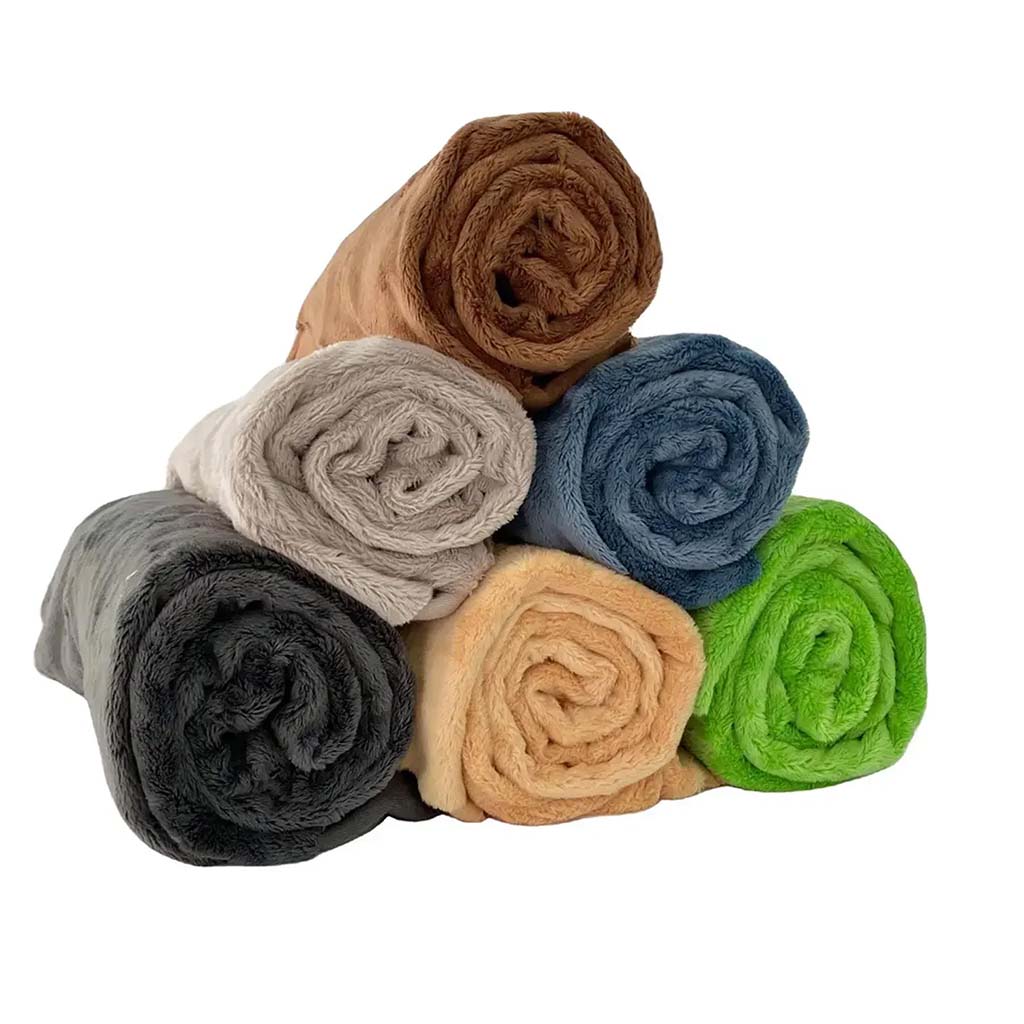
Pile construction is the textile engineering step that creates the tactile surface. It includes how loops are formed, whether loops are cut, pile height, fiber density (GSM), and how the pile is mechanically finished (brushing, shearing, sueding). Small changes here shift a fabric from “silky premium” to “cozy robust” or “dramatic furry.”
Important variables and their effects:
- Cut pile vs loop pile: Cut pile (loops cut open) makes the furry, fluffy surface we call plush. Loop pile is more textured and resilient; less common for cuddle toys but used where high abrasion is needed.
- Pile height: Short piles (1–3 mm) feel neat, work well for faces and baby products. Medium piles (3–6 mm) are balanced for general plush. Long piles (6+ mm) create dramatic faux fur looks for collector or novelty items.
- Pile density / GSM: Higher GSM (grams per square meter) means more fiber per area. High density creates a fuller, richer hand-feel and hides the backing. It also increases cost and weight.
- Backing construction (warp-knit, weft-knit, woven): Warp-knit backings are dimensionally stable and resist stretching—good for toys that need shape accuracy. Weft-knit backings are stretchier and can make sewing and pattern handling different.
- Mechanical finishing (brushing, shearing, sueding): Brushing raises fibers and creates softness. Shearing sets pile height. Sueding or napping gives a smooth, velvety touch. Anti-pilling finishes reduce bobbling over time.
How this maps to feel and use:
| Construction Factor | Typical Settings | Resulting Feel / Use |
|---|---|---|
| Cut pile, short (1–3 mm) | Minky baby plush | Silky, neat, easy detail, low lint with good finishing |
| Cut pile, medium (3–6 mm) | Classic teddy bodies | Balanced softness, economical |
| Cut pile, long (6+ mm) | Faux fur & long plush | Dramatic, decorative, more maintenance |
| High GSM | 280–450+ gsm (example ranges) | Fuller look, premium feel, higher weight |
| Warp-knit backing | Stable, low-stretch base | Keeps shape, improves seam strength |
| Brushing + shearing | Fine finishing passes | Smooth, even surface; critical for minky feel |
| Anti-pilling finish | Chemical / mechanical treatments | Extends appearance life under abrasion |
In practice I always ask for: pile height in mm, GSM, backing type, and photos of the fabric under 10x magnification. I then request a sewn & stuffed sample—because the pile looks and behaves differently on a 3D form.
How are performance properties compared across plush fabrics?
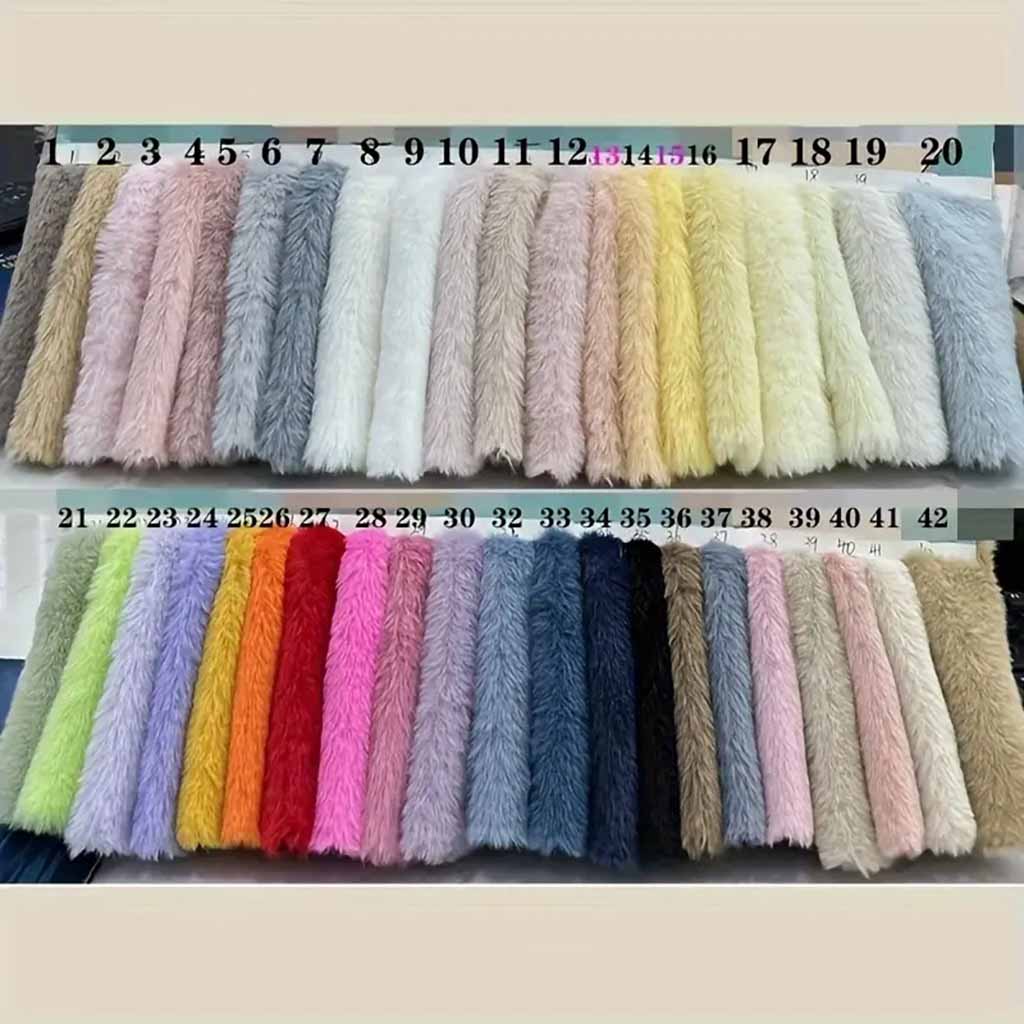
Good fabric selection is measurable. You should ask for standard test results and target acceptance levels. These metrics predict how the fabric will perform in the real world and in labs for compliance.
Key performance properties, why they matter, and typical targets:
- Pilling resistance: High pilling reduces aesthetic life. For mid to premium toys, aim for pilling Grades 4–5 in Martindale pilling tests after a specified number of cycles.
- Colorfastness (wash, rub, saliva, sweat): Prevents dye transfer to skin or other fabrics. For baby products, strong colorfastness to saliva and rub is essential. Targets: ISO/EN colorfastness ratings 3–5 depending on test; for saliva aim for 3–4 minimum.
- Abrasion resistance: Prevents bald spots and visible wear. Measured by Martindale cycles; define acceptable cycles for your SKU based on expected use.
- Tensile & seam strength: Strong seams are vital. Seams should meet defined minimum force values (ask factory for specific ASTM/ISO seam strength results).
- Flammability: Many markets require specific flammability behavior (EN 71-2 in EU, local regulations elsewhere). Fabrics must be tested accordingly.
- Lint / fiber shedding: For baby lines, low loose fiber is critical. Labs can measure loose fiber and simulate mouth-contact risks.
- Shrinkage: Define acceptable shrinkage percentages after wash cycles to prevent panel distortion.
I advise buyers to request lab test reports from accredited labs (SGS, Intertek, TÜV, etc.) for these properties before approving bulk fabric. Also, always test sewn & stuffed golden samples to confirm lab results translate to real product behavior.
Quick reference table for performance checks:
| Test / Property | Why It Matters | Typical Acceptance for Baby / Premium Lines |
|---|---|---|
| Pilling (Martindale) | Appearance after wear | Grade 4–5 after X cycles (specify cycles) |
| Colorfastness (wash/rub/saliva) | Skin/clothes safety & look | ≥3–4 for saliva; ≥4 for wash/rub preferred |
| Abrasion resistance | Surface durability | Define cycles based on SKU (e.g., 10k+ cycles) |
| Seam strength | Avoid stuffing leaks | Min force per seam per ASTM/EN spec |
| Flammability | Legal safety compliance | Pass EN 71-2 (EU) or equivalent local test |
| Lint / shedding | Baby safety & neatness | Low shedding threshold; lab or in-house test |
| Shrinkage | Fit and shape after wash | ≤3–5% depending on fabric and washing conditions |
What sourcing factors guide material selection for brands?
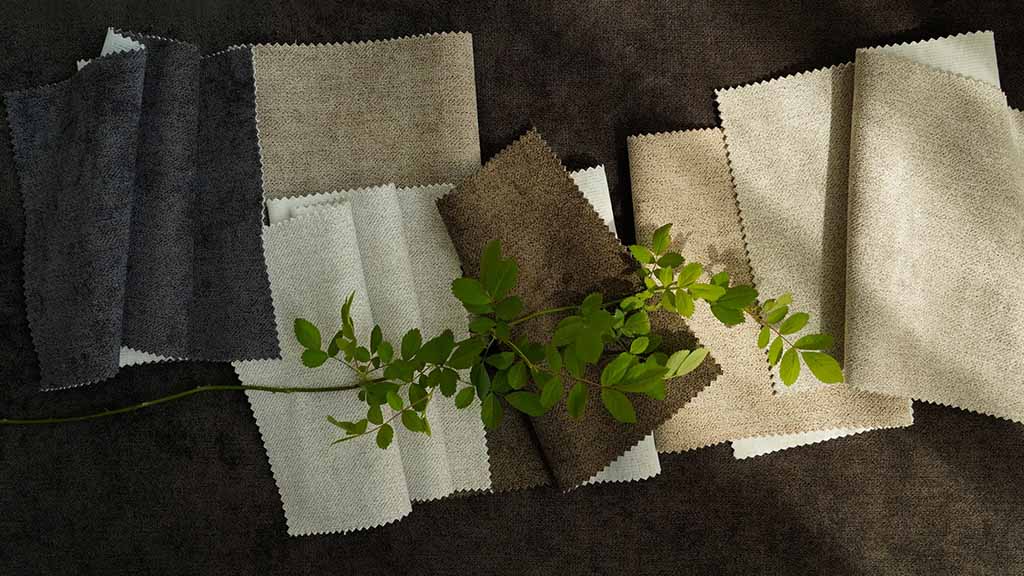
Technical fit alone doesn’t decide the final fabric. Operational and commercial realities often tip the scale. Brands must think about MOQ, lead times, roll widths, color repeatability, certifications, and cost-to-landed price.
Practical sourcing considerations I raise with teams:
- MOQ & colorway flexibility: Some mills have high MOQ per color. If you want many colors, ask for smaller-lot options or consolidated dye runs. Confirm minimum meters per color.
- Lead time & seasonal capacity: Popular fabrics can have long lead times, especially during peak seasons. Plan 12–20+ weeks for new dye lots sometimes.
- Color repeatability / dye lot control: Retailers expect consistent color across production runs. Ask suppliers how they control dye lot variance and what delta E tolerance they can maintain.
- Certificates & testing history: For baby products or top retailers, ask for OEKO-TEX®, GRS (for rPET), and lab reports (EN 71-3, colorfastness tests). Keep these documents for audits.
- Roll width & cutting yield: Wider rolls reduce seams and waste in cutting. Ask roll widths and calculate yield with your patterns to estimate fabric usage.
- Finishes & customization: Anti-pilling, sueding, and embossing add cost and lead time. Decide early if such finishes are required.
- Supplier reliability & traceability: Prefer mills with stable track records, clear traceability, and supplier audits. This reduces surprises in quality or legal compliance.
- Landed cost & freight: Fabric price per meter is only part of the story. Include freight, duties, and handling when comparing options.
I typically ask suppliers for two concrete options: a core, cost-effective fabric and a premium upgrade. Then we make sewn & stuffed golden samples for both and compare real product behavior, not just fabric hand.
Table: sourcing checklist and questions.
| Sourcing Factor | Why It Matters | Questions to Ask Supplier |
|---|---|---|
| MOQ & colorways | Affects inventory & variety | MOQ per color? Can you produce smaller pilot runs? |
| Lead time | Launch timing and seasonality | Current lead time? Peak-season capacity? |
| Dye lot control | Visual consistency | What ΔE tolerance and repeatability? |
| Certifications | Market access & retailer needs | OEKO-TEX, GRS, lab reports available? |
| Roll width & yield | Cutting efficiency | Standard roll widths and recommended lay plan? |
| Finishes | Performance & feel | Available anti-pilling or sueding? Extra lead time? |
| Price to landed cost | Total cost impact | FOB per meter and palletization details? |
| Traceability & audits | Risk management | Can you provide mill audit and material trace? |
How do sustainability trends influence plush fabric choices?
Sustainability is no longer experimental. Retailers and consumers often expect visible action. For plush fabrics, the most scalable move is switching to recycled polyester (rPET) for both fabrics and stuffing. But sustainable choices must be honest, certified, and tested.
Trends and implementation details I see on the factory floor:
- rPET in fabrics and stuffing: Many brands start by using rPET fiberfill and rPET plush fabric. A well-made rPET fabric can match the hand-feel and performance of virgin polyester. Always ask for GRS or equivalent certification and test reports. Verify odor, loft, and colorfastness in sewn samples.
- Lower-impact dyes & finishes: Request mills that use low-impact dyeing processes and reduced chemical inventories. OEKO-TEX® Standard 100 is commonly requested for fabrics that contact skin.
- Recycled & recycled-blend packaging: Switching to recycled hangtags, recycled polybags, or reduced plastic packaging is an easier initial win.
- Biobased or natural fibers for niche SKUs: Organic cotton, bamboo blends, and kapok appear in small collections where a natural story matters. These need careful testing for washability and storage.
- Transparency & traceability: Brands increasingly want chain-of-custody documents and visible supplier audits. This builds retailer confidence.
- Circular product design: For a few progressive brands, we discuss design for disassembly and take-back programs. This rarely affects the fabric choice directly but influences labels and instructions.
Practical, phased approach I recommend:
- Start with rPET stuffing — easiest change with clear credence.
- Test rPET outer plush on 1–2 SKUs, run full lab tests (pilling, colorfastness, flammability).
- If results are good, expand rPET to more SKUs and document with certificates.
- Add recycled packaging and clear labeling to communicate the change to consumers.
Table: sustainability options and notes.
| Sustainability Option | Typical Impact | Buyer Considerations |
|---|---|---|
| rPET stuffing | Lowers virgin polyester use; similar feel | Check GRS certificate; verify no odor or loft loss |
| rPET outer fabric | Reduces virgin plastic footprint | Test pilling and colorfastness; check availability and MOQ |
| OEKO-TEX / low-impact dyes | Reduces harmful chemical residues | Useful for baby skin-contact items; request certificates |
| Organic / natural fibers | Strong natural story | Test washability and pilling; can increase cost |
| Recycled packaging | Visual sustainability step | Easy to implement; communicate clearly on tags |
| Traceability & audits | Retailer trust | Prefer suppliers with documented audits and traceability |
Conclusion
A good plush toy is safe, soft, durable, and appealing while also offering branding opportunities. At Kinwin, we help global buyers select plush fabrics that balance hand-feel, performance, cost, and sustainability. We create sewn & stuffed golden samples, run the necessary lab tests, and document certifications so your products pass compliance and delight customers. Contact us at [email protected] or visit kinwintoys.com to discuss your next plush project and explore how our factory can support your success.