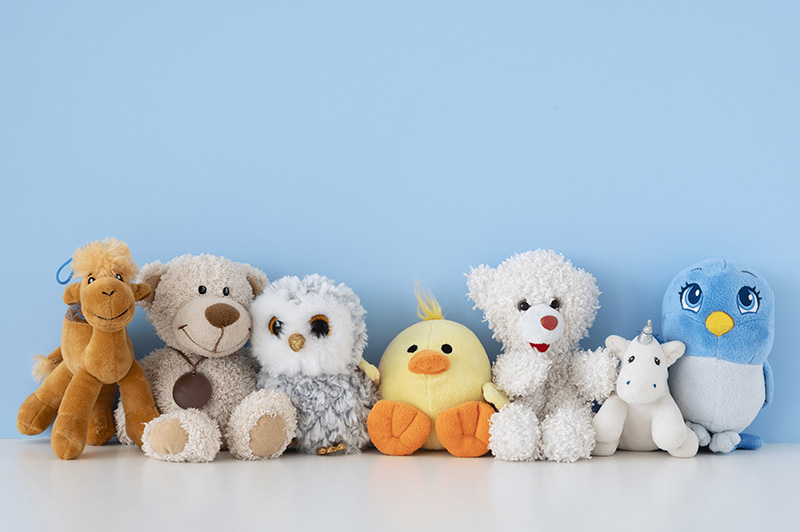
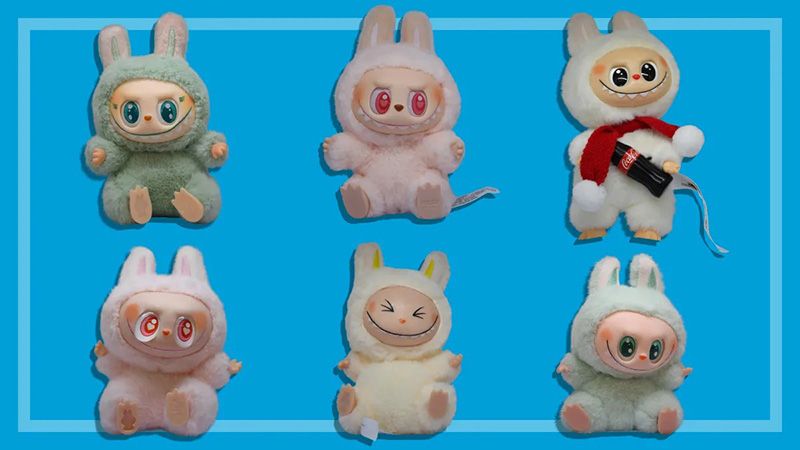
Walk into any toy aisle or scroll social media today and you’ll see them everywhere: round faces, tiny noses, and huge glittering eyes staring back at you. These “big-eye” plush toys have become one of the strongest global trends in the plush category—beloved by kids, collectors, and gift shoppers.
Stuffed animals with big eyes are usually called big-eye plush, big-eyed stuffed animals, or big-eye plushies in the toy market. Many famous lines—such as Ty’s Beanie Boos and Aurora’s YooHoo & Friends—specialize in oversized, sparkly-eyed designs that use proportion, color, and glossy eye materials to create an instant “cute” and collectible look.
In this guide, I’ll walk through how the big-eye trend started, how brands design these toys, what safety details matter, and how you can plan your own big-eye plush line as a retailer, brand owner, or buyer.
What defines stuffed animals with oversized eyes in the toy market?
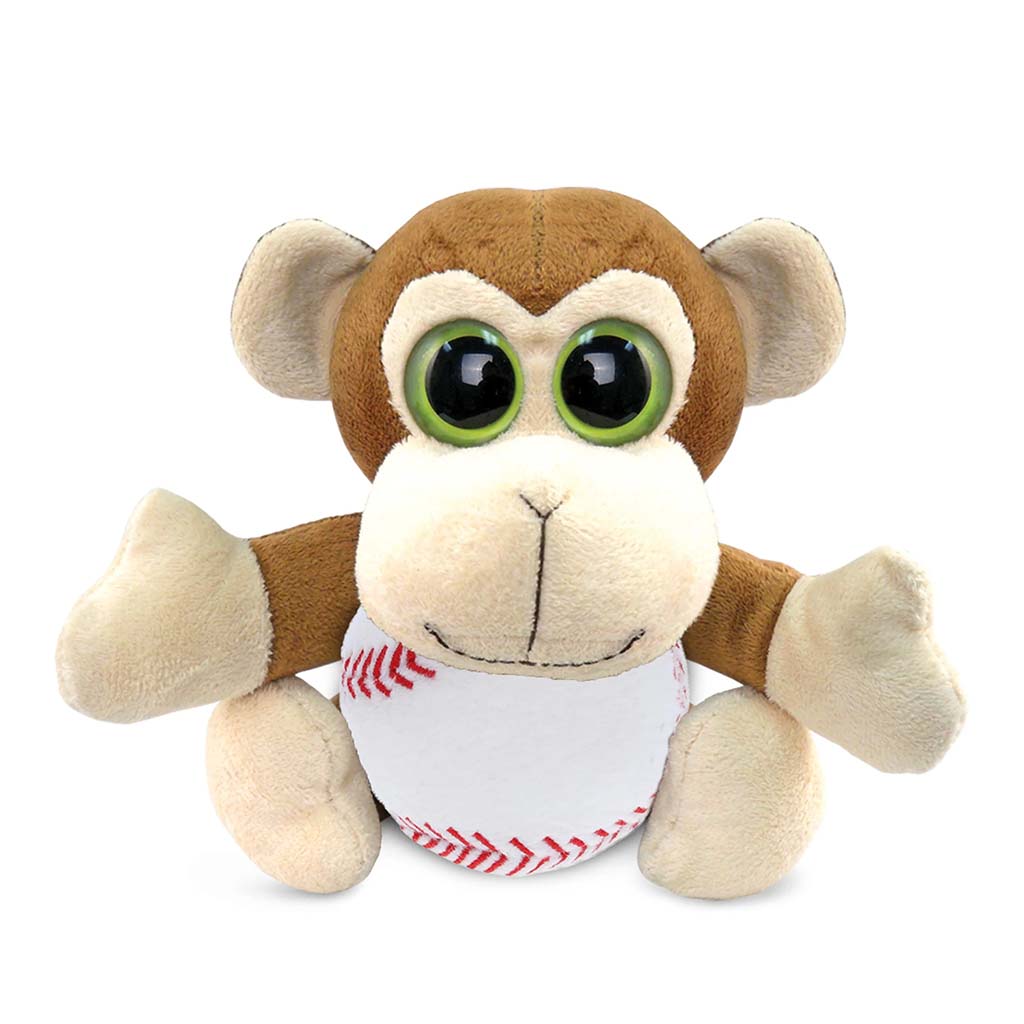
In the industry, we don’t use one single official term, but we do recognize “big-eye plush” as a clear visual and commercial style. These are plush toys with deliberately exaggerated eyes—often much larger than natural proportion—designed to trigger a “so cute” reaction.
Big-eye stuffed animals are defined by enlarged, often shiny or glittery eyes, simplified faces, and compact bodies. The eyes become the main focal point, usually set high and wide on the face, creating a baby-like, vulnerable look that makes people want to protect and collect them.
Big-eye plush toys can be:
- Real animals (cats, owls, dogs, pandas)
- Fantasy creatures (unicorns, dragons, monsters)
- Branded mascots or characters
They show up in multiple categories: kids’ toys, collectibles, keychains, blind-box series, and even fashion accessories on handbags.
Key defining traits of big-eye plush
| Aspect | Typical Big-Eye Plush Look | Why It Matters |
|---|---|---|
| Eye size | Much larger than realistic proportion | Instantly signals “cute” and expressive |
| Eye material | Glossy plastic, glitter domes, or embroidered highlights | Adds sparkle and visual focus |
| Face design | Simple nose and mouth, minimal lines | Keeps attention on the eyes |
| Body proportion | Round head, compact body, short limbs | Childlike / chibi silhouette |
| Use cases | Toys, collectibles, bag charms, gifts | Works across kids, teens, and adults |
When we design for clients at Kinwin, “big-eye plush” is usually a clear brief: eyes first, everything else supportive.
How did big-eye plush trends emerge and gain global popularity?
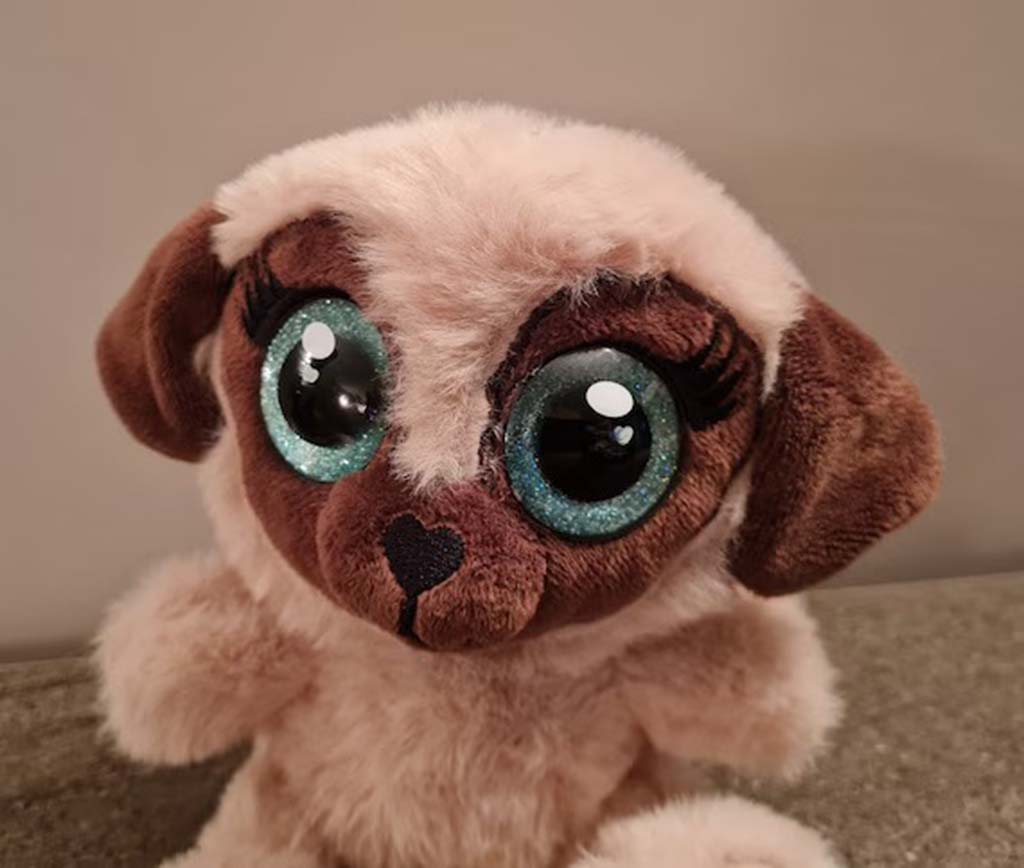
Big-eyed characters are not new. In illustration and animation, large eyes have been used for decades to show emotion—especially in Japanese anime and kawaii culture. Plush designers simply translated that language into 3D soft toys.
The modern big-eye plush trend grew from a mix of kawaii character design, 1990s–2000s collectible plush culture, and specific product lines like Ty’s Beanie Boos and Aurora’s YooHoo & Friends, which positioned big-eyed animals as cute, collectible companions rather than just standard stuffed toys.
Over time, big eyes became a recognizable “category signal”: when buyers see them, they instantly think “collectible,” “cute,” and “giftable.” Social media, unboxing culture, and adult collecting have pushed this even further.
Milestones in the big-eye plush story
- Anime & kawaii art made big eyes a visual shorthand for emotion and cuteness.
- 1990s collectible plush fads (like Beanie Babies) showed the power of naming, series, and scarcity.
- Beanie Boos by Ty focused heavily on oversized, sparkly eyes and a collectible system with names and birthdays.
- YooHoo & Friends by Aurora used bright colors and trademarked big sparkly eyes as core identity.
- Recent designer and blind-box brands expanded the “big-eye / big-head” style into high-fashion accessories and adult collectibles.
Big-eye trend evolution overview
| Period | Key Drivers | Effect on Big-Eye Plush |
|---|---|---|
| Early kawaii | Anime, manga, cute character design | Established “big eyes = emotional, cute” |
| 1990s–2000s | Collectible plush (e.g., Beanie culture) | Showed value of named, series-based plush |
| 2010s | Launch of dedicated big-eye lines (Boos, YooHoo) | Locked in “big-eye plush” as a subcategory |
| 2020s | Social media, adult collecting, fashion | Turned big-eye plush into lifestyle accessories |
For your own product planning, it helps to see big-eye plush as part plush, part collectible, part “visual identity asset.”
Which design features—proportions, colors, materials—create the big-eye aesthetic?
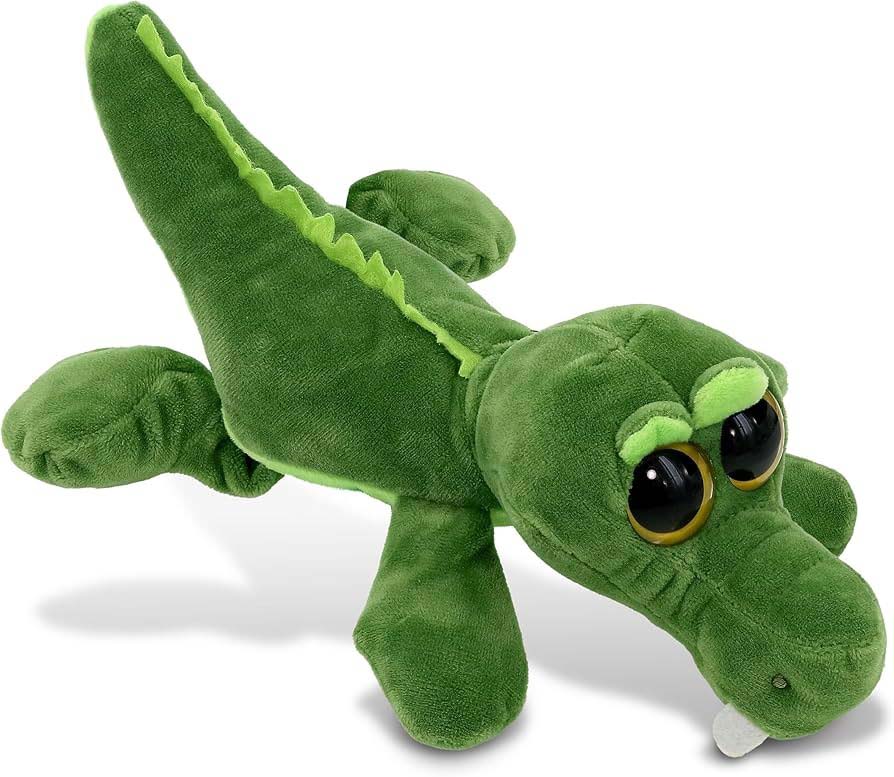
Even without a logo, you can often recognize a big-eye plush from across the room. That is the power of consistent design choices. To create this aesthetic, you need to control proportions, eye style, color palette, and fabric mix very carefully.
The big-eye plush look usually combines a large, rounded head with eyes that occupy a big share of the face, simplified features, saturated or pastel colors, and fabrics that reflect or frame the eye area. Glossy or glittery plastic eyes are common, but embroidery can also work for softer or baby-targeted lines.
Proportions and expression
- Oversized head (often 1:1 or even bigger compared with body).
- Eyes placed slightly lower or centered on the face for extra cuteness.
- Tiny nose and mouth, often drawn with a single curved line.
Colors and materials
- Bright or gradient eye colors to stand out.
- Plush fabrics in pastel or bold tones that complement eye color.
- Occasional metallic or glitter fabrics for ears, paws, or belly.
Design ingredients of big-eye plush
| Design Element | Common Big-Eye Choice | Visual Effect |
|---|---|---|
| Head–body ratio | Big head, small body | Instantly “chibi” and childlike |
| Eye style | Large domed plastic, glitter centers, or big embroidery | Focus on gaze and emotional expression |
| Nose & mouth | Very small, simple, minimal lines | Keeps attention on eyes |
| Color palette | Bright, pastel, or fantasy gradients | Feels collectible and “Instagram-ready” |
| Fabrics | Minky, short plush, sometimes faux fur accents | Soft touch with clean color or fun texture |
When I design ODM concepts for buyers, we often start by locking the eye style and size first, then building the entire character line around that signature look.
What major brands and product lines specialize in big-eye stuffed animals?
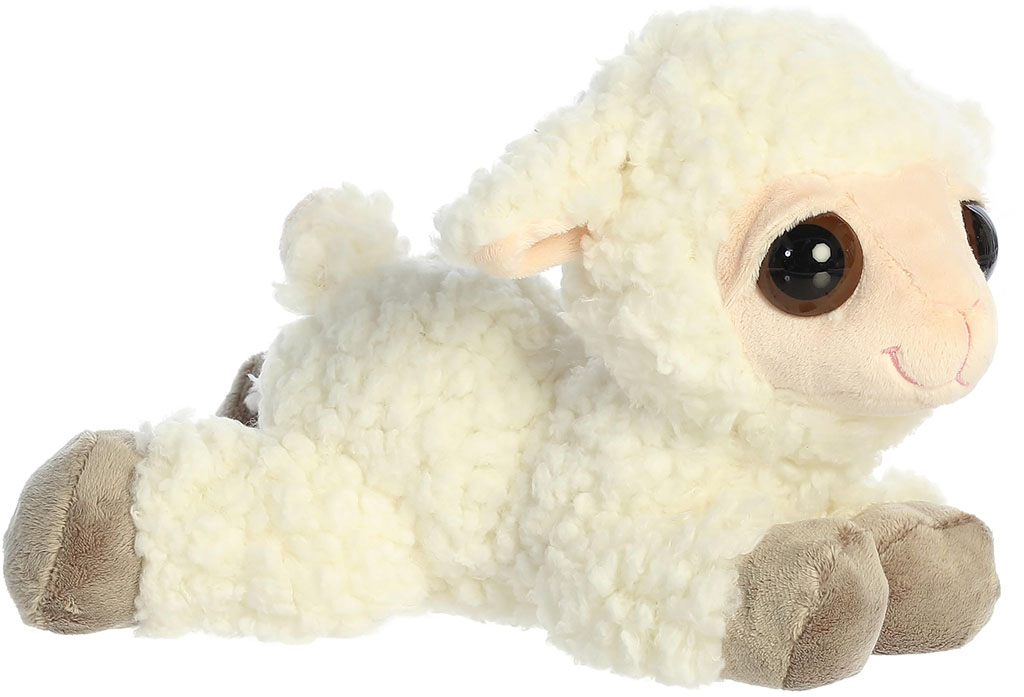
Several global brands have built entire product lines around oversized, expressive eyes. You’ll see these names often in stores and online when you search “big-eyed stuffed animals.”
The most recognized big-eye plush ranges include Ty’s Beanie Boos and Aurora’s YooHoo & Friends, both of which emphasize large, sparkly eyes as a core brand identity. Beyond these, many modern IPs, blind-box toys, and designer plush lines adopt the same big-eye visual language, even if they aren’t marketed strictly as “big-eye plush.”
These lines often combine:
- Named characters
- Strong backstories or media tie-ins
- Clear size tiers (keychain, small, medium, jumbo)
- Seasonal and limited editions
Representative big-eye plush brands and lines
| Brand / Line | Big-Eye Feature Highlights | Positioning in Market |
|---|---|---|
| Ty – Beanie Boos | Large glossy eyes, glitter irises, named characters | Mass-market collectibles, kids & teens |
| Aurora – YooHoo & Friends | Big sparkly eyes, colorful tails, animated series tie-in | Character-driven, eco and story themes |
| Various blind-box / designer IPs | Big heads, big eyes, stylized expressions | Adult collectors, fashion, lifestyle |
| Retail / fast-fashion brands | Seasonal big-eye plush for gifting | Affordable, impulse purchase items |
| OEM / private-label lines | Custom big-eye mascots for brands | Tailored to brand colors and characters |
As an OEM/ODM factory, we often build private-label big-eye lines for clients who want the same emotional impact as famous brands, but with their own characters and logos.
How do safety, materials, and construction differ in big-eye plush designs?
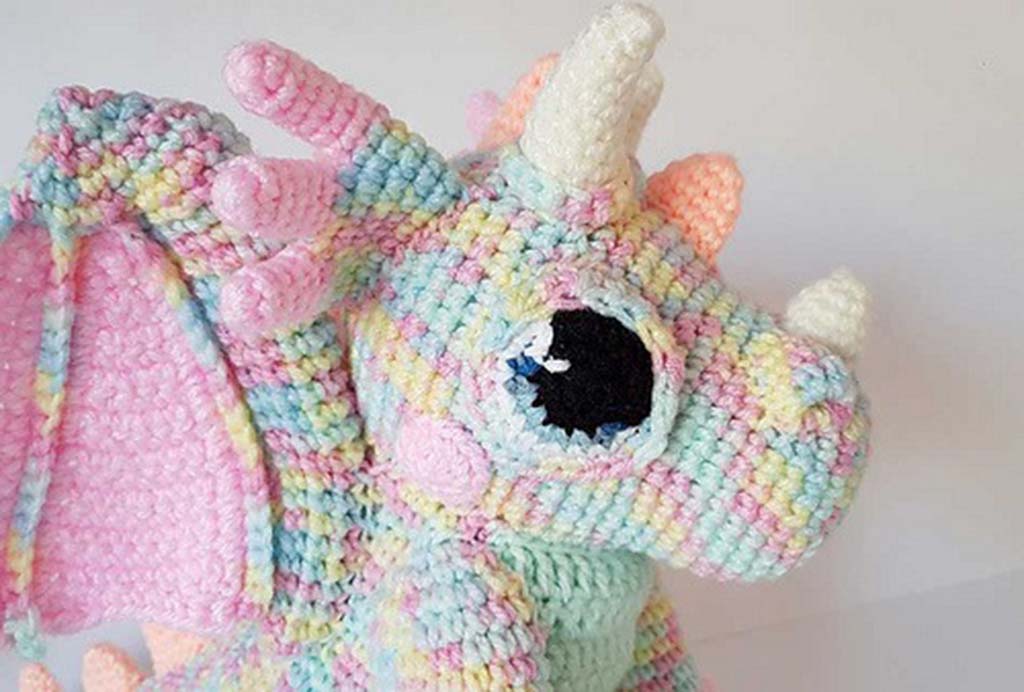
Big-eye plush toys are still soft toys, so they follow the same safety frameworks as other stuffed animals—but the oversized eyes and stylized proportions create extra engineering questions. The eyes must be secure, surfaces must be smooth, and the head–body balance must remain stable.
Compared with regular plush designs, big-eye stuffed animals often use more robust eye-attachment methods, extra internal support near the face, and careful seam reinforcement around the head. Safety standards like EN71 and ASTM F963 still apply, so big-eye toys must pass pull tests, small-parts checks, and chemical limits, especially if hard plastic eyes are used.
Safety and construction points to consider
- Eye attachment: safety eyes must pass pull tests; for baby ranges, many brands use embroidered eyes instead.
- Head structure: a large head may need internal shaping or adjusted stuffing density so it doesn’t flop excessively or strain the neck seam.
- Surface materials: glitter or metallic fabrics must be colorfast and non-toxic.
- Seam strength: stress points around the head, neck, and limbs need reinforcement because collectors and kids handle the face frequently.
Safety & construction comparison
| Area | Standard Plush Focus | Big-Eye Plush Extra Focus |
|---|---|---|
| Eyes | Secure but normal size | Oversized eyes need extra-strong fixation |
| Head–body ratio | Mildly stylized | Very big heads require balance and support |
| Fabrics | Soft, safe, colorfast | Sometimes glitter/metallic; must still be safe |
| Seams | Normal reinforcement | Extra stitching around face & neck |
| Testing | EN71 / ASTM / CPSIA etc. | Same tests, but special attention to eye pull |
When you brief a factory for big-eye designs, it’s important to say target age group and market up front so material and eye-choice decisions match your safety needs.
How do collectors, kids, and gift markets influence demand for big-eye plush toys?
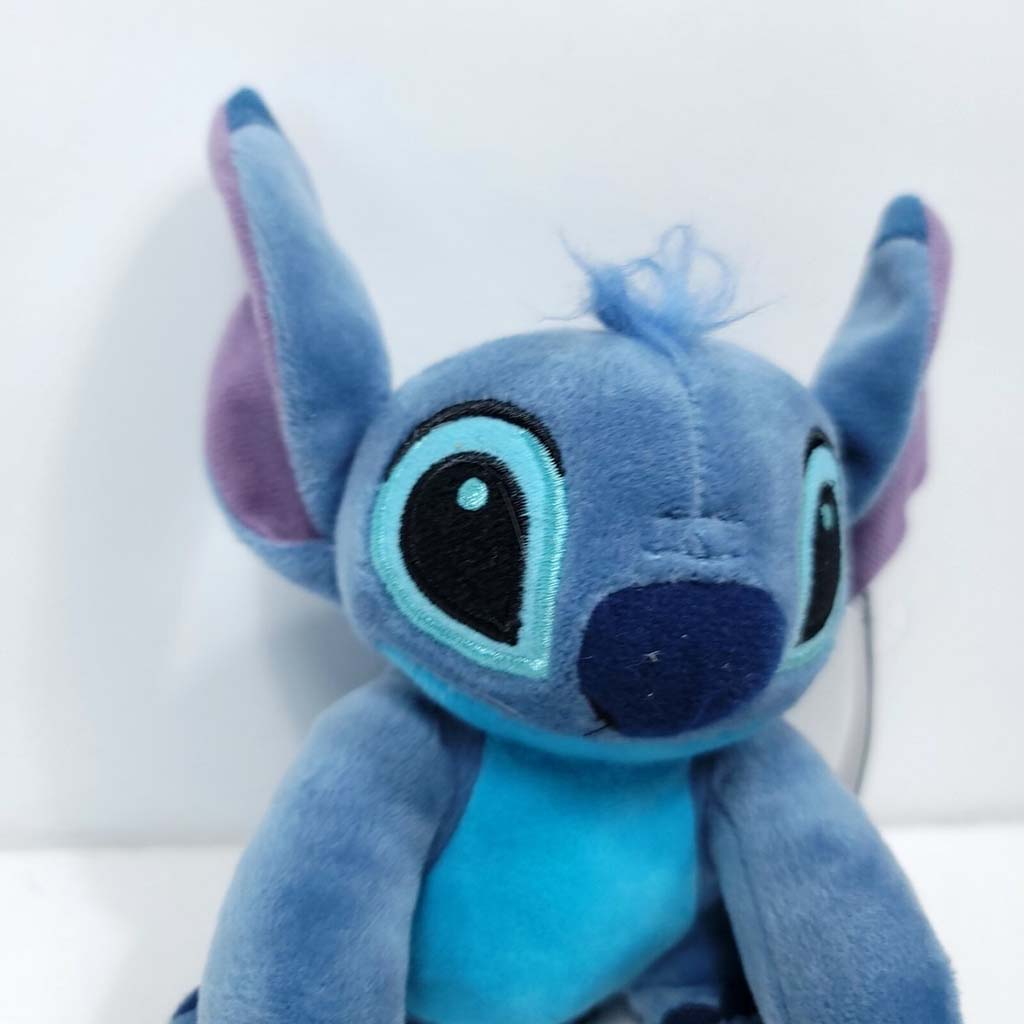
Big-eye plush sits at the sweet spot between children’s toys, teen aesthetics, and adult collecting. This wide appeal is a big reason the style has grown so fast—your customer base is not just kids, but also parents, teens, young adults, and gift buyers.
Collectors love big-eye plush because the designs are instantly recognizable and easy to group into series; kids respond to the strong “cute” and expressive faces; gift buyers see them as safe, universal presents. Social media trends, unboxing videos, and limited-edition releases amplify this demand, turning some big-eye plush lines into long-lasting mini fandoms.
Main demand drivers by audience
- Children – want bright colors, simple emotional faces, and huggable size.
- Tweens / teens – care about style, online trends, and how plush looks in photos or on bags.
- Adult collectors – focus on scarcity, series completion, and display value.
- Gift buyers – look for “easy wins”: cute, non-controversial, and suitable across ages.
Audience and demand overview
| Audience Group | What They Look For in Big-Eye Plush | How You Can Design for Them |
|---|---|---|
| Young children | Softness, friendly faces, bright colors | Use simple shapes, safe eyes, washable fabrics |
| Tweens / teens | Aesthetic, trends, shareable designs | Add strong character themes and line stories |
| Adult collectors | Limited runs, unique details, display quality | Offer numbered editions, seasonal variants |
| Gift shoppers | Universal appeal, cute packaging | Keep designs versatile and easy to understand |
| Fandom / niche markets | IP tie-ins, exclusive collabs | Partner with media, games, or influencers |
From a sourcing point of view, big-eye plush performs especially well in gift shops, e-commerce, pop culture stores, and themed campaigns, because one strong eye style can support dozens of characters and seasonal refreshes with relatively small pattern changes.
Conclusion
Stuffed animals with big eyes—often called big-eye plush, big-eyed stuffed animals, or big-eye plushies—have become a powerful subcategory in modern plush design. When you understand how proportions, materials, safety engineering, and audience needs work together, you can turn these large-eyed characters into high-performing products for kids, collectors, and gift buyers.
At Kinwin, we help global brands and buyers develop custom big-eye plush lines that balance cute visual impact, safe construction, and scalable production across different sizes and price points. If you’re planning your own big-eye series or want to add this style to your current plush range, you’re very welcome to contact me at [email protected] or visit kinwintoys.com to explore how our factory team can support your next project.