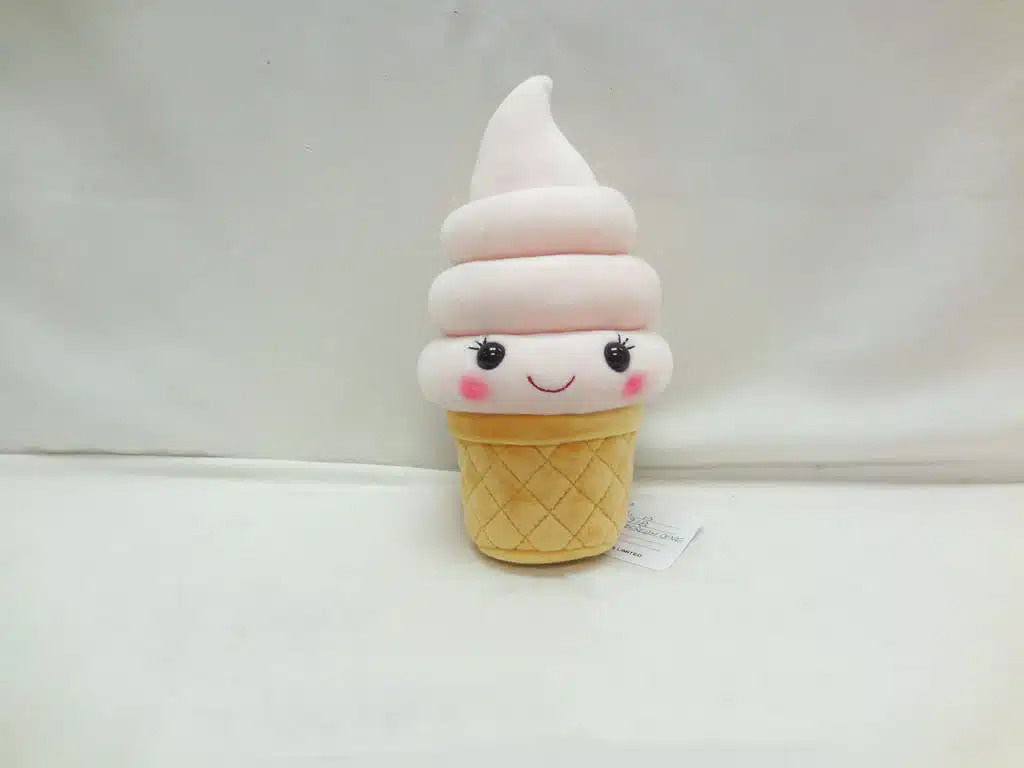
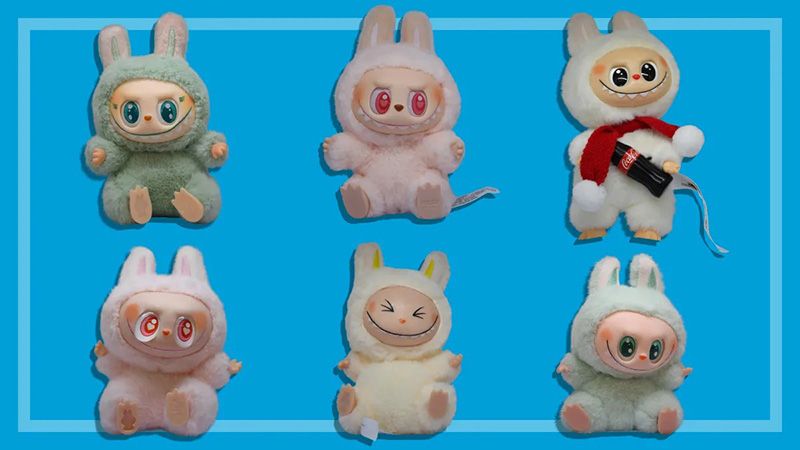
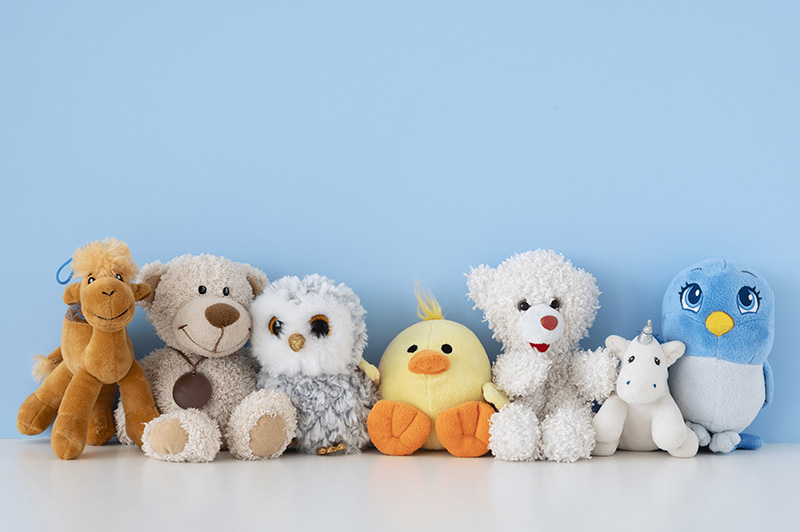
People call stuffed animals by many names, and the “right” term often depends on region, sales channel, and who the toy is made for. I’m Amanda from Kinwin, and in this guide I’ll explain the most common industry terms, how wording changes across markets, and how B2B brands can choose naming conventions that improve clarity, reduce disputes, and support SEO.
In simple words, stuffed animals are most commonly called stuffed animals, plush toys, soft toys, or plushies. “Stuffed animal” is very common in the US, “soft toy” is widely used in the UK and some Commonwealth markets, and “plush toy/plushie” is popular in modern online shopping and fandom culture. For B2B catalogs and trade documents, the safest approach is to use a primary standard term (like “plush toy”) and add regional synonyms where needed.
What are the most common industry terms for stuffed animals?
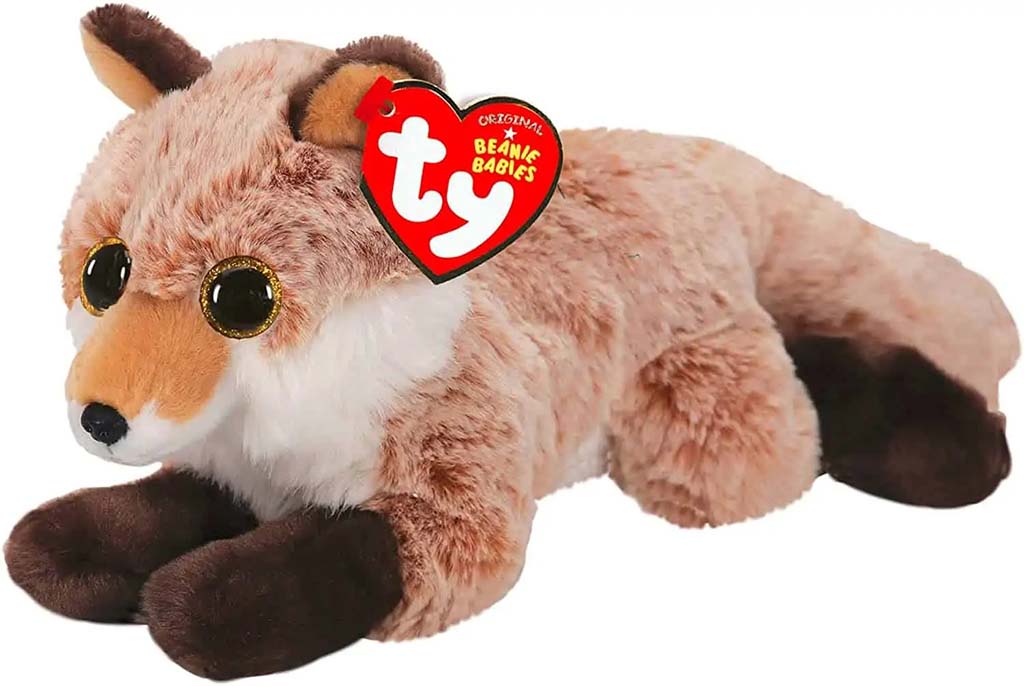
In the toy industry, there are “formal” terms used for product categories and “everyday” terms used by consumers. Most businesses blend both: they keep category labels professional, but include friendly synonyms so shoppers understand instantly.
The most common terms you will see globally include:
- Stuffed animal
- Plush toy
- Soft toy
- Plushie
- Teddy bear (often used as a category-style keyword, even for non-bears)
- Plush doll (for human-like or mascot-like designs)
Each term carries a slightly different impression. “Stuffed animal” suggests an animal form. “Plush toy” is broader and fits animals, characters, and novelty shapes. “Soft toy” is simple and parent-friendly. “Plushie” sounds modern and collectible.
| Term | What it usually means | Typical product style | Most common users | Best place to use it |
|---|---|---|---|---|
| Stuffed animal | Soft toy, often animal-shaped | Bears, bunnies, dogs | US consumers | Consumer titles and FAQs |
| Plush toy | Broad category for plush products | Animals + characters | Retailers, B2B buyers | Catalogs, listings, specs |
| Soft toy | Simple, kid-friendly term | Children’s comfort toys | UK/AU consumers | UK product pages and packaging |
| Plushie | Casual noun for a plush toy | Collectibles, fandom | Teens/adults online | Social media, series names |
| Teddy bear | Often used as a “search term” category | Bears and bear-like plush | Shoppers | SEO and gift positioning |
How do names like plush, plushie, and soft toy differ by region?
Regional language changes how customers search and how they interpret your product. This is a big deal for global brands because the same listing can perform well in one country and poorly in another if the wording feels unnatural.
In general:
- United States: “stuffed animal” and “plush toy” are very common.
- United Kingdom / Australia: “soft toy” and “teddy” are commonly used.
- Online global fandom: “plushie” is very popular across regions.
For B2B, I recommend not choosing only one term. Use a primary term for consistency, and add regional synonyms in supporting text.
| Region/channel | Most natural customer term | Secondary terms to include | Why it matters | Listing strategy |
|---|---|---|---|---|
| USA retail/e-commerce | stuffed animal | plush toy, plushie | Matches common search habits | Title: “Plush Toy (Stuffed Animal)” |
| UK/AU retail | soft toy | plush toy, teddy | Sounds normal to parents | Use “soft toy” in headings |
| EU mixed markets | plush toy | soft toy, stuffed animal | Multilingual influence | Use broad “plush toy” base |
| Teen/adult collectors | plushie | plush toy | Community language | Use “plushie” in collection names |
| B2B sourcing | plush toy | stuffed animal, plushie | Category clarity | Use “plush toy” as primary |
Which terminology is used in retail, manufacturing, and trade contexts?
Different business contexts need different wording. Retail needs clarity and emotion. Manufacturing needs technical accuracy. Trade documents need consistent categories to avoid disputes.
In my factory work at Kinwin, we usually separate terms like this:
- Retail product pages: use the shopper’s language first.
- Manufacturing specs: use standard category terms plus precise descriptors.
- Trade/PO documents: keep naming consistent and measurable.
This approach reduces confusion when a buyer says “plushie,” but the factory needs to define size, fabric, filling, and compliance scope clearly.
| Context | Best primary term | Why it works | What to add | What to avoid |
|---|---|---|---|---|
| Retail product title | stuffed animal / plush toy | Clear to shoppers | Character name, size | Too many synonyms in title |
| Product description | plush toy + plushie | Covers intent + style | “soft,” “cuddly,” care info | Keyword stuffing |
| Manufacturing spec sheet | plush toy | Standard category | Fabric, fill, stitching details | Casual slang only |
| Purchase order | plush toy | Reduces disputes | SKU code, dimensions | Multiple competing names |
| Trade show catalog | plush toys | Category clarity | “custom plushies” subtitle | Overly trendy wording only |
How do age groups and use cases influence stuffed animal naming?
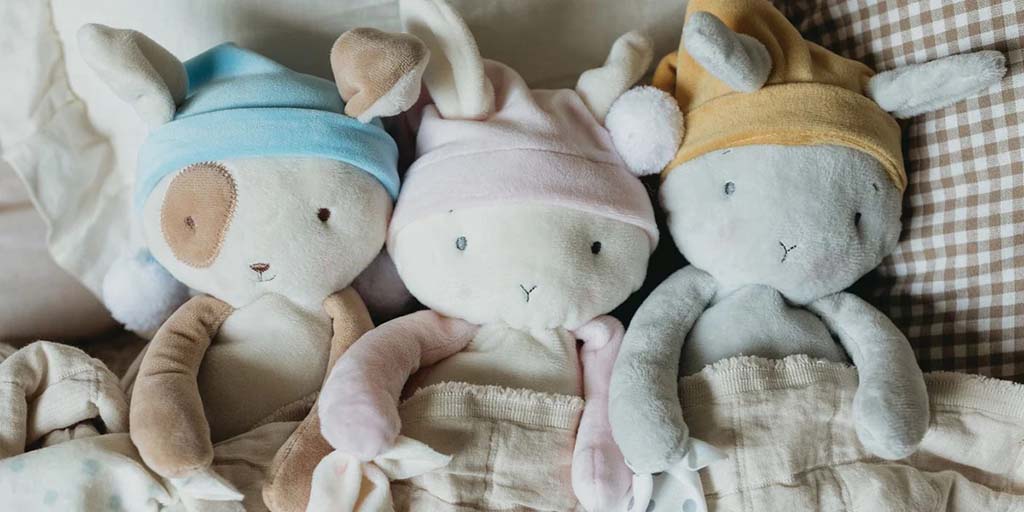
Naming changes with who uses the product and how they use it. A baby product needs trust and simplicity. A collectible plush needs personality and story.
Common patterns:
- Baby/toddler: “soft toy,” “baby plush,” “comfort toy”
- Kids: “stuffed animal,” “plush toy”
- Teens/adults: “plushie,” “collectible plush”
- Promotional: “mascot plush,” “custom plush toy”
- Travel/sleep: “comfort plush,” “sleep buddy”
From a B2B view, naming should match the buyer’s intent. Parents prioritize safety and care. Collectors prioritize accuracy and series identity. Promotional buyers prioritize branding and delivery.
| Audience/use case | Best naming style | Why it fits | Add-on wording | Risk if named wrong |
|---|---|---|---|---|
| Babies/toddlers | soft toy / baby plush | Sounds safe and gentle | “washable,” “embroidered face” | Feels unsafe or too “toy-like” |
| Kids play | stuffed animal / plush toy | Clear and common | “durable stitching” | Looks confusing |
| Collectors | plushie / collectible plush | Matches community tone | “limited series” | Feels too childish or generic |
| Gift market | plush toy gift | Clear gifting intent | “gift-ready packaging” | Low perceived value |
| Promotions | custom plush toy | Business language | “logo,” “brand colors” | Buyers doubt capability |
Are there differences between licensed character names and generic terms?
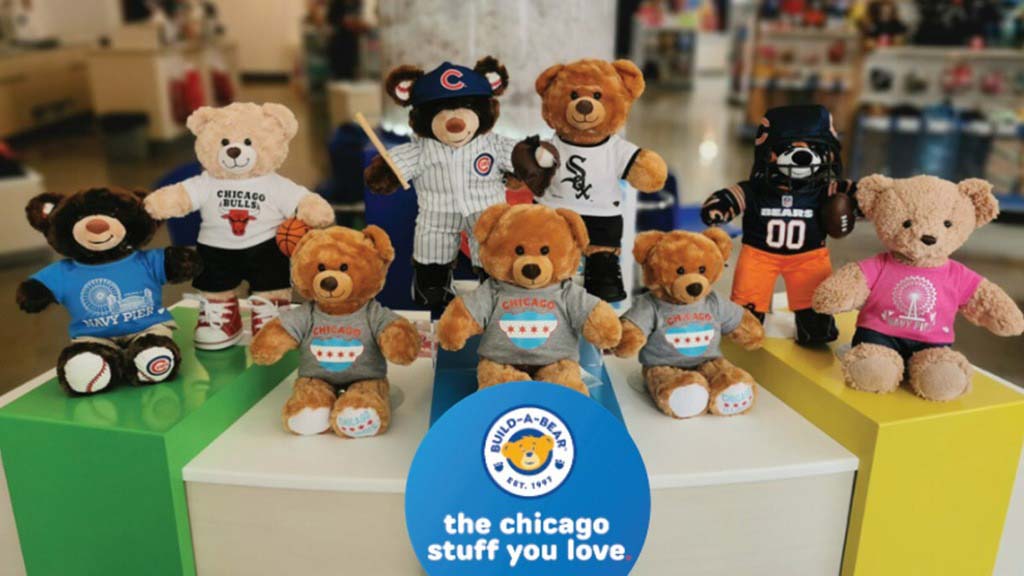
Yes, and this matters for both marketing and compliance. Generic terms describe the product category. Licensed character naming describes the brand/IP identity.
For example:
- Generic: “plush toy,” “stuffed animal,” “soft toy”
- Licensed: “official character plush,” “licensed plush toy,” character name + series
Licensed plush often needs more controlled language because:
- The brand must approve product naming
- Packaging and tags must follow licensing rules
- Visual identity consistency becomes part of the product promise
Even for non-licensed products, using “character plush” can position your item as story-driven and collectible.
| Naming type | What it communicates | Best for | What to include | What to be careful about |
|---|---|---|---|---|
| Generic term | Category and function | Most SKUs | Size, material, age info | Don’t overclaim “official” |
| “Character plush” | Story-driven design | Brand mascots | Character description | Avoid confusion with licensing |
| “Licensed plush” | Official IP product | True licensed lines | License wording + approvals | Use only when authorized |
| Character name in title | Identity and search | Fan markets | Series name, version | Keep naming consistent across SKUs |
| Collection naming | Repeat purchase | Series strategy | Drop name, theme | Avoid too many variations |
What naming conventions should B2B manufacturers use for global markets?
For global markets, the best naming convention is simple and structured. I recommend a “two-layer” system:
- Primary standard term for documents and catalogs: Plush Toy
- Regional synonyms for marketing and listings: stuffed animal, soft toy, plushie
This keeps your business communication stable while still capturing customer search behavior.
At Kinwin, I standardize naming like this:
- Catalog category: Plush Toys / Stuffed Animals
- SKU naming: [Character/Animal] + [Size] + [Style] + [Key feature]
- Listing support: include “soft toy” and “plushie” naturally in description and FAQ
This approach reduces confusion, improves SEO coverage, and makes reorders smoother because everyone uses the same language.
| Asset type | Recommended naming format | Example | Why it works | Who it helps |
|---|---|---|---|---|
| B2B catalog | Plush Toys (Stuffed Animals) | “Plush Toys – Custom OEM/ODM” | Standard + clear | Buyers and sourcing teams |
| SKU name | Character + size + style | “Bunny 25cm Plush Toy” | Consistent reorders | Factory and warehouse |
| Online title | Plush toy + synonym | “Bunny Plush Toy (Stuffed Animal)” | Search coverage | E-commerce buyers |
| UK listing | Soft toy primary | “Bunny Soft Toy” | Regional language | UK parents |
| Social media | Plushie tone | “New Plushie Drop” | Matches community | Collectors |
Conclusion
Stuffed animals are called plush toys, stuffed animals, soft toys, and plushies depending on region and channel—and the best brands use a structured naming system to cover all audiences. At Kinwin, we help global buyers standardize catalogs and listings for clearer communication and stronger sales. Contact me at [email protected] or visit kinwintoys.com to discuss your next plush project and explore how our factory can support your success.