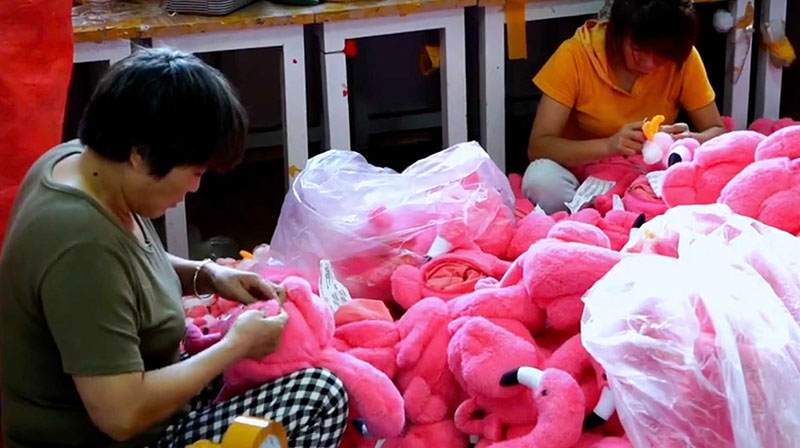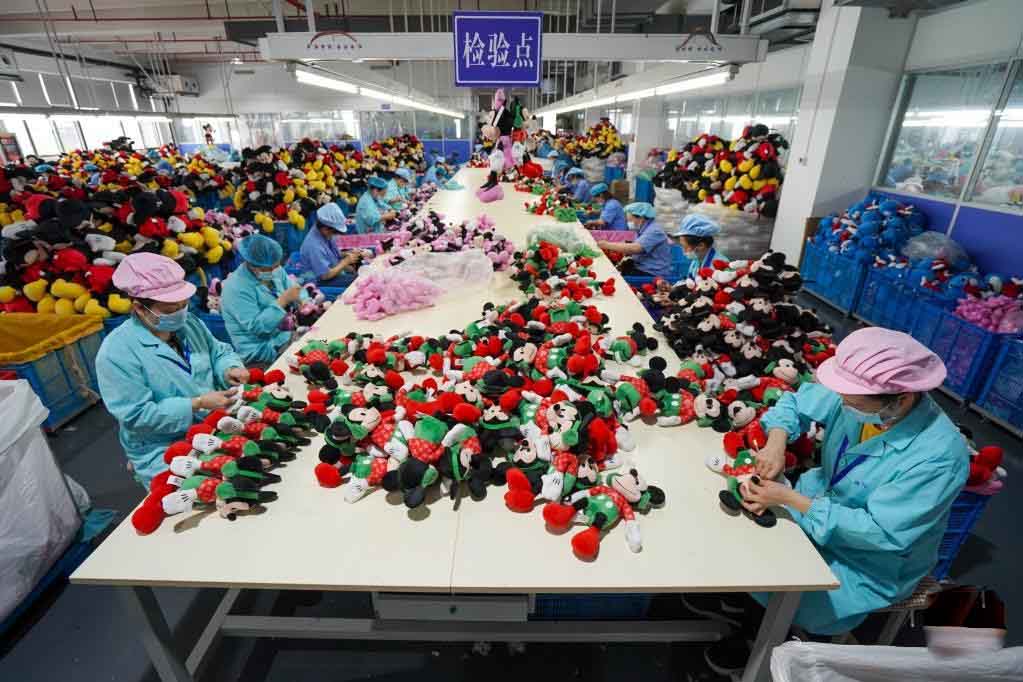
When you pick up a plush toy, you are really holding a bundle of materials: soft outer fabric, hidden stuffing, and little details like embroidery and trims. Each choice affects how the toy feels, how long it lasts, how safe it is, and how easy it is to sell in your market.
I’m Amanda from Kinwin in China. My team works with buyers from the USA, Europe, Japan, South Korea, and the Middle East to turn ideas into compliant plush toys. In this guide, I’ll walk you through the main plush materials used today, how different fabrics behave, and how to choose smarter for safety, quality, and sustainability.
What primary plush materials are used in modern toy manufacturing?
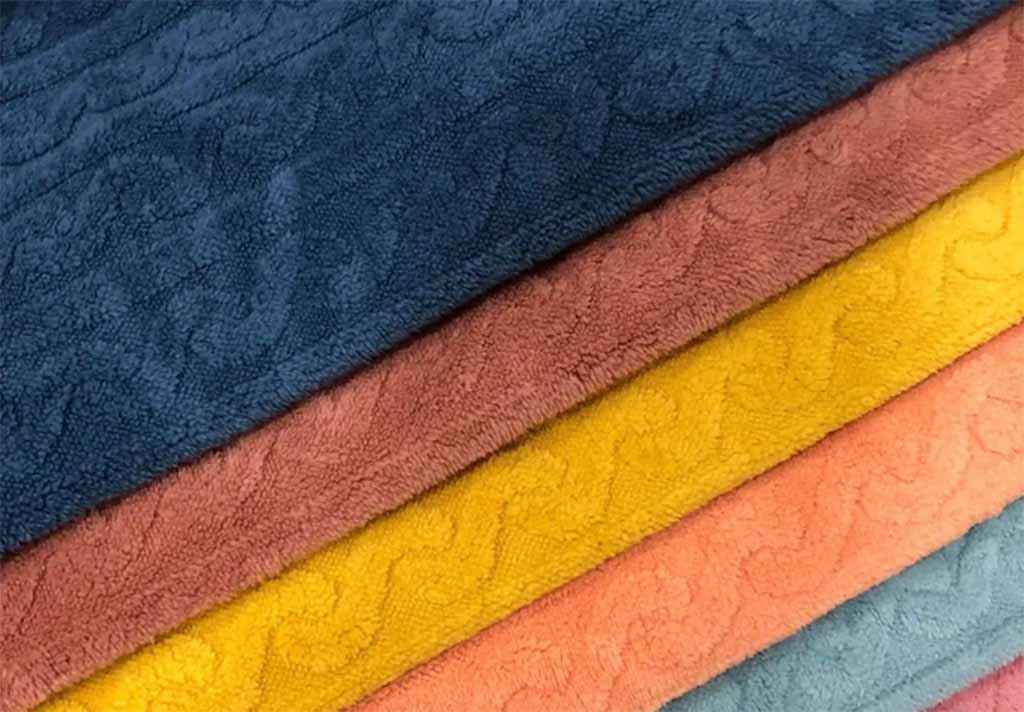
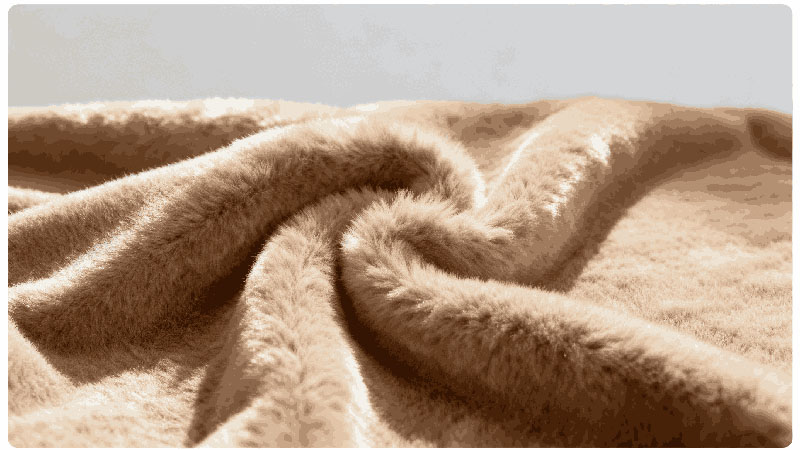
In modern plush toy manufacturing, most of the outer fabrics are variations of one big family: knitted polyester plush. The base is usually a knit backing; on top, we have a pile (the fuzzy layer). By adjusting pile length, density, and surface finishing, we get different fabrics like minky, velboa, fleece, short plush, long plush, and faux fur.
Why polyester? Because it is stable, colorfast, strong, and easy to wash. It also works well with digital and transfer printing, which is important for patterned plush. For more natural stories, we sometimes use cotton knits, terry, or linen blends, but these are less common as the main fur surface and more often used as clothing, patches, or baby-contact panels.
Stuffing materials also matter, but in this article I focus on outer plush. Still, it’s useful to remember that the fabric must work well with the inner filling (like polyester fiberfill, rPET fiberfill, or bead pouches). A very thin fabric with very soft filling can look flat; a denser plush working with well-controlled stuffing looks premium.
For each project, we classify fabrics by several axes: pile length (short vs long), hand-feel (silky vs cozy), weight (GSM), lint behavior, and wash performance. Once these are clear, we can match a fabric to the right age group, brand style, and price target.
Primary plush materials overview
| Material Type | Typical Construction | Common Use in Plush Toys | Key Advantages | Main Watch-outs |
|---|---|---|---|---|
| Minky (micro-plush) | Knit backing + short, sheared micro pile | Premium plush, baby toys, Squishmallow-style | Very soft, silky, “premium” look | Must control pilling, pile crush, lint |
| Velboa | Knit backing + very short, dense pile | Faces, small plush, detailed characters | Clean detail, low lint, crisp embroidery | Can feel slightly firmer than minky |
| Fleece | Brushed knit (often polyester) | Budget plush, clothing on plush, blankets | Cozy, warm, cost-effective | Low-grade fleece can pill heavily |
| Short plush | Short to mid pile, dense | General plush lines, baby-safe ranges | Good balance of softness and durability | Need to test anti-pilling and colorfastness |
| Long plush | Longer pile plush | Fluffy animals, fantasy creatures | Dramatic look, strong shelf impact | More shedding risk, harder to wash |
| Faux fur | High pile, often multi-tone | High-end animals, fashion plush | Realistic fur look, rich texture | Needs strong seams; control shedding |
| Cotton knit / terry | Natural knit fabrics | Baby loveys, clothing parts, patches | Breathable, natural story | Shrinkage, colorfastness, and wrinkling |
How do minky, velboa, and fleece differ in softness and durability?
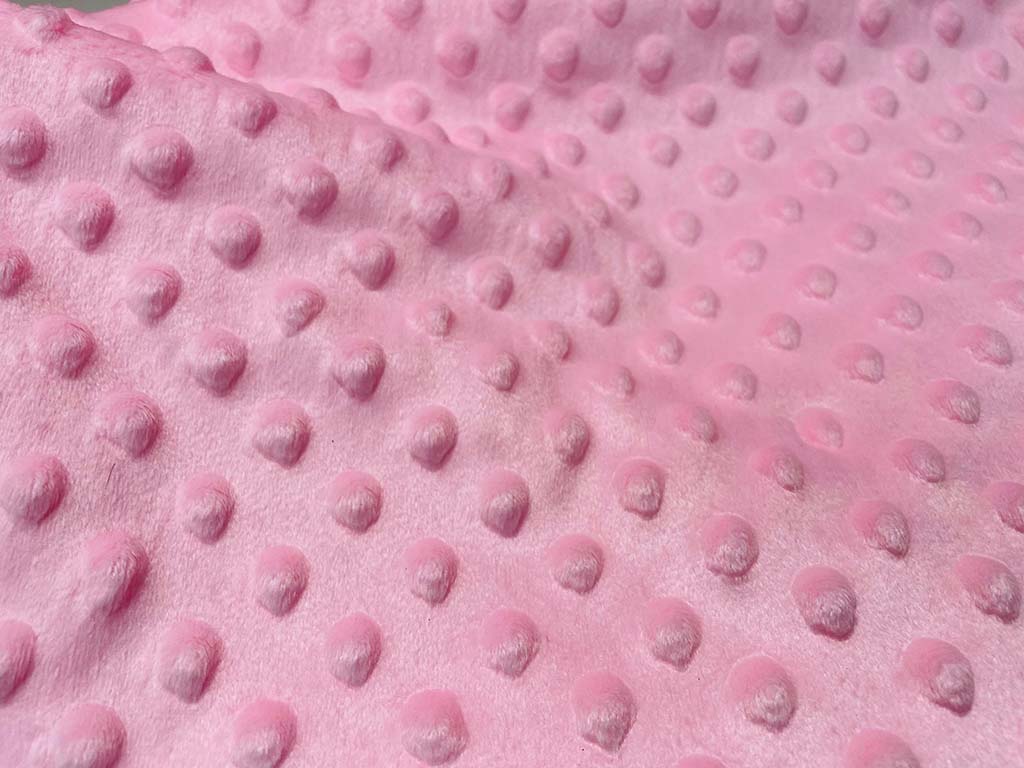
When buyers ask which fabric to use, minky, velboa, and fleece are usually the first three options on the table. They are all knitted, often polyester-based, but they feel and behave very differently.
Minky is a micro-plush. It uses very fine fibers and a short, sheared pile to create a silky surface with slight sheen. It feels “buttery” to the hand and works very well for baby plush, Squishmallow-style toys, pillows, and cuddle animals. With the right GSM and finishing, minky stays soft after multiple gentle washes and keeps a premium appearance.
Velboa is like a “micro version” of plush with ultra-short, dense pile. It feels smooth and slightly firmer than minky. Because of its low pile, it is excellent for faces, small plush, and areas with a lot of embroidery or printed details. It sheds very little and makes character lines (eyes, mouths, markings) look sharp. Many factories use a combination: minky for the body, velboa for the face and details.
Fleece is a brushed knit with a matte, cozy hand. It feels like a warm sweatshirt. Fleece is cost-effective and forgiving. It is great for plush clothing (hoodies, scarves), budget plush lines, and soft books. High-quality anti-pill fleece keeps a nice surface even after repeated washing. Low-grade fleece, however, can pill quickly and start to look old.
From a durability point of view, good minky and good velboa are both very strong if the backing is dense and the pile is short. Fleece can be just as durable when you choose anti-pill grades and control stitching correctly. The biggest risk in all three cases is using cheap, low-density versions that stretch too much, show backing, or pill.
Minky vs velboa vs fleece
| Fabric | Softness & Hand-Feel | Durability & Pilling | Best Typical Uses | When to be careful |
|---|---|---|---|---|
| Minky | Very soft, silky, slight sheen, “cloud-like” | Very durable with short pile; moderate pilling risk if low quality | Premium plush, baby toys, cuddle items, Squishmallow-style | Avoid very long pile minky for baby products; test for lint and wash performance |
| Velboa | Smooth, low pile, slightly firmer than minky | High durability, low pilling, very low lint | Faces, small plush, high-detail designs, logo areas | Full-body velboa can feel less “cuddly” if you want ultra-soft feel |
| Fleece | Cozy, matte, sweatshirt-like warmth | Good with anti-pill grades; poor with low-grade fleece | Budget plush, clothing on plush, blankets, soft books | Low-quality fleece pills, looks worn quickly; choose anti-pill for kids |
What role do long plush, short plush, and faux fur play in design variety?
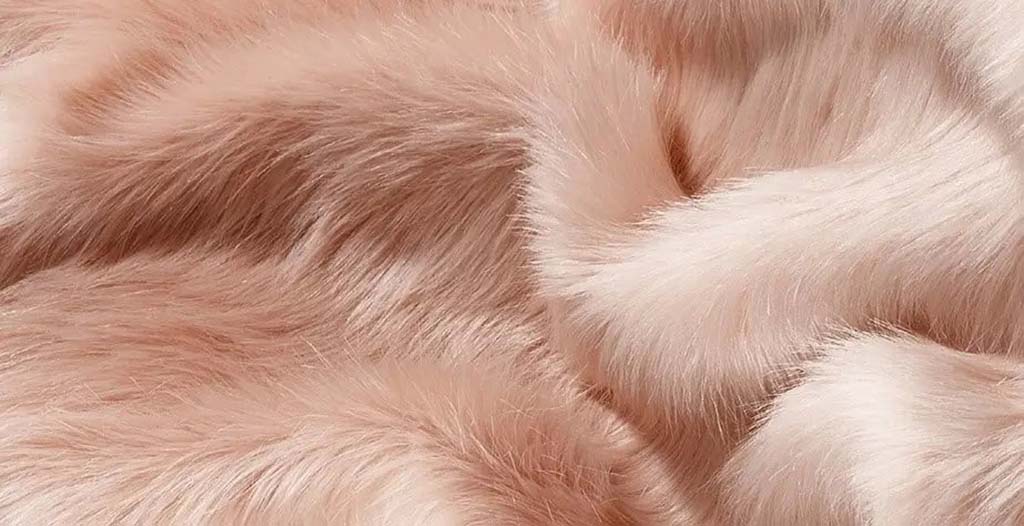
Beyond minky, velboa, and fleece, we use short plush, long plush, and faux fur to create different visual styles and characters. These fabrics help you define whether a plush toy looks cute, realistic, cartoon-like, or luxurious.
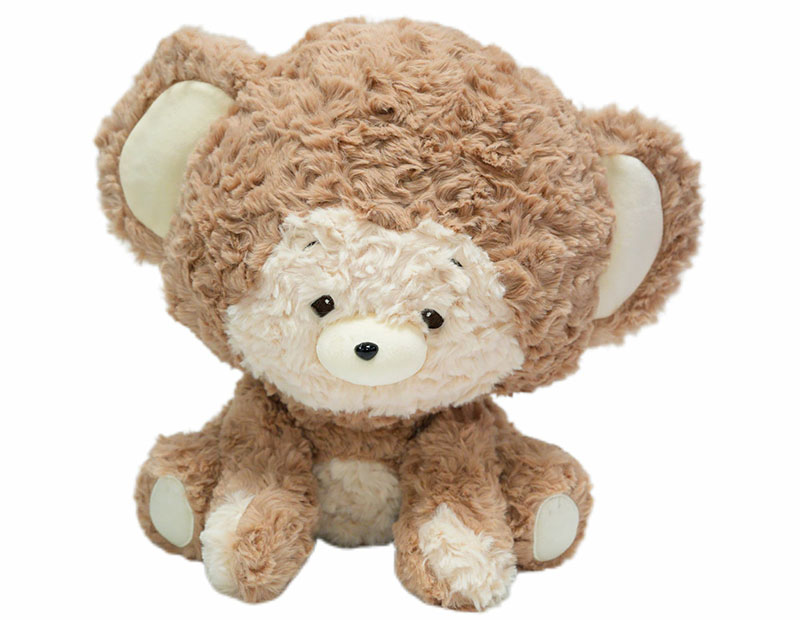
Short plush (often mid-length pile) gives a soft, full texture without being too heavy. It’s common in general plush lines because it balances softness, durability, and washability. For baby lines and high-wash products, we often specify short, dense plush to reduce lint and make cleaning easier.
Long plush has a noticeably longer pile. It creates fluffy, dramatic silhouettes—perfect for fantasy creatures, fluffy monsters, and statement pieces. It catches light in interesting ways, making the plush look richer on shelf and in photos. However, long plush can trap dust, is harder to clean thoroughly, and must be controlled for shedding and matting. We often avoid long plush for under-3 toys.
Faux fur is usually the top choice when you want a realistic animal or a high-fashion plush. It often uses multi-tone fibers, different pile directions, and complex finishing to mimic real fur. Faux fur is used in high-end bears, wolves, foxes, pets, and fashion plush. It requires strong stitching and good pattern design, because seams must be hidden under the pile for a natural look.
In a single collection, you can mix these materials to build a strong line: for example, short plush for main characters, long plush for “special edition” versions, and faux fur for a collector’s or premium line. This gives you tiered pricing and different emotional messages using the same character base.
Design variety with plush types
| Plush Category | Visual Effect | Typical Use Cases | Advantages | Challenges |
|---|---|---|---|---|
| Short plush | Clean, soft, not too bulky | Core plush ranges, baby-safe toys, mid-tier SKUs | Good softness + washability, balanced price | Must specify anti-pilling and density |
| Long plush | Fluffy, dramatic, eye-catching | Fantasy animals, monsters, “special editions” | Strong shelf and photo impact, feels luxurious | Higher lint, harder washing, more matting risk |
| Faux fur | Realistic, rich texture, sometimes multi-tone | Realistic animals, collector bears, fashion plush | Premium look, strong perceived value | Needs strong seams, careful cutting, more complex QC |
How do fiber composition and pile height affect texture and appearance?
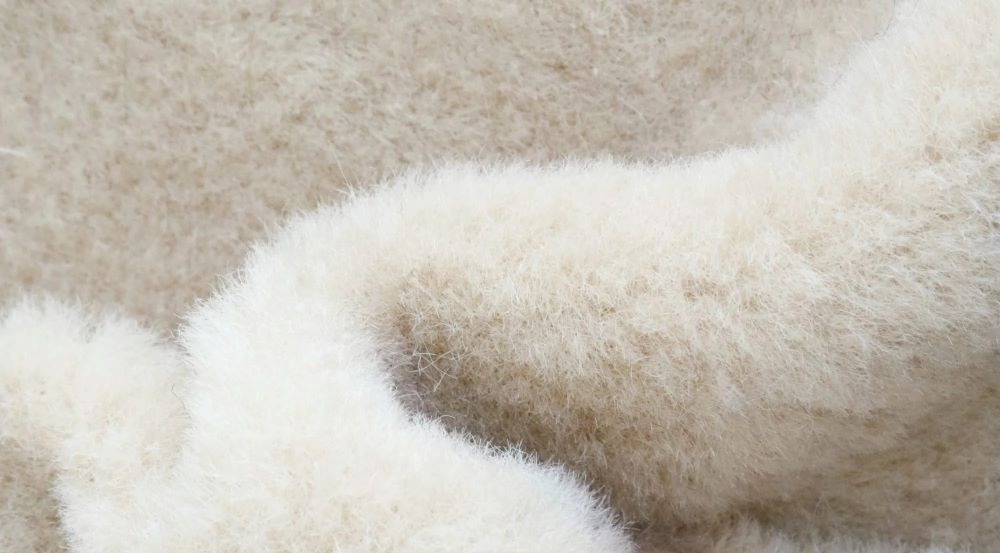
Two technical things decide a lot about how a plush fabric feels and looks: fiber composition and pile height (plus density). When you understand these, you can have much clearer conversations with factories and fabric mills.
Most modern plush fabrics use polyester fibers. Within polyester, we can adjust:
- Denier (thickness of each filament) – finer fibers = softer, smoother touch.
- Cross-section shape – round, trilobal, etc., which affects shine and how light reflects.
- Hollow vs solid – hollow fibers trap more air and can feel loftier.
Sometimes, we blend polyester with nylon or other synthetics to change hand-feel. For natural segments, we may use cotton, bamboo viscose, or other eco fibers in knit or pile, but these need extra testing.
Pile height is the length of the fiber protruding from the backing.
- Short pile (e.g., velboa, short plush) creates a clean, tidy surface with clear details. It is easier to embroider and print on.
- Medium pile (many minky and standard plush) gives depth and softness without being too bulky.
- Long pile (long plush, faux fur) gives maximum fluff and visual interest, but needs more care and stronger construction.
Pile density (how many fibers per area) also matters. High density usually means better coverage, less backing show-through, and richer feel, but more weight and cost. Low density can make a toy look thin or cheap.
From a brand perspective, this is where you decide your signature hand-feel. Some brands are known for very fine, silky microfiber plush. Others prefer a dense, slightly firmer plush that holds shape. When you work with a factory long-term, you can lock a specific fiber type, denier, pile height, and density so your products feel consistent across seasons.
Fiber composition and pile height impact
| Parameter | Option / Range | Effect on Texture & Appearance | Strategic Implication |
|---|---|---|---|
| Fiber composition | Polyester, polyester/nylon, cotton blends | Polyester = stable, washable; blends can change shine and softness | Most plush brands standardize on toy-grade polyester for consistency |
| Fiber fineness (denier) | Microfiber (≤1.0D) vs regular | Microfiber = softer, silkier; regular = firmer, sometimes more durable feel | Choose microfiber for premium/baby; regular for budget lines |
| Pile height | Short, medium, long | Short = clean details; medium = balanced softness; long = dramatic fluff | Match height to age group, wash needs, and design style |
| Pile density | Low, medium, high | High density = rich, full, no show-through; low = thin look | Higher density often means better quality perception but more cost |
| Backing construction | Warp-knit, weft-knit, circular knit | More stable backings hold shape and seams better | Important for complex shapes and high-wash toys |
What safety and compliance standards apply to plush fabrics globally?
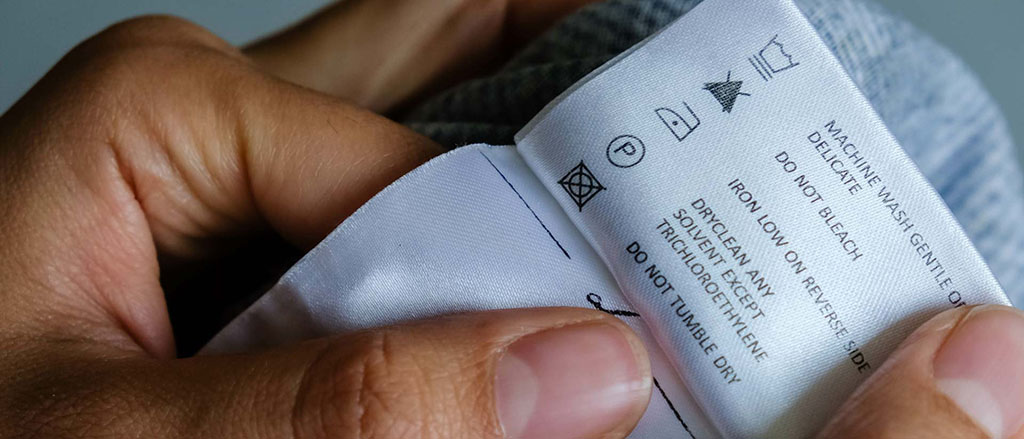
Even the softest plush fabric must also be safe and compliant. For global markets, we work with several main standards and regulations that control mechanical, chemical, and flammability risks.
The big frameworks are:
- EN 71 (Europe) – especially EN 71-1 (mechanical), EN 71-2 (flammability), EN 71-3 (migration of certain elements).
- ASTM F963 (USA) – toy safety standard, used together with CPSIA for limits on lead and certain phthalates.
- Other regional rules – such as UKCA, Canada’s regulations, and specific rules in markets like Japan or the Middle East.
- Textile certifications – such as OEKO-TEX® Standard 100, which is often requested for baby and skin-contact products.
For fabrics specifically, we check:
- Colorfastness (to washing, rubbing, saliva, and sweat) – to avoid color bleed on skin or clothes.
- Pilling and abrasion – to keep the surface safe and good-looking after use.
- Chemical composition – no restricted dyes, heavy metals, or dangerous finishes.
- Flammability behavior – fabric should not ignite too easily or burn dangerously fast.
A good factory does incoming fabric checks, keeps material traceability, and works with third-party labs (like SGS, TÜV, Intertek) to test fabric and the finished toy. As a buyer, you should expect to see test reports that match your actual SKU and actual production materials.
Key safety and compliance touchpoints for plush fabrics
| Standard / Area | What it covers | Impact on Plush Fabrics | Buyer Action Points |
|---|---|---|---|
| EN 71-1 (EU) | Mechanical & physical properties | Seam strength, small parts from fabric or trims | Ensure fabrics don’t fray into small parts; check seam design |
| EN 71-2 (EU) | Flammability | Burning behavior of fabric | Choose compliant fabrics; avoid highly flammable finishes |
| EN 71-3 (EU) | Migration of certain elements | Heavy metals from dyes or finishes | Use tested fabric mills; keep lab reports |
| ASTM F963 (US) | Toy safety (mechanical, flammability, chemicals) | Similar coverage; fabrics must pass relevant tests | Align specs with US market needs; consider both EU and US in one design |
| CPSIA (US) | Lead, phthalates in children’s products | Applies to coatings, inks, some finishes | Check any coatings/prints on plush fabrics |
| OEKO-TEX® Standard 100 | Human-ecological safety of textiles | Limits on harmful substances in fabrics | Strong selling point for baby & premium lines; ask suppliers for certificates |
How do eco-friendly and recycled plush materials support sustainable production?
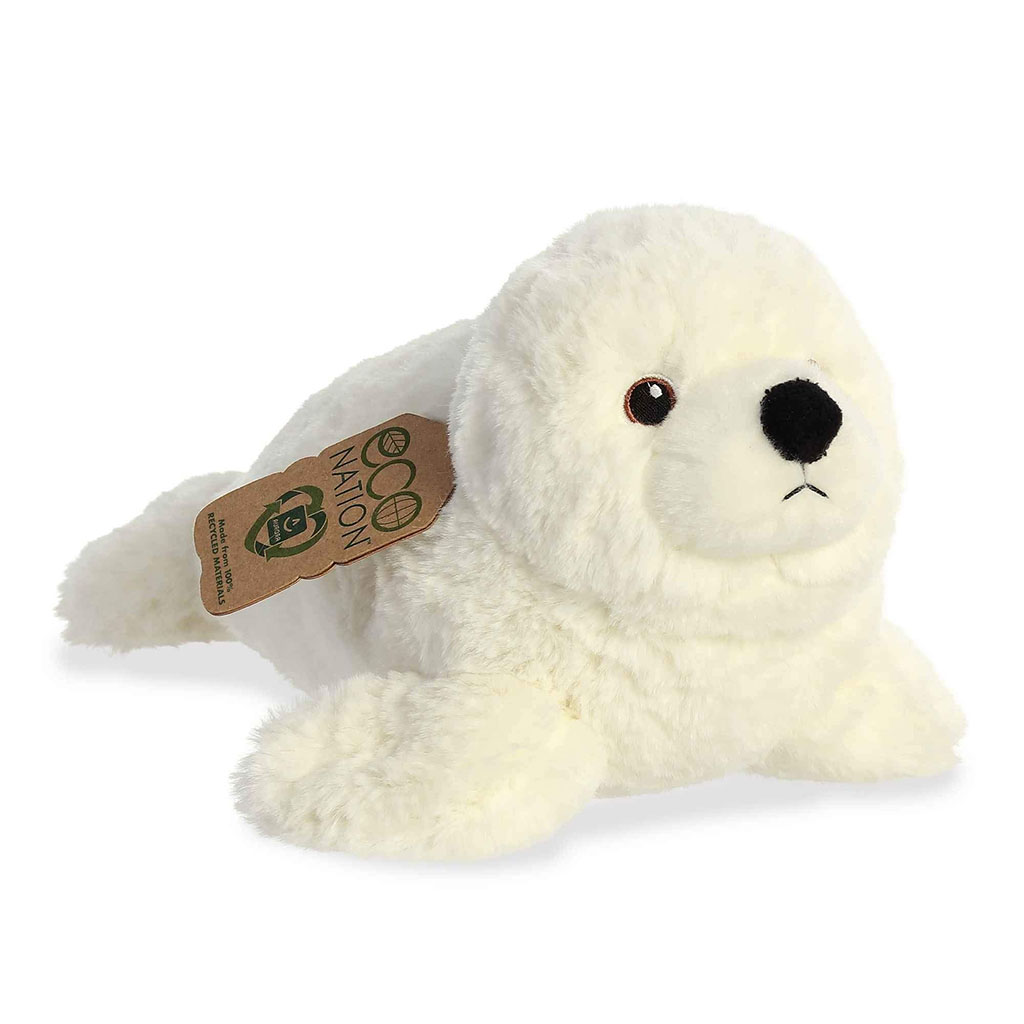
More and more buyers ask me, “Can we do this plush more eco-friendly without losing softness?” The short answer is: yes, but it needs planning and honest communication.
The most practical step in plush today is shifting to recycled polyester (rPET) for both outer fabric and stuffing. rPET uses recycled plastic (often from bottles) that is turned into new fibers. When well engineered, rPET plush fabric and rPET fiberfill can feel almost the same as virgin polyester, with similar wash and durability performance. For credibility, you should look for suppliers with GRS (Global Recycled Standard) or similar certification.
We can also introduce organic or eco-textiles like organic cotton knits, bamboo-viscose blends, or TENCEL™ for certain parts of the plush, especially for baby-contact panels, clothing, or loveys. These materials can support a natural story, but they need extra testing for shrinkage, colorfastness, and pilling. Fully swapping all plush fur to natural fibers is still challenging, especially for high loft and extreme softness goals, so many brands choose a hybrid approach: synthetic plush fur + eco stories in stuffing and trims.
Packaging is also part of the material picture. Using FSC-certified cartons, reduced plastic bags, or recycled hangtag materials can support your sustainability message without touching the plush itself.
The most important point: eco material claims must be truthful and documented. Buyers should ask for certificates, test reports, and supply-chain notes before using terms like “recycled,” “organic,” or “eco-friendly” in marketing.
Eco-friendly plush material pathways
| Area | Eco Option | Benefits | Points to Watch |
|---|---|---|---|
| Outer fabric | rPET plush (recycled polyester), blends with eco fibers | Reduced virgin plastic, good performance when specified well | Need GRS or similar proof; test hand-feel and shedding |
| Stuffing | rPET fiberfill, partially recycled blends | Same hug feel as regular fiberfill with eco story | Check consistency of loft and cleanliness |
| Baby-contact panels | Organic cotton knit/terry, bamboo viscose | Natural story, breathable touch | Test shrinkage, colorfastness, and lint |
| Trims & labels | Recycled polyester labels, organic cotton labels | Strong detail for eco branding | Ensure print durability and readability |
| Packaging | FSC cartons, minimal plastic, recycled paper tags | Easy sustainability win, lower plastic use | Balance protection with material reduction |
By mixing these options, you can design a plush line that feels soft, looks beautiful, passes tests, and also supports your brand’s sustainability commitments.
Conclusion
A good plush toy is safe, soft, durable, and appealing while also offering branding opportunities. The right plush materials—minky, velboa, fleece, short plush, long plush, faux fur, and recycled options—allow you to tailor each design to your target users, markets, and price tiers without compromising on safety and performance.
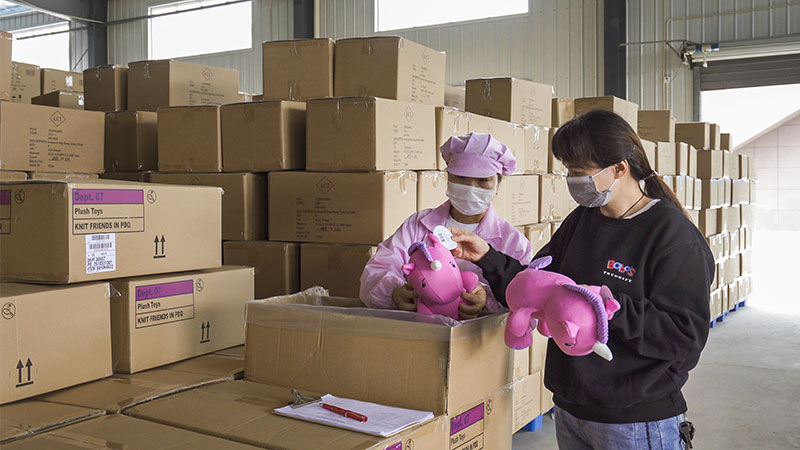
At Kinwin, we help global buyers select and test plush materials that fit their brand story, compliance needs, and budget. Whether you want baby-safe short plush, premium faux fur, or a full rPET sustainable line, my team can guide you from fabric swatch to shipment. Contact us at [email protected] or visit kinwintoys.com to discuss your next project and explore how our factory can support your success.