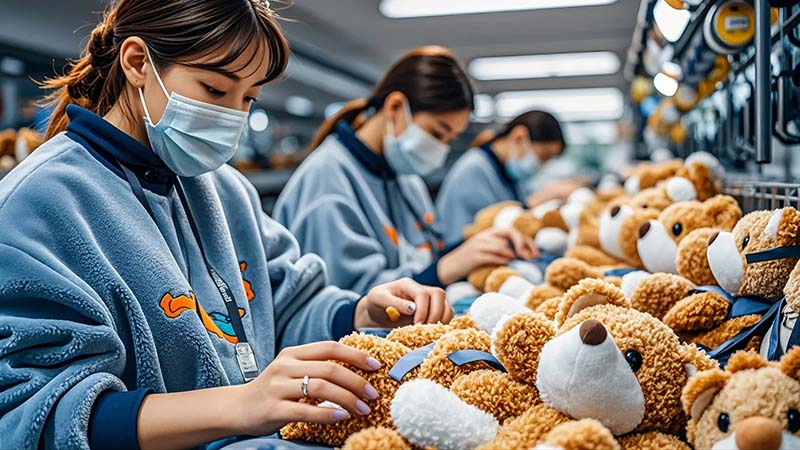
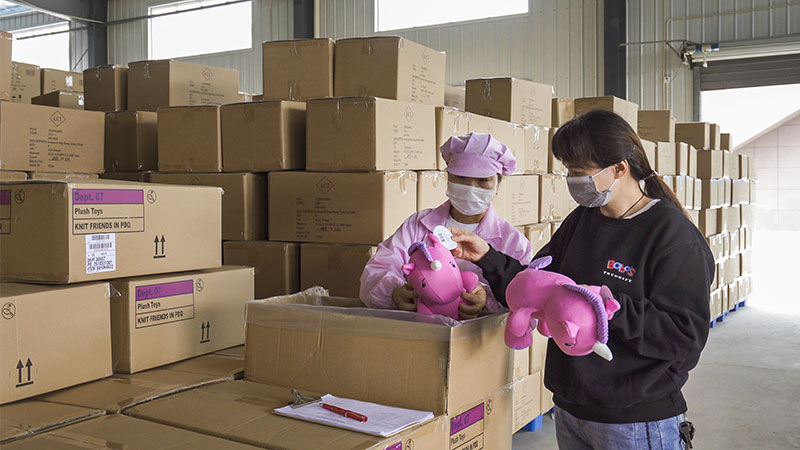
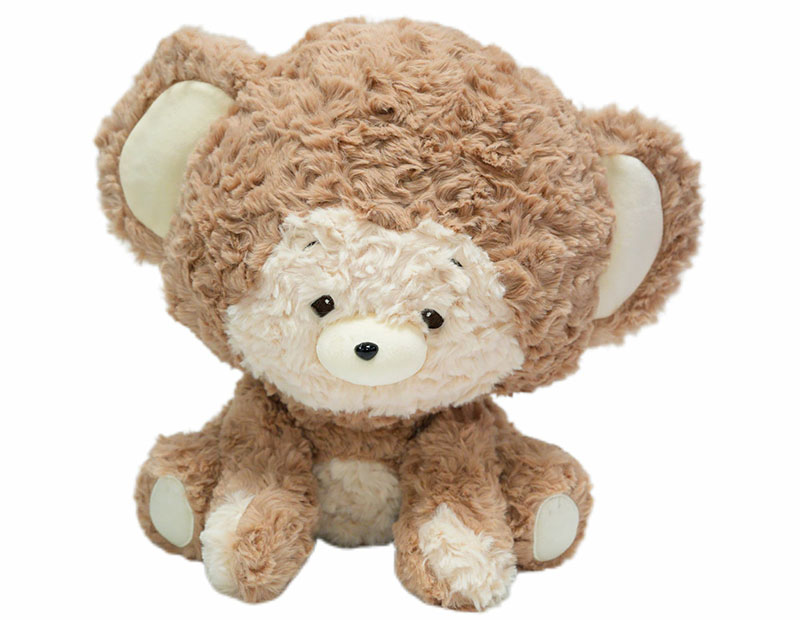
In modern plush manufacturing, polyester fiberfill is still the main stuffing for most stuffed animals. Around it, we see natural fillings (cotton, wool, kapok), beads and pellets for weighted toys, foam for structure, and a fast-growing group of eco-friendly and recycled fillings like rPET fiber. In this guide, I’ll walk you through each type, how it behaves, and what you should consider when you plan your next plush project.
What are the most common stuffing materials used in stuffed animals?
When we open a sample in the factory, we usually see one of a few stuffing families inside. Even though the outer fabric changes from minky to faux fur to fleece, the inner world is quite predictable. The most common stuffing materials are:
- Polyester fiberfill (PP cotton) – the current industry standard for most mass-market plush
- Recycled polyester fiberfill (rPET) – similar performance but made from recycled plastic
- Natural fibers – cotton, wool, kapok, sometimes mixed or blended
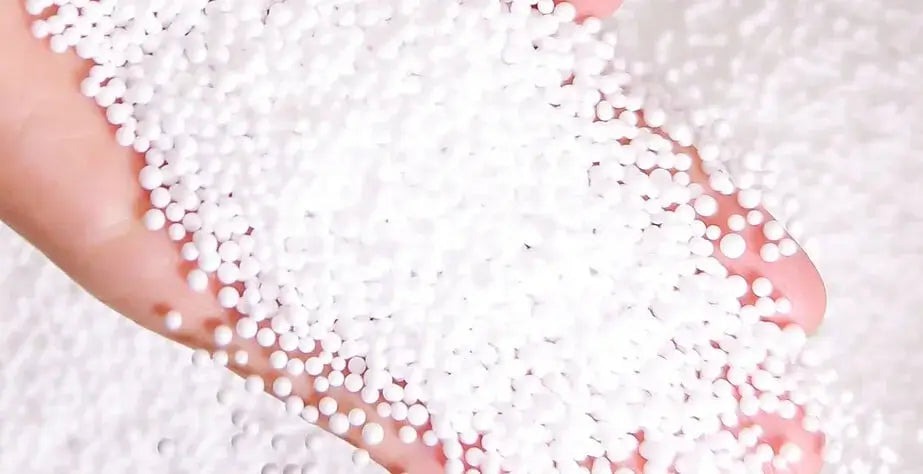
- Beads and pellets – plastic, glass, or mineral pellets used in pouches for weight and texture
- Foam pieces or blocks – used inside some pillows, mascots, or parts that need strong structure
- Fabric scraps / textile waste – less common today in export toys, but still used in some low-cost or non-toy products
Each material adds a different hand-feel, weight, and behavior in washing and daily use. For example:
- Polyester fiberfill gives a springy, consistent softness, is easy to wash, and works well in almost any design.
- Natural fibers can support a “green” story, but they absorb moisture, can clump, and may need more care.
- Pellets add weight and “bean bag” feel, but require sealed pouches and higher age grading.
- Foam can add structure and height, especially for big mascots or long cushions.
As a buyer, your choice depends on target users (baby, child, adult), brand positioning (eco, budget, premium), and functional goals (weighted, squishy, firm, or decorative).
Overview of common stuffing materials
| Stuffing Type | Typical Use | Feel & Performance | Main Advantages | Main Limitations |
|---|---|---|---|---|
| Polyester fiberfill (PP cotton) | Main filling for most plush toys | Light, springy, soft, stable after washing | Safe, consistent, cost-effective, easy to test | Not “natural”; made from virgin plastic unless recycled |
| Recycled polyester fiberfill (rPET) | Eco or “green” plush lines | Very similar to regular fiberfill | Reduces virgin plastic; good performance when well specified | Needs certified supply; quality can vary between lots |
| Cotton fiber | Natural-themed plush, certain baby products, cushions | Soft, slightly heavier, absorbs moisture | Natural story; familiar to many parents | Can clump, slower to dry, risk of mold if stored damp |
| Wool | Niche plush, décor, traditional toys | Warm, dense, “natural luxury” feel | Strong natural story; good resilience | Possible allergens; higher cost; more sensitive to wash/shrink |
| Kapok | Some natural or heritage toys, pillows | Very light, airy, plant-based | Natural and very light | Can clump; harder to control; more niche use in toys |
| Beads/pellets | Weighted plush, bean bags, bases for sitting | Heavy, shifting, “massage” feel | Creates weight and grounding; enhances sensory aspect | Must be sealed; not for under-3; adds cost and testing needs |
| Foam pieces/blocks | Big mascots, cushions, special shapes | Structured, often firmer | Holds sharp forms and height | Less “huggy”; harder to wash fully |
How does polyester fiberfill remain the industry standard for safety and softness?
If we cut open 100 modern stuffed animals from mass-market shelves, the majority will be filled with polyester fiberfill. There are good reasons for this. For global export toys, polyester fiberfill offers a strong balance of safety, softness, durability, and cost that other materials still struggle to beat at scale.
Key reasons why polyester fiberfill leads:
- Soft and springy
It gives a bouncy, cloud-like feel when used at the right density. It compresses under a hug and then returns to shape, which is perfect for everyday plush. - Stable and washable
Polyester fibers do not absorb moisture like cotton or wool. They dry faster and resist mold better, which is important when parents wash toys frequently. - Consistent quality
Fiberfill can be manufactured with controlled fineness, length, and crimp, so we get predictable behavior in stuffing machines and consistent feel across batches. - Safe and testable
Polyester fiberfill is easy to test for cleanliness, odor, and chemical safety. It works well with common toy standards (EN71, ASTM, CPSIA) when sourced properly. - Cost-effective
Compared with many natural fibers or specialty fillings, polyester fiberfill provides a reliable softness at a competitive price, which matters a lot for high-volume SKUs.
In factories like Kinwin, we also use different grades of polyester fiberfill for different tasks:
- Finer, softer grades for baby plush and pillows
- Slightly firmer grades for standing characters and mascots
- Blends or structured filling for specific zones (head vs body vs limbs)
This flexibility helps us tune the hug feel to your brand’s style without changing the entire material system.
Why polyester fiberfill is still the standard
| Factor | What polyester fiberfill offers | Benefit to brands and buyers |
|---|---|---|
| Softness | Comfortable, compressible, bouncy feel | Makes plush toys feel “huggable” and premium with proper density |
| Shape recovery | Returns to shape after hugging and squeezing | Toys look good longer, better shelf appearance and reviews |
| Wash performance | Dries fast, resists mold when properly dried | Easier care for parents; fewer complaints about smell or clumping |
| Consistency | Manufactured to set fiber specs and crimps | Stable quality across batches and reorders |
| Safety testing | Compatible with EN71, ASTM, CPSIA when sourced correctly | Easier lab approvals and smoother customs clearance |
| Cost | Competitive for large volumes | Keeps retail price attractive without sacrificing feel |
What natural fillings like cotton, wool, or kapok are used in plush production?
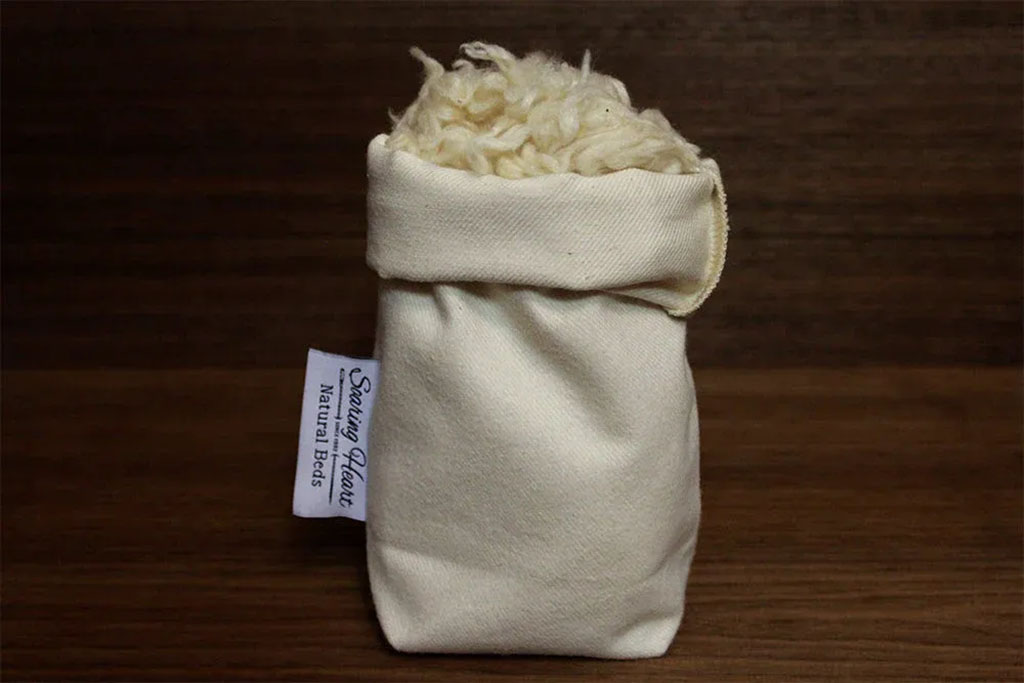
Although polyester dominates, there is still a place for natural fillings in plush production, especially when brands want a “green,” “heritage,” or “organic” story. The three common natural fillings you will hear about are cotton, wool, and kapok.
Cotton fiber
Cotton filling uses carded cotton fibers. It feels soft and familiar, and many parents like the idea of cotton inside a toy. However, cotton is hydrophilic—it absorbs moisture. This can lead to:
- clumping if the toy gets wet and is not dried well,
- slower drying times,
- and risk of mold or odor in bad storage conditions.
Cotton can work in flat or semi-flat toys, cushions, or decorative plush that are not washed very often. For high-use children’s toys and global shipping, polyester is usually safer and more stable.
Wool
Wool gives a dense, warm feel and is used in some traditional or premium plush and décor pieces. It can add a “natural luxury” story, especially if combined with wool fabrics or natural colors. However:
- Some people are allergic or sensitive to wool.
- Wool can shrink or felt under aggressive washing.
- Costs are higher than polyester or cotton in many regions.
This makes wool filling more common in niche, higher-priced, or décor-oriented products, often with higher age grading.
Kapok
Kapok is a plant-based fiber from kapok tree pods. It is extremely light and buoyant, historically used in pillows and flotation devices. As a toy filling, it creates a very light, airy feel. But:
- It can clump,
- is less widely available with standardized quality,
- and is more difficult to control in stuffing machines compared with polyester.
Kapok appears more in traditional, local, or small-batch products than in big export lines.
When using natural fillings, you must pay extra attention to storage, humidity, pest control, and wash instructions, and you still need to pass the same safety and chemical standards as synthetic fillings.
Comparison of natural fillings
| Filling | Feel & Performance | Advantages | Key Challenges | Best Use Cases |
|---|---|---|---|---|
| Cotton fiber | Soft, slightly heavier, absorbs moisture | Natural story, well-known to consumers | Clumps when wet; slower drying; mold risk in humid conditions | Decorative plush, cushions, some traditional toys with low wash frequency |
| Wool | Dense, warm, resilient | Strong natural/heritage story; good resilience | Possible allergens; higher cost; shrink/felt risk | Niche premium plush and décor; higher age grades |
| Kapok | Very light, airy, plant-based | Extremely light; natural and traditional feel | Clumps easily; less controlled supply; harder to process at scale | Traditional regional products, smaller artisan lines |
How do beads, pellets, or foam fillings change texture and weight balance?
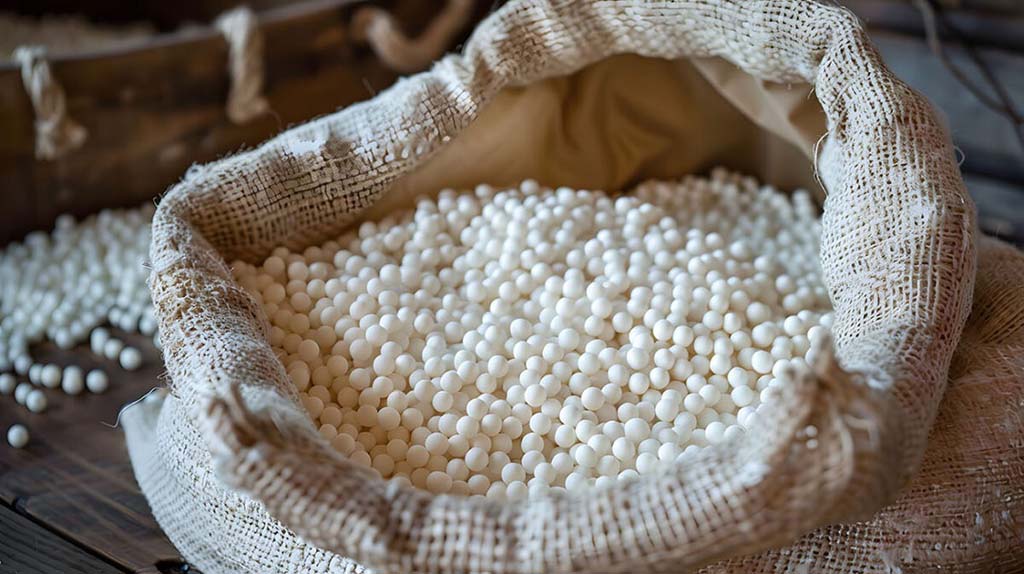
Sometimes standard fiberfill is not enough. You may want a plush that feels weighted, squishy, “beanbag-like,” or solid in certain areas. In these cases, we combine fiberfill with beads, pellets, or foam.
Beads and pellets
Beads or pellets are usually plastic granules, glass beads, or occasionally mineral pellets. They are added to plush toys to:
- create weight (for weighted plush or realistic animals),
- add a “beanbag” flow where the filling shifts when squeezed,
- improve sitting stability in the base or limbs,
- or provide sensory feedback for fidget and therapy plush.
For safety, pellets are almost always enclosed in sealed inner pouches (fabric bags) that are then sewn into the toy. This way, even if an outer seam fails, the pellets are still contained. Weighted plush and pellet-filled designs are usually graded for 3+ or 14+, not for babies.
Foam
Foam comes in two main forms:
- Foam pieces/flakes mixed with fiberfill,
- Shaped foam blocks or cores inside large mascots, pillows, or long cushions.
Foam can help a plush:
- hold a specific shape or pose,
- stay upright if very large,
- and feel more solid in certain areas (muzzles, feet, big heads).
However, foam is harder to wash thoroughly, and if it eventually breaks down, it can change the feel of the toy. Foam is more common in decorative items, big mascots, and costume heads than in small children’s plush.
Combining fillers
For certain designs, we mix materials. For example:
- plush body with polyester fiberfill,
- base with a pellet pouch for weight,
- and a small foam core in the head to keep a specific stylized shape.
The key is always to keep safety and age grading in mind and to ensure all mixed materials are secure, tested, and consistent.
Effect of beads, pellets, and foam
| Filling Type | Sensory Effect | Typical Application | Safety & Age Notes | Design Benefits |
|---|---|---|---|---|
| Plastic pellets (in pouches) | Heavy, shifting, “beanbag” feel | Weighted plush, bases for sitting toys, realistic animals | Usually 3+ or higher; must be double-sealed | Adds weight, grounding, and stability |
| Glass/mineral beads | Very heavy, fine “sand-like” flow | Small weighted zones, high-end weighted items | Often 14+ or adult; more for therapeutic or décor | Very precise weight control in small space |
| Foam pieces | Slightly bouncy, more solid than fiberfill | Some cushions, body sections of mascots | Age and use depend on enclosure and design | Improves volume and structure without too much extra weight |
| Foam blocks/cores | Firm, structural | Large mascots, giant plush, costume heads | Often not for small children; more for events/décor | Keeps big shapes standing and camera-ready |
| Fiberfill + pellets mix | Soft plus weighted zones | Weighted plush animals, sensory toys, base-weighted plush | Must separate pellets from outer seams; lab-tested | Combines comfort hug with grounding weight |
What eco-friendly or recycled stuffing materials are gaining popularity?
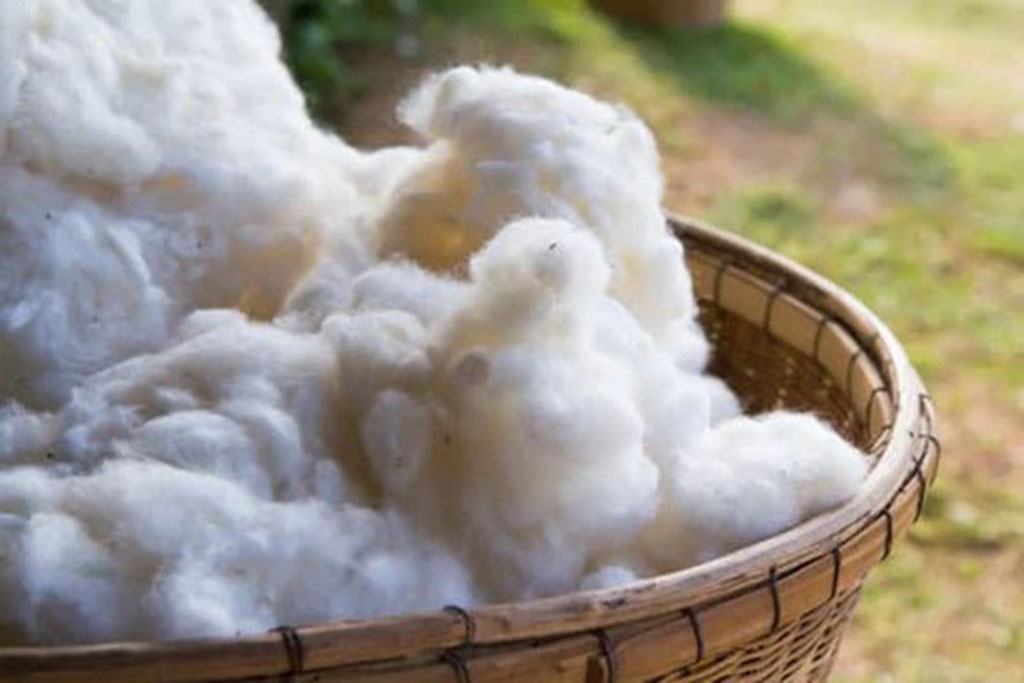
Sustainability is a strong trend in plush. Many buyers now ask, “Can we make this eco-friendly?” The most practical changes usually happen inside the toy, in the stuffing.
Recycled polyester fiberfill (rPET)
The biggest movement is from virgin polyester fiberfill to recycled polyester fiberfill (rPET), made from recycled plastic (often PET bottles). When produced well, rPET fiberfill can:
- feel almost the same as normal fiberfill,
- pass the same safety and performance tests,
- and support a valid sustainability claim.
To be credible, you should ask for GRS (Global Recycled Standard) or similar certification, plus documentation that shows recycled content percentage. Then you can truthfully say things like “stuffed with recycled polyester” or “contains xx% recycled content.”
Natural or organic fillings
Some brands also look at organic cotton, kapok, or other plant-based fillings for eco lines. These can support a strong narrative but need careful control of:
- moisture and storage,
- clumping and shape over time,
- and washing behavior.
In many cases, we see a hybrid approach: outer plush remains synthetic but uses rPET, and inner fiberfill is also recycled, while small parts like labels and hangtags use recycled or FSC materials.
Recycled foam and textile waste
For non-toy décor items or for internal cores (where they do not affect safety), some producers use recycled foam pieces or textile offcuts as part of stuffing. For export children’s toys, we must be more cautious: all stuffing needs to be clean, traceable, and testable, so random scraps are not acceptable. Certified recycled foam and controlled textile recycling are possible, but still less common on a large scale than rPET fiberfill.
Eco-friendly stuffing options
| Stuffing Type | Eco Aspect | Pros | Cons / Considerations | Good Use Cases |
|---|---|---|---|---|
| rPET polyester fiberfill | Made from recycled plastic (e.g., bottles) | Similar feel to normal fiberfill; strong eco message; scalable | Needs certified supply; quality can vary; still synthetic | Main stuffing for eco plush lines, especially for export markets |
| Organic cotton batting | Organic agriculture, plant-based | Strong natural story; good for certain baby/décor ranges | Clumping, moisture sensitivity, higher cost | Small eco collections, low-wash items, marketed carefully |
| Kapok | Natural plant fiber, biodegradable | Very light, fully plant-based | Harder to control, clumps, limited large-scale supply | Traditional or niche eco products |
| Recycled foam pieces | Uses waste foam | Reduces foam waste | Uneven feel if not well processed; test complexity | Internal cores in décor plush (adult décor, not for babies) |
| Textile offcut stuffing | Uses waste fabric | Reduces waste in local production | Not suitable for export toys; difficult to standardize and test | Limited use in non-toy or purely decorative items |
How do manufacturers test and control stuffing quality in production?
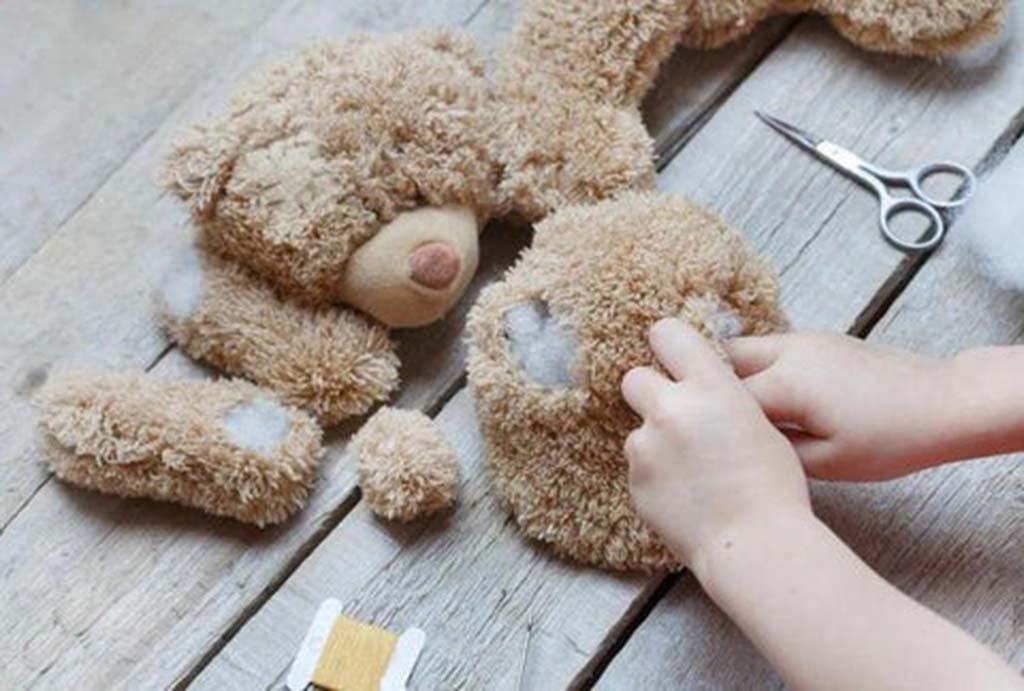
Even if you choose the best material, your plush will not feel right unless stuffing quality is tightly controlled in production. That control has two main parts:
- The stuffing material itself – cleanliness, smell, loft, fiber length, and source.
- How we use it – density by zone, total gram weight, and consistency from piece to piece.
Controlling the stuffing material
For fiberfill, a good factory will:
- check incoming bales for cleanliness and odor,
- verify basic specs like fiber length and fineness,
- store fiberfill in clean, dry rooms away from dust and contamination,
- use a single approved supplier per project to keep quality stable.
For pellets, we make sure they are:
- uniform in size and material,
- stored cleanly,
- stitched into strong inner pouches before putting them into toys.
Controlling density and weight
We don’t just stuff “by feeling.” We set target gram weights for the entire toy and sometimes for key zones. During production:
- operators use stuffing machines or manual stuffing with guidelines,
- QC samples are weighed on scales,
- and fit checks confirm that toys sit, stand, or lie as planned.
We also do “squeeze tests” by hand to compare softness and rebound between different pieces and batches.
Testing finished toys
Before shipment, and often during development, we:
- run wash tests to see if stuffing shifts, clumps, or loses volume,
- perform mechanical tests (seam strength, small parts) in accredited labs,
- and check visually for lumps, empty areas, or over-stuffed zones.
If we change stuffing supplier, we repeat these tests, because even small differences can change how the plush feels and how it performs in lab testing.
Stuffing quality control and testing
| Control/Test Type | What is checked | Why it matters | What you can request as a buyer |
|---|---|---|---|
| Incoming fiberfill inspection | Cleanliness, odor, fiber length and fineness | Ensures no dirty or low-grade stuffing enters production | Ask which supplier is used and how often material is checked |
| Storage control | Dryness, dust protection, separation of lots | Prevents contamination and moisture problems | Confirm storage conditions if you visit the factory |
| Gram weight checks | Total toy weight and sometimes regional weights (head/body) | Keeps hug feel and shape consistent | Ask for target weights and acceptable ranges in grams |
| Squeeze and shape checks | Softness, bounce, posture (sit/stand) | Ensures toys feel the same across the batch | Request photos or videos of shape checks during production |
| Wash testing | Behavior after washing and drying | Detects clumping, fiber migration, loss of loft | Ask for wash-test results, especially for baby lines |
| Lab safety tests | Mechanical, flammability, chemical, small parts | Confirms finished toy meets EN71/ASTM/CPSIA and others | Always request lab reports for the final stuffing/material combination |
Conclusion
A good plush toy is safe, soft, durable, and appealing while also offering branding opportunities. The stuffing you choose—whether standard polyester fiberfill, natural fibers, pellets for weight, or recycled rPET—directly shapes how your stuffed animals feel in the hand, how they perform in washing, and how easily they pass safety tests.
At Kinwin, we help global buyers match stuffing types to their target ages, markets, and brand stories, and we control density, weight, and testing so every shipment feels consistent and compliant. Contact us at [email protected] or visit kinwintoys.com to discuss your next plush project and explore how our factory can support your success.