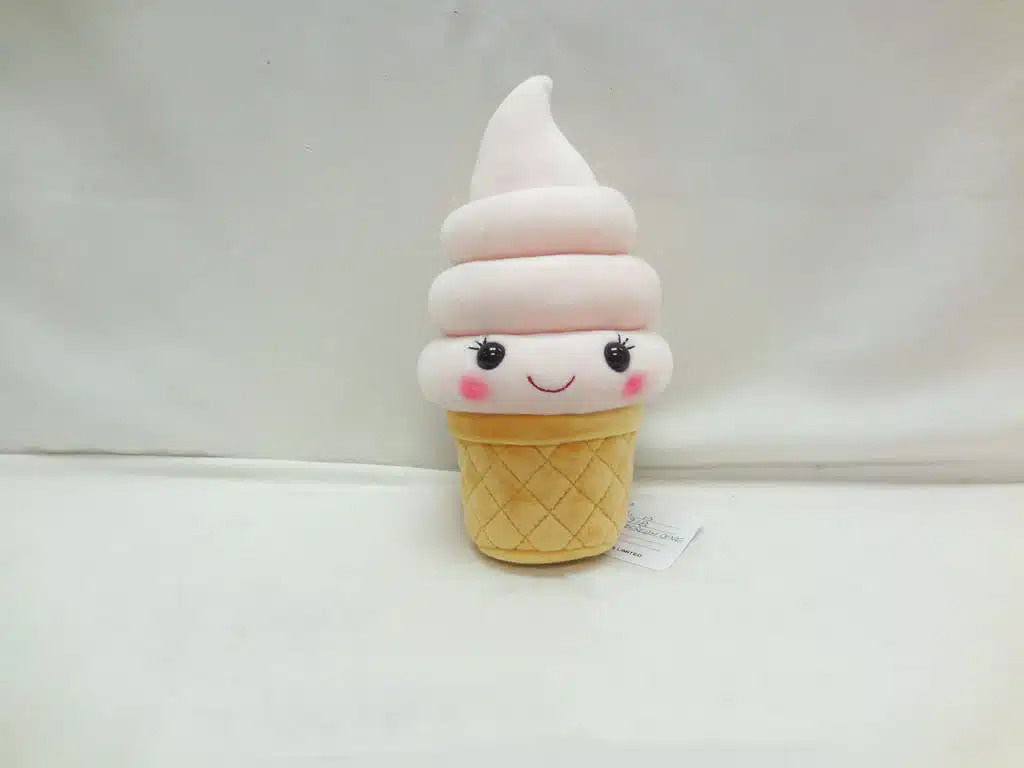
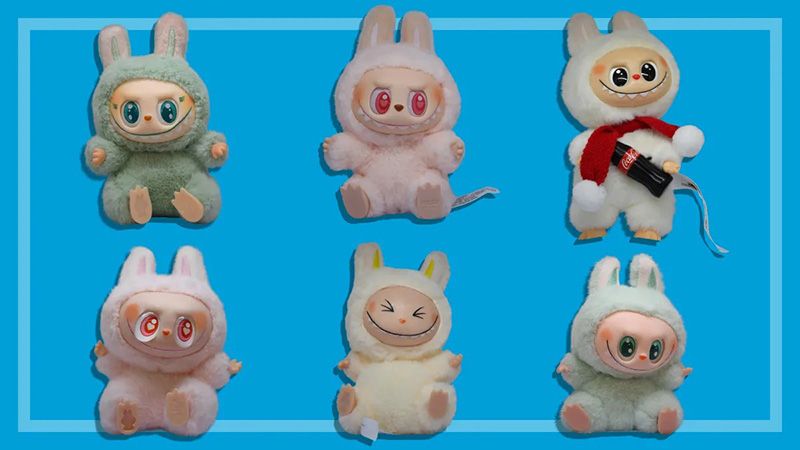
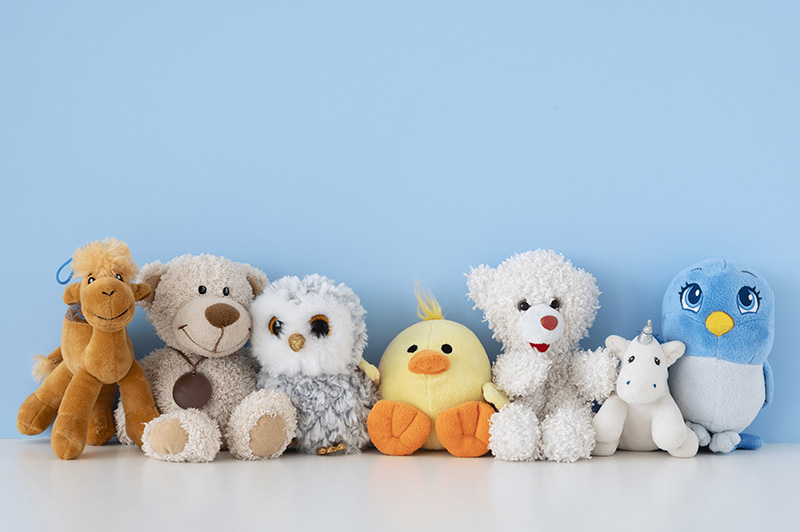
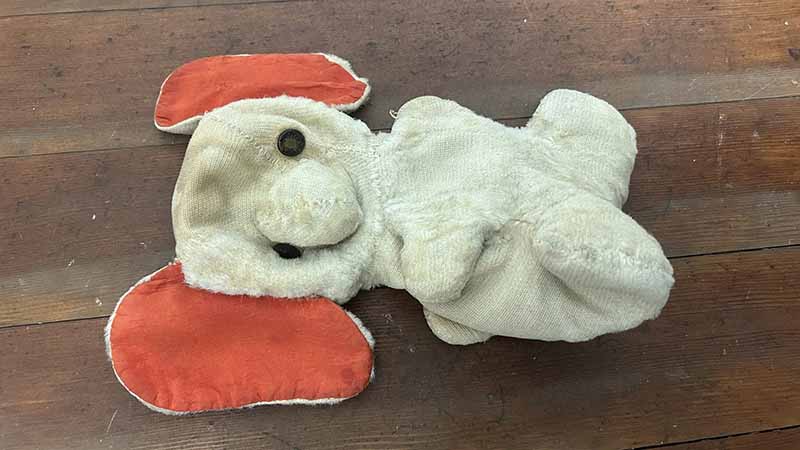
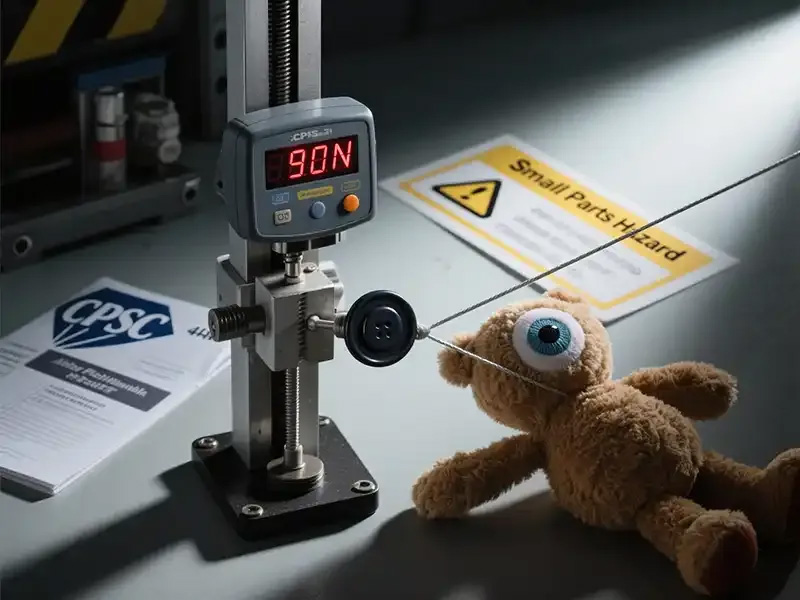
When people think about stuffed animals, they often remember a childhood bear, a favorite bedtime friend, or a mascot from a brand they love. In the modern toy industry, though, stuffed animals are a well-defined category with clear expectations for safety, quality, and emotional value.
Stuffed animals today are soft, textile-based toys with internal filling, usually in an animal or character shape. They must be safe to hug, durable enough for daily use, and appealing to both children and adults. Materials, construction, and design all work together to decide whether a plush feels premium, trustworthy, and worth buying again.
As Amanda from Kinwin, I work every day with global buyers who want to turn concepts into high-quality stuffed animals for retail, gifts, promotions, and fandom markets. In this guide, I’ll explain how we define “stuffed animals” inside the industry, and how you can use this thinking to plan your own plush lines with confidence.
What defines stuffed animals in the modern toy industry?
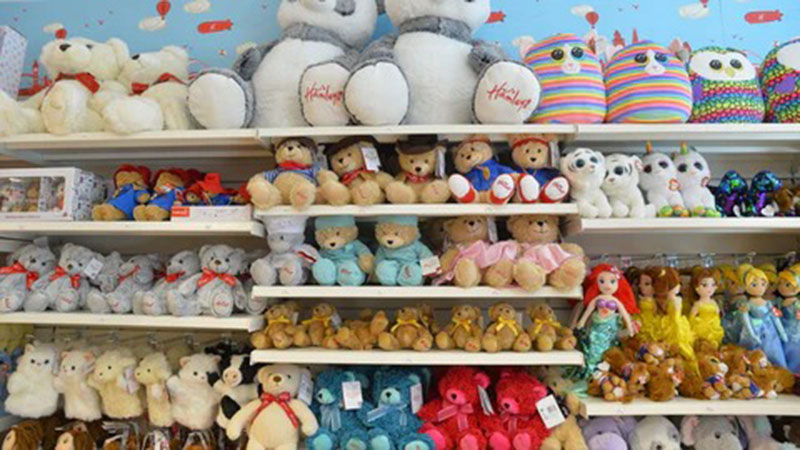
In simple terms, a stuffed animal is a soft toy with a textile shell and inner filling, usually shaped like an animal, creature, or character. But in the industry, we look at more than shape. We look at purpose, age group, usage scenario, and compliance.
A modern stuffed animal is:
- Made from fabric (often plush or fleece)
- Filled with a soft material like fiberfill
- Designed for hugging, comfort, display, or gentle play
- Tested according to toy safety standards in its target markets
This definition separates stuffed animals from hard plastic figures, electronic gadgets, and purely decorative textiles. It also includes both very simple baby comforters and complex collectible character plush.
Core elements that define a stuffed animal
| Element | What It Means in Practice | Why It Matters for You |
|---|---|---|
| Soft textile shell | Outer layer made from plush, fleece, or similar fabric | First touch; decides comfort and look |
| Internal filling | Fiberfill, sometimes with extra weight or inserts | Controls softness, volume, and posture |
| Animal/character form | Bears, dogs, cats, dragons, mascots, fantasy creatures | Connects emotionally with users |
| Intended use | Hugging, play, comfort, décor, or collecting | Guides design, size, and durability |
| Safety framework | Treated as a toy or children’s product in most markets | Drives material choices and testing needs |
When I talk with buyers, I often say: “A good stuffed animal is a mix of engineering and emotion.” The definition in our heads is technical; the feeling in the user’s hands is emotional. Both sides must match.
How do materials and construction determine stuffed animal quality?
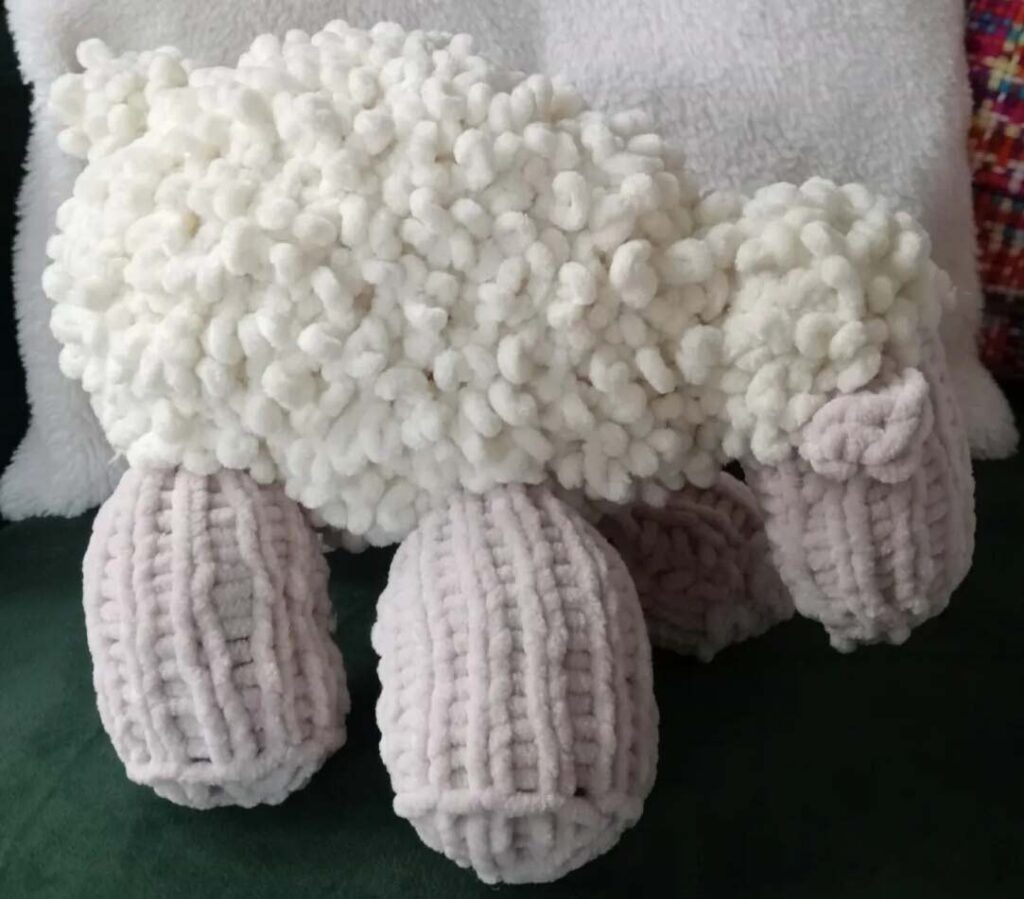
Two stuffed animals can look similar in a photo but feel very different in real life. That difference usually comes from materials and construction. The right fabric and filling make a plush soft and stable; the wrong ones can make it scratchy, lumpy, or weak at the seams.
In most modern production, we use polyester-based plush fabrics for the shell and polyester fiberfill for stuffing. Polyester gives consistent color, good wash performance, and stable supply. For structural areas—like flat faces or standing legs—we may add foam, felt, or extra inner linings. Sewing quality then holds everything together.
Main material and construction choices
| Component | Typical Options Used | Impact on Quality and Feel |
|---|---|---|
| Outer fabric | Minky, short plush/velboa, fleece, faux fur | Controls softness, appearance, and durability |
| Stuffing | Polyester fiberfill, optional pellets | Affects firmness, weight, “hug feel” |
| Sewing thread | Strong polyester thread | Prevents seam breakage and stuffing leaks |
| Internal support | Felt, tricot, foam inserts | Helps complex shapes keep form |
| Surface details | Embroidery, appliqué, safe plastic parts | Adds character while protecting safety |
Well-made stuffed animals use clean, even stitching, consistent seam allowances, and smooth transitions between fabric panels. Poor construction shows as twisting limbs, crooked faces, uneven stuffing, and weak spots that open under normal play.
As a buyer, if you want stable quality, it helps to discuss:
- Which fabric family you prefer (very soft vs more structured)
- How firm or soft you want each part (head, body, limbs)
- Whether the product must survive machine washing
This lets the factory choose materials and construction methods that match your brand promise.
Which design elements shape functionality, safety, and appeal?
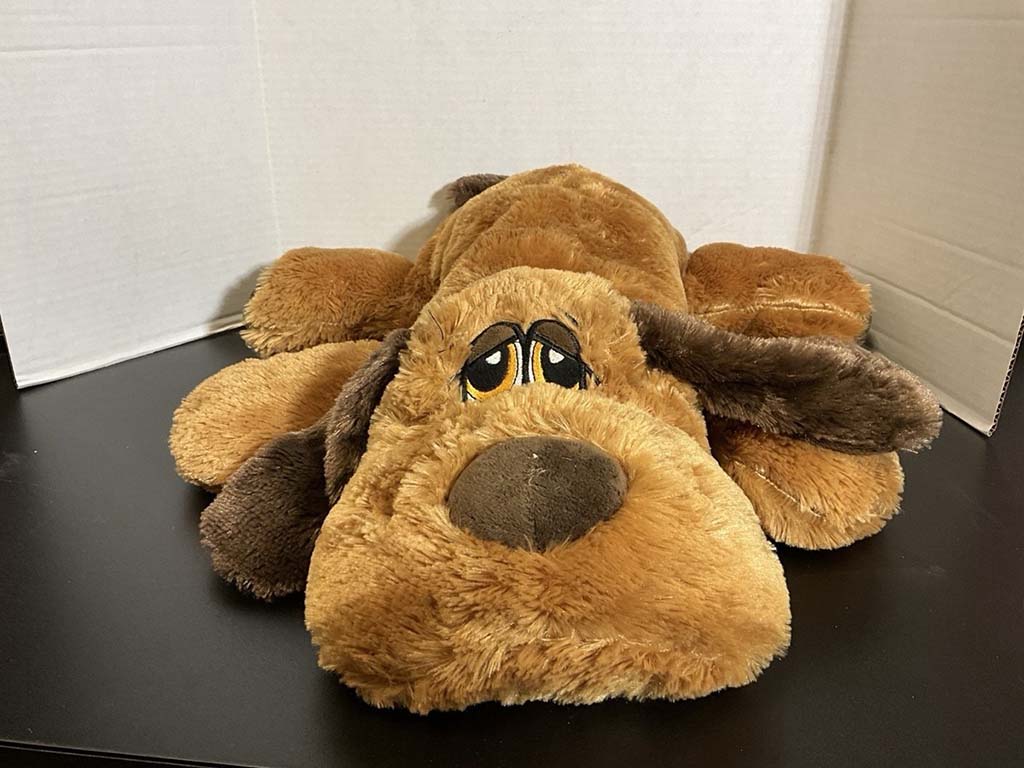
Design is where stuffed animals move from “objects” to “characters.” Even with the same materials, small changes in design can completely change how a plush feels, plays, and sells.
From an industry view, good design balances three things:
- Functionality – Can the toy sit or stand? Is it easy to hold or carry?
- Safety – Are there any small parts or long cords? Are features age-appropriate?
- Appeal – Does the face feel friendly? Is the color story attractive? Does the toy look good in photos and on shelves?
Key design elements to consider
| Design Element | What It Controls | Good Practice for Modern Plush |
|---|---|---|
| Proportions (head/body) | Emotional tone and cuteness level | Slightly larger heads feel cuter for kids |
| Facial features | Personality and trust (eyes, nose, mouth) | Simple, aligned, friendly expressions |
| Body pose | Functionality (sitting, standing, lying) | Match pose to target use (bed, desk, cot) |
| Color palette | Brand identity and mood | Harmonious colors that fit your audience |
| Added features | Play value (rattles, squeakers, pockets, weight) | Must be safely enclosed and age-appropriate |
For younger children, we usually recommend embroidered faces instead of hard eyes or noses, and simple shapes without long ribbons or small detachable accessories. For collectors and older users, we may add more complex trims, outfits, or big-eye aesthetics, as long as safety requirements are still respected.
Functionality also includes how the plush interacts with daily life:
- Can it sit nicely on a shelf or bed?
- Does it fit into a backpack or travel bag?
- Is it comfortable to hug while sleeping or reading?
When design is clear in these areas, your stuffed animals will feel more natural to own and use.
How are stuffed animals categorized across different market segments?
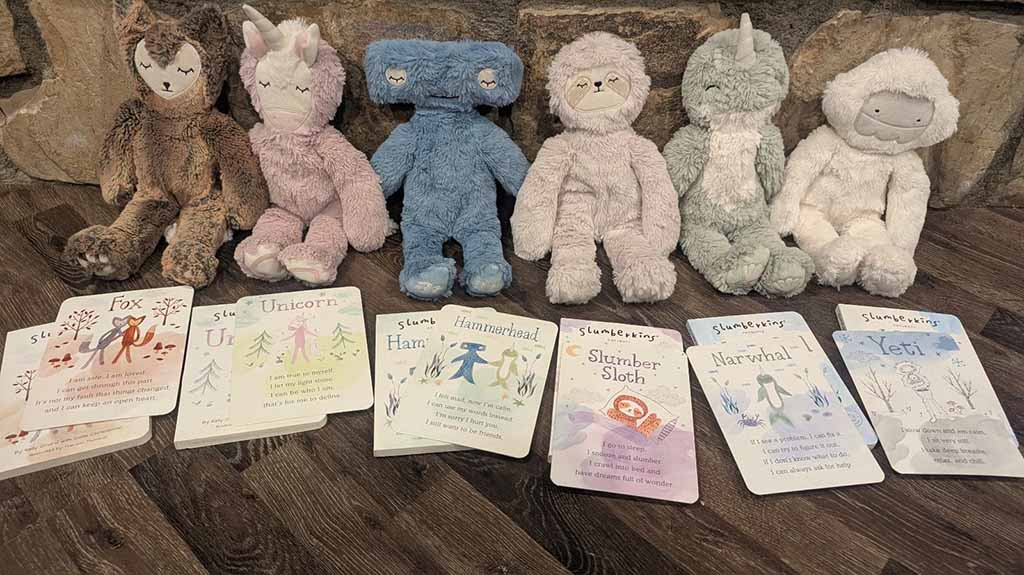
The word “stuffed animal” covers many different products. Inside the industry, we categorize them by style, purpose, and audience so we can plan design and pricing correctly.
You will see the same basic shapes—bears, dogs, cats, bunnies—appear in multiple segments, but the details change: fabric quality, size, packaging, licensing, and story.
Key market-based categories
| Segment Type | Typical Stuffed Animal Styles | Main Buyers and Uses |
|---|---|---|
| Baby & infant | Extra-soft animals, comforters, simple faces | Parents, baby stores, gifts, hospital shops |
| Preschool & kids | Cute animals, character plush, interactive features | Toy shops, supermarkets, e-commerce |
| Teen & young adult | Kawaii plushies, squishy pillows, fandom plush | Lifestyle stores, online platforms, fandom shops |
| Adult comfort & décor | Weighted plush, stylish neutral animals, large cushions | Home décor, wellness, gift channels |
| Collectibles & fandom | Licensed characters, limited editions, mascots | Anime/game shops, theme parks, fandom stores |
| Promotional & corporate | Mascot plush, logo bears, event souvenirs | Brands, agencies, events, tourism |
| Pet plush | Stuffed animals for dogs and cats | Pet stores, vet chains, pet brands |
Each category has its own price bands, safety expectations, and typical sizes. For example:
- Baby plush needs higher safety margins, soft fabrics, and clear labeling.
- Collector plush can justify higher prices with better fabrics, complex embroidery, and limited runs.
- Promotional plush must deliver strong branding at a competitive price while still passing key safety tests.
When you brief a factory, it really helps to say:
- “This line is mainly for babies in Europe,” or
- “This is a kawaii plush line for teens and young adults in the US,” or
- “We need a mascot plush for a promotion.”
This context lets us align materials, size, and features with the correct segment from day one.
What manufacturing and compliance standards govern stuffed animal production?
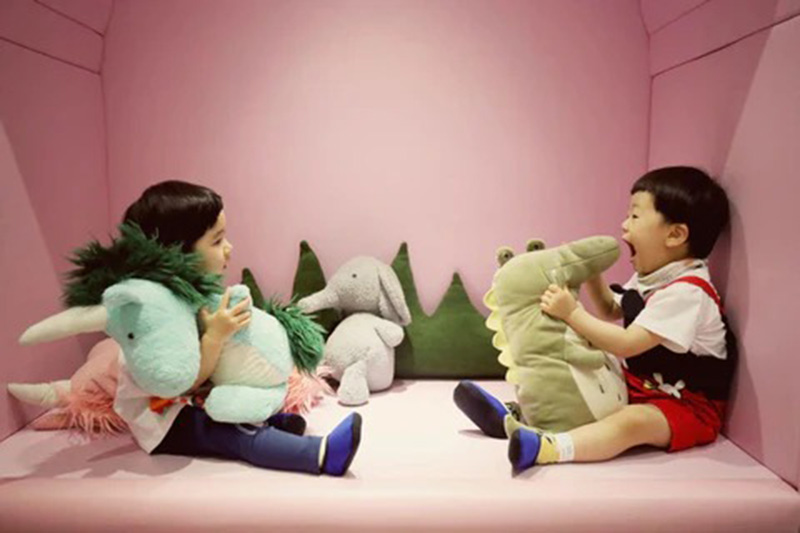
Stuffed animals are soft and friendly, but in the regulation world they are serious products. Most markets treat them as toys and children’s products, which means they must comply with strict rules before they can be sold.
From a manufacturing view, this affects:
- Which materials we are allowed to use
- How we design seams, eyes, and trims
- How we label, test, and document each batch
Main safety and quality focus areas
| Area | What We Control in Production | Why It Matters |
|---|---|---|
| Mechanical safety | Seam strength, small parts, sharp edges | Prevents choking, tearing, or injury |
| Chemical safety | Dyes, plastics, coatings, prints | Protects users from harmful substances |
| Flammability | Fabric behavior near flame | Reduces fire-related risks |
| Hygiene & washability | Clean materials, washing performance | Keeps product suitable for long-term use |
| Labeling & tracking | Age marks, warnings, batch codes, care instructions | Supports compliance, recalls, and customs |
In practical terms, this means we design stuffed animals to pass tests such as:
- Pull tests on eyes, noses, and trims
- Seam strength tests
- Colorfastness and wash tests
- Chemical content checks for key regulated substances
Compliance also affects packaging and documentation. For example, you may need:
- Age grading (e.g., 0+, 3+)
- Warning icons or text
- Manufacturer and importer information
For B2B buyers, the easiest path is to work with a factory that already produces for USA, EU, UK, Japan, and other developed markets, because many of the key material and test choices are already built into their daily work.
How do cultural trends and consumer behavior influence stuffed animal demand?
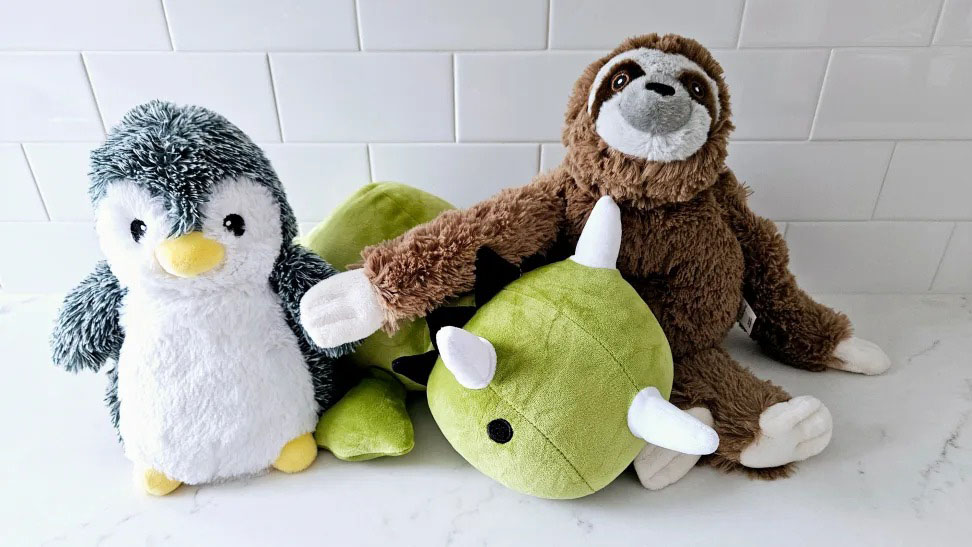
Stuffed animals are no longer just “for kids.” Today they sit at the crossroads of comfort, fandom, décor, and gifting. Cultural trends and consumer habits shape which types of plush rise to the top each year.
Some strong forces I see in current projects:
- Kawaii and cute culture – Big heads, soft colors, and simple faces are in demand worldwide, not only in Asia.
- Fandom and licensing – Game, anime, movie, and K-pop characters drive strong repeat sales.
- Wellness and mental health – Weighted plush and extra-soft comfort plush are popular with teens and adults.
- Home décor aesthetics – Neutral and pastel animals double as décor items on beds and sofas.
- Sustainability – Interest in recycled fiberfill and “eco story” plush is growing.
- Social media – Room tours, unboxings, and aesthetic feeds turn certain plush styles into fast trends.
How trends connect to stuffed animal design
| Trend / Behavior | Resulting Plush Direction | What Brands Often Do |
|---|---|---|
| Kawaii & soft aesthetics | Chibi proportions, pastel colors, big-eye plushies | Launch themed collections with strong visuals |
| Fandom & IP culture | Character plush, mascot plush, collabs | Partner with IP owners or create mascot lines |
| Comfort & wellness | Weighted plush, extra-soft materials, simple faces | Promote calming benefits and cozy use |
| Home décor focus | Neutral tones, minimalist animals, big cushions | Design plush that fit beds, sofas, armchairs |
| Eco awareness | Recycled filling, eco labeling, nature themes | Start with rPET fiberfill and clear messaging |
| Social sharing | Photogenic designs, cute tags, nice packaging | Think about how the toy looks in phone photos |
As a factory, we follow these trends not just for style reasons, but also to help our clients align their plush category with real consumer behavior, not just with internal taste.
Conclusion
Stuffed animals, in today’s toy industry, are carefully engineered soft products: a textile shell, safe internal filling, and thoughtful design brought together under strict manufacturing and compliance standards. At the same time, they are emotional objects that carry comfort, storytelling, and brand identity into homes, bedrooms, and office desks all over the world.
When you understand how definition, materials, design, segmentation, safety, and cultural trends work together, you can plan stuffed animal lines that feel both professionally built and emotionally meaningful. At Kinwin, my team and I help global buyers move from concept to ready-to-ship plush—whether you need baby-safe comfort toys, kawaii character plushies, collectible mascots, or promotional animals for your brand. If you’d like to discuss a project, you’re very welcome to contact me at [email protected] or visit kinwintoys.com to explore how our factory can support your next launch.