Skip to content
I’m Amanda from Kinwin, a leading plush and soft toy manufacturer. Soft toys are more than cuddly companions—they are carefully engineered products where materials determine safety, comfort, and longevity. Selecting the right fabrics, stuffing, trims, and accessories ensures that a toy feels soft, maintains its shape, and meets global safety standards. In this guide, I explore the primary materials used in modern soft toy production, how fabrics and stuffing impact texture and durability, how trims are incorporated safely, quality compliance, and how sustainability trends influence material selection. This comprehensive guide helps buyers and designers make informed decisions when developing soft toys for babies, children, collectors, and mass-market consumers.
What primary materials are used in modern soft toy production?
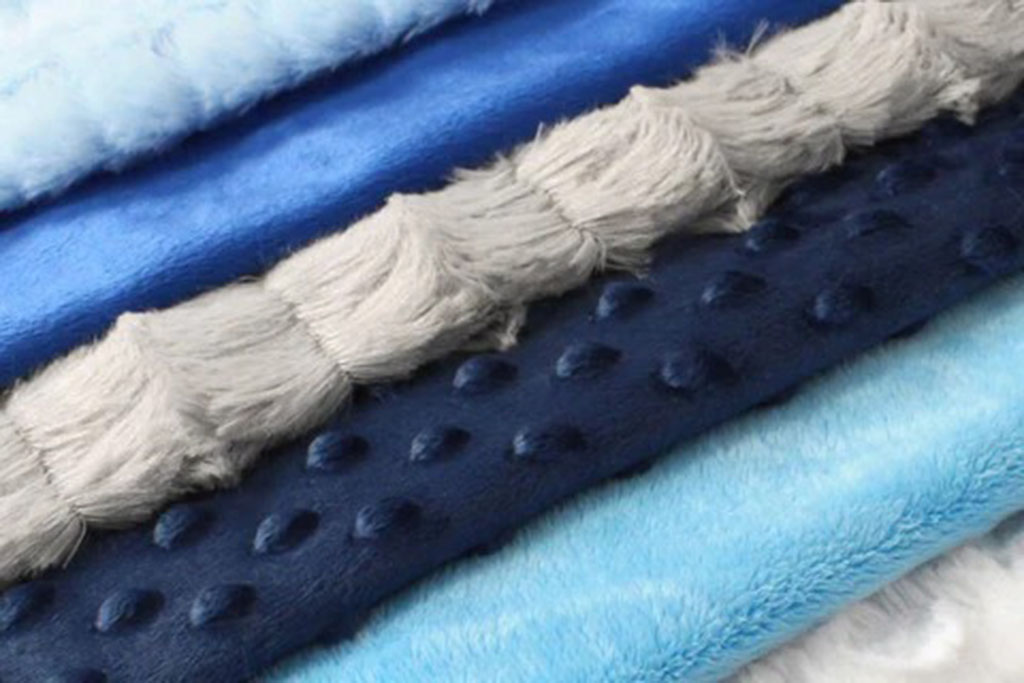
Soft toys are constructed from a combination of fabrics, stuffing, and supportive elements such as threads and stabilizers. The primary material categories include:
Fabrics and fillings together create the tactile experience of a soft toy, while trims and structural supports ensure durability and usability. Each material is selected based on target age, safety standards, and intended tactile experience.
| Material Category | Description | Common Uses | Pros | Cons |
|---|---|---|---|---|
| Fabrics | Outer layers forming the soft, tactile surface | Minky, velboa, fleece, plush, cotton | Soft, visually appealing, available in many colors and patterns | Can wear over time; some fabrics shed |
| Stuffing / Filling | Core material providing shape, softness, and resilience | Polyester fiberfill, cotton, wool, kapok, beads, foam | Determines huggability, weight, and form retention | Improper stuffing can flatten or harden |
| Threads & Seams | Hold pieces together and define contour | Polyester, cotton, nylon threads | High tensile strength, durable | Visible stitching if improperly matched |
| Trims & Accessories | Decorative or functional additions | Eyes, noses, ribbons, buttons, embroidery | Enhances realism, branding, or interactive features | Potential safety hazards if not secured |
| Backing / Lining Materials | Provide stability and reduce stretching | Non-woven fabrics, mesh | Maintains structure | Adds minimal weight; sometimes affects flexibility |
How do fabric choices impact texture, safety, and durability?

The fabric defines a soft toy’s visual appeal and how it feels in the hands. Common fabric options include:
- Minky: Ultra-soft polyester with a plush, velvety surface. Ideal for baby-safe toys due to hypoallergenic properties. Offers excellent hand-feel and vibrant color retention.
- Velboa: Dense short-pile polyester that is soft, durable, and less prone to shedding. Common for medium-sized or collectible plush.
- Fleece: Lightweight, soft, and warm. Often used in small plush or themed toys. Easy to sew but can pill over time.
- Cotton: Natural and breathable; preferred for eco-friendly or boutique toys. Offers comfort but requires careful laundering to avoid shrinkage.
- Plush (short/long): Varies in pile length; long plush gives a luxurious feel, while short plush offers smooth surfaces ideal for embroidery.
Table: Fabric comparison
| Fabric Type | Softness | Durability | Safety | Recommended Uses |
|---|---|---|---|---|
| Minky | Very High | High | Hypoallergenic | Baby plush, premium lines |
| Velboa | High | Very High | Hypoallergenic | Collectible, gift plush |
| Fleece | Medium-High | Medium | Safe | Small plush, thematic toys |
| Cotton | Medium | Medium | Natural & breathable | Eco-friendly, boutique toys |
| Short Plush | High | Medium | Safe | Embroidery-friendly plush |
| Long Plush | Very High | Medium | Safe | Luxury plush, display pieces |
Fabric selection affects hand-feel, washability, and long-term appearance. Higher GSM (grams per square meter) generally equates to thicker, more durable fabric. Proper backing materials can prevent stretching and seam deformation, enhancing longevity.
Which stuffing types create the desired softness and shape retention?
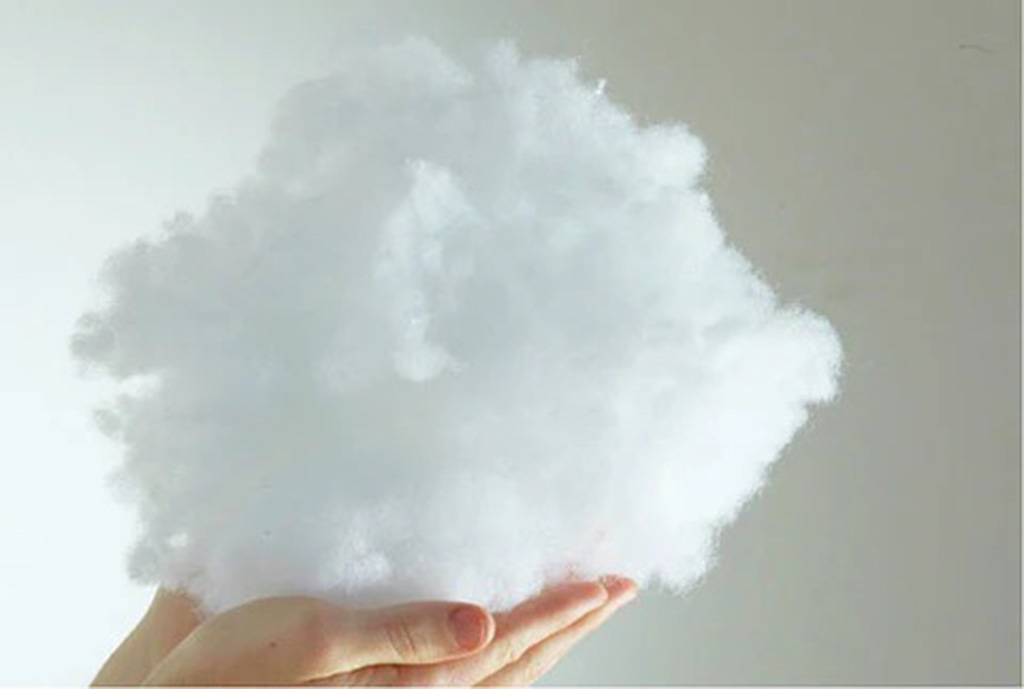
Stuffing is critical to a soft toy’s form and tactile experience. Popular stuffing materials include:
- Polyester fiberfill: Light, soft, resilient, and hypoallergenic. Ideal for most mass-market plush.
- Cotton: Natural fiber with moderate softness. Eco-conscious consumers prefer cotton for its biodegradable properties.
- Wool: Provides springiness and luxury feel. Requires careful handling to avoid itchiness.
- Kapok: Fluffy, lightweight, and biodegradable; less resilient than synthetic fibers.
- Foam / Beads / Pellets: Used for weighted plush, specialty shapes, or tactile effects. Requires proper encasing to prevent hazards.
Table: Stuffing comparison
| Stuffing Type | Softness | Resilience | Safety | Ideal Applications |
|---|---|---|---|---|
| Polyester Fiberfill | Very High | High | Hypoallergenic | Baby plush, gift toys |
| Cotton | Medium | Medium | Natural, safe | Eco-friendly, boutique |
| Wool | Medium-High | High | Safe with treatment | Premium plush |
| Kapok | Medium | Medium | Safe, biodegradable | Eco-conscious toys |
| Foam | Low-Medium | High | Non-toxic required | Large or novelty plush |
| Beads / Pellets | Low | Low | Must be secured | Weighted, sensory toys |
Correct stuffing density enhances huggability without over-stressing seams. Multiple stuffing types can be blended to achieve ideal softness, weight, or form retention.
How are trims, accessories, and embellishments safely incorporated?
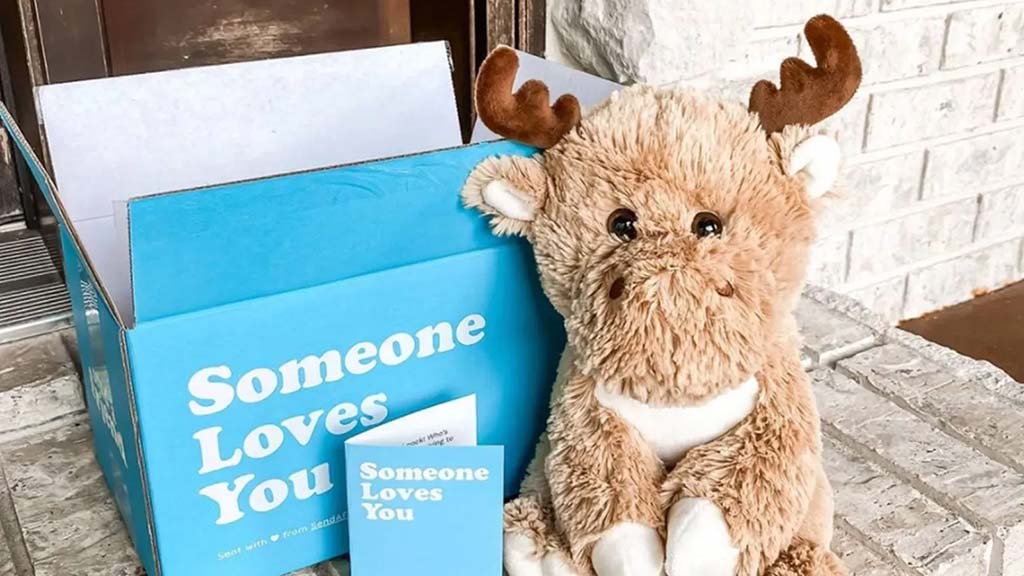
Decorative elements enhance realism, play value, and branding, but safety is paramount, especially for children under 3. Considerations include:
- Eyes & Noses: Safety eyes with locking washers or embroidered alternatives prevent choking hazards.
- Ribbons / Tags: Sewn securely with reinforced stitching. Avoid long cords that pose strangulation risks.
- Buttons / Beads: Only used on adult collectible plush; not recommended for toddler toys.
- Embroidery: Safe, durable, and washable method for facial features or logos.
Table: Trims & accessory safety
| Element | Safety Considerations | Recommended Use |
|---|---|---|
| Safety Eyes | Locking backs required | Toys for 3+ years |
| Embroidery | Secure threads; no loose fibers | All ages, especially babies |
| Buttons / Beads | Avoid for <3 years | Collectible, display plush |
| Ribbons / Tags | Reinforced stitching | Age-appropriate designs |
Proper trim integration ensures durability, aesthetic appeal, and compliance with global safety standards.
What quality standards ensure material safety for children’s toys?

Compliance with regulations is critical. Key standards include:
- EN71 (Europe): Covers mechanical, chemical, and flammability requirements.
- ASTM F963 (USA): Regulates mechanical/physical properties and labeling.
- CPSIA (USA): Limits lead, phthalates, and other harmful substances.
- OEKO-TEX Standard 100: Certifies textiles are free from harmful chemicals.
Table: Material compliance
| Material | Common Standards | Key Tests |
|---|---|---|
| Fabric | EN71, ASTM, OEKO-TEX | Flammability, colorfastness, chemical residues |
| Stuffing | EN71-1, ASTM F963 | Flammability, density, allergen testing |
| Trims | EN71-1, ASTM F963 | Choking hazard, flammability, secure attachment |
Testing ensures that each toy is safe for its intended age group and can withstand daily play without compromising structural integrity or chemical safety.
How do material innovations and sustainability trends shape soft toys?
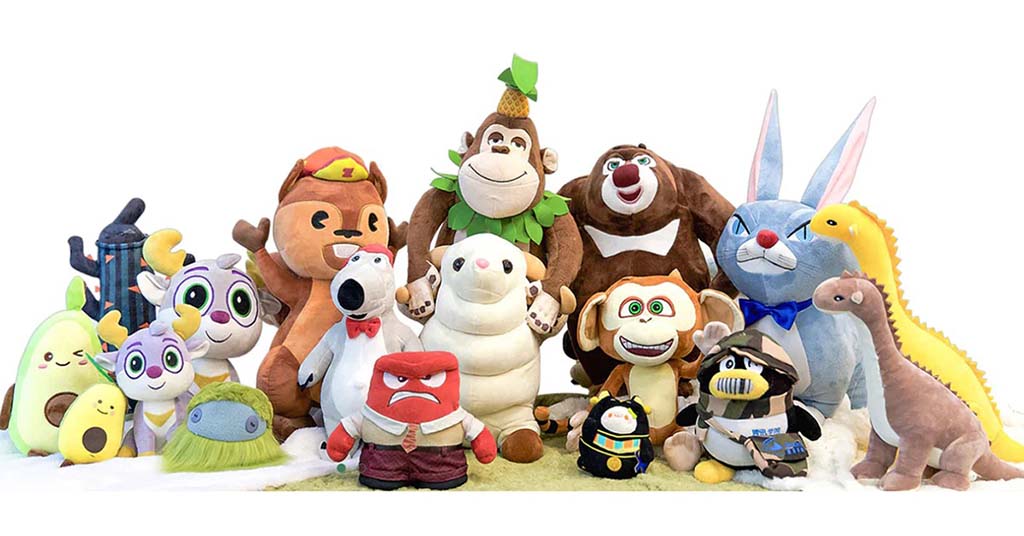
Manufacturers are increasingly selecting eco-friendly fabrics and recycled stuffing to meet consumer demand for sustainable products. Innovations include:
- Recycled Polyester Fiberfill (rPET): Maintains softness and resilience while reducing plastic waste.
- Organic Cotton / Kapok: Biodegradable, eco-conscious alternatives with high market appeal.
- Blended Fabrics: Combining natural and recycled fibers for durability, softness, and sustainability.
- Low-impact dyes: Reduce environmental contamination and enhance color safety.
Table: Sustainable materials
| Material | Environmental Benefit | Practical Considerations |
|---|---|---|
| rPET Fiberfill | Reduces virgin plastic | Ensure loft consistency |
| Organic Cotton | Biodegradable, eco-friendly | Higher cost; softer feel may compress |
| Kapok | Natural, biodegradable | Lightweight; less resilient |
| Blended Fabrics | Balanced performance & sustainability | Monitor for fiber shedding |
Sustainability trends allow brands to market eco-friendly plush toys without compromising quality or safety.
Conclusion
Modern soft toys combine carefully selected fabrics, safe and resilient stuffing, and thoughtfully integrated trims to deliver a cuddly, durable, and safe product. At Kinwin, we help global buyers source materials, design prototypes, test for compliance, and produce plush and soft toys that meet international safety standards while appealing to diverse markets. Contact us at [email protected] or visit kinwintoys.com to discuss your next soft toy project and see how our factory can turn ideas into market-ready, high-quality products.