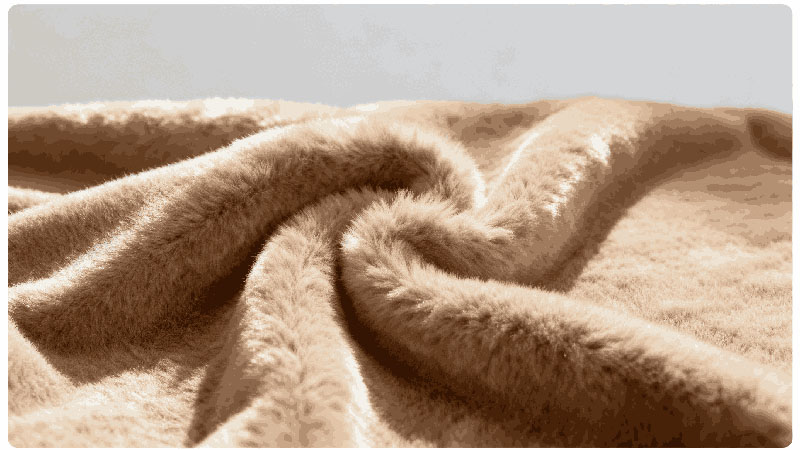
When people think of soft toys, they picture comfort — a smooth touch, a warm hug, and a friendly face that never fades. But behind that feeling lies careful material engineering. I’m Amanda from Kinwin, and for more than 15 years our factory in China has produced plush toys and dolls for brands, retailers, and e-commerce sellers worldwide. Every soft toy we make begins with the same goal: to combine softness, safety, and strength through materials that perform beautifully under play, washing, and time.
In this detailed guide, I’ll walk you through what soft toys are really made of — from outer fabrics and stuffing to threads, trims, safety rules, and the growing use of recycled materials that define the next generation of plush manufacturing.
What primary materials are used in making soft toys?
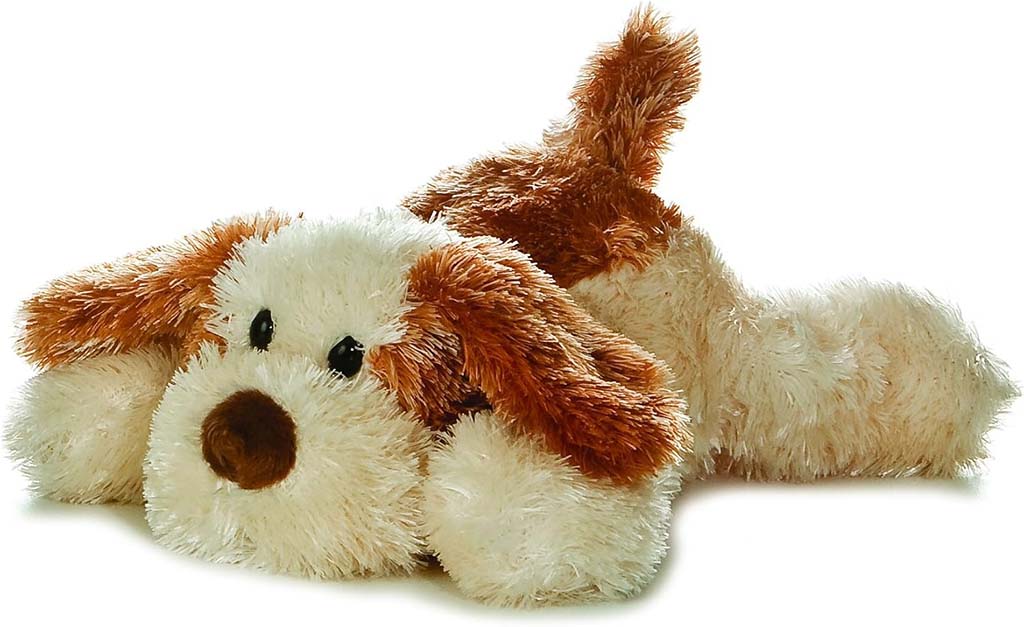
A soft toy looks simple, but inside, it’s a structured system of textiles, stuffing, threads, linings, and finishing elements. The material combination determines not just softness but also shape stability, washability, and overall lifespan.
The outer fabric gives the first tactile impression — whether velvety, furry, or smooth. Beneath that surface lies the stuffing, which fills out the form and defines how the toy hugs or sits. The threads hold every seam, while linings and pouches prevent internal fillings from shifting. Small accessories, like bows or tags, complete the identity.
For reliable production, each part must meet international toy safety standards (EN 71, ASTM F963, CPSIA) and function well together. In high-quality toys, fabrics are always toy-grade, colorfast, and tested for mechanical strength. Stuffing should rebound after squeezing, and threads should resist breakage during assembly and play.
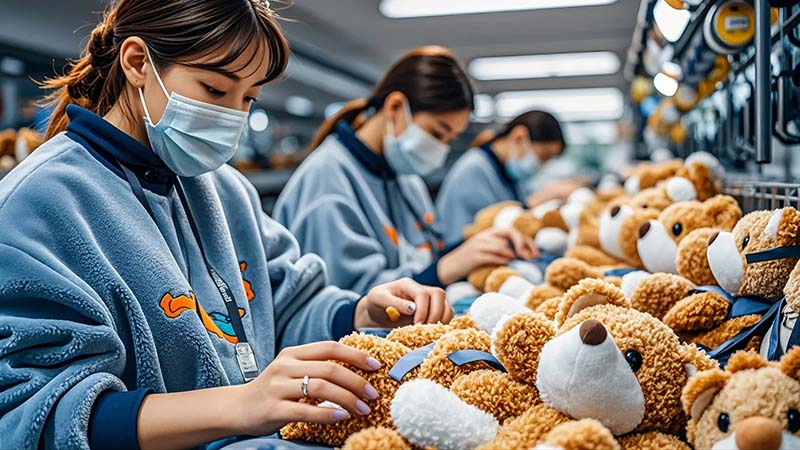
At Kinwin, we group materials into core categories and inspect each batch for texture, consistency, and color accuracy before cutting. Even slight differences in fiber grade or dye lot can affect the finished toy’s tone and softness.
Core materials in soft toys
| Component | Typical materials | What it controls | Notes for sourcing |
|---|---|---|---|
| Outer fabric | Minky, short plush, velboa, fleece, faux fur, cotton | First touch, shine, photo look | Choose toy-grade lots with stable dye and pile |
| Stuffing | Polyester fiberfill (virgin or rPET), pellets, foam | Softness, bounce, weight, posture | Set gram targets for consistency |
| Threads | Polyester sewing thread; embroidery thread | Seam strength; face clarity | Use high-tenacity thread for stress zones |
| Linings/backs | Knit lining, inner pouches, interfacing | Shape retention; pellet containment | Prevent leaks; keep silhouettes neat |
| Trims/accessories | Felt, woven labels, clothing parts, safe fasteners | Style, branding, storytelling | Match to age grade; avoid small parts for under-3 |
How do fabrics like minky, velboa, and fleece differ in performance?
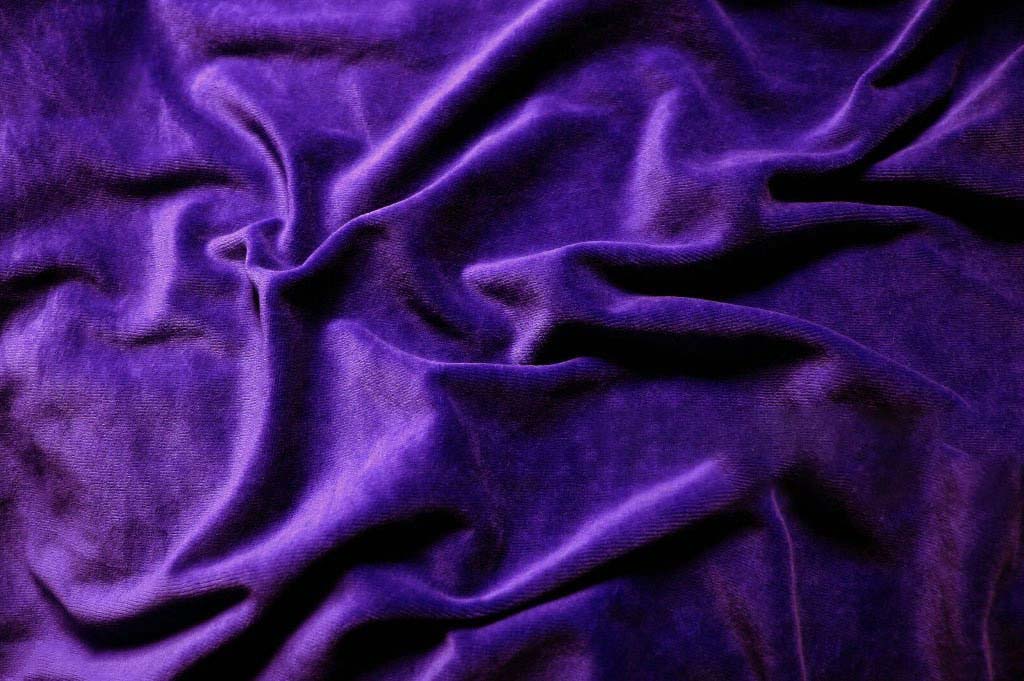
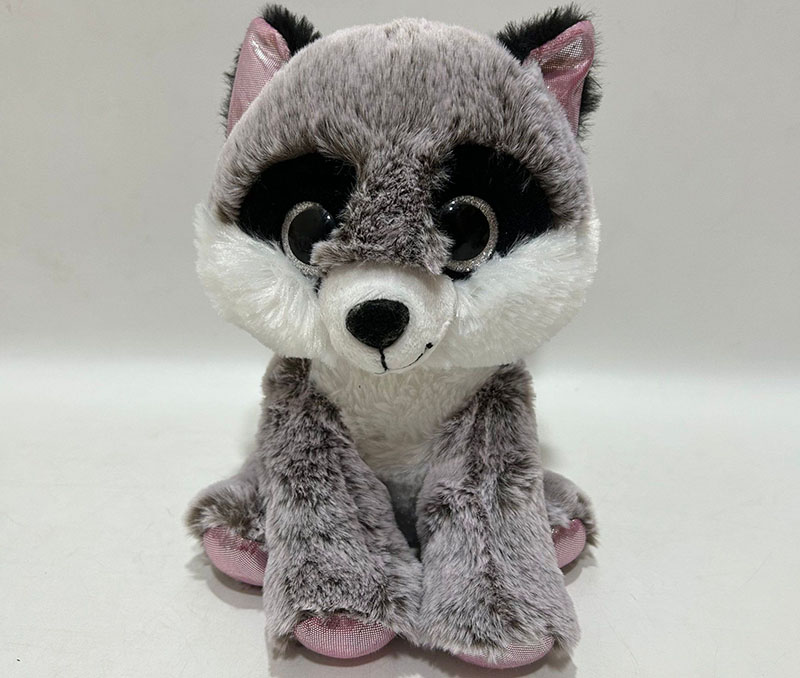
Fabric defines the toy’s personality. When buyers pick up a plush, their first decision is made within two seconds — through touch and visual texture. That’s why the outer material is more than decoration; it’s the core of perceived quality.
Minky fabric remains the favorite for premium plush. Its silky surface, fine pile, and reflective sheen make it ideal for baby toys and collectible dolls. It resists pilling, drapes naturally around curves, and retains softness even after washing. Velboa, on the other hand, offers a shorter pile and firmer body. It delivers crisp character outlines, perfect for mascots, anime figures, or plush that require detailed embroidery. Meanwhile, fleece gives a warmer, cozier feel — a slightly thicker hand and matte surface that communicates comfort and value for daily-use plush or clothing elements.
In special lines, designers may choose faux fur for realism or cotton and flannel for handmade or heritage appeal. Each fabric must balance softness with durability; high pile may feel luxurious but tends to shed if fiber density or stitch quality is low. We therefore evaluate pile height (mm), GSM (grams per square meter), and knit density before approving fabrics for mass production.
At Kinwin, we pre-test new fabrics through washing and abrasion simulations to see how color and texture change. Some materials soften beautifully; others flatten or fade. Only fabrics that keep their identity after testing move forward to production.
Fabric performance comparison
| Fabric | Touch & look | Best uses | Watch-outs |
|---|---|---|---|
| Minky | Silky, plush, photo-friendly | Baby plush, cuddle toys, premium lines | Show pile direction; avoid heat damage |
| Velboa | Short pile, crisp details | Faces, mascots, small sizes | Feels firmer; choose dense grades |
| Fleece | Warm, matte, forgiving | Budget lines, apparel parts, soft books | Pilling control; colorfastness |
| Faux fur | Long/varied pile, realistic look | Animal plush, fashion collectibles | Shedding in low-grade lots; seam bulk |
| Cotton | Natural, breathable, handmade vibe | Dolls, outfits, heritage styling | Shrinkage; reinforce stress seams |
What stuffing materials provide softness, shape, and resilience?
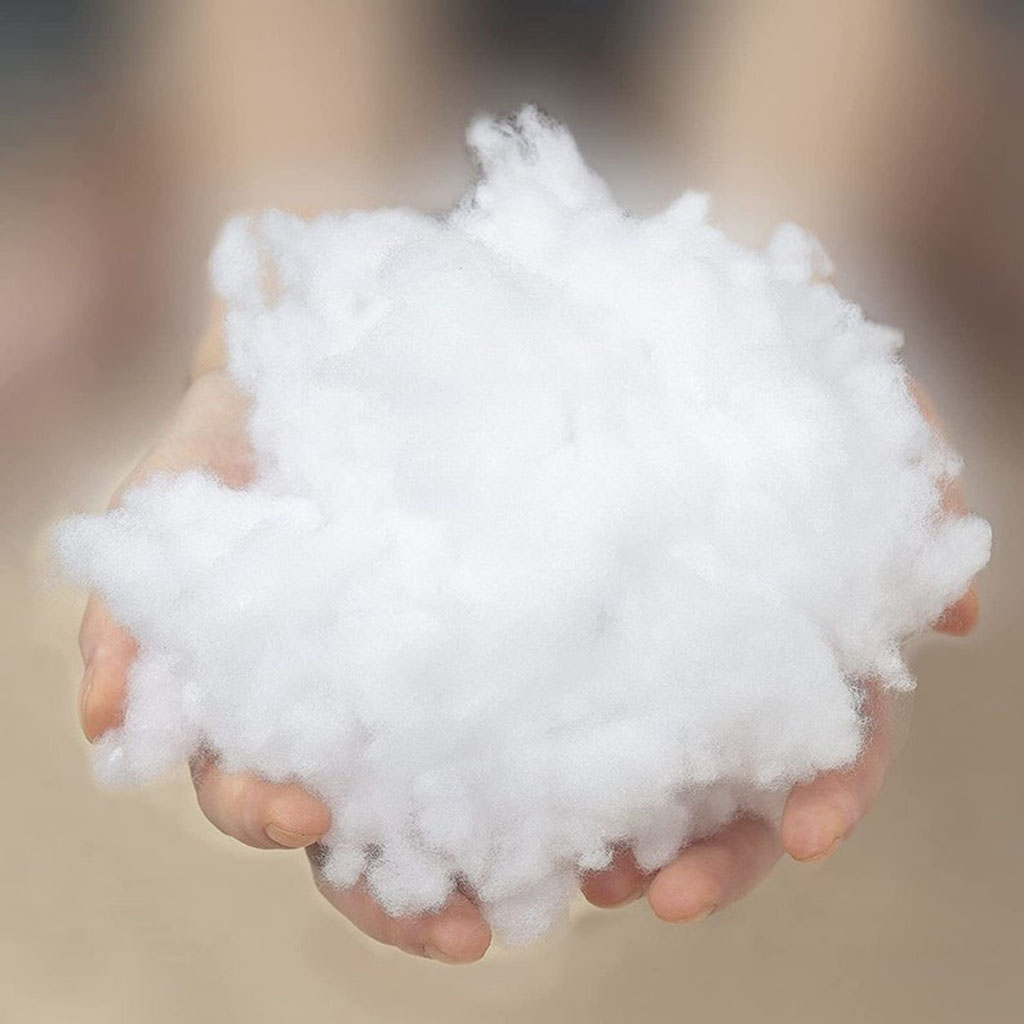
If fabric gives beauty, stuffing gives life. The inner filling determines whether a plush feels luxuriously soft or disappointingly stiff. We usually begin with polyester fiberfill, known globally as polyfill or PP cotton in Asia. It’s light, hypoallergenic, and reliably springy.
Good fiberfill combines fine denier fibers and hollow conjugate structure, allowing air pockets that make it compressible but elastic. High-grade polyester doesn’t clump even after compression during shipping. Many brands now switch to recycled polyester fiberfill (rPET) for sustainability, which maintains the same feel while reducing environmental footprint.
To adjust balance or realism, we mix in pellets or beads—often sealed in inner pouches—to add weight to the base or limbs, so plush toys can sit upright. For large mascots or structured heads, we sometimes use foam sheets or blocks for shape definition.
The right stuffing ratio depends on the toy’s purpose: baby plush must stay lightweight and safe, while collectible plush can handle higher density for display precision. During production, we control both stuffing density by zone and total gram weight to achieve identical feel across units.
Stuffing options at a glance
| Stuffing type | Core benefit | Typical placement | Notes |
|---|---|---|---|
| Polyester fiberfill | Soft, bouncy, washable | Whole body and head | Standard for most plush toys |
| rPET fiberfill (recycled) | Eco story with similar performance | Whole body; sustainable lines | Maintain certification for traceability |
| Plastic pellets (PP/PE) | Gentle weight; improved sitting posture | Bottom, hands/feet in inner pouches | Reinforce seams and pouches |
| Glass beads | Higher density in small volume | Weighted or therapy plush (14+) | Label weight and age clearly |
| Foam blocks/sheets | Shape control and structure | Heads, muzzles, wings, panels | Avoid hard edges; enclose completely |
How do threads, trims, and accessories affect toy durability and safety?
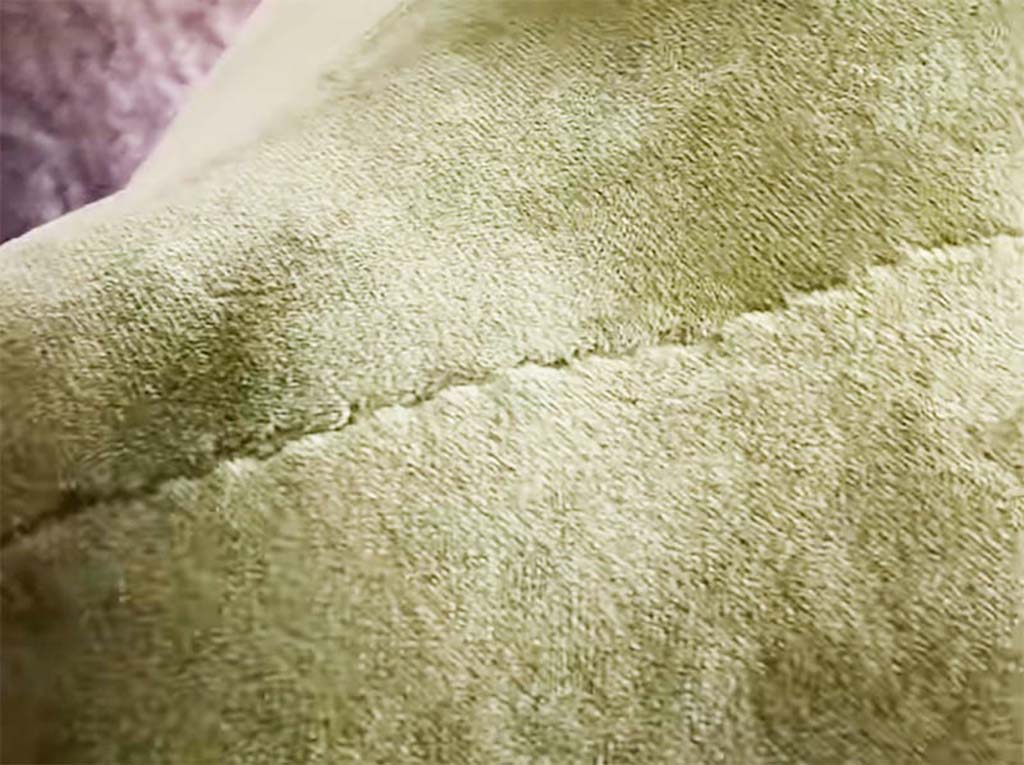
While they seem small, threads and trims determine whether a toy stays safe after months of hugs. Strong seams protect stuffing from leaking; correctly attached trims prevent choking hazards.
We use high-tenacity polyester sewing thread because it combines elasticity with strength, resisting breakage during machine sewing and child play. Stitch length is critical — too short weakens fabric; too long causes gaps. We typically keep between 2.5 mm and 3.0 mm for plush seams. For visible face details, embroidery remains the safest and cleanest method. No sharp parts, no color transfer, and perfect alignment with digital precision.
Accessories such as bows, scarves, and mini clothes transform a simple toy into a character. But every piece must pass pull tests (usually ≥ 90 N) for safety and remain soft enough not to injure children. At Kinwin, we never rely on glue-only attachments; trims are always double-stitched or anchored inside seams.
Labels serve both branding and compliance: each toy must show age grade, care instructions, and material composition. Swing tags and woven labels also express brand personality, but must use low-migration inks and non-scratchy backings.
Durability & safety components
| Part | Preferred method/material | Why it matters | Age-grade guidance |
|---|---|---|---|
| Seams | Polyester thread; balanced stitch length | Prevents splits under tension | Add bar-tacks in high-stress areas |
| Faces | Embroidery for under-3; precise digitizing | No hard parts; long-term clarity | Safety eyes only for 3+ with locked washers |
| Clothing | Sewn-in or well-fitted garments | Keeps silhouette neat; prevents tangling | Avoid small buttons for under-3 |
| Bows/trims | Sew into seams; never glue-only | Wash-proof attachment, lasting shape | Pull-test to certified force |
| Labels | Woven label + printed swing tag | Provides care and compliance info | Include warnings and age statement |
What chemical and flammability standards regulate soft toy materials?
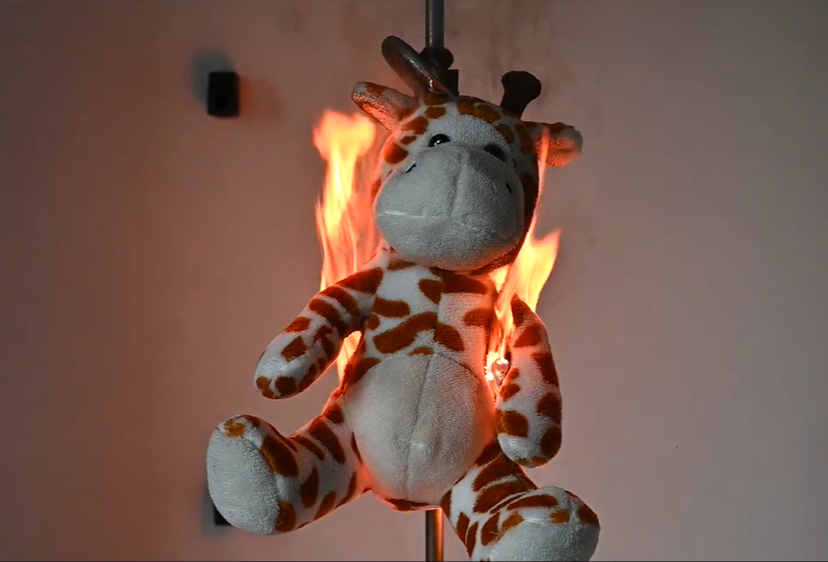
Soft toys may look gentle, but they face some of the strictest safety testing in consumer goods. In export manufacturing, we follow EN 71 (1–3) for Europe, ASTM F963 and CPSIA for the USA, plus equivalent standards in Japan, South Korea, and the Middle East.
These regulations cover mechanical, chemical, and flammability properties. Mechanically, toys must survive tension and impact without breaking into small parts. Chemically, all materials must stay below limits for heavy metals, formaldehyde, phthalates, and banned azo dyes. For flammability, pile fabrics must either resist ignition or self-extinguish within a controlled distance.
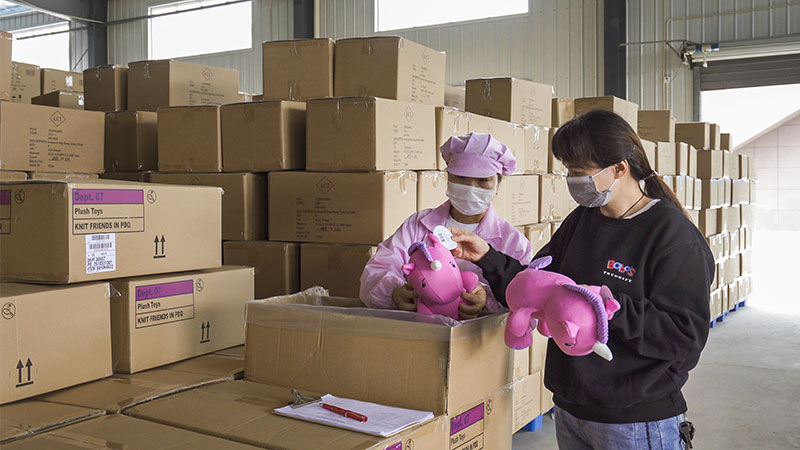
At Kinwin, we source materials from audited suppliers with previous test data, then confirm through third-party labs like SGS, Intertek, or TÜV before bulk runs. We also perform internal needle detection (≤ 1.0 mm sensitivity) and colorfastness checks to avoid later recalls.
Compliance focus areas
| Area | What labs check | Material implications |
|---|---|---|
| Mechanical/physical | Seam strength, small parts, sharp edges | Strong stitching; no loose trims or pellets |
| Chemical | Restricted substances in dyes, plastics, coatings | Certified fabrics and stuffing suppliers |
| Flammability | Flame spread and self-extinguish rate | Select compliant pile heights and fiber blends |
| Labeling | Age grade, warnings, importer info, care symbols | Correct and region-specific tag content |
How are sustainable and recycled materials shaping modern soft toy production?
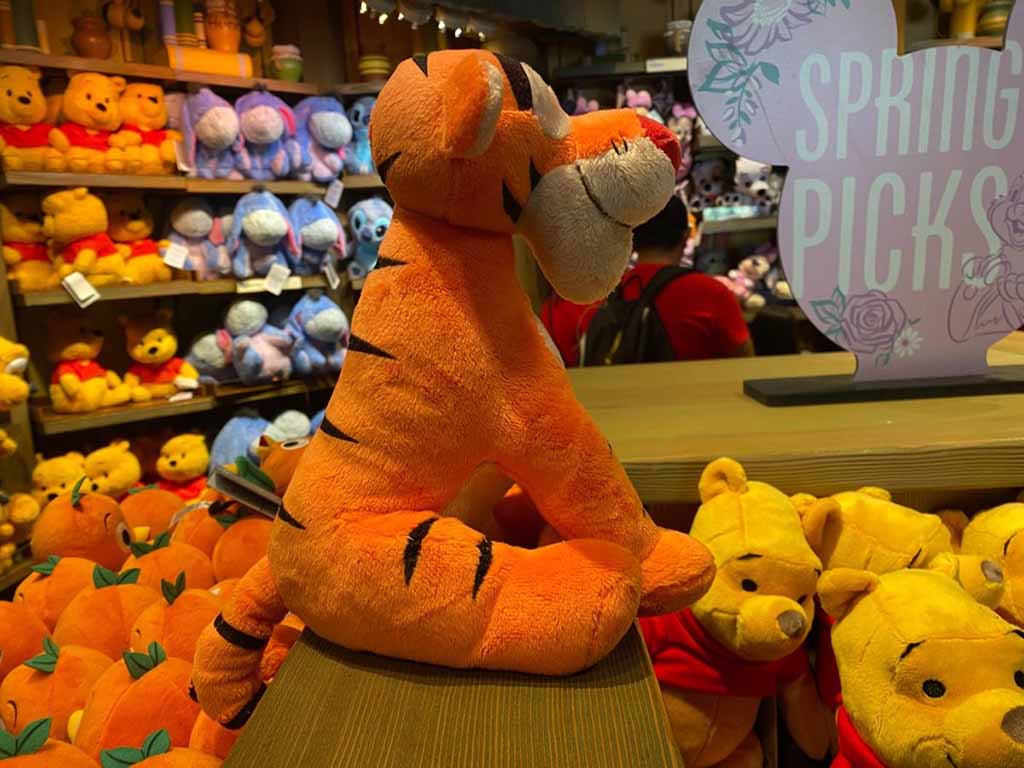
Sustainability has become a core expectation in global toy sourcing. Five years ago, recycled fillings were rare; today, most major buyers request at least one eco-line. The easiest first step is switching to rPET polyester fiberfill, made from post-consumer PET bottles. It keeps the same touch, bounce, and safety performance but helps brands communicate measurable environmental impact.
Beyond stuffing, we now see rPET plush fabrics replacing virgin polyester, recycled pellets for weighted toys, and even packaging made from FSC-certified paper and low-ink printing. Some brands explore organic cotton plush or bio-based synthetics, though those still require careful durability testing.
At Kinwin, we help clients combine eco materials with proper certification (GRS, OEKO-TEX 100, REACH compliance) and transparent traceability. Sustainability only matters if it’s verifiable; buyers increasingly request chain-of-custody documents before approving eco labels.
We also educate partners on balancing “eco” and “durable.” A plush that breaks early or sheds fibers easily wastes more resources than it saves. The goal is responsible softness — toys that stay lovable for years while using cleaner inputs and smarter manufacturing.
Sustainable choices that work now
| Element | Practical option | Impact on product & story | Implementation tip |
|---|---|---|---|
| Stuffing | rPET fiberfill | Maintains feel; credible eco claim | Keep GRS or supplier certificates |
| Outer fabric | rPET plush / recycled pile | Reduces virgin plastic usage | Pilot on mid-size SKUs; test pilling/softness |
| Weight media | Recycled plastic pellets | Circularity without texture change | Inspect odor, shape uniformity |
| Packaging | Recyclable mailers, kraft boxes, paper tape | Visible eco upgrade customers notice | Print clear recycling icons |
Conclusion
A well-made soft toy combines technical precision and emotional comfort. It’s built from safe, resilient fabrics, balanced stuffing, secure threads, and thoughtful trims — all verified through strict compliance tests. As sustainability grows, recycled fiberfill and rPET plush lead the industry forward without sacrificing quality.
At Kinwin, my team and I help brands, retailers, and e-commerce sellers worldwide select materials that feel right, test right, and tell the right story. If you want to upgrade your plush range or develop eco-friendly soft toys with reliable certification, email [email protected] or visit kinwintoys.com. We’ll help you turn great design into globally trusted softness.